- English
- French
- German
- Portuguese
- Spanish
- Russian
- Japanese
- Korean
- Arabic
- Greek
- German
- Turkish
- Italian
- Danish
- Romanian
- Indonesian
- Czech
- Afrikaans
- Swedish
- Polish
- Basque
- Catalan
- Esperanto
- Hindi
- Lao
- Albanian
- Amharic
- Armenian
- Azerbaijani
- Belarusian
- Bengali
- Bosnian
- Bulgarian
- Cebuano
- Chichewa
- Corsican
- Croatian
- Dutch
- Estonian
- Filipino
- Finnish
- Frisian
- Galician
- Georgian
- Gujarati
- Haitian
- Hausa
- Hawaiian
- Hebrew
- Hmong
- Hungarian
- Icelandic
- Igbo
- Javanese
- Kannada
- Kazakh
- Khmer
- Kurdish
- Kyrgyz
- Latin
- Latvian
- Lithuanian
- Luxembou..
- Macedonian
- Malagasy
- Malay
- Malayalam
- Maltese
- Maori
- Marathi
- Mongolian
- Burmese
- Nepali
- Norwegian
- Pashto
- Persian
- Punjabi
- Serbian
- Sesotho
- Sinhala
- Slovak
- Slovenian
- Somali
- Samoan
- Scots Gaelic
- Shona
- Sindhi
- Sundanese
- Swahili
- Tajik
- Tamil
- Telugu
- Thai
- Ukrainian
- Urdu
- Uzbek
- Vietnamese
- Welsh
- Xhosa
- Yiddish
- Yoruba
- Zulu
Locating astaxanthin powder for sale online has become an important method for business-to-business buyers in the animal nutrition, skincare, and nutraceuticals industries. Extracts from Haematococcus pluvialis that are approved, high-purity, and meet ISO, Kosher, and Halal standards can be bought from reputable companies like Shaanxi New Things Biotech. These companies keep stock on hand and require only 25 kg as a minimum order. They offer free samples to make sure the quality is good and promise delivery within 2 to 4 days after payment is confirmed. To make sure that purchases are safe and legal, it is still important to check the qualifications of suppliers, ask for Certificates of Analysis (CoA), and look at how much customization is possible.
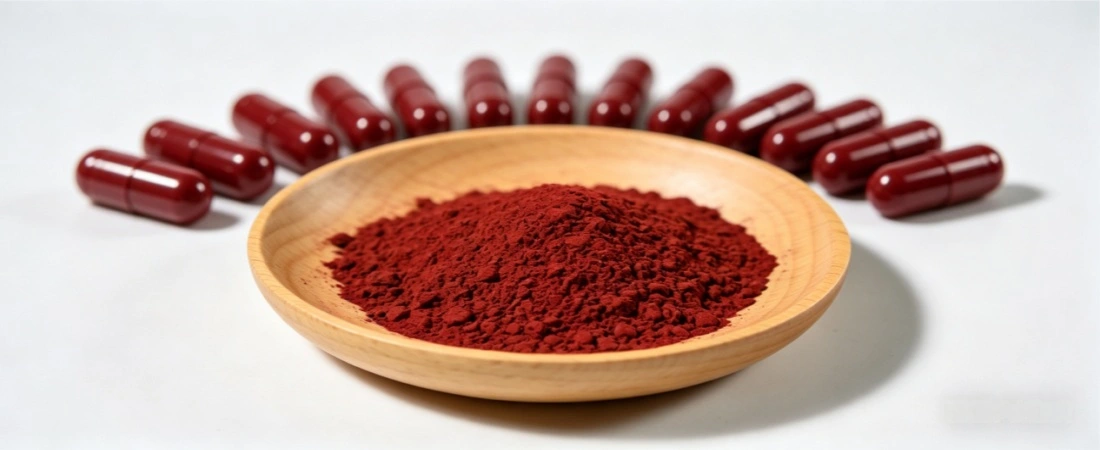
Understanding Astaxanthin Powder and Its Market Demand
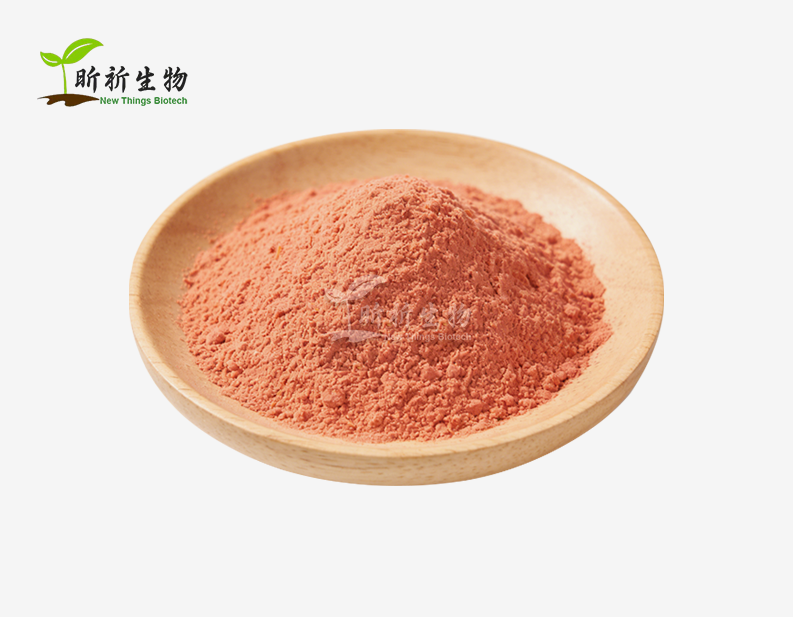
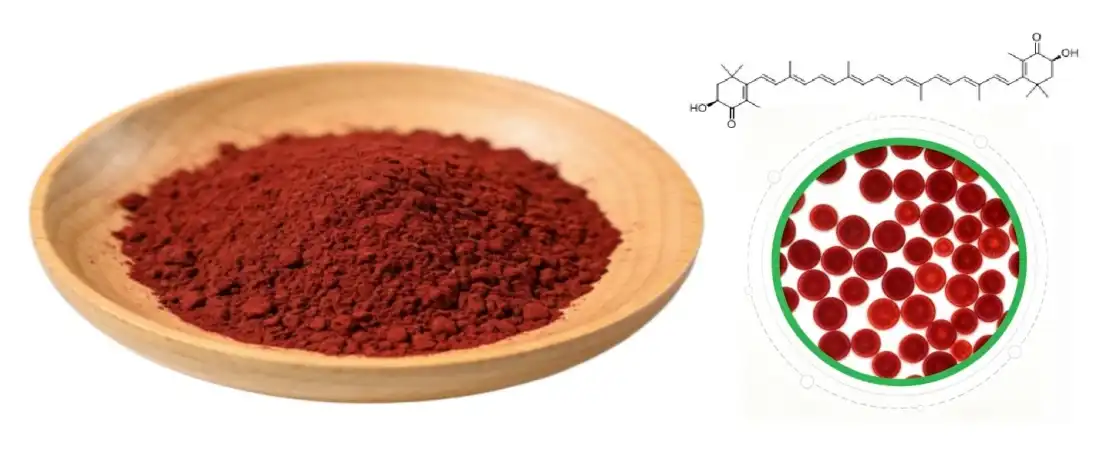
Astaxanthin powder, which is mostly made from the diatom Haematococcus pluvialis, is one of nature's strongest protectors. Research on free-radical scavenging activity has shown that this keto-carotenoid is about 6,000 times more powerful as Vitamin C and 100 times more powerful than Vitamin E as an antioxidant. The substance looks like a dark red to pink powder, and its potency is usually tested using HPLC and falls between 2% and 10%. Its molecular structure (CAS number 472-61-7) makes it very stable when modern microencapsulation methods are used to work on it.
Natural Sources and Extraction Methods
For making native astaxanthin, growing Haematococcus pluvialis is still the best way to do it. As a way to protect themselves from external stress, microalgae store astaxanthin and make esterified forms that are more bioavailable than synthetic options. Today, supercritical CO2 technology is used for extraction. This keeps the molecules intact while getting rid of liquid leftovers. This method creates powder, oil, and microcapsules, each of which is good for a different use in food supplements, cosmetics, and feed additives.
Key Benefits Driving B2B Procurement
The chemical is useful in a lot of different business settings. It is a better antioxidant than beta-carotene at getting rid of singlet oxygen and peroxyl radicals. In cosmetics, it slows down the aging process by stopping UV light from breaking down collagen and making fine lines less noticeable. Because it is a natural colorant, it is useful in food and drink uses where synthetic colors are being closely watched by regulators. It is used in the aquaculture and chicken feeding industries to improve the color of animals, which has a direct effect on how marketable the products are and how customers see them.
Market Growth Trajectories and Trends
As consumers' tastes for "clean label" ingredients have grown, so has the demand for natural astaxanthin. Astaxanthin is bought in large amounts by the supplement industry because clinical study has linked it to heart health, reducing eye strain, and helping athletes recover. Regulatory approvals from groups like the FDA and EFSA have increased the amounts that can be used in healthy foods and drinks. More and more, procurement professionals are being pushed to find approved organic options. This has led sellers to invest in traceability systems that keep track of everything from the growing conditions to the final packaging.
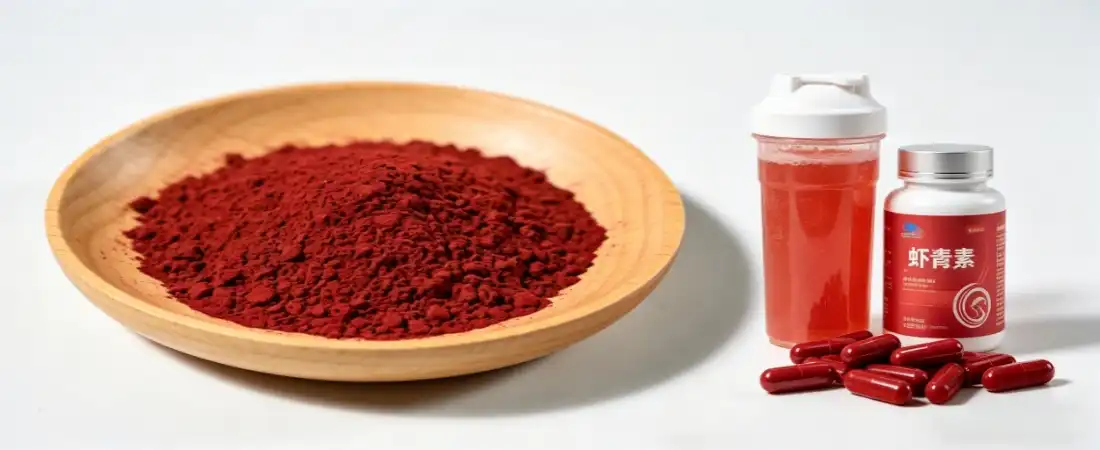
Common Challenges in Purchasing Astaxanthin Powder Online
There are some problems with the internet market for plant extracts that can make buying less honest. To tell the difference between real natural astaxanthin and manufactured copies, you need to know more about the products than just what they say. Synthetic versions, which are usually made from petrochemical starting materials, have different stereoisomer ratios (usually 1:2:1 racemate) than the 3S,3'S form that is naturally found in goods made from algae. This change in structure has an effect on bioactivity and legal classification in some markets.
Quality Variability and Potency Concerns
Astaxanthin powder for sale is frequently listed online without clear information about the extraction process or the amount of active ingredient. If suppliers don't have controlled growing conditions or standard processing methods, potency can change a lot from batch to batch. Buyers have said that they received packages whose real assay values were 30–40% lower than what was written on the label. This was only found out after the goods were tested by a third-party lab. Such differences make it hard to make sure that the recipe is consistent, and they can also make stable studies done during the development of a product useless.
Certification Gaps and Compliance Risks
A lot of online sellers say their products are GMP-certified or "organic" without showing proof. Buyers who sell to controlled markets are at risk of not following the rules if their products don't have current ISO 9001 certificates, USDA Organic approval, or Kosher/Halal certifications, especially when sourcing astaxanthin powder for sale. Sometimes fake or outdated certificates show up in cross-border deals, where it's hard to make sure they are real. This hole means that procurement teams could face fines and product recalls from regulators that are much worse than any savings they think they'll get from suppliers they don't know.
Hidden Cost Structures in Online Transactions
Prices that are advertised often don't include important costs like customs duties, fast freight surcharges, and cold-chain handling for packages that need to be kept at a certain temperature. Some sellers use tiered pricing that you only see when you check out, and others don't make their rules on reshipping costs for damaged goods clear. When added up, these secret costs can make total landing costs go up by 15 to 25 percent, which can mess up budget estimates and margin calculations. Before placing a buy order, it is still important to get thorough quotes that list all fees.
How to Identify Trusted Astaxanthin Powder Suppliers for Bulk Purchase
Establishing the dependability of a seller requires a thorough analysis of many factors. Manufacturers you can trust keep their certifications up to date from well-known groups, such as ISO 9001 for quality management systems, Kosher and Halal for religious food needs, and organic certifications when they apply. Instead of depending only on documents given by the seller, these credentials should be able to be checked on their own through databases of certification bodies. While client comments from well-known companies in your industry group are another form of validation, direct reference checks give you more useful information that you can use right away.
Essential Evaluation Criteria for B2B Sourcing
Professional providers are different from stock resellers because they have technical skills. Look for proof of a special extraction method that gets the most active compounds out of the material while causing the least amount of damage. Suppliers should give CoA papers that are special to each batch and show HPLC test results, heavy metal screens, levels of microbial pollution, and pesticide residue analysis. Having analytical labs in-house or paired with other companies shows a commitment to quality control that goes beyond basic compliance. Traceability systems that keep track of individual batches from the time they are filled with raw materials until they are packed up as finished goods show operating growth that audit-conscious purchasing departments value.
Comparing Natural and Synthetic Astaxanthin Sources
Natural astaxanthin from Haematococcus pluvialis is very expensive, but it has regulatory benefits in markets that value plant ingredients. When compared to manufactured copies that aren't esterified, the esterified forms (mono-esters and di-esters) found in algae are more stable and absorb better. Even though synthetic astaxanthin is cheap for some uses in animal feed, it can't be used in human diet because of labeling rules in some places. Buyers need to make sure that the source they choose fits with the placement of the final product. For example, natural sources are usually better for premium products, while synthetic sources may work for cost-sensitive uses if the rules allow it.
Value-Added Services Enhancing Supply Chain Efficiency
Leading providers do more than just provide basic ingredients; they also offer ODM and OEM customization that is specific to the needs of regional markets. Private labeling services let brand owners keep the packages of all of their products looking the same, and custom mixing lets them use their own formulas without having to build their own compounding facilities. With a range of flexible packaging choices, from 25 kg drums to smaller pieces that are ready to sell, handling steps and the risk of contamination are cut down. When joining new foreign markets with special labeling or dosage rules, these skills become even more useful.
Step-by-Step Guide to Buying Astaxanthin Powder Online Safely
Clear recording of requirements is the first step to a successful purchase. Define the desired strength levels (2%, 5%, or 10%), the chosen form factor (standard powder, beadlets, or cold-water-soluble), and the planned use (capsule fill, liquid dispersion, or topical incorporation). Being clear on these factors helps avoid misunderstandings and makes sure that the quotes you get from suppliers are based on your specific needs and not just general product offers.
Screening Potential Suppliers Through Strategic Inquiry
When you first talk to a seller, you should ask specific questions to get to know their business better. Ask about the methods used for growing or synthesizing the substance, the chemicals used for extraction (supercritical CO2 vs. ethanol), and the stabilizing methods used to keep it from oxidizing, especially when evaluating astaxanthin powder for sale. Find out how long the lead time is usually for special orders versus stock things, how much of an order is needed, and how consistent the batch size is. A good customer support infrastructure is shown by responsive suppliers who give thorough technical answers within an acceptable amount of time, ideally less than two hours. Concerns about real manufacturing capabilities are raised when people give vague answers or try to avoid answering technical questions by focusing on sales.
Quality Verification Through Documentation and Sampling
Genuine sellers are happy to give you all the paperwork you need before you commit to buying from them. Look over recent CoA results for several batches to see if the assay readings and amounts of contamination are consistent. Compare certificate serial numbers with the verification methods used by the granting bodies. Ask for free samples, which are usually between 50 and 100 grams, to test on your own or have analyzed by a third-party lab. When testing a sample, it should be looked at visually to make sure the colors are spread out evenly, the particle size should be measured if necessary, and ideally, HPLC proof of the labeled strength should be done. Discrepancies at this stage keep big, expensive mistakes from happening during buying.
Secure Payment and Logistics Risk Mitigation
Payment terms show that the buyer and seller trust each other and that the buyer is safe. Manufacturers who have been around for a while will usually accept letters of credit for first orders and then switch to net payment terms as the relationship grows. Don't give full wire transfers to sellers who don't offer arrival guarantees or order confirmation paperwork. Reliable companies like Shaanxi New Things Biotech let buyers pay in their own currencies, which lowers their risk to foreign exchange. Clear Incoterms (FOB, CIF, DDP) should be used in logistics plans, and high-value packages should be covered by insurance. For smaller orders, express companies like FedEx and UPS make tracking easy, while freight forwarders handle container packages and make sure the right temperature is maintained for large purchases.
Post-Purchase Support and Return Protocols
Suppliers you can trust set clear rules for how to handle quality complaints, shipping damage, and changes from the specifications. Buyers' interests are protected by clear return policies and deadlines, which are usually 7–14 days from receiving. Having technical support available for help with design or application problems adds value that goes beyond the transaction itself. Suppliers who want to build long-term relationships talk to customers ahead of time about changes in the prices of raw materials, the harvest season's effects on supply, or changes in regulations that affect product specs.
Comparing Astaxanthin Powder Options to Make an Informed Purchase
Product presentation has a big effect on how well it works in different situations and how much it costs to make. Standard powder forms, such as astaxanthin powder for sale, give you the most options for unique mixing, but they need to be handled carefully to keep them from going bad while they're being stored or processed. Beadlet versions use protection matrices like modified starch or gum arabic to help the drugs survive being pressed down in tablets and going through the stomach. For beverage use, cold-water-soluble versions use emulsification technology to get rid of the oil-ring production that happens with lipophilic carotenoids.
Powder Versus Capsule and Oil Forms
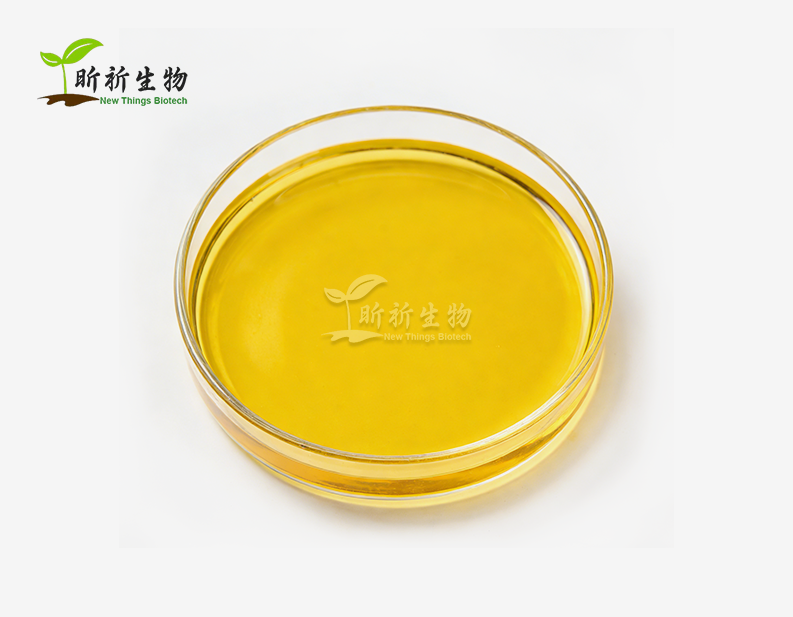
For companies that make food supplements, encapsulated astaxanthin products make dose easier, but they also limit formulation creativity and raise the cost per unit by adding more processing steps. Oil solutions have high amounts of active ingredients that are great for making softgels, but they can be unstable in places where oxidation is common. Powder types are a good compromise because they can be delivered in a number of different ways, stay stable when properly packed, and allow for accurate doses through gravimetric measurement. Buyers who make pills or hard capsules tend to choose powder because it is easier to work with, while buyers who make softgels tend to choose oil-based concentrates.
Potency Levels and Pricing Dynamics
Cost patterns and design economics are directly affected by concentration. A 2% astaxanthin powder needs higher inclusion rates to reach the goal dose than a 10% variant, which could change the size of the end product and the speed at which it is made. Higher-potency choices cost more per kilogram, but they may lower the total cost of preparation when smaller capsule forms and less material handling are taken into account. Instead of just looking at prices per kilogram, procurement research should figure out how much active astaxanthin costs per milligram so that true comparisons can be made across levels of potency.
Organic Certification and Synthetic Alternatives
Certified organic astaxanthin is aimed at groups of people who prefer farming methods that don't use manmade fertilizers or pesticides. For this title, there must be detailed recording of the supply chain and regular audits. As a result, the price is 20–35% higher than for regular natural sources. While synthetic astaxanthin is much cheaper than natural versions (sometimes 60–70% less), it is limited in what it can be used for in food in the European Union and is facing rising opposition from consumers in North America. The choice matrix depends on how the target market is positioned, the rules that apply, and how price-sensitive the end customer is.
Conclusion
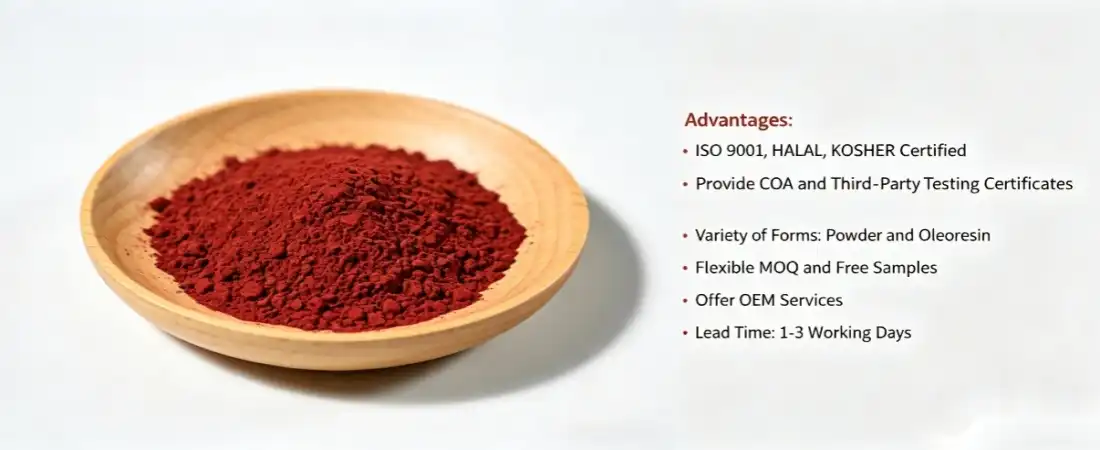
To make sure that buying astaxanthin powder for sale online is safe, suppliers must be carefully checked, quality must be obvious, and specifications must be in line with what the purpose needs. Reputable companies like NT Biotech set themselves apart by having a wide range of standards (ISO 9001, Kosher, and Halal), having an easy-to-find inventory that lets them ship stock items in one to three days, and being able to customize their products in a way that supports OEM relationships. Because of how hard it is to choose between natural and synthetic sources, choose the right potency, and make decisions about form factors, buying teams have to balance technical performance with price limits while staying in line with changing legal standards. Partnering with suppliers who offer stable quality, quick technical help, and a dedication to long-term supply chain teamwork is key to success.
FAQ
1. What certifications ensure astaxanthin powder safety and quality?
Kosher and Halal certificates deal with religious dietary needs, while ISO 9001 approval verifies quality management systems. Organic licenses (USDA, EU Organic) prove the way the plants were grown, and HPLC tests on the batch papers confirms the purity and potency of each batch.
2. How can buyers be sure that a seller is real before they buy?
Ask for certification papers that can be checked and whose serial numbers can be found in the records of the organizations that issued them. Check references with past clients who work in related fields. Get free samples that can be tested by a third-party lab to make sure that the specs match what the provider says they are.
3. What are typical lead times and minimum order quantities?
Items in stock from trusted sellers usually ship one to four days after payment is confirmed. It takes 3–10 working days for custom formulas to be made. For standard goods, the minimum order quantity is usually 25 kg, but smaller amounts may be offered at a higher price.
Partner with NT Biotech – Your Trusted Astaxanthin Powder Supplier
Because NT Biotech is an expert in getting astaxanthin powder from Haematococcus pluvialis using a special method called unique supercritical CO2 extraction, they can offer approved astaxanthin powder for sale with potencies ranging from 2 to 10 percent. Our ready-to-ship inventory allows for quick delivery within two to four days, and our flexible OEM solutions allow for private labeling and custom packing for markets around the world. Each batch comes with full CoA paperwork that confirms it is >98% pure, third-party testing to make sure it meets standards, and full tracking from production to delivery. You can email our technical team at info@newthingsbiotech.com to get free samples, talk about bulk prices for maker partnerships, or look into customization options that are specific to your formulation needs.
References
1. Ambati, R.R., et al. "Astaxanthin: Sources, Extraction, Stability, Biological Activities and Its Commercial Applications—A Review." Marine Drugs, 2014.
2. Guerin, M., Huntley, M.E., and Olaizola, M. "Haematococcus astaxanthin: applications for human health and nutrition." Trends in Biotechnology, 2003.
3. Capelli, B., Bagchi, D., and Cysewski, G.R. "Synthetic Astaxanthin Is Significantly Inferior to Algal-Based Astaxanthin as an Antioxidant and May Not Be Suitable as a Human Nutraceutical Supplement." Nutrafoods, 2013.
4. Yuan, J.P., Peng, J., Yin, K., and Wang, J.H. "Potential health-promoting effects of astaxanthin: A high-value carotenoid mostly from microalgae." Molecular Nutrition & Food Research, 2011.
5. Higuera-Ciapara, I., Felix-Valenzuela, L., and Goycoolea, F.M. "Astaxanthin: A Review of its Chemistry and Applications." Critical Reviews in Food Science and Nutrition, 2006.
6. Shah, M.M.R., et al. "Astaxanthin-Producing Green Microalga Haematococcus pluvialis: From Single Cell to High Value Commercial Products." Frontiers in Plant Science, 2016.