- English
- French
- German
- Portuguese
- Spanish
- Russian
- Japanese
- Korean
- Arabic
- Greek
- German
- Turkish
- Italian
- Danish
- Romanian
- Indonesian
- Czech
- Afrikaans
- Swedish
- Polish
- Basque
- Catalan
- Esperanto
- Hindi
- Lao
- Albanian
- Amharic
- Armenian
- Azerbaijani
- Belarusian
- Bengali
- Bosnian
- Bulgarian
- Cebuano
- Chichewa
- Corsican
- Croatian
- Dutch
- Estonian
- Filipino
- Finnish
- Frisian
- Galician
- Georgian
- Gujarati
- Haitian
- Hausa
- Hawaiian
- Hebrew
- Hmong
- Hungarian
- Icelandic
- Igbo
- Javanese
- Kannada
- Kazakh
- Khmer
- Kurdish
- Kyrgyz
- Latin
- Latvian
- Lithuanian
- Luxembou..
- Macedonian
- Malagasy
- Malay
- Malayalam
- Maltese
- Maori
- Marathi
- Mongolian
- Burmese
- Nepali
- Norwegian
- Pashto
- Persian
- Punjabi
- Serbian
- Sesotho
- Sinhala
- Slovak
- Slovenian
- Somali
- Samoan
- Scots Gaelic
- Shona
- Sindhi
- Sundanese
- Swahili
- Tajik
- Tamil
- Telugu
- Thai
- Ukrainian
- Urdu
- Uzbek
- Vietnamese
- Welsh
- Xhosa
- Yiddish
- Yoruba
- Zulu
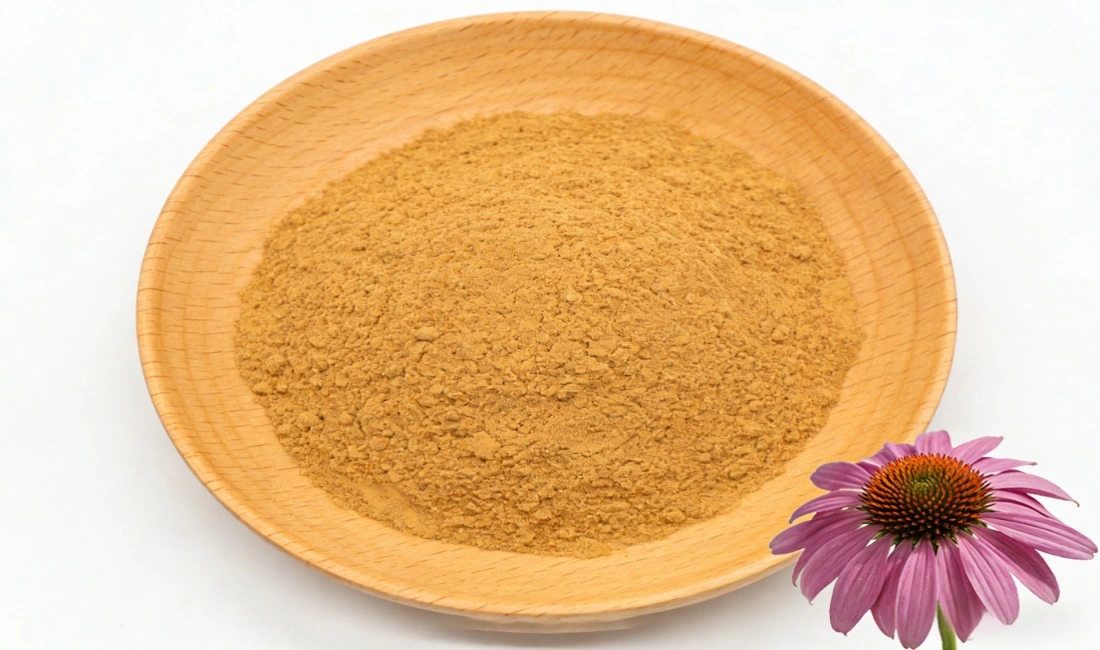
You can be sure you'll get high-quality Echinacea Extract powder from NT Biotech or other well-known makers when you buy it in bulk for your business. Professional suppliers that focus on standardising plant extracts offer consistent potency, legal compliance, and technical help that are necessary for business uses. When compared to retail channels, business-to-business (B2B) manufacturers offer affordable wholesale prices, flexible specifications, and quality assurance paperwork that meets industry standards for nutraceutical formulations, functional foods, and dietary supplements. When it comes to buying Echinacea Extract powder around the world, there are both amazing possibilities and tough problems. As the need for natural ingredients that boost the immune system grows in many fields, procurement pros have to deal with differences in quality, strict rules, and a complicated supply chain. When your formulations depend on consistent bioactive compounds like chicoric acid and polyphenols that define product efficacy, it's important to understand the source environment.
Why Global Sourcing of Echinacea Extract Powder Matters
Accessing Premium Raw Materials
Different parts of the world have very different ways of growing Echinacea purpurea, which has a direct effect on the quality of the chemicals that are extracted. North American sources usually provide strong root materials, while other areas are better at growing flying parts. With global buying, procurement teams can find a wide range of botanical profiles and choose the best raw materials for each formulation. Premium brands put money into long-term partnerships with farmers around the world to make sure they have steady supply lines that can handle changes in the seasons and problems in farming. This spread-out geographical coverage guards against problems with supplies and keeps quality standards high all year long.
Technological Innovation and Processing Excellence
The biggest suppliers in the world use cutting-edge extraction methods that keep molecules intact while recovering as many beneficial compounds as possible. Modern labs use advanced liquid extraction methods and then precise spray drying methods to keep the delicate alkylamides and phenolic compounds that are needed to change the immune system. These technological skills are usually concentrated in places that already have a pharmaceutical manufacturing system in place. This means that global sourcing is necessary to get access to cutting-edge processing methods that make drugs more stable and bioavailable.
Understanding Echinacea Extract Powder Applications
Dietary Supplement Manufacturing
The biggest market for bulk Echinacea Extract powder is in food supplements, because people are more aware of how natural supplements can help their immune systems. For consistent therapeutic benefits, manufacturers need standardised extracts with proven amounts of potency. These extracts usually have 4% polyphenols and 2% to 3% chicoric acid. When making tablets, compressibility is important, flowability is important for filling capsules, and stability is important under different storage circumstances for Echinacea Extract powder. To help with formulation creation, good suppliers give technical data sheets that list these important parameters.
Functional Food and Beverage Integration
Different types of Echinacea powder that dissolve in water can be added to functional drinks, immunity shots, and foods to make them healthier. Natural alkylamides can make people feel tingly, which can make them less likely to accept the product. This means that taste hiding needs to be done carefully in these situations. Successful beverage formulations often mix Echinacea with ingredients that work well together, such as vitamin C and zinc. This means that suppliers need to know how to make ingredients that work well together and stay stable in liquids.
Animal Nutrition Applications
Animal health professionals are using Echinacea Extract powder more and more as a natural option to antibiotics for animals and birds. In these uses, the formulations need to be able to survive high temperatures and feed pelleting while still having immunostimulant properties. Regulatory rules for animal feed additives change from place to place, so it's important for suppliers to know how to fill out compliance paperwork so they can get their products on the market.
Global Supply and Demand Analysis
Market Growth Drivers
Echinacea-based goods are steadily becoming more popular as more people look for natural ways to improve their health. The growth of the global market for immune health supplements is directly linked to higher purchases of standardised plant extracts. Regulatory approvals in developing markets open up new ways for companies to add natural ingredients that have been shown to work in clinical studies to their product lines. Because of this trend, there is always a need for high-quality extract products.
Supply Chain Considerations
The supply of raw materials changes with the seasons, the weather, and the growth of farming areas. Experienced sellers keep extra inventory on hand and use a variety of sourcing networks to make sure that products are always available, even when demand changes with the seasons. Processing capacity issues can cause bottlenecks during times of high demand, especially when many businesses are competing for the same botanical materials. Getting to know the production dates of suppliers helps procurement teams make good plans.
Regional Demand Patterns
The North American and European markets are the main sources of high-end demand for standardised extracts that come with full paperwork and organic certifications. Asian markets are becoming more interested in functional food uses, while developing economies are focusing on making supplements that are cheap. Because of these regional preferences, prices and Echinacea Extract powder minimum order amounts are affected, which means that procurement strategies need to be tailored to how each market works.
Comparing Sourcing Channels
Direct Manufacturer Partnerships
| Advantages | Disadvantages |
|---|---|
| Competitive wholesale pricing | Higher minimum order quantities |
| Technical support and documentation | Longer lead times for custom specifications |
| Quality control transparency | Language and communication barriers |
| Customization capabilities | Payment terms may require negotiation |
Direct relationships with manufacturers like NT Biotech offer the most comprehensive support for complex formulation requirements. These partnerships provide access to technical expertise, custom processing capabilities, and preferential pricing for volume commitments.
B2B Trading Platforms
| Advantages | Disadvantages |
|---|---|
| Wide supplier selection | Quality verification challenges |
| Competitive bidding opportunities | Limited technical support |
| Simplified communication | Potential for counterfeit products |
| Flexible order quantities | Payment security concerns |
Online platforms facilitate initial supplier identification and price comparisons but require careful due diligence to ensure quality standards and regulatory compliance.
Regional Distributors
| Advantages | Disadvantages |
|---|---|
| Local inventory availability | Higher per-unit costs |
| Familiar payment methods | Limited product selection |
| Faster delivery times | Potential quality degradation |
| Local regulatory knowledge | Reduced customization options |
Regional distributors serve smaller volume requirements effectively but may lack the technical support necessary for complex formulation challenges.
Supplier Verification and Quality Control
Essential Documentation Requirements
Professional providers give full certificates of analysis (CoA) that show the amounts of active compounds, microbiological tests, heavy metals, and residual solvents. These papers make sure that regulations are followed and that formulations are always the same. ISO standards, along with Kosher and Halal approvals, show that a company is dedicated to quality management systems and making its products available to all markets. Suppliers that want to keep these certifications usually put money into Echinacea Extract powder and strong quality control systems.
Testing and Validation Protocols
Testing by a third party confirms what the supplier says and makes sure that consistency from batch to batch. Microbiological testing makes sure that safety standards are met, and HPLC research confirms the levels of bioactive compounds. The results of stability tests help predict how long something will last in different storage circumstances, which helps with formulating new products and making decisions about managing inventory.
Supplier Audit Considerations
Inspections of facilities show what kinds of things can be made, how well they control quality, and whether they are in line with regulations. Professional suppliers are happy to be audited and let auditors see their production facilities and methods for keeping records. Monitoring the environment, keeping records of employee training, and planning when to calibrate equipment are all signs of organisational sophistication and a dedication to delivering consistently high quality.
Procurement Best Practices
Minimum Order Quantities and Pricing
Most manufacturers set a minimum order size of 25 kg for standard specifications. For custom formulations, bigger volumes are needed. Volume rates usually start at 100 kg, and for annual contracts that go over 1000 kg, you can save a lot of money. The way prices are set takes into account the cost of raw materials, the difficulty of handling, and the need for paperwork. Paying more for organic approvals and specialised testing is often worth it to stand out in the market.
Payment Terms and Risk Management
For new customers, established suppliers offer a range of payment choices, such as letters of credit, wire transfers, and escrow services. Paying in the local currency lowers the risk of foreign exchange and makes tracking easier. Sample evaluation programs let you try things thoroughly before you make big purchases. This lowers the risk of formulation errors and ensures that the new products will work with existing processes.
Delivery and Logistics Management
Lead times range from two to four days for things that are already in stock to three to ten days for customs. If you need something quickly, express shipping choices can get it to you faster, while consolidated shipping can save you money on larger orders. Moisture-sensitive items are kept safe during shipping with the right packaging. For long-distance shipments, sellers offer special containers and desiccant systems.
Conclusion
Getting Echinacea in bulk. To successfully extract powder, you need to know how the Echinacea Extract powder market works, what your Echinacea in bulk supplier can do, and what quality standards you need for your unique uses. Building relationships with reputable manufacturers is an investment that pays off in the form of consistent quality, expert support, and low prices. Professional suppliers like NT Biotech offer both processing know-how and full-service support, which helps formulations succeed in a wide range of market areas. The key is to carefully evaluate suppliers, communicate clear specifications, and keep up with relationships that support both short-term goals and long-term business growth.
FAQ
1. What specifications should I request when purchasing bulk Echinacea Extract powder?
Request standardised extracts containing a minimum 4% polyphenols and 2-3% chicoric acid, with particle size specifications (typically 80 mesh), moisture content below 5%, and microbiological limits suitable for your application. Comprehensive certificates of analysis should accompany each batch.
2. How do I verify the quality of Echinacea Extract powder from international suppliers?
Demand third-party testing reports, request samples for independent analysis, and verify supplier certifications like ISO 9001, Kosher, and Halal approvals. Professional suppliers provide transparent documentation and welcome facility audits.
3. What minimum order quantities should I expect for bulk purchases?
Standard minimum orders typically start at 25kg, with custom specifications requiring larger quantities. Volume pricing improves significantly at 100kg+ orders, making larger purchases economically attractive for regular users.
4. How long does delivery take for bulk Echinacea Extract powder orders?
Stock items ship within 2-4 days, while custom productions require 3-10 days processing time. Express shipping options provide rapid delivery, though sea freight offers cost advantages for larger shipments exceeding 100kg.
5. What payment methods do professional suppliers typically accept?
Established manufacturers accept wire transfers, letters of credit, and often provide local currency payment options. Many suppliers offer flexible terms for established relationships while requiring secure payment methods for new customers.
6. How should bulk Echinacea Extract powder be stored to maintain quality?
Store in cool, dry conditions below 25°C with relative humidity under 60%. Use airtight containers with desiccants for long-term storage, and follow first-in-first-out inventory rotation to maintain optimal potency.
Partner with NT Biotech for Premium Echinacea Extract Powder Supply
NT Biotech delivers exceptional value for procurement professionals seeking reliable Echinacea Extract powder supplier partnerships. Our 10 years of specialised experience in botanical extract manufacturing ensure consistent quality, competitive pricing, and comprehensive technical support for your formulation success. We maintain a ready stock for immediate shipment and offer flexible customisation options meeting diverse market requirements. Contact our team at info@newthingsbiotech.com to discuss your specific needs and experience our commitment to excellence in plant extract supply.
References
1. Barrett, B. "Echinacea for treating the common cold: a randomised trial." Annals of Internal Medicine, vol. 153, no. 12, 2010, pp. 769-777.
2. Manayi, A., et al. "Echinacea purpurea: Pharmacology, phytochemistry and analysis methods." Pharmacognosy Reviews, vol. 9, no. 17, 2015, pp. 63-72.
3. Zhai, Z., et al. "Enhancement of innate and adaptive immune functions by multiple Echinacea species." Journal of Medicinal Food, vol. 10, no. 3, 2007, pp. 423-434.
4. Woelkart, K., et al. "Bioavailability and pharmacokinetics of alkamides from the roots of Echinacea angustifolia in humans." Journal of Clinical Pharmacology, vol. 45, no. 6, 2005, pp. 683-689.
5. Block, K.I., et al. "Impact of antioxidant supplementation on chemotherapeutic efficacy: A systematic review of the evidence from randomised controlled trials." Cancer Treatment Reviews, vol. 33, no. 5, 2007, pp. 407-418.
6. Parsons, J.L., et al. "Echinacea biotechnology: Challenges and opportunities." In Vitro Cellular & Developmental Biology - Plant, vol. 37, no. 6, 2001, pp. 689-696.