- English
- French
- German
- Portuguese
- Spanish
- Russian
- Japanese
- Korean
- Arabic
- Greek
- German
- Turkish
- Italian
- Danish
- Romanian
- Indonesian
- Czech
- Afrikaans
- Swedish
- Polish
- Basque
- Catalan
- Esperanto
- Hindi
- Lao
- Albanian
- Amharic
- Armenian
- Azerbaijani
- Belarusian
- Bengali
- Bosnian
- Bulgarian
- Cebuano
- Chichewa
- Corsican
- Croatian
- Dutch
- Estonian
- Filipino
- Finnish
- Frisian
- Galician
- Georgian
- Gujarati
- Haitian
- Hausa
- Hawaiian
- Hebrew
- Hmong
- Hungarian
- Icelandic
- Igbo
- Javanese
- Kannada
- Kazakh
- Khmer
- Kurdish
- Kyrgyz
- Latin
- Latvian
- Lithuanian
- Luxembou..
- Macedonian
- Malagasy
- Malay
- Malayalam
- Maltese
- Maori
- Marathi
- Mongolian
- Burmese
- Nepali
- Norwegian
- Pashto
- Persian
- Punjabi
- Serbian
- Sesotho
- Sinhala
- Slovak
- Slovenian
- Somali
- Samoan
- Scots Gaelic
- Shona
- Sindhi
- Sundanese
- Swahili
- Tajik
- Tamil
- Telugu
- Thai
- Ukrainian
- Urdu
- Uzbek
- Vietnamese
- Welsh
- Xhosa
- Yiddish
- Yoruba
- Zulu
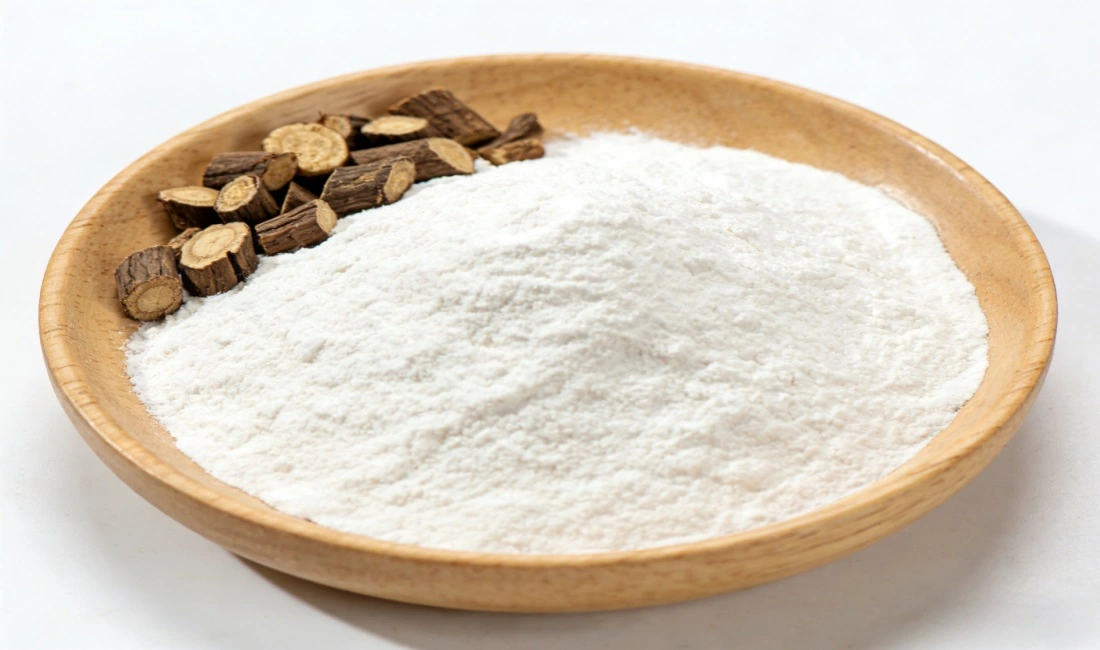
Finding real Pure Nature. When buying resveratrol in bulk, Pure Nature Resveratrol, you need to be very careful about the supplier's qualifications, quality standards, and compliance with regulations. Professional buyers usually buy from well-known companies that make botanical extracts and have ISO certifications, strict testing methods, and a history of reliable supply chains. There are many ways to buy things on the global market, such as direct manufacturer relationships, specialised B2B platforms, and regional distributors. But as the market grows, verification becomes very important. Reliable sellers show that their products have been tested and have Trans-resveratrol levels that stay above 98%. They also show clear ways of extracting the product from botanical sources like Polygonum cuspidatum or grape skin extracts. Natural antioxidant compounds, especially those based on resveratrol, have grown at a rate that has never been seen before in the botanical extract business. Understanding sourcing strategies is important for procurement professionals as the market grows because they need to get real, high-purity ingredients that meet strict regulatory standards in many different markets.
Understanding Pure Nature Resveratrol Market Dynamics
Global Supply Chain Overview
The global resveratrol market is spread out over several countries, with main production hubs in places with lots of natural materials. A lot of manufacturing facilities are located in places that already have a pharmaceutical infrastructure and regulatory system in place. China dominates raw material processing, while European and North American companies focus on high-purity refinement and standardization. Analysts think the market will continue to grow because more people are learning about how it can help with anti-aging and heart health. This growth makes it easier for people to buy in bulk, but it also makes the battle for high-quality materials tougher. Agricultural cycles, especially grape harvests and Japanese knotweed cultivation patterns, have a big impact on the security of the supply.
Demand Patterns Across Industries
The biggest group of consumers is nutraceutical makers, who use resveratrol powder in supplements for longevity and SIRT1 activator formulations. To keep production going, these businesses need constant quality standards and reliable delivery schedules. More and more, cosmetic companies are looking for standardised extracts to use in anti-aging goods, with the goal of making them more stable and bioavailable. Functional food makers are becoming more popular, especially Pure Nature Resveratrol for beverage uses that need nano-emulsification compatibility. Producers of supplements for animal feed also add to market demand, though the purity standards are usually lower than those for the human diet.
Key Quality Indicators and Specifications
Chemical Purity Standards
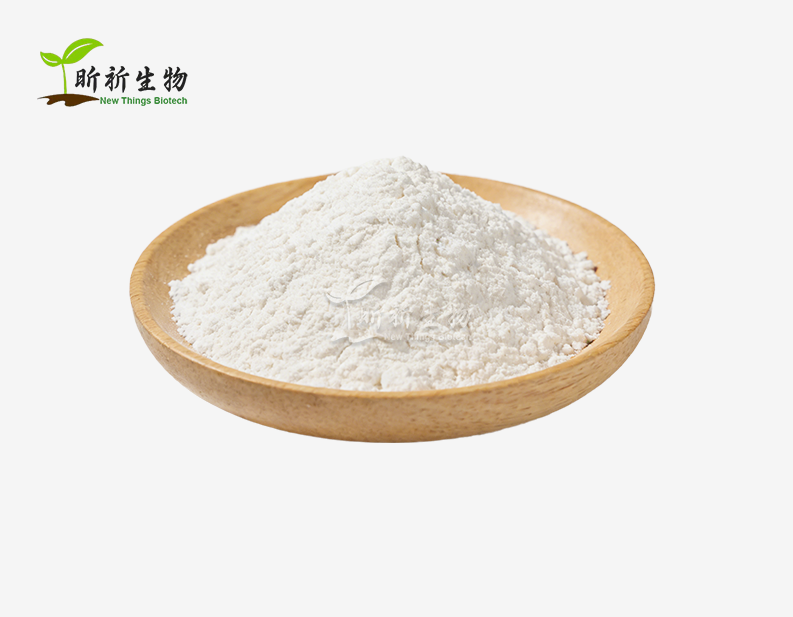
Pure and real nature. There are certain molecular traits that set premium grades of resveratrol apart from cheaper options. The HPLC test should show that the trans-resveratrol level is higher than 98%, with very little cis-isomer contamination. The exact chemical weight is 228.24 g/mol, which is given by the formula C14H12O3. One of its physical features is a melting point that is usually between 253°C and 255°C. This shows that the molecules are still whole. The best grades have an off-white to white crystalline powder look, while the worst grades often have brown spots on them that show rust or impurities.
Regulatory Compliance Requirements
International markets have different rules and regulations that bulk buyers have to follow. For European countries, standards set by the European Pharmacopoeia must usually be followed. In North America, on the other hand, USP standards must be followed. Along with ISO quality control systems, halal and kosher certifications are often very important in Asian markets. It is especially important to test for contaminants because sources of resveratrol may contain natural chemicals like emodin that irritate the digestive tract. The best providers give full certificates of analysis that show the levels of heavy metals, microbiological safety, and residual solvents.
Evaluating Global Sourcing Channels
Direct Manufacturer Partnerships
| Advantages | Disadvantages |
|---|---|
| Competitive pricing through the elimination of intermediaries | Higher minimum order quantities |
| Direct quality control communication | Extended lead times for custom specifications |
| Technical support and formulation assistance | Language and time zone coordination challenges |
| Consistent supply chain relationships | Payment terms negotiation complexity |
| Custom packaging and specification flexibility | Quality verification responsibility |
Establishing direct relationships with botanical extract manufacturers offers significant advantages for large-volume purchasers. These partnerships enable custom specification development and priority allocation during supply shortages. However, buyers must invest time in supplier verification and quality system auditing.
Specialized B2B Trading Platforms
Online B2B marketplaces provide access to multiple suppliers of Pure Nature Resveratrol simultaneously, facilitating price comparison and specification matching. Platforms often include supplier verification systems and transaction protection mechanisms. However, quality consistency varies significantly between listed suppliers. Professional procurement through established platforms offers convenience but requires careful due diligence. Sample testing becomes essential before committing to bulk orders, as product quality may not match listed specifications.
Regional Distribution Networks
Local distributors provide advantages in payment processing, logistics coordination, and regulatory compliance support. These partners understand regional market requirements and can facilitate smaller order quantities. However, pricing typically includes distribution margins, and technical support may be limited. Regional partnerships work particularly well for companies requiring frequent, smaller shipments or those new to international procurement processes. Established distributors often maintain local inventory, reducing delivery timeframes.
Supplier Verification Best Practices
Quality System Auditing
Comprehensive supplier evaluation begins with quality management system verification. ISO 9001 certification indicates established quality procedures, while ISO 22000 demonstrates food safety management capabilities. Suppliers should provide documentation of their extraction processes, including raw material sourcing protocols. Site visits, whether physical or virtual, reveal manufacturing capabilities and quality control procedures. Professional buyers should evaluate laboratory testing equipment, storage conditions, and personnel qualifications during these assessments.
Documentation Requirements
Reputable suppliers provide extensive documentation supporting product authenticity and quality. Certificates of analysis should include HPLC chromatograms, microbiological testing results, and heavy metal analysis. Raw material traceability documentation demonstrates supply chain integrity. Third-party testing verification adds credibility to supplier claims. Independent laboratory analysis confirms stated specifications and identifies potential adulterants or contaminants not detected by routine supplier testing.
Financial and Operational Stability
The long-term success of a partnership depends on how stable the supplier's finances are. Companies with a history of doing business and a wide range of customers offer more supply security. References from current customers can help you figure out how reliable a seller is and how good their service is. Evaluating suppliers' production ability makes sure they can keep up with rising demand without lowering quality. Scalable production operations show that the business is professionally managed and has room to grow, which meets the needs of buyers.
Practical Procurement Considerations
Minimum Order Quantities and Pricing
Most companies that make resveratrol extracts have minimum Pure Nature Resveratrol order sizes that range from 25 to 100 kilograms. For better quality products, the minimum order size is higher. Prices often include savings for buying in bulk, starting at 500 kilograms. Payment terms vary from advance payment for new customers to net terms for established partnerships. Sample policies vary a lot from one provider to the next. Professional manufacturers usually give away samples that weigh less than 100 grams for free, but you may have to pay for larger evaluation amounts. Sample lead times range from being available right away for in-stock items to 5–10 days for special orders.
Shipping and Logistics Planning
When sending goods internationally, you need to think carefully about how stable the goods are and what the rules are. Extracts of resveratrol are usually sent in fibre drums that have a moisture barrier to keep the extracts dry. For luxury grades or longer shipping times, temperature-controlled shipping may be needed. Certificates of analysis, health certificates, and customs statements are some of the documents that are needed. Professional suppliers help with legal paperwork and give advice on how to go about importing goods. Express shipping choices let you quickly look at samples, and sea freight is cheaper for large orders.
Risk Management Strategies
Diversifying the supply line lowers the risks that come with relying on a single source. Having ties with several qualified suppliers gives you options in case of supply problems or quality issues. Carrying costs and supply security needs should be balanced in inventory management methods. Buyers are protected from specification mistakes by good escrow arrangements. These agreements set standards for testing by a third party and spell out how to fix things that don't meet the standards. Shipments of high value or important parts of the supply chain may be able to get insurance.
Industry Applications and Market Trends
Nutraceutical Formulation Requirements
More and more, companies that make dietary supplements want resveratrol products that are more bioavailable. Micronised powder grades make it easier for things to dissolve, and standardised particle size distributions make sure that the tableting qualities stay the same. High-purity types are in high demand because they are used in combination formulations with NAD+ precursors. For advanced delivery methods, encapsulation compatibility is very important. For liposome formulations, solubility profiles must be very specific, and for delayed-release uses, stability must be maintained even when pH levels change. Suppliers who offer formulation help add value through their technical know-how.
Cosmeceutical Integration Challenges
When it comes to stability, skincare applications, Pure Nature Resveratrol has its own problems that affect procurement choices. Because resveratrol is easily oxidised, it needs to be handled and made in a certain way. Cosmetic-grade standards often stress that the colour will stay the same and that there are no impurities that cause smells. Regulatory standards for cosmetic ingredients vary around the world, which changes how suppliers are chosen. European markets need products to be in line with INCI listing standards. Other areas may have different testing needs. When it comes to the approval process, suppliers who know about cosmetic laws can be very helpful.
Conclusion
Getting real Pure Nature. When buying resveratrol in bulk, you need to carefully consider your suppliers, make sure the quality is high, and make sure you follow all the rules. To be successful at professional procurement, you need to build relationships with makers that show they have the technical know-how, quality control, and supply reliability you need. There are many ways to find suppliers on the global market, but it takes careful research and organised review methods to tell the difference between real suppliers and dishonest ones. In this fast-paced market, buyers who take the time to verify suppliers, audit quality systems, and follow thorough testing protocols will be able to make good purchases in the long run.
FAQ
1. What certifications should I look for when sourcing Pure Nature Resveratrol?
ISO 9001 quality management certification provides foundational assurance of systematic quality procedures. Food safety certifications like ISO 22000 or HACCP demonstrate comprehensive safety management systems. Kosher and Halal certifications expand market accessibility for diverse customer bases. Additionally, pharmacopeial compliance (USP, EP, or JP) ensures adherence to recognized purity standards.
2. How can I verify the authenticity of resveratrol extracts?
Authentic verification requires comprehensive analytical testing, including HPLC analysis for trans-resveratrol content, NMR spectroscopy for molecular confirmation, and mass spectrometry for purity verification. Third-party laboratory testing provides independent confirmation of supplier claims. Melting point testing offers a simple authenticity check, as genuine resveratrol melts between 253-255°C.
3. What are typical lead times for bulk resveratrol orders?
Standard stock products typically ship within 2-4 working days after payment confirmation. Custom specifications or non-standard packaging may require 7-14 days for production. International shipping adds 3-15 days, depending on destination and shipping method. Seasonal fluctuations may extend lead times during peak harvest periods or holiday seasons.
Partner with NT Biotech for Premium Pure Nature Resveratrol Supply
NT Biotech stands as a trusted Pure Nature Resveratrol supplier with over 10 years of botanical extract expertise. Our proprietary extraction methods deliver >98% trans-resveratrol purity with comprehensive quality documentation, including HPLC analysis and certificates of analysis for every batch. We maintain a ready inventory for rapid 2-4 day delivery and offer flexible payment options in your local currency. Contact our technical team at info@newthingsbiotech.com to discuss your specific requirements and receive complimentary samples.
References
1. Baur, Joseph A., and David A. Sinclair. "Therapeutic potential of resveratrol: the in vivo evidence." Nature Reviews Drug Discovery 5, no. 6 (2006): 493-506.
2. Walle, Thomas. "Bioavailability of resveratrol." Annals of the New York Academy of Sciences 1215, no. 1 (2011): 9-15.
3. Carter, Lauren G., et al. "Resveratrol and cancer: focus on in vivo evidence." Endocrine-Related Cancer 21, no. 3 (2014): R209-R225.
4. Smoliga, James M., et al. "Resveratrol and health–a comprehensive review of human clinical trials." Molecular Nutrition & Food Research 55, no. 8 (2011): 1129-1141.
5. Poulsen, Morten M., et al. "High-dose resveratrol supplementation in obese men: an investigator-initiated, randomized, placebo-controlled clinical trial of substrate metabolism, insulin sensitivity, and body composition." Diabetes 62, no. 4 (2013): 1186-1195.
6. Nunes, Susana, et al. "Resveratrol and inflammatory bowel disease: the evidence so far." Nutrition Research Reviews 31, no. 1 (2018): 85-97.