- English
- French
- German
- Portuguese
- Spanish
- Russian
- Japanese
- Korean
- Arabic
- Greek
- German
- Turkish
- Italian
- Danish
- Romanian
- Indonesian
- Czech
- Afrikaans
- Swedish
- Polish
- Basque
- Catalan
- Esperanto
- Hindi
- Lao
- Albanian
- Amharic
- Armenian
- Azerbaijani
- Belarusian
- Bengali
- Bosnian
- Bulgarian
- Cebuano
- Chichewa
- Corsican
- Croatian
- Dutch
- Estonian
- Filipino
- Finnish
- Frisian
- Galician
- Georgian
- Gujarati
- Haitian
- Hausa
- Hawaiian
- Hebrew
- Hmong
- Hungarian
- Icelandic
- Igbo
- Javanese
- Kannada
- Kazakh
- Khmer
- Kurdish
- Kyrgyz
- Latin
- Latvian
- Lithuanian
- Luxembou..
- Macedonian
- Malagasy
- Malay
- Malayalam
- Maltese
- Maori
- Marathi
- Mongolian
- Burmese
- Nepali
- Norwegian
- Pashto
- Persian
- Punjabi
- Serbian
- Sesotho
- Sinhala
- Slovak
- Slovenian
- Somali
- Samoan
- Scots Gaelic
- Shona
- Sindhi
- Sundanese
- Swahili
- Tajik
- Tamil
- Telugu
- Thai
- Ukrainian
- Urdu
- Uzbek
- Vietnamese
- Welsh
- Xhosa
- Yiddish
- Yoruba
- Zulu
Triterpenoid substances, mostly asiaticoside, madecassoside, asiatic acid, and madecassic acid, are what make gotu kola extract for skin beneficial. They directly trigger fibroblast cells, which are what make collagen. These beneficial molecules get into the dermal layer and encourage the production of Type I and Type III collagen. These are the structural proteins that keep skin tight, flexible, and resilient. A lot of dermatological studies have shown that using ingredients from Centella asiatica on a daily basis speeds up collagen production, smooths out fine lines, and improves the general texture of the skin. Because of this process, gotu kola is a key ingredient in many current anti-aging skin care products.
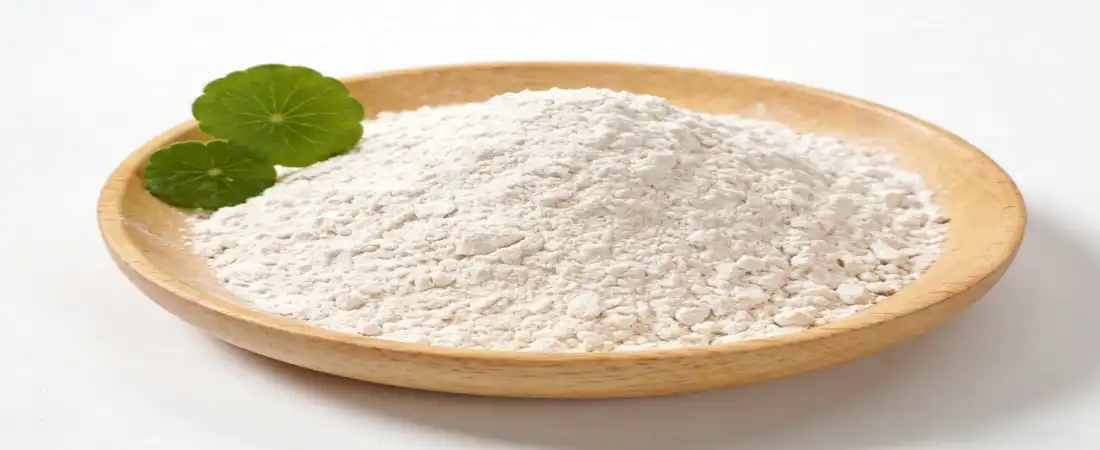
Understanding the Role of Gotu Kola Extract in Skin Health
Botanical Origins and Active Compound Profile
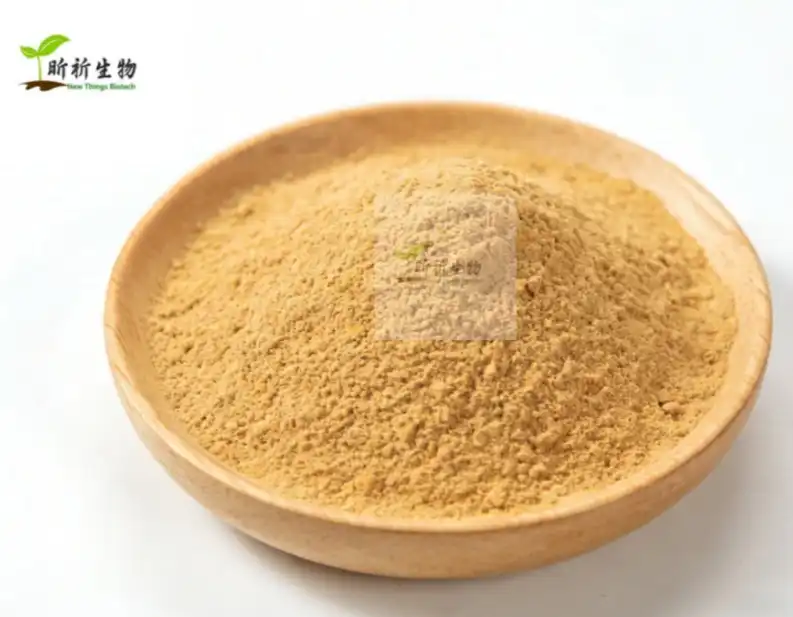
The gotu kola extract for skin comes from Centella asiatica (L.) Urban, an annual grass plant in the family Apiaceae. This plant gem has been used for a long time in Ayurvedic and Traditional Chinese Medicine, and now it is used in modern skincare thanks to better ways to remove it. The stems, leaves, and roots of the whole herb are processed in a special way to concentrate its triterpenoid saponins, especially asiaticoside, which can be anywhere from 10% to 90% based on the needs of standards. Our extract is a brownish-yellow to off-white powder with particles that are 80 mesh in size. This makes sure that it dissolves well and spreads evenly in a wide range of formulations.
Key Benefits Driving Market Demand
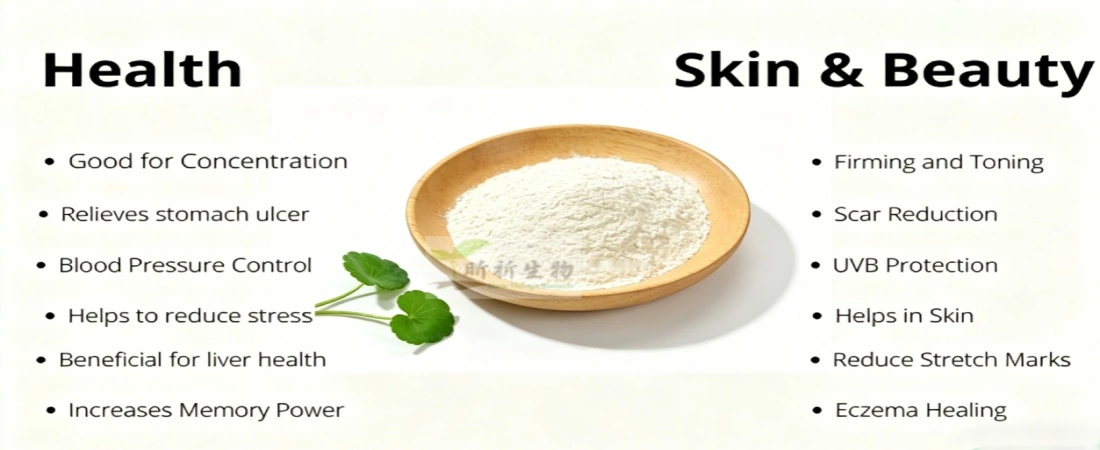
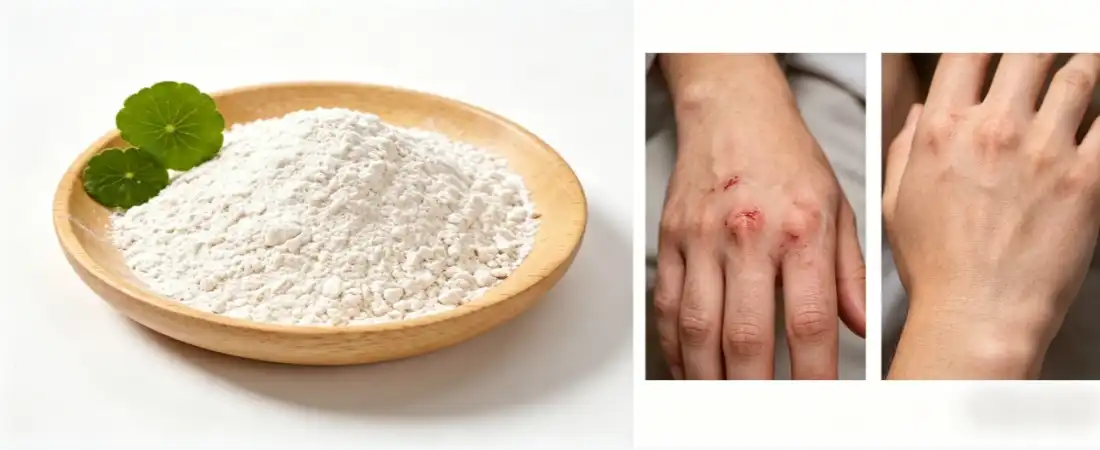
The healing power of Centella asiatica extract goes beyond just keeping skin wet. There is strong proof from clinical trials that it can heal damaged skin barriers, lower inflammatory reactions, and stop oxidative stress through its powerful antioxidant activity. These qualities have real-world benefits, such as faster wound healing, fewer scars, and lessening of photoaging signs. The gentle but effective nature of the extract makes it good for sensitive skin, which means it can be used by a wider range of people. Formulators like this because it means the chemicals can be used for both corrective and preventative skin care needs. Modern science in the field of cosmetics has confirmed what ancient practitioners already knew. The beneficial parts of gotu kola work together to improve microcirculation, speed up cell turnover, and make connective tissue architecture stronger. These processes help with both surface hydration and deep structural repair. This makes the extract a scientifically sound option to anti-aging chemicals made in a lab.
How Gotu Kola Extract Boosts Collagen Production – A Systematic Approach
Biochemical Mechanisms Behind Collagen Synthesis
Collagen breakdown speeds up after age 25, going down by about 1% a year and showing up as lines, droopy skin, and uneven textures. In more than one way, gotu kola extract for skin stops this drop. When asiaticoside and madecassoside connect to fibroblast receptors, they start signaling pathways inside cells that make collagen genes express more. At the same time, these triterpenoids stop matrix gotu kola extract for skin metalloproteinases (MMPs) from working, which stops collagen from breaking down. This protects existing structural proteins and encourages the production of new ones.
Fibroblast Activation and Extracellular Matrix Enhancement
Triterpenoid contact has a huge effect on fibroblasts, which are the main cells that make collagen. Asiaticoside treatment boosts the production of procollagen Type I by up to 326% in just 48 hours, according to research. Madecassoside treatment boosts the production of glycosaminoglycan, which is important for keeping the dermis hydrated and flexible. This double action—increasing output while protecting the current matrix—has a wide-ranging anti-aging effect. The extract also encourages angiogenesis, which makes sure that the body gets enough nutrients and air to keep making collagen.
Practical Application in OEM and Private Label Formulations
Through smart formulation, B2B clients who are making anti-aging serums, repair creams, and skincare for after surgery can use these processes. Adding 0.5 to 3% pure gotu kola extract (which has 40 to 80% asiaticoside) to emulsions, gels, or liposomal delivery methods makes them more bioavailable and effective. Case studies from major cosmetics companies show that skin density and elasticity improve, as measured within 8 to 12 weeks of constant use. This backs up marketing claims with objective instrumentation data. Our expert team gives you detailed formulation advice to help you find the best dose, pH compatibility, and stability factors as you create a new product.
Comparing Gotu Kola Extract with Other Popular Skin Ingredients
Centella Asiatica Versus Aloe Vera
Although both plants have healing effects, they do so in very different ways. Aloe vera mostly gives you polysaccharides, which keep the skin wet and soothe discomfort by retaining water at the surface level. Gotu kola extract for skin goes deeper and fixes structural problems by encouraging the production of collagen and the rebuilding of tissues. The extract is better at healing wounds than aloe, as shown in clinical studies that measured epithelialization speed and scar quality. This makes it better for anti-aging and post-inflammatory uses that need real tissue repair rather than temporary comfort.
Positioning Against Retinol and Vitamin C
Retinol is still the best way to make collagen, but it has a lot of problems, like being sensitive to light, irritating skin, and being limited in some places by regulations. Gotu kola powder has similar effects on collagen production without these side effects, making it appealing to people who want safer options. Vitamin C serums are great at blocking melanin and protecting against free radicals, but they are not always stable or effective at penetrating the skin. When you mix gotu kola with stable ascorbic acid derivatives, you get synergistic products that work on three different aging pathways—collagen production, free radical neutralization, and pigmentation control—all in one product.
Synergistic Combinations and Formulation Strategies
Progressive formulators mix gotu kola with hyaluronic acid to strengthen structures and increase moisture at the same time. Triterpenoids help the body make more collagen, and hyaluronic acid keeps the right amount of wetness in the body, making it a great place for tissue repair. Combinations of peptides improve results even more. For example, copper peptides help enzyme cofactor function, and signaling peptides make fibroblasts more sensitive. These strategic partnerships make it possible for different goods to give measurable, multidimensional results, such as gotu kola extract for skin, which improves brand positioning in markets that are very competitive.
Procurement Insights: Sourcing Gotu Kola Extract for B2B Skin Care Products
Quality Standards and Certification Requirements
Standardization is very important for high-quality gotu kola extract for skin. The people who buy things should say how much asiaticoside is in them (usually between 40 and 80% for decorative uses), make sure the particles are all the same size (80 mesh makes sure they're spread out evenly), and demand full testing paperwork. Our building has ISO9001 quality control certification as well as Kosher and Halal approvals, which makes sure that it follows all of the different rules that apply. Each batch goes through HPLC analysis, microbe screening, heavy metal testing, and pesticide residue verification. Detailed Certificates of Analysis (CoA) are given for tracking and submitting to regulators.
Bulk Purchasing Dynamics and Cost Optimization
The smallest amount you can buy is 25 kg, and it will be sent in food-grade drums with moisture-barrier covers to keep it fresh while it's being shipped and stored. Volume price systems award partnerships that last, and discounts are available for contracts that last three months, one year, or more. The extract can be kept for 24 months at room temperature and out of direct sunlight, which lowers the risk of running out of stock and helps just-in-time manufacturing methods. Custom packing needs can be met to fit your business's processes, whether you need smaller containers for R&D tests or big intermediate containers for large-scale production.
Regulatory Compliance Across International Markets
To deal with the many rules about cosmetics around the world, suppliers need to have a lot of experience with compliance. The United States (FDA GRAS, standing for related uses), the European Union (INCI listing as Centella Asiatica Extract), and Asian markets with their own specific documentation rules all accept our gotu kola extract. We offer legal support documents such as safety reports, allergen statements, and country-specific certificates of free sale. These documents make it easier for you to enter new markets and get your new products on the market faster.
Best Practices for Incorporating Gotu Kola Extract into Skin Care Formulations
Optimal Dosage Ranges and Concentration Guidelines
Studies on how well leave-on goods work show that the right concentration ranges for gotu kola extract for skin are between 0.5 and 5%, and the right dose depends on the standard levels of asiaticoside. Higher concentrations (3–5%) work best in intensive treatment serums and repair creams for older skin or care after surgery. Lower concentrations (0.2–2%) work well in daily lotions and upkeep products. Formats that dissolve in water work well in hydrogels and toners, while powder formats dissolve easily in glycerin or propylene glycol before being added to emulsion systems. Our expert paperwork gives solubility information for pH levels 4.5 to 7.0, which helps formulators keep different types of products stable.
Compatibility Considerations and Stability Parameters
While most skincare actives work well with gotu kola extract, there are some combos that need extra care. Strong oxidizing agents or very low pH levels that could break down triterpenoid structures should not be paired with them. The extract works well with niacinamide, ceramides, and plant oils to make products that can do more than one thing without any stability issues. Adding vitamin E or ferulic acid as an antioxidant protects food from reactive breakdown, which extends its shelf life. Put finished goods in airless pumps or dark containers to keep light and air out as much as possible, especially for strong mixtures that will be used for a long time.
Safety Profile and Side Effect Mitigation
Centella asiatica extract has a very good safety record, with very few reports of bad reactions in dermatology literature. Patch tests show that it won't make skin more sensitive, so it's good for people with sensitive or reactive skin. Because it comes from nature and works gently, there are no worries about systemic absorption or hormonal changes that can happen with some synthetic options. Customers with very sensitive skin can easily get used to the product by following directions that say to start slowly, by applying it every other day. This safety rating makes it easier to send information to regulators and backs up broad marketing claims without a lot of warnings about restrictions.
Conclusion
Gotu kola extract for skin is a scientifically proven and financially realistic option for skincare brands that want to add real collagen-boosting benefits to their products. The extract works on multiple pathways to slow down skin aging by increasing fibroblast activity, stopping collagen breakdown, and improving the stability of the extracellular matrix. This has measurable therapeutic effects. It is a safe ingredient that is accepted by regulators and can be used in a variety of ways. This makes it an important ingredient for companies that want to make products for the growing anti-aging and skin repair markets. Strategic relationships with quality-certified providers guarantee consistent performance, compliance with regulations, and a place in the market that is competitive in global markets that are becoming more complex.
FAQ
1. Is gotu kola extract suitable for sensitive or acne-prone skin?
Of course. Because it calms inflammation and doesn't cause acne, the gotu kola extract for skin is great for sensitive skin conditions that are sensitive. Clinical studies show that asiaticoside lowers inflammation markers without closing pores. This helps the barrier heal while lowering the risk of breakouts. Its ability to soothe goes well with acne treatments because it speeds up healing after inflammation and lowers the chance of scarring.
2. How long before visible collagen benefits become apparent?
After two to four weeks of regular use, most people notice changes in the structure and moisture of their skin. Instrumental tests show that between 8 and 12 weeks, there are measurable increases in skin stiffness and flexibility, which are signs of higher collagen content. These data are in line with the natural cycle of collagen production and cell change, so marketing statements can be believed.
3. What distinguishes natural from synthetic alternatives?
Natural gotu kola extract has a lot of different chemicals that work well together and might have more benefits than single manmade molecules. The plant source makes production sustainable and speaks to people who like clean beauty products. Synthetic copies might be cheaper, but they don't have the long history of use or comprehensive activity profile that sets expensive natural formulas apart in competitive markets.
Partner with NT Biotech as Your Trusted Gotu Kola Extract for Skin Supplier
Trust NT Biotech to be your reliable source for gotu kola extract for skin. NT Biotech specializes in providing pharmaceutical-grade plant products that meet the strict needs of skin care companies around the world. Our Centella asiatica extract has a standard asiaticoside content of 10–90%, which is backed up by full testing records and ISO, Kosher, and Halal approvals. We keep a lot of stock that can be shipped right away or within two to four days. This lets us meet tight production plans and give you flexible OEM solutions that are made to fit your recipe needs. As a producer with a lot of experience making gotu kola extract for skin, we offer free samples for you to try, reasonable bulk prices starting at 25 kg minimum orders, and quick responses to technical questions within two hours. Get in touch with us at info@newthingsbiotech.com to talk about how our quality extract can help you create new products and stay ahead of the competition in the growing anti-aging skin care market.
References
1. Bylka, W., Znajdek-Awiżeń, P., Studzińska-Sroka, E., & Brzezińska, M. (2013). Centella asiatica in cosmetology. Postepy Dermatologii i Alergologii, 30(1), 46-49.
2. Hashim, P., Sidek, H., Helan, M. H., Sabery, A., Palanisamy, U. D., & Ilham, M. (2011). Triterpene composition and bioactivities of Centella asiatica. Molecules, 16(2), 1310-1322.
3. Lee, J., Jung, E., Kim, Y., Park, J., Park, J., Hong, S., Kim, J., Hyun, C., Kim, Y. S., & Park, D. (2006). Asiaticoside induces human collagen I synthesis through TGFβ receptor I kinase (TβRI kinase)-independent Smad signaling. Planta Médica, 72(4), 324-328.
4. Maquart, F. X., Bellon, G., Gillery, P., Wegrowski, Y., & Borel, J. P. (1990). Stimulation of collagen synthesis in fibroblast cultures by a triterpene extracted from Centella asiatica. Connective Tissue Research, 24(2), 107-120.
5. Somboonwong, J., Thanamittramanee, S., Jariyapongskul, A., & Patumraj, S. (2012). Therapeutic effects of Centella asiatica extract on wound healing using angiogenesis and collagen synthesis indices. Journal of Wound Care, 21(2), 88-95.
6. Wu, F., Bian, D., Xia, Y., Gong, Z., Tan, Q., Chen, J., & Dai, Y. (2012). Identification of major active ingredients responsible for burn wound healing of Centella asiatica herbs. Evidence-Based Complementary and Alternative Medicine, 2012, Article ID 848093.