- English
- French
- German
- Portuguese
- Spanish
- Russian
- Japanese
- Korean
- Arabic
- Greek
- German
- Turkish
- Italian
- Danish
- Romanian
- Indonesian
- Czech
- Afrikaans
- Swedish
- Polish
- Basque
- Catalan
- Esperanto
- Hindi
- Lao
- Albanian
- Amharic
- Armenian
- Azerbaijani
- Belarusian
- Bengali
- Bosnian
- Bulgarian
- Cebuano
- Chichewa
- Corsican
- Croatian
- Dutch
- Estonian
- Filipino
- Finnish
- Frisian
- Galician
- Georgian
- Gujarati
- Haitian
- Hausa
- Hawaiian
- Hebrew
- Hmong
- Hungarian
- Icelandic
- Igbo
- Javanese
- Kannada
- Kazakh
- Khmer
- Kurdish
- Kyrgyz
- Latin
- Latvian
- Lithuanian
- Luxembou..
- Macedonian
- Malagasy
- Malay
- Malayalam
- Maltese
- Maori
- Marathi
- Mongolian
- Burmese
- Nepali
- Norwegian
- Pashto
- Persian
- Punjabi
- Serbian
- Sesotho
- Sinhala
- Slovak
- Slovenian
- Somali
- Samoan
- Scots Gaelic
- Shona
- Sindhi
- Sundanese
- Swahili
- Tajik
- Tamil
- Telugu
- Thai
- Ukrainian
- Urdu
- Uzbek
- Vietnamese
- Welsh
- Xhosa
- Yiddish
- Yoruba
- Zulu
When professionals buy chemicals for high-tech makeup, they know that moisturizing the skin on the surface isn't enough to really fight age. Hyaluronate skin care ingredients are added in a planned way to meet multiple customer needs at once. For example, they help keep deep moisture in the skin, get rid of lines, and fix skin barriers that are broken. Many skin care products, from daily washes to strong repair serums, use sodium hyaluronate as a key ingredient. This is because modern customers want products that work based on science. When R&D teams and buying experts understand the technical specs and sourcing problems behind this powerful ingredient, they can make product lines that really stand out in markets that are very competitive.
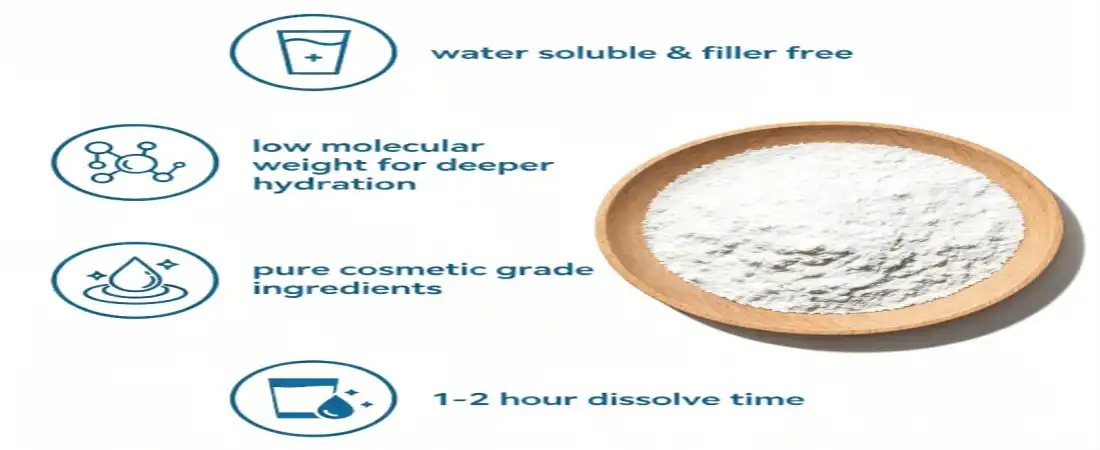
Understanding Hyaluronic Acid and Hyaluronate: What Sets Them Apart?
The Chemical Relationship Between Hyaluronic Acid and Its Salt Form
Hyaluronic acid is naturally found in the epidermis and skin, as well as in other body parts that connect to each other. Add sodium or potassium to it, and it turns into sodium hyaluronate. This is the stable salt form that makeup makers like. It's easier to guess how products will grow now that this change has made them more stable and soluble in a wider pH range. It's easy for sodium hyaluronate to mix with water-based products, and the way it's made doesn't need many changes. This makes it easy to make things and makes each lot better. You can still link water with hyaluronic acid salt, which is what makes it useful. It also works better with other active ingredients that are common in anti-aging goods.
Molecular Weight Variations and Their Impact on Skin Penetration
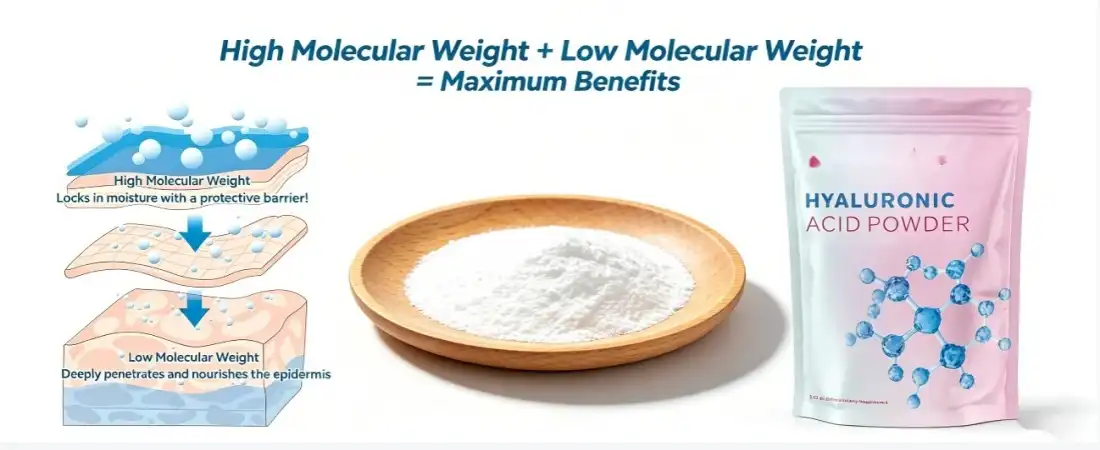
A big part of how well sodium hyaluronate works in finished things is how its molecular weight structure is set up. High molecular weight versions (above 2000 kDa) form a film on the skin's surface that lets water pass through but limits transepidermal water loss as much as possible. Right away, this makes the skin feel soft and smooth. Medium molecular weight forms (500–2000 kDa) keep the skin's surface wet while letting some water in. This makes the skin more elastic and useful in many goods. Hyaluronate skin care with a molecular weight of less than 500 kDa can get deeper into the dermal layers of the skin to help fix broken structures and make the skin's natural protections stronger. Which molecular weights are bought should depend on where the finished product is meant to fit in the market, whether it's for quick beauty benefits or longer-lasting healing effects.
Formulation Considerations for Sensitive and Acne-Prone Skin
Studies in the field of dermatology show that sodium hyaluronate is safe for all skin types, even those that are sensitive or prone to acne. Occlusive creams stop pores and make a barrier that can make breakouts worse, but hyaluronic acid hydrates without doing either. Since it is found naturally in human skin, it is biocompatible. This means that it is less likely to cause allergic responses or pain. If you want to make skin care items for sensitive skin that treat both dry skin and redness, mix low to medium molecular weight sodium hyaluronate with plants that are good for you. More people will be able to easily find and buy lines of products that have good hyaluronate skin care.
The Business Case: Benefits of Using Hyaluronate in Anti-Ageing Product Lines
Market Demand Driven by Consumer Preferences
Skin care items with hyaluronic acid are becoming more and more famous all over the world. This is because people are eagerly looking for products that really keep skin hydrated and slow down the aging process. Market study shows that items containing sodium hyaluronate as the main active ingredient sell for more and are returned for a lot of times. As people learn more about how ingredients work, they are willing to spend money on methods that are backed by science, as shown by this choice. When brands use pharmaceutical-grade sodium hyaluronate in their goods, they can sell them in high-end markets because the ingredient is known for being safe and effective.
Differentiation Across Diverse Product Categories
Since sodium hyaluronate can be used for many things, it can help tell the difference between items with the same name. Young people who don't want to age should use a light product that moisturizes and has low molecular weight hyaluronate in it. People over 50 who are already showing signs of age should use a thick barrier-repair cream with different molecular weights. This ingredient mixes well with other active ingredients like peptides, antioxidants, and plant extracts. This makes it easy to make mixtures that are specifically made for treating the eyes, neck, and doing heavy treatments overnight. So long as buying teams can easily access molecular weight options that can be changed, they are free to respond more quickly to changes in market trends and customer needs.
Regulatory Compliance and Safety Profile
The US, the EU, and the Asia-Pacific region, which are all big markets for cosmetics, have all cleared sodium hyaluronate. This means that it is safe to use. Because it is listed as Sodium Hyaluronate in the INCI (International Nomenclature of Cosmetic Ingredients), it is easy to talk to users and follow labeling rules. Purchasing staff don't have to worry as much about risk when adding new actives to current product lines because the ingredient has been tried on skin and isn't likely to cause allergies. Many suppliers offer full paperwork, like Certificates of Analysis, safety data sheets, and stable tests. This helps businesses get their goods to market faster and makes sure they follow the rules in their area.
How to Choose the Best Hyaluronate Products for Your Portfolio?
Evaluating Purity and Manufacturing Standards
Pharmaceutical-grade sodium hyaluronate skin care ingredients need to be very pure so that they always work the same way and there aren't many impurities that could make the product less stable.
It should be clear from the specs that premium companies usually offer 99% pure. They should also include proof of thorough testing methods, such as HPLC (High-Performance Liquid Chromatography). In the making process, biofermentation from non-GMO plant sources is used to get sustainable, vegan-friendly ingredients that fit with clean beauty trends that are becoming more and more important to people when they decide what to buy. People who are in charge of buying things should demand proof for each batch that the company follows Good Manufacturing Practices and has quality standards from around the world, such as ISO 9001, Kosher, and Halal.
Molecular Weight Customization for Targeted Applications
For strategic sourcing to work, you need to know how different molecular weight ratios can help you reach different building goals. Suppliers offer custom molecular weight options running from 5,000 Da to 2,000,000 Da. This gives businesses the technical freedom they need to make their own product lines. It comes with detailed instructions on how to pick the best molecular weight for the claims that will be made, the shape of the product, and the people who will be buying it. Sourcing teams should have connections with manufacturers that can provide a range of molecular weights from a single source. This keeps formulations consistent and makes handling the supply chain easy.
Supplier Assessment and Value-Added Services
Along with the quality of the ingredients, you should also look at how skilled the seller is in the real world, as this has a direct impact on production times and prices. Sellers you can trust keep enough stock on hand to ship orders quickly—ideally within two to four days of confirmation—and have low minimum order amounts that let you try new products and make a lot of them at once. And because samples are free, R&D teams can test out simple formulas without spending any money. When a supplier wants to be a long-term strategic partner instead of just a transactional seller, they are clear about wait times, shipping options, and how quickly they can help with technical issues.
Optimizing Formulations with Hyaluronate for Anti-Ageing Efficacy
Synergistic Ingredient Combinations
Sodium hyaluronate hydrates and strengthens the skin by itself, but when mixed with other ingredients that fight different signs of aging, it works even better. Hyaluronic acid soothes the skin, which helps retinoid products deal with the dryness and sensitivity that can happen when retinoid is first used. When chemicals that help collagen are added to peptide serums with sodium hyaluronate, the chemicals are better absorbed and stay in the skin longer. Ingredients that are high in antioxidants, like vitamins C and E, work with hyaluronic acid to keep the skin wet and protect it from damage from the outside world. These mixtures make anti-aging systems that take care of lines, loss of firmness, uneven tone, and broken barrier function all in one set of goods.
Designing Targeted Routines for Different Demographics
When they make new skin care products, good makers think about how hyaluronic acid fits into a range of items for people of all ages and skin types. People in their late 20s and early 30s should use light serums that absorb quickly and go on smoothly under sunscreen and makeup. These serums are meant to protect the skin. Products for older people have more of the molecular weights and a wider range of them. They also have thicker textures that keep the skin moist all day and night. Sodium hyaluronate with a low molecular weight is used in healing products after surgery to help the body heal faster and reduce swelling. If procurement teams know about these use cases, they can plan ahead for material needs that are in line with what the brand says and what customers expect.
Innovation Trends in Delivery Systems
More and more, new technologies are letting sodium hyaluronate be used in more complicated skin care items. Hyaluronic acid is kept from breaking down by packaging techniques, which also let it be released slowly into the skin, which makes it work for longer. Different types of cross-linked hyaluronic acid stay on the skin's surface longer, keeping it moist for longer. Bio-identical fragment ways give hyaluronic acid in smaller, more digestible pieces that help the body make its own full-length molecules. As these new ideas become more realistic in the business world, smart buyers keep an eye on them and build relationships with suppliers who are spending in new processing skills that can provide ingredients for the next generation.
Procurement Insight: Where and How to Buy Quality Hyaluronate Skin Care Products?
Global Supply Chain Landscape
Sodium hyaluronate skin care ingredients are made in a number of different places, and each one has its own set of skills and position.
Bio-fermentation technologies have helped Asian companies, mostly in China, make a lot of goods that are cheap without losing any of their purity or usefulness. High-end natural beauty brands like it when European sellers stress that their goods are eco-friendly and organically approved. People in the US who buy things can get better customer service and goods that are made in the US from North American sellers. One of the best places in the world to get plants and bioengineering is Shaanxi New Things Biotech. Their pharmaceutical-grade sodium hyaluronate comes with full quality paperwork, a lot of customization options, and quick technical help that is made to fit the needs of cosmetics makers all over the world.
Pricing Structures and Negotiation Strategies
A lot of things affect the price of sodium hyaluronate, like how pure it is, how heavy it is, how many sales there are, and any extra services that are available. You can make sure you always have enough for your business when you buy in bulk and save a lot of money on the price per unit. Procurement experts should look at more than just the price per unit to get the full cost of ownership. They should think about how quickly the goods can be sent, how open the payment terms are, and whether the price includes professional customer service. You can keep prices stable by making basic deals with qualified sellers. You can also change the amount you order based on how much you need to make and how the market works.
Building Sustainable Supplier Partnerships
If you want to buy makeup products for a long time, you need to get to know suppliers who are more like business partners than just sellers. A good service will answer questions quickly (within hours, not days) and be willing to talk about things like new technologies, changes to the law, and the state of their inventory. Being able to offer unique packaging, special handling, and a number of payment choices, such as transactions in the buyers' own currencies, makes things run more smoothly and builds trust between parties. Suppliers who keep the right licenses and regularly invest in quality systems show that they want to give high-end makeup brands the best support in the world's competitive markets.
Conclusion
There is a smart way for makeup businesses to use pharmaceutical-grade sodium hyaluronate to make anti-aging lines that are scientifically sound and meet the high standards of current customers. It is an important part of many different kinds of goods because it can be used in many different ways and has many different molecular weight profiles. To be good at buying, you need to judge providers on a lot of different things, like how well they run their business, how helpful their expert support is, and how pure their products are. It's easier for R&D teams to come up with new hyaluronate skin care innovations when they work with qualified suppliers who offer responsive service and transparent specifications, helping them maintain the brand image and customer satisfaction that's essential.
FAQ
1. What makes sodium hyaluronate more effective than standard hyaluronic acid in skincare?
Sodium hyaluronate's salt form offers superior stability and solubility compared to pure hyaluronic acid, enabling consistent performance across diverse formulation pH levels and ingredient combinations. Its enhanced penetration characteristics deliver hydration benefits both at the surface and within deeper skin layers, depending on molecular weight selection.
2. How do I determine which molecular weight is appropriate for my product formulation?
High molecular weight variants suit products emphasizing immediate surface smoothness and protective barrier formation. Medium molecular weights provide balanced hydration with moderate penetration for all-purpose moisturizers. Low molecular weight forms target deeper structural support and barrier repair in intensive treatment products. Consultation with technical suppliers helps match molecular weight to specific formulation objectives.
3. What quality certifications should I require when sourcing sodium hyaluronate?
Reputable suppliers provide ISO 9001 certification demonstrating quality management systems, alongside Kosher and Halal certifications when applicable to target markets. Batch-specific Certificates of Analysis confirming purity levels through HPLC testing, microbial limits, and heavy metal screening ensure pharmaceutical-grade quality suitable for premium cosmetic applications.
Partner with NT Biotech for Premium Hyaluronate Skin Care Ingredients
NT Biotech delivers pharmaceutical-grade sodium hyaluronate powder specifically engineered for advanced cosmetic formulations requiring exceptional purity and performance consistency. Our 99% pure hyaluronic acid (CAS 9004-61-9) is available in 80 mesh white powder form with complete ISO, Kosher, and Halal certifications, meeting the rigorous standards demanded by international beauty brands. We maintain ready inventory enabling shipment within two to four days after order confirmation, with flexible packaging options starting from 25kg drums. As a dedicated hyaluronate skin care supplier, we provide complimentary samples for formulation testing and technical consultation to optimize ingredient selection for your specific application requirements. Our proprietary bio-fermentation process ensures sustainable, vegan-friendly ingredients with comprehensive quality documentation supporting regulatory compliance across global markets. Contact our technical team at info@newthingsbiotech.com to discuss custom molecular weight specifications and establish a reliable supply partnership that supports your product innovation objectives.
References
1. Bukhari, S.N.A., Roswandi, N.L., Waqas, M., et al. "Hyaluronic Acid, a Promising Skin Rejuvenating Biomedicine: A Review of Recent Updates and Pre-clinical and Clinical Investigations on Cosmetic and Nutricosmetic Effects." International Journal of Biological Macromolecules, 2018.
2. Pavicic, T., Gauglitz, G.G., Lersch, P., et al. "Efficacy of Cream-Based Novel Formulations of Hyaluronic Acid of Different Molecular Weights in Anti-Wrinkle Treatment." Journal of Drugs in Dermatology, 2011.
3. Stern, R., Asari, A.A., Sugahara, K.N. "Hyaluronan Fragments: An Information-Rich System." European Journal of Cell Biology, 2006.
4. Jegasothy, S.M., Zabolotniaia, V., Bielfeldt, S. "Efficacy of a New Topical Nano-Hyaluronic Acid in Humans." Journal of Clinical and Aesthetic Dermatology, 2014.
5. Wollenweber, U., Makievski, A.V., Miller, R., Daniels, R. "Adsorption of Hydroxypropyl Methylcellulose at the Liquid/Liquid Interface and the Effect on Emulsion Stability." Colloids and Surfaces A: Physicochemical and Engineering Aspects, 2000.
6. Goa, K.L., Benfield, P. "Hyaluronic Acid: A Review of Its Pharmacology and Use as a Surgical Aid in Ophthalmology, and Its Therapeutic Potential in Joint Disease and Wound Healing." Drugs, 1994.