- English
- French
- German
- Portuguese
- Spanish
- Russian
- Japanese
- Korean
- Arabic
- Greek
- German
- Turkish
- Italian
- Danish
- Romanian
- Indonesian
- Czech
- Afrikaans
- Swedish
- Polish
- Basque
- Catalan
- Esperanto
- Hindi
- Lao
- Albanian
- Amharic
- Armenian
- Azerbaijani
- Belarusian
- Bengali
- Bosnian
- Bulgarian
- Cebuano
- Chichewa
- Corsican
- Croatian
- Dutch
- Estonian
- Filipino
- Finnish
- Frisian
- Galician
- Georgian
- Gujarati
- Haitian
- Hausa
- Hawaiian
- Hebrew
- Hmong
- Hungarian
- Icelandic
- Igbo
- Javanese
- Kannada
- Kazakh
- Khmer
- Kurdish
- Kyrgyz
- Latin
- Latvian
- Lithuanian
- Luxembou..
- Macedonian
- Malagasy
- Malay
- Malayalam
- Maltese
- Maori
- Marathi
- Mongolian
- Burmese
- Nepali
- Norwegian
- Pashto
- Persian
- Punjabi
- Serbian
- Sesotho
- Sinhala
- Slovak
- Slovenian
- Somali
- Samoan
- Scots Gaelic
- Shona
- Sindhi
- Sundanese
- Swahili
- Tajik
- Tamil
- Telugu
- Thai
- Ukrainian
- Urdu
- Uzbek
- Vietnamese
- Welsh
- Xhosa
- Yiddish
- Yoruba
- Zulu
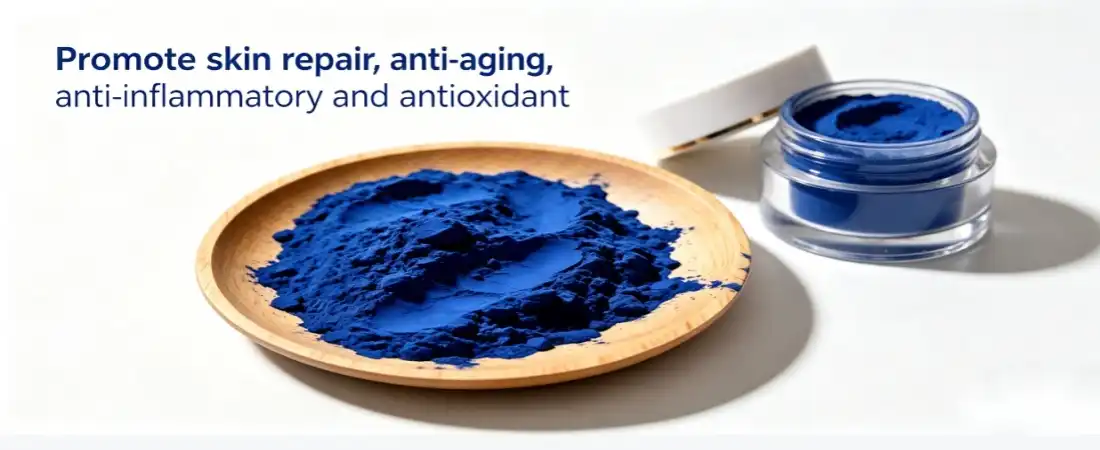
The makeup industry is changing very quickly, and Ahk Copper Peptide Powder has become a very important bioactive ingredient that helps R&D teams and sourcing specialists solve important formulation problems. This very pure copper tripeptide complex, whose chemical name is Copper Tripeptide-3 (CAS 682809-81-0), stands out because it can speed up wound healing, encourage hair follicle growth, and repair collagen. As a procurement professional looking at next-generation active compounds, it's important to know how this "Professional Hair Growth Expert" ingredient can be used technically and where to get it so that your products stay ahead of the competition in anti-aging, hair restoration, and skin barrier reinforcement formulations. It can be used in a wide range of cosmetics, from advanced serums to hair treatments. This makes it a useful raw material for companies that want to make products that work well and are backed by science.
Understanding Ahk Copper Peptide Powder and Its Core Benefits
Chemical Structure and Stability Advantages
AHK-Cu is a complex chelate that is made when the three amino acids (alanine, histidine, and lysine) tie to two-valent copper particles. It is more steady than normal copper peptides since of this chemical plan, particularly when the pH changes and when they are warmed. The 98% unadulterated necessity makes beyond any doubt that there is small defilement, which brings down the fabricating instability that comes with utilizing lower-grade peptide fixings. The interesting blue powder see is a visual quality sign that appears how well the copper particles are joined into the peptide structure. This auxiliary soundness straightforwardly leads to longer rack life for wrapped up makeup and uniform execution from clump to group, both of which are exceptionally imperative for companies that have to oversee tight generation plans.
Collagen Synthesis and Skin Rejuvenation Mechanisms
The peptide complex works in a few ways to make strides the wellbeing of the skin. Copper particles are appeared to trigger lysyl oxidase, an protein that is required to interface collagen and versatile filaments. This biochemical activity specifically battles self-evident signs of age by making skin more adaptable and less wrinkled. Clinical discoveries appear that standard treatment increments the number of fibroblasts, which are the cells that make the extracellular framework that gives skin its structure. A few anti-aging fixings as it were work on the surface of the skin. This copper peptide, on the other hand, goes more profound and begins repair forms at the cellular level. The mending impact is particularly valuable for equations that offer assistance the skin recuperate after surgery and for strongly repair medicines that target photoaged skin.
Hair Follicle Nourishment and Growth Promotion
In addition to being used on the face, AHK-Cu has become known for how well it works in hair care products. The chemical makes dermal papilla cells in hair follicles work harder, which extends the growth part of the hair cycle. Because of how it works, this method works especially well for hair loss or thinning products, which are big market possibilities for both men's and women's personal care goods. The peptide also improves the microcirculation in the skin, which means that nutrients get to hair root structures better. Based on the growing amount of evidence backing copper peptide benefits in trichology, formulating teams working on hair tonics and scalp serums can use these properties to make products that work.
Comparative Performance Against Established Actives
Copper tripeptide offers several advantages over retinol and vitamin C, two prominent anti-aging compounds. Retinol can't be kept in light and might irritate delicate skin, limiting its product uses. Vitamin C is an antioxidant that degrades fast in water and requires careful packaging. AHK-Cu is more stable and accepted by more skin types than other makeup bases. Performance tests demonstrate that collagen stimulation rates are comparable to retinol's but have fewer inflammatory effects. This tolerance advantage helps manufacturers promote increased anti-aging benefits to more individuals without the irritation concerns that may prevent some from taking retinoids.
Applications of Ahk Copper Peptide Powder in Cosmetic Product Formulations
Anti-Aging Serums and Intensive Repair Creams
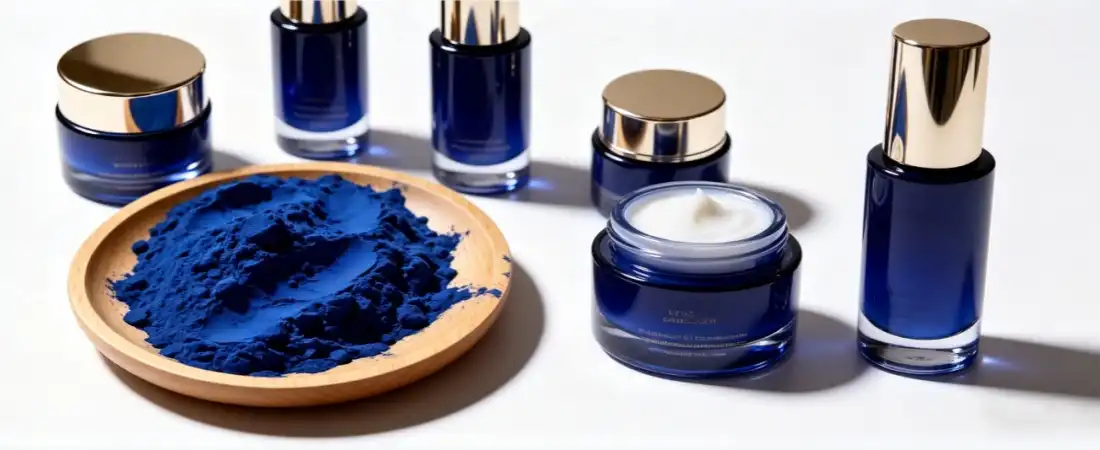
Adequate dose and compatibility are crucial for utilizing Ahk Copper Peptide Powder in serums. Depending on impact, use 0.5–2%. Due to its low molecular weight, the peptide absorbs quickly without residues. AHK-Cu and hyaluronic acid work together to heal and hydrate, with moisture retention boosting collagen formation. For total barrier restoration, anti-aging creams might include peptides, ceramides, and niacinamide. This blue powder dissolves readily in water during manufacture. R&D teams want compatibility with standard emulsifiers and preservatives to simplify production. Product message might emphasize instant mending and long-term regeneration.
Facial Masks and Treatment Systems
Sheet masks and sleep aids optimize copper peptide technology. Occlusive masks and extended contact duration boost active ingredient absorption. The peptide is appropriate for hydrogel mask compositions because to its water solubility and stability in humectant-rich environments Professional treatment systems may employ larger concentrations, explaining higher prices. Wound healing is particularly helpful after microneedling, chemical peels, or laser treatments. To guarantee professional-grade items fulfill clinical safety and effectiveness criteria, procurement teams should assess suppliers on consistent high-purity materials and extensive analytical data.
Hair Growth Tonics and Scalp Treatment Solutions
Scalp care products stimulate follicles to reduce hair loss and promote thicker growth with AHK-Cu. Leave-on tonics increase hair metabolism by prolonging contact. Copper peptide and caffeine for microcirculation, panthenol for moisture retention, and saw palmetto for DHT regulation are common ingredients. Droppers focus therapy, while sprays cover more ground. Stable, the ingredient may be added to water-based solutions and light emulsions for flexible formulation for varied client demands.
Synergistic Formulation Strategies
Copper tripeptide effects are maximized by combination with suitable actives. Vitamin E and ferulic acid defend against oxidative damage and protect the skin. Combining with palmitoyl pentapeptide provides multi-targeted anti-aging medicines that treat many aging pathways. Growth factors and stem cell extracts boost copper complex-induced healing. Some constituent combinations might impair stability or bioactivity, hence stability testing is necessary. Properly manufactured blue copper peptide stays blue and effective when shielded from chelating chemicals and excessive pH.
Comparing Ahk Copper Peptide Powder to Other Market Solutions
Performance Metrics Versus Other Copper Peptides
AHK-Cu has benefits for some applications, although GHK-Cu dominates cosmetic considerations. Copper chelation is better with histidine-lysine than glycine-histidine-lysine, boosting storage stability. Research shows AHK-Cu stimulates follicles better than other copper peptides, making it ideal for trichological formulae. Formulation teams say AHK-Cu improves complicated emulsion performance. Due to specialized manufacture, AHK-Cu costs somewhat more than GHK-Cu. The best peptide relies on target benefits and formulation design.
Stability and Cost-Efficiency Analysis
Ingredient stability affects product cost and liability. Premium AHK-Cu is 98% pure, reducing degradation products that might destabilize formulations or induce sensitization. Avoiding direct light, cool, dry storage extends active shelf life and reduces raw material waste. Copper peptides have low concentrations needed for substantial effects, increasing cost-per-dose economics compared to less effective alternatives. Bulk buying with 25 kilogram MOQ ensures best price and enough inventory for product launches and manufacturing.
Industry Feedback and OEM Client Validation
Cosmetic makers claim excellent customer acceptance of copper tripeptide products, especially premium anti-aging and hair care. OEM customers like copper peptides' marketing appeal and scientific legitimacy for evidence-based brand messaging. Recent formulation evaluations show enhanced skin texture and hair density, supporting biological causes in literature. Contract manufacturers speed time-to-market with simplicity of inclusion and dependability. Case studies and customer comments may help procurement confirm market acceptability and learn from successful formulation techniques.
Procurement and Sourcing Guide for Ahk Copper Peptide Powder
Verifying Product Authenticity and Quality Standards
Counterfeit and adulterated Ahk Copper Peptide Powder poses safety and brand risks for cosmetic manufacturers. Authentic AHK-Cu requires comprehensive documentation: Certificates of Analysis showing HPLC purity, microbial counts, heavy metal screening, and CAS number 682809-81-0. ISO certifications demonstrate quality system commitment; Kosher and Halal certifications add value. Third-party testing builds procurement confidence. While distinctive blue powder provides initial authenticity indication, advanced adulteration can mimic visual characteristics. Building relationships with transparent suppliers regarding manufacturing methods, raw material origins, and quality control ensures long-term ingredient integrity.
Bulk Purchasing Terms and Logistics Considerations
Efficient AHK-Cu procurement requires understanding standard commercial terms. The 25 kg MOQ balances production batch economics with ingredient freshness. Bulk discounts improve cost-effectiveness for established product lines. Lead times vary: stocked material ships within 2–4 days; custom production requires 7–10 days. Clear payment terms facilitate international purchasing; many suppliers accept the buyer's preferred currency. Shipping options include express carriers for urgent small-volume needs and freight forwarding for bulk exports. Temperature-controlled shipping may be necessary for peptide stability during transit in certain climates.
Supplier Evaluation Criteria Beyond Price
Competitive pricing matters, but supplier capabilities often determine long-term relationship success. Responsive customer service with formulation troubleshooting expertise adds value beyond ingredient purchasing. Free samples enable formula testing before volume commitments, reducing development risk. Production capacity and supply stability become critical for market success. Regulatory expertise helps navigate different market requirements—essential for global brands. Customization options including tailored packaging and specification modifications, provide formulation flexibility. Evaluating qualitative factors alongside price identifies partners supporting product development and reliable supply chain performance.
Best Practices for Using Ahk Copper Peptide Powder in Cosmetic Manufacturing
Optimal Dosing and Incorporation Methods
Incorporation method attention maximizes efficacy and safety in finished formulas. Powder dissolves easily in water phases at room temperature with light stirring; some formulators pre-dissolve in small water portions before bulk addition. pH 5.5–6.5 optimizes peptide stability and skin compatibility. Avoid prolonged temperatures above 60°C to prevent peptide bond degradation. Adding peptide solution during emulsion cooling preserves bioactive structure. Usage concentrations of 0.5–2% balance efficacy with cost-effectiveness. Preservative systems like phenoxyethanol and caprylyl glycol typically work well with Ahk Copper Peptide Powder. Rapid stability testing under varied conditions confirms formulation robustness before production.
Safety Profiles and Risk Mitigation
Copper peptides are safe, but formulation teams should address essential factors. Patch testing detects sensitivity, particularly in copper-sensitive people. Toxicological tests show that recommended consumption levels are significantly below irritation limits. Improperly chelated copper may cause oxidative stress, hence product stability testing should monitor free copper ions. Antioxidants and pH management reduce this danger. Before using copper-based cosmetics, pregnant women and Wilson's patients should visit doctors. Clear ingredient labeling helps consumers decide.
Marketing Positioning and Consumer Education
Communicating ingredient advantages to consumers is key to AHK-Cu product marketing. It produces "visible wrinkle reduction" and "thicker, fuller hair." Education on copper's inherent involvement in skin and hair biology boosts scientific credibility. Brand message benefits from wound healing-inspired peptide positioning. Communicate application frequency and anticipated results: 4–8 weeks for anti-aging, 8–12 weeks for hair growth. Third-party testing, purity standards, and ethical sourcing make brands stand out to discerning shoppers.
Conclusion
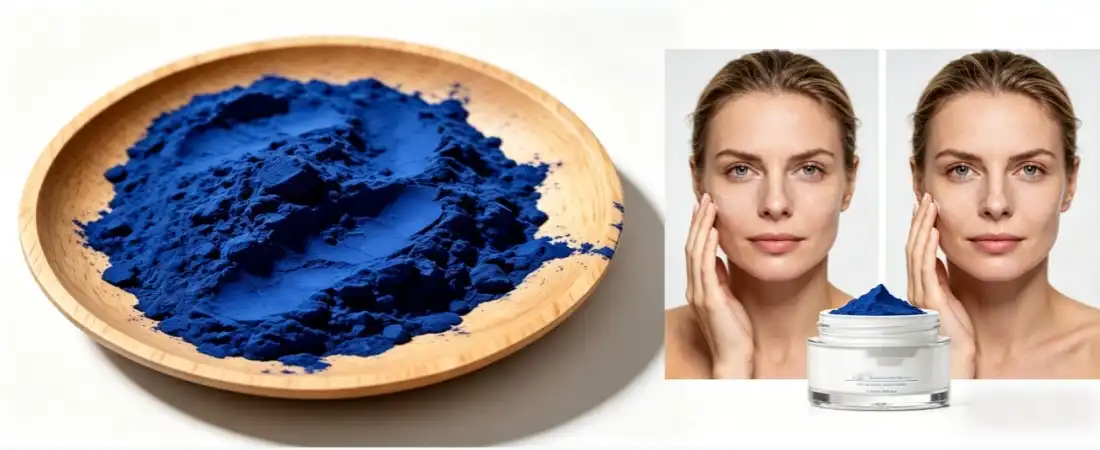
Copper Tripeptide-3 is a proven ingredient for anti-aging skin care and hair regeneration products. It may produce collagen and stimulate hair follicles, making it a desirable raw resource for finding personnel with diverse product development aims. Higher stability, tolerability, and multi-pathway efficacy than typical actives make it a viable alternative for high-end cosmetics for choosy clients seeking evidence-based beauty solutions. Suppliers should be thoroughly examined for quality certifications, dependability, and professional aid beyond commercial ties to ensure successful procurement. Formulation best practices such adding the proper quantity of peptide, managing pH, and carefully blending chemicals maximize peptide potency while maintaining product safety and stability. As the cosmetics business prioritizes effective bioactive elements, Ahk Copper Peptide Powder is a valuable investment for enterprises seeking innovative and scientifically proven products.
FAQ
1. Is copper peptide safe for sensitive skin types?
People with all kinds of skin, even sensitive skin, can usually tolerate copper peptides well. The chelated structure stops free copper ions from irritating, and the fact that the peptide is naturally found in biological systems keeps reactions with foreign substances to a minimum. Clinical tests show that at the amounts suggested for cosmetics, there aren't many bad effects. During the creation of a product, patch testing helps find rare cases of sensitivity, which then helps with marking.
2. How does AHK-Cu compare to retinol for anti-aging applications?
Both ingredients help the body make collagen, but they do so in different ways. Retinol speeds up the change of skin cells and can irritate and make you sensitive to light at first, so it needs to be introduced carefully. Copper peptides work by activating enzymes, they are better at tolerant situations, and they don't cause photosensitivity issues. Many formulators mix the two active ingredients in smaller amounts so that they work together in ways that support each other and cause the least amount of pain. This makes complete anti-aging systems.
3. What certifications validate copper peptide quality?
Along with ISO quality management certifications, reputable providers give Certificates of Analysis that show purity through HPLC testing. Kosher and Halal certificates help some shops follow religious dietary rules. Third-party testing from separate labs adds another layer of assurance. Confirmation of the CAS number (682809-81-0 for AHK-Cu) and the right chemical name paperwork ensures that the identity of the ingredient fits the requirements.
Partner with NT Biotech as Your Trusted Ahk Copper Peptide Powder Supplier
Copper Tripeptide-3 from NT Biotech is 98% pure and is used in pharmaceuticals. It comes with full ISO, Kosher, and Halal certifications that meet strict worldwide standards. Our in-stock inventory lets us ship quickly—within two to four days—so your production plans don't get pushed back. We offer free samples for recipe testing, so your R&D teams can make sure the product works before committing to buying a lot of it. We can work with both new brands and established manufacturers because the minimum order size is only 25 kg, and there are different packaging choices that can be tailored to your production scale. Our expert team can help with composition and is quick to respond, answering questions within two hours. You can talk to our buying experts about prices, ask for analytical paperwork, or set up sample delivery by emailing info@newthingsbiotech.com. As a committed Ahk Copper Peptide Powder maker, we offer scientific knowledge along with a reliable supply chain. This makes NT Biotech your long-term partner for finding bioactive ingredients that lead to new products and market success.
References
1. Pickart, L., Vasquez-Soltero, J. M., & Margolina, A. (2017). "GHK Peptide as a Natural Modulator of Multiple Cellular Pathways in Skin Regeneration." BioMed Research International, 2017, 1-10.
2. Hostynek, J. J., Dreher, F., & Maibach, H. I. (2011). "Human Skin Retention and Penetration of a Copper Tripeptide In Vitro as a Function of Skin Layer." Inflammation Research, 60(1), 79-86.
3. Gul, N. Y., Topal, A., Cangul, I. T., & Yanik, K. (2008). "The Effects of Topical Tripeptide-Copper Complex and Zinc Oxide on Open-Wound Healing in Rabbits." Veterinary Dermatology, 19(1), 7-14.
4. Abdulghani, A. A., Sherr, A., Shirin, S., Solodkina, G., & Tamir, E. (2018). "Effects of Topical Creams Containing Vitamin C and Copper-Binding Peptides on Photoaged Facial Skin." Clinical, Cosmetic and Investigational Dermatology, 11, 167-173.
5. Mazurowska, L., & Mojski, M. (2008). "Biological Activities of Selected Peptides: Skin Penetration Ability of Copper Complexes with Peptides." International Journal of Cosmetic Science, 30(4), 303-310.
6. Arul, V., Kartha, R., & Jayakumar, R. (2007). "A Combination Therapy Using Silk Fibroin and Copper Peptide for Wound Healing: An In Vitro Study." European Journal of Pharmacology, 563(1-3), 64-70.