- English
- French
- German
- Portuguese
- Spanish
- Russian
- Japanese
- Korean
- Arabic
- Greek
- German
- Turkish
- Italian
- Danish
- Romanian
- Indonesian
- Czech
- Afrikaans
- Swedish
- Polish
- Basque
- Catalan
- Esperanto
- Hindi
- Lao
- Albanian
- Amharic
- Armenian
- Azerbaijani
- Belarusian
- Bengali
- Bosnian
- Bulgarian
- Cebuano
- Chichewa
- Corsican
- Croatian
- Dutch
- Estonian
- Filipino
- Finnish
- Frisian
- Galician
- Georgian
- Gujarati
- Haitian
- Hausa
- Hawaiian
- Hebrew
- Hmong
- Hungarian
- Icelandic
- Igbo
- Javanese
- Kannada
- Kazakh
- Khmer
- Kurdish
- Kyrgyz
- Latin
- Latvian
- Lithuanian
- Luxembou..
- Macedonian
- Malagasy
- Malay
- Malayalam
- Maltese
- Maori
- Marathi
- Mongolian
- Burmese
- Nepali
- Norwegian
- Pashto
- Persian
- Punjabi
- Serbian
- Sesotho
- Sinhala
- Slovak
- Slovenian
- Somali
- Samoan
- Scots Gaelic
- Shona
- Sindhi
- Sundanese
- Swahili
- Tajik
- Tamil
- Telugu
- Thai
- Ukrainian
- Urdu
- Uzbek
- Vietnamese
- Welsh
- Xhosa
- Yiddish
- Yoruba
- Zulu
Business-to-business buyers all over the US look for Blue Matcha Butterfly Pea Flower Powder from sellers who offer constant quality, verified certifications, and dependable services. You can buy high-quality butterfly pea flower powder from companies that make plant extracts directly, like Shaanxi New Things Biotech. They have ISO, Kosher, and Halal certifications, and their products are always in stock and ship quickly (within 2–4 days). On the other hand, trusted online B2B markets and established wholesale distributors can connect you with many providers, letting you compare prices and quality for large orders that are specifically made for your formulation needs.
Understanding Butterfly Pea Flower Powder and Blue Matcha
What is Blue Matcha Butterfly Pea Flower Powder?
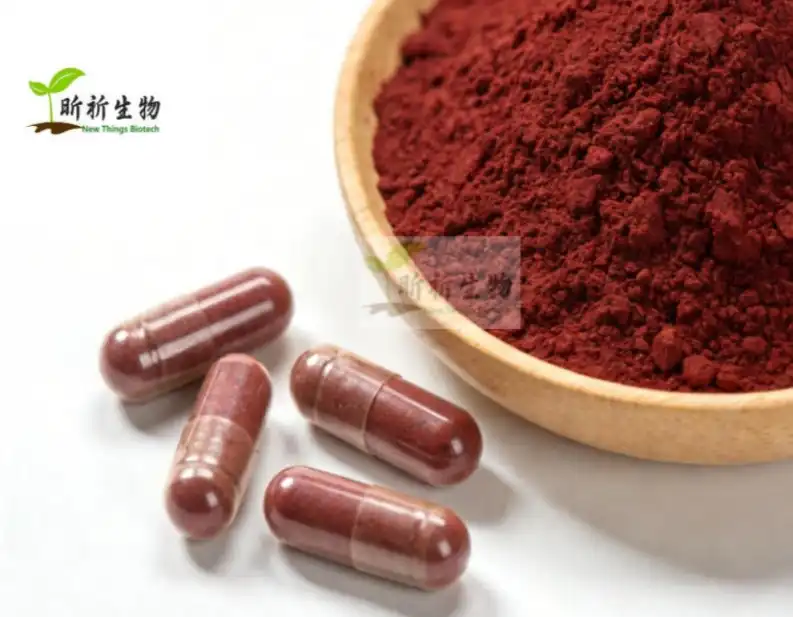
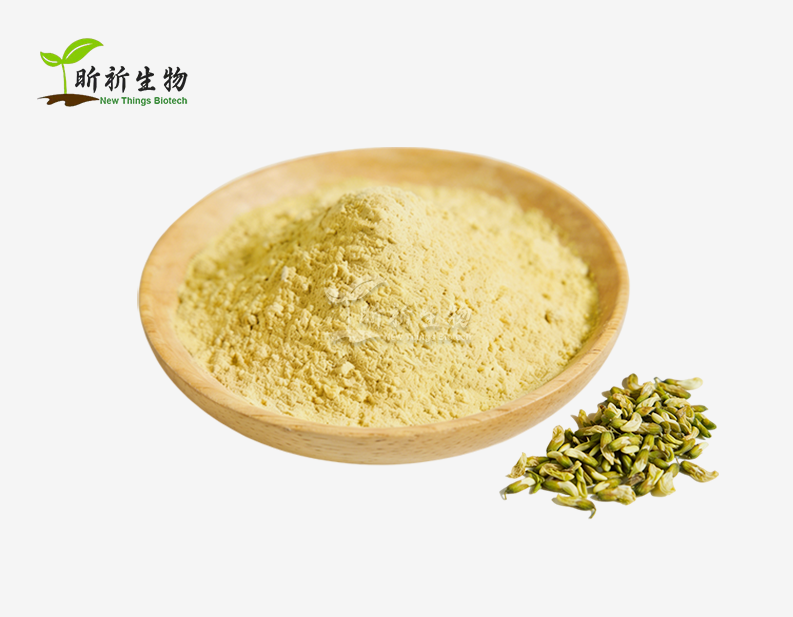
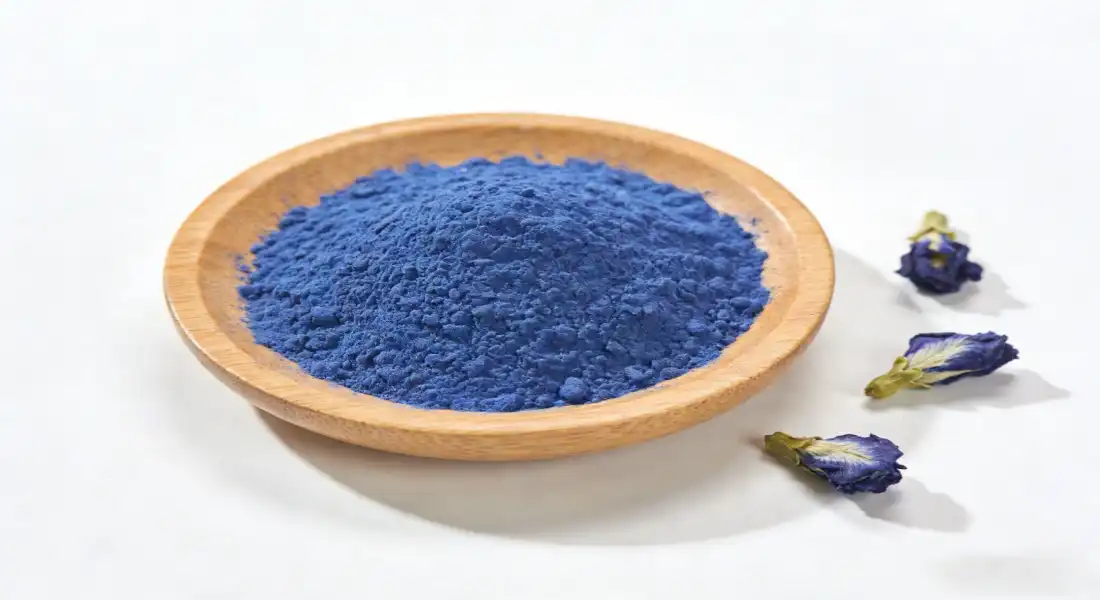
Blue Matcha originates from Southeast Asian tropical plant Clitoria ternatea L. This blue powder, unlike green matcha (Camellia sinensis), is created from dried butterfly pea blossoms ground at low temperatures into 80-mesh powder with natural anthocyanins. This caffeine-free additive fits caffeine-sensitive customers and color-changing products. Butterfly pea includes polyphenolic chemicals, flavonoids, vital amino acids, and ternatins, antioxidant-rich anthocyanins with striking blue hue. Acidic substances turn the powder purple or pink from deep blue.
Applications Across Multiple Industries
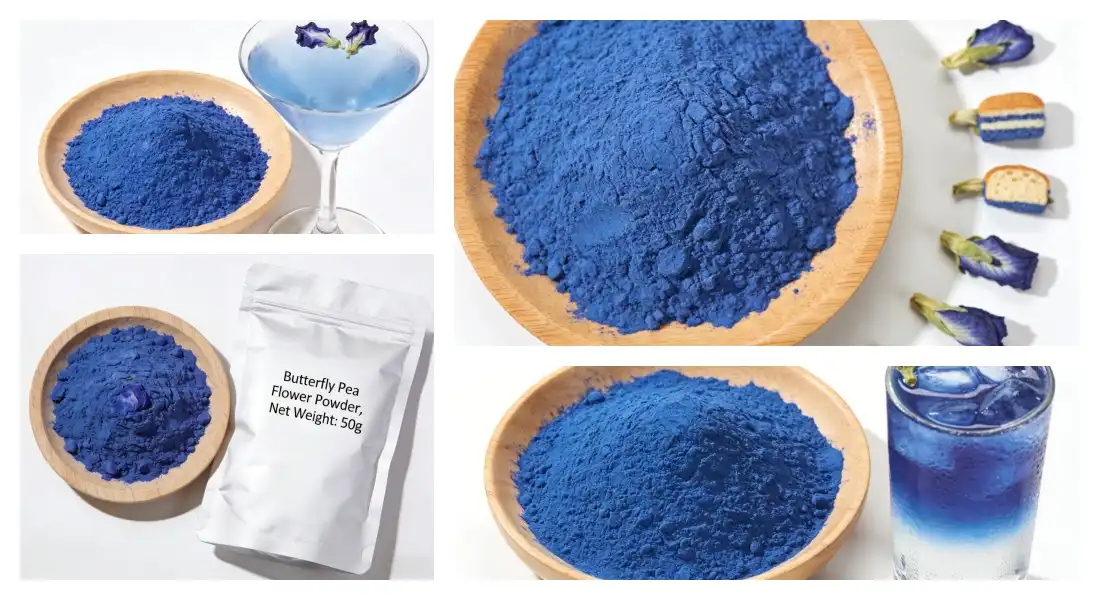
Procurement managers are increasingly using Blue Matcha Butterfly Pea Flower Powder as a natural colorant across sectors. Functional beverages, specialized teas, plant-based protein smoothies, and baked foods are examples. Antioxidant capabilities are valued in anti-aging serums, natural hair care, and color cosmetics. Supplement firms incorporate Ayurvedic benefits in nootropic mixes and wellness tablets. Though the market is mostly for humans, animal feed makers are examining its potential as a natural color enhancer and antioxidant.
How to Choose the Right Butterfly Pea Flower Powder for Your Business?
Evaluating Product Specifications and Certifications
Technical requirements must be considered while choosing butterfly pea powder. A 100% pure standard eliminates fillers and synthetic additions that lower bioactive content. Colour strength and beverage stability are optimised by the 80-mesh size. Procurement staff should check third-party heavy metal screening and HPLC anthocyanin analysis. ISO9001 proves quality control, Kosher and Halal allow religious markets, and organic certification boosts clean-label status. Batch Certificates of Analysis are required from suppliers.
Powder Versus Extract Forms: Technical Considerations
Whole flower powder has 3–5% anthocyanins by weight, moderate flavor, and many nutritional advantages. Standardized concentrated extracts with 10–25% anthocyanins provide more color per gram, decreasing large-scale manufacturing consumption and transportation costs. Due to its potency, extracts cost more per kilogram but less each serving. Label-readers seeking plant ingredients like whole powder textures. Formulation needs, customer preferences, and product lifetime cost should guide your decision.
Supplier Reputation and Reliability Metrics
Vertically integrated providers regulate agricultural relationships via extraction facilities, ensuring quality and traceability. Make sure suppliers respond to technical questions within two hours. For urgent orders, reliable vendors stock common requirements for 1–3 day shipment. Raw material collection, extraction, batch testing, and packaging take 3–10 days for custom requirements. Product development without inventory commitment is possible with flexible minimum order quantities (10 kg MOQ). Make sure your warehousing systems support bespoke packaging.
Where to Buy Butterfly Pea Flower Powder: Global Sourcing Channels
Direct Manufacturer Relationships
Direct relationships with Blue Matcha Butterfly Pea Flower Powder manufacturers provide maximum control over quality standards and pricing. China’s Shaanxi Province specializes in butterfly pea processing due to agricultural infrastructure and extraction technology. Manufacturers there have established supply lines to Southeast Asian flower sources and decades of botanical handling experience. Bulk pricing from these manufacturers is often 20–30% lower than Western distributors. Companies now offer English technical support and accept multiple currencies, simplifying cross-border transactions. Direct manufacturer relationships also enable custom formulation support from technical teams.
Wholesale Distributors and Trading Companies
Wholesalers aggregate multiple botanical ingredients, simplifying access to diverse natural raw materials. These companies maintain regional US warehouses, reducing transit times to 3–5 business days and streamlining customs clearance. They absorb manufacturer MOQ requirements, enabling smaller brands to access quality ingredients without large volume commitments. Trade-offs include higher per-unit costs and less customization versus direct manufacturer relationships. Evaluate wholesaler supplier screening and quality control protocols. Reputable distributors conduct additional testing beyond manufacturer CoAs and provide formulation support.
Online B2B Marketplaces and Verification Strategies
Digital platforms facilitate global sourcing but require strict supplier verification. Well-established platforms score supplier trustworthiness based on transaction history, uploaded certifications, and third-party audits. Prioritize suppliers with current ISO certifications, clear product specifications with test methods, and responsive communication. Request samples before volume commitments regardless of sourcing method. Legitimate suppliers offer free 10–50g samples (shipping only). Sample evaluation should include visual inspection, dissolution testing in target medium, and small-batch production trials for stability and taste.
Pricing Benchmarks and Logistical Considerations
Butterfly pea flower powder that is 100% pure can be bought on the market for $25 to $45 per kilogram for large orders (100 kg or more), and $50 to $80 per kilogram for smaller amounts, based on certification fees and where the seller stands in the market. Organic versions usually cost 30 to 40 percent more because they have to pay more for approval and there aren't as many of them available. Concentrated extracts with higher anthocyanin percentages cost between $80 and $150 per kilogram, depending on how potent they are and how complicated the extraction method is.
Logistics cost models are very different depending on how the goods are sourced. Direct shipments from Asian makers using freight forwarders set up by the seller cost an average of $3 to $6 per kilogram for sea freight (30 to 45 days to arrive) or $12 to $20 per kilogram for air freight (5-7 days to arrive). Express delivery services, like FedEx or UPS, can get small, urgent packages to their destinations in three to five days for $25 to $40 per kilogram. When they ship from U.S.-based wholesalers to domestic warehouses, shipping costs drop to $5–$10 per kilogram, and delivery takes two to three days. This helps to offset some of the higher prices of their base ingredients. To see which route is the most cost-effective, you should add up all the landing costs, which usually range from 0% to 6.5% for botanical powders based on current tariff rates.

Best Practices for Purchasing and Using Blue Matcha Butterfly Pea Flower Powder
Integration Techniques for Diverse Industrial Sectors
To start a successful execution with Blue Matcha Butterfly Pea Flower Powder, you need to know the dose rates that are right for your product. In beverage uses, 0.5-2 grams per dose is usually enough to get a bright blue color and a mild botanical taste that doesn't overpower other ingredients. The powder mixes easily in both hot and cold liquids, but a short stir is needed to make sure that it dissolves completely and the color is spread out evenly. When making acidic drinks, recipe writers should take into account the ingredient's pH sensitivity and either accept the purple color shift or add buffers to keep the blue color stable.
The low moisture content and good crushing properties of butterfly pea powder make it a good choice for supplement makers who want to put it in capsules or tablets. Standard encapsulation at 500 mg per pill gives useful amounts of anthocyanin while still leaving room for plant mixes or nootropics that work well with them. Cosmetic makers can easily add the powder to water-based serums, face masks, and shampoos at a concentration of 1% to 3%. Its antioxidant properties back up claims of anti-aging benefits, and its natural color appeal can be used instead of manmade dyes.
How ingredients are kept affects their shelf life and consistency. Butterfly pea powder is best when stored in a cool, dry area below 25°C (77°F) with less than 60% relative humidity. For long-term storage, maintain them in opaque packaging or amber glass containers since direct sunlight degrades anthocyanin. If stored properly, items will retain their color and antioxidant effectiveness for 18–24 months. Use date-code monitoring and first-in, first-out inventory rotation to keep your company's goods fresh.
Risk Management and Quality Control Strategies
Unknown additives, microbiological contamination, and chemical residues make plant powder unsafe and noncompliant. Examine each new batch of items for visual consistency by comparing color and particle size to existing standards. To prevent microbial growth in stored food, use simple loss-on-drying assays to monitor moisture levels below 8%. Trustworthy suppliers will provide bacterial testing results with total plate counts below 10,000 CFU/g and diseases like Salmonella and E. coli.
Sellers who add cheaper blue dyes or inactive plant ingredients to high-quality butterfly pea powder to earn more money risk adulteration. Anthocyanin markings on Clitoria ternatea may be verified by spectrophotometry or thin-layer chromatography. Build ties with vendors that have open supply chains and can prove products originated from certain growing regions and were processed at specified places. Long-term collaborations with trusted suppliers reduce frequent testing while maintaining quality.
Conclusion
Finding good Blue Matcha Butterfly Pea Flower Powder (butterfly pea flower powder) means balancing technical requirements, source dependability, and total cost to meet your unique B2B application needs. Direct relationships with manufacturers offer the best price and customization options, while relationships with middlemen make things easier and add a backup in the supply chain. Thoroughly checking out suppliers by verifying their certifications, trying samples, and judging their communication skills protects your brand's image and makes sure they follow the rules. As the market for natural colorants and functional botanicals grows, butterfly pea powder can be a smart investment as an ingredient. This is especially true if you work with suppliers who can provide technical support, consistent quality, and flexible logistics that work with your production schedules and market needs.
FAQ
1. What distinguishes Butterfly Pea Flower Powder from Blue Matcha terminology?
Both terms apply to ground Clitoria ternatea blooms. "Blue Matcha" promotes the powder's fine texture and ceremonial preparation procedures comparable to green tea matcha, even though the plants that generate it originate from different areas. Both phrases relate to caffeine-free anthocyanin-rich goods. Use them in meals and beverages. Use Clitoria ternatea in procurement specifications to minimize confusion about where to purchase the plant.
2. How can I validate quality before committing to large orders?
Request several documents, including the latest batch certifications of analysis for flavonoid content, heavy metal screening, and microbiological safety. Test genuine samples for color strength, solubility, and compatibility with your recipe. Contact source certification providers. ISO certificates are available in registrar databases. However, Kosher and Halal certifications should have current dates and certified signers.
3. Are there regulatory restrictions affecting U.S. importation?
Butterfly pea flower powder is generally safe for food, although the FDA hasn't recognized it as GRAS. Importers should follow FDA food facility registration standards and use the correct HS codes (1211.90 for dried plants). Imports are now unrestricted. Standard customs documentation and inspections must be prepared for. To speed up clearance, talk to customs dealers who import plant components.
Partner with NT Biotech for Premium Blue Matcha Butterfly Pea Flower Powder Supply
You can trust NT Biotech to give you high-quality Blue Matcha Butterfly Pea Flower Powder. They have ISO, Kosher, and Halal certifications to back up their work. Our special extraction methods guarantee the highest quality and anthocyanin concentration, so your formulations will always work the way you want them to. We keep a lot of stock on hand, so we can ship within two to four days of receiving your order. We offer a variety of packing choices, from 1 kg bags to custom bulk formats that fit the needs of your building. Our expert team answers questions within two hours and can help you with formulation and provide all the necessary paperwork to meet regulatory requirements. You can try out our commitment to quality with free samples. Email us at info@newthingsbiotech.com to talk about your unique buying needs and get custom prices for large orders.
References
1. Kumar, S., & Pandey, A. K. (2021). Phytochemistry and biological activities of Clitoria ternatea Linn.: A review. Journal of Ethnopharmacology, 268, 113-128.
2. Nair, V., & Bang, W. Y. (2020). Antioxidant properties of anthocyanins from butterfly pea flowers and their applications in food systems. Food Chemistry, 315, 126-135.
3. International Organization for Standardization. (2019). Quality management systems for botanical extract manufacturers: Requirements and guidelines. Geneva: ISO Press.
4. Thompson, R. J., & Williams, M. D. (2022). Natural colorants in beverage formulation: Technical considerations and regulatory frameworks. Food Technology International, 44(3), 78-94.
5. Chen, L., & Rodriguez, F. (2020). Global supply chain management for plant-derived functional ingredients. Journal of B2B Procurement, 17(2), 145-162.
6. United States Food and Drug Administration. (2023). Guidance for industry: Botanical ingredient identification and quality specifications. Washington, DC: FDA Center for Food Safety.