- English
- French
- German
- Portuguese
- Spanish
- Russian
- Japanese
- Korean
- Arabic
- Greek
- German
- Turkish
- Italian
- Danish
- Romanian
- Indonesian
- Czech
- Afrikaans
- Swedish
- Polish
- Basque
- Catalan
- Esperanto
- Hindi
- Lao
- Albanian
- Amharic
- Armenian
- Azerbaijani
- Belarusian
- Bengali
- Bosnian
- Bulgarian
- Cebuano
- Chichewa
- Corsican
- Croatian
- Dutch
- Estonian
- Filipino
- Finnish
- Frisian
- Galician
- Georgian
- Gujarati
- Haitian
- Hausa
- Hawaiian
- Hebrew
- Hmong
- Hungarian
- Icelandic
- Igbo
- Javanese
- Kannada
- Kazakh
- Khmer
- Kurdish
- Kyrgyz
- Latin
- Latvian
- Lithuanian
- Luxembou..
- Macedonian
- Malagasy
- Malay
- Malayalam
- Maltese
- Maori
- Marathi
- Mongolian
- Burmese
- Nepali
- Norwegian
- Pashto
- Persian
- Punjabi
- Serbian
- Sesotho
- Sinhala
- Slovak
- Slovenian
- Somali
- Samoan
- Scots Gaelic
- Shona
- Sindhi
- Sundanese
- Swahili
- Tajik
- Tamil
- Telugu
- Thai
- Ukrainian
- Urdu
- Uzbek
- Vietnamese
- Welsh
- Xhosa
- Yiddish
- Yoruba
- Zulu
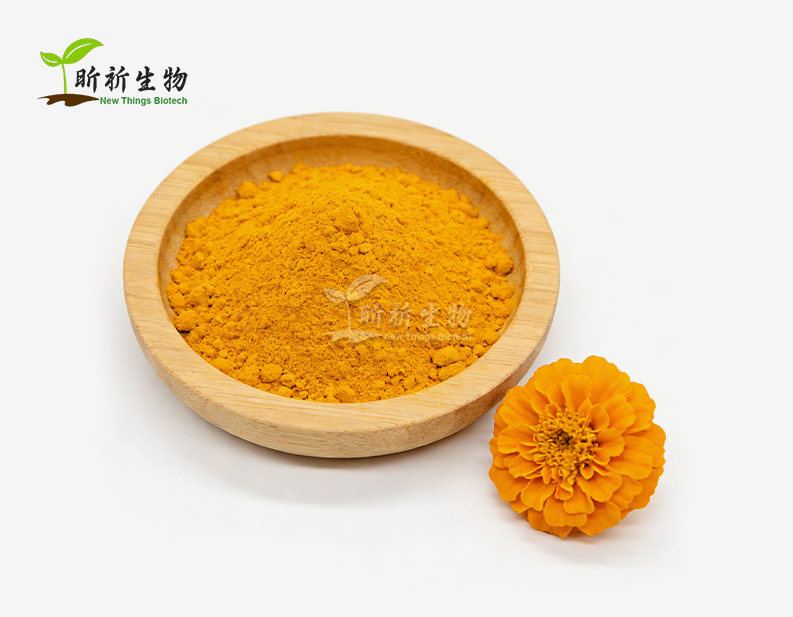
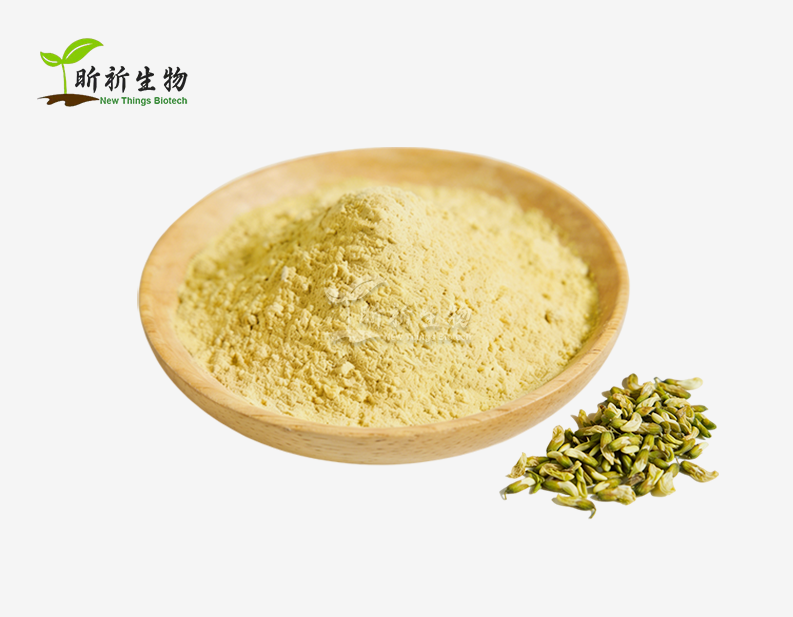
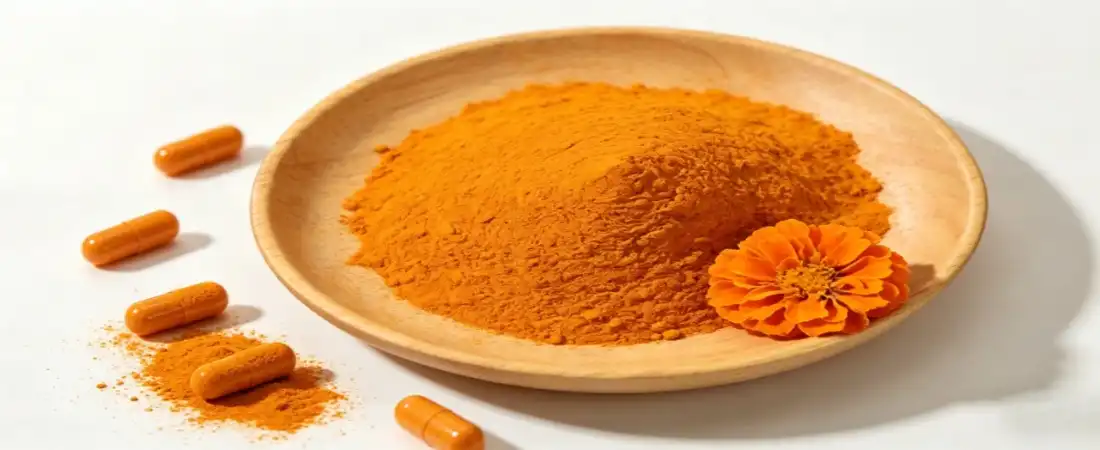
Lutein Powder Bulk is a natural, pure carotenoid powder derived from marigold flowers. It is concentrated from 5% to 80% purity. A fundamental constituent in nutritional supplements, beneficial meals, cosmetics, and feed additives. Powder is orange-yellow. The bulk version allows manufactures to receive cost-effective volumes (typically 25 kg) while maintaining quality and traceability. This addresses B2B supply chain needs for conventional plant extracts.
Understanding Lutein Powder Bulk: Composition and Nutritional Value
Natural Origin and Extraction Methods
Tagetes erecta L. petals are extracted, purified, and dried to make lutein-containing marigold extracts. Carotenoids from flower petals are isolated by solvent without losing biological activity. Modern supercritical CO2 or ethanol extraction maximizes chemical yield without degradation. This keeps the powder nutritious and stable throughout storage and mixing. Differentiating natural from synthetic lutein is crucial in B2B procurement. Natural marigold-derived lutein has better bioavailability with phytonutrients like zeaxanthin, whereas manufactured versions are regulated.
Detailed Composition and Purity Standards
Lutein is the main carotenoid in Lutein Powder Bulk, with zeaxanthin levels varying from 3–10% depending on extraction process. Fat-soluble xanthophyll pigments absorb light wavelengths for biological activity. A lengthy hydrocarbon chain containing hydroxyl groups at both ends scavenges free radicals, promoting antioxidant activity. Market purity grades include 5% to 80% lutein, depending on HPLC or UV spectrophotometry. Higher purity demands more complex processing, affecting cost and applicability. A 20% specification fits vitamin pills, 80% high-end supplements.
Quality Assurance and Manufacturing Compliance
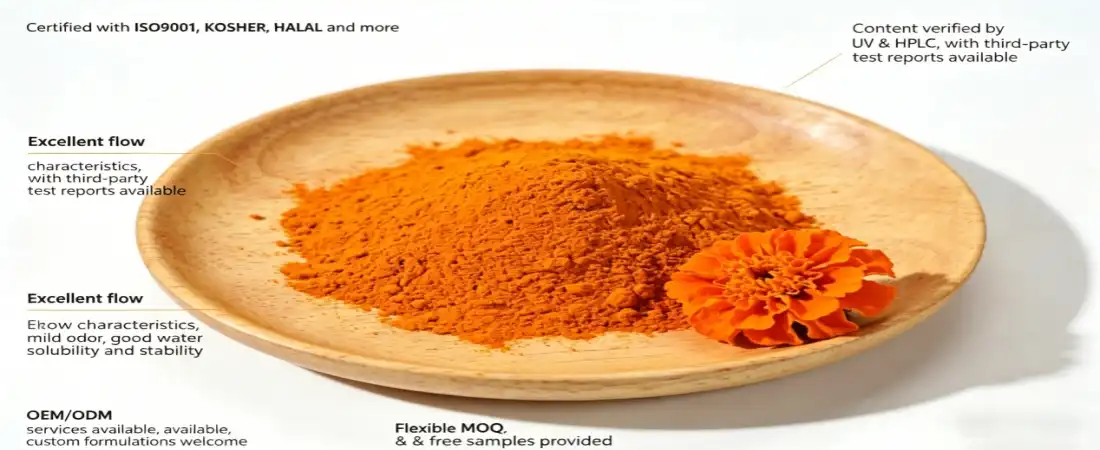
Suppliers with ISO9001, Kosher, and Halal certifications practise rigorous quality control and cultural ingredient consideration. Raw material, process, and end product testing are required for these certifications. Batch-to-batch consistency is achieved by standardizing extraction conditions and thorough quality checks on color intensity, solubility, and active ingredient concentration. Pesticide residues, microbiological loads, and solvent remnants are tested by independent laboratories to verify supplier claims. Each shipment includes a Certificate of Analysis, establishing buyer-supplier confidence for FDA dietary supplement or EU new food compliance.
Benefits and Uses of Lutein Powder Bulk in Eye Health and Beyond
Vision Protection and Retinal Health
Lutein's reputation for vision support derives from its concentration in the macula, the eye's center responsible for sharp vision. Clinical studies demonstrate supplemental lutein increases macular pigment optical density—this pigment naturally filters blue light, protecting photoreceptor cells from oxidative damage. This proves especially valuable as global screen time increases, creating a market for digital eye strain products. Research in Archives of Biochemistry and Biophysics shows lutein reduces age-related macular degeneration risk by neutralizing light-induced reactive oxygen species. Daily supplementation of 6–20 mg shows no adverse effects in toxicity studies.
Antioxidant Properties and Systemic Benefits
Lutein Powder Bulk is useful for more than just the eyes; it also fights oxidative stress in many other organs throughout the body. Lutein's ability to protect against UV damage is being used more and more in skin health products related to cosmetics. Oral lutein supplementation helps skin hydration, flexibility, and photoprotection, according to studies. This gives cosmetic companies a scientifically-proven ingredient for beauty products that people can eat that appeal to health-conscious people looking for all-around wellness solutions.
Researchers studying cognitive function have found interesting links between lutein diet and signs of brain health. The carotenoid gets into the brain from the blood and builds up in nerve tissue, where it may help with memory and processing speed. Nutraceutical companies that are trying to get into the nootropics market have started to use lutein in brain health formulas because it has two effects and is easy to name. These different uses give Lutein Powder Bulk more business opportunities outside of standard eye health categories.
Practical Application Guidelines Across Industries
Lutein powder's versatility enables various delivery formats. In food supplements, it blends readily with oils for softgels or dry ingredients for tablets. The powder's moderate heat stability allows incorporation into functional food matrices like protein bars, beverages, and fortified dairy products with minimal degradation. Recommended dosages vary: 10–40 mg per serving for supplements; 2–10 mg for functional foods. As a natural yellow-orange colorant labeled E161b in European regulations, lutein serves in pasta, baked goods, and dairy products where clean-label positioning adds value. It also improves egg yolk and broiler meat color in animal nutrition.
Comparing Lutein Powder Bulk Options: How to Choose the Right Supplier and Product?
Supplier Certification and Manufacturing Credentials
Checking certifications that show agreement with international quality standards is the first step in evaluating a supplier's qualifications. If a supplier has ISO9001 certification, it means they have written quality control methods that cover all parts of production. Kosher and Halal approvals make it easier for goods that are aimed at specific groups of people with religious dietary needs to reach more customers. These credentials show that a provider has put money into systems and facilities that help keep product quality high.
Where the goods were made affects both following the rules and the flow of the supply chain. Chinese companies like NT Biotech can offer reasonable prices because they are close to places where marigolds are grown and already have the infrastructure to remove the flowers. European sellers may put a lot of emphasis on organic certifications and tighter environmental standards, which could lead to higher prices. Knowing about these regional trade-offs helps procurement teams find the best mix between having to stick to a budget and meeting the quality standards and legal requirements of their target markets.
Product Format Comparison and Cost Considerations
Lutein Powder Bulk has clear benefits over other forms, like liquid extracts or capsules that are already full. The powder form gives makers the most formulation freedom, as they can exactly change doses and mix with their own unique ingredient blends. When you buy in bulk, you save a lot of money. For example, buying a 25 kg drum of 20% lutein powder usually costs less per milligram than buying the same amount in pill form, which lets supplement brands make more money.
Levels of purity have a direct effect on cost-benefit analysis. Even though 80% purity costs more, it means that less powder is needed per final unit, which could lower the overall cost of formulation when excipients and packing are taken into account. On the other hand, 5–10% specs work well for uses where cost is more important than strength, like adding to animal feed or making inexpensive supplement lines. To choose the best specifications, you should do total cost of ownership estimates that include shipping, storage, and the difficulty of the recipe.
Procurement Considerations and Supplier Evaluation
Minimum order amounts (MOQ) make it hard for new suppliers to get in, and the ways they handle their stock can change the MOQ. A 25 kg MOQ is a good level for medium-sized companies to try new formulas without having to spend too much money. During the evaluation process, sample policies are very important. Suppliers who offer free samples with full CoA paperwork show that they are confident in the quality of their products and are willing to put money into building partnerships.
Logistics merging skills set top sellers apart from commodity providers. Operational sophistication is shown by being able to adapt shipping ways to meet customer needs: express for quick small amounts, sea freight for cost-effective large orders. Accepting the buyer's local currency and negotiating terms for payment eases financial friction in foreign deals. Response times are just as important as replies themselves. Suppliers who promise to answer questions within two hours and ship stocked things within one to three days support lean inventory strategies that reduce the need for working capital.
How to Procure Lutein Powder Bulk Efficiently: A Buyer's Guide
Defining Procurement Specifications
To successfully buy Lutein Powder Bulk, you must first clearly define the product specs so that they match the needs of the end use. The technical specs should list the lutein purity percentage, particle size (mesh), moisture content limits, and heavy metal and microbial pollution accepted ranges. Regulatory requirements change from place to place. For example, FDA-compliant standards for U.S. dietary supplements are different from European Food Safety Authority standards. This means that suppliers need to be made aware of the laws in each target market.
The second part of the specification description is the documentation needs. Ask for COAs for every batch that include tests for identity (HPLC fingerprinting), purity, and finding contaminants. Third-party testing records from approved labs add extra layers of proof that help keep a brand's image safe. Expected shelf life and suggested store conditions should be made clear from the start to make sure they work with current storage options and product development schedules.
Vetting Suppliers and Negotiating Terms
Checking a supplier out for Lutein Powder Bulk is more than just looking at their certifications; it also includes checking their manufacturing and expert help skills. To figure out the risk of supply consistency, you should ask about the yearly production volume, the equipment's capabilities, and backup sources of raw materials. Site checks, whether they are done online or in person, show practical truths that certifications alone can't show. Finding out about a supplier's past customers and how long they've been in the lutein market can help you figure out how knowledgeable and trustworthy they are.
Price competition and relationship value should both be taken into account in negotiation tactics. It's important to compare prices at first, but what really matters is technical support, formulation advice, and problem-solving speed. These are the things that set strategic partners apart from transactional sellers. Talking about volume commitments can open up tiered price systems, and looking into private label or OEM services can lead to co-developed goods that can bring in extra money. In long-term relationships, both parties' interests are protected by contract terms that cover things like force majeure, quality issues, and intellectual property rights.
Supply Chain Management and Sustainable Practices
Order tracking tools and clear communication methods keep problems in the supply chain to a minimum. Better demand planning is possible with suppliers who let you see shipments in real time and keep you up to date on production plans. Accurately estimating lead times keeps fast-moving product lines from running out of stock. Knowing whether normal lead times are 3–10 days or require longer production processes helps with planning safety stocks and launch timelines.
As corporate social responsibility goals become more important, sustainable sourcing standards like organic, non-GMO, and eco-friendly handling methods have a bigger impact on buying choices. People who care about the environment will like these certificates, and retailers need them to put them on shelves in expensive channels. Sustainable farming methods, water conservation during extraction processes, and recyclable packing materials are all things that suppliers should do to match with brand values that set goods apart in competitive markets. Building partnerships with suppliers who share these goals makes you more resistant to changes in regulations and customer standards.
Conclusion
Lutein Powder Bulk is a flexible and scientifically proven ingredient that meets the growing need of consumers for natural colorants, antioxidants, and eye support in nutraceuticals, functional foods, and cosmetics. Knowing what it is made of—from where the marigold flowers come from to the purity standards—allows sourcing workers to choose the best grades that meet recipe needs. The ingredient is very safe, and more study is being done to find out how it can help with overall health. This makes it an important part of product creation portfolios. For procurement to go well, you need to work with qualified providers who can show that they can make high-quality products and provide clear quality paperwork and quick logistics. When you look at things like certification compliance, sample availability, and sustainable buying practice
FAQ
1. Is Lutein Powder Bulk Safe for All Age Groups?
Lutein Powder Bulk from marigold flowers is harmless for most individuals. Clinical studies with children, adults, and the elderly found no serious negative effects at 20 mg per day. Lutein is safe to use in food items and has no upper intake restriction, according to the European Food Safety Authority. Pregnant and lactating women should consult their physicians, however lutein is naturally present in breast milk, suggesting it is physiologically okay. It's better for multi-drug users since it has no known drug conflicts.
2. How Can I Verify Lutein Powder Purity and Potency?
Request Certificates of Analysis (CoA) with each batch for independent evidence. CoAs should contain HPLC or UV spectrophotometry findings showing lutein concentration. Third-party lab testing at Eurofins or SGS provides unbiased validation. Comparing seller claims to analytical data prevents fraud and mislabeling. A careful examination should reveal an orange-yellow carotenoids hue, although color strength doesn't indicate purity.
3. Are There Any Side Effects Associated with Lutein Supplementation?
Rare and moderate adverse effects include temporary skin yellowing (carotenodermia) at high dosages that disappears when the dose is dropped. Supplements taken on an empty stomach seldom cause digestive issues. Data on routine supplementation does not support poisoning concerns. Global regulatory authorities deem lutein safe, supporting its low business risk ranking. They comply with legal and corporate responsibility requirements. This provides you an advantage in pickier marketplaces.
Partner with NT Biotech for Premium Lutein Powder Bulk Supply
NT Biotech is ready to help you buy Lutein Powder Bulk, and we offer the best product and service in the business. As a reliable company that makes lutein powder in bulk, we keep our ISO9001, Kosher, and Halal certifications and can offer purities from 5% to 80% to meet your exact manufacturing needs. Our in-stock product lets us ship within two to four days, and we offer free samples that come with full CoA paperwork. We are more than just providers; we're expert partners involved in the success of your product. Our proprietary extraction methods guarantee consistency of >98% purity, and our OEM solutions are adaptable to meet the needs of a wide range of markets. Email us at info@newthingsbiotech.com to get samples, talk about unique packaging options, or look into private label collaboration opportunities that will help you get into the market faster and with more trust.
References
1. Bone, R.A., Landrum, J.T., & Tarsis, S.L. (1985). "Preliminary Identification of the Human Macular Pigment." Vision Research, 25(11), 1531-1535.
2. Khachik, F., Bernstein, P.S., & Garland, D.L. (1997). "Identification of Lutein and Zeaxanthin Oxidation Products in Human and Monkey Retinas." Investigative Ophthalmology & Visual Science, 38(9), 1802-1811.
3. Seddon, J.M., Ajani, U.A., Sperduto, R.D., et al. (1994). "Dietary Carotenoids, Vitamins A, C, and E, and Advanced Age-Related Macular Degeneration." Journal of the American Medical Association, 272(18), 1413-1420.
4. Stringham, J.M. & Hammond, B.R. (2007). "The Glare Hypothesis of Macular Pigment Function." Optometry and Vision Science, 84(9), 859-864.
5. European Food Safety Authority (2010). "Scientific Opinion on the Substantiation of Health Claims Related to Lutein." EFSA Journal, 8(7), 1678.
6. Ranard, K.M., Jeon, S., Mohn, E.S., et al. (2017). "Dietary Guidance for Lutein: Consideration for Intake Recommendations Is Scientifically Supported." European Journal of Nutrition, 56(Suppl 3), 37-42.