- English
- French
- German
- Portuguese
- Spanish
- Russian
- Japanese
- Korean
- Arabic
- Greek
- German
- Turkish
- Italian
- Danish
- Romanian
- Indonesian
- Czech
- Afrikaans
- Swedish
- Polish
- Basque
- Catalan
- Esperanto
- Hindi
- Lao
- Albanian
- Amharic
- Armenian
- Azerbaijani
- Belarusian
- Bengali
- Bosnian
- Bulgarian
- Cebuano
- Chichewa
- Corsican
- Croatian
- Dutch
- Estonian
- Filipino
- Finnish
- Frisian
- Galician
- Georgian
- Gujarati
- Haitian
- Hausa
- Hawaiian
- Hebrew
- Hmong
- Hungarian
- Icelandic
- Igbo
- Javanese
- Kannada
- Kazakh
- Khmer
- Kurdish
- Kyrgyz
- Latin
- Latvian
- Lithuanian
- Luxembou..
- Macedonian
- Malagasy
- Malay
- Malayalam
- Maltese
- Maori
- Marathi
- Mongolian
- Burmese
- Nepali
- Norwegian
- Pashto
- Persian
- Punjabi
- Serbian
- Sesotho
- Sinhala
- Slovak
- Slovenian
- Somali
- Samoan
- Scots Gaelic
- Shona
- Sindhi
- Sundanese
- Swahili
- Tajik
- Tamil
- Telugu
- Thai
- Ukrainian
- Urdu
- Uzbek
- Vietnamese
- Welsh
- Xhosa
- Yiddish
- Yoruba
- Zulu
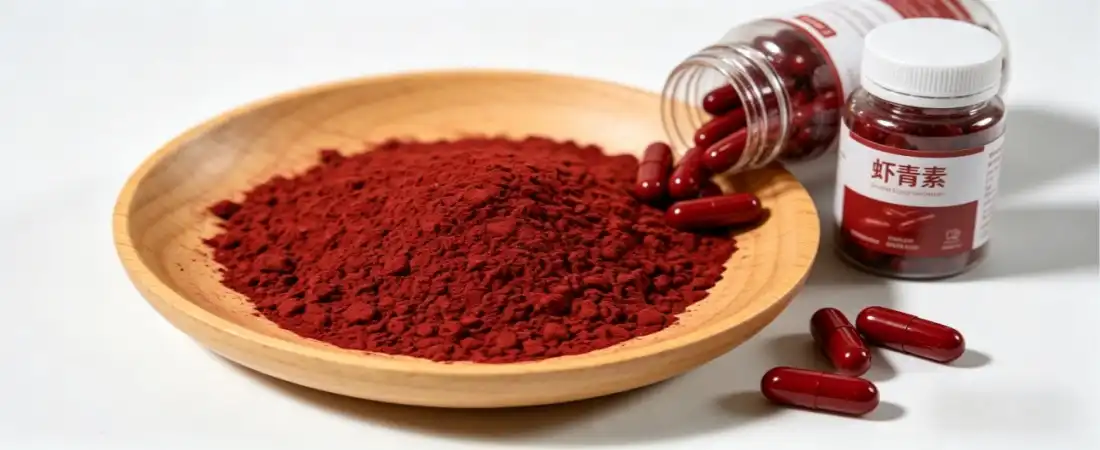
To find astaxanthin bulk supplements, you have to pay close attention to the reliability of the seller, the quality of the product, and the rules that must be followed. As a buyer in the cosmetics or nutrition industry, the choices you make about where to get ingredients have a direct effect on how well the recipe works, how well the brand is known, and how much money the company makes in the long run. This guide shows you the important things you need to think about when importing large amounts of astaxanthin from Haematococcus pluvialis. It covers things like checking the quality, evaluating suppliers, going through customs, and ways to save money that US B2B buyers need to know in order to stay ahead of the competition.
Understanding Astaxanthin Bulk Supplements: Key Basics and Market Overview
You can find astaxanthin in the ketone carotenoid family. It is one of nature's most powerful protectors. Natural astaxanthin comes from the microalgae Haematococcus pluvialis and is a better antioxidant than manufactured versions. This is why it is an important part of many food products, anti-aging cosmetics, and aquaculture feed. The compound's special chemical structure lets it neutralize free radicals across cell walls. This gives full oxidative defense, which is very appealing to people who care about their health.
Natural Versus Synthetic Origins and Their Manufacturing Implications
Natural astaxanthin taken from Haematococcus pluvialis has a clear edge when it comes to bioavailability and market acceptance. Studies have shown that natural astaxanthin has a better esterified form that makes it easier for the body to absorb when it is added to softgels and emulsions. Usually, petrochemical methods are used to make synthetic astaxanthin, which is mostly used in the aquaculture business, where color is more important than human health. Knowing this difference helps buying teams choose raw materials that fit with how they want to sell their products and what their target market wants.
Potency Levels and Dosage Considerations in Bulk Procurement
HPLC research shows that the percentage of good astaxanthin powder is usually between 2% and 10%. Formulations with higher strength need less space in finished goods, which saves money on shipping and encapsulation. People are usually told to take between 4 and 12 milligrams of this vitamin every day, but for some health problems, researchers have looked at therapeutic amounts as high as 40 milligrams. When discussing large contracts, making the active concentration clear and confirming it through third-party testing stops mistakes in the preparation that cost a lot of money later on.
Safety Profiles and Regulatory Status Across Key Markets
The US Food and Drug Administration (FDA) says that astaxanthin that comes from Haematococcus pluvialis is generally recognized as safe (GRAS). This means that it can be used in food products without getting approval from the FDA first. Novel Food permission is needed for some uses in European markets, and Japan's Ministry of Health has set strict quality standards. Purchasing teams need to make sure that their sellers keep a lot of paperwork that shows they follow the rules for the target market. This paperwork should include things like allergen statements, heavy metal limits, and microbial contamination levels.
Criteria for Choosing the Right Astaxanthin Bulk Supplement Supplier
There's more to choosing a reputable provider than just comparing prices. The F-1 Criteria Screening Approach gives you an organized way to look at possible business partners on a number of factors that have a direct impact on the quality of your products and the security of your supply chain. To lower the risks of procurement, this framework puts expert skills, following rules, and operating dependability at the top of the list.
Evaluating Product Purity and Extraction Technology
Supercritical CO2 extraction is the best way to make natural astaxanthin because it keeps the structure of the substance intact and gets rid of any solvent leftovers. When sourcing astaxanthin bulk supplements, Shaanxi New Things Biotech uses its own special extraction methods to make sure that standardized extracts are more than 98% pure, so they work the same way every time. When evaluating providers, ask for thorough process paperwork that includes steps for purification, solvent specs, and extraction methods. When suppliers share technical data openly, it shows that they are confident in their producing skills and dedicated to quality openness.
Certification Requirements and Compliance Verification
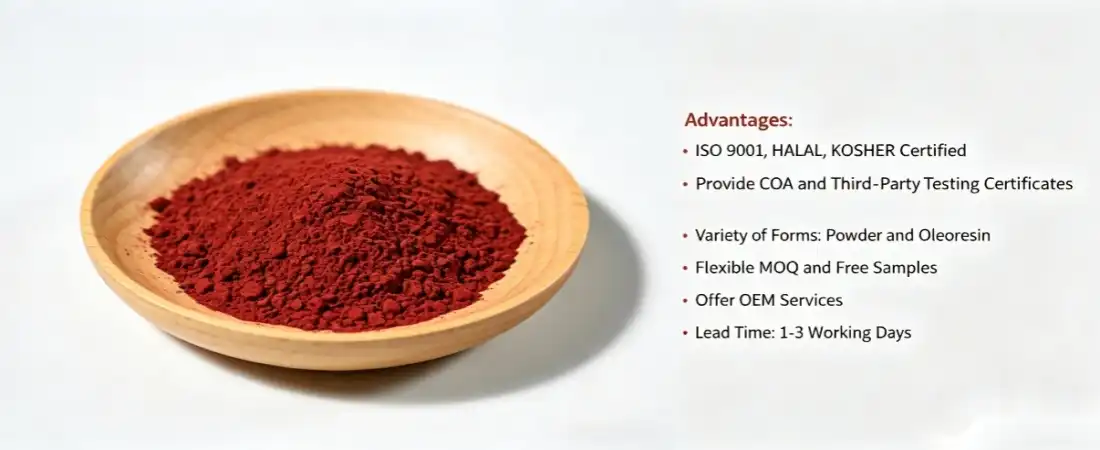
Kosher and Halal certifications make it easier for goods aimed at certain groups of people to reach new customers, while ISO9001 recognition shows that quality management is done in a planned way. All three certificates are on our Quality Astaxanthin Powder, which meets the different legal needs of markets around the world. In addition to looking at certificates on websites, you should do your research by calling the organizations that issued the certificates and asking for recent audit reports to make sure they are real. This extra step weeds out sellers whose qualifications may be fake or out of date.
Minimum Order Quantities and Their Strategic Implications
MOQ rules have a big effect on how flexible you can be with your purchases and how much working capital you need. Our Quality Astaxanthin Powder has a minimum order amount of 25 kilograms, which makes it easy for mid-sized makers to try out new formulations without having to commit to too much inventory. This level strikes a mix between how well suppliers can make things and how well buyers can handle danger. When bigger companies are discussing multi-ton contracts, they should talk about setting framework deals that lock in prices while still letting customers change their orders between fiscal quarters.
Supply Capacity and Delivery Reliability Metrics
When supplies are always available, production doesn't stop, which can hurt ties with customers and the company's place in the market. Suppliers who keep stock on hand show that the supply chain is mature and that they are financially stable. Popular standard extracts are kept in stock at our plant so they can be shipped within one to three business days of receiving an order. Custom production orders take three to ten business days to finish. When evaluating a provider, you should ask about their past on-time delivery rates and their backup plans for when raw materials run out or production stops.
Comparing Astaxanthin Bulk Supplement Forms and Brands
Astaxanthin comes in different physical forms that are used in different production processes. Each has its own benefits when it comes to stability, bioavailability, and interaction with other processes. Knowing these differences helps you make a smart choice that fits your business needs and the specs of the product you want to make.
Powder Versus Oil Suspension Formats
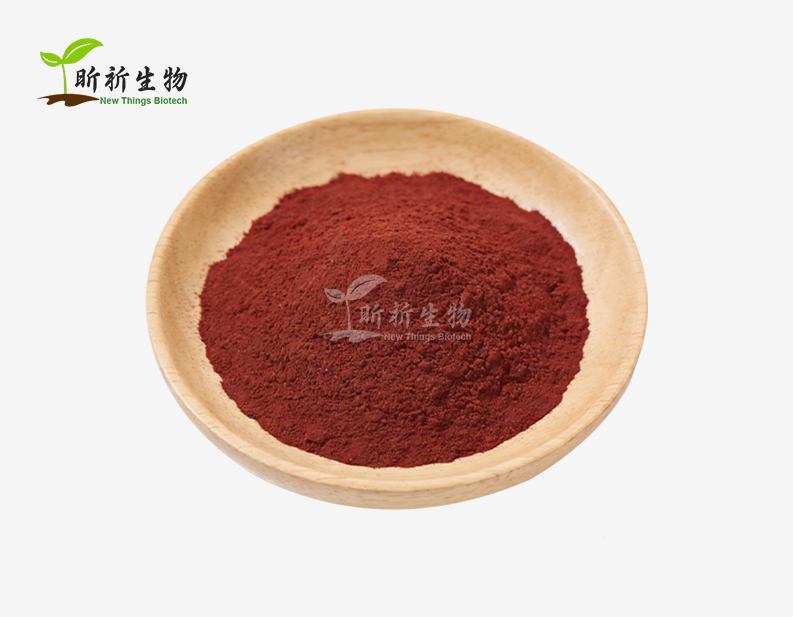
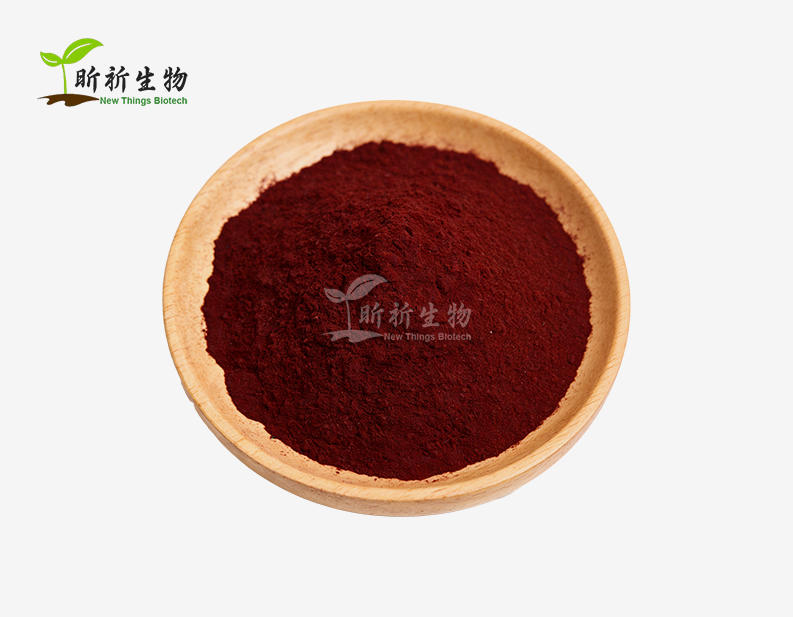
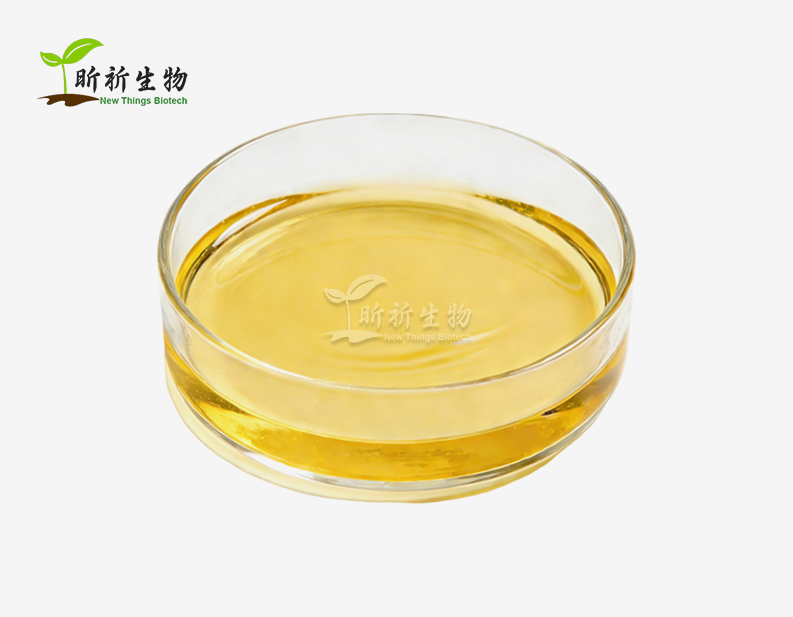
Astaxanthin powder is more stable than oil solutions when it comes to storage and shipping, but it needs to be handled carefully to keep it from oxidizing. In its dark red powder form, it can be used for dry-blending, making tablets, and adding to cosmetics that need water-based carriers. On the other hand, oil mixtures offer ready-to-use options for softgel packaging, with lipid structures improving bioavailability. A cost study must look at not only the price of the raw materials but also the needs for further processing, such as the need for extra mixing tools, the compatibility of the encapsulation, and the shelf life of the final product.
Organic Certification and Market Positioning
Organic approval comes with higher prices, but it gives you access to groups of consumers who value clean labels and are growing quickly. For organic astaxanthin to be certified, it must be proven that algae are grown without using synthetic pesticides and that the process can be tracked from farming to final packing. Even though regular natural astaxanthin has the same chemical benefits, the organic name makes it stand out in the market, which is why it costs more at retail. Buyers should check to see if the people they want to buy from are ready to pay more for organic products, taking into account how they will place themselves in the market and how that will affect their profit margins.
Leading Supplier Differentiation in the Global Market
Vertical integration, which includes self-driving plants, advanced research labs, and flexible supply chain management, sets Shaanxi New Things Biotech apart. More and more regulators are looking at how transparent the supply chain is, and this full value-chain method makes sure that everything can be tracked from the plant source to the finished ingredient. Our special processing methods get the most active compounds out of the materials while keeping them thermally stable, which is important for uses that need high-temperature processing. Some things that give you a competitive edge are open OEM solutions, payment options that accept multiple currencies (which lowers the risk of currency exchange rates), and technical partnership methods that go beyond transactional supply relationships.
How to Import Astaxanthin Bulk Supplements Successfully: Step-by-Step Guide
To do business internationally with astaxanthin bulk supplements, you need to plan your steps carefully, making sure you follow all the rules and follow the right procedures for quality control and optimizing your processes. The following structure breaks down typical import problems into parts that are easier to handle.
Understanding FDA Import Regulations and Documentation Requirements
The FDA's Current Good Manufacturing Practice (CGMP) rules must be followed when food supplement ingredients are brought into the United States. For importers, they need to sign up with the FDA and send a Prior Notice through the FDA Prior Notice System Interface at least two hours before the shipment arrives. Commercial bills with ingredient lists, Certificates of Analysis from approved labs, and statements that the food is safe according to the rules are all important pieces of paperwork. Hiring a customs broker who is skilled in importing dietary supplements speeds up the clearance process and lowers the risk of being held because of missing paperwork.
Quality Control Testing Upon Arrival
Protocols for receiving checking make sure that imported materials still meet the requirements for buy and are safe to use. Identity should be confirmed using HPLC fingerprints, strength should be checked against standard ranges, and contaminants like heavy metals, pesticide residues, and microbes should be screened for. Each batch of our Quality Astaxanthin Powder goes through thorough testing by a third party, and each batch comes with a Certificate of Analysis that lists the purity levels, microbial safety, and lack of any impurities. Setting up exclusion rules that stop materials from being used until testing is done protects the identity of the brand and its standing with regulators.
Optimizing Shipping Methods and Lead Time Management
When making choices about transportation, costs must be weighed against the need for fast arrival. Through our specialized FedEx and UPS accounts, express courier services send small orders within 3–5 business days. This is great for quickly restocking or testing samples for new products. Air freight cuts down on the time it takes to deliver medium-sized packages while keeping temperatures stable, which is important for keeping astaxanthin stable. Ocean freight is the most cost-effective way to ship large orders that weigh more than 500 kilos, but it takes 25 to 40 days to get there, so you need to plan your supplies carefully. Our operations team matches shipping methods to what's most important to the client and gives clear cost estimates that help people make smart decisions.
Maximizing Value from Your Astaxanthin Bulk Supplement Procurement
Strategic buying is more than just getting reasonable prices. It also includes working together with suppliers to come up with new products and make your business stand out in the market. When you see your sellers as technical partners instead of just transactional providers, you can get more customized solutions and quick help.
Integration Strategies for High-Value Formulations
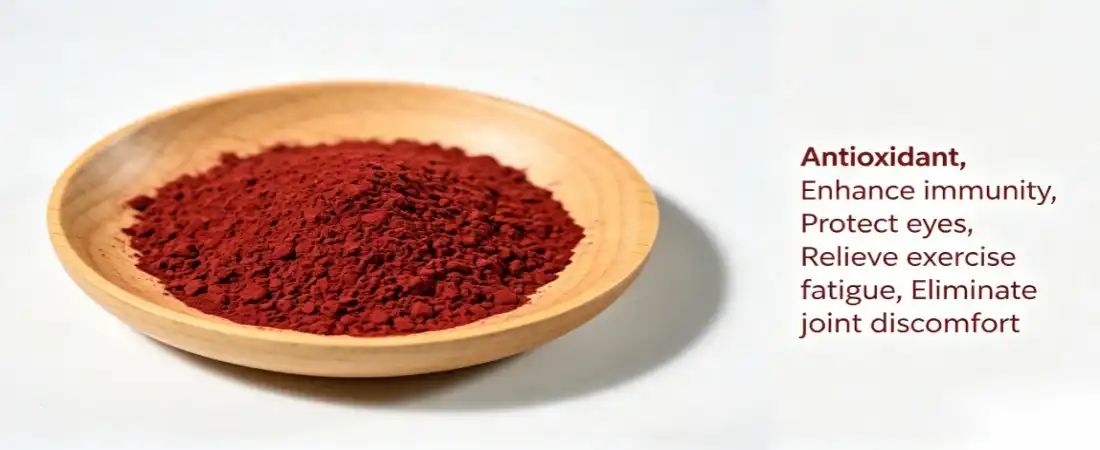
Because astaxanthin is so flexible, it can be used in a wide range of products that promote heart health, brain function, skin protection from UV rays, and physical healing. Those who make nutricosmetic goods can get extra benefits from mixing astaxanthin with collagen peptides and hyaluronic acid. These three ingredients work together to make skin more elastic and help it hold on to moisture. Astaxanthin is used in sports nutrition because it can lower oxidative stress caused by exercise and speed up recovery. This puts goods in high-end market groups. Working closely with sellers who offer expert application support is the best way to make sure that you choose the right ingredients and that your formulation stays stable.
OEM Customization and Private Labeling Opportunities
Our full range of OEM services help clients at all stages of product creation, from coming up with an idea to putting the final touches on the packing. Customized packing options include everything from large drums to sachets and pills that are ready for consumers. Customized concentration development can meet specific dosage needs. Private labeling services let brand owners quickly release new goods without having to spend in manufacturing infrastructure. This lets them focus on what they do best, which is marketing and distribution. These open plans are especially helpful for new brands that want to see how the market responds before investing in large-scale production.
Building Long-Term Supplier Relationships
Resilience in the supply chain rests on building relationships with open communication, shared investments, and incentives that are aligned. Regular reviews of the business that talk about demand predictions, quality performance measures, and studies of market trends make planning together stronger. When brief shortages of raw materials happen, suppliers who want to keep working with the same customers will put the needs of those customers first when allocating resources. Our method focuses on being responsive, with promised response times of two hours to questions and specialized account management to ensure continuity and institutional knowledge about your unique needs.
Conclusion
For astaxanthin bulk supplements to be imported successfully, it is important to find a balance between quality control and cost-effectiveness while managing the complicated regulatory situation. This guide lists the most important things to look for in a seller, such as their technical skills, their ability to verify certifications, their ability to improve logistics, and their ability to build smart partnerships. Knowing the differences between powder and oil forms, natural and synthetic sources, and different potency standards can help you make smart purchasing choices that support your product development goals. As the market for natural antioxidants continues to grow, making sure your brand has stable supply partnerships with technically skilled sellers will give it a long-term edge over competitors.
FAQ
1. What are the key differences between natural and synthetic astaxanthin for supplement manufacturing?
The natural astaxanthin from Haematococcus pluvialis is mostly found in an esterified form, which is better for the body's absorption and antioxidant action than manufactured forms. People strongly believe that natural sources are better, which supports premium placement and higher store prices. Synthetic astaxanthin is mostly used in farming, where it is bought for its color rather than its health benefits for humans.
2. What minimum order quantity should I expect when starting with a new supplier?
A standard starting point in the business is a 25-kilogram minimum order, which strikes a balance between seller economics and buyer risk management. This amount lets you try the recipe thoroughly and do the first production runs without having to pay too much for storage. Our MOQ is flexible enough to work with new brands, and our volume-based price awards bigger pledges.
3. How can I verify a supplier's compliance with international food safety standards?
Ask for up-to-date copies of your ISO9001, Kosher, and Halal certificates and check with the organizations that issued them to make sure they are still valid. Check out the most current third-party audit reports and Certificates of Analysis that show that the heavy metal limits, microbial standards, and pesticide screening have always been met. Suppliers with a good reputation give clear paperwork and allow customers to check out their facilities.
Partner with NT Biotech for Your Astaxanthin Bulk Supplements Needs
NT Biotech can help you with your purchase by giving you quality-assured astaxanthin powder from Haematococcus pluvialis. This powder comes in amounts ranging from 2% to 10%. As a well-known seller of astaxanthin bulk supplements, we offer our own extraction technology, thorough certifications such as ISO9001, Kosher, and Halal, and quick shipping times of two to four days for all orders. Our expert team gives clear quality paperwork, thorough application advice, and flexible OEM customization with every batch. Email us at info@newthingsbiotech.com to get free samples, talk about your product needs, and find out how our vertical integration makes sure that your factory operations always have a reliable supply.
References
1. Ambati, R.R., Phang, S.M., Ravi, S., and Aswathanarayana, R.G. (2014). "Astaxanthin: Sources, Extraction, Stability, Biological Activities and Its Commercial Applications." Marine Drugs, 12(1), 128-152.
2. Capelli, B., Bagchi, D., and Cysewski, G.R. (2013). "Synthetic Astaxanthin is Significantly Inferior to Algal-Based Astaxanthin as an Antioxidant and May Not be Suitable as a Human Nutraceutical Supplement." Nutrafoods, 12(4), 145-152.
3. Guerin, M., Huntley, M.E., and Olaizola, M. (2003). "Haematococcus Astaxanthin: Applications for Human Health and Nutrition." Trends in Biotechnology, 21(5), 210-216.
4. Higuera-Ciapara, I., Felix-Valenzuela, L., and Goycoolea, F.M. (2006). "Astaxanthin: A Review of Its Chemistry and Applications." Critical Reviews in Food Science and Nutrition, 46(2), 185-196.
5. Kidd, P. (2011). "Astaxanthin, Cell Membrane Nutrient with Diverse Clinical Benefits and Anti-Aging Potential." Alternative Medicine Review, 16(4), 355-364.
6. Yuan, J.P., Peng, J., Yin, K., and Wang, J.H. (2011). "Potential Health-Promoting Effects of Astaxanthin: A High-Value Carotenoid Mostly from Microalgae." Molecular Nutrition & Food Research, 55(1), 150-165.