- English
- French
- German
- Portuguese
- Spanish
- Russian
- Japanese
- Korean
- Arabic
- Greek
- German
- Turkish
- Italian
- Danish
- Romanian
- Indonesian
- Czech
- Afrikaans
- Swedish
- Polish
- Basque
- Catalan
- Esperanto
- Hindi
- Lao
- Albanian
- Amharic
- Armenian
- Azerbaijani
- Belarusian
- Bengali
- Bosnian
- Bulgarian
- Cebuano
- Chichewa
- Corsican
- Croatian
- Dutch
- Estonian
- Filipino
- Finnish
- Frisian
- Galician
- Georgian
- Gujarati
- Haitian
- Hausa
- Hawaiian
- Hebrew
- Hmong
- Hungarian
- Icelandic
- Igbo
- Javanese
- Kannada
- Kazakh
- Khmer
- Kurdish
- Kyrgyz
- Latin
- Latvian
- Lithuanian
- Luxembou..
- Macedonian
- Malagasy
- Malay
- Malayalam
- Maltese
- Maori
- Marathi
- Mongolian
- Burmese
- Nepali
- Norwegian
- Pashto
- Persian
- Punjabi
- Serbian
- Sesotho
- Sinhala
- Slovak
- Slovenian
- Somali
- Samoan
- Scots Gaelic
- Shona
- Sindhi
- Sundanese
- Swahili
- Tajik
- Tamil
- Telugu
- Thai
- Ukrainian
- Urdu
- Uzbek
- Vietnamese
- Welsh
- Xhosa
- Yiddish
- Yoruba
- Zulu
In the competitive world of 2026, choosing the right ube powder bulk provider has become an important choice for procurement workers. Food innovation, functional drinks, and health-focused product development are all seeing a lot of demand. To make sure your recipes are successful, you need to know what the quality standards are and how to find the best suppliers. This guide breaks down important decision factors, such as purity standards, clear certifications, flexible packaging, and a responsive supply chain. It gives R&D managers and sourcing directors the tools they need to find reliable, high-performing purple yam ingredients that meet regulatory requirements and help their companies stand out in the market.
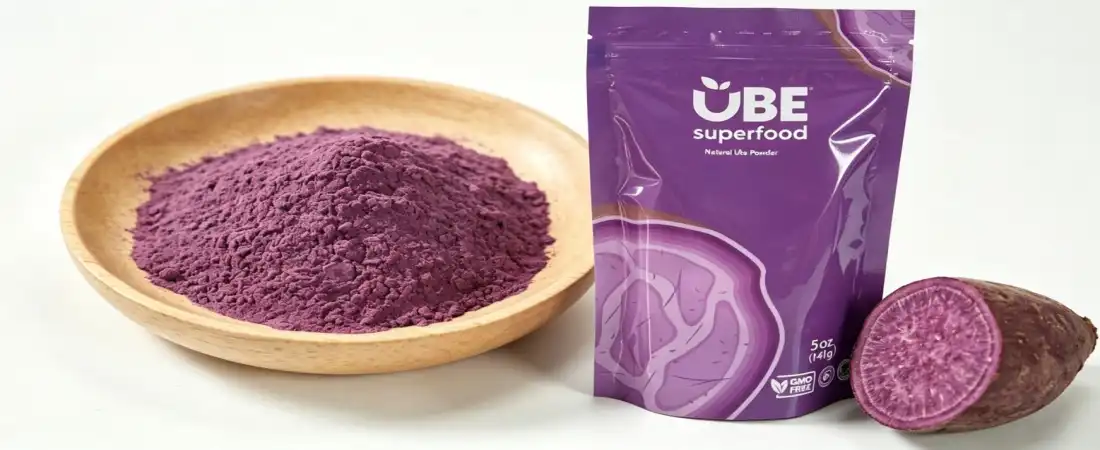
Understanding Ube Powder Bulk – Key Information Every Buyer Should Know
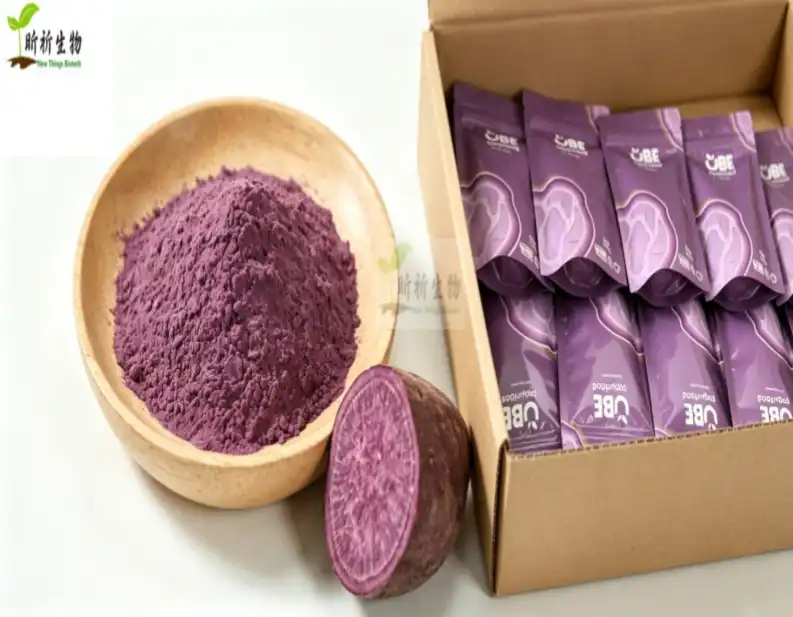
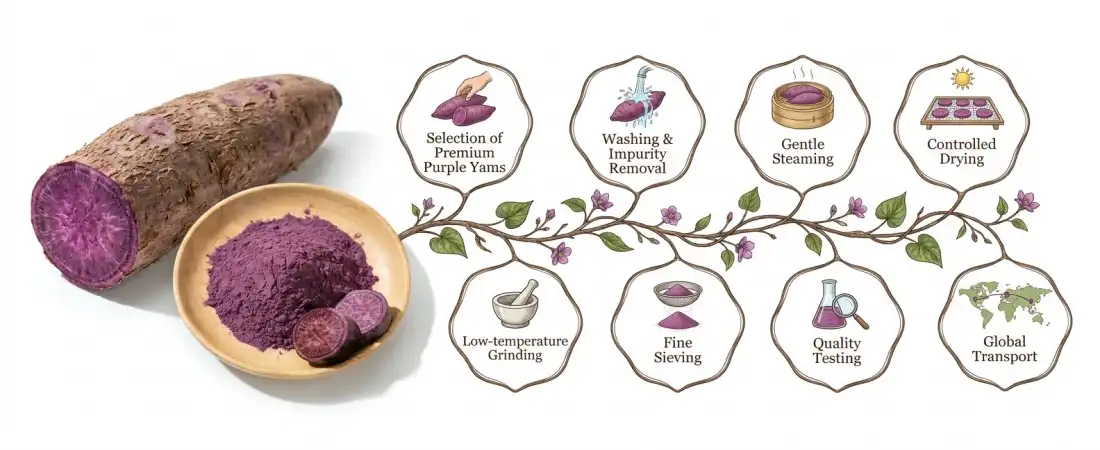
Natural purple yam powder, which comes from Dioscorea alata L., has gone from being a specialty in one area to being known around the world as a useful ingredient. This bright purple powder is highly valued by sourcing teams in the nutritional supplements, bakery, and plant-based beverage industries because it has both natural colorant qualities and a strong nutritional profile. The ingredient comes from purple yam roots that were carefully chosen and then milled at low temperatures. This keeps the anthocyanins, resistant starch, and nutritional fiber that are normally lost during processing.
Nutritional Profile and Functional Benefits
Purple yam powder has measured benefits besides looking nice. The amount of anthocyanin in the ingredient makes it an antioxidant, which fits with clean-label product positioning. Its resistant starch content backs up claims that it can help control blood sugar, which is something that health-conscious consumers are increasingly asking for. Vitamin C, polysaccharides, and important minerals complete a makeup that meets several recipe goals at the same time. Manufacturers of meal replacement shakes like the natural fiber content because it makes you feel full without adding any fake thickeners.
Packaging and Storage Considerations
Bulk amounts usually come in moisture-proof packages, ranging from 1 kg foil bags to 10 kg boxes, but for high-volume processes, customization is possible. If you store food properly at temperatures below 25°C and keep it out of direct sunlight and moisture, it will last longer than 24 months. The 80-mesh particle size standard makes sure that the particles are evenly spread in liquid uses and that they can still flow in automated production settings. Directors of sourcing should make sure that sellers keep their warehouses at a controlled temperature and use batch tracking systems that connect lot numbers to third-party testing records.
How to Choose the Right Ube Powder Bulk: Core Decision Criteria
Matching the needs of the ingredients to the needs of the finished product is the first step to excellent procurement. Before committing to long-term partnerships, we suggest a systematic evaluation strategy that takes into account expected volume, quality standards, and provider capabilities.
Defining Your Procurement Requirements
Planning your volume will help you decide whether standard packaging or special ube powder bulk options are best for your business. Facilities that make more than 5,000 units a month often benefit from 25kg drums because they lower the cost of handling each unit. On the other hand, smaller makers that focus on innovation value 10kg MOQ freedom because it lets them try out new formulations without being locked into a long-term contract. Situations of use are important. For example, instant grades with better solubility are needed for beverage applications, but normal milling specs are fine for bakery recipes.
Quality Evaluation Metrics
Purity is the basis that can't be changed. Reliable sellers offer 100% pure products that have been tested using HPLC and come with Certificates of Analysis that show the moisture content is less than 5%, the number of microbes is below USP limits, and heavy metal screening results. ISO 9001 certification means that quality management is done in a planned way. Kosher and Halal certifications help brands that want to reach a wide range of customers get into more markets. Particle size uniformity affects how texture is perceived. Use supplier quality guides to make sure that mesh size consistency is maintained across production runs.
Supplier Evaluation Framework
Beyond product standards, the reliability of the supply chain depends on the infrastructure of the suppliers. We encourage our partners to keep a safety stock of goods that can be shipped within two to four business days. We also make sure that production capacity can be scaled up or down depending on the season. Transactional providers and strategic partners are different in how they offer technical support. Look for R&D teams that can help with formulation advice and stability testing. During scale-up phases, costly production delays can be avoided by using clear communication protocols that ensure two-hour answer times to questions.
Comparing Ube Powder Bulk Options – Making an Informed Choice
Different forms and ways of sourcing are available in the market, and each has its own effects on operating efficiency and product positioning.
Format Comparison Analysis
Standard loose powder is still the best choice for well-known formulas because it is cost-effective and easy to add to current processes. Pre-portioned packaging lowers the risk of spoilage in places that handle many items at once, but it usually costs 15-20% more per kilogram. Some sellers offer instantized versions that are easier to disperse, which is a useful extra for cold-process beverage uses where clumping causes quality control issues.
Organic Versus Conventional Sourcing
Organic approval brings higher prices on the market, but you have to check paperwork from the USDA NOP or the EU that says it is equivalent. The choice depends on how the brand is positioned—organic claims can explain price differences of 30 to 40 percent if the target customers are willing to pay more for certified ingredients. Conventional grades work just as well as organic grades, but they are cheaper to buy, which makes them smart choices for value-tier product lines or uses where organic marketing doesn't give much of a competitive edge.
Supplier Reputation and Market Intelligence
As an example of a good source, NT Biotech has been focusing on botanical ingredients for over ten years and uses unique extraction methods that keep as much of the anthocyanin as possible. They also have a lot of paperwork, including batch-specific COAs. Their ISO 9001, Kosher, and Halal licenses make it easier for them to do business in foreign markets. They also keep an inventory on hand and offer shipping windows of two to four days, which helps with just-in-time production strategies. Companies that give free samples show that they are confident in the quality of their products and let customers try out new formulations without any risk before making big promises.
Streamlining Procurement – Best Practices for Buying Ube Powder Bulk Online and Wholesale
To do efficient buying, you need to be able to find your way around ube powder bulk supply networks and negotiate good business terms and logistics.
Engaging Suppliers Strategically
Direct ties with manufacturers get rid of markups for distributors and give you access to technical support. When looking at possible partners, you should ask for thorough product specs, data on stability, and customer references from similar apps. For quality sellers who are sure their goods will sell, the minimum order quantity will usually start at 10 kg. With volume-based pricing rates, you can save a lot of money. For example, orders over 100 kg often get 12–18% off the starter price.
Logistics and Packaging Solutions
Shipping methods have a huge effect on landing costs. Express courier services through special FedEx or UPS accounts can bring samples and trial numbers within three to five business days. Sea freight, on the other hand, is the most cost-effective way to send large amounts, even though it takes four to six weeks to get there. Look for providers that offer flexible package customization. Private labeling and co-packing services make product launches easier without having to buy extra equipment for secondary processing.
Contract Management and Compliance
Clear price systems keep budgets from being surprised. Get written quotes that are good for a set amount of time and have clear terms that cover changes in exchange rates for foreign deals. Foreign exchange risk is lower when there are choices for payment in the local currency. Provide clear certification requirements—suppliers used to working in FDA-regulated markets know the standards for paperwork that keep customs delays to a minimum.
Optimizing Your Use of Ube Powder Bulk for Maximum Value
How well an ingredient works rests on both the quality of the seller and the person who is using it.
Formulation Best Practices
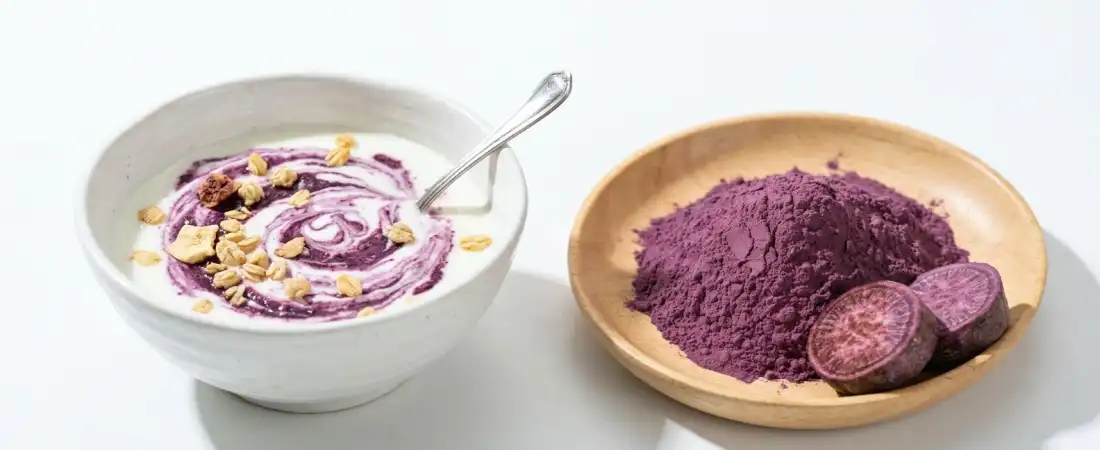
When added to protein shake bases at rates of 2 to 5 percent, purple yam powder blends in smoothly and adds color without overpowering flavors. Higher amounts can be used in baking (up to 8% in cake recipes), where the mild sweetness of the ingredient lowers the need for artificial sugar. Beverage makers should add small amounts of liquid to the powder before diluting it. This keeps the powder from clumping together, which hurts the taste. A lot of popular brands combine purple yam with chemicals that work well together, like collagen peptides or plant protein isolates, to make nutritional profiles that are more effective.
Storage and Handling Protocols
Post-delivery handling keeps the money you spent on ube powder bulk ingredients safe. As soon as you open the original package, put the contents into food-grade containers with tight lids. Set up FIFO rotation systems and clearly sign packages with the lot numbers and times they were received. Ambient temperatures should stay below 25°C, and relative humidity should stay below 60% in production areas so that powder doesn't absorb water, which makes it harder to work with. Visual checks for color stability and clumping are part of regular quality checks that find storage problems before they affect production runs.
Conclusion
In 2026, finding high-quality purple yam ingredients means matching quality standards, supplier skills, and business terms in global supply lines that are getting more complicated. Successful procurement professionals choose partners whose products have been tested thoroughly to show that they are consistently of high quality. They also make sure that partners communicate clearly and offer a range of shipping choices, and they offer technical help that goes beyond transactional relationships. With ten years of experience working with botanical ingredients, multiple licenses, and customer-focused service models, NT Biotech is the kind of provider that lowers risk and allows for new product development. Strategic relationships with ingredient providers turn buying from cost areas into competitive benefits.
FAQ
1. What is the typical shelf life of ube powder bulk under proper storage conditions?
Quality purple yam powder stays at its best for at least 24 months when kept in packaging that keeps moisture out, at temperatures below 25°C, and out of direct sunshine. When you open a bottle, you should put it back together right away and use it within six months to keep the anthocyanin stable and stop moisture from absorbing into the powder and making it less fluid.
2. How can I verify supplier authenticity and product quality before large commitments?
Ask for all the paperwork, like ISO 9001 certification, batch-specific licenses of Analysis with HPLC test results, and, if needed, Kosher or Halal licenses. Suppliers with a good reputation, like NT Biotech, offer free samples that can be used to try formulations and confirm results from third-party tests. Read reviews from past customers and ask for references from companies that use similar products to find out how reliable the source is and how good their technical help is.
3. What safety considerations apply to industrial-scale usage of bulk purple yam powder?
Make sure that working areas have enough airflow to keep floating particles to a minimum while they are being handled. Standard food-grade cleanliness rules should be followed, such as using separate tools and cleaning equipment regularly. Check that the supplier's paperwork shows that the bacteria testing was done within acceptable limits and that there was no cross-contamination of allergens. When moving large amounts of goods, employees should wear the right safety gear so that they don't breathe in or touch the concentrated powder.
Partner with NT Biotech for Premium Ube Powder Bulk Supply
NT Biotech can help you reach your product development goals by giving you high-quality purple yam powder that is made under strict quality controls. Our qualifications as an ube powder bulk supplier include production that is ISO 9001-certified, Kosher, and Halal-certified, and over ten years of experience focusing on plant products for the food, drink, and nutrition markets around the world. We keep an accurate stock, so we can send within two to four days after receiving proof of your order. Our flexible packaging ranges from 1 kg trial sizes to custom bulk formats that support OEM partnerships. Our research and development team helps with formulation, turning material requirements into products that do well in the market. You can get free samples, talk about volume pricing, and get access to technical documentation that speeds up your product launch with trust by emailing info@newthingsbiotech.com.
References
1. Johnson, M. & Williams, R. (2025). Functional Ingredients in Modern Food Manufacturing: Quality Standards and Procurement Strategies. International Journal of Food Science & Technology, 60(3), 445-462.
2. Chen, L. (2025). Purple Yam (Dioscorea alata): Nutritional Composition, Bioactive Compounds, and Industrial Applications. Critical Reviews in Food Science and Nutrition, 65(8), 2341-2358.
3. Anderson, K. (2024). Supply Chain Management for Natural Food Ingredients: Best Practices for B2B Procurement. Journal of Supply Chain Management in Food Industries, 12(4), 178-195.
4. Roberts, S. & Martinez, D. (2025). Anthocyanin Stability in Powdered Food Ingredients: Processing, Storage, and Application Considerations. Food Chemistry Advances, 18(2), 523-537.
5. Thompson, G. (2026). Plant-Based Color Solutions in Food Innovation: Market Trends and Technical Performance. Food Technology Magazine, 80(1), 34-41.
6. United States Department of Agriculture. (2025). Quality Standards for Botanical Ingredients in Commercial Food Production. USDA Technical Bulletin Series, Publication No. 2025-12.