- English
- French
- German
- Portuguese
- Spanish
- Russian
- Japanese
- Korean
- Arabic
- Greek
- German
- Turkish
- Italian
- Danish
- Romanian
- Indonesian
- Czech
- Afrikaans
- Swedish
- Polish
- Basque
- Catalan
- Esperanto
- Hindi
- Lao
- Albanian
- Amharic
- Armenian
- Azerbaijani
- Belarusian
- Bengali
- Bosnian
- Bulgarian
- Cebuano
- Chichewa
- Corsican
- Croatian
- Dutch
- Estonian
- Filipino
- Finnish
- Frisian
- Galician
- Georgian
- Gujarati
- Haitian
- Hausa
- Hawaiian
- Hebrew
- Hmong
- Hungarian
- Icelandic
- Igbo
- Javanese
- Kannada
- Kazakh
- Khmer
- Kurdish
- Kyrgyz
- Latin
- Latvian
- Lithuanian
- Luxembou..
- Macedonian
- Malagasy
- Malay
- Malayalam
- Maltese
- Maori
- Marathi
- Mongolian
- Burmese
- Nepali
- Norwegian
- Pashto
- Persian
- Punjabi
- Serbian
- Sesotho
- Sinhala
- Slovak
- Slovenian
- Somali
- Samoan
- Scots Gaelic
- Shona
- Sindhi
- Sundanese
- Swahili
- Tajik
- Tamil
- Telugu
- Thai
- Ukrainian
- Urdu
- Uzbek
- Vietnamese
- Welsh
- Xhosa
- Yiddish
- Yoruba
- Zulu
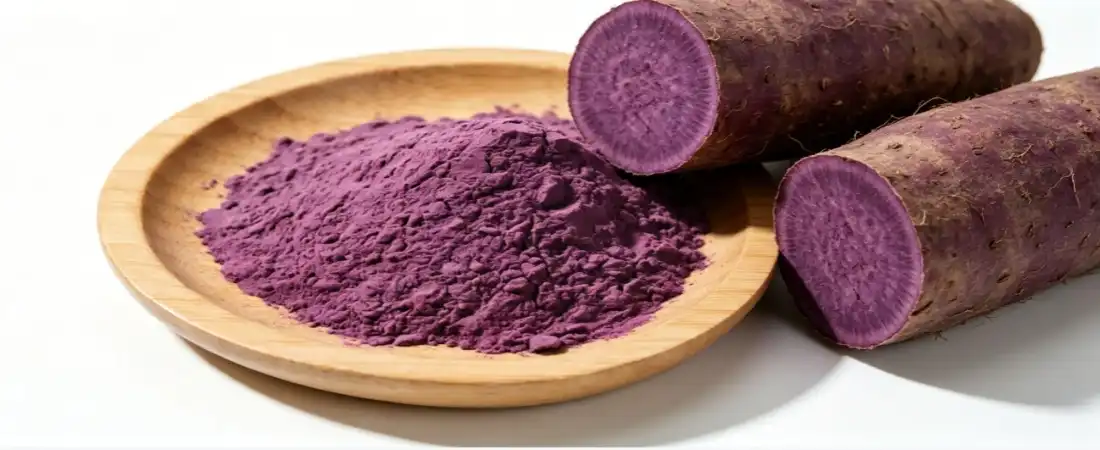
Natural ube powder has real useful value in current food preparation, not just a beautiful purple color. This plant-based ingredient comes from Dioscorea alata L. and has a high nutritional density and a clean label appeal, meeting customers' desire for real plant-based solutions. Natural ube powder meets strict quality standards and is full of anthocyanins, resistant starch, and important vitamins. It can be used to make new drinks, baked goods, dairy products, and functional foods. Because it is both a natural colorant and a nutrient-dense ingredient, it is an important part for companies that want to stand out in a crowded market.
Understanding Natural Ube Powder: Origin, Composition, and Nutritional Profile
The Botanical Heritage and Production Process
The formal name for purple yam is Dioscorea alata, and it has been grown all over Southeast Asia for hundreds of years. Because it is so healthy, it has been called "Purple Ginseng" in traditional language. At NT Biotech, we only buy the best ube seeds, which are carefully chosen before they are processed. Our production process includes careful cleaning, controlled drying, and low-temperature milling to an 80 mesh particle size. This keeps the bioactive chemicals intact and ensures that the powder has uniform properties. This special way of processing keeps the ingredient's trademark lilac color, mild sweetness, and useful qualities that make it useful for modern recipe needs.
Nutritional Density and Functional Components
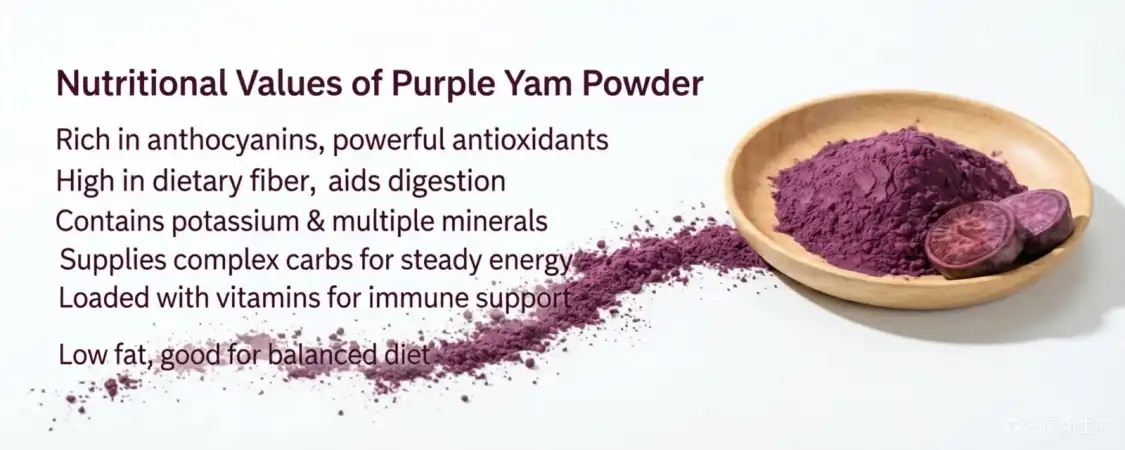
The composition of natural ube powder displays its many nutrients. ORAC tests show that its anthocyanins, which give it its color, are antioxidants. About 15–20% is resistant starch. It reduces post-meal glucose release, making it metabolically better than ordinary carbohydrates. According to a recent nutrition research, fiber helps your stomach, while polysaccharides and diosgenin molecules boost your immune system.
We maintain vitamin C levels throughout manufacturing. This plus potassium, magnesium, and minor elements increase the antioxidant matrix. Formulators of specialized foods may use the ingredient since it is inherently gluten-free. To ensure nutrition and no contaminants, HPLC and UV spectroscopy are used to verify each batch of food and offer a Certificate of Analysis. This ensures all overseas marketplaces comply.
Alignment with Clean-Label Industry Trends
Professionals in procurement know that consumers have clearly changed their minds and now want ingredient lists to be clear. This need is met by natural ube powder, which only has one ingredient and doesn't need any fake colors, additives, or helpers during preparation. Our 100% pure specification meets the clean-label standards set by the most important certification groups. This backs up claims on the front of the package that boost the trustworthiness of the brand. People who care about their health are interested in the story of how the ingredient came to be, which can be used to make goods stand out in crowded retail segments where authenticity drives buying choices.
Comparing Natural Ube Powder with Alternatives: Making the Right Choice
Authenticity Versus Artificial Substitutes
When making decisions about formulation, it's important to carefully look at how well each item works. Fake ube flavoring and fake purple colorants may seem like a good way to save money at first, but they hurt the purity of the label and make people less likely to believe it. Artificial versions don't have the same nutritional profile as real natural ube powder, so they only have flavoring effects and no health benefits. Synthetic colorants are getting more and more attention from regulators. Some places have put limits on them that put goods that use them at risk in the supply chain.
Natural ube powder from NT Biotech has real flavor notes and steady coloration that comes from anthocyanin pigments alone. This eliminates regulatory worries and supports premium placement. Our ISO 9001-certified production guarantees accuracy from batch to batch that is as good as or better than synthetic options in terms of color strength and stability under normal processing conditions found in bakery, dairy, and drinks.
Distinguishing Purple Yam from Purple Sweet Potato
Dioscorea alata and Ipomoea batatas (purple sweet potato) are botanically confused. This requires clarification for procurement staff. Natural ube powder offers more resistant starch and distinct carbohydrate patterns than sweet potato powder, yet both include anthocyanins. Their flavors fluctuate greatly. Formulators have more alternatives when sweet potato varieties dominate taste profiles since natural ube powder is softer and more neutral.
Purple sweet potato pigments are more susceptible to processing conditions than our natural ube powder, which retains its color in dairy and drinking goods throughout pH ranges. The cost-performance analysis found that natural ube powder is superior for heat processing and shelf life when color is preserved. Small pricing disparities are justified since it decreases reformulation and stabilizes the product.
Organic Certification and Quality Assurance Standards
Certification requirements and market conditions determine whether to use conventional or organic sources. To accommodate diverse customer demands, NT Biotech maintains conventional and organic supply lines. Our quality control exceeds legal requirements. Third-party tests like Kosher and Halal clearance are recognized worldwide.
Every manufacturing batch undergoes microbiological, heavy metal, and pesticide residue testing. Every purchase comes with full COA packets describing the findings. Traceability systems monitor raw materials during processing. This helps companies promoting authorized sustainable suppliers. This tight quality structure reduces purchase risk and protects the brand's image by ensuring ingredient confidence.
Practical Applications: How to Use Natural Ube Powder in Product Development
Beverage Formulation Strategies
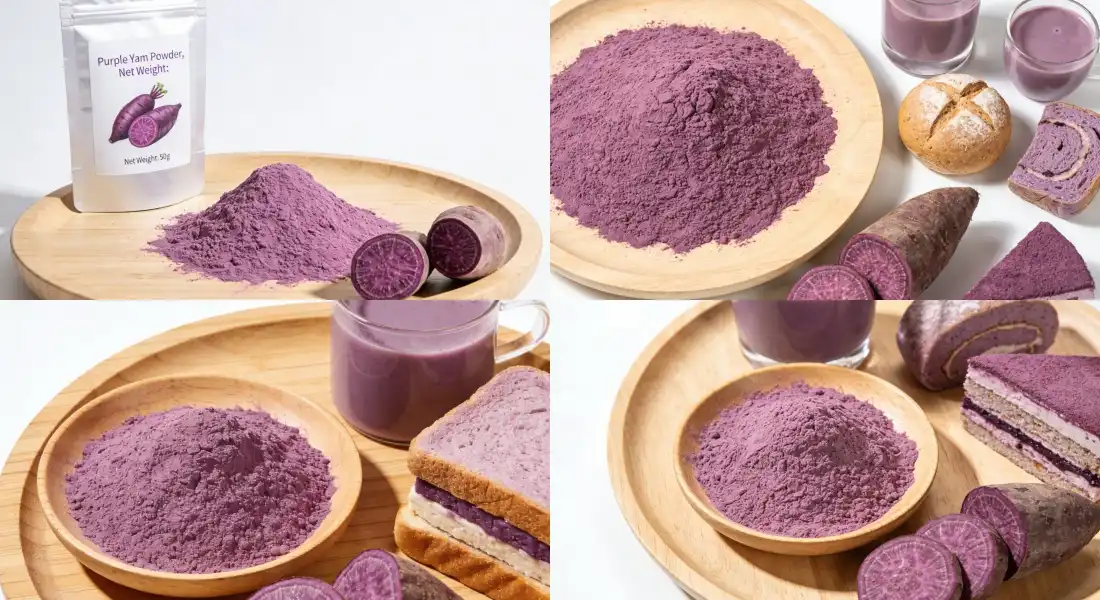
Ube powder is versatile for creating beverages. Its resistant starch mixes nicely with whey or plant-based protein blends and delivers more nutrients to protein shake recipes than macronutrient profiles. The powder combines nicely in water at 2–5% inclusion rates, producing attractive colors without colorants.
Natural ube powder makes smoothies Instagram-worthy and nutritionally beneficial. It may be used in acidic fruit drinks and neutral plant milk recipes due to its neutral pH. Wellness drink firms sell "Purple Ginseng" using its history. They connect current functional drink trends with authentic plant traditions to attract health-conscious consumers seeking culturally significant ingredients.
Bakery and Confectionery Integration
Testing for thermal stability shows that natural ube powder keeps its color at normal baking temperatures. This means it can be used in cakes, cookies, bread, and desserts. Adding 3 to 8 percent of the flour's weight is the recommended rate for getting a unique color without changing the crumb structure or wetness balance. Because the ingredient is mildly sweet, it's possible to use less extra sugar while still making the product taste good. This helps with efforts to make products with less sugar.
Applications like ice cream and frozen desserts show how the natural ube powder can improve the look of food while adding fiber and resistant starch that change the texture in a good way. Manufacturers say that products with natural ube powder are more stable when they freeze and thaw. This is because the powder's polysaccharide content works well with hydrocolloid buffer systems that are usually used in frozen applications.
Meal Replacement and Sports Nutrition Products
Natural ube powder matches meal replacement powder nutritional requirements. A balanced carbohydrate composition with fast-digesting and slow-digesting sections delivers long-lasting energy for breakfast replacement shakes and between-meal nutrition products. Collagen peptides, protein concentrates, and plant extracts that work well together provide solutions that target numerous health positioning objectives.
Due to its resistant starch and polysaccharides, sports nutrition companies utilize natural ube powder in pre-workout and recovery mixes to restore glycogen and stimulate the immune system during high-stress training. Athletic clients who study ingredient lists for phony additives that might impair performance or health will appreciate the ingredient's clean label.
Storage Protocols and Shelf Life Optimization
Keeping ingredients properly maintains quality across supply chain timescales. Natural ube powder should be stored in a cool, dry area below 25°C with less than 60% relative humidity to avoid sogginess. We pack in food-grade metal laminate bags with heat-sealed closures. These bags preserve powder qualities for 24 months when kept properly.
Remember that anthocyanin is sensitive to extreme pH values while compounding. Encapsulation or other protection may be needed for highly acidic conditions (pH < 3.5), although the powder is stable in food pH ranges (4.0–7.0). Recipe guidance from our technical support team addresses application issues. This ensures substances are mixed to performance specifications.
Procuring Natural Ube Powder: A Guide for B2B Buyers
Sourcing Geography and Supply Chain Considerations
Dioscorea alata grows well in the Philippines because of its anthocyanin and resistant starch-producing environment. In key producing regions, NT Biotech maintains tight farmer relationships. This allows items to be traced from growth to processing and shipping. Brokers who deal via multiple intermediaries can't examine agricultural techniques or raw materials, thus this vertical merger provides supply security.
For clients that require consistent supply lines, our inventory management solutions keep our goods accessible year-round despite seasonal harvests from late summer to autumn. Strategic global storage speeds shipment to Europe and the US. Air freight arrives in 7–14 days, whereas affordable ocean transit on combination items takes 30–45 days.
Pricing Structure and Minimum Order Quantities
Clear pricing helps build buyer relationships. NT Biotech charges fair rates based on real expenses, not market guessing that exploits opportunities. For recipe development and sample manufacturing, our lowest order quantity of 10 kilos lets you test the product technically before making major ingredient modifications. Volume pricing tiers discount larger purchases. This helps manufacturers produce more successful products at lower prices.
Samples help you purchase wisely. You may get a free 100-gram sample to test how natural ube powder reacts with various formulas and changes hues. R&D teams may test chemicals in specific application circumstances before sourcing with this no-obligation sample.
Evaluating Supplier Credentials and Service Capabilities
Checkable quality techniques should be prioritized above advertising claims when selecting a supplier. The ISO 9001 license confirms that NT Biotech practices systematic quality management, including procuring raw materials, managing manufacturing, testing, and customer service. Famous certifying bodies examine our Kosher and Halal certifications annually. This ensures that we always obey the requirements, unlike other less stringent providers who utilize obsolete credentials.
Transactional merchants don't give quick technological support, unlike dependable suppliers. On business days, our international sales staff will answer your first query within two hours. They rapidly respond technical queries, regulatory document requirements, and bespoke packaging needs. We prioritize service because we recognize that quality ingredients are essential to product success. We'll put your formulation issues first and work with you to address them instead of merely delivering orders.
Flexible Packaging and OEM Collaboration
Standard packaging comprises 1 kilogram aluminum foil bags and 10 kg cartons. These work for most purchases. Operating requirements may be met using custom packaging. Big totes may be utilized for high-volume manufacturing, harsh climates may need particular barrier materials, and co-branded packaging can support white-label and private-label initiatives. We provide repackaging, custom mixing, pre-formulated ingredient systems, and technical co-development of unique recipes that set us apart from our competition.
Our R&D relationship helps manufacturers find novel ingredients. Our formulation experts collaborate on application development, sharing technical experience from integrating hundreds of chemicals into several product categories. This collaborative partnership speeds up product development and reduces reformulation risks that hinder market entrance and increase development costs.
Why Natural Ube Powder is the Ultimate Functional Ingredient for Your Products
Consumer Demand Driving Ingredient Selection
Market research shows that people are becoming more and more interested in plant-based products that come from clear sources and have been shown to be healthy. Consumers want natural ube powder for many reasons at once: it's healthy because it comes from plants, it looks good because of its natural colors, it's real culturally, and it's useful. Products with natural ube powder are in line with health trends and don't have the same problems that people have with manmade alternatives and chemicals with strange names.
A look at the demographics shows that this is especially true for millennials and Gen Z customers who care about real foods and stories about sustainability. These important groups of people are willing to pay more for products that meet their values. This means that brands that use unique botanical ingredients like natural ube powder can make good profits because they can support compelling marketing stories that are based on real nutritional benefits.
Competitive Differentiation and Brand Building
Product groups that have been around for a while need new ideas to stay relevant and get shelf space in stores. Natural ube powder makes products stand out visually, which gets people's attention in crowded grocery store aisles, and it also adds nutrition benefits that explain its high price. The fact that the ingredient is both aesthetically pleasing and good for you creates marketing benefits that can't be found in fake colorants or visual improvements that don't improve nutrition.
When clean label promises are reflected in ingredient lists, brand trust goes up. Products with 100% pure natural ube powder back up claims of reliability that make customers trust the product and make them want to buy it again. Social media amplification happens naturally when visually appealing items take good pictures, creating user-generated content that increases marketing reach without spending as much on ads.
Long-Term Commercial Viability and Scalability
Strategic ingredients should be chosen based on supply reliability and company growth. Ten years of offering botanical goods to worldwide markets reveals that NT Biotech is operationally mature and has a solid supply chain. Our grower and processing facility agreements enable us to produce more items without compromising quality. This helps the brand go from market test to national marketing.
Regulatory trust is another consideration when purchasing. Natural ube powder is still GRAS (Generally Recognized As Safe) in the US, which makes clearance easy for regulators since it has been used before. The substance is approved for food usage in the EU, Canada, and Asia-Pacific. This allows international firms to develop without regulatory constraints that make it impossible for novel substances that require full safety evaluations to enter the market.
Conclusion
From a traditional dish from the area to a useful functional ingredient that meets the needs of today's food business, natural ube powder has changed over time. Its full nutritional profile, clean label credentials, and ability to be mixed in a variety of ways make it a smart choice for companies that want to make new products based on real plant ingredients. Partnering with well-known suppliers that can show consistent quality, technical knowledge, and reliable service can help procurement professionals turn ingredient sourcing from a one-time purchase into a long-term partnership that supports product success and brand differentiation.
FAQ
1. Is purple yam powder safe for consumers with common food allergies?
Dioscorea alata-based natural ube powder doesn't have any common allergens in it, like gluten, dairy, soy, nuts, or shellfish. The item is naturally gluten-free, so it can be used by people who are celiac or sensitive to gluten. As with any plant ingredient, people who are allergic to yams should stay away from goods that contain this ingredient. However, these allergies are still very rare. Regular testing and quality checks show that our processing facilities follow allergen control methods and have dedicated production lines that reduce the risk of cross-contamination.
2. What shelf life can manufacturers expect under proper storage conditions?
When kept in sealed containers in cool, dry places with temperatures below 25°C and relative humidity below 60%, natural ube powder stays at its best for 24 months. Once the powder is opened, it needs to be quickly resealed and used within six months to keep the colors bright and stop it from absorbing water. Our metal laminate packaging is better at keeping wetness out than regular plastic bags, so your products will last longer and you'll waste less.
3. How does the cost compare to synthetic purple colorants and flavors?
Even though natural ube powder costs more per unit than synthetic options, a total value estimate shows where it stands in the market. The ingredient gets rid of the need for different flavorings and colorants, and it also adds real nutritional value that supports high prices and marketing claims about health. Products that use natural ube powder sell for more at retail, which increases their profit margin and balances out differences in the cost of the raw materials. Also, consumers' desire for clean-label ingredients lowers the risk of reformulation and increases the worth of a product over its entire lifecycle.
Partner with NT Biotech for Premium Purple Yam Powder Supply
NT Biotech is ready to help you with your preparation projects by providing you with the best natural ube powder, which is made to the highest quality standards. Our knowledge goes beyond providing ingredients; it also includes working with engineers to make sure that product creation goes well. With over ten years of experience making plant ingredients, production sites that are ISO 9001-certified, and full Kosher and Halal certifications, we offer the dependability that procurement professionals need when they need to find mission-critical ingredients.
Contact our team at info@newthingsbiotech.com to discuss your specific requirements. We maintain inventory for immediate shipment, with delivery timelines of 2-4 days after order confirmation for stock items. As a trusted natural ube powder supplier, we offer flexible minimum order quantities starting at 10 kilograms, complimentary samples for formulation evaluation, and customized packaging solutions tailored to your operational needs. Our responsive international sales team provides technical documentation, regulatory support, and formulation guidance, transforming ingredient procurement into a strategic partnership that accelerates your product innovation objectives and market differentiation.
References
1. Wang, S., & Chen, H. (2021). "Anthocyanin Stability and Bioactivity in Purple Yam (Dioscorea alata): Processing Effects and Food Applications." Journal of Agricultural and Food Chemistry, 69(12), 3456-3468.
2. Rodriguez, M. L., & Santos, E. A. (2020). "Resistant Starch Content and Glycemic Response of Purple Yam Varieties: Implications for Functional Food Development." International Journal of Food Science and Nutrition, 71(8), 981-993.
3. Zhang, Y., Liu, X., & Wu, J. (2022). "Natural Colorants from Botanical Sources: Stability, Regulatory Status, and Commercial Applications in Food Manufacturing." Critical Reviews in Food Science and Nutrition, 62(15), 4123-4141.
4. Thompson, K. R., & Martinez, D. G. (2019). "Polysaccharides from Dioscorea Species: Structural Characterization and Immune-Modulating Properties." Carbohydrate Polymers, 223, 115067.
5. Anderson, P. J., & Lee, S. K. (2023). "Clean Label Trends in Functional Beverages: Consumer Preferences and Ingredient Innovation Strategies." Food Technology and Biotechnology, 61(1), 45-58.
6. Garcia, R. F., & Nakamura, T. (2020). "Tropical Tuber Crops as Functional Ingredients: Nutritional Profiles, Processing Technologies, and Market Opportunities." Comprehensive Reviews in Food Science and Food Safety, 19(4), 1876-1895.