- English
- French
- German
- Portuguese
- Spanish
- Russian
- Japanese
- Korean
- Arabic
- Greek
- German
- Turkish
- Italian
- Danish
- Romanian
- Indonesian
- Czech
- Afrikaans
- Swedish
- Polish
- Basque
- Catalan
- Esperanto
- Hindi
- Lao
- Albanian
- Amharic
- Armenian
- Azerbaijani
- Belarusian
- Bengali
- Bosnian
- Bulgarian
- Cebuano
- Chichewa
- Corsican
- Croatian
- Dutch
- Estonian
- Filipino
- Finnish
- Frisian
- Galician
- Georgian
- Gujarati
- Haitian
- Hausa
- Hawaiian
- Hebrew
- Hmong
- Hungarian
- Icelandic
- Igbo
- Javanese
- Kannada
- Kazakh
- Khmer
- Kurdish
- Kyrgyz
- Latin
- Latvian
- Lithuanian
- Luxembou..
- Macedonian
- Malagasy
- Malay
- Malayalam
- Maltese
- Maori
- Marathi
- Mongolian
- Burmese
- Nepali
- Norwegian
- Pashto
- Persian
- Punjabi
- Serbian
- Sesotho
- Sinhala
- Slovak
- Slovenian
- Somali
- Samoan
- Scots Gaelic
- Shona
- Sindhi
- Sundanese
- Swahili
- Tajik
- Tamil
- Telugu
- Thai
- Ukrainian
- Urdu
- Uzbek
- Vietnamese
- Welsh
- Xhosa
- Yiddish
- Yoruba
- Zulu
Tannin Powder Bulk is a smart choice for business wineries that want to improve wine structure, keep color stable, and extend shelf life without lowering quality. This naturally occurring polyphenolic substance, which can be taken from plants like Galla Chinensis (Chinese gallnuts), gives winemakers an affordable option to standard tannin sources. By buying tannins in large amounts—usually in 25-kilogram drums with purity levels between 93% and 99%—procurement teams can cut unit costs by a large amount while keeping quality levels uniform across production batches. This book talks about how big wineries can get the most out of their buying decisions, check to see what their suppliers can do, and use bulk tannin powder correctly to save money and make better wines.
Understanding Tannin Powder Bulk for Commercial Wineries
What Makes Tannin Powder Essential in Wine Production?
Tannins are the building blocks of red wines and are very important for keeping white wines stable. These naturally occurring polyphenolic chemicals bind to proteins and add to the sour taste, mouthfeel, and ability to age. More and more, commercial wineries are using extra tannin sources to make up for changes in the tannin content of grapes that happen because of crop changes, weather conditions, or early harvest plans. Tannin Powder Bulk is a standard option that lets winemakers carefully control tannin levels, even if the raw materials aren't always the same. Trees like oak, chestnut, quebracho, and gallnut are the most popular places to find tannins that are good for wine. Each source adds different qualities. Chestnut tannins have soft, sweet notes that are good for improving red wine, while gallnut-derived tannins (Galla Chinensis) have high purity levels and bland flavor profiles that are great for clarifying and stabilizing proteins. Knowing where these plants come from helps buying teams choose the right type of tannin that fits with their winery's production goals and desired wine styles.
Chemical Properties and Quality Parameters
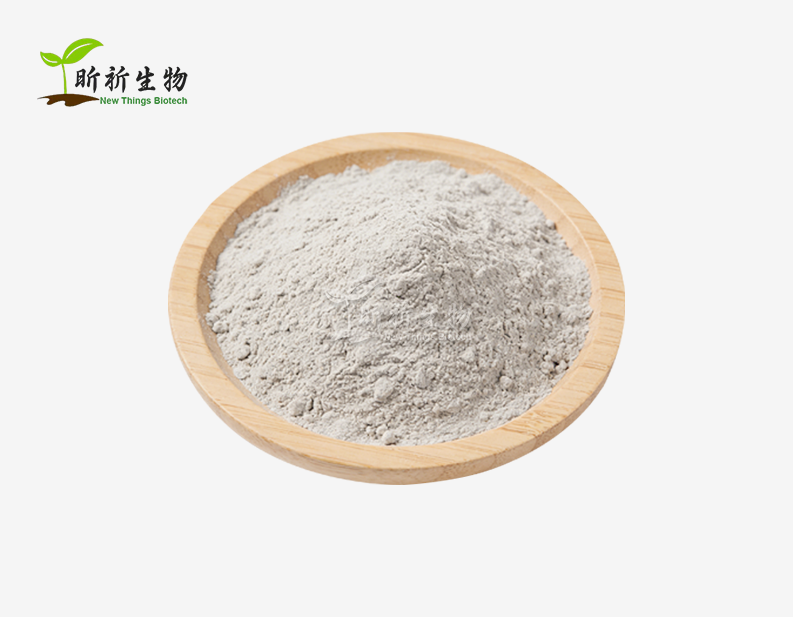
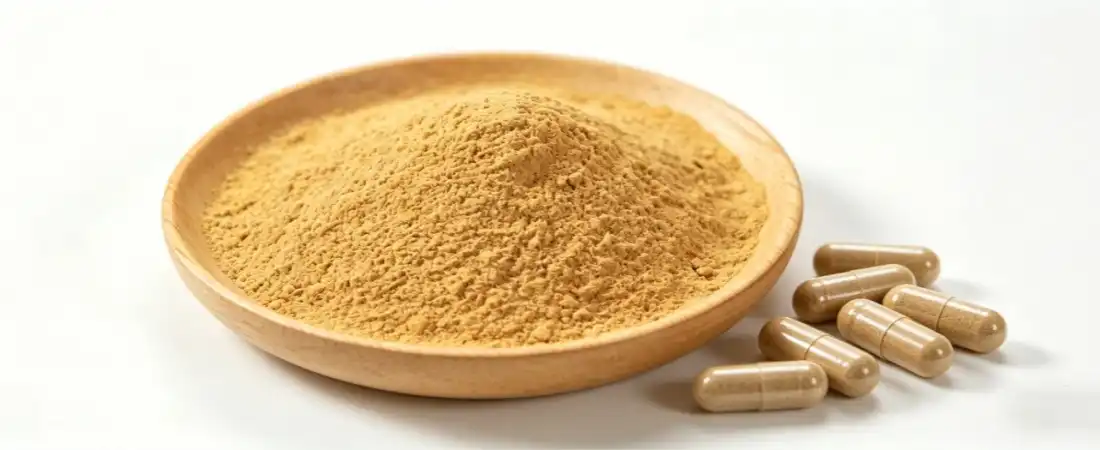
Certain technical features of high-quality Tannin Powder Bulk decide how well it works in winemaking uses. The way tannic acid reacts with wine proteins and anthocyanins is affected by its chemical structure, which is usually shown by complicated formulas like C76H52O46. To make sure the best breakdown rates happen when the wine is being made, commercial-grade tannin powder should look like a yellow-brown to light brown powder with 80 mesh particles. Specifications for purity are very important. Products with 93% to 99% tannin content give consistent results, which helps brewers figure out the right doses. The CAS number 1401-55-4 is used to find tannic acid in the chemistry register, which is needed to make sure that regulations are followed. Quality certifications like ISO9001, Kosher, and Halal show that a product meets foreign manufacturing standards. This helps wineries that serve a wide range of customers with both technical needs and market entry issues.
Comparing Tannin Powder Options: Making the Right Choice
Powder Versus Liquid Formulations
A lot of the time, winemakers argue about whether Tannin Powder Bulk powder or liquid tannic formulas are better for their needs. When used on a large scale, Tannin Powder Bulk has clear benefits. The concentrated powder form saves money on shipping costs per active unit, takes up less store room, and lasts longer than liquid preparations. When stored properly, powdered forms of tannins usually stay steady for 24 months, but liquid forms may change strength or need to be kept cold. Concerns about handling are also very different. Powdered tannins need to be mixed with water before they can be used, but this lets wineries make concentrations that are just right for each treatment procedure. This versatility comes in handy when working with different wine lots that have different tannin needs. While liquid versions are easy to use right away, they can't be changed in terms of strength and usually cost more per unit because they contain more water and need to be packaged in a certain way.
Organic Versus Conventional Sources
The argument over organic certification also includes choices about where to get tannins. Wineries that make organic wines or try to reach health-conscious customers like organic tannin powders that come from approved plant materials. These items cost a lot, but they may help you get into niche areas where organic certification is important for buying choices. Traditional Tannin Powder Bulk works just as well at lower prices as organic ones, as long as they come from reputable companies with clear quality records. For most technical winemaking tasks, the cleanliness of the extraction and where the plants came from are more important than organic approval. Instead of thinking that organic sources are better for making wine, procurement teams should look at whether the price difference justifies the organic label based on how they place themselves in the market and what customers expect.

Practical Guide to Buying Tannin Powder in Bulk
Selecting Qualified Suppliers
The first step to successful bulk buying is finding providers you can trust. People who work in procurement should give priority to sellers who can show a number of important skills. Manufacturing qualifications, such as ISO9001 certification, show that quality control is done in a planned way. Kosher and Halal approvals make products more market-compatible, especially for wineries that want to sell their products abroad. Suppliers who keep their stock levels stable and respond quickly—ideally within two hours for questions—show that their operations are mature and they care about their customers. Verification of track records is very important. Suppliers that have been around for a while and work with the food and drink businesses know a lot about the rules and regulations that apply to their products. Their experience with clients like yours gives you peace of mind about the product's suitability and the availability of expert help. Asking for client examples or case studies can help you trust what a supplier says about how well their products work and how reliable their service is in real-life winery situations.
Cost-Saving Strategies for Bulk Orders
Commercial wineries can get the most out of their buying by using a number of different strategies. When you negotiate a volume commitment, you can get big savings. Suppliers often lower the price per unit for orders that are bigger than a few drums or for yearly purchase deals. Putting together orders from different production sites or organizing purchases with partners in the industry gives you more negotiating power while lowering the administrative costs for each farm.Delivering things more efficiently is another way to cut costs. Scheduling shipments to coincide with production cycles cuts down on the time and money needed for storage. When suppliers offer a range of shipping choices, such as express for urgent needs and sea freight for planned restocking, operational goals can be met while still balancing costs and services. Customized packaging choices, from 1 kg bags for testing to 25 kg drums for production, let you buy the exact amount you need, Tannin Powder Bulk, which cuts down on waste and the cost of keeping inventory.
How to Use Tannin Powder Bulk Effectively in Wine Production
Dosage Recommendations and Application Methods
The right amount of tannins depends on the type of wine, the amount of tannins already present, and the results you want. For structure improvement, red wines need 5–20 grams per hectoliter, while white wines need 2–10 grams per hectoliter, mainly for protein stability. These numbers are just starting points; to get exact dosages, you need to do bench trials that take into account the type of grape, the vintage, and your style goals. When you apply something has a big effect on how well it works. Adding tannins during brewing protects against oxidation and keeps the color stable through anthocyanin-tannin complexation. Additions made after fermentation improve the taste and get wines ready to age. Protein haze in white wines can be fixed with treatments done before they are bottled. Before adding the powder, it's dissolved in warm water or wine to make sure it's spread out evenly and stop any areas of over-concentration that could make the taste too strong.
Storage and Handling Protocols
To keep the purity of the product, you need to pay attention to how it is stored. Tannin Powder Bulk should be kept in cool, dry places that are out of direct sunlight and in covered cases. Moisture causes clumps and may encourage the growth of microbes, which lowers the quality of the product. If you store something the right way, it will stay effective for as long as its shelf life, which is usually 24 months from the date it was made. Safety rules protect both workers and the quality of the product. Even though tannin powder is not very dangerous, the way it is handled should make as little dust as possible to keep your lungs from getting irritated. Safety Data Sheets (SDS) that providers give out list the suggested safety gear and how to handle an emergency. Setting clear standard operating procedures for handling tannin, dosing, and keeping records makes sure that all production teams and vintage cycles follow the same rules.

Troubleshooting Common Bulk Tannin Powder Challenges
Addressing Quality Inconsistencies
Product variability is the most common worry raised about buying. When the performance of different amounts of Tannin Powder Bulk is different, wineries have to make decisions about how to make the blend, and could have quality problems. Root reasons are often linked to poor quality systems at suppliers or not standardizing enough raw materials. To lower this risk, you need to include clear requirements in buy agreements, ask for batch-specific COAs, and check the quality of arriving materials before they are used in production. Long-term stability comes from building ties with providers and following strict quality standards. When manufacturers use statistical process controls and keep batch samples for future testing, it shows that they care about regularity. During the seller qualification process, procurement teams should ask suppliers about their quality control systems, how they get their raw materials, and how they do batch testing.
Managing Supply Chain Delays
Material supply is important for keeping production going. Supply shortages of Tannin Powder Bulk cause expensive rescheduling of production or expensive emergency purchases. To avoid these problems, you need to be proactive about managing your suppliers and planning your supplies. Keeping a backup stock of 30 to 60 days' worth of production needs protects against unexpected delays and keeps inventory carrying costs low. More security comes from suppliers who have items in stock and can meet orders quickly, like promising delivery in two to four days. Setting up backup ties with suppliers provides redundancy without the need for two sets of inventory. Suppliers can better predict demand and share production capacity by sharing production predictions on a regular basis. This lowers the chance of allocation shortages during busy times.
Preventing Storage-Related Degradation
Even high-quality Tannin Powder Bulk goes bad if it is stored in the wrong way. When tannins absorb water, they clump together and may start hydrolysis processes that change their structure and efficiency. Changes in temperature speed up the breakdown process, especially in packages that haven't been used all the way through and are exposed to more air. These problems can be avoided by using the right storage methods. Product purity is maintained by resealing containers right away after use, using desiccant packets in storage areas, and moving stock based on the first-in, first-out rule. Recording receipt dates and monitoring storage conditions through regular inspections catches potential problems before they impact production. These simple steps protect investments in buying things and make sure that the results of making wine are always the same.
Conclusion
Commercial wineries can see real economic and practical benefits from buying Tannin Powder Bulk in a smart way. Procurement teams make sure they have reliable access to this important ingredient for making wine by learning about plant sources, comparing formulation options, and choosing qualified sellers with a history of success. The cost benefits of buying in bulk, such as volume savings, lower shipping costs per unit, and easier inventory management, directly improve the economics of production without lowering the quality of the wine. To have a successful execution, you need to pay attention to things like testing samples, making sure the right application standards are followed, and managing storage. When wineries buy tannins in bulk, they set themselves up to get uniform wine quality, practical freedom, and higher profit margins across all vintages.
FAQ
1. What is the typical shelf life for bulk tannin powder?
Tannin Powder Bulk stays useful for about 24 months after it was made as long as it is kept properly. For the best keeping, keep sealed packages in cool, dry places that are out of direct sunlight and away from water. Products that are kept in controlled circumstances don't lose much of their quality or functionality over time.
2. How does bulk tannin powder compare to grape-derived tannins in flavor impact?
Extra tannins from plants like Galla Chinensis have mild flavors that improve structure without adding any bad flavors. Instead of adding woody notes like oak tannins can, gallnut tannins add astringency and the ability to bind proteins while keeping the variety traits. When added in the right amounts, extra tannins work well with chemicals that come from grapes.
3. What packaging formats are standard for commercial bulk orders?
Standard commercial packaging includes 25kg drums suitable for production-scale operations, with some suppliers offering 1kg bags for trials or small-batch production. Customized packaging choices allow for different ways of dealing or limited storage space. The minimum order quantity is usually 25 kg, which strikes a balance between the buyer's freedom and the supplier's need to be efficient.
Partner with a Trusted Tannin Powder Bulk Supplier
NT Biotech can help your winery get the Tannin Powder Bulk it needs by providing high-purity Galla Chinensis-derived tannin powder that meets strict international standards. Our goods are approved by ISO9001, Kosher, and Halal, and they meet the purity standards of 93–99%. They come in convenient 25kg drums, and the packaging can be changed to fit your needs. We keep a steady stock so that deliveries can happen in two to four days, and we offer free samples so that you can check the quality before you commit to buying in bulk. Our expert team answers all questions within two hours and backs up all of their help with full Certificates of Analysis for every batch. Get a free taste by emailing us at info@newthingsbiotech.com. This will help you understand how working with a skilled Tannin Powder Bulk manufacturer can help your wine production costs and quality.
References
1. Waterhouse, A.L., & Sacks, G.L. (2018). Wine Phenolics: Chemistry and Sensory Properties. American Journal of Enology and Viticulture, 69(2), 107-120.
2. Ribéreau-Gayon, P., Glories, Y., Maujean, A., & Dubourdieu, D. (2017). Handbook of Enology, Volume 2: The Chemistry of Wine Stabilization and Treatments. John Wiley & Sons, Chichester, UK.
3. VIvas, N., & Glories, Y. (2016). Role of Oak Wood Ellagitannins in the Oxidation Process of Red Wines During Aging. Journal of Agricultural and Food Chemistry, 64(18), 3541-3547.
4. Harbertson, J.F., & Spayd, S. (2015). Measuring Phenolics in the Winery: Methods and Applications. Practical Winery & Vineyard Journal, 37(3), 22-29.
5. Cheynier, V., Dueñas-Paton, M., Salas, E., & Maury, C. (2019). Structure and Properties of Wine Pigments and Tannins. Chemical Reviews, 119(9), 6628-6674.
6. Boulton, R.B., Singleton, V.L., Bisson, L.F., & Kunkee, R.E. (2018). Principles and Practices of Winemaking: Tannin Management Strategies. Springer Science+Business Media, New York.