- English
- French
- German
- Portuguese
- Spanish
- Russian
- Japanese
- Korean
- Arabic
- Greek
- German
- Turkish
- Italian
- Danish
- Romanian
- Indonesian
- Czech
- Afrikaans
- Swedish
- Polish
- Basque
- Catalan
- Esperanto
- Hindi
- Lao
- Albanian
- Amharic
- Armenian
- Azerbaijani
- Belarusian
- Bengali
- Bosnian
- Bulgarian
- Cebuano
- Chichewa
- Corsican
- Croatian
- Dutch
- Estonian
- Filipino
- Finnish
- Frisian
- Galician
- Georgian
- Gujarati
- Haitian
- Hausa
- Hawaiian
- Hebrew
- Hmong
- Hungarian
- Icelandic
- Igbo
- Javanese
- Kannada
- Kazakh
- Khmer
- Kurdish
- Kyrgyz
- Latin
- Latvian
- Lithuanian
- Luxembou..
- Macedonian
- Malagasy
- Malay
- Malayalam
- Maltese
- Maori
- Marathi
- Mongolian
- Burmese
- Nepali
- Norwegian
- Pashto
- Persian
- Punjabi
- Serbian
- Sesotho
- Sinhala
- Slovak
- Slovenian
- Somali
- Samoan
- Scots Gaelic
- Shona
- Sindhi
- Sundanese
- Swahili
- Tajik
- Tamil
- Telugu
- Thai
- Ukrainian
- Urdu
- Uzbek
- Vietnamese
- Welsh
- Xhosa
- Yiddish
- Yoruba
- Zulu
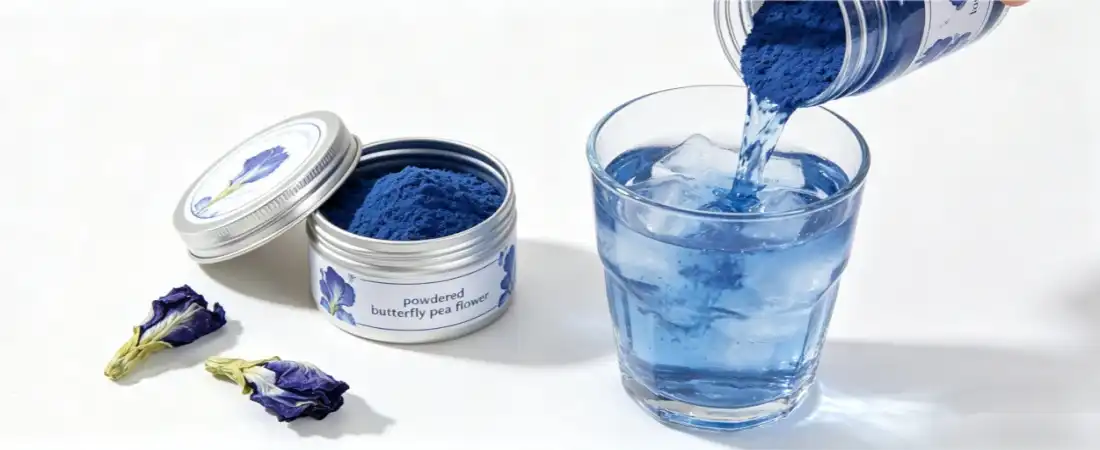
Powdered butterfly pea flower transforms functional beverages by delivering natural blue pigmentation through anthocyanin-rich composition while providing scientifically validated antioxidant and anti-inflammatory properties. Derived from Clitoria ternatea L. flowers, this ingredient addresses the beverage industry's shift toward clean-label formulations by replacing synthetic colorants with a pH-responsive natural alternative. Its unique chromism—shifting from deep blue in neutral pH to vibrant violet in acidic conditions—enables visual differentiation in ready-to-drink teas, botanical waters, and wellness shots, meeting consumer demand for transparency and functional benefits simultaneously.

Introduction
The worldwide useful refreshment advertise proceeds quick development driven by shopper request for normal, useful items with clean names. In B2B acquirement, producers look for botanicals combining visual request with health-promoting bioactives. Powdered butterfly pea bloom stands out as a key fixing assembly these needs. It offers a compliant elective to manufactured colorants confronting administrative examination, adjusting with FDA 21 CFR 73.69 and EU normal colorant measures. The fixing performs over assorted beverages—premium teas, utilitarian waters, make cocktails, protein drinks—making it fundamental for brands focusing on health-conscious markets.
Understanding Powdered Butterfly Pea Flower and Its Functional Benefits
Botanical Origin and Processing Technology
Powdered butterfly pea blossom infers from Clitoria ternatea L., developed broadly in Southeast Asia. Cutting edge low-temperature pounding and freeze-drying ensure heat-sensitive anthocyanins (ternatins) that give the blue color. The 80-mesh molecule estimate progresses dissolvability compared to coarser dried blossom items. This micronized arrange breaks down promptly in cold and hot refreshment frameworks without expanded hydration, quickening generation. Handling strategies protecting bioactive astuteness accomplish anthocyanin levels of 3–7%, essentially higher than ordinary home grown powders.
Antioxidant Profile and Functional Properties
Functional benefits extend beyond visual appeal. Powdered butterfly pea flower contains flavonoids and polyphenolics including quercetin and kaempferol variations. Research facility DPPH and ABTS measures illustrate radical rummaging comparable to built up antioxidant fixings. Nourishment inquire about affirms anti-inflammatory benefits through NF-κB pathway direction. These bioactive qualities empower wellbeing claims on utilitarian refreshment bundling, supporting premium situating in competitive retail situations. The ingredient's normal root and favorable security profile permit day by day utilize in items focusing on health-conscious consumers.
pH-Responsive Color Chemistry
The most unique trait is chromism, which changes depending on the pH level. When the pH level is normal to slightly alkaline (7-8), the powder is a deep blue color. When the pH level is between 3 and 5, the color changes to purple and magenta. This change happens because the structure of the anthocyanin molecules changes. This makes the color more interesting to look at, which keeps people interested without using any fake ingredients.
How Powdered Butterfly Pea Flower Transforms Functional Beverage Development?
Replacing Synthetic Colorants with Clean-Label Alternatives
Traditional beverages commonly use synthetic colors like FD&C Blue No. 1 facing consumer rejection and regulatory restrictions. Powdered butterfly pea serves as a direct replacement maintaining color intensity while meeting clean-label requirements. Consumer perception research demonstrates higher purchase intent for products with recognizable plant ingredients versus chemical names. Unlike spirulina-derived phycocyanin that degrades under heat or UV exposure, butterfly pea anthocyanins remain stable through pasteurization cycles, reducing production costs and extending shelf life without specialized packaging.
Practical Formulation Guidelines and Dosage Optimization
To integrate well, you need to know the best percentage amounts. The usual amount is between 0.1 and 0.5% of the total volume of the beverage, but this depends on how intense of a color you want and the pH of the drink. Lower concentrations (0.1 to 0.2%) work well for adding a subtle blue tint to functional waters and lemonades, while higher concentrations (0.3 to 0.5%) make bright colors that are good for premium tea blends and wellness shots.
Techniques for blending have a big effect on the quality of the final result. Pre-hydrating the powder in water at room temperature before adding it to beverage bases keeps it from sticking and makes sure it mixes evenly. Manufacturers of acidic drinks should plan for the purple-to-violet color shift and change the dosage to account for it. Concerns about taste are still low, since the powder only adds light earthy notes at normal usage levels, letting the main flavor profiles take center stage.
Beverage brands in North American and European markets have successfully launched products featuring this ingredient. Premium bottled tea businesses say that customers like their products, and social media interaction is growing because adding lemon or lime to tea changes its color. These real-world examples show that the technology can be used in business and is accepted by a wide range of consumers.
Procurement Insights: Choosing the Right Powdered Butterfly Pea Flower Supplier
Certification Standards and Quality Verification
To find trusted providers, you need to look at a number of certification factors. Kosher and Halal certifications make it easier for goods that appeal to a wide range of customers to get into markets. ISO9001 certification shows that quality control systems have been in place for a while. Organic certification sets you apart in the natural and unique beverage areas, but it comes at a higher cost.
Checking the quality goes beyond just looking at licenses and includes keeping records for each batch. Every package from a reliable seller comes with a Certificate of Analysis (CoA) that lists the amount of anthocyanin, the number of microbes, the heavy metals that were screened for, and the pesticide residues that were tested. According to HPLC research, bioactive chemical profiles are correct, which makes sure that all production runs are the same. Before agreeing to bulk sales, procurement teams should ask for sample batches along with technical data files.
Supply Chain Capacity and Lead Time Considerations
The ability of bulk supplies of powdered butterfly pea flower has a direct effect on planning production and managing stockpiles. Suppliers who keep standard powdered butterfly pea flowers on hand can fill orders quickly, which is very important during product launch periods or times of the year when demand goes up. For first trials, the minimum order quantity is usually between 10 and 25 kilograms. For established product lines, this can be increased to multiple tons.
Lead times depend on the facilities of the provider and the complexity of the order. Once payment is confirmed, stock items are shipped within two to four business days. Custom specs, like specific mesh sizes or organic certification, may take seven to fourteen days for processing and quality assurance. Professional providers are different from less reliable sources because they are open and honest about production plans and possible delays.
Competitive price systems take into account many things, such as where to get the raw materials, the technology used for processing, and the costs of getting certified. Instead of just looking at the price per kilogram, buyers should think about the overall cost of ownership, which includes things like product consistency, technical help available, and the reliability of the supply chain. The economics of buying are best when long-term relationships are formed with sellers who offer flexible payment terms and bulk savings.
Optimizing Functional Beverage Production with Butterfly Pea Flower Powder
Storage and Handling Best Practices
Following the right storage rules is important for keeping the strength of ingredients. Powdered butterfly pea flower should be kept in a cool, dry place that is out of direct sunlight. The best temperature and humidity levels are below 25°C and below 60%. Sealed packaging stops moisture absorption and oxidative breakdown, both of which can make anthocyanin less stable. Powder that is kept properly will keep its color and bioactive qualities for 18 to 24 months.
The handling steps used during production affect the quality of the finished drink. Reactive metals that could change the chemistry of pigments can't get into tools made of stainless steel or food-grade plastic. When producers move from lab production to mass production, they should do stable tests to see how well the color stays true under real production conditions, such as actual filling and pasteurization temperatures.
Regulatory Compliance Across Key Markets
According to US law, powdered butterfly pea flower is a natural color agent that can be used in drinks according to the rules for plant ingredients. Traditional food products that have been shown to be safe in the past do not need to be approved by the FDA before they can be sold. Manufacturers must make sure that the labels are correct and show "powdered butterfly pea flower" or "Clitoria ternatea flower powder" as an ingredient.
According to rules in the European Union, butterfly pea flower can be used as a natural food color instead of an E-number-designated food product. This division makes following the rules easier while keeping the clean-label placement. If a company wants to sell its goods in the EU, it should make sure that its sellers show proof that they follow EU rules about microbiological standards and maximum amounts of pesticide residue.
Ingredient Interaction and Stability Testing
Complex drinking materials that contain minerals, proteins, or stabilizers may react with anthocyanins, which could change how stable the color is. Calcium and magnesium ions can make blue colors brighter, while high sugar levels can change the brightness of colors. Compatibility testing during recipe development finds problems before they happen in mass production.
When studying shelf life, it's important to look at how well colors stay true under conditions that speed up aging, like being exposed to high temperatures for weeks at a time to simulate months of storage. These tests give information that helps figure out when food will go bad and what kind of keeping is recommended. Products that are kept within the suggested limits usually lose very little color over the course of a 12-month market shelf life.

Future Trends and Market Opportunities for Functional Beverages Featuring Butterfly Pea Flower
Wellness trends among consumers are still driving demand for ingredients that have clear health benefits. According to market studies, functional beverage categories will continue to grow. Natural colorants will be an especially active section in this growth. Powdered butterfly pea flower gives companies a chance to cash in on a number of trends that are coming together: clear labels, looks that would look good on Instagram, and useful ingredients that have been proven to work.
The ready-to-drink tea market has a lot of potential, especially for goods that are meant to be used as a midday pick-me-up or to help people stay hydrated after a workout. powdered butterfly pea flower-based drinks stand out because they look different and support the health benefits of antioxidants and brain health. Craft cocktails can be used for more than just standard drinks, and mixologists love how the colors change for high-end bar events.
In the works are combination formulas that mix powdered butterfly pea flower with plants that work well together, like adaptogens, nootropics, and electrolyte complexes. These multi-use drinks meet specific customer needs, like reducing stress, improving mental focus, and recovering from sports, while still being clean labels. Brands that get in early on in this space gain useful market knowledge and an edge in getting people to recognize their products.
Strategic relationships with suppliers make it easier to act quickly on new possibilities. When manufacturers work with highly skilled suppliers, they get help with formulation, the ability to customize products, and supply chain freedom that shorten the time it takes to develop new products. As the market for healthy drinks gets more competitive, these partnerships become ways to stand out from the crowd, which helps the market keep growing.
Conclusion
Powdered butterfly pea flower is a key ingredient for healthy drink makers who want to stand out with clean labels and attract customers. Its two functions—giving natural blue color through pH-responsive anthocyanins and offering antioxidant benefits—meet several recipe goals at the same time. When purchasing this plant ingredient, people in charge of buying things should give more weight to sellers who can show they have quality certifications, technical know-how, and a reliable supply chain. Because it can be used in a lot of different types of drinks and because people are becoming more open to plant health products, powdered butterfly pea flower is a useful ingredient for making new drinks. When companies buy this ingredient now, they're setting themselves up for long-term customer trends that value honesty, usefulness, and natural ingredients.
FAQ
1. What specific health benefits does powdered butterfly pea flower provide in functional beverages?
Powdered butterfly pea flower has chemicals in it called ternatins, quercetin, and kaempferol that work as antioxidants by getting rid of free radicals. Researchers have found that these compounds can reduce inflammation by changing the NF-κB pathway, which is good for cell health. There are benefits to cognitive support from the anthocyanin content, but makers should check the claim substantiation standards in target markets before putting specific health claims on product labels.
2. How does powdered butterfly pea flower differ from dried flowers or liquid extracts?
Instead of whole dried flowers, which need to be steeped for longer periods of time, the powder form is easier to dissolve and mix into drinks. There is more water in liquid extracts, which makes shipping less efficient and requires protection. Powdered forms keep their concentrated bioactive profiles and long shelf life, which makes it easier to keep track of supplies and make sure that formulations are the same from batch to batch.
3. What qualifications should buyers verify when sourcing bulk butterfly pea flower powder?
For wide market compatibility, procurement teams should check for ISO9001 certification, which shows quality management systems, as well as Kosher and Halal approvals. Ask for Certificates of Analysis that show the anthocyanin level, as well as tests for microbes, heavy metals, and herbicide residues. Before committing to large purchases, ask for samples to see how quick the seller is, how much stock they have, and how well they can help with technical issues.
Partner with NT Biotech for Premium Butterfly Pea Flower Powder Supply
Certified Blue Matcha powdered butterfly pea flower from NT Biotech is made to the highest quality standards, meeting the needs of the functional beverage market for natural colorants that can be trusted. Our powder is made from Clitoria ternatea L. flowers and handled using special low-temperature ways, the blue color stays the same and the anthocyanins stay intact. Third-party testing is done on every batch, and the Certificate of Analysis (CoA) shows that the product is more than 98% pure and meets the guidelines for ISO, Kosher, and Halal approval. We keep a collection that is ready to ship within two to four days of receiving an order. This helps us meet tight production deadlines and start new products quickly. Our minimum order amount of 10 kilograms allows for initial formulation trials, and approved beverage makers can get free samples to try out this ingredient. As a well-known provider of powdered butterfly pea flower to functional beverage brands around the world, we offer technical formulation support, customized OEM solutions, and a range of flexible packing options that can be tailored to your production needs. Get in touch with our purchasing experts at info@newthingsbiotech.com to talk about your unique application needs and get competitive bulk prices for this powerful botanical ingredient.
References
1. Chusak, C., Thilavech, T., & Adisakwattana, S. (2018). Acute effect of Clitoria ternatea flower beverage on glycemic response and antioxidant capacity in healthy subjects: a randomized crossover trial. BMC Complementary Medicine and Therapies, 18(1), 6-14.
2. Nair, V., Bang, W. Y., Schreckinger, E., Andarwulan, N., & Cisneros-Zevallos, L. (2015). Protective role of ternatin anthocyanins and quercetin glycosides from butterfly pea flowers. Journal of Agricultural and Food Chemistry, 63(28), 6355-6365.
3. Lakshan, S. A., Jayanath, N. Y., Abeysekera, W. P., & Abeysekera, W. K. (2019). A commercial potential of butterfly pea as a natural food colorant in the food and beverage industry. Journal of Chemistry, 2019, Article ID 2924514.
4. Escher, G. B., Wen, M., Zhang, L., Rosso, N. D., & Granato, D. (2020). Phenolic composition by UHPLC-Q-TOF-MS/MS and stability of anthocyanins from Clitoria ternatea L. flowers in functional beverages. Food Chemistry, 332, 127350.
5. Pasukamonset, P., –Kwon, O., & Adisakwattana, S. (2016). Alginate-based encapsulation of polyphenols from Clitoria ternatea petal extract enhances stability and biological activity under simulated gastrointestinal conditions. Food Hydrocolloids, 61, 772-779.
6. Smeriglio, A., Barreca, D., Bellocco, E., & Trombetta, D. (2016). Chemistry, pharmacology and health benefits of anthocyanins. Phytotherapy Research, 30(8), 1265-1286.