- English
- French
- German
- Portuguese
- Spanish
- Russian
- Japanese
- Korean
- Arabic
- Greek
- German
- Turkish
- Italian
- Danish
- Romanian
- Indonesian
- Czech
- Afrikaans
- Swedish
- Polish
- Basque
- Catalan
- Esperanto
- Hindi
- Lao
- Albanian
- Amharic
- Armenian
- Azerbaijani
- Belarusian
- Bengali
- Bosnian
- Bulgarian
- Cebuano
- Chichewa
- Corsican
- Croatian
- Dutch
- Estonian
- Filipino
- Finnish
- Frisian
- Galician
- Georgian
- Gujarati
- Haitian
- Hausa
- Hawaiian
- Hebrew
- Hmong
- Hungarian
- Icelandic
- Igbo
- Javanese
- Kannada
- Kazakh
- Khmer
- Kurdish
- Kyrgyz
- Latin
- Latvian
- Lithuanian
- Luxembou..
- Macedonian
- Malagasy
- Malay
- Malayalam
- Maltese
- Maori
- Marathi
- Mongolian
- Burmese
- Nepali
- Norwegian
- Pashto
- Persian
- Punjabi
- Serbian
- Sesotho
- Sinhala
- Slovak
- Slovenian
- Somali
- Samoan
- Scots Gaelic
- Shona
- Sindhi
- Sundanese
- Swahili
- Tajik
- Tamil
- Telugu
- Thai
- Ukrainian
- Urdu
- Uzbek
- Vietnamese
- Welsh
- Xhosa
- Yiddish
- Yoruba
- Zulu
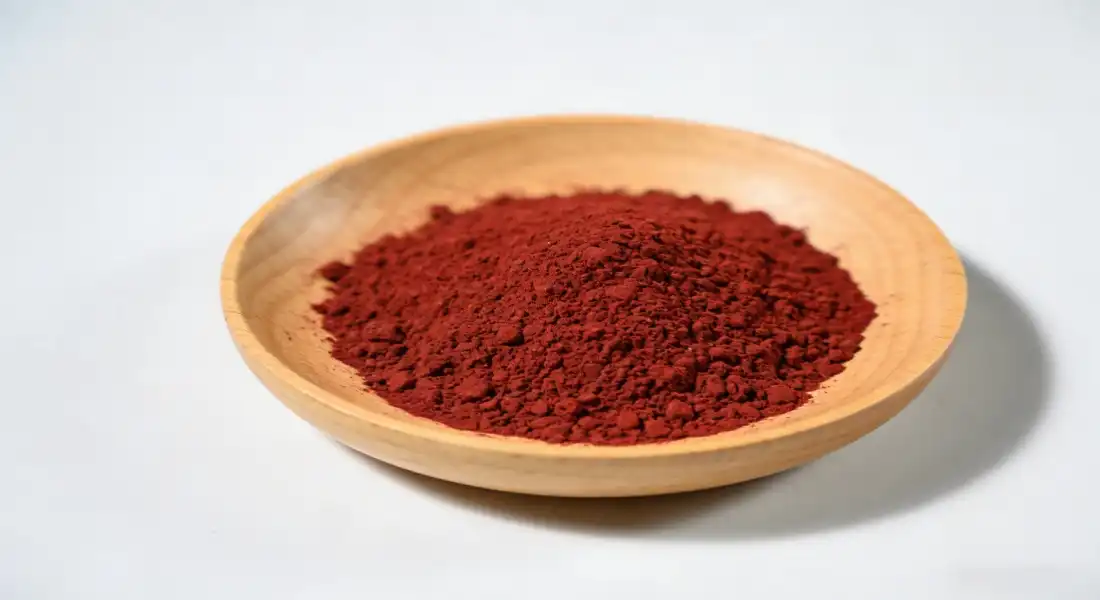
Taking astaxanthin every day can significantly enhance your body's antioxidant defense, supporting everything from skin health to cardiovascular function. Quality Astaxanthin Powder, derived from microalgae like Haematococcus pluvialis, delivers consistent daily doses of this powerful carotenoid. Regular intake is associated with improved skin hydration and UV protection, reduced eye strain, enhanced immune response, and lowered inflammation markers. When sourced from reputable suppliers with verified purity and potency, daily astaxanthin supplementation offers a safe, science-backed approach to supporting long-term wellness and vitality across diverse applications in dietary supplements and functional foods.
Introduction
Health and nutrition goods now include astaxanthin powder. Its flexibility and antioxidants make it popular. B2B purchasers of complex chemicals should know what happens when individuals take astaxanthin everyday. Thus, they must pick safe, attractive, and market-relevant product suppliers. Virtually discuss astaxanthin powder's main components. It explains the benefits of taking it everyday, how to take it, how much to take, quality measurements that separate excellent goods from poor ones, supplier evaluation, and government restrictions. Procurement and R&D executives should understand these themes. They may choose astaxanthin powders that meet particular needs, create consumer confidence, and revitalize underused items in competitive markets. Astaxanthin is growing more popular globally as people learn how natural cancer prevention agents may help them remain healthy. Companies making nutritional supplements, utilitarian foods, cosmetics, and animal feed need high-quality astaxanthin powder. Due to more complex needs.
Understanding Astaxanthin Powder and Its Daily Use
Astaxanthin powder, mainly from Haematococcus pluvialis, is a carotenoid antioxidant up to 6,000 times stronger than vitamin C. It protects skin from UV damage, improves elasticity and hydration, supports eye health by crossing the blood-retinal barrier, reduces inflammation, strengthens immunity, and may enhance heart and brain function, making it a versatile nutraceutical ingredient.
Dosage Considerations for Daily Intake
Daily measurements of astaxanthin ordinarily extend from 4–12 mg for common wellbeing, with higher measurements some of the time utilized restoratively beneath supervision. Virtue and power (1–5%) influence dose, detailing taken a toll, capsule measuring, and showcase preparation. B2B buyers must carefully consider power to guarantee rectify dosing, item consistency, and financial proficiency in last formulations.
How Much Astaxanthin Per Day? (And How Much Should You Take?)
One of the first things people ask is how much astaxanthin per day. Or, expressed differently: how much astaxanthin should I take for daily use? Most of the clinical studies is looking at a daily dosage of 4-12 mg for overall wellbeing and daily antioxidant support. This is the range for the skin, eye and cardiovascular advantages discussed previously in this article and is the number most finished-product labels are based upon.
If your aim is more specific – recuperation from heavy exercise, increased oxidative stress, or a health issue – dosages more than 12 mg are occasionally utilized, but preferably under the guidance of a specialist and for short periods, not as a regular routine. There is no clear evidence that taking more offers additional benefit outside the investigated window, therefore prudent usage involves remaining within the range where the safety data is the strongest.
For procurement teams dealing with powder, the potency also plays into the daily quantity. Quality Astaxanthin Powder usually contains 1%–5% of astaxanthin by weight and 4–12 mg daily dosage requires 80–1,200 mg of powder depending on the test. An 8 mg dose from a 5 % powder requires around 160 mg of material. The same 8 mg from a 1 % powder needs about 800 mg. This is precisely why you verify potency on the Certificate of Analysis before you lock a formula. So whether you’re asking “how much astaxanthin per day” or “how much astaxanthin should I take,” the practical answer is the same: start at 4–12 mg, match it to your powder’s certified potency, and keep the dosage steady rather than cycling high and low.
When Is the Best Time to Take Astaxanthin? Understanding astaxanthin when to take
Astaxanthin is a fat-soluble carotenoid, which implies that its absorption is strongly dependent upon dietary fat. So when answering the question “astaxanthin when to take”, the first thing is not to choose morning vs. evening, but to make sure it is taken with a meal that includes good fats. Research suggests that taking it with food, particularly quality fats such as nuts, avocado, olive oil or fatty fish, increases bioavailability dramatically, whereas taking it on an empty stomach inhibits absorption.
So what is the greatest food? There’s no conclusive research that indicates morning is superior than evening — the goal is just to be consistent. For most persons using astaxanthin for daily antioxidant support for skin and eye health, the time is less important than taking astaxanthin with food at the same meal every day (e.g. breakfast or lunch). Those who run or work out in the evening, may also take it with their after exercise, fat-containing supper to leverage post-meal fat for absorption. Some people might have slight stomach pain eating it on an empty stomach. So the safest bet is to take it with meals.
Another factor that is frequently forgotten is consistency. Astaxanthin isn't an immediate supplement; generally, many weeks of consistent usage are required to see changes in antioxidant status and skin and eye indicators. Instead of changing up the timings every day, it’s more sustainable to make it a habit attached to a certain meal (which is the underlying user aim behind “astaxanthin when to take”: creating a sustainable, well-absorbed pattern you can continue with). A high purity powder like Quality Astaxanthin Powder, taken regularly every day, offers a more steady level of antioxidant assistance every day.
When to Take Astaxanthin: Morning or Night, and Your Daily Dosage
Every new user questions the subject of when to take astaxanthin, and the simple answer is: consistency with a fatty lunch is much more important than whether you take astaxanthin in the morning or at nite. Absorption, not the clock, determines the optimal time to take astaxanthin, so you may take it at breakfast, lunch, or dinner, as long as that meal includes healthy fats like nuts, avocado, olive oil, or fatty fish. The outcomes are equally good in the literature for morning and evening, so select the time period that you will repeat every day.
The second question asked most often is How much astaxanthin should I take daily? Most individuals find themselves at 4-12 mg a day for overall wellbeing, depending on the strength of the powder (1%-5%). A issue that comes up is whether 24mg of astaxanthin a day is appropriate: dosages over 12mg, including 24mg of astaxanthin a day, fall in the high, short-term, supervised range required for rigorous recovery or enhanced oxidative stress – not a default daily routine. You want to stay within that 4-12 mg range because that’s where the safety evidence is highest.
The practical guideline for B2B purchasers is simple: record the daily dosage, record the with-food time, on every label, and maintain both consistent from batch to batch. Daily intake of a high-purity Quality Astaxanthin Powder eaten at the same meal offers formulators a consistent, well-absorbed baseline for clear, defensible skin, eye, and energy claims.
Source Quality and Extraction Methods
Quality depends on sourcing and extraction. Normal Haematococcus pluvialis offers prevalent bioavailability (3S,3’S stereoisomer) versus engineered shapes. Supercritical CO2 extraction jam atomic astuteness without dissolvable defilement. Epitome strategies like beadlets or spray-drying with defensive networks upgrade soundness against light, warm, and oxygen, guaranteeing adequacy amid generation, shipping, and storage.
Benefits of Taking Astaxanthin Powder Every Day
When astaxanthin powder is taken each day, it makes a difference numerous parts of the body in numerous clinically imperative ways. Since it has these benefits, astaxanthin is getting to be more well known among companies that make items for health-conscious individuals looking for common arrangements that have been demonstrated to work.
Skin Health and Appearance
Astaxanthin progresses skin versatility against UV harm by neutralizing free radicals some time recently they hurt cells. Standard admissions upgrades hydration, decreases transepidermal water misfortune, and bolsters collagen and elastin keenness, abating unmistakable signs of maturing like fine lines and wrinkles. It is broadly utilized in dietary supplements and nutricosmetics for these defensive and beautifying effects.
Eye Health and Visual Function
Astaxanthin crosses the blood-retinal boundary to ensure eye tissues from oxidative push. Every day supplementation may decrease advanced eye strain, back differentiate affectability, and keep up settlement speed. Investigate proposes potential preventive impacts against age-related macular degeneration, making it alluring for vision wellbeing items and utilitarian nourishments focusing on eye wellness.
Systemic Health Improvements
Astaxanthin’s anti-inflammatory and immune-modulating impacts back cardiovascular wellbeing by diminishing oxidative push in blood vessels. It may too improve cognitive execution, securing neuronal layers and making strides cerebral blood stream. Furthermore, it makes a difference lower exercise-induced oxidative push, advancing speedier muscle recuperation, making it reasonable for sports sustenance and common wellness products.
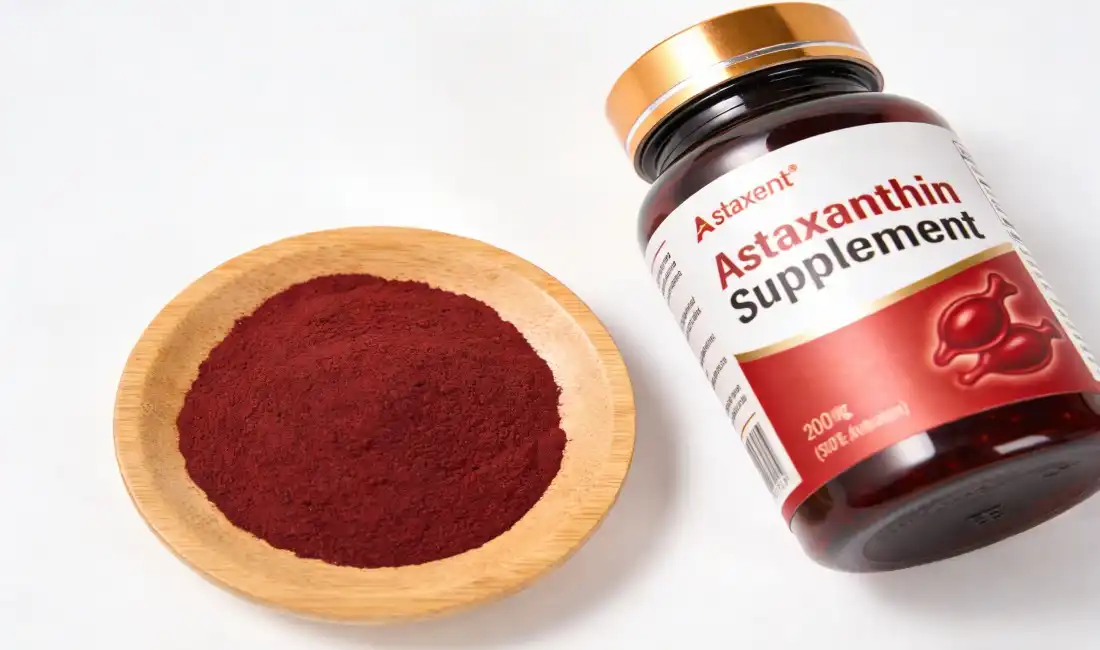
Choosing Quality Astaxanthin Powder for Procurement
It's important to pick the right astaxanthin powder supplier because it impacts how well the product works, how well it meets government standards, and ultimately, how well known the brand is. It can be hard for procurement professionals to work in a world where differences in quality may not be obvious at first but have big impacts on how well the full product works.
What Exactly Is Quality Astaxanthin Powder? Setting the Standard for Quality First
Before we go into procurement, let’s clarify one notion. What we call Quality Astaxanthin Powder (premium astaxanthin powder) is not a throw-away marketing word, but a combination of provable quality attributes. To be of “quality” the powder must be derived from natural microalgae, such as Haematococcus pluvialis and must include more than 95% of the natural 3S,3’S stereoisomer, which is why natural sources are more bioactive than synthetic. Second, it should be labeled 1.0% to 5.0% potency, and each batch should include HPLC (not UV-Vis) test results, so that inflated findings from other carotenoids are not taken at face value.
Supercritical CO₂ extraction is often used for the Quality Astaxanthin Powder to preserve the molecular integrity and avoid solvent residues. All Astaxanthin should come with full microbiological, heavy metal (ICP-MS, lead/arsenic/mercury/cadmium each < 1 ppm) and residual-solvent testing documentation. B2B purchasers don’t assess the “quality” of a product by slogans, but by these batch-traceable test results and credentials (ISO9001, GMP, Halal/Kosher, etc.). Quality Astaxanthin Powder is not a product name, but a measurable quality level. When you handle it that way, supplier assessment goes from murky to obvious.
Natural Versus Synthetic Astaxanthin
Assessing quality requires distinguishing natural and manufactured astaxanthin. Haematococcus pluvialis' astaxanthin is 3S,3'S stereoisomer over 95%. This atom-action route enhances natural mobility and bioavailability, according to comparative research. Engineering astaxanthin is a racemic oil-based amalgam with high stereoisomer quantities. Manufacturing ones are cheaper, but they lack fatty acids needed to make esters like green growth. Esterified forms aid tissue digestion and integration, lowering bioavailability. Regular astaxanthin enhances rules and promotion. More consumers seek natural items. Quality Astaxanthin Powder stands out in the display with "determined from green growth" and "characteristic source". As long as they know the difference, many individuals will pay more for traditional items than manufactured ones.
Critical Quality Metrics and Testing Protocols
Tight quality control starts with accurate strength measurement. Astaxanthin is commonly measured by HPLC. This beats UV-Vis spectroscopy. UV-Vis analyzes all carotenoids, not only astaxanthin, hence it often returns deceptively high potency readings, allowing substandard materials to be approved.
Buyers should question providers about certain quality control traits:
1. HPLC Assay Verification: The Certificate of Analysis must reflect 474nm HPLC results. Astaxanthin mass fraction must be verified without lutein or canthaxanthin interference. Potency should be 1.0%–5.0%, and batch-to-batch homogeneity displays process control.
2. Stereoisomer Profiling: Chiral chromatography should reveal astaxanthin in its natural 3S,3'S form over 95% of the time. The high quantities of the 3R,3'R isomer suggest synthetic adulteration or substitution, which casts doubt on its effectiveness.
3. Microbiological Safety Testing: Since natural astaxanthin powder comes from algae, Total Plate Count, Yeast, and Mold counts should be less than 1,000 or 100, and Salmonella and E. coli should be absent. These rules ensure clean processing and contaminant control.
4. Heavy Metal Screening: ICP-MS screens for heavy metals in algae. Lead, arsenic, mercury, and cadmium must be below 1 ppm. These specs readily meet European and California's Proposition 65 safety standards.
5. Residual Solvent Analysis: Non-supercritical CO2 extractions need GC-FID residual solvent screening. The ICH Q3C recommends solvent safety limits. Complete solvent evaporation ensures product quality and safety.
Supplier Evaluation Framework
Product selection and provider skills impact purchase success. Minimum arrange quantities should match production and stock monitoring. Suppliers that provide many arrangement sizes demonstrate they care. This worry often extends to other relationship factors. Ability to meet advertising and manufacturing deadlines depends on coordination. Suppliers of popular standard extricates may send orders within one to three working days of confirmation. To correctly plan manufacturing for unique formulas or huge orders, you must know how to source, test, extract, and press raw materials. A reliable provider should complete this cycle in 3-10 trade days. Supplier certifications demonstrate quality and product promotion. ISO9001 certification shows quality management. Halal or certified food may attract religious consumers. GMP certification implies pharmaceutical-level production for dietary supplement ingredients.
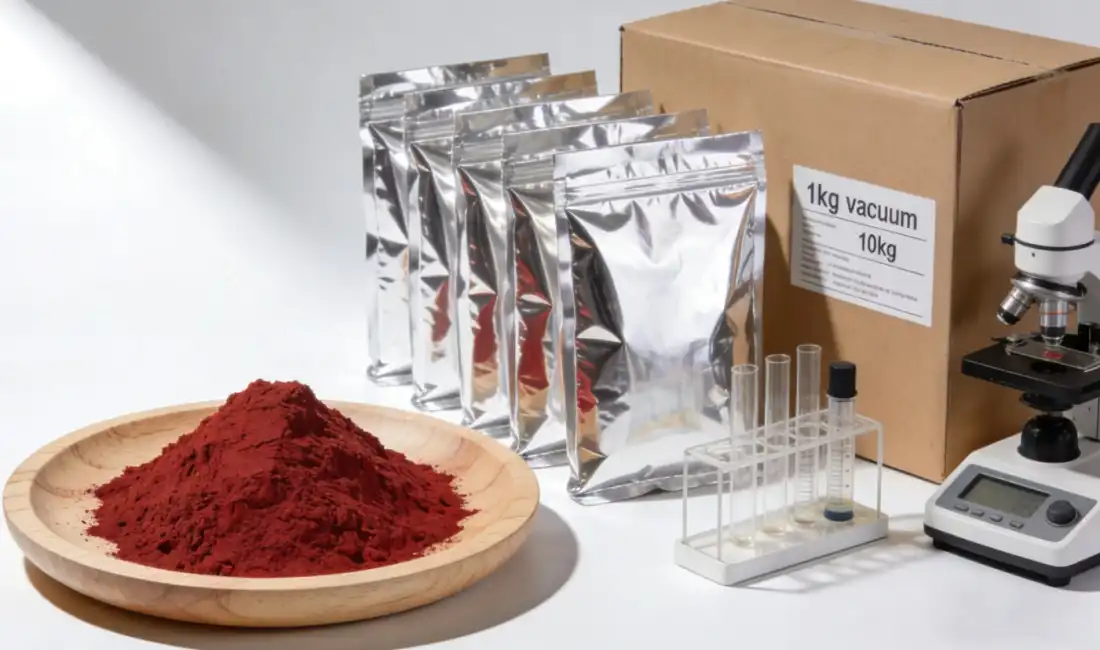
Best Practices for Utilizing Astaxanthin Powder in B2B Applications
It's important to pay close attention to formulation issues, follow the rules, and keep quality high throughout the production process when adding astaxanthin powder to a process. The helpful properties of the ingredient are used to make finished goods that meet technical needs and meet customer expectations with these best practices.
Formulation Stability and Dosage Calibration
You must understand how astaxanthin powder strength affects dosages before making final items. An 8-mg astaxanthin pill takes 160 mg of 5% or 800 mg of 1% powder. This calculation affects capsule quantity, cost, and formula complexity. Accelerated stability testing provides vital shelf life information for Quality Astaxanthin Powder. Lighting, humidity, and temperature impact breakdown speed. Astaxanthin powder is more stable than raw oleoresins if protected by matrix, however pH and other ingredient interactions need more investigation. Bioavailability optimization is another formulation element. Lipophilic Astaxanthin needs dietary lipids. This supplement is best absorbed with healthy oils or high-fat meals. Specific processing makes grades dispersible in cold water, increasing bioavailability without fat.
Regulatory Compliance and Market Entry
Understanding national rules is necessary to sell astaxanthin globally. Most Americans think Haematococcus pluvialis astaxanthin in dietary supplements is safe due to its lengthy history of use and safety. Novel Food claims may be subject to European market norms. GMP certification is currently mandatory for large markets. More European and North American customers want GMP compliance from suppliers. Strong quality controls, established techniques, and strong documentation decrease batch contamination. Organic and non-GMO labels identify expensive products. Natural health merchants and quality-conscious manufacturers seek these qualities while sourcing. These certifications cost more and take more work, but they let you sell in higher-priced places.
Documentation and Traceability
Following rules and submitting paperwork depend on this. Each batch should provide a Certificate of Analysis listing all parameters and how they met criteria. This document ensures material meets standards. Traceability extends beyond supplier documentation to supply chain. To comprehend quality variations, know where algal biomass comes from, how it is farmed, collected, and processed. Quality concerns may be fixed quickly. Quality- and responsibility-focused suppliers throughout the supply chain. Target market and consumer needs may require allergy declarations, GMO status documentation, BSE/TSE certifications, and other specialized attestations. Working with vendors that standardize these papers simplifies qualification and reduces audit and regulatory inspection effort.
Risks, Side Effects, and Mitigation Strategies
Many tests on people and long-term use of astaxanthin have shown that it is very safe. But responsible procurement means being aware of possible problems and putting in place the right ways to lower risks. Your customers and the brand's reputation will be safe with this information. It will also help you talk to regulators and customers.
Documented Side Effects and Contraindications
Studies found daily astaxanthin treatment to be safe. Side effects are typically mild and brief. The most common side effects are stomach pain and excrement color changes. These mild side effects are caused by astaxanthin's red-orange color. High-dose users report skin color changes. This doesn't happen at regular supplement levels and reverses when discontinued. Shellfish-allergic people may still have allergic reactions. Shellfish proteins shouldn't be in algae-derived Astaxanthin. Manufacturing facility-based allergen labeling improves safety. Quality Astaxanthin Powder may impact blood clots owing to its heart-healthy properties, however medication interactions are unclear. Conservatives encourage blood thinners to see a doctor before using supplements. In pregnancy and breastfeeding, conservative methods prevail, and medical counsel is urged before use.
Quality Control and Risk Reduction
Continuous quality control reduces risk best while purchasing or creating anything. Purity, potency, and safety-risk contaminants should be tested in batches. Microorganisms, heavy metals, and pesticide residues are tested. Supplier audits reveal a factory's quality, work, and process control. Written reviews provide minimum requirements, whereas on-site inspections demonstrate reality. Audits should include raw material handling, workplace cleanliness, equipment maintenance, staff training, and record keeping. Objective quality standards come from clear requirements and acceptance criteria. All safety and effectiveness parameters should have acceptable ranges and test protocols. Process-defined nonconforming material should be discarded, examined, or accepted.
Communication and Transparency
Informing customers on product usage, dosage, and safety builds trust and accountability. Labels and other supporting materials should use science to advise consumers and regulators. Responsible vendors explain quality and testing reports. Sharing detailed Certificates of Analysis, method validation data, and quality control procedures demonstrates product quality and collaboration, not transactions. Complex supply chains often pose quality issues. Effective crisis communication and collaboration influences corporate relationships. In long-term partnerships, providers that admit a mistake, investigate, and fix it are mature and trustworthy.
Conclusion
Astaxanthin supplements are good for you and there is a lot of scientific proof for that. You should take them every day. This makes it a more valuable ingredient for companies that make products for people who care about their health. To successfully buy astaxanthin, you need to know the differences in quality, set up strict systems for evaluating suppliers, and make sure that all regulatory requirements are met. The astaxanthin powder that comes from Haematococcus pluvialis and has been tested using HPLC and stereoisomer profiling is better than synthetic versions or materials that haven't been tested properly. By partnering with suppliers who show they know their stuff, have thorough quality systems, and give clear paperwork, procurement professionals position their organizations to develop innovative products that meet market demands while protecting brand reputation and consumer safety.
FAQ
1. Is it safe to take astaxanthin every day?
There is solid evidence that most people may safely consume astaxanthin daily. Studies have not connected months of use to safety risks. Many people can handle this drug, and high doses are safe. For safe usage, follow the dose directions and see your doctor if you have a health condition or are taking other drugs that may interact with it. Suppliers with safety documents and microbiological testing results protect consumers.
2. How can procurement teams verify astaxanthin powder quality?
Choose a Certificate of Analysis with HPLC test results over UV-Vis data. This evaluates quality. Stereoisomer study shows over 95% natural 3S,3'S configuration, separating natural from produced items. We need microbiological testing, ICP-MS heavy metal screening, and residual solvent analysis for safety. GMP, ISO9001, and organic/non-GMO certifications show systematic quality control. Supplier checks, customer references, and documentation build trust.
3. What is the difference between astaxanthin powder and capsules?
Astaxanthin powder is added to other products and marketed as capsules. Powder form lets formulators properly control dosage and blend ingredients. The fixed dosages and medication breakdown prevention make capsules easier to use. Powder lets B2B manufacturers make their own formulas and save money. Companies that value branding and distribution above product development should buy capsules. If stored properly, powder absorbs liquid equally. Formulation oils may alter bioavailability.
4. When is the best time to take astaxanthin?
It is better absorbed in the presence of a fatty meal. The time of day (morning or evening) is not critical but consistency with the same meal every day is. Improvements in skin and antioxidant indicators may take many weeks before they are seen.
5. How do I know I'm getting real Quality Astaxanthin Powder?
Check four things:
- natural Haematococcus pluvialis source;
- HPLC-verified potency of 1%–5%;
- over 95% natural 3S,3'S stereoisomer;
- supercritical CO₂ extraction with complete test reports and GMP/ISO credentials.
6. How long does it take to see results from daily astaxanthin?
Astaxanthin isn’t instant. Most research shows that after taking 4–12 mg daily for 4–12 weeks you’ll notice better skin hydration, UV protection, and eye comfort, so consistency is more important than a single dosage.
7. Can you take astaxanthin at night?
Yes. There are no studies that suggest any significant variation in absorption, between morning and nite, thus you may take astaxanthin at nite provided it is taken with a meal with some fat. The essential guideline is consistency. Pick one meal (breakfast, lunch or supper) and eat it with that meal every day. If you exercise in the evening, taking it with your after workout, fat containing supper works well also. The fat in the meal improves absorption.
8. Can I take astaxanthin at night?
Yes- can I take astaxanthin at nite is a typical concern. The answer is evening works just as well as morning as long as you take it with a meal that has some fat. Absorption is dependent on dietary fat, not time of day, hence no penalty for a nite dosage. One guideline only: be consistent. Pick one meal (breakfast, lunch or dinner) and stay with it. If you exercise in the evening, eating astaxanthin with your post-workout supper, which contains fat, is an easy way to take it.
9. How much astaxanthin should I take daily?
Amount of astaxanthin to take everyday depends on your aim. The majority of labels cite 4-12 mg per day as the evidence-based level for general antioxidant, skin and eye health. If you’re talking about bigger amounts like 24 mg astaxanthin per day, consider it a controlled, short term dosage for intense recovery or increased oxidative stress rather than a regular routine. Always make sure the milligrams are matched to the strength of your powder as validated by HPLC (1%-5%); therefore the actual delivered astaxanthin is what the recipe states.
Partner with NT Biotech for Premium Astaxanthin Powder Supplier Solutions
Selecting the right astaxanthin powder supplier affects customer satisfaction. NT Biotech understands that procurement professionals require quality, reliable supplier chains, and technological collaboration to create goods, not just price. Quality Astaxanthin Powder is extracted from premium Haematococcus pluvialis using supercritical CO2 techniques, ensuring purity over 98% for premium grades and stereoisomer verification and quality documentation per batch. We know R&D and sourcing directors' struggles in competitive markets. Our commitment extends beyond ingredient supply to tech collaboration. Patented procedure that improves active chemical production and stability, complete HPLC and UV analysis with Certificates of Analysis, and ISO9001, Kosher, and Halal certifications provide the documentation and quality assurance your regulatory and quality teams require. Fast response—guaranteed first answers within two hours—and stock availability enable popular extracts to ship within one to three working days, while bespoke manufacturing orders finish between three to ten working days with full-cycle quality testing. Quality Astaxanthin Powder maker NT Biotech is also your strategic partner in generating market-leading products. Our OEM capabilities enable market customization, and our technical personnel improves bioavailability and stability. Contact our team at info@newthingsbiotech.com to discuss your specific requirements, request samples, or explore how our plant extraction expertise can support your next product development initiative. Discover why leading brands trust NT Biotech for ingredient solutions that combine scientific rigor with reliable service and competitive value.
References
1. Ambati, R.R., Phang, S.M., Ravi, S., & Aswathanarayana, R.G. (2014). Astaxanthin: Sources, Extraction, Stability, Biological Activities and Its Commercial Applications. Marine Drugs, 12(1), 128-152.
2. Yuan, J.P., Peng, J., Yin, K., & Wang, J.H. (2011). Potential health-promoting effects of astaxanthin: A high-value carotenoid mostly from microalgae. Molecular Nutrition & Food Research, 55(1), 150-165.
3. Fassett, R.G., & Coombes, J.S. (2011). Astaxanthin: A potential therapeutic agent in cardiovascular disease. Marine Drugs, 9(3), 447-465.
4. Tominaga, K., Hongo, N., Karato, M., & Yamashita, E. (2012). Cosmetic benefits of astaxanthin on humans subjects. Acta Biochimica Polonica, 59(1), 43-47.
5. Nakagawa, K., Kiko, T., Miyazawa, T., Carpentero Burdeos, G., Kimura, F., Satoh, A., & Miyazawa, T. (2011). Antioxidant effect of astaxanthin on phospholipid peroxidation in human erythrocytes. British Journal of Nutrition, 105(11), 1563-1571.
6. Guerin, M., Huntley, M.E., & Olaizola, M. (2003). Haematococcus astaxanthin: applications for human health and nutrition. Trends in Biotechnology, 21(5), 210-216.