- English
- French
- German
- Portuguese
- Spanish
- Russian
- Japanese
- Korean
- Arabic
- Greek
- German
- Turkish
- Italian
- Danish
- Romanian
- Indonesian
- Czech
- Afrikaans
- Swedish
- Polish
- Basque
- Catalan
- Esperanto
- Hindi
- Lao
- Albanian
- Amharic
- Armenian
- Azerbaijani
- Belarusian
- Bengali
- Bosnian
- Bulgarian
- Cebuano
- Chichewa
- Corsican
- Croatian
- Dutch
- Estonian
- Filipino
- Finnish
- Frisian
- Galician
- Georgian
- Gujarati
- Haitian
- Hausa
- Hawaiian
- Hebrew
- Hmong
- Hungarian
- Icelandic
- Igbo
- Javanese
- Kannada
- Kazakh
- Khmer
- Kurdish
- Kyrgyz
- Latin
- Latvian
- Lithuanian
- Luxembou..
- Macedonian
- Malagasy
- Malay
- Malayalam
- Maltese
- Maori
- Marathi
- Mongolian
- Burmese
- Nepali
- Norwegian
- Pashto
- Persian
- Punjabi
- Serbian
- Sesotho
- Sinhala
- Slovak
- Slovenian
- Somali
- Samoan
- Scots Gaelic
- Shona
- Sindhi
- Sundanese
- Swahili
- Tajik
- Tamil
- Telugu
- Thai
- Ukrainian
- Urdu
- Uzbek
- Vietnamese
- Welsh
- Xhosa
- Yiddish
- Yoruba
- Zulu
Lemon is one of the most known health tastes recognized across the globe. Warm lemon water first thing in the morning, honey-lemon cocktails during cold season, citrus vitamin C pills – consumers have been thinking about daily health for centuries. Now, supplement businesses are running with that familiarity in new directions: lemon-flavored effervescents, vitamin C candies, hydration sachets, collagen beverages, and greens mixes. Here’s why lemon powder is so effective in supplements, the nutrients it provides, the benefit themes it supports, how to use it in each format, and how to obtain it with confidence. By NT Biotech, a well established dried lemon juice powder provider to food and beverage businesses globally. Our dried lemon juice powder is manufactured from authentic Citrus limon juice, which is carefully spray-dried into a fine light yellow powder. It is 80 mesh and readily dissolves in water. Each batch is tested and sent with a Certificate of Analysis. Samples or bulk pricing? E-mail info@newthingsbiotech.com.
Why Supplement Brands Are Reaching for Lemon Powder
Shoppers Want Real Fruit on the Label
As supplement shoppers, we’ve become label readers. They want to see ingredients they know and are leery of large lists of artificial colors and flavors. “Lemon juice powder” is about as identifiable as an ingredient can get. It lets buyers know that the citrus flavor in their candy or drink is from real fruit, and that perception increases trust before they ever experience the product. For firms competing on crowded shelves and online marketplaces, a natural lemon juice powder offers a straightforward, transparent narrative that supports a premium posture without complex explanations.
Three Jobs in One Ingredient
Lemon powder has its place in a recipe since it does a few things at once. It first delivers real citrus flavor that consumers relate to freshness and wellness. Second, its natural citric acid offers the vivid sourness that makes chewables, drinks and effervescent tablets living, not flat. Acidity also helps to balance the sweetness and to mask the bitter or metallic overtones of minerals, botanicals and certain vitamins. Third, it has naturally occurring vitamin C and citrus flavonoids which add to the nutritional narrative of the product. One ingredient offers taste, balance and story making formulation simpler and ingredient lists shorter.
What's Inside: The Nutritional Profile of Lemon Juice
Vitamin C and Citrus Flavonoids
Lemon juice is known for its vitamin C, which is a crucial nutrient that the body cannot generate itself. It also contains citrus flavanoids. The prominent ones include eriocitrin and hesperidin, isolated by Miyake and colleagues from lemon fruit, which have been linked to antioxidant activity in lab tests. These chemicals give lemon a character more complicated than just acid and flavor and tie lemon-based items to a large body of citrus study.
Citric Acid and Citrate
And lemon juice is one of the most potent natural sources of citric acid. The citric acid in the body is converted to citrate which is a chemical involved in normal energy metabolism. Researchers have examined lemon juice as a source of citrate in the diet. Penniston, Steele and Nakada reported that a daily lemonade program increased the urine citrate levels of the individuals they studied. The research underscores for supplement makers why lemon is more than simply a taste and how it fits into products that are focused on hydration.
What Spray Drying Keeps
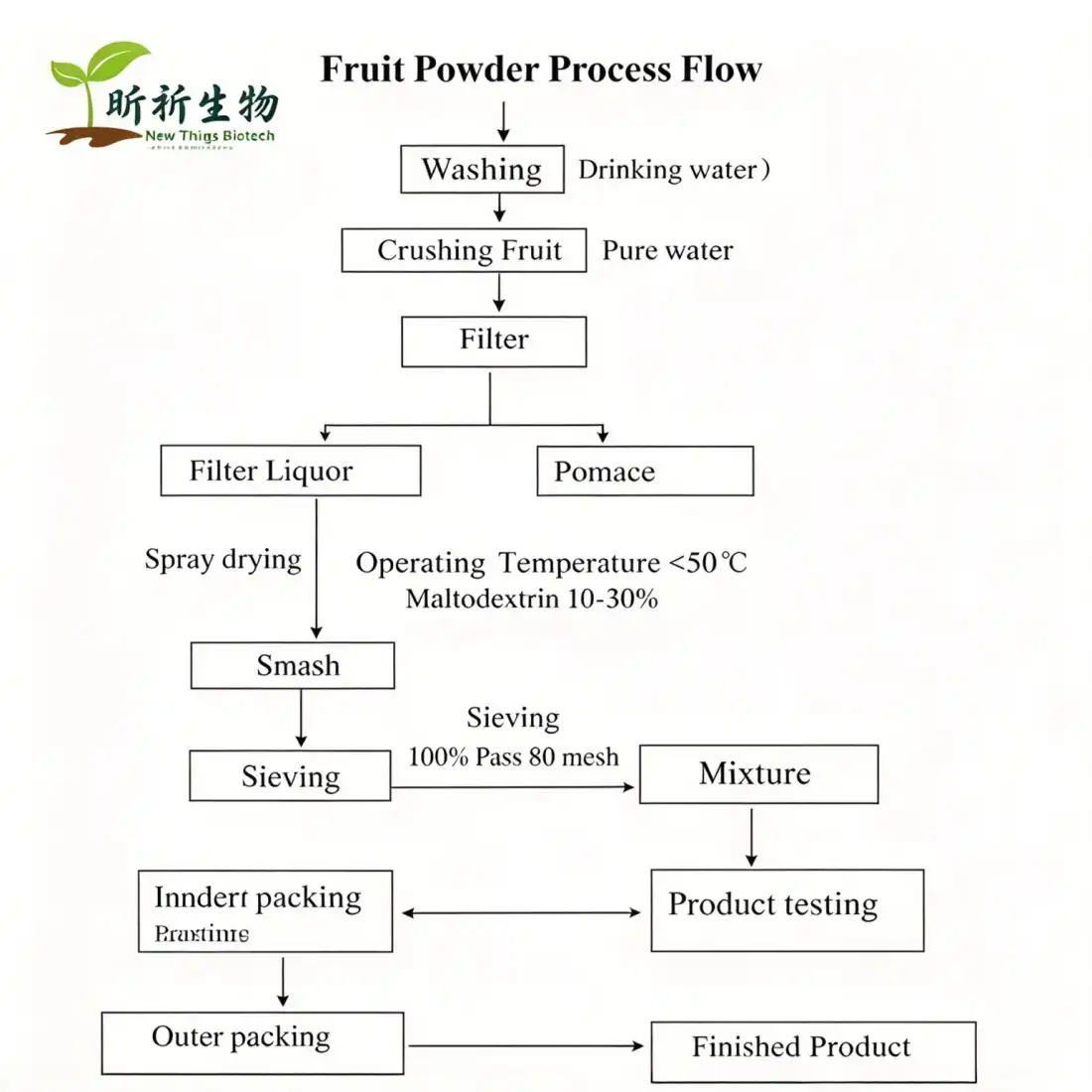
A spray dried lemon juice powder preserves the taste, acidity and much of the natural composition of lemon juice in a shelf stable form. Like other fruit powders, it's frequently produced with a food-grade carrier like maltodextrin, to stop the sugar- and acid-rich liquid from getting sticky. The natural amount of vitamin C in natural lemon juice powder is modest due to that carrier and the mild processing. Therefore, many companies when wanting a certain label claim may combine lemon powder with standardized vitamin C. The table below outlines the major chemicals and their function in supplement formulae.
| Lemon Compound | Typical Role in Supplements | Research Context | Formulation Note |
|---|---|---|---|
| Vitamin C (ascorbic acid) | Natural nutrition story; immune and skin positioning | Carr & Maggini, 2017; Pullar et al., 2017 | Pair with standardized vitamin C for precise label claims |
| Citric acid / citrate | Bright sourness; hydration-themed products | Penniston et al., 2007 | Balances sweetness and masks bitter notes |
| Eriocitrin, hesperidin | Citrus flavonoid content; antioxidant story | Miyake et al., 1997 | Supports "real citrus" positioning |
| Natural sugars | Rounds out flavor | — | Low inclusion keeps sugar contribution small |
| Lemon aroma compounds | Fresh, authentic citrus taste | — | Add late in processing to protect aroma |
Benefit Themes Brands Build Around Lemon
Immune Support and Daily Wellness
Immune support is one of the biggest segments in supplements and lemon is the most natural taste companion. In a frequently recognized review, Carr and Maggini describe how vitamin C contributes to a number of areas of the immune system, including the barrier function of skin and the activity of white blood cells. Miles and Calder evaluated citrus juices and their bioactive components and discussed their possible function in promoting healthy immunological and inflammatory responses . Lemon powder helps marketers provide vitamin C, zinc, elderberry and echinacea products that taste how customers expect wellness products to taste.
Skin and Collagen Formulas
Beauty-from-within products have been on the rise and vitamin C is at the heart of many of them since the body requires it to make collagen. Pullar, Carr and Vissers discussed the significance of vitamin C in skin health, including collagen production and antioxidant protection. That message is driven home with a lemon-flavored collagen drink or gummy. Its vibrant flavor helps to mask the subtle savory overtones of collagen peptides so customers enjoy taking the product every day.
A Natural Partner for Iron and Minerals
Iron supplements may have a metallic taste and might be challenging to take regularly. Teucher, Olivares, and Cori studied enhancers of iron absorption and identified ascorbic acid and other organic acids, including citric acid, as dietary enhancers of non-heme iron absorption. Adding lemon powder to iron and multimineral formulations makes them taste better and corresponds to the recognized science of combining iron with vitamin C and organic acids.
Hydration and Electrolyte Products
Electrolyte sachets and hydration pills are some of the fastest growing supplement types and lemon is a major selling flavor. The citrate story is functional . Citric acid provides these beverages a nice , crisp refreshing flavor . Some businesses have also examined lemon polyphenols for weight-management strategies. Fukuchi and colleagues found in a mouse research that lemon polyphenols helped reduce diet-induced weight gain. These studies are still in their infancy, but they do demonstrate the degree of curiosity researchers have with lemons for reasons other than their sweetness.
Creating a true lemon-flavored vitamin C gummy, electrolyte sachet, or collagen drink? Email your formula idea to info@newthingsbiotech.com Our technical staff will react within 2 hours with use-level recommendations and a free sample with its batch CoA.
Format-by-Format Uses
Effervescent Tablets and Stick Packs
When an acid reacts with a carbonate or bicarbonate in effervescent pills, fizz is produced. Lemon powder is a natural here, adding acidity and taste in a dry form that may be compacted or filled. Its fast solubility makes it perfect for sachets and stick packs. The user rips the pack, puts into water and in seconds has a brilliant lemon drink. Low moisture is needed in both forms. So moisture resistant foil wrapping and regulated humidity of manufacturing are vital.
Gummies and Chewables
Gummies are liked by many young customers, with sour citrus varieties being among the most popular. You may stir lemon powder into the cooling gummy mass, or combine it with a sour sugar coating to give each piece a tart initial taste. It helps to hide the taste of vitamins and minerals in chewable tablets, making children’s and adult chewables more palatable.
Capsules, Protein, and Greens Powders
Lemon powder has a lesser significance in capsules since the taste is concealed. Even some “whole-food” vitamin C products that tout their fruit origins nevertheless utilize it. Protein and greens powders are something else. Plant proteins & spirulina may be a little earthy or grassy in flavor, but a lemon accent gives the combination a lift. The table below provides useful beginning points by format.
| Supplement Format | Suggested Use Level | Main Contribution | Formulation Tip |
|---|---|---|---|
| Effervescent tablets | 5–15% of tablet weight | Acidity, flavor, fizz support | Keep production humidity low |
| Stick packs and sachets | 5–15% of dry blend | Real fruit taste, quick dissolving | Use foil laminate packaging |
| Electrolyte powders | 3–10% of dry blend | Crisp, refreshing taste | Balance with sodium and potassium salts |
| Gummies | 1–3% of gummy mass | Citrus flavor and sour note | Add during cool-down; use in sour coatings |
| Chewable tablets | 2–8% of tablet weight | Taste masking for vitamins and minerals | Pair with natural sweeteners |
| Collagen and protein powders | 2–5% of blend | Brightens savory or earthy notes | Combine with natural lemon flavor if needed |
| Greens and superfood blends | 2–5% of blend | Fresh citrus lift | Blend thoroughly for even distribution |
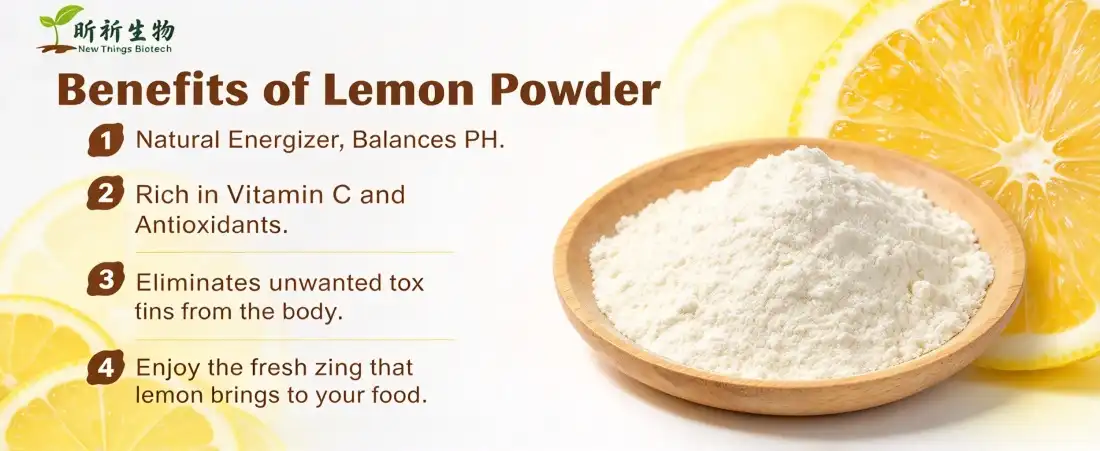
Formulation Notes for Lemon Powder
Moisture Control
Fruit powders are rich in sugars and acids, which are moisture-luring, and supplements are particularly moisture-sensitive. Effervescent pills may begin reacting too early, gummy coatings can become sticky, and powders can cake in their containers. Run manufacturing in humidity controlled facilities, keep bags of raw materials properly resealed and pick packaging that has strong moisture barriers. Bottles have desiccant canisters for further protection.
Flavor Layering
Lemon powder provides real citrus taste, although some extremely strong flavor profiles need layering. Many formulators mix it with a natural lemon taste or a splash of lemon peel extract to enhance the scent, and with other acids to adjust sourness. The quickest approach to establish the proper balance is to test a few ratios in the real product base.
Ingredient Compatibility
Spray dried lemon juice powder’s acidity usually works well with vitamins, minerals, collagen and botanicals. Consider the interaction during storage in formulae with carbonate minerals or other acid-reactive substances outside of effervescent systems. To preserve shelf-life stability, add the powder late in the mix and keep final goods dry.
Sourcing Lemon Powder for Supplement Production
What the Specification Should Show
Documentation is important since supplement brands answer to retailers, regulators and customers. Before accepting a supplier, request a detailed specification sheet and batch-specific CoA. The following is the normal profile of the NT Biotech Dried Lemon Juice Powder validated on each manufacturing batch.
| Item | Specification | Test Method |
|---|---|---|
| Botanical Source | Citrus limon (fruit juice) | Organoleptic |
| Process | Spray-dried | — |
| Carrier | Food-grade maltodextrin (ratio customizable) | — |
| Appearance | Pale yellow to off-white fine powder | Visual |
| Odor and Taste | Characteristic lemon, tart | Organoleptic |
| Solubility | Water soluble | — |
| Particle Size | 100% pass 80 mesh | Sieve |
| Loss on Drying | ≤ 5.0% | USP |
| Heavy Metals | ≤ 10 ppm | ICP-MS |
| Microbiology | TPC ≤ 10,000 cfu/g; yeast and mold ≤ 100 cfu/g; E. coli and Salmonella negative | USP |
| Storage and Shelf Life | Sealed, cool, dry, away from light; 24 months | — |
Why Supplement Brands Choose NT Biotech
NT Biotech said it would respond to all inquiries within two hours. Popular grades are stocked and delivered 1-3 working days following order confirmation. Production orders usually take 3-10 working days including raw material sourcing, processing, laboratory testing and packing. Samples ship directly from our plant, on our own FedEx and UPS accounts, and bulk orders ship by air or sea with reputable freight forwarders. We are ISO9001 quality management certified and certified KOSHER & HALAL. Our OEM and ODM services can customize carrier ratio, taste intensity and mesh size and provide completed stick packs, gummies or effervescent mixes. We accept payment in the native currency of the buyer as well.

Conclusion
Dried lemon juice powder delivers authentic citrus taste, natural acidity, vitamin C and flavonoids in one easy ingredient.” It's a perfect match for immune, skin, iron, and hydration formulae and works well in effervescent tablets, stick packs, candies, chewables, and protein or greens mixes. Good moisture management and clever flavor layering make items taste excellent and sell well. Shaanxi New Things Biotech is a trustworthy plant derivatives provider, providing batch-tested dried lemon juice powder with CoA documents and ISO9001, KOSHER, and HALAL certifications. From plant source to final product, we help complement brands with swift stock delivery, flexible logistics and personalized OEM solutions. Start working with us immediately and bring the fresh flavor of genuine lemon to your range.
FAQ
Q1: Why use lemon powder in supplements?
It adds real citrus flavor, natural acidity, and a clean-label fruit story in one ingredient.
Q2: Does lemon powder provide vitamin C?
Yes, naturally, but in moderate amounts. Pair it with standardized vitamin C for precise label claims.
Q3: Which supplement formats suit lemon powder best?
Effervescent tablets, stick packs, electrolyte powders, gummies, and chewables.
Q4: How do I prevent caking in finished products?
Control production humidity and use moisture-proof packaging with desiccants.
Q5: How fast can NT Biotech deliver?
Stock grades ship within 1–3 working days. Production orders take 3–10 working days.
Refresh Your Supplement Line with NT Biotech
Consumers enjoy vitamins that taste as wonderful as they feel and there’s no more trusted health flavor than lemon. NT Biotech offers dried lemon juice powder of authentic Citrus limon juice. It is spray dried for rapid solubility, finely milled for easy mixing and each batch has a CoA. We respond within 2 hours, send stock grades within days, accept payment in your local currency, and provide OEM and ODM assistance for effervescent pills, gummies, stick packs and hydration powders. Whether you’re launching a vitamin C candy or an electrolyte drink mix, our team will work with you to get the taste perfect. Contact us immediately for a free sample, complete specs and a competitive estimate info@newthingsbiotech.com.
References
1. Carr AC, Maggini S. Vitamin C and immune function. Nutrients. 2017;9(11):1211.
2. Pullar JM, Carr AC, Vissers MCM. The roles of vitamin C in skin health. Nutrients. 2017;9(8):866.
3. Teucher B, Olivares M, Cori H. Enhancers of iron absorption: ascorbic acid and other organic acids. International Journal for Vitamin and Nutrition Research. 2004;74(6):403–419.
4. Miles EA, Calder PC. Effects of citrus fruit juices and their bioactive components on inflammation and immunity: a narrative review. Frontiers in Immunology. 2021;12:712608.
5. Penniston KL, Steele TH, Nakada SY. Lemonade therapy increases urinary citrate and urine volumes in patients with recurrent calcium oxalate stone formation. Urology. 2007;70(5):856–860.
6. Miyake Y, Yamamoto K, Morimitsu Y, Osawa T. Isolation of C-glucosylflavone from lemon peel and antioxidative activity of flavonoid compounds in lemon fruit. Journal of Agricultural and Food Chemistry. 1997;45(12):4619–4623.