- English
- French
- German
- Portuguese
- Spanish
- Russian
- Japanese
- Korean
- Arabic
- Greek
- German
- Turkish
- Italian
- Danish
- Romanian
- Indonesian
- Czech
- Afrikaans
- Swedish
- Polish
- Basque
- Catalan
- Esperanto
- Hindi
- Lao
- Albanian
- Amharic
- Armenian
- Azerbaijani
- Belarusian
- Bengali
- Bosnian
- Bulgarian
- Cebuano
- Chichewa
- Corsican
- Croatian
- Dutch
- Estonian
- Filipino
- Finnish
- Frisian
- Galician
- Georgian
- Gujarati
- Haitian
- Hausa
- Hawaiian
- Hebrew
- Hmong
- Hungarian
- Icelandic
- Igbo
- Javanese
- Kannada
- Kazakh
- Khmer
- Kurdish
- Kyrgyz
- Latin
- Latvian
- Lithuanian
- Luxembou..
- Macedonian
- Malagasy
- Malay
- Malayalam
- Maltese
- Maori
- Marathi
- Mongolian
- Burmese
- Nepali
- Norwegian
- Pashto
- Persian
- Punjabi
- Serbian
- Sesotho
- Sinhala
- Slovak
- Slovenian
- Somali
- Samoan
- Scots Gaelic
- Shona
- Sindhi
- Sundanese
- Swahili
- Tajik
- Tamil
- Telugu
- Thai
- Ukrainian
- Urdu
- Uzbek
- Vietnamese
- Welsh
- Xhosa
- Yiddish
- Yoruba
- Zulu
It changes how skin stays moist because it holds up to 1,000 times its own weight in water, which is deeper than normal hyaluronic acid. The best sodium hyaluronate products have molecular weights that are just right to fix barriers, keep moisture in, and make skin look full. This molecule of glycosaminoglycan brings water into the skin and protects the stratum corneum by making a film on it. It is necessary to make safe and useful cosmetics, food supplements, and medicines of high quality.
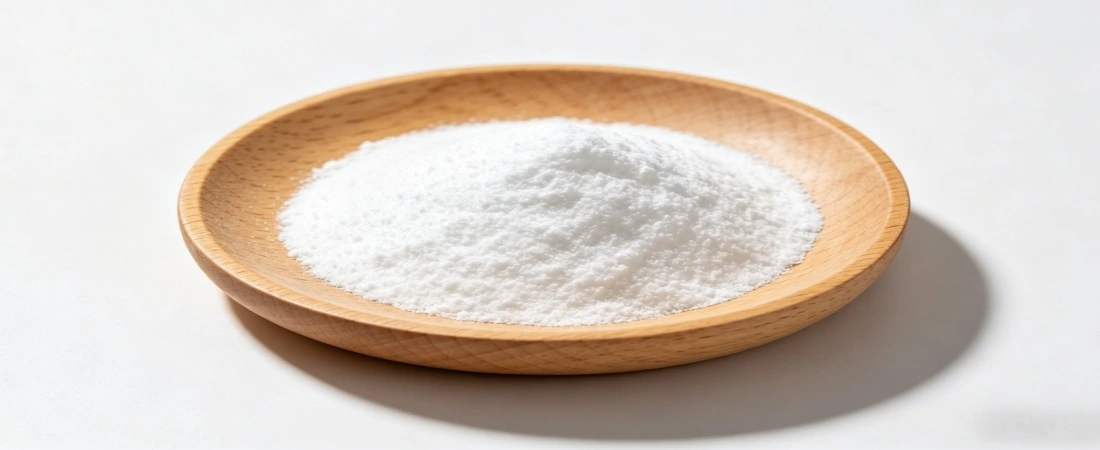
Understanding Sodium Hyaluronate: What It Is and How It Works?
Learn about sodium hyaluronate and how it works
Hyaluronic acid is a protein that the body makes itself. It is found in many places, but mostly in the skin, joints, and eyes. There is a sodium salt of hyaluronic acid that is called sodium hyaluronate. The molecule that it comes from is less solid and breaks more easily than sodium hyaluronate. When mixed with water, it dissolves quickly and doesn't stick together like some other hyaluronic acid powders do. This makes it the best choice for makers who want stability between production groups.
The Science Behind Deep Penetration
Sodium hyaluronate's chemical weight tells us how it works in recipes. Low molecular weight forms (10–100 kDa) get deep into the skin to help make more collagen and reduce swelling. Forms with a molecular weight of more than 1.5 MDa stay on the skin's surface and instantly create a barrier that keeps wetness in. Buyers can choose basic materials that match certain product claims, like those that claim to fight aging, heal cuts, or keep you hydrated all day if they know this range.
Hydration Mechanism and Collagen Support
The best sodium hyaluronate works by attracting water molecules into its polymer chains and holding them there. This process not only reduces fine lines but also conditions the skin so fibroblasts can produce collagen and elastin. Its biocompatible nature means the ingredient won't significantly irritate skin, making it suitable for both sensitive skin formulations and medical-grade applications requiring high safety standards.
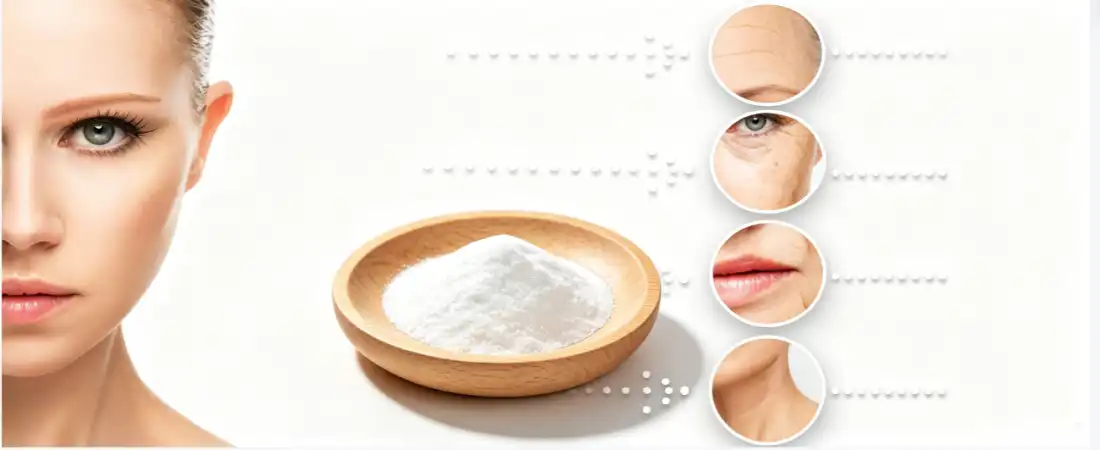
Comparing Sodium Hyaluronate Options: Choosing the Best for Your Formulations
When picking the correct kind of sodium hyaluronate, there are several specific things that need to be thought about. Goods that are used in medicine usually have purity levels above 99%. This is important for the security of the recipe and the customer's safety. Teams that buy things must also think about the source. Using Streptococcus zooepidemicus in new bio-fermentation ways makes old goods that came from animals safe for vegans and free of contamination.
Molecular Weight Variants and Formulation Goals
Multi-weight mixes are being used more and more by formulators to get more complex effects of hydration. On the surface, high molecular weight sodium hyaluronate soothes and smooths the skin right away. Low molecular weight parts fight aging over time by getting into the deeper layers of the skin. Choices with a medium molecular weight (1.0–1.5 MDa) are a good middle ground because they keep their wetness well without being too thick, which makes production harder.
Synergistic Combinations with Active Ingredients
When you add antioxidants like vitamin C to sodium hyaluronate, it works better because the polymer doesn't break down as quickly. Because it soothes, sodium hyaluronate helps retinoid mixes work better by lowering the discomfort that comes with using retinoid drugs. Brands can make one-of-a-kind products that treat more than one skin problem at the same time thanks to these links. This is important for keeping competitive in markets that are already established.
Fermentation-Derived vs. Synthetic Sources
Sodium hyaluronate made through bio-fermentation has consistent structural integrity and trace element values that meet HALAL, KOSHER, and vegan standards. This is important for reaching a wide range of customers. Synthetic production is cheap, but it doesn't always have the tight quality controls that medicine and high-end makeup need. The 99% pure sodium hyaluronate powder (CAS 9004-61-9) made by NT Biotech can meet these strict standards, and the company's united supply chain management helps keep costs low.
Practical Applications: How to Use Sodium Hyaluronate in Cosmetic and Therapeutic Products?
Many types of products use the best sodium hyaluronate, each requiring specific formulation approaches. Skincare serums with concentrations between 0.5% and 2% provide deep hydration without sticky feel. Creams and lotions typically contain 0.1% to 0.5% of this ingredient, where it forms a film to improve barrier function. Understanding these concentration ranges helps formulators optimize product performance for different applications and skin types.
Formulation Guidelines for Stability and Efficacy
Polymer chains don't break down when the pH stays between 6.0 and 7.5. This means that the product stays stiff and useful for as long as it lasts. When you slowly add sodium hyaluronate powder to water that is heated to 40–60°C, it doesn't stick together in a "fish-eye" form like it does when you mix it in too fast. Adding humectants like glycerin before mixing evens out the mix, which is very important when you're making a lot of things at once.
Real-World Applications Across Industries
People who make beauty products put food-grade sodium hyaluronate in pills and sweets to help skin stay hydrated from the inside out. People will buy this because it fits the "beauty from the inside out" trend. This part of eye drops is used because it has viscoelastic properties that keep the eyes wet and soothe redness. Sodium hyaluronate is useful for wound care because it keeps healing areas moist and stops scars from forming.
Safety and Regulatory Compliance
Sodium hyaluronate is very safe when used in the recommended amounts. It is not known to cause many side effects. Patch tests are still suggested for leave-on formulas made for sensitive groups. Making sure buyers give full Certificates of Analysis (CoA) that show bacteria limits, protein content (<0.1%), and heavy metal tests is important for making sure teams follow FDA and EU rules.
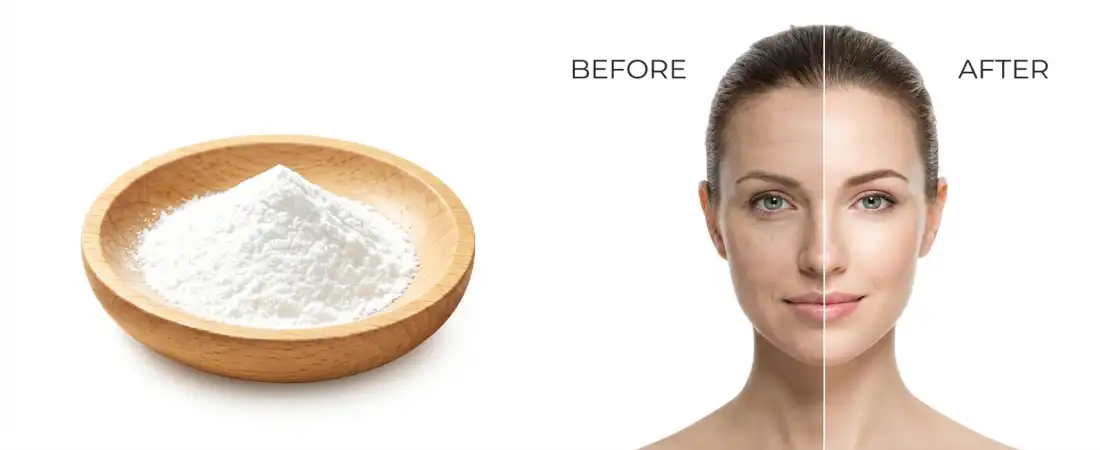
Making Informed Bulk Purchase Decisions: Procurement Insights for Sodium Hyaluronate
You need to do more than just check prices to find good sodium hyaluronate. When a company gets ISO9001 certification, the quality management system is controlled. When a company gets HALAL and KOSHER certification, the market grows. Labels that say "pharmacopoeia" (USP, EP, JP) make sure that the product meets those standards. This is important for medical gadgets and injectables.
Evaluating Supplier Reliability and Quality Control
The molecular weight distribution and glucuronic acid concentration (≥46%) are checked by batch-specific HPLC testing by trustworthy sellers. These are two things that are directly related to how well the product works. Buyers can find out how eco-friendly a product is and how stable its supply chain is by looking at where the raw materials come from and how they are harvested. NT Biotech always has 80-mesh sodium hyaluronate powder on hand, which means it can ship it two to four days after getting an order. For businesses that use just-in-time production plans, this is a big plus.
Pricing Structures and Cost Optimization
Best sodium hyaluronate in bulk costs vary based on molecular weight, purity requirements, and order size. Long-term supply agreements secure better pricing and consistent availability. The minimum order quantity starts at 25 kg, serving both emerging brands testing formulations and established companies needing full container shipments. Flexible packaging options like fiber drums and custom labels meet regulatory requirements across different international markets for pharmaceutical, nutraceutical, and cosmetic applications.
Geographic Considerations and Logistics
There are modern fermentation plants in China's Shaanxi province that use the area's knowledge of bacteria and cheap ways to make things. When buyers in Europe and North America use known freight partners for direct shipping, they can get things faster and with less trouble through customs. FEDEX and UPS rush accounts are used by NT Biotech to make sure that samples get shipped fast. It cuts down on time needed for research and development (R&D) and time to market.
Trusted Sodium Hyaluronate Sources: NT Biotech's B2B Advantage
For more than ten years, Shaanxi New Things Biotech has sold chemicals from plants and medicines to the pharmaceutical, nutraceutical, and beauty businesses around the world. Our unique extraction methods get the most useful chemicals from the plants while keeping the purity levels for important goods above 98%. This level of technical detail directly leads to stable recipe performance with less change from one batch to the next.
What Sets NT Biotech Apart
Our sodium hyaluronate powder is very stable, which makes it easy to make new mixtures since it dissolves completely in water and doesn't leave any residue. You can find a lot of good information in every package, such as a certificate of analysis (COA) that confirms the molecular weight, microbial tests, and stable data. You'll be able to file legal papers and get new goods to market faster with these results.
Flexible Service Model for Growing Brands
Our method is built on quick responses to customer questions. We send answers to initial questions within two hours, and our R&D team is also ready for technical help. We can help you with the recipe so that it meets your performance goals, whether you're making a vitamin C serum that needs low molecular weight sodium hyaluronate or a product for joint health that needs medium molecular weight versions.
Many types of businesses can use our services because we give them a variety of ways to buy. To try your recipes before you buy in bulk, you can get free samples. You can also make small batches for niche markets with our 25 kg minimum order number. Private labeling and other flexible package choices that fit the needs of their brand identity and delivery methods can help bigger companies. Special orders are made in 3–10 days, so even when demand goes up, we can keep up with supply.
Conclusion
You can find the best sodium hyaluronate in many cosmetic, nutritional, and medical products as the premier ingredient for skin moisture retention. Choosing suppliers who offer consistent quality, transparent documentation, and responsive technical support is key to procurement success. NT Biotech’s sodium hyaluronate powder is pharmaceutically pure, reasonably priced, and quickly supplied, helping your brand stand out. Understanding molecular weight and formulation relationships improves product performance and customer satisfaction.
FAQ
1. What molecular weight sodium hyaluronate is optimal for anti-aging formulations?
Sodium hyaluronate with a low molecular weight (10–100 kDa) can get deeper into the skin to help make collagen and smooth out fine lines. This makes it great for serums that fight aging. When you mix this with versions with a molecular weight of >1.5 MDa, you get multi-layered water that helps the skin stay flexible and plump in the short term.
2. How do I verify sodium hyaluronate supplier quality?
Ask for Certificates of Analysis that prove the product is pure (≥95%), has glucuronic acid (≥46%), no protein (<0.1%), and is germ-free. For example, ISO9001, KOSHER, and HALAL approvals show that the company handles quality in a standard way. When samples don't stick together when put in water, that means they were handled properly.
3. Can sodium hyaluronate cause adverse reactions?
It is very well taken by live things when used in the amounts recommended (0.1–2%). It also doesn't have many bad effects. Most of the time, grades that aren't very pure or aren't pure at all cause rare sensitivity responses. When making something to leave on, you should only use pharmaceutical-grade materials and make sure they are stable in the way they will be used.
Partner with NT Biotech for Premium Sodium Hyaluronate Supply
The best sodium hyaluronate that you can buy from NT Biotech is ready to help you make things. It's clear and stable enough to meet the highest standards. Our plant has ISO9001, KOSHER, and HALAL certifications. This means that our 99% pure powder (CAS 9004-61-9) ships in 2–4 days. It follows all laws around the world. Send an email to info@newthingsbiotech.com right now to get a free sample and see for yourself how the formulation benefits of better stability, regular molecular weight distribution, and full technical support can help you. Our buying pros can help you pick the best grades for your supplements, anti-aging serums, and other items. This way, you can be sure that your goods will build trust and company loyalty in a way that you can measure.
References
1. Papakonstantinou E, Roth M, Karakiulakis G. "Hyaluronic Acid: A Key Molecule in Skin Aging." Dermato-Endocrinology 4.3 (2012): 253-258.
2. Bukhari SNA, Roswandi NL, Waqas M, et al. "Hyaluronic Acid, a Promising Skin Rejuvenating Biomedicine: A Review of Recent Updates and Pre-clinical and Clinical Investigations on Cosmetic and Nutricosmetic Effects." International Journal of Biological Macromolecules 120 (2018): 1682-1695.
3. Kawada C, Yoshida T, Yoshida H, et al. "Ingested Hyaluronan Moisturizes Dry Skin." Nutrition Journal 13.1 (2014): 70.
4. Oe M, Sakai S, Yoshida H, et al. "Oral Hyaluronan Relieves Knee Pain: A Review." Nutrition Journal 15.1 (2016): 11.
5. Price RD, Berry MG, Navsaria HA. "Hyaluronic Acid: The Scientific and Clinical Evidence." Journal of Plastic, Reconstructive & Aesthetic Surgery 60.10 (2007): 1110-1119.
6. Jegasothy SM, Zabolotniaia V, Bielfeldt S. "Efficacy of a New Topical Nano-hyaluronic Acid in Humans." Journal of Clinical and Aesthetic Dermatology 7.3 (2014): 27-29.