- English
- French
- German
- Portuguese
- Spanish
- Russian
- Japanese
- Korean
- Arabic
- Greek
- German
- Turkish
- Italian
- Danish
- Romanian
- Indonesian
- Czech
- Afrikaans
- Swedish
- Polish
- Basque
- Catalan
- Esperanto
- Hindi
- Lao
- Albanian
- Amharic
- Armenian
- Azerbaijani
- Belarusian
- Bengali
- Bosnian
- Bulgarian
- Cebuano
- Chichewa
- Corsican
- Croatian
- Dutch
- Estonian
- Filipino
- Finnish
- Frisian
- Galician
- Georgian
- Gujarati
- Haitian
- Hausa
- Hawaiian
- Hebrew
- Hmong
- Hungarian
- Icelandic
- Igbo
- Javanese
- Kannada
- Kazakh
- Khmer
- Kurdish
- Kyrgyz
- Latin
- Latvian
- Lithuanian
- Luxembou..
- Macedonian
- Malagasy
- Malay
- Malayalam
- Maltese
- Maori
- Marathi
- Mongolian
- Burmese
- Nepali
- Norwegian
- Pashto
- Persian
- Punjabi
- Serbian
- Sesotho
- Sinhala
- Slovak
- Slovenian
- Somali
- Samoan
- Scots Gaelic
- Shona
- Sindhi
- Sundanese
- Swahili
- Tajik
- Tamil
- Telugu
- Thai
- Ukrainian
- Urdu
- Uzbek
- Vietnamese
- Welsh
- Xhosa
- Yiddish
- Yoruba
- Zulu
Hyaluronate skin care is usually at the top of the list when people who make cosmetics and people who buy them are looking for ingredients that really work. This naturally occurring material has changed how we think about barrier function, keeping moisture in, and reducing the signs of age in professional skin care products. Because it can hold up to 1,000 times its own weight in water, it is an essential ingredient in high-end serums, clinical-grade lotions, and healing systems for after surgery. When business-to-business buyers know how hyaluronic acid works at the molecular level, they can choose the right specs for their intended uses. This makes sure that the performance of the product meets both legal requirements and customer expectations in competitive markets.
Understanding Hyaluronic Acid and Hyaluronate in Skin Care
The Chemistry Behind Hydration Power
Both hyaluronic acid and sodium hyaluronate are glycosaminoglycans found in skin and connective tissue. Sodium hyaluronate is formed by neutralizing HA with sodium, creating a more stable, water-soluble molecule. This stability makes it valuable in cosmetics where pH stability matters. Both attract and hold water, but sodium hyaluronate's smaller molecular structure enables deeper skin penetration, making it better for barrier repair products.
Molecular Weight Variations and Their Applications
HA molecular weight affects performance. High MW (>1,000 kDa) forms protective surface films, reducing water loss. Medium MW (50–1,000 kDa) balances surface moisture with moderate penetration. Low MW (<50 kDa) penetrates deeper for cellular hydration. Procurement teams should know that modern formulations use multi-weight blends to address both immediate surface needs and long-term structural hydration across all skin layers.
Distinguishing Natural and Fermentation-Derived Sources
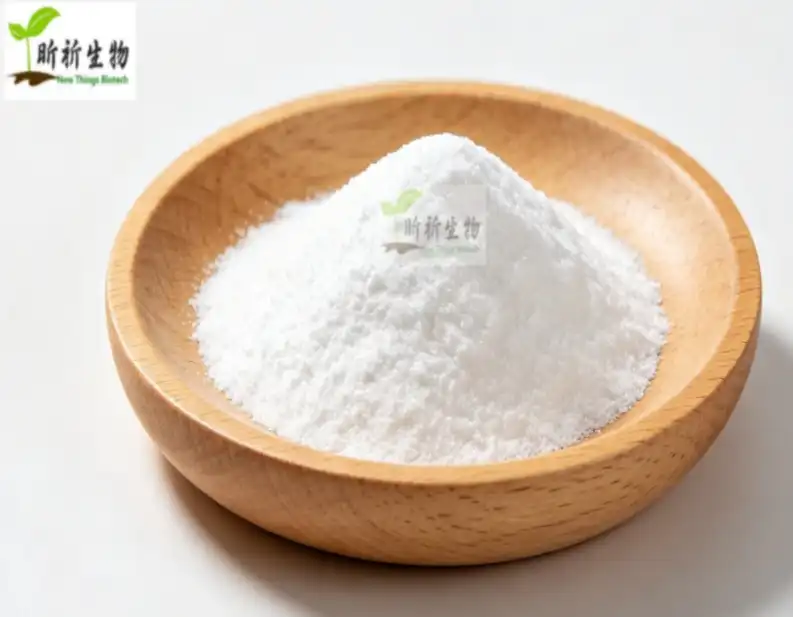
A common misunderstanding in B2B hyaluronate skin care sourcing is ingredient origin. Historically, HA came from animal sources like rooster combs. Today, most cosmetic-grade HA is produced via bacterial fermentation of non-GMO materials. This biofermentation process creates a cleaner, more uniform product meeting vegan and halal standards. NT Biotech's sodium hyaluronate powder is 99% pure through proprietary fermentation and purification, ensuring batch-to-batch consistency for regulatory compliance and formulation stability while eliminating animal-derived allergen concerns.
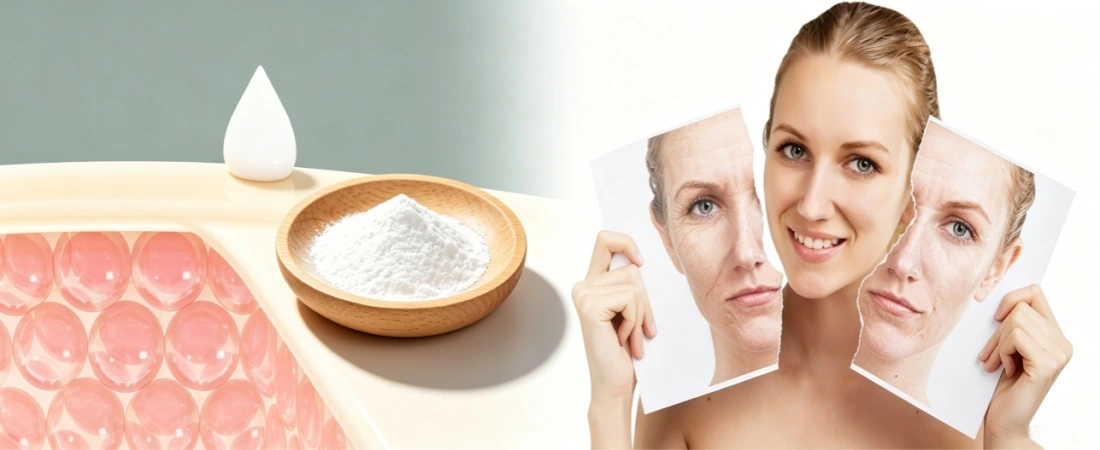
Key Benefits of Hyaluronic Acid for Deep Skin Hydration
Superior Water-Binding Capacity
Because of the way its molecules are structured, hyaluronic acid's ability to hold water is better than that of other humectants. Each disaccharide unit has several hydroxyl groups that connect with water molecules around it to form hydrogen bonds. This makes a wet mesh that keeps water even in places with low humidity. Comparison studies show that hyaluronic acid keeps moisture in the skin better than glycerin or propylene glycol, especially in leave-on products like serums and sleep treatments. It makes a bendable, breathable shield against wetness that doesn't block pores. This means that it can be used on all skin types, even oily and acne-prone skin. Because of its unique performance profile, hyaluronic acid has become the standard for deep moisture in high-end skin care lines.
Clinically Documented Skin Benefits
Hyaluronic acid has many perks besides just delivering wetness, as research keeps showing. Studies have shown that applying something to the skin makes it much more flexible within four to eight weeks of regular use, and fine lines caused by dry skin can be seen to get smoother. Because properly hydrated skin reflects light more evenly, the ingredient's ability to support the extracellular matrix helps improve skin structure and make it look more glowing. Additionally, hyaluronic acid can reduce inflammation, which makes it useful in skin care products for sensitive, reacting, or damaged skin. Many products used after procedures contain low molecular weight hyaluronate to help the skin heal faster and cause less soreness after chemical peels, laser treatments, or microneedling sessions.
Application Protocols for Optimal Performance
How well a product works depends a lot on how it was made and how it was used. Hyaluronic acid works best when it is put on skin that is still damp. This is because it can bind to the epidermis better when it is wet. Hyaluronic acid is usually found in amounts between 0.1% and 2% in formulas. Higher concentrations don't always mean more benefits. In dry areas, B2B companies should tell end users to put hyaluronic serums on top of occlusive moisturizers to keep moisture from evaporating. The ingredient stays stable at pH levels between 4.0 and 8.5, which gives formulators a lot of options for making products that work well with other active ingredients like niacinamide, peptides, and vitamins. These useful tips help brands place their goods correctly and keep customers' hopes in check when it comes to seeing results.
Comparing Hyaluronic Acid Products for B2B Procurement
Evaluating Alternative Hydrating Ingredients
Teams that buy things often compare hyaluronic acid to other ingredients that focus on moisture, like glycerin, squalane, and ceramides. Each has its own benefits: glycerin instantly moisturizes the skin at a lower cost; squalane provides barrier protection without feeling heavy; and ceramides restore the barrier lipids specifically. Hyaluronic acid, on the other hand, is the only ingredient that deeply moisturizes, feels light, and works with a wide range of skin types. This makes it an essential ingredient in high-end formulas. The market worth of the ingredient goes up even more because it has a clean label appeal and is well known by consumers. A lot of popular skin care products use hyaluronic acid and conditioners that work well together to make systems that hydrate and treat multiple skin problems at the same time.
Product Format Considerations
In hyaluronate skin care, various industrial forms suit different production needs. Powdered sodium hyaluronate offers maximum formulation flexibility, longer shelf life, and easier inventory management. Pre-dissolved gels are convenient for smaller operations but may contain preservatives. Encapsulated or cross-linked forms provide enhanced stability and extended release at higher cost. NT Biotech offers pharmaceutical-grade powder with 80-mesh particles for rapid dissolution and smooth texture in finished goods.
Supplier Evaluation Criteria
Finding a trustworthy hyaluronic acid provider requires looking at a lot of different factors. As part of quality paperwork, there should be a Certificate of Analysis (CoA) with data from microbial tests, heavy metals screening, and HPLC proof of purity. Certifications like ISO 9001, Kosher, and Halal show that a product meets quality standards and can be sold in certain markets. Supply chain openness, such as being able to track down raw materials and follow Good Manufacturing Practice (GMP), guards against regulatory and quality threats. In addition to product prices, technical support services like formulation advice and stability testing guidance add a lot of value. With more than ten years of experience working with cosmetics companies from around the world, companies like NT Biotech offer the trustworthiness and knowledge needed for long-term relationship success in global markets that are always changing.
Strategic Procurement Considerations for Hyaluronic Acid Skin Care
Sourcing Channels and Quality Assurance
There are different ways for procurement workers to get hyaluronic acid, and each has its own pros and cons. When it comes to price, technical help, and supply security, direct manufacturer ties are the best. This is especially true for well-known formulations with reliable volume needs. Specialized ingredient wholesalers make it easy to get what you need and have lower minimum orders that are good for product development or small production runs. Online B2B platforms give buyers more seller choices, but they also require buyers to do more research to make sure the products they buy are real. No matter the route, incoming quality control testing, such as name verification, purity analysis, and microbial screening, keeps you safe from low-quality materials that hurt the performance of the finished product. Setting up two sources for important products lowers the risk of supply disruptions without lowering quality standards.
Cost Management and Supply Chain Logistics
Strategic methods help procurement that combines the need for quality with the limitations of the budget. By making promises to buy in bulk, you can get better prices and make sure that there is enough stock turnover to keep things from going bad. Combining orders from different product lines lowers the cost of sending each item and makes managing vendors easier. Understanding what affects prices, like the cost of raw materials, the size of the production, and the cost of licensing, makes it easier to negotiate with suppliers. Maintaining the effectiveness of hyaluronic acid requires the right storing conditions. The ingredient should be kept in sealed packages at a controlled room temperature, away from direct sunlight and moisture. NT Biotech keeps a ready supply of popular specs, so they can ship within two to four days of receiving an order. This saves clients' working capital that would otherwise be used to pay for extra stock.
Customization and Regional Market Alignment
As the market gets more complex, it needs products that are tailored to regional tastes and rules. In the US, clean labels and scientific proof are very important, while in Europe, sustainability standards and proof of ethical sources are more important. Clinical data shows that Asian markets have a strong need for high-purity products that can be used for more than one thing. OEM partnerships let brands create their own formulas with specific molecular weight mixes, concentration levels, and pairs of ingredients that work well together. This helps products stand out in categories that are already very crowded. Custom specs, private label packaging, and formulation development help are all possible through NT Biotech's flexible production capabilities. This lets procurement teams respond quickly to new trends and customer demands without having to keep a lot of R&D infrastructure in-house.
Future Trends and Innovation in Hyaluronic Acid Skin Care
Advanced Delivery Technologies
New developments in hyaluronate skin care focus on improved bioavailability and targeted delivery. Nano-encapsulation protects the molecule and enables deeper skin penetration for collagen production and cell repair. Cross-linking technologies create three-dimensional hydrogels for sustained moisture release. Combining HA with penetration enhancers like liposomes or peptide carriers improves efficacy without reducing tolerance. These advances enable premium product positioning and differentiation in markets saturated with basic HA serums.
Sustainability and Eco-Conscious Formulation
As more people want eco-friendly beauty items, brands are making decisions about what to buy based on environmental factors. Biofermentation methods for making hyaluronic acid leave much smaller carbon footprints than methods that use animals to get the acid. These methods are also in line with vegan and cruelty-free beliefs. Suppliers that have programs for recycling water, using green energy, and cutting down on trash give your brand more environmental accolades that make your story stronger. Biodegradable drums, concentrated forms that lower shipping pollution, and refillable systems are some of the new packaging innovations that cover the whole lifecycle of a product. Sustainability traits are no longer differentiators in the high-end beauty market; instead, procurement teams should look at suppliers' environmental pledges along with standard quality and cost criteria.
Market Growth and Niche Opportunities
The market for hyaluronic acid is still growing quickly. By 2030, it's expected to have grown by more than 8% per year on average. The industry is growing because people are living longer, learning more about how ingredients work, and using them for more than just face care. They are also being used in body, hair, and personal care products. New business possibilities are opening up in customized formulas for certain groups of people, such as skin care products for women going through perimenopause, gender-neutral grooming lines, and sensitive skin products for people living in cities with a lot of pollution. The clean beauty trend makes people want simple formulas, and because hyaluronic acid can do many things, it makes ingredient lists simpler. Procurement workers who keep an eye on these trends and keep relationships with suppliers that can support quick product development will put their companies in a good position to grow in market areas that are changing.
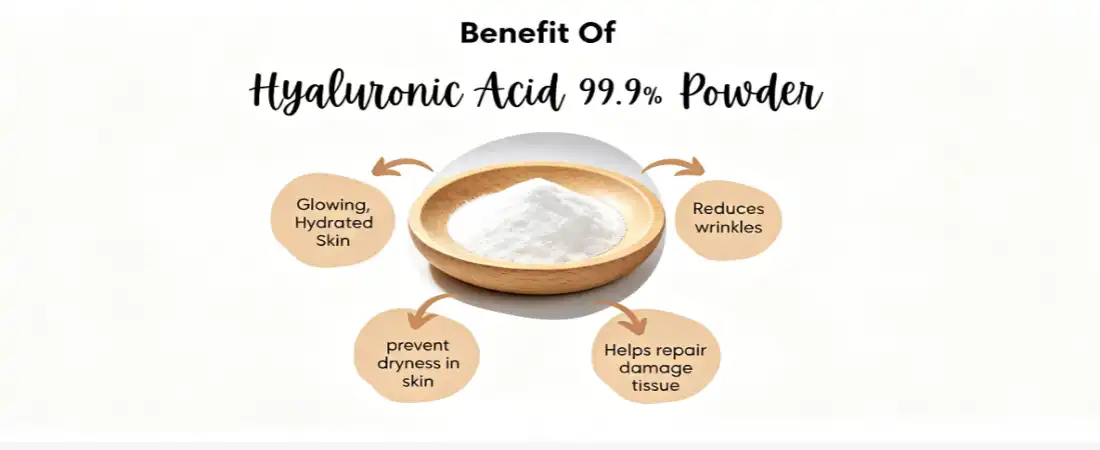
Conclusion
Hyaluronic acid is an important ingredient in competitive hyaluronate skin care because it works well, is compatible with many substances, and is well known by consumers. Procurement professionals can meet strict performance standards by learning molecular weight differences, sourcing biofermented materials with full quality documentation, and working with suppliers offering consistency and innovation. Strategic ingredient sourcing is increasingly vital for brand success and market differentiation as consumer needs shift toward sustainability and advanced delivery systems.
FAQ
1. What differentiates hyaluronic acid from sodium hyaluronate in formulations?
Sodium hyaluronate is hyaluronic acid in the form of a sodium salt. It is more stable and dissolves better in water-based mixtures. Even though both are great at keeping skin moist, sodium hyaluronate is better for barrier repair products because its molecules are smaller, which lets them work better with the skin. When making cosmetics, formulators often choose based on the feel they want, how deeply they want to penetrate, and how well they work with other active ingredients.
2. Can hyaluronic acid cause adverse reactions in sensitive skin?
Many kinds of skin can tolerate hyaluronic acid very well, even sensitive and allergic skin. Adverse responses are very rare and are usually caused by contamination, preservatives, or other ingredients in the mix, not the hyaluronic acid itself. Studies in humans have shown that its anti-inflammatory qualities help sensitive skin heal. To reduce the chance of irritation, procurement teams should focus on getting high-purity materials (>98%) from approved sources.
3. What application frequency delivers optimal hydration results?
Most doctors say that hyaluronic acid serums should be put on damp skin twice a day, in the morning and at night, and then an occlusive lotion should be used to seal in the moisture. Concentration is less important than consistency; products that use 0.5 to 1% hyaluronic acid usually work better than those that use higher amounts occasionally. To get the most out of their products and keep customers happy, B2B clients should teach end users the right way to layer.
Partner with NT Biotech for Premium Hyaluronic Acid Solutions
You can trust NT Biotech as a hyaluronate skin care provider because they offer pharmaceutical-grade sodium hyaluronate powder (99% pure, CAS: 9004-61-9) that is certified as ISO, Kosher, and Halal. Our special biofermentation method makes sure that each batch is exactly the same, and we provide full quality paperwork that includes HPLC verification and microbial tests to help you meet regulatory requirements. We offer a responsive relationship for your formulation development needs, with ready-to-ship products that can be delivered in two to four days and OEM capabilities that allow for custom molecular weight specs. Our expert team gives free recipe advice and samples to B2B buyers who meet the requirements. Get in touch with us right away at info@newthingsbiotech.com to find out how our dependable supply chain, low prices, and scientific knowledge can help you improve your product line with water solutions that set your business apart in the market and keep customers coming back.
References
1. Papakonstantinou E, Roth M, Karakiulakis G. "Hyaluronic Acid: A Key Molecule in Skin Aging." Dermato-Endocrinology 4.3 (2012): 253-258.
2. Bukhari SNA, Roswandi NL, Waqas M, et al. "Hyaluronic Acid, a Promising Skin Rejuvenating Biomedicine: A Review of Recent Updates and Pre-clinical and Clinical Investigations on Cosmetic and Nutricosmetic Effects." International Journal of Biological Macromolecules 120 (2018): 1682-1695.
3. Keen MA. "Hyaluronic Acid in Dermatology." Skinmed 15.6 (2017): 441-448.
4. Goa KL, Benfield P. "Hyaluronic Acid: A Review of Its Pharmacology and Use as a Surgical Aid in Ophthalmology and Its Therapeutic Potential in Joint Disease and Wound Healing." Drugs 47.3 (1994): 536-566.
5. Essendoubi M, Gobinet C, Reynaud R, et al. "Human Skin Penetration of Hyaluronic Acid of Different Molecular Weights as Probed by Raman Spectroscopy." Skin Research and Technology 22.1 (2016): 55-62.
6. Jegasothy SM, Zabolotniaia V, Bielfeldt S. "Efficacy of a New Topical Nano-hyaluronic Acid in Humans." Journal of Clinical and Aesthetic Dermatology 7.3 (2014): 27-29.