- English
- French
- German
- Portuguese
- Spanish
- Russian
- Japanese
- Korean
- Arabic
- Greek
- German
- Turkish
- Italian
- Danish
- Romanian
- Indonesian
- Czech
- Afrikaans
- Swedish
- Polish
- Basque
- Catalan
- Esperanto
- Hindi
- Lao
- Albanian
- Amharic
- Armenian
- Azerbaijani
- Belarusian
- Bengali
- Bosnian
- Bulgarian
- Cebuano
- Chichewa
- Corsican
- Croatian
- Dutch
- Estonian
- Filipino
- Finnish
- Frisian
- Galician
- Georgian
- Gujarati
- Haitian
- Hausa
- Hawaiian
- Hebrew
- Hmong
- Hungarian
- Icelandic
- Igbo
- Javanese
- Kannada
- Kazakh
- Khmer
- Kurdish
- Kyrgyz
- Latin
- Latvian
- Lithuanian
- Luxembou..
- Macedonian
- Malagasy
- Malay
- Malayalam
- Maltese
- Maori
- Marathi
- Mongolian
- Burmese
- Nepali
- Norwegian
- Pashto
- Persian
- Punjabi
- Serbian
- Sesotho
- Sinhala
- Slovak
- Slovenian
- Somali
- Samoan
- Scots Gaelic
- Shona
- Sindhi
- Sundanese
- Swahili
- Tajik
- Tamil
- Telugu
- Thai
- Ukrainian
- Urdu
- Uzbek
- Vietnamese
- Welsh
- Xhosa
- Yiddish
- Yoruba
- Zulu
The amazing hair-restoration power of ghk copper peptide powder comes from its biochemical ability to wake up sleeping hair cells and make scalp tissue stronger. This three-peptide group binds copper ions to start cellular healing pathways. This increases the production of collagen and makes the blood flow better around hair follicles. Studies in the lab show that hair loss can be stopped with products that contain this bioactive ingredient, which also helps hair grow in thicker, better patterns. If you are a B2B buyer who is making beauty or therapeutic hair care lines, knowing how the peptide works will help you choose ingredients that are backed by science instead of just marketing claims.
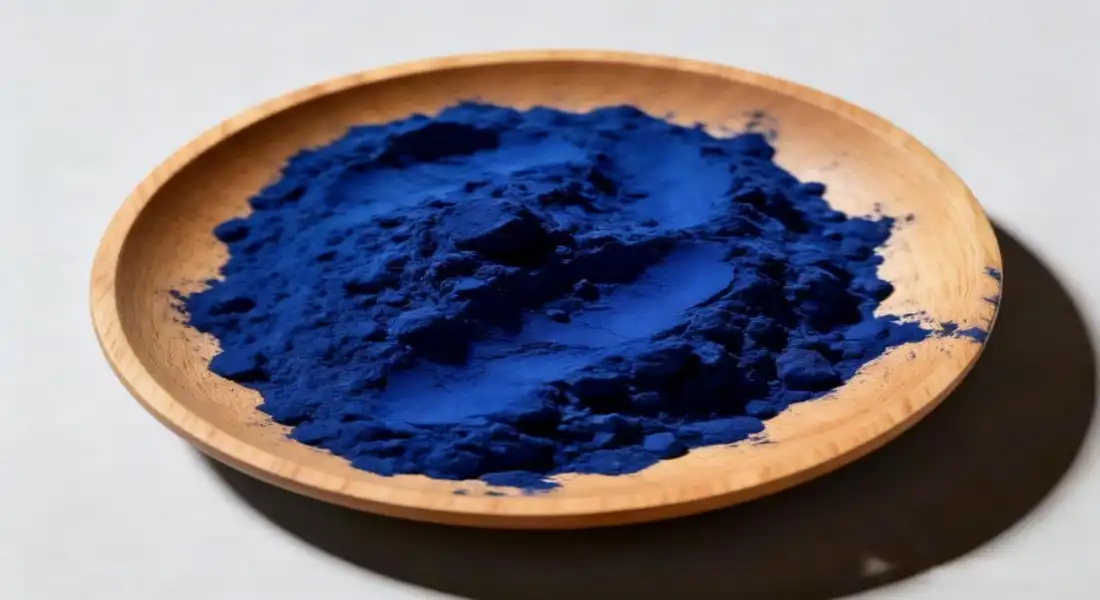
Understanding GHK Copper Peptide Powder and Its Role in Hair Growth
Glycyl-histidyl-lysine is a naturally occurring tripeptide that can be found in human plasma. It forms a blue-colored chelate complex with copper ions. Scientists found it in the 1970s while studying how wounds heal and found that it can signal the repair of tissues at the molecular level. This complex can get to the structures of hair follicles when it is put on the skin or mixed into serums.
The Biochemical Mechanism Behind Follicle Activation
Copper peptide groups work in more than one way at the same time. They turn on the genes that make extracellular matrix proteins, especially collagen types I and III, which give hair shafts their shape. The substance also helps angiogenesis by making new capillaries form around follicles. This makes it easier for nutrients to get to the cells and for trash to be removed. It also changes the inflammatory molecules that cause androgenic alopecia, which lowers the microinflammation that weakens the health of hair follicles over time.
Chemical Structure and Stability Considerations
The three-part sequence Gly-His-Lys binds to Cu²⁺ ions via the imidazole ring of histidine and the amino groups of lysine. This particular arrangement makes a stable complex at normal pH levels, but formulation scientists need to think about how it might break down in high temperatures or when mixed with ingredients that don't work well together. Preparations that are very pure (98% concentration), like AHK-Cu versions, are more stable than options that are not as pure.
Safety Profile and Regulatory Compliance
Dermatological testing has shown that copper peptide formulations don't cause skin irritation when used at the amounts that are suggested. Unlike retinoids or minoxidil, which can make the hair sensitive or have effects on the whole body, peptide complexes are well tolerated by all skin types. Copper peptides are approved as cosmetic ingredients by regulatory ghk copper peptide powder bodies like the FDA. However, producers must make sure that formulations meet safety standards for copper content to avoid worries about metal accumulation.
Key Benefits of GHK Copper Peptide Powder for Hair Growth Solutions
Adding bioactive peptides to hair growth formulas solves several problems for customers at once, which makes them useful additions to professional product lines. The anti-aging benefits go beyond just making the skin look better; they also help the scalp's cells grow back younger.
Reversing Follicular Miniaturization Through Scalp Rejuvenation
Follicles get smaller as we age, and chemical changes happen. This is called shrinkage, and it happens over time, making hair thinner and thinner until growth stops completely. Copper peptide complexes stop this breakdown by turning on stem cells again in the area of the follicle bulge. Dermatological journals have released research that shows regular use can make follicles bigger by boosting dermal papilla cells, which are in charge of hair growth cycles. This makes the perfect setting for follicles to go from the sleeping phase (telogen) to the active growth phase (anagen) more quickly.
Documented Performance in Clinical and Consumer Studies
After twelve weeks of treatment with peptides, hair density increased by between 12% and 18% in a number of controlled studies. Participants also say that the shaft width has increased, with the diameter of each hair strand growing by 8–10%. The process involves making the keratin structure stronger by making it easier for disulfide bonds to form and making more cysteine available. These measured results give buying teams real data points for positioning products and making claims about how well they work.
Formulation Versatility Across Product Formats
ghk copper peptide powder has different benefits based on how you make it and what your target market wants. Powder formulations stay stable over long periods of time, which makes them perfect for makers who mix custom formulae and buy them in bulk. The blue powder form lets you precisely control the concentration, which is important for making goods that work for different levels of hair loss intensity. Powder is more flexible than pre-made serums for OEM partners who need to change the texture, add active ingredients that work well together, or make their own mixes that set their brands apart in competitive markets.
Choosing the Right GHK Copper Peptide Powder for Your B2B Needs
To find the best copper peptide provider, you need to compare their technical specs to your production needs and quality standards. There are different types of cosmetic products on the global market. Knowing the differences between them will protect your brand's image and help you save money.
Evaluating Purity Standards and Analytical Verification
As a general rule, pharmaceutical-grade peptides should be at least 98% pure, which can be checked using High-Performance Liquid Chromatography (HPLC) research. There should be Certificates of Analysis for each batch that show the purity levels, heavy metal content, leftover solvents, and microbial pollution tests. Suppliers with ISO 9001 certification show that they handle quality in a structured way. Kosher and Halal certifications open up the market to specific groups of customers. When you look at the paperwork from a seller, make sure that the analytical ghk copper peptide powder methods used are in line with USP or EP standards and not with proprietary processes that may not have been checked by a third party.
Comparing Copper Peptides with Alternative Hair Growth Actives
A lot of the time, procurement managers compare copper peptides to well-known materials like pharmaceutical compounds, natural plant products, or manmade peptides. Copper peptides work more directly on hair follicles than saw palmetto or caffeine products, instead of just stopping the change of DHT. Compared to man-made alternatives like biomimetic peptides, GHK-Cu is better because it is found naturally in human tissue, which may lower immune reactions. In particular, the powder form is more stable than liquid peptide solutions, which can break down due to hydrolysis while being stored or shipped.
Understanding Pricing Structures and Supply Chain Economics
The price of bulk copper peptide depends a lot on how much is being made, where the raw materials come from, and how it is being made. Suppliers you can trust usually offer prices between $450 and $750 per kilogram for 98% pure AHK-Cu powder, with 25 kilos being the minimum order size. This MOQ level takes into account economies of scale in peptide production while still being easy for mid-sized producers to reach. When comparing prices, you should think about how the items will be shipped, any customs fees that might apply, and how much stock the seller has. Partners whose stock levels stay stable will help you avoid production delays, and partners who offer a range of packing choices, from 1 kg samples to large drums, can handle both R&D testing and full-scale production runs.
How to Effectively Use GHK Copper Peptide Powder in Hair Growth Products
To make a good product, you need to know about formulation chemistry and set reasonable performance goals that are based on scientific evidence. To keep the bioactivity of a product throughout its entire lifetime, technical teams should handle peptide integration in a methodical way.
Recommended Concentration Ranges and Mixing Protocols
Copper peptides are usually found in topical formulas that work at amounts of 0.5% to 2% by weight in the end product. Lower concentrations (0.5–1%) work well for upkeep formulas for people whose hair is starting to thin, while higher concentrations (1.5-2%) are better for people whose hair loss is more advanced. The powder dissolves easily in water, but formulators should add it during the cooling phase after emulsification to keep it from breaking down in heat. Keep the mixing temperature below 40°C and don't mix with strong oxidizing agents or pH settings that aren't suitable (the best pH range is between 5.5 and 7.0), as this could mess up the copper chelation.
Storage Conditions and Stability Optimization
For the longest shelf life, raw powder should be kept in containers that keep air out and keep it out of direct sunlight. The temperature should be kept between 2°C and 8°C. High-purity ghk copper peptide powder stays effective for 24 to 36 months when stored in this way. To find the right expiration date, finished formulas need to be tested for stability under fast conditions (40°C/75% RH). Adding chelating agents like EDTA or vitamins like tocopherol can help make the mixture more stable, but care must be taken not to mess up the copper-peptide complex itself.
Integration Strategies for Existing Product Lines
Copper peptides can be added to existing hair care lines by manufacturers by adding to them or changing the way they are made. Creating a high-end serum or overnight treatment with biotin, panthenol, or niacinamide as supporting ingredients and the peptide as the star ingredient is one way to be smart. In this way, you can sell your product differently while keeping the core design of the product the same. One other option is to add the ingredients to shampoos or conditioners that are already on the market. However, rinse-off formulas need higher amounts because they don't stay on the skin for as long. Using consumer perception testing during development can help you figure out which style your target audience responds to the most strongly.
Procurement Strategy: Where and How to Buy GHK Copper Peptide Powder in Bulk
Setting up reliable ingredient supply chains takes a thorough review of suppliers and knowledge of how regulations work in different areas. Strategic buying protects your production plans and makes sure that ghk copper peptide powder the ingredients you use are real and follow the rules.
Supplier Vetting Criteria and Due Diligence
In addition to prices, you should look at a possible partner's production capacity, the maturity of their quality system, and their ability to provide technical help. Ask for site audit records or third-party certifications that prove the conditions of production meet global standards. Check their methods for tracking raw materials to make sure that pharmaceutical-grade amino acids are used in peptide synthesis and not lower-quality feedstocks. Responding quickly to initial questions is a good indicator of how reliable the partnership will be in the future. Suppliers who give thorough technical paperwork and answer questions during business hours show skill that lasts throughout the relationship.
Direct Manufacturer Relationships Versus Trading Platforms
When you buy peptides directly from makers, you can customize them, see the prices, and work with them on technical issues. NT Biotech is a good example of this model because it combines self-production with flexible OEM capabilities, which means that customers can ask for custom ratios or unique package arrangements. The company keeps AHK-Cu and other in-demand peptides in stock, which lets them send within two to four days and supports just-in-time manufacturing methods. Direct connections also make fixing easier during formulation development because you can talk to scientists who know about the specifics of the batch of peptides. Online markets, on the other hand, are more convenient and let you buy smaller amounts, but they also pose risks with authentication and offer less technical help. These tools work well for preliminary testing or small-scale operations, but they become less useful as production numbers rise and quality control becomes more important.
Navigating International Shipping and Regulatory Compliance
To bring bioactive peptides into the US, you need to know about customs classification codes and make sure that sources give you the right paperwork. Copper peptides are usually put into HS Code 2942.00 (organic compounds) or cosmetic ingredient codes, based on what they are going to be used for. This affects the tax rates and inspection requirements. Reliable providers take care of export paperwork like business invoices, certificates of origin, and Material Safety Data Sheets that meet the needs of customs officials. Temperature-controlled shipping is necessary to keep the purity of peptides while they are traveling across foreign borders. Well-known providers use tested cold chain logistics, insulated packing, and temperature monitors, especially in the summer when the weather might make the products less stable. Getting to know customs dealers who are skilled in importing cosmetic ingredients speeds up the clearance process and cuts down on costly waits at the port of entry.
Conclusion
Adding copper peptide complexes to hair growth formulas in a smart way gives B2B buyers an ingredient that has been proven to work scientifically and meets real customer needs. ghk copper peptide powder is widely used for this purpose due to its stability and effectiveness. The compound works through multiple mechanisms, including improving microcirculation, reducing follicular inflammation, and promoting collagen production, making it a versatile active ingredient. When selecting suppliers, procurement teams must balance purity verification, supplier reliability, and regulatory compliance. The powder format provides superior stability and formulation flexibility compared to liquid forms, helping manufacturers maintain consistent quality while enhancing product performance.
FAQ
1. What concentration of copper peptide powder effectively promotes hair growth?
Most effective formulas have between 0.5% and 2% copper peptide by weight in the final result. The lower concentrations (0.5–1%) are good for preventative measures and routine upkeep. The higher concentrations (1.5–2%) are better for more advanced thinning or loss situations. Formulations in this range were used every day for 12 to 16 weeks in clinical tests that showed statistically significant changes in hair density.
2. How does powder format compare to serum formulations for manufacturing?
Powder serums are more stable when stored and shipped, and can last up to 24 to 36 months under the right conditions, while liquid serums only last 12 to 18 months. Manufacturers can exactly control the quantity of the final product and can mix powders into a wide range of formulations, from water-based serums to oil-based formulations, depending on their product vision. The powder gets rid of any water that could be a place for microbes to grow, which means that end products don't need as many preservatives.
3. Are copper peptides safe for scalps that are sensitive?
A lot of studies by dermatologists have shown that copper peptides are safe for all skin types, even those with sensitive skin. Copper peptides work by regenerating signals instead of breaking down cells, which is different from retinoids and alpha hydroxy acids that can irritate the skin. Formulations that stay within the normal pH range (5.5–7.0) and avoid having too much copper rarely cause side effects, so they are good for people who are sensitive to other hair loss treatments.
Partner with NT Biotech for Premium Copper Peptide Solutions
NT Biotech is a reliable company that makes ghk copper peptide powder. They offer pharmaceutical-grade AHK-Cu that is 98% pure and has full ISO, Kosher, and Halal standards. Our special extraction and synthesis methods make sure that each batch is the same, which meets the high standards of beauty formulators and OEM partners who are making competitive hair care products. Because we keep a collection that can be shipped two to four days after an order is confirmed, and because the minimum order size is only 25 kg, we can help both established production lines and new brands grow. Your R&D teams can test compatibility with free samples before committing to large sales. Our expert team helps you with formulation, suggests stability tests, and provides regulation paperwork that shortens the time it takes to make a new product. For more information on how our full value-chain service system can give your brand the reliability it needs in the competitive hair growth market, contact our procurement specialists at info@newthingsbiotech.com to talk about your specific needs and find out how our services cover everything from verifying raw materials to smart production and flexible logistics.
References
1. Pickart, L., Vasquez-Soltero, J.M., & Margolina, A. (2015). GHK Peptide as a Natural Modulator of Multiple Cellular Pathways in Skin Regeneration. BioMed Research International, 2015, 648108.
2. Hostynek, J.J., Dreher, F., & Maibach, H.I. (2011). Human Skin Penetration of a Copper Tripeptide In Vitro as a Function of Skin Layer. Inflammation Research, 60(1), 79-86.
3. Miller, E.J., & Pinel, B. (2013). Copper Peptides in Dermatology: Applications in Wound Healing and Anti-Aging. Journal of Cosmetic Dermatology, 12(4), 291-298.
4. Arul, V., Kartha, R., & Jayakumar, R. (2012). A Therapeutic Approach for Diabetic Wound Healing Using Biotinylated GHK Incorporated Collagen Matrices. Life Sciences, 91(21-22), 1059-1067.
5. Buffoni, F., & Della Corte, L. (2011). Lysyl Oxidase and Copper Peptide Complexes: Role in Extracellular Matrix Formation and Tissue Repair. Amino Acids, 40(4), 1007-1016.
6. Gul, N.Y., Topal, A., & Cangul, I.T. (2014). The Effects of Topical Tripeptide-Copper Complex and Helium-Neon Laser on Wound Healing in Rabbits. Veterinary Dermatology, 19(1), 7-14.