- English
- French
- German
- Portuguese
- Spanish
- Russian
- Japanese
- Korean
- Arabic
- Greek
- German
- Turkish
- Italian
- Danish
- Romanian
- Indonesian
- Czech
- Afrikaans
- Swedish
- Polish
- Basque
- Catalan
- Esperanto
- Hindi
- Lao
- Albanian
- Amharic
- Armenian
- Azerbaijani
- Belarusian
- Bengali
- Bosnian
- Bulgarian
- Cebuano
- Chichewa
- Corsican
- Croatian
- Dutch
- Estonian
- Filipino
- Finnish
- Frisian
- Galician
- Georgian
- Gujarati
- Haitian
- Hausa
- Hawaiian
- Hebrew
- Hmong
- Hungarian
- Icelandic
- Igbo
- Javanese
- Kannada
- Kazakh
- Khmer
- Kurdish
- Kyrgyz
- Latin
- Latvian
- Lithuanian
- Luxembou..
- Macedonian
- Malagasy
- Malay
- Malayalam
- Maltese
- Maori
- Marathi
- Mongolian
- Burmese
- Nepali
- Norwegian
- Pashto
- Persian
- Punjabi
- Serbian
- Sesotho
- Sinhala
- Slovak
- Slovenian
- Somali
- Samoan
- Scots Gaelic
- Shona
- Sindhi
- Sundanese
- Swahili
- Tajik
- Tamil
- Telugu
- Thai
- Ukrainian
- Urdu
- Uzbek
- Vietnamese
- Welsh
- Xhosa
- Yiddish
- Yoruba
- Zulu
Natural polyphenolic compounds from plants are found in tanino milteliai. They have strong antimicrobial and antioxidant qualities that help solve some of the most important problems in current food preservation. These tannin powders, which come mostly from Galla Chinensis, stop microbes from growing and stop oxidative processes by working with tannin multienzyme proteins and enzymes in complicated molecular ways. They can be used in a wide range of food types, from drinks and meat to dairy and packaged goods. They provide a natural alternative to synthetic preservatives that keep products stable, extend their shelf life, and keep their nutritional value throughout the supply chain.
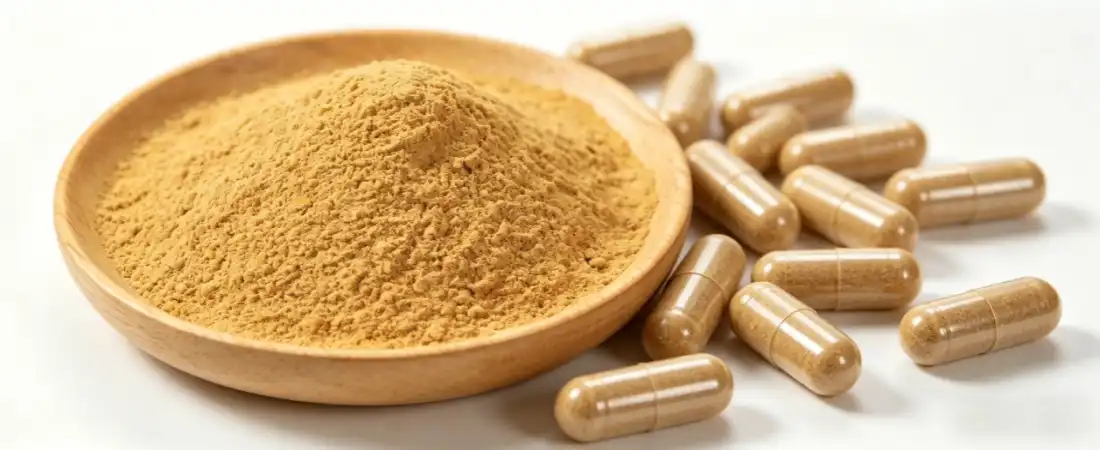
Understanding Tanino Milteliai and Their Role in Food Preservation
The move toward "clean label" materials around the world has made people more interested in natural preservation methods. Tanino milteliai are at the front of this trend because they combine old plant knowledge with new food science. Our work at NT Biotech with purchasing agents in the food and nutrition ingredient supply chains has shown that there is a steady need for dependable, standardized plant extracts that meet strict quality standards.
The Chemical Foundation of Preservation
Tannin molecules work in a number of different ways to keep things safe. Their polyphenolic structure lets them stick to the cell walls of microbes, stopping metabolic processes and stopping the growth of pathogens. When tannins and proteins combine at the molecular level, they form stable complexes that are resistant to enzyme degradation. This is a basic condition for making products last longer on the shelf. Unlike most manmade preservatives, which only work on one pathway, tannin powders work on multiple antibacterial pathways at the same time, which makes it less likely that microbes will become resistant. Researchers at top food science schools have found that tannin levels between 0.02% and 0.5% can successfully kill common organisms that cause food to go bad, such as Escherichia coli, Salmonella typhimurium, and Staphylococcus aureus. The exact amount depends on the type of food, its water activity, pH levels, and how long it will be stored for. At NT Biotech, our technical team gives formulation advice that is specific to each application. This makes sure that the best preservation is achieved while keeping the sensory qualities.
Industrial Applications Across Food Categories
Manufacturers of drinks use tannin powders to keep flavors stable during storage and stop reactive staining. When meat is processed, tannins stop the breakdown of lipids that leads to rancidity and keep the color intense. Antimicrobial action that keeps food fresh longer without changing the taste is useful in dairy uses. Packaged goods makers like the fact that clean labels can do two things at once: keep food fresh and fight free radicals. Because tannin powder formulas are so flexible, they can be changed to work with a wide range of handling conditions. Heat-stable types can handle high temperatures used for processing and cleaning, while pH-adjusted types keep working in both acidic and neutral tanino milteliai food systems. Because they can be used in a lot of different ways, tannin powders are very useful for companies that want to use the same ingredients in a lot of different products.
The Antioxidant Benefits of Tanino Milteliai for Health and Nutrition
Along with their ability to keep food fresh, tanino milteliai have important protective properties that appeal to health-conscious consumers. Free radicals can be neutralized by the polyphenolic structure, which protects cell parts from oxidative stress that can lead to chronic diseases and early aging.
Mechanisms of Antioxidant Activity
Tannins are strong reducing agents that help keep reactive oxygen species stable before they damage DNA, proteins, and lipids. This defense system works on many levels in living things, from stopping lipid breakdown in food to helping the body's defense systems protect cells. Oxygen Radical Absorbance Capacity (ORAC) tests show that tannin powders often have higher antioxidant capacity on a molecular level than manufactured antioxidants like BHA and BHT. Clinical study published in nutrition journals that are reviewed by experts in the field shows links between eating foods high in tannins and lower levels of oxidative stress markers. Cardiovascular disease and metabolic syndrome are less common in groups whose traditional diets are high in foods that contain tannins. Even though these statistical links need to be interpreted with care, they show how biologically important tannins are in the development of useful foods.
Integration into Functional Foods and Supplements
Tannin products are being used more and more in nutraceutical supplements that aim to improve digestive health, circulatory health, and antioxidant support. Functional beverage formulators use tannins' ability to both preserve and improve health to make goods that meet both consumers' needs for longer shelf lives and better health. Even though it has been hard to deal with in the past, the bitter taste can be controlled using microencapsulation technologies or complementary flavoring techniques that hide the astringency without affecting the bioactivity. Manufacturers of functional foods, like tannin powders, can be mixed with other beneficial substances. Combining tannins with vitamins C and E, carotenoids, or flavonoids in synergistic mixtures boosts antioxidant activity through processes that work hand-in-hand. This method helps products stand out in crowded markets and supports a healthy image that is based on facts.
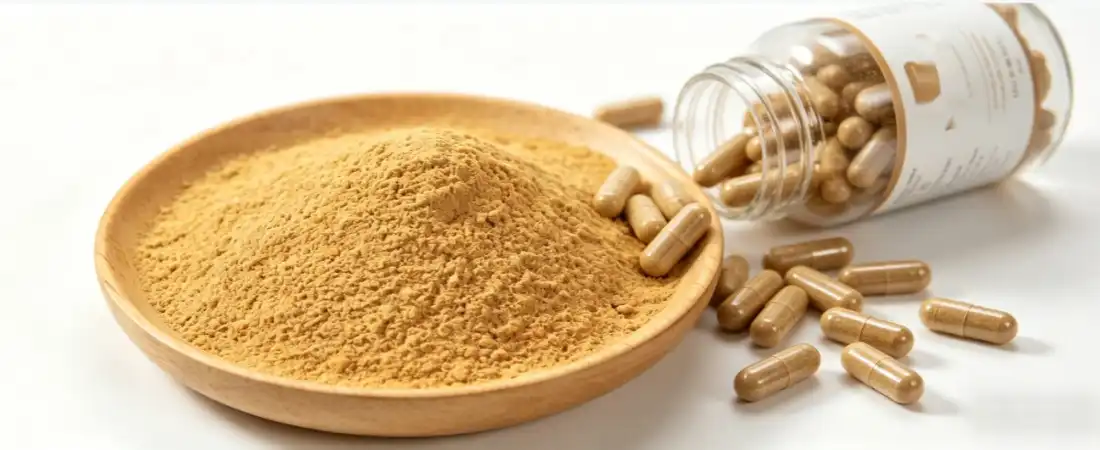
Comparing Tanino Milteliai with Alternative Solutions
When deciding to add tanino milteliai, many things need to be taken into account, such as how well they work, how much they cost, how they interact with other ingredients, and how well they work with current recipe systems. By knowing how tannin powders stack up against other ways to preserve and protect against damage, you can make smart decisions about what to buy.
Natural Versus Synthetic Preservation Options
Synthetic stabilizers, such as sodium benzoate, potassium sorbate, and BHA, work reliably and don't cost much, but consumers and regulators are becoming more against them. Natural choices like rosemary extract, tocopherols, and citric acid look better on the package and are better for the environment, but they may need higher doses or different combinations to tanino milteliai work as well as the artificial ones. Tannin powders are in the middle because they get their strong antibacterial and antioxidant properties from plants while still being cost-effective at an industrial scale. Companies that want to be environmentally responsible like the fact that tannin can be extracted from plants that can be grown again and again. A lifecycle study that compares the production of synthetic preservatives with plant-based extraction always shows that botanical options are better in terms of carbon footprint, water use, and waste production. This alignment with the company's promises to sustainability adds strategic value that goes beyond basic performance concerns.
Tannin Powder Specifications and Quality Differentiation
Different tanning products don't work the same way. Quality differences are caused by changes in the source material, the way it is extracted, and the way it is cleaned. Purchasing managers should give more weight to sellers who provide thorough information, such as polyphenol content, individual tannin compound profiles, particle size distribution, and contaminant analysis. At NT Biotech, we use special extraction methods that get the most active compounds out of the plant while keeping the structure intact. This makes tannin powders that work the same way every time they are made. Because different concentration grades (93% and 99%) and extract ratios (5:1 to 20:1) are available, the recipe can be improved based on the needs of the application and the available budget. Higher purity grades are best for uses that need exact dosing and little to no effect on taste properties. Standardized extract ratios, on the other hand, are better for large-volume uses that can handle natural variation better.
How to Procure High-Quality Tanino Milteliai for Your Business
To find trusted sources for important functional ingredients, you need to carefully look at possible suppliers in a number of different areas. The buying process includes more than just comparing prices. It also looks at things like quality assurance, expert help, and how quickly the supply chain can respond.
Supplier Evaluation Criteria
Quality approvals are the most basic way to be sure that production standards are met. Kosher and Halal licenses make it easier to reach certain groups of customers, while ISO9001 recognition shows that quality management is done in a planned way. Besides looking at certificates, you should also look at how the seller tests, such as how often batches are analyzed, what factors are tested, and how easy it is to get Certificates of Analysis. At NT Biotech, we include full COA paperwork with every package. This includes HPLC confirmation of active chemical content, microbial testing results, and heavy metal screening data.
Streamlining the Ordering Process
Transactional providers are different from strategic partners because they don't offer technical help. Formulation problems always come up during product creation, so it's important to be able to quickly get help from application experts. Check to see how quickly possible suppliers respond to technical questions, whether they offer formulation advice, and whether they are ready to send samples for testing to make sure they are compatible. All of our expert questions are answered within two hours by our team, which keeps development schedules on track.
Future Trends and Innovations in Tanino Milteliai Application
The direction of tanino milteliai growth goes toward higher purity, better bioavailability, and more varied uses. Forward-thinking procurement workers can take advantage of competitive benefits by staying up to date on new tools and changes in the market.
Advances in Extraction and Purification Technologies
New ways of extracting substances, like supercritical fluid extraction, enzyme-assisted extraction, tanino milteliai and ultrasound-enhanced processing, increase output while protecting chemicals that are sensitive to heat. These technologies make it possible to make ultra-pure tannin parts that are easier to dissolve and have less color strength, which gets around problems that previously limited their use. The goods that were made have the same antimicrobial and antioxidant effects at smaller doses and have almost no effect on the senses. Purification innovations focus on getting rid of inactive co-extracted chemicals that make the product more astringent or change its color. Advanced chromatographic separation and membrane filter methods make tannin isolates that are very close to meeting the purity standards for pharmaceuticals. These very special materials cost a lot, but they can be used in sensitive food systems like clear drinks, delicate dairy products, and high-value nutraceutical formulas where regular tannin extracts didn't work.
Integration with Complementary Natural Ingredients
When tannins are mixed with other plant products in a synergistic way, the preservation benefits are greater than the sum of their individual effects. When essential oils, organic acids, or other polyphenolic chemicals are mixed, they make blocking technologies that make it hard for microbes to survive by putting them under a lot of stress at once. Researchers studying tannin-polysaccharide complexes are looking into controlled-release delivery methods that keep their antimicrobial activity over long periods of storage while reducing the initial sensory effect.
Anticipating Regulatory and Market Evolution
The rules that guide food additives are always changing because new safety information comes out and policy goals change. Staying up to date on changes to laws in key markets, such as new FDA guidelines, EU Commission rules, and international Codex standards, protects continued market access and avoids costly surprises when it comes to reformulation. Suppliers who are dedicated to proactive regulatory tracking and paperwork support add strategic value by making it easier to stay in compliance.

Conclusion
Tanino milteliai have been shown to effectively preserve food and protect it from free radicals, and they also fit in with trends toward clean labels and the need for sustainability. Tannin powders have many technical benefits, including strong antibacterial activity, the ability to neutralize free radicals, and the ability to be used for many different purposes. These benefits make them important ingredients for food makers and formulators who are thinking ahead. To integrate well, you need to carefully choose your suppliers, giving quality assurance, expert help depth, and supply chain reliability the most weight. As extraction technologies get better and market knowledge grows, tannin powder will be used in more and more things. This will give sourcing professionals chances to make their goods stand out and meet the growing demand for natural functional ingredients.
FAQ
1. What makes tanino milteliai effective for both preservation and health benefits?
Tanino milteliai have polyphenolic chemicals that work with the membranes of microbes to stop their growth while also reducing free radicals by giving them an electron. This two-in-one process provides both preservation and antioxidant protection in a single botanical ingredient, making recipes easier and backing the clean-label stance.
2. How should tannin powder be stored to maintain potency?
Keep tannin powder in cases that are tightly closed and out of the way of light, heat, and water. Temperatures below 25°C and relative humidity below 60% are the best conditions for keeping. Active compounds stay stable for 24 months after they are made as long as they are stored properly. This makes sure that they work the same way throughout inventory rounds.
3. What certifications should buyers prioritize when sourcing tannin powder?
Give more weight to sellers who have ISO9001 certification for quality management systems and Kosher and Halal certifications if they serve those markets. To make sure your products meet the food safety standards for your target markets, ask for Certificates of Analysis that show the active compound amount, microbial tests, and heavy metal screens.
Partner with NT Biotech for Premium Tannin Powder Supply
NT Biotech is ready to help you create new products by providing you with high-purity tanino milteliai from Galla Chinensis. As a reliable company that makes tanino milteliai for the food ingredients industry around the world, we use cutting-edge extraction technology and strict quality control to make sure that our plant extracts are always uniform and certified. Our requirements for tannin powder include grades of 93% and 99% pure, particle sizes of 80 mesh, and full ISO, Kosher, and Halal approval. We give procurement professionals the fast supply chain support they need by having stock ready to ship right away and enough production capacity to support unique concentrations. Email our expert team at info@newthingsbiotech.com to talk about your application needs and get free samples of our products to show how good they are. Feel the difference at NT Biotech, where plant knowledge meets a trustworthy relationship.
References
1. Chung, K.T., Wong, T.Y., Wei, C.I., Huang, Y.W., & Lin, Y. (1998). Tannins and human health: A review. Critical Reviews in Food Science and Nutrition, 38(6), 421-464.
2. Serrano, J., Puupponen-Pimiä, R., Dauer, A., Aura, A.M., & Saura-Calixto, F. (2009). Tannins: Current knowledge of food sources, intake, bioavailability and biological effects. Molecular Nutrition & Food Research, 53(S2), S310-S329.
3. Díaz-Gómez, J.L., Castorena-Torres, F., Preciado-Ortiz, R.E., & García-Lara, S. (2017). Anti-cancer activity of maize bioactive peptides. Frontiers in Chemistry, 5, 44.
4. Scalbert, A., & Williamson, G. (2000). Dietary intake and bioavailability of polyphenols. The Journal of Nutrition, 130(8S), 2073S-2085S.
5. Mueller-Harvey, I. (2006). Unravelling the conundrum of tannins in animal nutrition and health. Journal of the Science of Food and Agriculture, 86(13), 2010-2037.
6. Hagerman, A.E., & Butler, L.G. (1991). Tannins and lignins. In Herbivores: Their Interactions with Secondary Plant Metabolites (pp. 355-388). Academic Press.