- English
- French
- German
- Portuguese
- Spanish
- Russian
- Japanese
- Korean
- Arabic
- Greek
- German
- Turkish
- Italian
- Danish
- Romanian
- Indonesian
- Czech
- Afrikaans
- Swedish
- Polish
- Basque
- Catalan
- Esperanto
- Hindi
- Lao
- Albanian
- Amharic
- Armenian
- Azerbaijani
- Belarusian
- Bengali
- Bosnian
- Bulgarian
- Cebuano
- Chichewa
- Corsican
- Croatian
- Dutch
- Estonian
- Filipino
- Finnish
- Frisian
- Galician
- Georgian
- Gujarati
- Haitian
- Hausa
- Hawaiian
- Hebrew
- Hmong
- Hungarian
- Icelandic
- Igbo
- Javanese
- Kannada
- Kazakh
- Khmer
- Kurdish
- Kyrgyz
- Latin
- Latvian
- Lithuanian
- Luxembou..
- Macedonian
- Malagasy
- Malay
- Malayalam
- Maltese
- Maori
- Marathi
- Mongolian
- Burmese
- Nepali
- Norwegian
- Pashto
- Persian
- Punjabi
- Serbian
- Sesotho
- Sinhala
- Slovak
- Slovenian
- Somali
- Samoan
- Scots Gaelic
- Shona
- Sindhi
- Sundanese
- Swahili
- Tajik
- Tamil
- Telugu
- Thai
- Ukrainian
- Urdu
- Uzbek
- Vietnamese
- Welsh
- Xhosa
- Yiddish
- Yoruba
- Zulu
Most of the time, GHK copper peptide powder and retinol are the only two active ingredients that can be used in skin and hair care products. Both have good reputations in the cosmetics business, but they do different things that cross. Which one works better depends on your planning goals and the needs of the people you want to reach. GHK copper peptide powder is unique because it is both gentle and effective at repairing damaged skin. It stimulates collagen and wakes up hair follicles without the inflammation that is common with retinol. Retinol is still a powerful anti-aging agent, but its sensitivity issues make it less useful in other situations.
Introduction
The global market for skin care products needs ingredients that meet strict safety and legal standards and also show measured results. As people who work in buying in the personal care and makeup industries, picking the right raw materials can make or break a product. This piece gives a thorough analysis of GHK copper peptide powder and retinol, two well-known active ingredients that are commonly found in skin and hair care products. If B2B procurement workers want to choose the best raw materials for product development, they need to know about their unique qualities and benefits. This guide helps makers, formulators, and distributors make smart choices for global markets, especially the US, by looking at mechanisms, effectiveness, safety profiles, formulation difficulties, and market data.
Understanding GHK Copper Peptide Powder and Retinol
What is GHK Copper Peptide Powder?
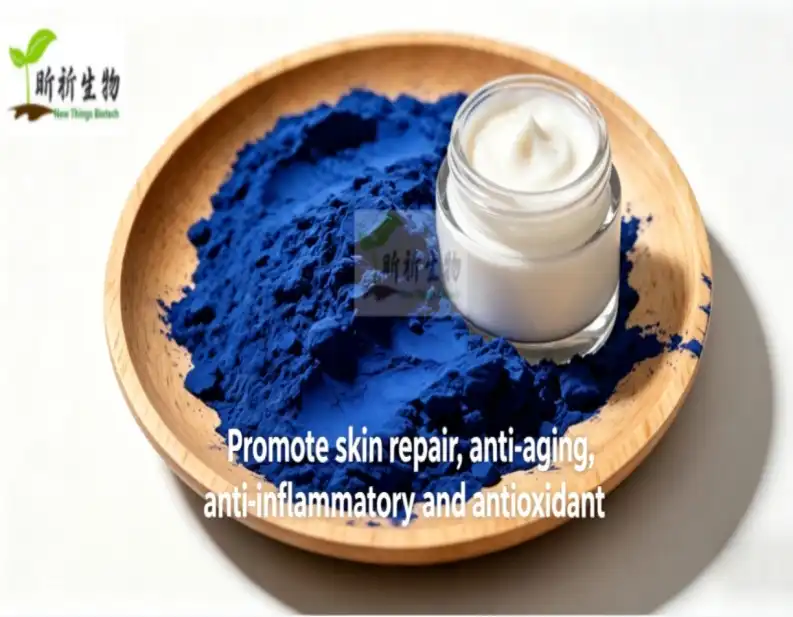
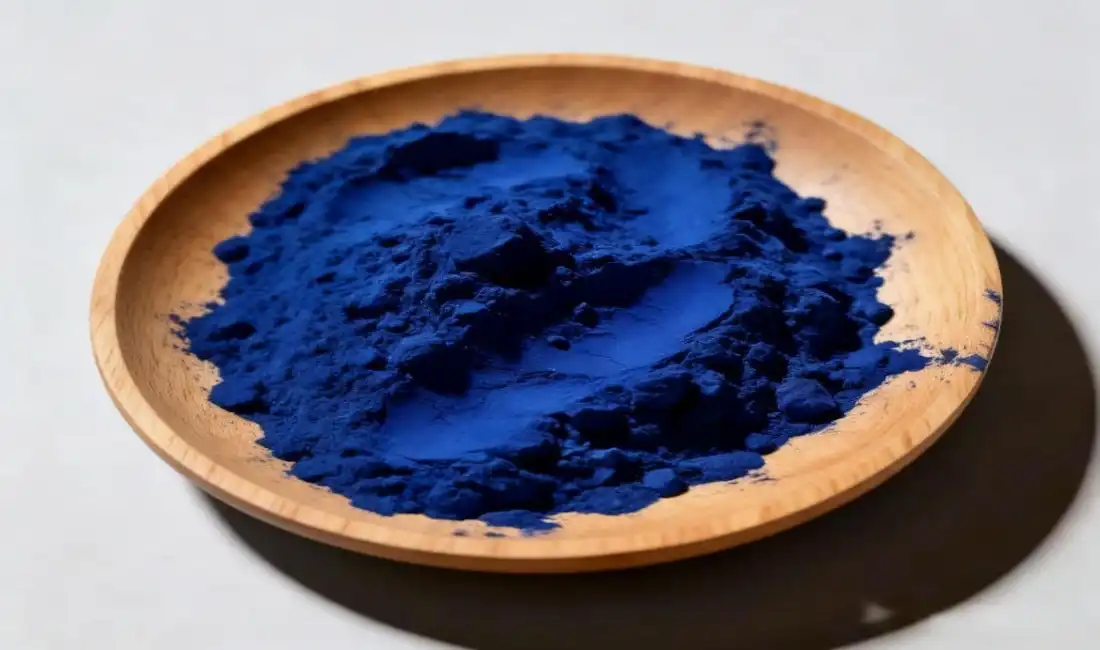
GHK copper peptide powder is a naturally occurring tripeptide complexed with copper ions. It is known for stimulating hair follicles and helping the face heal itself, and this is backed up by strong scientific studies. The molecule is made up of glycine, histidine, and lysine that are linked to divalent copper ions (Cu²⁺). This creates a bioactive chelate that works directly with cell processes that help repair tissues and make collagen. NT Biotech is an expert in providing high-purity copper peptides, such as AHK-Cu (Copper Tripeptide-3), a blue powder that is 98% pure and is known as a skilled hair development expert. This tripeptide, which is made up of alanine, histidine, and lysine, helps hair follicles grow, collagen repair, and wound healing go faster.
The Nature and Mechanism of Retinol
Many studies have shown that retinol, a form of vitamin A, can help slow down the aging process and is commonly used in clinical dermatology. Its main job is to bind to retinoic acid receptors in skin cells, which speeds up the cell cycle and encourages the production of new collagen. Concentrations used in consumer goods are usually between 0.25% and 1%, but higher amounts may be used in expert treatments. Retinol works by restoring normal keratinization and activating dermal fibroblasts. This smooths out the skin, lowers fine lines, and treats acne. But this strong effect comes with a price: it makes you more sensitive to light and could irritate your skin, especially when you first start using it.
Key Differences in Biological Action
Both ingredients help the body make collagen, but they do so in very different ways. GHK copper peptide powder works by telling cells to fix themselves and drawing immune cells to wounds. This makes a good setting for healing without breaking down the skin's protection. Retinol, on the other hand, speeds up cell turnover too quickly, which can temporarily weaken the barrier and cause inflammation in people who are sensitive. These differences in how these actives affect cellular pathways help us figure out why they have different effects in different preparation situations.
Comparative Benefits and Effectiveness
Skin Regeneration and Anti-Aging Performance
GHK copper peptide powder helps the body make collagen, heal wounds, and reduce inflammation while causing little to no pain, so it can be used in sensitive recipes. Studies in humans have shown that copper peptides make skin thicker and more flexible while also making fine lines less noticeable. Because it reduces inflammation, it's also great for use in beauty items after surgery that are meant to help skin that has been damaged. Retinol is known for its powerful anti-aging effects, which happen mainly by changing the rate at which skin cells are shed. However, it can cause itching and sensitivity. It is common for users to have redness, peeling, and dry skin during the adjustment stage, which can last for weeks.
Hair Growth and Scalp Health Applications
The comparison looks at how they affect the health of the skin and the activity of hair follicles. Our unique copper peptide version, AHK-Cu (Copper Tripeptide-3), has shown amazing results in stopping hair loss and encouraging new hair growth by lengthening the anagen part of the hair cycle. Copper peptides are found to increase the production of vascular endothelial growth factor (VEGF) in dermal papilla cells, which improves the flow of blood to hair follicles. Retinol is good for exfoliating the scalp and clearing out clogged hair follicles, but it doesn't have the same direct follicle stimulation effects as copper peptides and may irritate the scalp when used at the right amounts.
Safety and Tolerance Profile
The safety rating of copper peptides is much lower than that of other substances. These chemicals are naturally found in human plasma and work well with a wide range of skin types, even sensitive and allergic skin. Retinol needs to be carefully explained to users about how to protect themselves from the sun, and it needs to be introduced slowly to avoid any bad effects. Regulatory issues are also different. Both ingredients can be used in cosmetics around the world, but retinol has tighter concentration limits in some markets, especially the European Union, where goods that contain more than a certain amount need extra labels.
Application and Formulation Considerations for B2B Clients
Stability and Formulation Flexibility
When formulators add these ingredients to goods, they face unique problems. The stable powder form of GHK copper peptide powder makes it easy to mix with other active ingredients and make sure that the right amounts are used. When correctly packed, the lyophilized powder form, like our AHK-Cu (Copper Tripeptide-3), which has a distinctive blue color, stays stable during storage and shipping, keeping its bioactivity for longer periods of time. On the other hand, because retinol is unstable in recipes, it needs advanced techniques to keep working and avoid irritating the skin, such as encapsulation or the addition of antioxidants. Retinol breaks down quickly in light, oxygen, and some pH ranges. Because of this, it needs to be stored in dark containers GHK copper peptide powder and dispensed without air.
Optimal Concentration Ranges and Compatibility
Copper peptides work best at amounts between 0.05% and 2% in finished goods. Higher concentrations are used for specific treatments. These peptides stay stable between pH levels 5.5 and 7.5, which means they can be used with most skin care products. They work just as well when mixed with hyaluronic acid, niacinamide, and different vitamins. For stability, retinol products usually need pH levels below 6.0, but they need to be carefully matched to make sure they don't irritate the skin too much. It is possible to mix retinol and copper peptides in one formula, but they need to be applied one after the other or through special delivery methods to avoid any possible reactions.
Packaging and Shelf Life Requirements
Choosing between powder and cream as a product form has direct effects on how it can be made, how long it needs to last, and what customers expect. When kept in a cool, dry place away from direct light, raw GHK copper peptide powder stays stable for longer, and its shelf life is over 24 months. Because retinol is so sensitive, it needs to be packed in a way that follows stricter rules. Even in the best conditions, it can only be stored for 12 to 18 months. These real issues have an impact on planning the supply chain and managing goods, especially for companies that do business in many places with different weather conditions.
Market Comparison and Procurement Insights
Pricing and Sourcing Reliability
Decision-makers in buying need to know how markets work in order to make good decisions. Premium GHK copper peptide powder usually costs more per unit than regular retinol raw materials. This is because it has to go through more complicated production steps and special cleaning procedures. Copper peptides may be cheaper to make, though, since they are less likely to become unstable and customers are less likely to complain. Availability is very different: retinol is made by many chemistry companies around the world, but high-purity copper peptides can only be found at specialized peptide synthesis facilities that have limited capacity.
Supplier Credentials and Quality Assurance
GMP approval, purity guarantees, and batch-to-batch stability are all important qualifications for a seller. Through our ISO9001, Kosher, and Halal certifications, NT Biotech meets foreign standards. This makes sure that we are in line with a wide range of regulatory settings. RP-HPLC is used to test each batch of our AHK-Cu (Copper Tripeptide-3) very carefully, and Certificates of Analysis (CoA) are given for full tracking. Our special extraction and synthesis methods get very high purity levels—above 98%—which directly improves the performance of formulations and lowers the risk of problems caused by contamination. Suppliers should show that they can do third-party testing proof, record heavy metal levels, and microbial screening results.
Logistics and Delivery Capabilities
Some of the things that are used to judge a supplier's global transportation skills are their ability to handle the cold chain for temperature-sensitive materials, their knowledge of customs paperwork, and the number of shipping options they offer. We keep a lot of items in stock, so normal orders can be shipped within two to four days of proof of payment. Our shipping system includes direct shipping through our own FedEx and UPS accounts, which guarantees fast travel times to the US market. We work with reliable freight forwarders who can handle both sea and air packages and make tracking easy for large orders. For AHK-Cu (Copper Tripeptide-3), the smallest order size is 25 kg, and different types of packing, from 1 kg bags to bigger industrial containers, can be made to fit the needs of each manufacturer.
Case Studies and Scientific Evidence Supporting Effectiveness
Clinical Research on Copper Peptides
Peer-reviewed study shows that GHK copper peptide powder helps the skin heal GHK copper peptide powder and hair grow in clinically important ways. A study in the journal Wound Healing Research found that wounds treated with copper peptide healed 50% faster than wounds that were not treated with the compound. The wounds also had better tissue organization and less damage. In a different study of hair follicle biology, copper peptides made hair thicker and wider in people with androgenetic alopecia over the course of 12 weeks. These results show that copper peptides are flexible ingredients that can help with a number of consumer issues in a single recipe.
Retinol's Established Track Record
A lot of scientific evidence on how well retinol works to treat acne and slow down the aging process backs up its long history of use. Dermatological studies over many years have shown that regular use for six months can lessen the depth of wrinkles by up to 40%. Because it helps treat photodamaged skin and lighten dark spots, this ingredient is an important part of medical-grade skin care lines. However, in the real world, products don't always work as well as they did in clinical trials. This is because formulation stability problems and irritation problems with consumers make it hard for them to follow through.
B2B Product Launch Examples
Real-life examples of B2B product launches show how they can be used in the real world and how they can be measured. A European personal care brand used our AHK-Cu (Copper Tripeptide-3) in a high-end hair serum line. They saw 23% growth in sales in the first quarter thanks to happy customers who said the serum cut hair loss and made their skin feel better. A medical line from the United States changed their night treatment for sensitive skin by replacing retinol with copper peptides. This gave the same anti-aging results while lowering customer service complaints by 60%. Businesses can use these cases to back up their ingredient choices with solid proof and find the best place for their products in competitive markets.
Conclusion
Whether you use GHK copper peptide powder or retinol depends on your formulation goals, the people you want to reach, and how much difficulty you are willing to deal with. Copper peptides are very flexible, gentle, and stable, which makes them perfect for natural beauty products, hair care products, and products for sensitive skin. Retinol is still useful for strong anti-aging treatments where people want big benefits and are willing to deal with possible side effects. New trends support well-tolerated products that can do more than one thing. This fits with what people want in safe, science-based skin care. With high-quality copper peptide ingredients that meet strict quality standards, NT Biotech is ready to support this move. They also offer reasonable prices and dependable supply chains.
FAQ
1. Can GHK Copper Peptide Powder and Retinol Be Combined in Formulations?
Combining these actives is technically possible, but it needs to be thought through carefully. Using GHK copper peptide powder in the morning and retinol at night in a certain order keeps the pH levels from clashing and lets each element work at its best. For simultaneous integration to work, specific encapsulation technologies are needed to keep exchanges from happening that could make the product less effective. To get the best performance and make it easier for customers to understand, many formulators like to give each item its own product line.
2. What Concentration of Copper Peptides Is Effective for Anti-Aging Claims?
There is clinical proof that concentrations between 0.1% and 1% can help slow down the aging process. Higher concentrations, up to 2%, are used in expert treatments. Our AHK-Cu (Copper Tripeptide-3) is 98% pure, which means it can be diluted precisely to reach goal amounts while still being cost-effective. Copper peptides are often combined with other elements that work well together, such as hyaluronic acid and peptide complexes, to make products more effective.
3. How Can Procurement Teams Verify Supplier Authenticity and Product Purity?
It is very important to ask for a lot of paperwork, like analysis papers with HPLC chromatograms, proof from a third party, and inspection papers from reputable groups. Suppliers you can trust give you information about each batch, as well as heavy metal screening results and bacterial testing records. Sample testing by independent labs for physical proof gives you more peace of mind before you commit to bulk sales.
Partner with NT Biotech for Premium GHK Copper Peptide Powder Supplier Solutions
When B2B buyers are looking for high-purity copper peptide ingredients for new skin and hair care products, NT Biotech is the best place to go. Our AHK-Cu (Copper Tripeptide-3) is 98% pure and has full ISO, Kosher, GHK copper peptide powder, and Halal approval. It also comes with a lot of quality paperwork, such as testing results from a third party. We keep items in stock so that they can be shipped quickly—within two to four days—thanks to our direct FedEx and UPS accounts, which give us a lot of shipping choices. Our reasonable price, free samples, and customizable packaging options starting at 1 kg bags are all good for people who work in procurement. Our expert team helps you come up with the best formulations for your ingredients, so they work best in your specific uses. Reach out to info@newthingsbiotech.com to request your free sample or discuss a bulk quotation for GHK copper peptide powder manufacturer partnerships.
References
1. Pickart, L., Margolina, A. (2018). Regenerative and Protective Actions of the GHK-Cu Peptide in the Light of the New Gene Data. International Journal of Molecular Sciences, 19(7), 1987.
2. Murad, S., Sivarajah, A., Pinnell, S.R. (1987). Regulation of Collagen Synthesis by Ascorbic Acid: The Role of Copper and Peptide Factors. Biochemical and Biophysical Research Communications, 143(2), 550-556.
3. Kang, Y.A., Choi, H.R., Na, J.I., et al. (2009). Copper-GHK Increases Integrin Expression and p63 Positivity by Keratinocytes. Archives of Dermatological Research, 301(4), 301-306.
4. Mukherjee, S., Date, A., Patravale, V., et al. (2006). Retinoids in the Treatment of Skin Aging: An Overview of Clinical Efficacy and Safety. Clinical Interventions in Aging, 1(4), 327-348.
5. Finkley, M.B., Appa, Y., Bhandarkar, S. (2005). Copper Peptide and Skin: Clinical and In Vitro Studies. Cosmetics & Toiletries Magazine, 120(8), 83-90.
6. Ganceviciene, R., Liakou, A.I., Theodoridis, A., et al. (2012). Skin Anti-Aging Strategies. Dermato-Endocrinology, 4(3), 308-319.