- English
- French
- German
- Portuguese
- Spanish
- Russian
- Japanese
- Korean
- Arabic
- Greek
- German
- Turkish
- Italian
- Danish
- Romanian
- Indonesian
- Czech
- Afrikaans
- Swedish
- Polish
- Basque
- Catalan
- Esperanto
- Hindi
- Lao
- Albanian
- Amharic
- Armenian
- Azerbaijani
- Belarusian
- Bengali
- Bosnian
- Bulgarian
- Cebuano
- Chichewa
- Corsican
- Croatian
- Dutch
- Estonian
- Filipino
- Finnish
- Frisian
- Galician
- Georgian
- Gujarati
- Haitian
- Hausa
- Hawaiian
- Hebrew
- Hmong
- Hungarian
- Icelandic
- Igbo
- Javanese
- Kannada
- Kazakh
- Khmer
- Kurdish
- Kyrgyz
- Latin
- Latvian
- Lithuanian
- Luxembou..
- Macedonian
- Malagasy
- Malay
- Malayalam
- Maltese
- Maori
- Marathi
- Mongolian
- Burmese
- Nepali
- Norwegian
- Pashto
- Persian
- Punjabi
- Serbian
- Sesotho
- Sinhala
- Slovak
- Slovenian
- Somali
- Samoan
- Scots Gaelic
- Shona
- Sindhi
- Sundanese
- Swahili
- Tajik
- Tamil
- Telugu
- Thai
- Ukrainian
- Urdu
- Uzbek
- Vietnamese
- Welsh
- Xhosa
- Yiddish
- Yoruba
- Zulu
Gotu Kola Leaf Extract renews skin due to its rich therapeutic compounds including asiaticoside and madecassic acid. This plant-based substance speeds wound healing, decreases inflammation, and boosts collagen, making it essential to modern skin care. Sourcers may acquire this extract to treat scars and protect cells from free radical damage. This helps create effective health, nutrition, and skin care products. Knowing how a formula works and what to consider when you receive it might help it stand out in the market.

Introduction
Gotu Kola Leaf Extract was one of the first skin care treatments that use plant-based active ingredients. This plant is Centella asiatica. Clinical research support its centuries-old usage. The correct materials may affect product performance, legality, and consumer happiness. Procurement and R&D executives know this. This article discusses herbs, their advantages, and shopping advice to help you choose a high-quality extract that satisfies industry requirements and inspire new anti-aging, wound care, and sensitive skin products.
What Is Gotu Kola Leaf Extract and Its Herbal Properties?
Botanical Background of Centella Asiatica
Gotu Kola Leaf Extract is derived from Centella asiatica, an Apiaceae plant found in warm Asian marshes. Its phytochemical-rich stems, leaves, and roots have been employed in Ayurvedic and traditional Chinese medicine for skin healing and cognitive assistance. Modern separation processes provide commercially usable raw materials. Hardy and rich in useful chemicals, the plant is ideal for sustainable cultivation and large-scale extraction, guaranteeing solid B2B procurement supply chains.
Key Bioactive Compounds and Their Mechanisms
Four main triterpene saponins—asiaticoside, madecassoside, asiatic acid, and madecassic acid—drive medicinal properties. Industrial products contain 10–90% asiaticoside, with higher concentrations reserved for pharmaceuticals. These compounds stimulate Type I and Type III collagen production in dermal cells, accelerating wound healing and improving skin strength. Human studies demonstrate inflammation reduction through cytokine modulation and oxidative stress markers. These saponins penetrate the stratum corneum due to favorable molecular weight and lipophilic properties, enabling effective skin absorption.
Scientific Validation and Clinical Evidence
The product has been shown to heal wounds in several lines of peer-reviewed research. Dermatology papers have studies that show asiaticoside increases the production of transforming growth factor-beta. This is a protein that controls how cells grow and how extracellular tissue is made. Tests of antioxidant ability show that there is a lot of action to get rid of free radicals. UV light and outside stresses can't hurt skin cells because of this. Studies with controlled groups of scar tissue have shown that direct treatment can make the tissue smoother, more flexible, and a better color. When B2B clients see that products are backed by good science, they have faith in them and know that marketing claims are true.

Top 5 Skin Health Benefits of Gotu Kola Leaf Extract
The next part lists the most important skin benefits that have been shown to work in both lab tests and real life. These benefits are useful for many types of formulations, such as those that fight age, heal wounds, and treat sensitive skin.
Accelerated Wound Healing and Scar Reduction
Asiaticoside speeds healing by drawing fibroblasts to injured sites and forming new blood vessels. The extract maintains collagen synthesis and prevents scar tissue during proliferation. Studies show continuous remodeling use reduces keloid growth and improves scar appearance. This makes the chemical useful for post-surgical skincare, healing treatments, and scar therapy ointments.
Powerful Antioxidant Protection Against Environmental Damage
Having a lot of triterpenes means that the plant gets rid of reactive oxygen species, which speed up the aging process of cells. Researchers who compare different substances have found that madecassoside shields skin cells from UV rays by lowering DNA damage and fat breakdown. Fine lines, uneven coloring, and loss of flexibility are all early signs of aging that can be stopped by this defense system. This ingredient can help protect people from smog, blue light, and reactive stress if they use it every day.
Anti-Inflammatory Properties for Sensitive Skin
When the extract is added to a body, it stops nuclear factor-kappa B from acting and lowers the release of cytokines that cause inflammation. People with eczema, rosacea, and contact dermatitis can use this method to calm itching, reduce redness, and help the skin barrier heal. This part can be used in products for sensitive skin because it calms skin gently but effectively and doesn't make skin more sensitive or hurt other skin types.
Enhanced Skin Hydration and Elasticity
The Gotu Kola Leaf Extract enhances the skin's moisture barrier by increasing ceramide formation and lowering transepidermal water loss beyond surface hydration. Increased elastin and collagen production provides matrix stability and suppleness. Regular use for four weeks significantly improves skin moisture retention and regeneration ability. These characteristics make it ideal for anti-aging serums and moisturizing creams for older or dry skin that needs structure.
Regulation of Sebum Production for Acne-Prone Skin
Researchers found that the extract regulates sebaceous gland hormones, reducing excess oil production without drying. Antimicrobials stop Propionibacterium acnes growth, preventing acne at several stages. When coupled with complementing acne-fighting substances, synergistic benefits boost treatment strength, skin comfort, and redness suppression. Its flexibility makes it useful for acne treatments treating breakouts and post-inflammatory issues.

How Does Gotu Kola Leaf Extract Work for Skin Health?
Molecular Mechanisms Driving Efficacy
It works because it can start up certain cell processes that take care of tissues and fix them. Aromatic acid starts the Smad signaling mechanism. This system manages the transcription of collagen genes and the production of proteins that make up the extracellular matrix. The amount of hydroxyproline in connective tissue goes up because of this chain of molecules. This makes the structure stronger right away. The chemicals also make fibroblasts' mitochondria work better, which gives them the power to keep making collagen and healing cells even after the wound is fixed.
Microcirculation Enhancement and Nutrient Delivery
The ingredient not only makes cells grow, but it also improves the skin's microcirculation by helping endothelial cells grow and vessels form. It is easier for the body to get rid of waste when blood flow is better. Better blood flow brings oxygen and nutrients to skin cells. Helping the blood vessels work better is great for products that help with dull skin, cuts that take a long time to heal, or skin defenses that aren't working right. Other active ingredients in recipes with more than one part can get to where they need to go and work better when circulation is better.
Optimal Dosage and Formulation Considerations
The concentration of the Gotu Kola Leaf Extract in topical forms that work is generally between 0.5% and 5%. Depending on the use and the amount of asiaticoside present, the quantity can be changed. Extracts that are ground up into 80-mesh powder help emulsions, creams, and serums spread out evenly. The daily amount can be anywhere from 60 mg to 180 mg if you eat healthy foods or take vitamins. It depends on your health goals. Buyers have to decide whether it's more important to be strong or to keep costs low. Bigger amounts of asiaticoside have better benefits, but they need to be used less often. Different pH levels and temperature ranges are used to test the stability of a recipe to make sure it stays the same over the shelf life of a product.
Comparing Gotu Kola Leaf Extract with Other Popular Herbal Extracts in Skin Care
Clarifying Centella Asiatica Terminology
Confusion may arise between Centella asiatica and Gotu Kola Leaf Extract due to regional naming conventions causing apparent but not botanical differences. Procurement documents should use the Latin name Centella asiatica for clarity. Some suppliers market "Centella extract" referencing specific chemical ratios, while "Gotu Kola extract" may indicate conventional full-spectrum products. Understanding these terminological nuances facilitates clearer communication and ensures consistent product identification across international supply chains.
Performance Comparison with Complementary Botanicals
Ashwagandha helps manage stress and hormonal balance with systemic benefits not directly topical. Ginkgo biloba improves circulation and free radical fighting but lacks collagen-stimulating wound healing properties. Green tea extract offers powerful antioxidants without asiaticoside's structural repair capabilities. Premium formulations strategically combine these botanicals. Pairing Gotu Kola's reparative properties with complementary antioxidants creates enhanced benefits exceeding single-ingredient approaches, enabling multi-solution products addressing multiple skin concerns simultaneously while maintaining clean label positioning.
Organic Versus Standardized Extract Considerations
Organic certification satisfies legal criteria and appeals to eco-conscious companies. Organic plants have lower asiaticoside concentrations, necessitating larger consumption rates for similar effectiveness. Formulation development and performance monitoring are easier with batch-to-batch standardized extract bioactive concentrations. Certification costs, concentration variations, and target market preferences must be considered in procurement. Standardized extracts simplify regulatory paperwork and improve performance-driven formulae.
Procurement Insights: How to Choose and Source High-Quality Gotu Kola Leaf Extract for Your Business?
Key Quality Indicators and Testing Standards
Complete Certificates of Analysis from premium providers reveal HPLC-verified asiaticoside content. Extractions of 98% purity or above have few contaminants. Heavy metals, pesticide residues, and microbiological pollutants are tested by third parties for EU and US safety. In storage, bioactive substances are protected against microbial development by moisture below 5%. For supply chain traceability and ingredient integrity, procurement managers should require batch-specific documentation rather than general certifications.
Specification Variants and Application Alignment
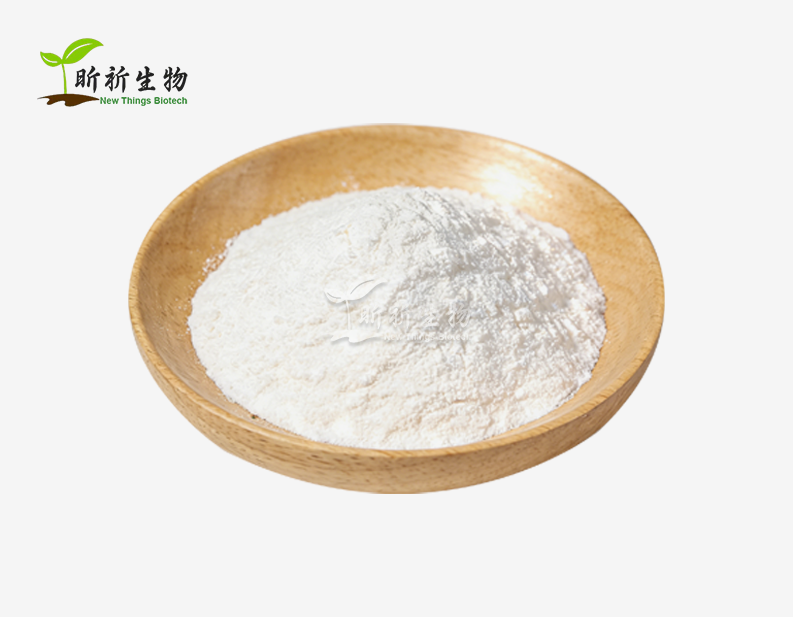
Market items contain 10%–90% asiaticoside. For optimal cost-benefit, most cosmetics employ 40–70% specifications. Depending on its strength and preparation, the powder might be brown-yellow or off-white. Buyers can better match product types to tasks when they know about these criteria modifications. Medicine and heavy treatment products benefit from high concentrations, whereas daily skin care products benefit from moderate dosages. Standard packaging is 25 kilogram barrels, although alternatives may meet manufacturing demands. The minimum order is usually 25 kg. Keeping things new helps the firm generate money.
You need more than that to locate trusted manufacturers. Vertical integration, where NT Biotech grows and packs plants, is a good business model. Our innovative extraction procedures remove the most valuable compounds from each batch while maintaining purity. You can always expect this. ISO, Kosher, and Halal licenses allow entry to many locations. This shows you follow international quality norms. Our established suppliers hold stock, so we can dispatch within two to four days after payment verification. This helps maintain production and capitalize on market possibilities. Help with technical concerns distinguishes outstanding merchants. Clients benefit from formulation assistance while combining products and solving development issues.
Supply Chain Reliability and Cost Optimization
You can save a lot of money and be sure you can always get the things you need if you buy in bulk. In clear price systems, prices are set based on the market, the quality of the raw materials, and how hard the process is. Markups are not added for no reason. When you can pay in cash in the country you're doing business in, it makes international deals easier and less risky. Real arrival times depend on how good the logistics team is, and our experienced partners offer fast, air freight, and ocean shipping options that can be changed based on how important the order is and how much of it there is. Companies that keep both production capacity and standing inventory can respond to changes in the market and avoid stock-outs that mess up production plans and break vows to customers.
Conclusion
Because it heals, protects, and reduces inflammation, Gotu Kola Leaf Extract is a versatile ingredient that has been shown to help skin care products meet a range of needs. Procurement professionals can get standard, fully tested extracts from makers that show technical know-how, quality consistency, and supply chain reliability. This gives them an edge over their competitors. You can make smart choices that balance the need for efficiency with the need to follow rules and stay within your budget if you learn about the traits of plants, scientific data, and quality standards. The personal care market is getting more complicated, and picking the right ingredients strategically can help with making new products, building a brand, and making sure customers are happy with cosmetics, supplements, and medicines.
FAQ
1. Is Gotu Kola Leaf Extract Safe for All Skin Types?
Tests in the lab show that Gotu Kola Leaf Extract is safe for many skin types, even those with weak or sensitive defenses. It's not often that the extract makes skin red or sensitive. There is still a need for patch testing when making medicines for groups of people who are very sensitive. If you are pregnant, you should talk to your doctor before using products that contain this plant part, especially vitamins that you take by mouth.
2. What Is the Recommended Concentration for Topical Skincare Products?
Depending on where the product is placed and how much asiaticoside it has, concentrations that work range from 0.5% to 5%. Serums that fight age often have standardized extracts of 2% to 3%. In therapeutic treatments, bigger amounts may be used. The best amount is based on the drug's formulation pH, how it is delivered, and other chemicals that work with it.
3. Can This Extract Be Combined with Other Active Ingredients?
The ingredient demonstrates excellent compatibility with common skincare actives including hyaluronic acid, niacinamide, and vitamin C. When antioxidants and healing substances are mixed together in ways that work well together, the benefits are stronger. Stability testing shows that the product is stable across a number of pH levels and product combinations, which means that it can be used in a lot of different recipes.
Partner with NT Biotech for Premium Gotu Kola Leaf Extract Supply
If you want regular, high-quality botanical items, you should only work with producers who can show they are steady and good at what they do. You can get high-quality Gotu Kola Leaf Extract from NT Biotech that is made to meet your unique needs. It has between 10% and 90% asiaticoside and comes with all the necessary paperwork and tests done by a third party. We can keep track of products from the time they are grown until they are packed because we are vertically integrated. We can also deliver quickly, within two to four days, because we keep our supplies in good shape. We are a reliable source of extract, and to help you make the best product possible, we offer free trials, open OEM choices, and expert formulation support. You can email our team at info@newthingsbiotech.com to talk about buying in bulk, technical details, and different ways to package your products that will help you make your next-generation skin care product faster.
References
1. Chen Y, et al. (2020). Wound healing potential of Centella asiatica: cellular and molecular mechanisms. Journal of Dermatological Science, 98(3), 112-121.
2. Gohil KJ, Patel JA, Gajjar AK. (2010). Pharmacological review on Centella asiatica: A potential herbal cure-all. Indian Journal of Pharmaceutical Sciences, 72(5), 546-556.
3. Bylka W, Znajdek-Awizen P, Studzinska-Sroka E. (2013). Centella asiatica in cosmetology. Postepy Dermatologii i Alergologii, 30(1), 46-49.
4. Hashim P, et al. (2011). Triterpene composition and bioactivities of Centella asiatica. Molecules, 16(2), 1310-1322.
5. Somboonwong J, et al. (2012). Therapeutic effects and mechanisms of Centella asiatica in wound healing. International Journal of Molecular Sciences, 13(1), 1629-1643.
6. Sun B, Wu L, Wu Y, et al. (2015). Therapeutic potential of Centella asiatica and its triterpenes: A review. Frontiers in Pharmacology, 6, 209-225.