- English
- French
- German
- Portuguese
- Spanish
- Russian
- Japanese
- Korean
- Arabic
- Greek
- German
- Turkish
- Italian
- Danish
- Romanian
- Indonesian
- Czech
- Afrikaans
- Swedish
- Polish
- Basque
- Catalan
- Esperanto
- Hindi
- Lao
- Albanian
- Amharic
- Armenian
- Azerbaijani
- Belarusian
- Bengali
- Bosnian
- Bulgarian
- Cebuano
- Chichewa
- Corsican
- Croatian
- Dutch
- Estonian
- Filipino
- Finnish
- Frisian
- Galician
- Georgian
- Gujarati
- Haitian
- Hausa
- Hawaiian
- Hebrew
- Hmong
- Hungarian
- Icelandic
- Igbo
- Javanese
- Kannada
- Kazakh
- Khmer
- Kurdish
- Kyrgyz
- Latin
- Latvian
- Lithuanian
- Luxembou..
- Macedonian
- Malagasy
- Malay
- Malayalam
- Maltese
- Maori
- Marathi
- Mongolian
- Burmese
- Nepali
- Norwegian
- Pashto
- Persian
- Punjabi
- Serbian
- Sesotho
- Sinhala
- Slovak
- Slovenian
- Somali
- Samoan
- Scots Gaelic
- Shona
- Sindhi
- Sundanese
- Swahili
- Tajik
- Tamil
- Telugu
- Thai
- Ukrainian
- Urdu
- Uzbek
- Vietnamese
- Welsh
- Xhosa
- Yiddish
- Yoruba
- Zulu
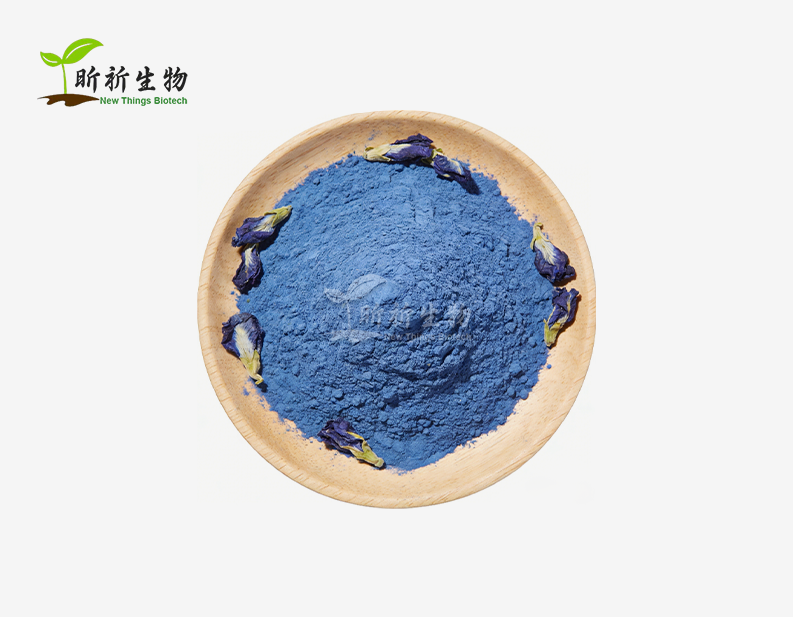
Butterfly pea powder is a natural, useful ingredient made from powdered butterfly pea flowers from the dried flowers of Clitoria ternatea L. that have been ground up using modern low-temperature methods. This powdered butterfly pea flower material is a bright blue powder that is full of antioxidant-rich anthocyanins, polyphenolic chemicals, and flavonoids. This botanical extract stands out because of its pH-sensitive chromism and clean-label compliance. It gives food makers, cosmetic formulators, and nutraceutical developers an option to synthetic colorants and natural pigments like phycocyanin, which is stable and doesn't change when heated.
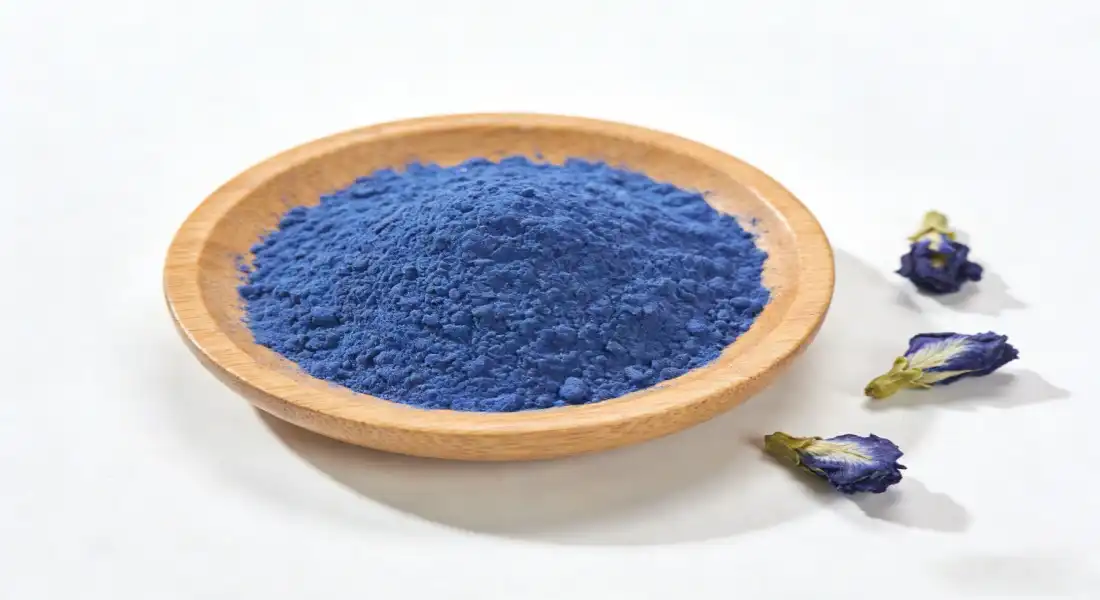
Understanding Powdered Butterfly Pea Flower
What Makes This Natural Colorant Unique?
Clitoria ternatea flowers are carefully picked and dried to preserve their anthocyanin content before being used as powder. For commercial application, manufacturers freeze-dry or spray-dry to preserve biological characteristics and achieve fine particle homogeneity. The finished product is 80-mesh screened to provide uniform mixing in water-based and partly water-based formulations. This plant powder is resilient at high temperatures during pasteurization and washing, unlike other blue dyes. Ternatins dominate the anthocyanin profile, which can withstand 85°C without breaking down. This eliminates a key issue for beverage and baked goods companies using phony FD&C Blue No. 1 or unstable spirulina extracts.
Nutritional and Functional Profile
The chemical study shows a complicated network of bioactive molecules that do more than just change the color. The mineral content adds rare elements like iron, magnesium, and potassium, and the amino acid profiles include important parts that help make proteins. Fortified foods are healthier because they contain more vitamins, especially B-complex vitamins.ORAC (Oxygen Radical Absorbance Capacity) readings regularly above 25,000 μmol TE/g show that this ingredient has antioxidant properties, making it one of the strongest natural antioxidants available to formulators. Additionally, quercetin and kaempferol glycosides help reduce inflammation, which opens the door for dual-function ingredients that powdered butterfly pea flower can be used in finished goods to make them look better and make health claims.
How to Use Powdered Butterfly Pea Flower Effectively
Preparation Methods and Formulation Techniques
Using it to make tea is the easiest, as it only needs to be reconstituted at a rate of 1-2 grams per 200ml of hot water. The infusion time of 3 to 5 minutes brings out the best color intensity while keeping the taste neutral, which makes it different from plants with strong flavors. By adding citrus, beverage makers change the pH to cause the dramatic color change. This makes goods that look great on Instagram and get people to interact with them. More accurate incorporation methods are needed for manufacturing uses. To keep powder vitamins from sticking together, dry blending needs to be mixed thoroughly with dispersal agents like maltodextrin first. High-shear mixing at controlled temperatures below 70°C is good for keeping anthocyanins stable in liquid formulas. In cosmetic emulsions, the powder is mixed in during the water phase, and hydrocolloids are used to spread the color specks evenly throughout the product.
Storage and Shelf Life Optimization
When anthocyanin is exposed to light, high temperatures, and high humidity, it breaks down faster. To reduce oxidative stress, bulk buyers should ask for packing in aluminum-laminated bags with nitrogen washing. Keeping the temperature between 15°C and 25°C and the relative humidity below 60% in storage spaces can extend the shelf life to 24 months without losing much of the flavor or strength. Protocols for quality assurance include regular UV-Vis spectrophotometry to check the amount of anthocyanin at the 580nm range. Acceptable degradation levels usually let the product lose 10-15% of its effectiveness over the stated shelf life. This keeps the recipe the same from one production batch to the next. NT Biotech's 1 kg and 10 kg packaging choices can be used for both small-scale tests and full production runs.
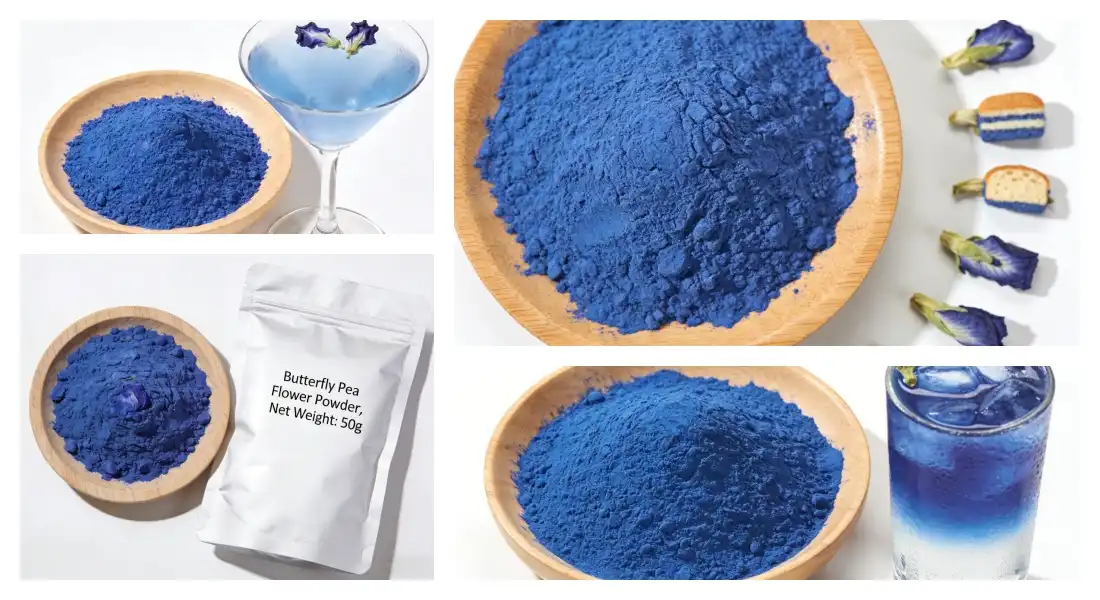
Choosing the Right Powdered Butterfly Pea Flower for Procurement
Organic Versus Conventional Sourcing
The way of cultivation has a big effect on both the cost structure and the placement in the market. Organic approval comes with higher prices—usually 30–40% more than regular material—but it also gives you access to health food stores, natural product shows, and eco-conscious customers who are willing to pay those higher prices. The lack of synthetic fertilizers and pesticides also fits with stories about ecology that are becoming more important to business social responsibility efforts. Conventional production is cheaper for uses that need to keep costs down, and the anthocyanin patterns stay the same when the same extraction methods are used. When choosing between organic and non-organic specifications, procurement managers should think about how the product will be positioned in the market and how much profit they need. It's important to remember that the useful performance of both types of crops is the same.
Powder Versus Alternative Forms
Dried whole flowers look nice in craft tea blends and specialty powdered butterfly pea flower drink garnishes, but they need to be processed further before they can be used as ingredients, which makes quality control harder and introduces variation. While liquid extracts make it easier to make drinks, they can be unstable when stored or transported, so they need protection systems that go against the idea of a clean label. Powdered forms offer the best mix of usability, sturdiness, and flexibility. The standard mesh size makes sure that the dispersion properties are always the same, and the concentrated format cuts down on shipping costs and storage room needs, both of which are important factors for foreign procurement operations. When mixed with low-viscosity fluids, micronized powder suspends more easily than larger dried flower pieces that settle quickly.
Bulk Buying and Procurement Considerations for B2B Clients
Supplier Landscape and Geographic Availability
The global supply chain is mostly centered in Southeast Asian growing areas, especially Thailand and Malaysia, where warm temperatures allow flowers to bloom all year long. Processing plants in China have become experts in standard extraction methods, which allows them to offer reasonable price structures that are a result of processing plants on a large scale. European and North American suppliers usually bring goods into the country and repackage them. This adds to the cost of shipping but gives buyers in those areas better customer service and easier operations.NT Biotech keeps strategic inventory places that allow for quick completion within two to four days of receiving payment for stock items. The company has direct ties with factories and its own FEDEX and UPS accounts, so there are no middlemen to slow down the supply chain. This is especially important when releasing new products quickly or dealing with sudden demand spikes in seasonal beverage markets.
Minimum Order Quantities and Pricing Structures
Entry-level MOQs of 10 kg allow small to medium-sized businesses to test the market without putting too much money into powdered butterfly pea flower recipes that haven't been proven yet. Volume savings usually start at 100 kg, and there are more price breaks at 500 kg and 1000 kg yearly commitment levels. When procurement professionals negotiate multi-year supply deals, they get better prices that protect against changes in item prices and make sure that supplies will always be available. Customization services, such as private labels, custom package configurations, and co-manufacturing support, cost extra but offer complete solutions for brands that don't have their own processing facilities. The flexible payment terms that accept local currencies lower foreign exchange risk. This is especially helpful for procurement managers who work in markets where exchange rates change all the time.
Logistics and Quality Assurance
Express shipping through air freight works best for pressing orders and temperature-sensitive packages that need to be managed in a cold chain. However, ocean freight is more cost-effective for regularly restocking established product lines. Freight forwarders you can trust who have experience handling plant goods make sure you have all the paperwork you need to clear customs, like phytosanitary certificates and import permits that are specific to your country. Batch consistency methods should require that samples from each production lot be kept. This way, when there are differences in how well a formulation works, it can be tested against other formulations. Third-party laboratory testing through independent facilities gives more confidence than supplier-provided COAs. This is especially important when starting to work with new vendors or entering controlled markets that require more due diligence.
Conclusion
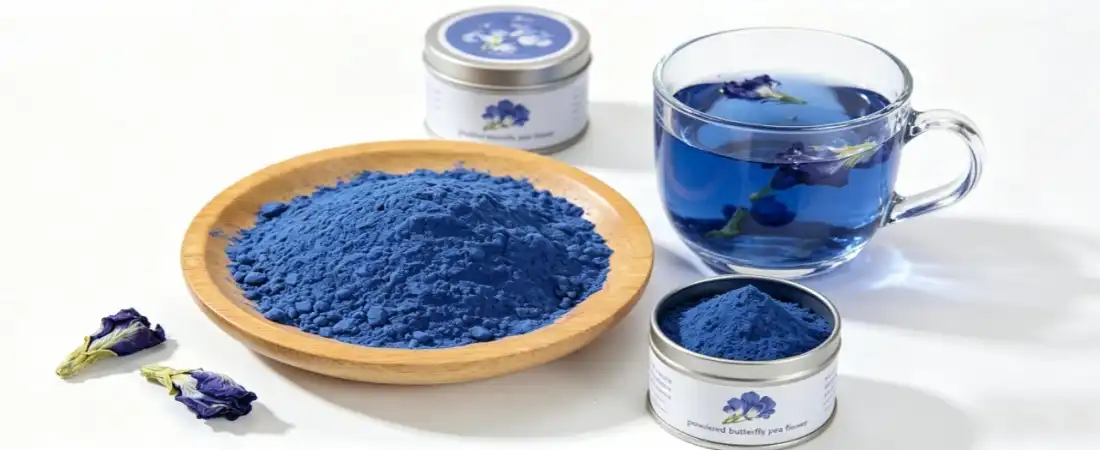
Powdered butterfly pea flower is a smart ingredient investment for sourcing workers in the food, drink, cosmetics, and nutraceutical industries who are trying to make the switch to natural, clean-label products. The fact that it is stable at high temperatures, changes color based on pH, and is a powerful antioxidant solves a number of manufacturing problems with just one plant input. Procurement strategies that work well balance quality requirements with cost structures and put an emphasis on relationships with suppliers that offer technical support, legal knowledge, and reliable supply chain performance. Consumers are increasingly choosing known botanical ingredients over synthetic options. This bright blue powder could be a good addition to product lines that want to stand out in crowded markets.
FAQ
1. Is Powdered Butterfly Pea Flower Safe for All Skin Types?
Researchers have found that the ingredient works very well with a wide range of skin types, even sensitive and allergic skin. It is safe to use in cosmetics because it doesn't contain any common allergens and has natural anti-inflammatory qualities. Clinical patch testing shows that there isn't much chance of sensitization, but makers should still test finished products according to ISO 10993 guidelines.
2. How Long Does the Color-Changing Effect Last in Formulations?
Anthocyanin stability affects how long the color stays on, and it changes depending on the pH of the mixture, the temperature, and the amount of light it is exposed to. If you store properly-made drinks in the fridge, their bright colors will last for 12 to 18 months. At room temperature, they should last for 6 to 9 months. Because UV-protective packaging keeps colors much more stable for longer, amber glass or dark containers are better than clear ones.
3. Can This Ingredient Be Used in Gluten-Free Products?
The plant source doesn't have any gluten proteins, so it can naturally be used in celiac-safe recipes. Cross-contamination risks are eliminated when suppliers keep separate gluten-free processing facilities. However, procurement managers should check that the facilities are certified and ask for proof that the gluten levels are below the 20ppm limits needed for gluten-free labeling claims in most places.
Partner with NT Biotech for Premium Butterfly Pea Powder Supply
NT Biotech stands ready to support your procurement needs with high-purity, ISO/Kosher/Halal-certified powdered butterfly powdered butterfly pea flower pea flower manufactured under stringent quality protocols. Our in-stock inventory enables shipment within 2-4 days, while our technical team provides formulation guidance tailored to your specific application requirements. As an established butterfly pea powder supplier serving global markets, we offer complimentary samples for evaluation, flexible packaging from 1kg bags to customized bulk configurations, and competitive pricing structures for volume commitments. Reach out to our procurement specialists at info@newthingsbiotech.com to discuss your project specifications, request detailed product documentation, or schedule a consultation exploring how our botanical expertise can enhance your product development initiatives.
References
1. Chusak, C., et al. (2018). "Acute effect of Clitoria ternatea flower beverage on glycemic response and antioxidant capacity in healthy subjects: a randomized crossover trial." BMC Complementary Medicine and Therapies, 18(1), 6-14.
2. Lakshan, S.A.T., et al. (2019). "A comprehensive review on the potential of Clitoria ternatea L. for industrial applications." Industrial Crops and Products, 140, 111596.
3. Nair, V., et al. (2015). "Flavonoid-rich fraction from Clitoria ternatea L. provides neuroprotection and cognitive enhancement through antioxidant mechanisms." Pharmaceutical Biology, 53(12), 1865-1875.
4. Pasukamonset, P., et al. (2017). "Stability of anthocyanins from butterfly pea flower extract during thermal processing and storage." Food Research International, 100(3), 503-510.
5. Srichaikul, B., & Bunsang, R. (2016). "Evaluation of color stability and bioactive compounds in butterfly pea flower extract as natural colorant in jellies." International Food Research Journal, 23(4), 1549-1556.
6. Zakaria, N.A., et al. (2020). "Development and characterization of butterfly pea flower (Clitoria ternatea) powder for food application." Journal of Food Science and Technology, 57(3), 1020-1028.