- English
- French
- German
- Portuguese
- Spanish
- Russian
- Japanese
- Korean
- Arabic
- Greek
- German
- Turkish
- Italian
- Danish
- Romanian
- Indonesian
- Czech
- Afrikaans
- Swedish
- Polish
- Basque
- Catalan
- Esperanto
- Hindi
- Lao
- Albanian
- Amharic
- Armenian
- Azerbaijani
- Belarusian
- Bengali
- Bosnian
- Bulgarian
- Cebuano
- Chichewa
- Corsican
- Croatian
- Dutch
- Estonian
- Filipino
- Finnish
- Frisian
- Galician
- Georgian
- Gujarati
- Haitian
- Hausa
- Hawaiian
- Hebrew
- Hmong
- Hungarian
- Icelandic
- Igbo
- Javanese
- Kannada
- Kazakh
- Khmer
- Kurdish
- Kyrgyz
- Latin
- Latvian
- Lithuanian
- Luxembou..
- Macedonian
- Malagasy
- Malay
- Malayalam
- Maltese
- Maori
- Marathi
- Mongolian
- Burmese
- Nepali
- Norwegian
- Pashto
- Persian
- Punjabi
- Serbian
- Sesotho
- Sinhala
- Slovak
- Slovenian
- Somali
- Samoan
- Scots Gaelic
- Shona
- Sindhi
- Sundanese
- Swahili
- Tajik
- Tamil
- Telugu
- Thai
- Ukrainian
- Urdu
- Uzbek
- Vietnamese
- Welsh
- Xhosa
- Yiddish
- Yoruba
- Zulu
Lutein and zeaxanthin powder safeguards eyesight by accumulating in the middle of the retina. These pigments block reactive oxygen species and high-energy blue light from damaging photoreceptor cells. Xanthophyll pigments are particularly abundant in marigold flowers (Tagetes erecta L.). MPOD reduces inflammation and photo-oxidative stress. These two factors produce most old-age retinal degeneration and cataracts. People worldwide need greater eye protection. Dietary supplements, helpful meals, and cosmetics provide enough protection due to the homogenous powder composition. More eye health products are available worldwide. People are living longer, using computers more, and becoming more conscious of eye issues. Marigold flowers contain essential pigments lutein and zeaxanthin. They are currently crucial in this industry. They filter harmful blue light and protect retinal cells from oxygen damage, making them essential to effective eye care solutions. Eye safety benefits more than simply your health. It also impacts employee performance, healthcare expenditures, and consumer satisfaction. For nutrition, food, skin care, and animal feed professionals, finding high-quality marigold extract powders is an investment that helps their products stand out and compete. Scientists say these carotenoids are healthy. This page describes them for buying managers, R&D experts, and sourcing directors. It also covers how to evaluate their quality and utilize them to satisfy rules and customer expectations.
Understanding Lutein and Zeaxanthin Powders: What They Are and How They Work
Chemical Structure and Natural Sources
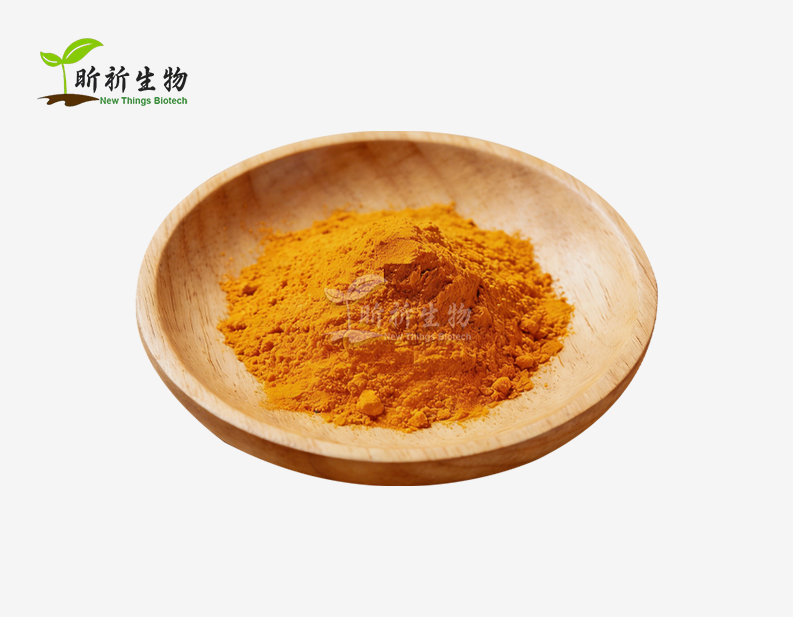
Discover how lutein and zeaxanthin powder function. Lutein and zeaxanthin, two carotenoids, adhere to fat and have the formula C₄₀H₉₆O₂ (CAS number 144-68-3). Only one double bond moves in its structure, like lutein's. They must be eaten as nutrition since humans cannot make these compounds. People receive carotenoids from marigold flowers (Tagetes erecta L.), which are rich in them. Purity ranges from 5 to 98% depending on removal and cleaning. Saponifying the oleoresin removes fatty acids and esterified forms. It is then made using marigold leaves. This creates a bright orange-yellow powder with uniformly distributed particles for further processing. Approximately 80 mesh. Market recommendations for potency levels of 5%, 10%, 20%, 70%, and 98% enable product designers pick the power level that fits their product and budget.
Mechanisms of Retinal Accumulation and Protection
Only specific retinal cells, notably in the macula lutea (the clear-seeing middle), produce carotenoids. After eating, lutein and zeaxanthin are absorbed. After being transported by lipoproteins via the blood, they are predominantly located in the pigment epithelium and photoreceptor outer segments of the retina. Inside the macula, they safeguard it three crucial ways. They remove metabolic and light-induced singlet oxygen and free radicals as powerful antioxidants. Due to their molecular structure, they block 400–500 nm blue light. This high-photon light may oxidize retinal cells. Interleukin-6 and tumor nightmare factor-alpha reduction alters inflammation processes. Long-term eye impairment is associated to them.
Bioavailability and Purity Standards
Particle size, lipid content, and isomer form affect how efficiently these carotenoids operate in the body. Trans-lutein is utilized in medications because it is stable and better absorbed than cis-isomers. The finest firms utilize regulated saponification and microencapsulation to preserve the bioactive trans-lutein form and protect the powder from light, heat, and reactive degradation. Reverse-phase high-performance liquid chromatography (RP-HPLC) checks product cleanliness to meet quality requirements. Best businesses provide Certificates of Analysis for each run. A third party checks for heavy metals, microorganisms, and chemical residues. This ensures international safety requirements are met. Product performance may be determined by procurement professionals using these technical information. They may choose powders that function in varied manufacturing situations.
Key Benefits of Lutein and Zeaxanthin Powder for Eye Health
Age-Related Macular Degeneration Prevention
Alzheimer's disease (AMD) is the main reason why people over 50 in developed countries lose their sight for good. Studies in people have shown that taking lutein and zeaxanthin vitamins every day greatly slows the progression of AMD from the middle to advanced stages. People who took a supplement with 10 mg of lutein and 2 mg of zeaxanthin had a 10–25% lower chance of getting advanced AMD compared to people who were not given the supplement. Carotenoids protect the eyes by increasing the visible density of the macular pigment. This is a way to measure how well the retina can fight free radicals.
Cataract Risk Reduction
This is a cloudy lens condition that makes it hard to see for more than 24 million Americans aged 40 and up. When toxic stress is put on crystallins, which are proteins in the lens, cataracts grow. Glycation and cross-linking are the steps that make this happen. Epidemiological studies show that people who eat more lutein and zeaxanthin are 18–42% less likely to get cataracts. These carotenoids clean out the eye by getting rid of reactive oxygen species. The protein structure is kept safe, and the lens stays clear over time.
Digital Eye Strain and Blue Light Filtration
A lot of people today look at computer screens, which give off a lot of strong blue light. Digital eye strain, which leads to headaches, dry eyes, blurry vision, and tired eyes, gets worse when you do this. The carotenoids in marigolds help the brain process vision information faster and better by stopping blue light before it reaches photoreceptor cells. Researchers have found that taking 20 mg of lutein every day for six months improves the visual abilities of people who use computers by 15 to 20 percent. This includes getting better from glare faster and getting better from photostress faster.
Natural Versus Synthetic Powders
In terms of security and safety, natural lutein and zeaxanthin from marigold flowers are better than artificial choices made from petrochemical feedstocks. Natural goods have the right amount of isomers and antioxidants that are co-extracted to work better with each other. They help the government get things approved in many places and meet the needs of people who want clean labels. Even though synthetic types are less expensive, they need to be looked at more closely when it comes to long-term safety data and how much solvent they still have in them. This is why natural marigold extracts are best for high-end goods that people who care about their health will want to buy.
Choosing the Right Lutein and Zeaxanthin Powder: Market Solutions and Quality Considerations
Product Forms and Formulation Alignment
Choose the finest lutein and zeaxanthin powder by considering purity, fit, and supply chain reliability. Each kind of product has a preferred manufacturing method or purpose. Businesses usually acquire powders to manufacture nutritious beverages, pills, and tablets. They blend nicely with other active substances and fillers and are straightforward to measure. Formulators may adjust strength from 5% to 98% without altering ingredients. Low doses (5–20%) give color and minerals to usable meals. This is for pharmaceutical-grade vitamins that need the most medicinal strength per dose. Purities 70–98% are for these. Make it your own using microencapsulation. This keeps the powder from oxidizing and masks its flavor, making it easier to consume. Lipophilic carotenoids like fat. Water-dispersible kinds may be introduced to water-based systems without emulsifiers.
Certifications and Regulatory Compliance
The first step in quality security is checking the supplier's papers for international manufacturing standards. ISO 9001 certification ensures that quality control systems are coordinated and consistent across batches. Kosher and Halal food makes it easier for persons with special diets to shop. Organic certification isn't common for marigold extracts, but natural product organizations appreciate it since they desire non-GMO, pesticide-free products. Rules for third-party testing verify purity claims and detect impurities. Selling with Certificates of Analysis from other laboratories shows honesty and trustworthiness. These articles should mention microorganisms, heavy metals (mercury, lead, arsenic, and arsenic), carotenoids, and solvents based on HPLC.
Pricing Dynamics and Supply Chain Logistics
Marigold extract powder costs vary on purity, raw material availability, and removal ease. Typically, you need 25 kilograms. As you pledge more, the price per kilogram drops when you purchase this much in bulk. Seasons affect marigold yield and price. For price stability, collaborate with sellers who hold sensible stocks. The greatest sellers usually have adequate stock to dispatch orders within one to four days after payment, minimizing manufacturing delays. Buyers may choose express carriers for urgent orders, air freight for medium purchases, and sea freight for big orders. This lets purchasers weigh shipping prices and delivery timelines. With company-owned FEDEX and UPS accounts, customs clearance is easier and items are sent quicker.
OEM and Private Label Opportunities
Customization goes beyond manufacturing. It may also include constructing the box, reviewing the labeling, and making market-specific adjustments. Lutein and zeaxanthin may be combined with zinc, omega-3 fatty acids, vitamins C and E, or both. This is achievable with OEM services. They may market scientifically validated eye health remedies under their own brand names with private label arrangements. They may leverage their suppliers' product science and regulatory expertise to achieve this. Sellers with Label Support in Multiple Languages and Legal Paperwork Unique to Each Area help enterprises enter North American, European, and Asian-Pacific markets. This comprehensive service approach turns raw material suppliers into strategic partners that care for customer success.
Ensuring Quality and Trustworthiness: How to Vet Lutein and Zeaxanthin Powder Suppliers
Certification Verification Checklist
Make sure vendors' lutein and zeaxanthin powder credentials are legitimate and from reputable associations before researching them. ISO 9001 shows a company's commitment to quality management systems from raw materials to product launch. Some market niches value rituals. This is guaranteed by Orthodox Union (OU) or Star-K kosher certification and Islamic Halal certification. Check badge-giving organizations' websites to ensure your copies are authentic. Real suppliers would gladly offer this papers and allow you see their facilities. They are transparent about their business practices and trust their quality standards.
Third-Party Testing and Batch Documentation
Each product should include a Certificate of Analysis (CoA) listing the compounds, their purity, and safety concerns. CoAs should include lab approval information and USP, EP, or BP pharmacopeia testing techniques. Third-party laboratories like Eurofins, SGS, and Intertek do fair inspections, reducing the likelihood of internal test fraud. See how frequently the seller checks. Reputable manufacturers test every batch, not just a few. This stringent method ensures every 25 kilogram barrel satisfies requirements. Your brand avoids quality issues that might compromise safety or performance.
Production Capacity and Customization Capabilities
Ask the vendor whether they can increase production to meet your current and future demands without lowering quality. Find out how much the firm can manufacture in a year, how long it takes to receive products during busy periods, and what happens if they run out of raw materials. Brokers that depend on outside producers are less trusted than vendors who cultivate, extract, and package marigolds. More than recipes should be customizable. Different packing techniques (drums, bags, sachets), mesh sizes, and innovative procedures like spray-drying or microencapsulation should be available. Excellent partners have technical support teams that answer queries in two hours and provide application-specific design guidance. This distinguishes them from transactional merchants.
Case Study: Successful Supplier Partnership
By adding stronger marigold extract, a North American supplement company wanted to make its eye health line stand out from others on the market. They looked at five sources and picked the one that had ISO, Kosher, and Halal certifications and 98% pure powder. The seller sent us free samples to make sure they were stable. They also changed the mesh's size to make it better for pressing pills together and kept an eye on stock so we could quickly get more. Within 18 months, the product that had been changed gained an extra 12% of the market. This showed that picking a service provider based on how skilled they are and how quickly they can help you is a smart business move.
How to Integrate Lutein and Zeaxanthin Powder into Your Product Line or Portfolio
Dietary Supplements and Functional Foods
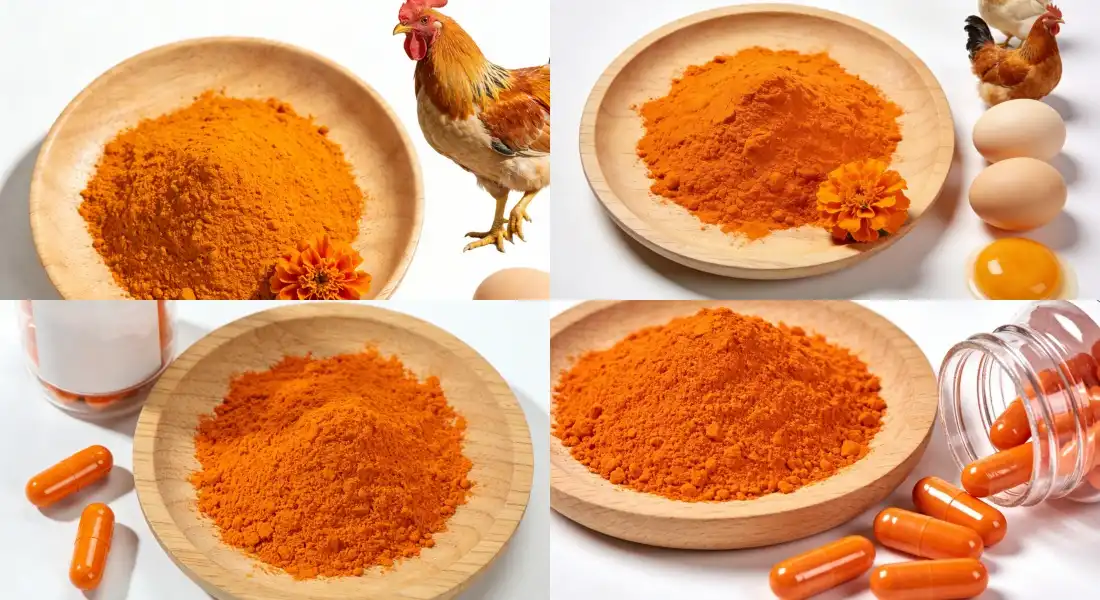
The main way it is used is in dietary supplements like pills, tablets, softgels, and powdered drink mixes. About 6 to 20 mg of lutein and 0.5 to 10 mg of zeaxanthin are taken by most people every day. This is to match the 5:1 ratio found in the human eye. In many formulations, these pigments are mixed with nutrients that work well with each other. One example is omega-3 DHA, which helps protect the membranes of retinal cells. Vitamin C fixes antioxidants that have been harmed, and zinc makes it easier for the body to move and use carotenoids. People like to take supplements in a convenient way through food, which is why functional foods like protein bars, sweetened drinks, and dairy products are popular. Powders that dissolve in water or are microencapsulated mix easily into these materials and don't change the colors or make them hard to settle. To make sure that the carotenoid strength stays the same for the whole shelf life of the product, stability tests at 40°C and 75% relative humidity speeds up the age process.
Cosmetics and Dermatological Applications
A brand-new study shows that lutein and zeaxanthin can shield skin from UV rays. This means that they are useful for more than just eye health. UV light creates free radicals, which are then removed from the skin. This makes the skin less red and swollen, and it also makes the skin more hydrated and flexible. Marigold extract powders are used to protect the skin from free radicals in high-end anti-aging serums, sunscreens, and eye creams. Cosmetic formulators have to deal with solubility issues by using emulsification or liposomal capsules to help products get into the skin and be absorbed better.
Animal Nutrition and Feed Additives
People who work with chicken and seafood use lutein and zeaxanthin to make egg whites and fish meat look better. Color is an important quality factor that people look at when they decide what to buy. These carotenoids not only make animals look good, but they also help their defense systems work well and help them breed. A lot of the additives in feed are 5 to 20 percent pure powders that are mixed into full feeds or premix concentrates. Rules about how to label things and how much can be used are set by things like the FDA's GRAS (Generally Recognized As Safe) designation and EU feed ingredient approvals.
Regulatory Compliance and Labeling Best Practices
various laws apply to various markets since the world has many regulations. The Dietary Supplement Health and Education Act (DSHEA) requires marigold extract dietary tablets to have honest labeling and comprehensive chemical listings. Structure-function assertions like "supports eye health" don't need to be verified, but disease claims do. European Union's Novel Foods Regulation regulates reintroducing pre-1997 food goods. Since marigold products have been used for a long time, they typically comply. The Chinese registration system requires certification for healthy items. Many papers and research tests are included. Work with firms who respect the law in many areas to speed up approval and reduce legal risk. What about carotenoids? Labels should list how much lutein and zeaxanthin each dosage contains and prove their claims with consistent data until expiry. Brands with "derived from marigold flowers" are more trustworthy and appealing to naturalists.
Conclusion
The use of lutein and zeaxanthin powder has been shown to help improve eye health around the world. This is because more people are living digital lives and getting older. Because they are antioxidants, blue light blockers, and anti-inflammatorys, these carotenoids from marigolds are good for you because they lower your risk of AMD, cataracts, and digital eye strain. Buyers who are good at their jobs focus on service providers who can show they have the technical know-how, strict quality controls, and quick service infrastructure that can help with making new products and setting themselves apart in the market. When you add these powders to dietary supplements, functional foods, makeup, or animal nutrition products, you need to think about recipe science, following the rules, and what customers want in terms of natural, clean-label ingredients. A good quality marigold extract has strategic value that goes beyond the cost of the ingredients. This value includes brand image, medicinal success, and the ability to stay competitive in the long term in the market.
FAQ
1. What is the recommended daily intake of lutein and zeaxanthin?
How much lutein and zeaxanthin should you consume daily? According to a research, ingesting 6–20 mg of lutein and 1–4 mg of zeaxanthin daily is excellent for eye health. The AREDS2 trial employed 10 mg of lutein and 2 mg of zeaxanthin, which is currently recommended to minimize AMD risk. How much carotene people consume, genetic factors that impact digestion, and how much sunshine they are exposed to at work or at home may vary what each individual requires. Research suggests that procurement staff should utilize dietary supplement dosages within this range and fulfill government daily value criteria for each target market.
2. How do natural and synthetic powders differ in safety and efficacy?
Do natural and man-made powders vary in safety and efficacy? Lutein and zeaxanthin in marigold flowers have been safe to consume for decades, and most large markets accept them. Working with a good blend of isomers and tiny antioxidants may make them more soluble. After being chemically synthesized from petrochemicals, manufactured forms must be thoroughly tested for safety and bioequivalence. Natural powders help companies develop trust and make their products simpler to discover. They also match clean-label trends and authorities readily accept them. Same-quality things operate similarly. Natural sources are more marketable and consumer-friendly.
3. Which certifications are crucial when sourcing these powders?
Which approvals should you seek for while buying these powders? ISO 9001 accreditation indicates planned quality control for group uniformity. Sellers of Kosher and Halal foods have an easier time selling. Third-party testing from certified laboratories verifies claims and zero contaminants. GMP certification for pharmaceutical usage and organic certification for natural product positioning are crucial. Country-specific approvals like FDA GRAS or EFSA Novel Food are also important. Buyers should check that vendors have current licenses and can demonstrate compliance with local laws.
Partner with NT Biotech for Premium Marigold Extract Solutions
You can get lutein and zeaxanthin powder from NT Biotech. They offer pharmaceutical-grade plant products that meet the strict needs of the cosmetics, functional foods, and dietary supplement businesses around the world. The quality of our marigold flower extracts is measured at between 5% and 98%. A third party tests them thoroughly, and they come with full Certificates of Analysis that show they are safe and work. It only takes two to four days to send out things that are ready to ship. We have separate accounts with both FEDEX and UPS, which gives us a lot of shipping options. You can make your own formulas that are better for your market with our OEM customization services. It is allowed in many places to use these recipes because they meet ISO, Kosher, and Halal guidelines. Send us an email at info@newthingsbiotech.com to get free samples and talk about how our fast service model and fully integrated supply chain can help you get your goods to market faster and for less money.
References
1. Age-Related Eye Disease Study 2 Research Group. (2013). Lutein + Zeaxanthin and Omega-3 Fatty Acids for Age-Related Macular Degeneration: The Age-Related Eye Disease Study 2 Randomized Clinical Trial. Journal of the American Medical Association, 309(19), 2005-2015.
2. Hammond, B. R., & Fletcher, L. M. (2012). Influence of the Dietary Carotenoids Lutein and Zeaxanthin on Visual Performance: Application to Baseball. American Journal of Clinical Nutrition, 96(5), 1207S-1213S.
3. Stringham, J. M., & Hammond, B. R. (2008). Macular Pigment and Visual Performance Under Glare Conditions. Optometry and Vision Science, 85(2), 82-88.
4. Chasan-Taber, L., Willett, W. C., Seddon, J. M., Stampfer, M. J., Rosner, B., Colditz, G. A., Speizer, F. E., & Hankinson, S. E. (1999). A Prospective Study of Carotenoid and Vitamin A Intakes and Risk of Cataract Extraction in US Women. American Journal of Clinical Nutrition, 70(4), 509-516.
5. Tan, J. S., Wang, J. J., Flood, V., Rochtchina, E., Smith, W., & Mitchell, P. (2008). Dietary Antioxidants and the Long-term Incidence of Age-Related Macular Degeneration: The Blue Mountains Eye Study. Ophthalmology, 115(2), 334-341.
6. Abdel-Aal, E. S., Akhtar, H., Zaheer, K., & Ali, R. (2013). Dietary Sources of Lutein and Zeaxanthin Carotenoids and Their Role in Eye Health. Nutrients, 5(4), 1169-1185.