- English
- French
- German
- Portuguese
- Spanish
- Russian
- Japanese
- Korean
- Arabic
- Greek
- German
- Turkish
- Italian
- Danish
- Romanian
- Indonesian
- Czech
- Afrikaans
- Swedish
- Polish
- Basque
- Catalan
- Esperanto
- Hindi
- Lao
- Albanian
- Amharic
- Armenian
- Azerbaijani
- Belarusian
- Bengali
- Bosnian
- Bulgarian
- Cebuano
- Chichewa
- Corsican
- Croatian
- Dutch
- Estonian
- Filipino
- Finnish
- Frisian
- Galician
- Georgian
- Gujarati
- Haitian
- Hausa
- Hawaiian
- Hebrew
- Hmong
- Hungarian
- Icelandic
- Igbo
- Javanese
- Kannada
- Kazakh
- Khmer
- Kurdish
- Kyrgyz
- Latin
- Latvian
- Lithuanian
- Luxembou..
- Macedonian
- Malagasy
- Malay
- Malayalam
- Maltese
- Maori
- Marathi
- Mongolian
- Burmese
- Nepali
- Norwegian
- Pashto
- Persian
- Punjabi
- Serbian
- Sesotho
- Sinhala
- Slovak
- Slovenian
- Somali
- Samoan
- Scots Gaelic
- Shona
- Sindhi
- Sundanese
- Swahili
- Tajik
- Tamil
- Telugu
- Thai
- Ukrainian
- Urdu
- Uzbek
- Vietnamese
- Welsh
- Xhosa
- Yiddish
- Yoruba
- Zulu
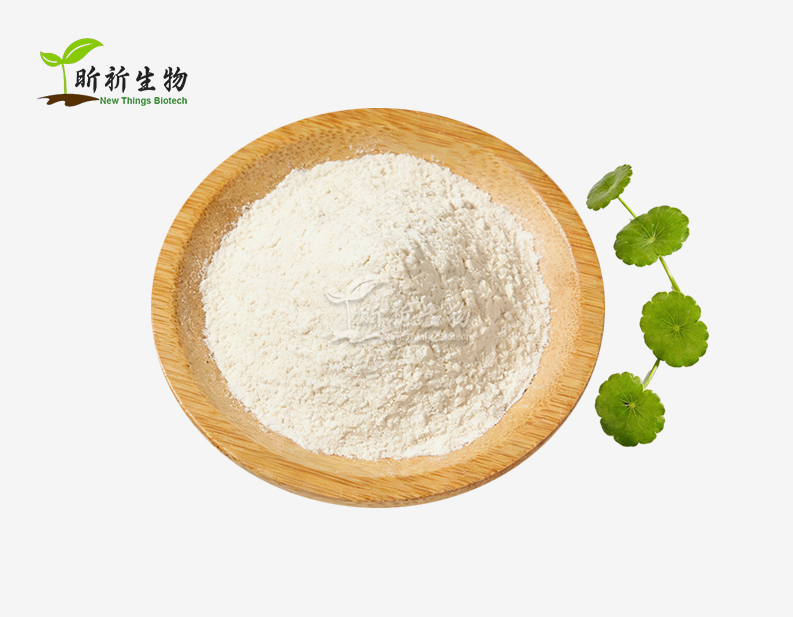
A study by scientists has shown that Gotu Kola Leaf Extract is very good for your health. This pure plant ingredient comes from Centella asiatica. It has strong medicinal chemicals, such as asiaticoside and madecassoside, that help the brain work better, lower stress, heal wounds faster, and fight free radicals. For this reason, the substance is very useful in anti-aging products, skin barrier repair products, and supplements for vascular health. It helps cells make more collagen. People who work in buying like this common ingredient because it can be used in many different beauty, health, and pharmaceutical goods. All of these needs can be met by a single plant material that has been shown to work by science.
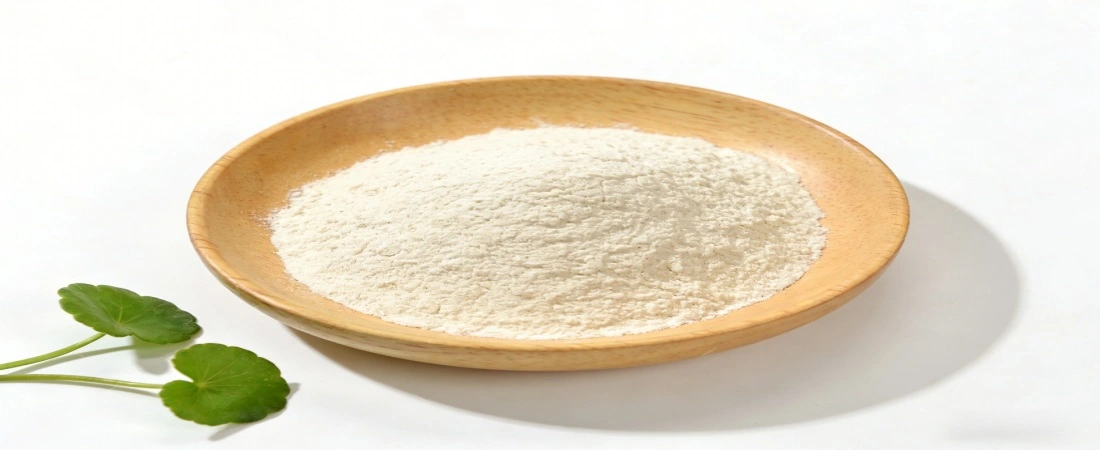
Understanding Gotu Kola Extract: Benefits and Mechanism of Action
The unique mix of triterpenoid saponins found in Centella asiatica extract is good for your health. These are also known as Centelloids. This nutrient comes from plants and is made up of a lot of different bioactive substances that all work together to make many biochemical processes happen at the same time.
The Science Behind Cognitive Enhancement
One of the main chemicals that makes this extract work is called asiaticoside, and tests have shown that it can easily cross the blood-brain barrier. A clinical study found that people who took similar Centella preparations could remember things better and process information more quickly. This process leads to more neurotransmitters being made and better protection against oxidative stress in brain cells. This makes the element great for making nootropic pills that help older people or workers sharpen their minds.
Anxiety Reduction Through GABAergic Modulation
Researchers who are experts in their fields have found that this plant can help people who are anxious. Unlike man-made drugs, natural ones change the activity of GABAergic receptors without making people addicted or very sleepy. It has been shown that madecassoside can lower cortisol levels and keep serotonin levels fixed. More and more, supplement companies are adding this extract to products that help people deal with stress. They are doing this because more and more people want plant-based mental health options that work without the side effects of drugs.
Cellular-Level Anti-Aging and Antioxidant Protection
Asiatic acid is a very strong antioxidant at the chemical level because it makes natural antioxidant enzymes like catalase and superoxide dismutase work better. Over time, this chain reaction saves cells from free radical damage. Free radical damage is what makes cells age faster than they should. The extract also stops matrix metalloproteinases from doing their job. These are enzymes that break down collagen. At the same time, it makes more fibroblasts. This is the reason why it's so good at getting rid of fine lines, making skin more flexible, and keeping the thickness of the dermis in older skin. When beauty scientists make high-performance anti-aging serums and creams, they look for these traits in active ingredients: they should work scientifically and not hurt the skin.
Wound Healing and Collagen Synthesis
The extract can help wounds heal by making more Type I and Type III collagen while the tissue is in the growth phase of repair. Researchers have used skin wound models to show that tissue that is mending has a higher rate of re-epithelialization and a higher tensile strength. Madecassoside affects chemicals that cause inflammation in a certain way. This stops too much inflammation, which can lead to scars that are too thick. There are more and more medical-grade wound care products and post-surgery healing recipes that use this extract. This is because it helps wounds heal quickly and safely for a wide range of patients.
When you are shopping, it is very important to know the difference between Centella asiatica and Gotu Kola. Most of the time, these words mean the same thing. However, Centella asiatica is the name of the plant source and Gotu Kola is the name of the traditional herbal product. The amounts of active compounds are generally written on standardized extracts. These amounts are usually between 10% and 90% asiaticoside content. This gives formulators the freedom to pick the amounts that work best for them. Each batch must be the same because of this rule. This is very important in controlled industries where changing ingredients can make a product less effective and less able to follow the rules.
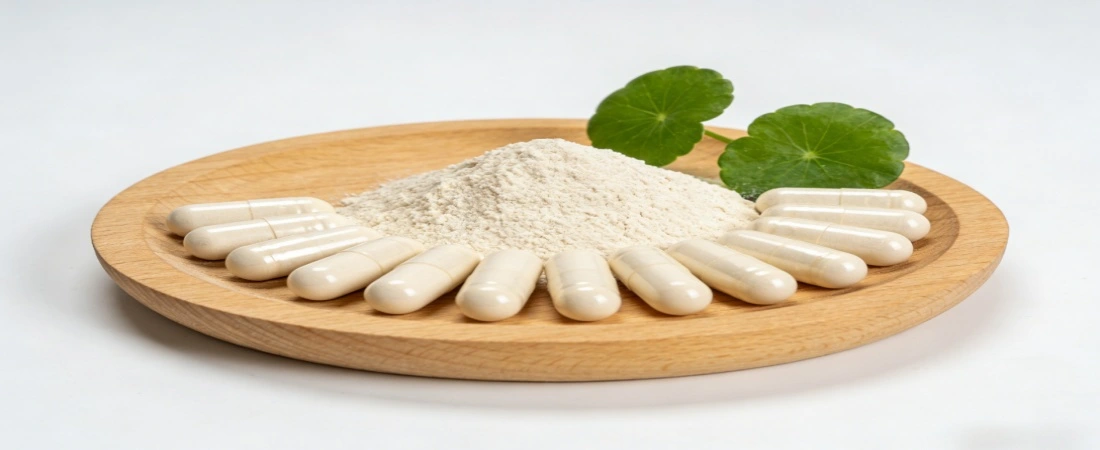
Application Areas and Usage Forms of Gotu Kola Extract in Industry
It's possible to use this plant product in many fields. Its unique biological properties are used in each one to solve a different manufacturing problem. When buying teams know about these uses, they can make better decisions about quality standards and specs.
Dermocosmetic Applications and the "Cica" Phenomenon
A lot of people became interested in Korean beauty items that contained "Cica" extract. Today, Gotu Kola Leaf Extract is thought to be the most important ingredient in barrier-repair skincare. Around the world, this trend has caught on, and now big beauty brands use the ingredient in healing balms for wounds, lotions for sensitive skin, and serums that make skin less red. The extract is great for oil-in-water emulsions since it can act as both an active ingredient and a cushion for the emulsion. It is generally added to finished goods in amounts between 0.5% and 5%, depending on how strong the product needs to be. Cosmetic research and development teams like that it mixes well with hyaluronic acid, niacinamide, and peptides. This lets them make complicated products that do more than one thing without having to worry about how stable they will be.
Nutraceutical Formulations for Systemic Benefits
As a vitamin that you take by mouth, the product can help your heart and brain stay healthy. A major therapeutic use is for chronic venous dysfunction. In clinical tests, standardized products have been shown to improve microcirculation and reduce swelling in the lower legs. Capsules usually have 300 mg to 600 mg of pure extract per dose. This is enough triterpenes for the body to do its job. For mental health goods, this element is mixed with plants that work well together, such as Rhodiola rosea or Bacopa monnieri. This makes nootropic mixes that work well together, which people who want natural ways to boost their brainpower like.
Industrial Dosage Forms and Manufacturing Considerations
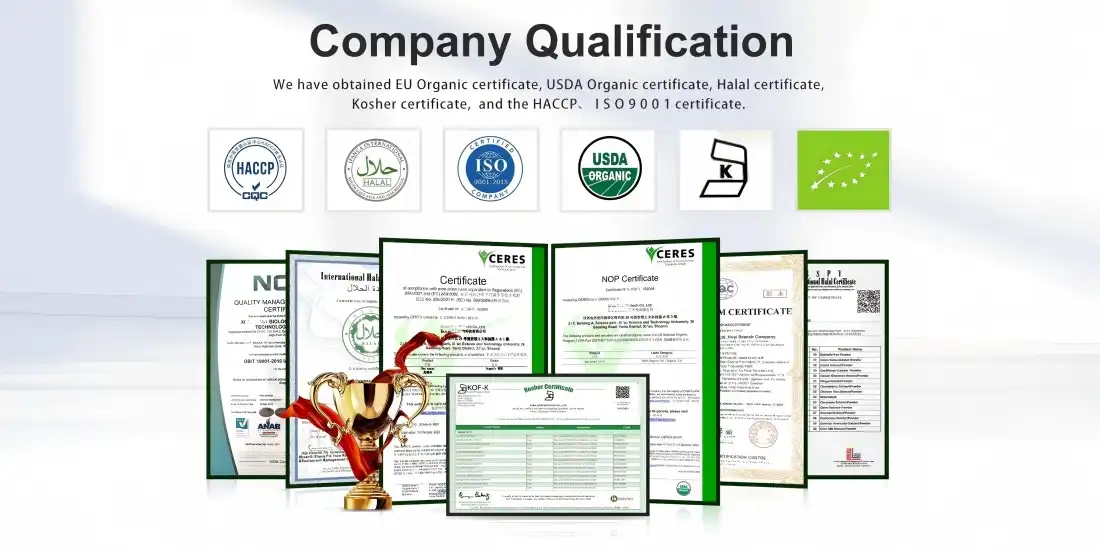
various product varieties might fulfill the demands of various enterprises and consumers. Easy to work with spray-dried 80-mesh powder is ideal for tablet packaging and manufacturing. Using liquid extracts in beverages and medications is straightforward, but they must be stored properly to remain physiologically stable. Tea made from dried herbs has less medicinal properties but appeals to traditional medicine practitioners. Finding experts must balance the merits and downsides of each form depending on product demands. Because each form has distinct nutrients, manufacturing complexity, and costs. This medicine has nearly the same amount of side effects as a placebo, making it safe. For oral usage, 600–1000 mg daily is recommended. Higher limits for topical drugs aren't a concern since the body doesn't get much. Each sector requires distinct information to obey the requirements. INCI name rules and health claims vary. Certain markets need ISO, Kosher, and Halal certification. Brands who desire global sales need this. Buying teams should verify that vendors' credentials meet changing market requirements to prevent costly or time-consuming adjustments.
Comparing Gotu Kola Extract to Other Herbal Extracts: Strategic Procurement Insights
When planning what to buy, it's helpful to know how this plant ingredient compares to other herbal ingredients that do the same job. This comparison helps you find the best mix between making the recipe as cheap as possible and making it more effective at healing.
Competitive Positioning Against Ginkgo Biloba and Ashwagandha
By making blood arteries bigger, Ginkgo biloba mostly improves brain blood flow and brain function. On the other hand, Gotu Kola Leaf Extract has more benefits, such as helping the brain stay healthy and the face heal. While ashwagandha is good for reducing stress and keeping hormones in check, Centella is better for skin care products because it can be used for both inside and outside looks. The best thing about Centella is that it is flexible. This means that brands can use a single main ingredient to make lines of products that work well in both skin care and nutrition categories. This makes it easy to manage the supply chain and builds on the brand story about knowing plants and how products work together.
Organic Versus Conventional Extract Specifications
The cost of raw products goes up by 30 to 50 percent because of the extra cost of getting organic approval. This changes the way the product is positioned and the profit margins in a big way. Some of the best natural beauty brands and clean-label supplement companies like organic extracts because they can sell them well with approval marks. When you buy standard extracts from reputable companies with strong quality control systems, they behave similarly to herbal extracts and cost less. The business will make the choice based on the market and the type of people it wants to bring in. When it comes to regular grades, brands that want to appeal to a wide audience tend to focus on cutting prices. On the other hand, premium health brands use organic certification as a way to add value to their products. Teams that buy things should do cost-benefit analyses that look at more than just the cost of raw materials. They should also think about how to sell themselves and make themselves stand out from others in the same field.
Dosage Form Selection and Bulk Purchasing Logistics
Powder extracts last the longest and can be prepared in the most ways, which is why big companies that make a lot of different goods like them. The safe windows for liquid extracts are shorter, so they need to be shipped in a cold chain and sold more quickly. This is because they make some industrial processes easier. For powder types, the minimum order number is usually 25 kg. This is a good size for medium-sized production runs and saves money because you don't have to keep too much extra stock on hand. People who want to buy more than 500 kg can negotiate better prices that have a big effect on the costs of landing. Lead times depend on how hard the plan is and whether it needs to be certified. Stock things, on the other hand, can be sent out right away, while special standardizations take 10 days to make. When purchasing managers know about these transportation factors, they can better decide when to place orders. This helps them keep stocking costs low and production going without having to pay extra for fast shipping.
Sourcing and Purchasing Gotu Kola Extract: A B2B Buyer's Guide
It is important to understand how global supply works, how to judge quality, and how to deal so that you can build long-term relationships that are worth the most.
Global Supply Chain Landscape and Supplier Selection
It is mostly grown in India, Sri Lanka, Madagascar, and China. Each of these places has its own rules about quality and ways to get licenses. Indian sellers have a strong certification system and use well-known growing methods to control most of the organic certification market. A lot of the time, Chinese manufacturers offer fair prices on traditional products and can make them fast and in different ways. Gotu Kola Leaf Extract wholesalers in Europe are like quality guards; they offer centralized sources with all the paperwork, but because they are in the way, they charge more. When procurement professionals are looking at possible partners, they should check a supplier's skills in a number of areas. For example, they should look at how advanced their extraction technology is, how well their regulatory documentation systems work, and how clear their supply chain is from where they get their raw materials to when they deliver their finished products.
Pricing Analysis and Cost Structure Transparency
Right now, standardized extracts range in price from $45 to $120 per kilogram, depending on how much asiaticoside they have, if they are naturally approved, and the size of the order. The 10% standardization generally has lower prices, while the 90% high-potency extracts have higher prices that reflect how hard it is to concentrate and how much yield is lost. The price changes a lot depending on how it is extracted. For instance, standard solvent extraction costs less than supercritical CO2 extraction, which is more pure but needs pricey equipment. The costs go up because of the fees for licensing. In this case, certification for organic farming costs about $8 to $15 per kilogram, and certification for religion costs about $2 to $5 per kilogram. You can bargain better and make more realistic budgets if you know about these cost drivers. Also, stay away from sellers whose prices seem too low; this could mean they are cutting corners on quality or not giving you enough information.
Evaluating Supplier Reliability and Quality Assurance
Ask for complete Certificates of Analysis with HPLC, heavy metal screening, microbiological contamination, and pesticide residue analysis active chemical quantities. This is the initial step in assessing quality. Trustworthy suppliers provide batch-specific information instead of broad requirements to demonstrate great quality control. Site examinations might be done by the business or a third party. These inspections demonstrate the quality system and workers' craftsmanship. ISO 9001-certified suppliers plan quality management. GMP-certified suppliers follow pharmaceutical-grade production requirements for food and cosmetics. How fast a supplier responds, how effectively they can assist with technical issues, and how eager they are to supply stability statistics and legal papers to register a product in multiple countries determines your long-term connection. When discussing minimum order numbers, consider the expense of storing the items and the savings in reduced pricing and supply security. For novel products or formulae, 25 kilogram MOQs are acceptable. When you work with vendors that can handle 100 kilogram or more orders, you may receive better costs and quicker manufacturing. Standard 25 kilogram fiber drums may package items. Specialized packaging for handling and legal requirements is also available. What distinguishes stock items that can be sent immediately from unique requirements that need manufacturing planning? This helps with waits. Clear procedures for talking to suppliers and planning orders improve relationships. This maintains production without expensive rapid delivery or waiting for manufacture.
Maximizing Value with Gotu Kola Extract: Best Practices and Industry Use Cases
To make an ingredient's promise a market success, you need to know tried-and-true ways to formulate it, how to deal with legal problems, and how to align business goals with consumer trends.
Proven Formulation Strategies and Recipe Development
Most barrier repair creams that work well have between 2 and 5 percent of the extract in them. It helps repair the barrier well when mixed with ceramides and fatty acids. When this element is mixed with azelaic acid and niacinamide, anti-redness serums work better because they target inflammation and vascular sensitivity in more than one way. The extract stays steady between pH levels 5 and 7, which is good for making skin-safe mixtures. Bioactive materials are sensitive to heat, so the temperature at which they are made must not drop below 60°C. Most health supplement mixes have 150 mg of L-theanine, 200 mg of Bacopa monnieri, and 300 mg of pure extract. Now there are full cognitive support mixes that can help with a lot of different mental performance tracks. Customers believe that these methods that use more than one ingredient are better for them than things that only use one ingredient. This supports higher prices and helps brands stand out.
Commercial Success Case Studies Across Categories
In Europe, a natural skin care brand came out with a scar cream for acne scars that contains 4% Gotu Kola Leaf Extract and a vitamin C product. The product's sales went from nothing to 340% growth in just one year. This was largely due to studies that showed scars got smaller after 8 weeks. Customers who are sensitive to skin liked that the brand's marketing claims had more weight because they used third-party scientific proof. In the field of cognitive health, a North American supplement business used standardized extract to make a stress-relieving formula. It was made especially for people who need to do their best work. Their focused marketing approach helped them get a big share of the competitive nootropics market. It was made possible by data on chemical openness and bioavailability. It is possible for a product to do well in a crowded botanical market if it has good clinical proof, the right ingredients, and a clear strategy.
Regulatory Compliance and Marketing Claim Substantiation
Getting around government requires knowing what claims you can make where. The US bans food supplement claims concerning illness treatment. Cosmetic applications might include "supports cognitive function" or "promotes skin health." They must clearly distinguish between medicinal and cosmetic impacts for these claims to be valid. Europe has stronger proof standards. Health claims must be supported by clinical evidence under EFSA standards. Successful brands invest in consumer or clinical research to support their marketing claims and differentiate themselves from rivals that list ingredients. Label compliance goes beyond claims. The correct INCI numbers, chemical labeling, and product usage must fulfill regulatory and consumer safety criteria. Following market trends is the last stage to maximize value. Clean beauty emphasizes ingredient transparency, short supply chains, and sustainability awards, which is good for the environment. As greenwashing becomes less credible, businesses that emphasize monitoring from planting to extraction increase their authenticity. Tailoring allows formula changes. Gotu Kola Leaf Extract may be used as a basis for all skin types and treat specific issues with additional active ingredients. When strategic aspects are considered, material selection becomes more than technical. This is an opportunity to develop a brand that impacts short-term sales and long-term market placement.
Conclusion
Beyond its great biological profile, Gotu Kola Leaf Extract is very useful for many other reasons. In terms of following the rules, keeping the supply chain stable, and finding your place in the market, it can help. In the very competitive plant market, procurement workers can help their companies do well if they understand the minor differences between levels of standardization, licensing standards, and formulation strategies that are made for specific uses. People are learning more about the product, which is very safe and works well for both looks and health. The fact that this is true makes it an important part of plant-based answers that have been shown to work by science. To make sure the execution goes smoothly, you should work with service providers that can show they have the technical know-how, the quality system maturity, and the flexibility to offer quick help during the product creation process.
FAQ
1. What are the potential side effects of Gotu Kola extract?
Clinical tests show that it is very safe, and the rate of side effects is about the same as with a placebo. Less than 2% of people who took the drug in moderate amounts said they had mild stomach pain. The extract doesn't hurt much when put on the skin, so it can be used in goods for sensitive skin. Some people who are known to be allergic to plants in the Apiaceae family may have very rare allergic reactions. Before taking vitamins, women who are pregnant or nursing should talk to their doctors. However, systemic absorption isn't too hard with direct use.
2. How should Gotu Kola extract be stored to maintain potency?
To keep their biological properties, powder extracts need to be kept in cases that are tightly closed and out of the way of light, water, and heat. It's best when the temperature is below 25°C and the relative humidity is below 60%. If you store something the right way, it will still work 24 months after it was made. As a general rule, liquid extracts only last 12 to 18 months and need to be kept cool, between 2 and 8°C. Teams in charge of buying things should switch out items that are about to go bad first so that the quality of the products stays the same. Also, they should regularly check how stable the materials are.
3. What advantages do organic Gotu Kola extracts offer compared to conventional grades?
When foods are certified organic, it means they were grown without using any man-made chemicals or fertilizers. Brands that push clean labels and high-quality natural goods will like this. When you buy organic or standard extracts from sources that care about quality, the bioactive profiles of the two are about the same. This means that the medicine will still work the same way. The major difference is not which one is better biochemically, but how much the business is worth and how the people see it. Cheap reasons make brands that are aimed at large groups of people pick standard grades first. However, organic approval is a key way for expensive health brands to set themselves apart, which is why they charge more in stores.
Partner with a Trusted Gotu Kola Leaf Extract Supplier
NT Biotech stands as your reliable technical partner for premium botanical ingredients that meet the highest international standards. Our Gotu Kola Leaf Extract delivers asiaticoside concentrations ranging from 10-90%, backed by comprehensive quality documentation including ISO, Kosher, and Halal certifications that simplify multi-market product registrations. We maintain ready inventory enabling shipment within 2-4 days after order confirmation, eliminating production delays that compromise launch timelines. Our proprietary extraction methods maximize bioactive yield while ensuring exceptional purity levels exceeding 98% for flagship specifications, directly enhancing your formulation performance and competitive differentiation. Each batch includes detailed Certificates of Analysis documenting HPLC verification, heavy metal screening, and microbial testing, providing the quality assurance your R&D team demands. We offer flexible MOQs starting at 25kg with customized packaging options, and complimentary samples are available for formulation development and compatibility testing. Contact our technical team at info@newthingsbiotech.com to discuss your specific requirements and discover how our comprehensive value-chain services, from cultivation oversight through application support, transform ingredient sourcing into strategic partnership advantages that accelerate your product innovation and market success.
References
1. Gohil, K.J., Patel, J.A., and Gajjar, A.K. (2010). "Pharmacological Review on Centella asiatica: A Potential Herbal Cure-all." Indian Journal of Pharmaceutical Sciences, 72(5), 546-556.
2. Orhan, I.E. (2012). "Centella asiatica (L.) Urban: From Traditional Medicine to Modern Medicine with Neuroprotective Potential." Evidence-Based Complementary and Alternative Medicine, Article ID 946259.
3. Bylka, W., Znajdek-Awiżeń, P., Studzińska-Sroka, E., and Brzezińska, M. (2013). "Centella asiatica in Cosmetology." Postępy Dermatologii i Alergologii, 30(1), 46-49.
4. Brinkhaus, B., Lindner, M., Schuppan, D., and Hahn, E.G. (2000). "Chemical, Pharmacological and Clinical Profile of the East Asian Medical Plant Centella asiatica." Phytomedicine, 7(5), 427-448.
5. Somboonwong, J., Kankaisre, M., Tantisira, B., and Tantisira, M.H. (2012). "Wound Healing Activities of Different Extracts of Centella asiatica in Incision and Burn Wound Models: An Experimental Animal Study." BMC Complementary and Alternative Medicine, 12:103.
6. Gray, N.E., Magana, A.A., Lak, P., Wright, K.M., Quinn, J., Stevens, J.F., Maier, C.S., and Soumyanath, A. (2018). "Centella asiatica: Phytochemistry and Mechanisms of Neuroprotection and Cognitive Enhancement." Phytochemistry Reviews, 17(1), 161-194.