- English
- French
- German
- Portuguese
- Spanish
- Russian
- Japanese
- Korean
- Arabic
- Greek
- German
- Turkish
- Italian
- Danish
- Romanian
- Indonesian
- Czech
- Afrikaans
- Swedish
- Polish
- Basque
- Catalan
- Esperanto
- Hindi
- Lao
- Albanian
- Amharic
- Armenian
- Azerbaijani
- Belarusian
- Bengali
- Bosnian
- Bulgarian
- Cebuano
- Chichewa
- Corsican
- Croatian
- Dutch
- Estonian
- Filipino
- Finnish
- Frisian
- Galician
- Georgian
- Gujarati
- Haitian
- Hausa
- Hawaiian
- Hebrew
- Hmong
- Hungarian
- Icelandic
- Igbo
- Javanese
- Kannada
- Kazakh
- Khmer
- Kurdish
- Kyrgyz
- Latin
- Latvian
- Lithuanian
- Luxembou..
- Macedonian
- Malagasy
- Malay
- Malayalam
- Maltese
- Maori
- Marathi
- Mongolian
- Burmese
- Nepali
- Norwegian
- Pashto
- Persian
- Punjabi
- Serbian
- Sesotho
- Sinhala
- Slovak
- Slovenian
- Somali
- Samoan
- Scots Gaelic
- Shona
- Sindhi
- Sundanese
- Swahili
- Tajik
- Tamil
- Telugu
- Thai
- Ukrainian
- Urdu
- Uzbek
- Vietnamese
- Welsh
- Xhosa
- Yiddish
- Yoruba
- Zulu
Gotu Kola Leaf Extract is a normal plant ingredient that comes from Centella asiatica (L.) Urban, a perennial grass in the family Apiaceae. This concentrated medicinal substance has triterpenoid saponins, mostly asiaticoside, madecassoside, asiatic acid, and madecassic acid. These help fix skin, reduce inflammation, and protect cells from damage. This extract works in many business-to-business areas, such as functional foods, dietary supplements, cosmetics, and medicine products. It comes in different strengths, from 10% to 90% asiaticoside. It can be used in many different ways and has been shown to work by science, so makers who want natural, effective ingredients that meet global regulatory standards should use it as a key raw material.
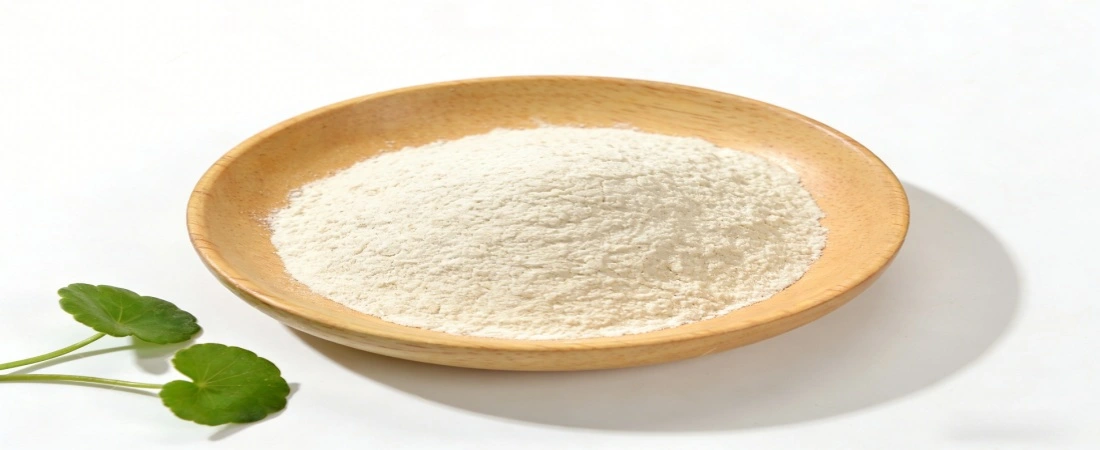
Understanding Gotu Kola Leaf Extract: Composition and Herbal Properties
Botanical Origins and Extraction Process
The plant Centella asiatica, which is also called Gotu Kola or Indian pennywort, grows best in warm marshy areas in Asia, Africa, and Oceania. The whole herb of the plant, including the stems, leaves, and roots, is carefully extracted to make a concentrated powder that is tested for active ingredients. To separate beneficial triterpenoids while keeping the molecules' shape, modern extraction techniques use solvent-based or supercritical CO2 methods. Suppliers of good quality make sure that the conditions of extraction protect chemicals that are sensitive to heat, and that the purity levels are checked using High-Performance Liquid Chromatography (HPLC) and Ultraviolet (UV) spectroscopy. The final product goes through an 80-mesh screen, which gives us a uniform powder with even particle distribution that is good for keeping formulations stable.
Key Bioactive Compounds: The Centelloid Complex
The unique triterpenoid makeup of the product is what makes it useful for medicine. Asiaticoside and madecassoside are glycosylated products that dissolve better in water and are more bioavailable than their aglycone cousins, which are called asiatic acid and madecassic acid. Collectively called Centelloids, these chemicals work in ways that support each other. For example, asiaticoside speeds up wound healing by increasing the number of fibroblasts and collagen production, and madecassoside lowers the levels of inflammatory cytokines like TNF-α and IL-6. According to a study released in Phytotherapy Research, standardized extracts with 40–80% total triterpenoids improve effectiveness without lowering safety. This makes them perfect for commercial uses that need reliable performance.
Antioxidant Capacity and Anti-Inflammatory Effects
The phenolic chemicals and antioxidants in Gotu Kola help heal wounds and also get rid of harmful free radicals. In vitro tests that measure the reduction of DPPH and ABTS radicals show that the antioxidant activity is about the same as vitamin C at the same amounts. This reduction of oxidative stress helps protect neurons, as shown by research that showed less beta-amyloid plaque formation in animal models. The extract's anti-inflammatory effect works in two ways: it stops NF-κB from activating and boosts the production of antioxidant enzymes (SOD, catalase). This many-sided security for cells solves the problems that come up when making anti-aging products and supplements for brain health, since oxidative damage is what causes noticeable aging and mental decline.
Key Uses and Benefits of Gotu Kola Leaf Extract for B2B Applications
Cognitive Health and Neuroprotection
Clinical studies have shown that Gotu Kola can help older people improve their memory storage and mental function. After 12 weeks of taking 500 mg of the vitamin every day, a randomized controlled study with 60 people showed big changes in their working memory and attention span. The process involves more blood flow to the brain and the production of neurotrophic factors, especially Brain-Derived Neurotrophic Factor (BDNF), which helps neurons change shape. The market for cognitive health supplements is expected to hit $15.6 billion by 2028. This extract is a non-stimulant choice to synthetic nootropics that supplement makers can use to attract customers who want plant-based mental performance support without the negative effects of caffeine.
Anxiety Mitigation and Stress Response
The adaptogenic qualities of Centella asiatica meet the growing need for natural medicines that relieve anxiety. Preclinical data shows that GABA receptor regulation can cause mild sedative effects without the risk of becoming dependent. Studies on humans that compared groups that took Gotu Kola to groups that took a sugar pill showed that the Gotu Kola groups had lower cortisol levels and better mood scores on the Hamilton Anxiety Rating Scale. These results put the extract in a good place within stress management product lines, especially capsule and tincture forms that customers who value overall health like. For standardized extracts, the recommended daily dose is usually between 300 mg and 750 mg. After 4 to 6 weeks of steady use, the benefits start to show.
Dermatological Applications: Collagen Synthesis and Scar Reduction
Centella extract is being used more and more in anti-aging and health products for people who have had cosmetic procedures. Asiaticoside increases the activity of Type I and III collagen genes while decreasing the activity of MMP-1, an enzyme that breaks down collagen. Within 8 weeks, clinical tests of topical preparations containing 0.5 to 2% standardized extract showed changes in skin suppleness and trans-epidermal water loss (TEWL). Double-blind tests have shown that the ingredient can help reduce hypertrophic scars and keloids, which makes it useful for medical-grade skin care products. In contrast to retinoids, which need careful sun protection, Centella provides similar collagen-boosting effects without any photosensitivity issues.
Regulatory accountability issues are different for each program. Gotu Kola Leaf Extract is generally thought to be safe (GRAS) in the United States when used in food supplements within recommended dose amounts. EU Cosmetics Regulation (EC) No 1223/2009 sets limits on concentrations that cosmetics must follow. For leave-on items, these limits are up to 5%. Products must be tested by a third party for heavy metals (like lead, arsenic, and mercury), pesticide residues, and microbe contamination to make sure they meet International Organization for Standardization (ISO) guidelines. This protects customer safety and brand image.
Comparing Gotu Kola Leaf Extract with Other Herbal Extracts for B2B Procurement Decisions
Efficacy Benchmarking: Gotu Kola vs. Ashwagandha and Ginkgo Biloba
Purchasing agents often look at a number of plants to find the best ones to use in different product lines. While Ashwagandha (Withania somnifera) is great at lowering cortisol and changing testosterone levels, Gotu Kola Leaf Extract is better for your skin because it has its own special way of making collagen. The main way that Ginkgo biloba improves peripheral circulation is by blocking platelet-activating factor. On the other hand, Centella protects neurons through antioxidant and trophic factor mechanisms. Market trend research shows that between 2020 and 2023, sales of "Cica" (skincare products with cedar oil) grew 300% in North America, faster than the rate at which Ginkgo cosmetics were adopted. This change in customer choice points to strategic positioning possibilities for brands that use Gotu Kola Leaf Extract in multifunctional formulations that target people with both skin and cognitive health problems.
Quality Considerations: Organic Certification vs. Conventional Extracts
Organic certification raises the cost of raw materials by 15 to 30 percent, but it appeals to high-end markets that value ecology and chemical-free processes. Organic certificates from the USDA and the EU ensure that synthetic poisons will not be used during farming or during handling after the harvest. Even though conventional extracts meet safety standards, they may contain small amounts of farming leftovers that can be found using gas chromatography-mass spectrometry (GC-MS) testing. Buyers in bulk have to compare the cost of approval to the price their target customers are willing to pay. Natural goods expos show that using organic ingredients raises the selling price of a finished product by 20 to 40 percent. However, these ingredients bring in higher margins in specialty stores and online, where customers are more likely to make purchases based on information.
Format Analysis: Powder vs. Encapsulated Solutions
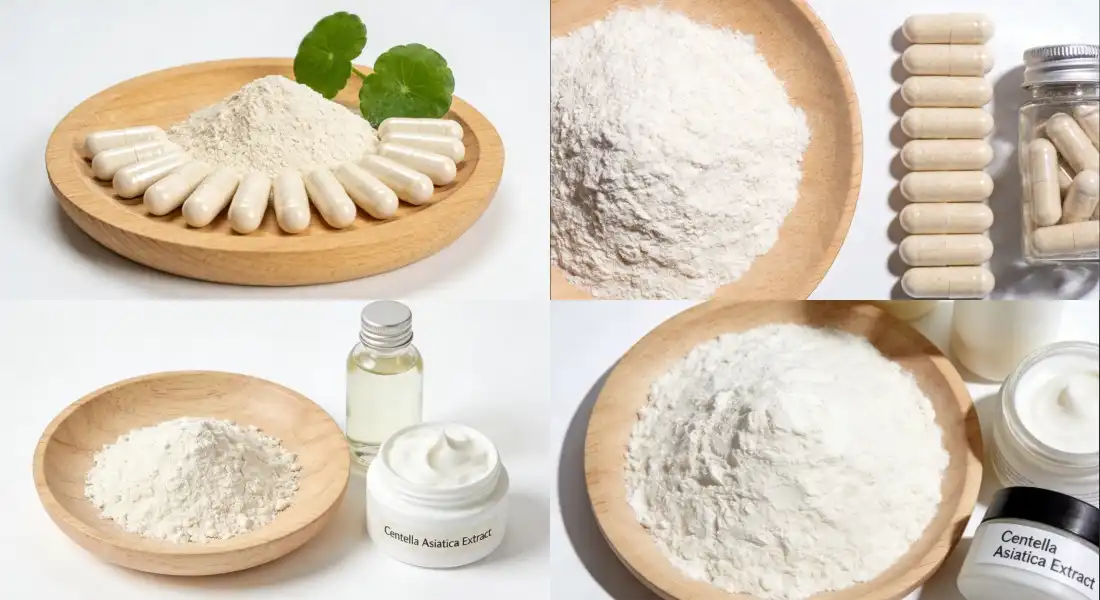
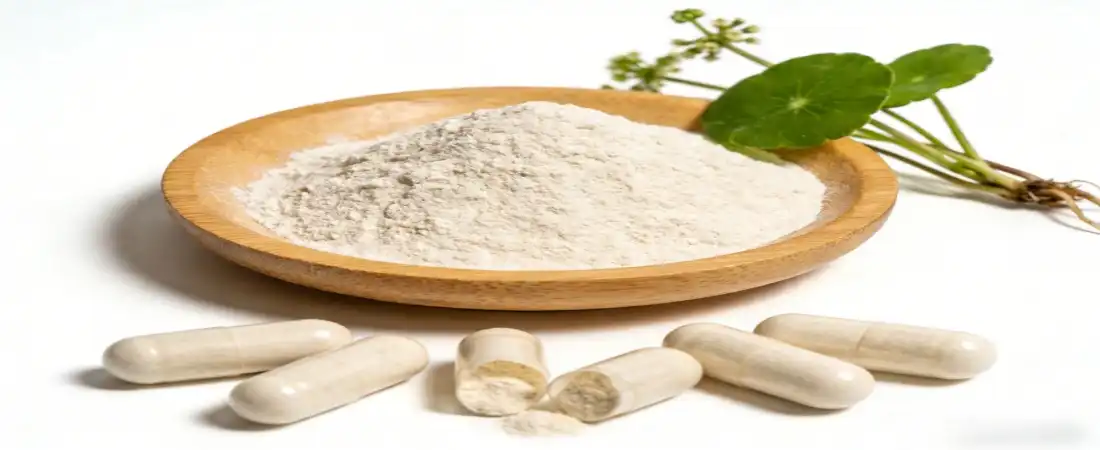
Format choice is based on manufacturing tastes, production skills, and the ease of use for end users. Powdered extracts can be easily mixed into pills, capsules, functional drinks, and topical emulsions, but they need to be handled in a controlled setting because they absorb water. While pre-encapsulated forms like veggie pills and softgels make dosing more consistent and lower the risk of cross-contamination in facilities that make more than one product, they also make it harder to make changes. Storage stability tests show that powder that is properly packed (in foil-lined drums with desiccants) stays effective for 24 months at room temperature. However, asiaticoside content decreases by 8–12% every three months when it is exposed to wetness. Supply chain managers should check the conditions of stores all along the delivery networks to stop losses caused by wear and tear.
How to Procure Gotu Kola Leaf Extract: A B2B Buyer's Guide
Identifying Reputable Suppliers: Certification and Documentation
Checking the supplier's credentials, which should show that they have quality control systems and follow the rules, is the first step in doing your due research. ISO 9001:2015 certification makes sure that operating standards and traceability methods are followed, and ISO 22000 is a standard for managing food safety. Products aimed at religious consumers in North America, Europe, and the Middle East can reach more customers thanks to Kosher and Halal approvals. Ask for Certificates of Analysis (CoA) for sample batches and carefully look at HPLC chromatograms that compare the amounts of active compounds to the specs given. Manufacturers you can trust give you third-party test results from approved labs like Eurofins or SGS. These reports cover things like heavy metals (lead <2 ppm, arsenic <1 ppm), microbial limits (Total Plate Count <1000 CFU/g, E. coli missing), and pesticide screening panels.
Bulk Pricing Structures and Minimum Order Quantities
The price elasticity of herbal extract markets is affected by how much it costs to grow the plants, how well they are extracted, and how hard it is to standardize. The price of asiaticosides is directly related to their amount. A 10% standardized extract usually costs $15–25/kg for 500 kg, while 90% ultra-pure parts cost $120–180/kg because they have to be purified in multiple steps. Small to medium-sized businesses can try recipes with a Minimum Order Quantity (MOQ) of 25 kg. However, prices drop at 100 kg, 500 kg, and 1000 kg or more. To get the best logistics prices, you should talk about customized packing choices during the contracting phase. For example, you could use 1 kg foil bags for lab tests or 25 kg fiber drums for production runs. Payment terms usually work like this: 30% deposit/70% pre-shipment. For first purchases, letter of credit is a choice to build trust before switching to Net-30 or Net-60 terms.
Case Study: Streamlining Supply Chain for an Emerging Supplement Brand
A medium-sized nutrition business was looking for a dependable source of Centella extract to start selling a line of brain health products for older people. They chose a partner that had in-stock items, quick samples, and flexible packing after looking at six providers. Product development timelines were sped up because the provider could answer questions in two hours and ship stocked things in one to three days. Full CoA paperwork made it easier to send the FDA a New Dietary Ingredient Notification (NDIN), and competitive prices at the 500 kg buy level kept goal margins. After the start, the predictable supply meant that there were no stock-outs during seasonal demand spikes, which helped the company grow its income by 40% year-over-year. This partnership model shows how handling quality assurance, supply continuity, and cost management during buying excellence has a direct effect on business success in competitive supplement markets.
Conclusion
Gotu Kola Leaf Extract is a smart ingredient choice for B2B buyers in the functional food, cosmetics, and nutritional industries who want plant solutions that have been proven to work. Its regular triterpenoid profile helps with brain health, skin health, and stress management in a way that can be measured. This meets the needs of consumers who want natural health goods. When purchasing experts look at suppliers, they should focus on quality documentation, legal compliance certifications, and the dependability of the supply chain to make sure that formulations are always the same and the company can compete in the market. The safe nature of the extract, along with more and more clinical proof and customer interest, makes it a valuable raw material for new products. Growing demand for plant-based actives around the world makes it important to build partnerships with trustworthy providers who offer clear sourcing, adaptable operations, and technical support. This will help you stay ahead of the competition in the natural products markets as they change.
FAQ
1. What certifications should I require when sourcing Gotu Kola extract?
Ask for ISO 9001, ISO 22000, Kosher, and Halal certifications to make sure you're following the rules for quality management. Make sure that sellers give you third-party test results that cover heavy metals, pesticides, and microbial contamination, along with Certificates of Analysis (CoAs) that are special to each batch and show HPLC proof of active ingredient percentages for Gotu Kola Leaf Extract.
2. How does Gotu Kola integrate into supplement or skincare formulations?
Supplements usually come in powder or pill forms with daily doses between 300 mg and 750 mg. Cosmetics use 0.5 to 2% pure Gotu Kola Leaf Extract in serums, creams, and medicines used after surgery. For topical formulations to be stable and bioavailable, they need to use the right emulsification methods for their solubility properties.
3. What makes elite Gotu Kola extract different from regular grades?
Premium grades have higher asiaticoside amounts (40–90%), which can be proven by HPLC tests, and lower levels of impurities. Organic licensing, controlled farming methods, and advanced extraction technologies that protect heat-sensitive chemicals make better Gotu Kola Leaf Extract products stand out, which is why they cost more while still making sure that the formulation works and that consumers are safe.
Partner with NT Biotech for Premium Gotu Kola Leaf Extract Supply
You can trust NT Biotech to make Gotu Kola Leaf Extract because they only use pharmaceutical-grade plant products and have strict quality control and quick customer service. Our standardized extracts, which have asiaticoside levels range from 10% to 90%, meet ISO, Kosher, and Halal approval standards. This makes sure that all global markets follow the rules. We keep a steady stock, so we can send within two to four days after receiving payment proof. Our minimum order quantity (MOQ) starts at 25 kg, and we can make packaging solutions that fit your business's needs. Each batch goes through a lot of testing by a third party, and the thorough COAs that show the purity and safety factors are recorded. Sourcing managers can get answers to their questions within two hours, and our free sample program lets them do a full evaluation before committing to big sales. Our special extraction methods get the most active compounds out of the ingredients while keeping the molecules stable. This means that your goods will work better after being made. Whether you're making functional foods, anti-aging skin care, or supplements for brain health, our expert team is here to help you with all of the steps in the product development process. Contact info@newthingsbiotech.com today to request samples and discuss how our fully integrated supply chain, which includes both controlled farming and intelligent production, can give your brand the dependability it needs in the natural goods market.
References
1. Gohil, K. J., Patel, J. A., & Gajjar, A. K. (2010). Pharmacological Review on Centella asiatica: A Potential Herbal Cure-all. Indian Journal of Pharmaceutical Sciences, 72(5), 546-556.
2. Brinkhaus, B., Lindner, M., Schuppan, D., & Hahn, E. G. (2000). Chemical, Pharmacological and Clinical Profile of the East Asian Medical Plant Centella asiatica. Phytomedicine, 7(5), 427-448.
3. Bylka, W., Znajdek-Awiżeń, P., Studzińska-Sroka, E., & Brzezińska, M. (2013). Centella asiatica in Cosmetology. Postępy Dermatologii i Alergologii, 30(1), 46-49.
4. Gray, N. E., Alcazar Magana, A., Lak, P., Wright, K. M., Quinn, J., Stevens, J. F., Maier, C. S., & Soumyanath, A. (2018). Centella asiatica: Phytochemistry and Mechanisms of Neuroprotection and Cognitive Enhancement. Phytochemistry Reviews, 17(1), 161-194.
5. Nagoor Meeran, M. F., Goyal, S. N., Suchal, K., Sharma, C., Patil, C. R., & Ojha, S. K. (2016). Pharmacological Properties, Molecular Mechanisms, and Pharmaceutical Development of Asiatic Acid: A Pentacyclic Triterpenoid of Therapeutic Promise. Frontiers in Pharmacology, 7, 367-384.
6. Xu, C. L., Qu, R., Zhang, J., Li, L. F., & Ma, S. P. (2013). Neuroprotective Effects of Madecassoside in Early Stage of Parkinson's Disease Induced by MPTP in Rats. Fitoterapia, 90, 112-118.