- English
- French
- German
- Portuguese
- Spanish
- Russian
- Japanese
- Korean
- Arabic
- Greek
- German
- Turkish
- Italian
- Danish
- Romanian
- Indonesian
- Czech
- Afrikaans
- Swedish
- Polish
- Basque
- Catalan
- Esperanto
- Hindi
- Lao
- Albanian
- Amharic
- Armenian
- Azerbaijani
- Belarusian
- Bengali
- Bosnian
- Bulgarian
- Cebuano
- Chichewa
- Corsican
- Croatian
- Dutch
- Estonian
- Filipino
- Finnish
- Frisian
- Galician
- Georgian
- Gujarati
- Haitian
- Hausa
- Hawaiian
- Hebrew
- Hmong
- Hungarian
- Icelandic
- Igbo
- Javanese
- Kannada
- Kazakh
- Khmer
- Kurdish
- Kyrgyz
- Latin
- Latvian
- Lithuanian
- Luxembou..
- Macedonian
- Malagasy
- Malay
- Malayalam
- Maltese
- Maori
- Marathi
- Mongolian
- Burmese
- Nepali
- Norwegian
- Pashto
- Persian
- Punjabi
- Serbian
- Sesotho
- Sinhala
- Slovak
- Slovenian
- Somali
- Samoan
- Scots Gaelic
- Shona
- Sindhi
- Sundanese
- Swahili
- Tajik
- Tamil
- Telugu
- Thai
- Ukrainian
- Urdu
- Uzbek
- Vietnamese
- Welsh
- Xhosa
- Yiddish
- Yoruba
- Zulu
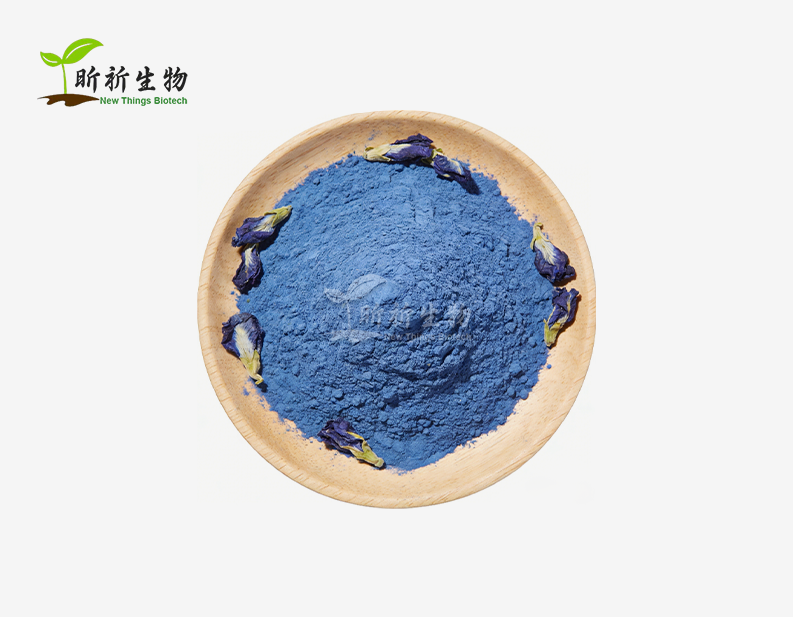
Blue Matcha Butterfly Pea Flower Powder is a natural colorant made from the flower petals of the Southeast Asian plant Clitoria ternatea L. that have been dried and ground up. This powder stands out because of its deep blue color. It has a lot of anthocyanins, especially ternatins, which give it its color and make it a strong antioxidant. This isn't the normal green matcha made from Camellia sinensis leaves. It doesn't have any caffeine, and it has pH-sensitive qualities that let acidic foods and drinks change color in a fun way. To make the powder, it was first dried at low temperatures and then ground up very small until the pieces were 80 mesh. It's great for dispersing and keeping the bioactive chemicals, which makes it ideal for use in dietary supplements, functional drinks, makeup, and natural food colorants.

Introduction
Because individuals around the world are getting to be more interested in green, plant-based products, Blue Matcha Butterfly Pea Bloom Powder is an incredible choice for laborers in numerous areas. Individuals who work in sustenance, cosmetics, and food production, among other business-to-business areas, adore this plant powder. This is since individuals need clean marks on their merchandise and governments need to get freed of artificial colors. More and more, obtainment directors and R&D masters are getting to be mindful of its two benefits: its magnificence, much obliged to its shinning normal colors, and its value, much appreciated to its antioxidant-rich composition. This point by point direct fills in imperative information holes that sourcing chiefs and specialized buyers have by giving them valuable subtle elements around item specs, quality guidelines, application procedures, and criteria for judging providers. You require to know almost the trade and specialized side of this fixing if you need to remain ahead of the competition and make keen choices. This is genuine whether you're making another era of valuable nourishments, coming up with unused drink thoughts, or looking for characteristic colorants for cosmetics lines.
Understanding Blue Matcha Butterfly Pea Flower Powder
Botanical Origin and Processing Methods
Butterfly pea flowers (Clitoria ternatea L.) have been used for centuries in Asian cuisine and medicine. Modern facilities harvest flowers at peak color, then use controlled drying to protect heat-sensitive compounds. Low-temperature grinding produces fine, uniform Blue Matcha Butterfly Pea Flower Powder with 80–100 mesh particle size, ensuring excellent liquid dispersion. This careful processing preserves natural anthocyanins while reducing moisture below 5%, enhancing shelf stability and preventing microbial growth during shipping or storage.
Nutritional and Functional Profile
This powder contains tall antioxidant levels, basically delphinidin and cyanidin glycosides that give blue color and cellular assurance. Research facility testing uncovers critical vitamins, minerals, amino acids, and polyphenolic compounds supporting different real capacities. These useful chemicals work synergistically to ensure cells from oxidative harm, empowering items that back cellular wellbeing and diminish receptive stretch. Not at all like engineered colorants such as Blue No. 1, this common alternative conveys both visual offer and wellbeing benefits—meeting showcase request for fixings with demonstrated useful advantages.
Comparative Advantages for Product Differentiation
Blue Matcha offers clear preferences over comparable normal powders. Spirulina has solid green growth taste restricting its applications; Blue Matcha has mellow, hearty flavor usable over numerous formulas. Being caffeine-free empowers calming refreshments and evening wellness items, whereas green matcha faces advertise immersion. The pH-sensitive color change—blue to purple and pink in acidic environments—provides imaginative showcasing and buyer engagement openings. This is particularly important for brands looking for separation in the swarmed solid refreshment market.
Practical Uses and Brewing Methods
Preparation Techniques for Optimal Results
Pay near consideration to the temperature and proportions of Blue Matcha Butterfly Pea Bloom Powder soups if you need to get the most color out of them and keep the advantageous chemicals. For shops, blend half a teaspoon of powder with 200 to 250 ml of hot water (80 to 85°C). This makes a shinning blue drink that keeps the anthocyanins steady. Putting the plant matter in the cooler overnight for cold extraction strategies makes the colors lighter and brings down the hazard of harming vitamins that are delicate to warm. For trade bulk arrangement, utilizing the same water-to-powder sums and blending strategies is critical to make beyond any doubt that the color is the same from bunch to bunch, which is imperative for brand consistency. Anthocyanin doesn't break down when things bubble, which can make the blue color less shinning and the vitamins less effective.
Cross-Industry Application Spectrum
Blue Matcha extends beyond tea applications. Food and beverage manufacturers use it for smoothies, lemonades, cocktails, energy drinks, and dairy-free alternatives. The powder provides natural clean-label coloring for baked goods including cookies, cakes, and confections. Skincare products—serums, masks, lotions—leverage its antioxidant and anti-inflammatory properties for skin health. Nutraceutical companies incorporate it into wellness blends and capsules supporting cellular health. The ingredient's stability across water-based and oil-based systems enables broader product range development.
Regulatory Compliance and Safety Considerations
Blue Matcha is generally recognized as safe for consumption and topical use, but procurement professionals must ensure suppliers meet regional food safety regulations. In the US, FDA regulates botanical ingredients in dietary supplements requiring GMP compliance and proper labeling. European markets require Novel Foods compliance and specific pesticide residue limits. Reputable suppliers provide comprehensive documentation including allergen statements, heavy metal screening, and Certificates of Analysis (CoA). Formulators should conduct stability testing for microbial growth, color retention, and active compound degradation to maintain product integrity throughout shelf life.

Market Comparisons and Quality Considerations
Comparative Evaluation Against Alternative Ingredients
Buyers frequently choose between Blue Matcha, spirulina, and green matcha. Green matcha offers umami flavor and caffeine appealing to some consumers, but works poorly in sleep-promoting products. Lower-grade matcha lacks the premium branding options that Blue Matcha's novelty provides. Spirulina delivers protein and vitamins but has strong taste limiting beverage applications. Blue Matcha delivers neutral flavor and pH-responsive color change, enabling diverse applications across beverages, foods, and cosmetics. This versatility supports unique marketing tactics for one-of-a-kind product positioning.
Quality Standards and Certification Requirements
Blue Matcha Butterfly Pea Flower Powder suppliers must demonstrate quality control systems and valid certifications. ISO 9001 approval indicates quality management across purchasing, production, testing, and distribution. Kosher or Halal certification expands market access among dietary-restricted consumers. Organic certification (USDA Organic, EU Organic) commands premium pricing but requires extensive cultivation and handling documentation. Buyers should examine supplier testing protocols including HPLC for flavonoid content, microbial limits, pesticide residues, and heavy metal analysis. Clear quality records and batch-specific CoAs facilitate downstream regulatory compliance.
Critical Supplier Evaluation Criteria
Finding trustworthy sources requires systematic verification beyond marketing claims. Request sample batches with complete analytical documentation and third-party verification when possible. Conduct facility inspections or virtual tours to assess handling procedures, equipment setup, and cleanliness. Evaluate supplier technical competence through rapid, accurate responses about material origins, extraction methods, and stability data. To maintain long-term relationships, suppliers need consistent supply chains, custom specification capabilities, and adaptability to changing regulatory requirements across different target markets.
Procurement and Bulk Purchasing Guide
Global Sourcing Landscape and MOQ Considerations
Thailand, Indonesia, Vietnam, and India are primary growing regions due to favorable tropical climates. Chinese suppliers, particularly in Shaanxi Province, combine traditional farming with modern extraction technology. Minimum order quantities vary significantly—some suppliers accept 10 kg, while commodity wholesalers require several hundred kilograms. Smaller brands benefit from flexible MOQs (e.g., 10 kg level), enabling access to high-quality materials without excessive inventory commitment, reducing financial risk during product development phases.
Pricing Dynamics and Lead Time Expectations
Market pricing depends on quality level, order volume, and harvest season. Bulk purchases receive tiered discounts at 50 kg, 100 kg, and 500 kg thresholds. Quality-certified materials with full testing records typically cost 15–30% more than conventional materials but provide regulatory compliance assurance. Suppliers stocking inventory can fulfill orders in 2–4 business days, enabling just-in-time strategies. Certified, custom-processed, or specially packaged orders may require up to 14 days, requiring advance planning for new product launches.
Strategic Supplier Partnership Development
Building relationships with suppliers that support long-term goals extends beyond transactional purchasing. Seek suppliers willing to collaborate on technical challenges—formulation assistance, stability testing guidance, market trend intelligence. Flexible payment terms allowing local currency transactions simplify cross-border procurement. Suppliers offering custom packaging solutions from 1 kg consumer bags to 25 kg industrial drums accommodate various distribution channels. Transparent communication about crop forecasts, pricing changes, and regulatory updates prevents disruptions to production or market claims.
Private Label and OEM Opportunities
There are more and more private label creation and original equipment manufacturer (OEM) partnerships because more and more people are interested in Blue Matcha Butterfly Pea Flower Powder. "Turnkey" options from forward-thinking providers include formula development, regulatory compliance paperwork, custom package design, and "white-label" manufacturing. New names can get on the market faster with these ideas. It is especially helpful for companies that don't have their own R&D or production places to have these relationships. They let those businesses start making one-of-a-kind things while keeping their money safe. Providers must be able to keep information secret, make small changes to recipes over time, and boost production as needed for OEM deals to work.

Technical Specifications and Quality Assurance
There are strict quality standards we follow when we make Blue Matcha Butterfly Pea Flower Powder to make sure that every batch meets those standards. Clitoria ternatea L. is the only plant that our stuff comes from. flowers that have been treated so that the mixture is filled with only flowers and nothing else. The 80-mesh particle size makes sure that the powder mixes well with both water and fluids that are mostly solid. The powder's bright blue color comes from the delicate anthocyanin profile that we keep by treating it at low temperatures. A lot of tests are done on each batch of goods, and the results are put down on Certificates of Analysis that are sent with each order. As well as Kosher and Halal standards, our building is certified for quality control with ISO 9001. This means it can meet the needs of many places around the world. Because there is so much stock on hand, orders can be finished fast. Many times, packages happen two to four business days after payment is confirmed. This means that production plans that need to happen on time don't have to worry about any problems in the supply chain.
Conclusion
Companies that want to use natural, useful ingredients that people already like can do well by adding Blue Matcha Butterfly Pea Flower Powder to their product lines in a smart way. This botanical extract reacts to several market trends at once, such as the need for a clean label, a visual difference, antioxidant activity, and customer experiences that are more involved. It adds value to a lot of different types of applications. If you want to get things well, you should carefully compare each supplier's skills, qualifications, prices, and professional help. Open communication, adaptable terms, and detailed paperwork are the most important things for buyers. This sets them up for long-term relationships that can adapt to changing market conditions and rules. People's tastes are shifting toward plant-based products that have been proven to work by science. Blue Matcha Butterfly Pea Flower Powder can help with both short-term formulations and long-term standing in the very competitive natural goods market.
FAQ
1. Is butterfly pea powder safe for all consumer populations?
Blue Matcha Butterfly Pea Flower Powder is very safe for a lot of different types of people as long as they buy it from a good company that keeps a close eye on quality. Since it doesn't have caffeine, it's safe for drug-sensitive people to use and can be done in the evening. Women who are pregnant or nursing, on the other hand, should talk to their doctors before starting to use pure plant medicines. If you are allergic to plants in the bean family, you should be careful. However, bad reactions are still very uncommon. Different places have different rules about using it, but in most places, it's fine to put it in foods and vitamins as long as it's labeled properly and comes from a safe source.
2. How does butterfly pea powder support skin health in cosmetic applications?
Anthocyanins, which are found in Blue Matcha Butterfly Pea Flower Powder, are powerful pain killers and vitamins that work well in skin care products. A study says that these good molecules get rid of free radicals. This lowers oxidative stress and makes the skin age more slowly. These processes help calm down red, itchy skin, and they may also help even out skin tone by changing the ways that melanin is made. The extract is used in serums, masks, and lotions that are meant to smooth, relax, and slow down the aging process. It stays stable in makeup bases, and the pretty blue color makes it look good while also doing its job.
3. What criteria distinguish reliable suppliers in the global marketplace?
There are a few things that buying workers should look for in all sellers of Blue Matcha Butterfly Pea Flower Powder they can trust. Quality records for rigid systems are very thick. They include copies of certificates, test results from a third party, and certificates that are unique to each batch. People believe the purity of things more when they know where they come from, how they are processed, and how they move through the supply chain. More than just selling goods, meeting customer service needs, especially those that require expert help with formulation questions and following rules, adds strategic value. Fair MOQs, free samples, and a variety of flexible packing options are some of the business terms that buyers can use. These terms are good for companies of all sizes and stages of growth.
Partner with NT Biotech for Premium Butterfly Pea Flower Powder
You can get all of your Blue Matcha Butterfly Pea Flower Powder at NT Biotech. They blend information about plants with service models that focus on customers and are made for B2B buying around the world. As proof of our high quality, we have ISO, Kosher, and Halal licenses that make sure we follow the rules in all foreign markets. Also, because of the way we remove the compounds, they are very pure—over 98% of the active substances are still there. We keep a lot of stock on hand so that most orders can be sent out within two to four days. These things are possible because of fast reaction standards that say they will answer questions within two hours. We offer a variety of packing choices, from 1 kg bags to unique layouts, so we can meet the needs of your business, whether you need 10 kg for testing or several tons for production. You can email us at info@newthingsbiotech.com to get free samples with all the lab paperwork.
References
1. Chen, Y., Zhang, H., & Wang, Y. (2019). Anthocyanins from Clitoria ternatea and Their Stability in Food Systems. Journal of Food Science and Technology, 56(8), 3751-3762.
2. Kumar, S., Pandey, A.K., & Singh, R. (2021). Natural Food Colorants: Chemistry, Applications and Regulatory Perspectives. Critical Reviews in Food Science and Nutrition, 61(15), 2544-2568.
3. Lee, J.H., Kim, Y.J., & Park, S.H. (2020). Bioactive Compounds from Butterfly Pea Flowers: Extraction, Characterization and Functional Applications. Food Chemistry, 312, 126067.
4. Rahman, M.M., Alam, M.N., & Haque, M.E. (2022). Antioxidant and Anti-inflammatory Properties of Clitoria ternatea Extracts in Cosmetic Formulations. International Journal of Cosmetic Science, 44(2), 178-189.
5. Singh, D., Gupta, R., & Saraf, S.A. (2018). Quality Standards and Regulatory Compliance for Botanical Ingredients in Dietary Supplements. Regulatory Toxicology and Pharmacology, 95, 324-335.
6. Zhang, L., Wu, T., & Liu, X. (2023). Market Trends and Consumer Preferences for Plant-Based Natural Colorants in the Food and Beverage Industry. Trends in Food Science & Technology, 135, 112-125.