- English
- French
- German
- Portuguese
- Spanish
- Russian
- Japanese
- Korean
- Arabic
- Greek
- German
- Turkish
- Italian
- Danish
- Romanian
- Indonesian
- Czech
- Afrikaans
- Swedish
- Polish
- Basque
- Catalan
- Esperanto
- Hindi
- Lao
- Albanian
- Amharic
- Armenian
- Azerbaijani
- Belarusian
- Bengali
- Bosnian
- Bulgarian
- Cebuano
- Chichewa
- Corsican
- Croatian
- Dutch
- Estonian
- Filipino
- Finnish
- Frisian
- Galician
- Georgian
- Gujarati
- Haitian
- Hausa
- Hawaiian
- Hebrew
- Hmong
- Hungarian
- Icelandic
- Igbo
- Javanese
- Kannada
- Kazakh
- Khmer
- Kurdish
- Kyrgyz
- Latin
- Latvian
- Lithuanian
- Luxembou..
- Macedonian
- Malagasy
- Malay
- Malayalam
- Maltese
- Maori
- Marathi
- Mongolian
- Burmese
- Nepali
- Norwegian
- Pashto
- Persian
- Punjabi
- Serbian
- Sesotho
- Sinhala
- Slovak
- Slovenian
- Somali
- Samoan
- Scots Gaelic
- Shona
- Sindhi
- Sundanese
- Swahili
- Tajik
- Tamil
- Telugu
- Thai
- Ukrainian
- Urdu
- Uzbek
- Vietnamese
- Welsh
- Xhosa
- Yiddish
- Yoruba
- Zulu
To find the best source for purple yam ingredients, you need to carefully look at their quality standards, production skills, and how reliable their supply chain is. When purchasing ube yam powder for use in food, drinks, or supplements, buyers should give preference to sellers who have ISO, Kosher, and Halal certifications as well as proven plant extraction expertise. A reliable partner will offer consistent batch quality through standard testing methods and keep you informed about where to get raw materials, when to make products, and how to show that they are following all legal requirements. This will help you reach your formulation goals.
Understanding the Ube Yam Powder Market and Supplier Challenges
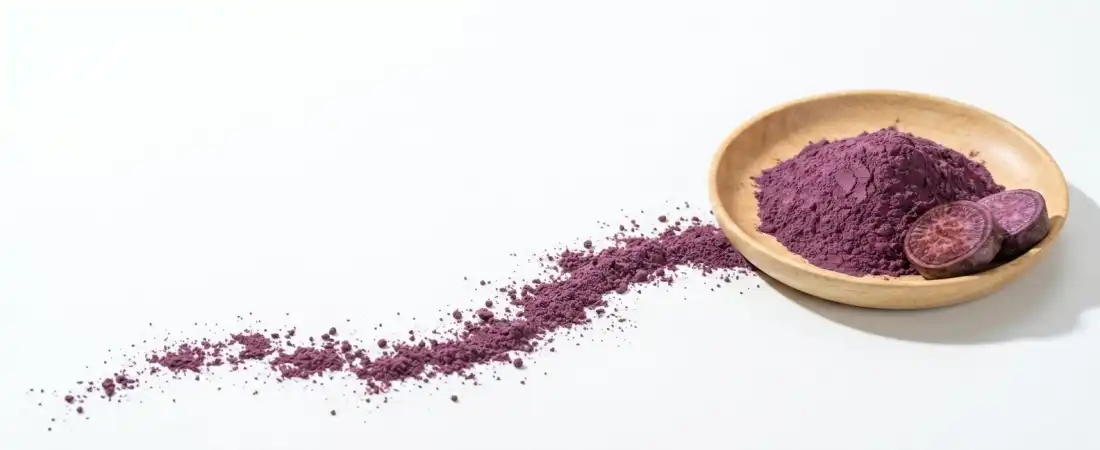
Ingredients from purple yam are in high demand around the world because companies are looking for natural colorants and useful parts for health-focused goods. This bright purple powder comes from Dioscorea alata L. and has anthocyanins, resistant starch, and dietary fiber that people who care about clean labels will like. It's used in baked goods, drinks, and dietary supplements by people who make food, and people who make cosmetics like its antioxidant profile for skin care.
Different types of raw materials and finishing methods make sourcing difficult. Unlike standard manufactured chemicals, botanical powders depend a lot on how the plants are grown, when they are harvested, and how they are handled afterward. If suppliers use drying rates that aren't the best, nutrients and flavor could be lost, which would make the end product look bad and not work as well.
Regulatory confusion makes things even more difficult. Different markets have different rules about what can be imported. Each country has its own limits on chemical residues, microbiological standards, and paperwork needs. To avoid customs delays or packages being turned down, procurement teams must make sure that sellers understand destination-market compliance.
Distinguishing Ube Yam Powder from Similar Ingredients
People often get ube yam powder and purple sweet potato powder mixed up. Even though both have a natural purple color, their plant sources and chemical makeup are very different. The purple yam is in the family Dioscorea and has chemicals in it like mucilage and diosgenin that are good for your digestive health. The purple sweet potato, which is a type of Ipomoea batatas, has higher amounts of anthocyanins, which are mostly valued for their antioxidant properties and color stability. Knowing these differences helps buyers choose ingredients that will help them reach their recipe goals.
Establishing Core Criteria to Evaluate Ube Yam Powder Suppliers
A structured system that focuses on quality assurance, capacity, and openness is the first step to evaluating suppliers effectively. This organized method lowers the risks of buying and sets the stage for long-term relationships.
Quality Certifications and Testing Standards
Certifications are a reliable way to see how committed a seller is to safety and quality. Kosher and Halal licenses make it easier for goods that are aimed at certain groups of people to reach new customers, while ISO 9001 certification shows that a company has strong quality management systems. Getting HACCP approval shows that you have control over important production points that keep food from getting contaminated.
Besides certificates, you should also ask for written proof of the testing procedures. High-performance liquid chromatography (HPLC) is a more accurate way to measure bioactive substances than UV spectroscopy. To make sure they meet international safety standards, suppliers should regularly use inductively coupled plasma mass spectrometry (ICP-MS) to check for heavy metals and gas chromatography-mass spectrometry (GC-MS) to check for pesticide residues. A Certificate of Analysis (CoA) should be sent with each batch that lists the amount of wetness, particle size distribution, microbe counts, and active ingredient levels.
Production Capacity and Logistics Support
Check to see if possible partners have enough stock to ship right away or if they need longer production wait times. When suppliers keep common specs in stock, they can quickly respond to market changes. On the other hand, when suppliers make custom formulations, the processes are longer. NT Biotech keeps normal ube yam powder on hand with an 80 mesh particle size. This means that shipping can happen within two to four days of payment proof, which helps with flexible supply chain management.
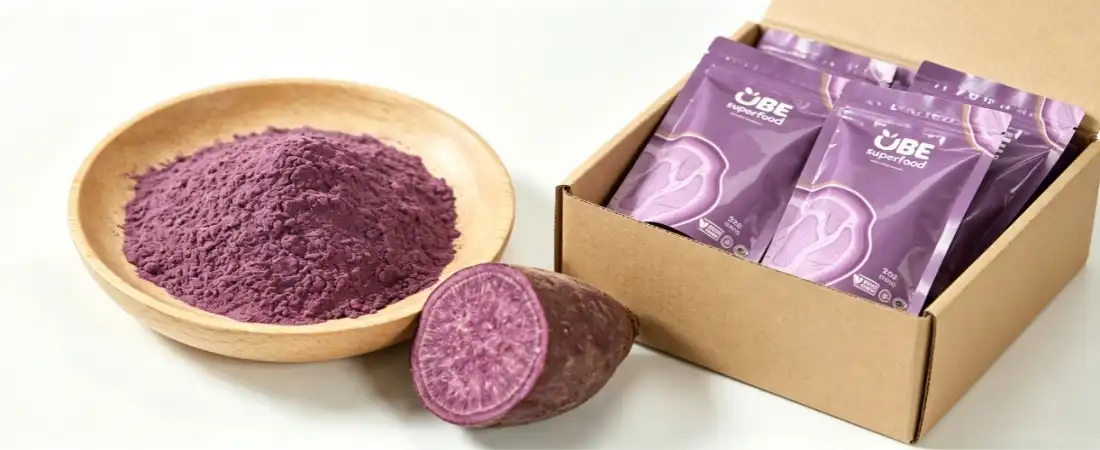
Flexibility in packaging is just as important. One-kilogram foil bags and ten-kilogram boxes are standard choices. However, buyers may need portion packs for retail channels or large totes for industrial processing. Check with providers to see if they can meet your needs for custom packing and minimum order amounts. A ten-kilogram minimum order level makes it easier for new brands to get their products while also making it more efficient for established brands to make their products.
Transparent Pricing and Market Benchmarking
Price changes are caused by many things, such as organic licensing, the efficiency of the extraction yield, and the location of the raw material source. Organic powder costs more because the costs of farming materials are higher and crops return less. Knowing these cost drivers keeps people from having high expectations and makes it easier to negotiate fairly.
Ask for thorough quotes that include the base price, the cost of packing, and an estimate of the cost of shipping. Instead of just looking at the cost of the bulk powder, compare prices from different sources using standard metrics like the cost per kilogram of the active ingredient. This measure shows what the real value is, especially when comparing goods with different amounts of potency.
Matching Supplier Attributes to Your Business Needs
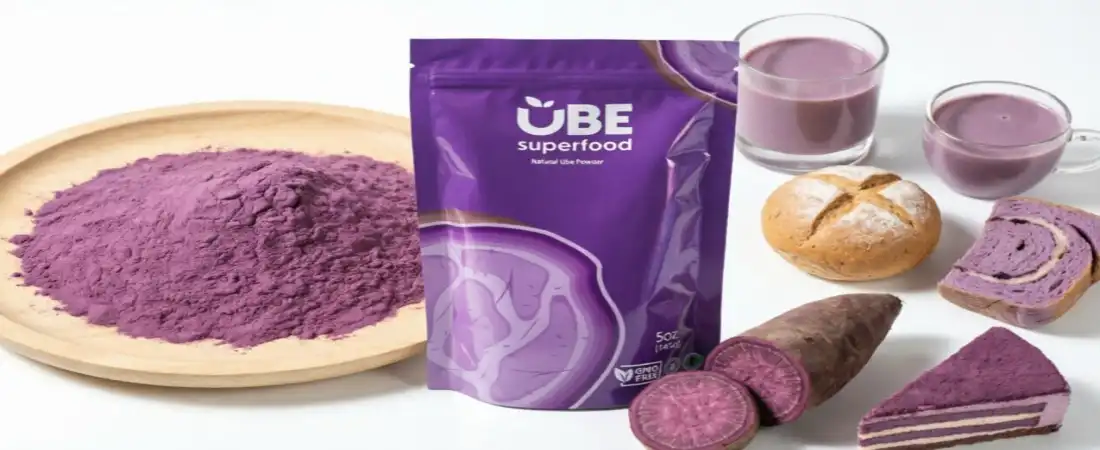
Depending on the business plan, the seller needs to have certain qualities. Food companies that focus on sensory qualities look for powder that stays bright in color and has mild flavors that can be used in baking and drinks. Nutraceutical companies stress uniform bioactive content to make sure that doses are the same from batch to batch. To make sure skin is safe, cosmetic formulators need bacteria purity that is higher than food-grade standards.
Industry-Specific Quality Requirements
Powder that doesn't clump together when mixed with water or cheese is needed in food and drink uses. Purple yam has a natural mucilage content that helps emulsification, which makes smoothies and protein shakes thick. Bakers like heat-stable dyes that keep their color even when baked at temperatures as high as 180°C. This makes sure that finished goods have nice purple tones instead of grayish ones.
Dietary supplement makers need proof that the finished powder can be traced back to specific crop batches. This line of custody backs up claims on the label about the botanical name and regional origin, which is becoming more and more important as buyers look more closely at ingredient transparency. If a supplier offers DNA barcoding or isotope ratio tests, you can be even more sure that the item is real.
Volume Commitments and Customization Capabilities
Startups that want to see how the market responds in ube yam powder gain when providers are willing to take small orders at first without charging too much. When well-known brands change the way their goods are made, they need partners who can help them make more while keeping the quality high. Check to see if providers offer expert support during the development of the formula, such as help with stability testing and suggestions for how it should be used.
Private labeling lets brands make their goods stand out by using custom mixes and package designs. Suppliers who can do OEM work together to make their own special mixes of purple yam and other ingredients that work well with it, such as probiotics, protein powders, or plant extracts. This service adds value, speeds up product launches, and protects recipe intellectual property.
Evaluating and Verifying Potential Ube Yam Powder Suppliers
Vetting processes that are very thorough protect against problems with quality and supply. When you look at both written documents and real samples together, you can get a full picture of how reliable a supplier is.
Conducting Supplier Audits
Videoconferencing remote audits lets you take a quick look at production facilities, standards for equipment upkeep, and paperwork systems. Ask for video tours that show where raw materials are received, where processing equipment is kept, where quality control labs are located, and where finished products are kept. Check to see if the facilities keep allergens separate, have programs to get rid of pests, and keep the temperature stable.
On-site exams give you a better idea, but they cost money and time to do. Instead of staged talks, plan trips to happen during busy production to see how things are normally done. Talk to quality managers about how to handle materials that don't meet standards, how to take corrective action, and how to start a process of ongoing growth. Look over the training records that show the staff knows how to use the tools and keep themselves clean.
Sample Evaluation and Third-Party Testing
Ask for samples that are more like the regular production instead of batches that were made just for you. Check the color strength, consistency of particle size, smell, and ability to spread in the intended uses. Do shelf-life studies under accelerated conditions to get an idea of how stable the product will be in normal storage and shipping circumstances.
Send samples to separate labs for checking to make sure they are real. Third-party analysis checks the supplier's CoAs for errors and finds possible problems. Identity should be confirmed using thin-layer chromatography, marker chemicals should be quantified, heavy metals should be screened, pesticide residues should be analyzed, and microbial assessment should be done. This investment stops mistakes that cost a lot of money that happen because of bad ingredients.
Leveraging Digital Platforms and References
B2B platforms compare information about many providers, which makes the initial screening process easier. Read through seller profiles to see if the business is registered, if they have exported before, and how customers have rated their experiences. Platforms vary in how strict their proof is, so you should still be careful.
Ask current clients who work in similar market areas for customer examples. Talking to current buyers can help you learn about how to communicate effectively, how to solve problems, and how to make sure that the quality you offer is always what you give. Ask detailed questions about the percentage of on-time deliveries, the ability to be flexible during supply problems, and the quality of expert help.
Best Practices for Ube Yam Powder Procurement and After-Sales Support
Successful buying includes more than just signing the contract. It also includes managing relationships and making sure operations run as smoothly as possible.
Storage and Handling Guidelines
To keep its flavor and nutritional value, ube yam powder needs to be kept away from water, light, and high temperatures. Keep sealed cases in cool, dry warehouses that stay below 25°C and have a relative humidity of less than 60%. Humidity shortens the shelf life from thirty-six months to less than twelve months by causing caking and encouraging the growth of microbes.
When you get packages, check the quality of the packaging and make sure the seals are still in place. Move half-used amounts into airtight containers with little room at the top to keep oxygen from getting in. First-in, first-out inventory change will make sure that older stock moves before retest times.
Regulatory Compliance and Documentation
Importers must put together a lot of paperwork to help customs officials clear their goods. Some important pieces of paper are commercial invoices, packing lists, bills of lading, phytosanitary certificates that prove the health of agricultural products, and country-of-origin statements. When products are sold with health claims, they need extra paperwork to show that they are safe and effective.
Keep up with changes to the rules in target areas. For example, the strict Novel Food rules in the European Union require pre-market permission for ingredients that haven't been used in food much before 1997. Labels must be correct, and Current Good Manufacturing Practices must be followed, according to US FDA rules. Suppliers who have worked with foreign markets before can help you figure out how to meet these needs.
Building Long-Term Supplier Relationships
Communication regularity is strongly linked to how well a partnership does. Set up regular check-ins to talk about changes to the estimate, feedback on quality, and views of market trends. Sharing information openly lets providers predict changes in demand and make changes to their production plans to match.
Work together on new projects that benefit both of you. Share information about customers that will help you come up with new products that use the supplier's technical skills. Joint development projects make relationships stronger and speed up the time it takes to bring new products to market. When both sides gain from working together to grow, suppliers stop being transactional sellers and become invested partners.
Conclusion
Selecting the right purple yam ingredient supplier balances multiple considerations spanning quality verification, capacity assessment, and relationship compatibility. Procurement professionals must prioritize certifications demonstrating safety and consistency while evaluating production capabilities that match volume requirements and customization needs. Thorough vetting through audits, sample testing, and reference checks mitigates risks inherent in global botanical sourcing. Sustainable partnerships emerge when buyers and suppliers communicate transparently, collaborate on innovation, and maintain shared commitments to quality excellence. This strategic approach transforms ingredient procurement from a transactional necessity into a competitive advantage supporting product differentiation and market success.
FAQ
1. Is Ube Yam Powder Naturally Gluten-Free?
Yes, ube yam powder doesn't have any gluten proteins in it, so it can be used in gluten-free and clean-label goods. Manufacturers should make sure that facilities that process gluten-containing grains don't cross-contaminate other foods by using special tools or following strict cleaning practices.
2. What Certifications Indicate a Trustworthy Supplier?
Suppliers you can trust have both ISO 9001 quality control certification and food safety certifications like HACCP. Kosher and Halal approvals help businesses reach more customers, and organic certification checks how farms are run. Ask for up-to-date certificates and check their validity in the records of the granting bodies.
3. How Can I Verify Product Authenticity Before Bulk Orders?
Ask for samples that come with Certificates of Analysis from labs that have been approved. Use chromatographic fingerprints and measurement of characteristic compounds to confirm the name of someone by a third party. Audits of the facilities of suppliers give buyers more peace of mind about manufacturing standards and methods for tracking products.
Partner with NT Biotech for Premium Ube Yam Powder Supply
With more than ten years of experience extracting plants, NT Biotech is a reliable company that makes ube yam powder for the food, drink, and health businesses around the world. Our powder is made from Dioscorea alata L. and is 100% pure. Through a special low-temperature process, roots keeps its bright purple color and full nutritional profiles. We offer 80-mesh particle size powder that meets strict worldwide quality standards. Our products are certified as ISO 9001, Kosher, and Halal. We support flexible buying strategies because we have stock that can be shipped within two to four days and a ten-kilogram minimum order that works for a range of business sizes. Our expert team can give you detailed advice on how to use our products, give you free trials, and make packaging solutions that are specific to your formulation needs. Get in touch with us at info@newthingsbiotech.com to talk about how our ube yam powder options can help you make your supply chain more reliable and expand the products you sell.
References
1. Chen, W., & Zhang, L. (2021). Functional Properties and Health Benefits of Purple Yam (Dioscorea alata) Bioactive Compounds. Journal of Functional Foods, 78, 104-118.
2. Rodriguez, M. T., & Santos, E. R. (2020). Quality Assessment and Standardization of Botanical Ingredient Supply Chains. International Journal of Food Science & Technology, 55(6), 2234-2245.
3. Williams, K. D. (2022). B2B Procurement Strategies for Natural Food Ingredients: A Risk Management Perspective. Supply Chain Management Review, 26(3), 42-56.
4. Thompson, J. A., & Lee, S. H. (2021). Regulatory Compliance in Global Botanical Ingredient Trade: Challenges and Best Practices. Food Control, 119, 107-121.
5. Martinez, P., & Anderson, R. K. (2020). Authentication Technologies for Botanical Ingredients: Preventing Adulteration in Global Supply Chains. Trends in Food Science & Technology, 98, 156-168.
6. 1. Singh, A., & Patel, N. (2022). Natural Colorants in Food Applications: Stability, Safety, and Consumer Acceptance. Critical Reviews in Food Science and Nutrition, 62(8), 2145-2162.