- English
- French
- German
- Portuguese
- Spanish
- Russian
- Japanese
- Korean
- Arabic
- Greek
- German
- Turkish
- Italian
- Danish
- Romanian
- Indonesian
- Czech
- Afrikaans
- Swedish
- Polish
- Basque
- Catalan
- Esperanto
- Hindi
- Lao
- Albanian
- Amharic
- Armenian
- Azerbaijani
- Belarusian
- Bengali
- Bosnian
- Bulgarian
- Cebuano
- Chichewa
- Corsican
- Croatian
- Dutch
- Estonian
- Filipino
- Finnish
- Frisian
- Galician
- Georgian
- Gujarati
- Haitian
- Hausa
- Hawaiian
- Hebrew
- Hmong
- Hungarian
- Icelandic
- Igbo
- Javanese
- Kannada
- Kazakh
- Khmer
- Kurdish
- Kyrgyz
- Latin
- Latvian
- Lithuanian
- Luxembou..
- Macedonian
- Malagasy
- Malay
- Malayalam
- Maltese
- Maori
- Marathi
- Mongolian
- Burmese
- Nepali
- Norwegian
- Pashto
- Persian
- Punjabi
- Serbian
- Sesotho
- Sinhala
- Slovak
- Slovenian
- Somali
- Samoan
- Scots Gaelic
- Shona
- Sindhi
- Sundanese
- Swahili
- Tajik
- Tamil
- Telugu
- Thai
- Ukrainian
- Urdu
- Uzbek
- Vietnamese
- Welsh
- Xhosa
- Yiddish
- Yoruba
- Zulu
You need to do more than just find the cheapest ube powder bulk. You also need to carefully consider the reliability of the seller, the quality of the product, and the stability of the supply chain. For people who work in sourcing in the nutrition, food ingredients, and cosmetics industries, choosing a trusted maker has a direct effect on how well formulations work, how well they follow regulations, and how well their products stand out in the long run. This guide gives you a structured way to look at purple yam powder sources. It walks you through the process of navigating certification standards, quality benchmarks, and logistics issues that protect your investment and help you build relationships that can grow in global markets that are very competitive.
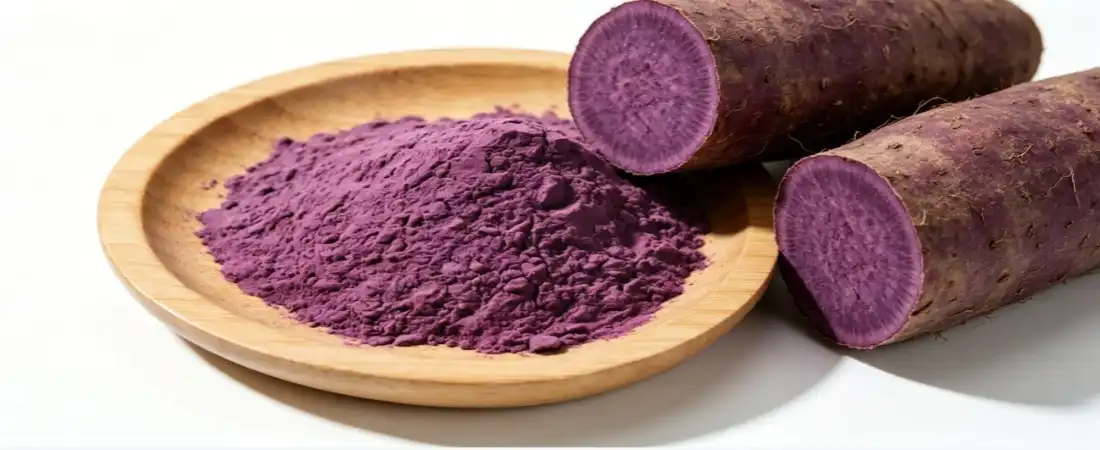
Understanding Ube Powder and Its Market Demand
Purple yam powder, whose formal name is Dioscorea alata L., comes from the roots of purple yams grown all over Southeast Asia. People in business-to-business markets are interested in this bright food because of its eye-catching natural color and useful nutritional profile, which includes anthocyanins, resistant starch, dietary fiber, and important minerals. Ube, unlike manufactured colorants, has both good looks and health benefits. This makes it a useful ingredient for products that are aimed at people who care about clean labels.
Why Purple Yam Powder Appeals to Modern Manufacturers
The growing interest in naturally occurring ingredients that come from plants has increased the need for purple yam extract in many commercial settings. Manufacturers like how versatile it is and use it in functional drinks, new baked goods, meal replacement shakes, and cosmetics, where the antioxidant qualities help support the claims made about the products. The compound's resistant starch helps control blood sugar, and the anthocyanins help with cardiovascular health. These are strong benefits that health-conscious customers in North America and Europe really like, which is driving market growth.
Production Methods That Preserve Functional Integrity
To make high-quality ube powder, the purple yams that are hand-picked are cleaned well, dried at low temperatures to protect heat-sensitive chemicals, and then precisely milled to get particles that are 80-mesh, which is the best size for solubility. Advanced sellers follow strict rules that keep the natural purple color, light sweetness, and bioactive substances safe during production cycles. When procurement teams understand these technical details, they can tell if sellers have the extraction skills to deliver consistent, specification-compliant goods batch after batch.
Key Criteria for Choosing a Reliable Ube Powder Bulk Supplier
Before you can choose a good provider in ube powder bulk, you need to be clear on your specific procurement factors, such as the amount you need, the quality level, the certifications you need, and when you need the goods delivered. A structured evaluation system gets rid of the need to guess and helps people make choices based on facts that balance low costs with reliable supplies.
Product Purity and Specification Compliance
Pure ube powder should meet all of the requirements and not have any fillers or fake ingredients. Make sure that sellers give you full product information, like the plant name (Dioscorea alata L.), where the product came from, the mesh size (usually 80-mesh for food-grade uses), and how the product looks (consistent purple powder). Reputable makers include clear certificates of analysis (CoA) with every batch. These CoAs show the amount of active compounds that have been tested using HPLC or UV light. This paperwork is needed for regulatory reports and quality checks in production settings further down the line.
Certification Standards and Regulatory Alignment
A supplier's dedication to quality management and tracking is shown by their ability to get and keep certifications. ISO 9001 certification shows that quality control is done in a planned way, and Kosher and Halal standards make it easier for goods that are aimed at certain groups of people to reach more customers. These certificates aren't just administrative boxes to be checked; they show that your production standards have been checked, that you're clear about where your ingredients come from, and that you follow rules to avoid contamination that protect your brand's image. When looking at possible business partners, it's important to ask for up-to-date certifications and, if possible, independent validation of the granting authority's qualifications.
Pricing Structure and Minimum Order Quantities
Accurate cost forecasting is possible with clear price models that take into account discounts for buying in bulk, minimum order quantities (usually 10 kilograms for purple yam powder), and different packaging choices. Price structures set by experienced suppliers are meant to reward long-term relationships while still allowing for freedom for initial trial orders. In addition to the unit price, you should also look at the total landed costs, which include the shipping method, payment terms, and customized packing (1kg bags, 10kg boxes, or large cases). Foreign exchange risk is lower when you can pay your suppliers in the local currency. This is especially important for mid-sized businesses that use more than one route to get their ingredients.
Supply Chain Reliability and Stock Availability
Your business continuity is directly affected by how much you can produce and how well you handle your inventory. Leading sellers keep famous standardized extracts in stock, so they can ship within one to three business days of receiving an order. Production orders usually take between 3 and 10 working days, which includes getting the raw materials, extracting them, checking them in the lab, and packing them up. When checking out a supplier, find out about their backup plans for getting raw materials, their production redundancies that lower the risk of disruptions, and their contact methods for dealing with sudden supply problems. The speed with which a seller answers questions—the best ones do it within two hours—often shows how efficient they are and how important customer service is to them.
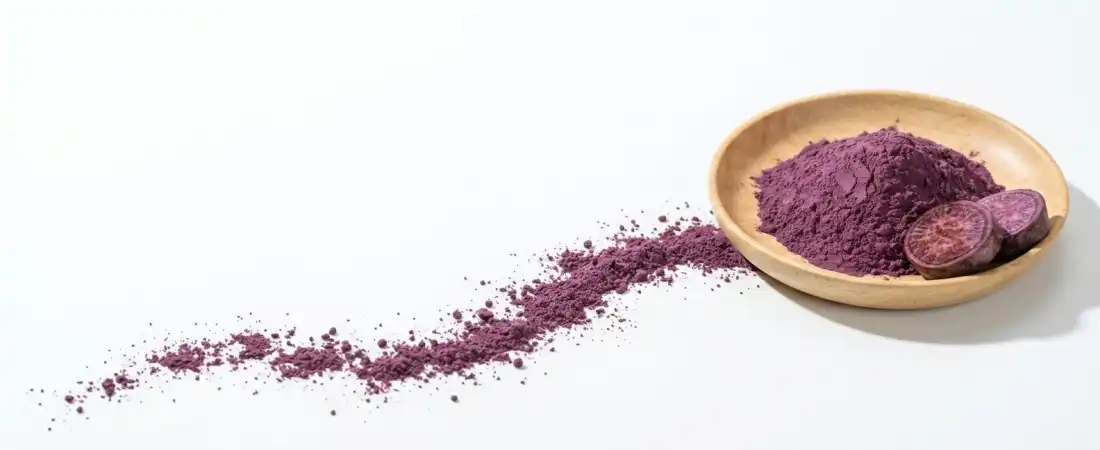
Organic vs Non-Organic and Other Comparison Factors
Choosing where to get ingredients involves more than just meeting basic product requirements. It also involves things like organic certification, handling methods, comparing ingredients, and market positioning strategies.
Organic Certification Considerations
Organic purple yam powder costs more, but it gives you access to new groups of customers who want products that are free of pesticides and come from sustainable sources. For a product to be certified organic, it must be able to be tracked from the farm to the finished product, have its growing methods checked by a third party, and be processed according to strict rules that don't allow fake additives. Non-organic types may be cheaper and come from more places, but organic approval fits with clean-label product stories and backs up marketing claims that are becoming more important to people in premium market groups. Check to see if the investment in licensing is worth it for your target market based on how you compare to others and how much people are willing to pay.
Comparative Analysis with Alternative Powders
Strategic buying choices are based on how ube powder compares to other botanical ingredients that are similar. When compared to maca powder, purple yam has a milder flavor that can be used in more situations. This is especially true in goods where the earthy notes would not go well with the desired taste. Compared to matcha, ube has similar antioxidant effects and a bright color that may be more appealing at lower prices. The resistant starch in purple yam gives it special functional benefits that other foods don't have. These benefits back metabolic health stories that are different from simple antioxidant claims.
Bulk Packaging Versus Consumer-Ready Formats
When purchasing ube powder bulk quantities, industrial buyers must make packing choices that affect storage effectiveness, handling costs, and inventory management. When compared to smaller store configurations, bulk packing in 10-kilogram boxes makes the best use of warehouse space and lowers the cost of packaging each unit. However, large-format packaging needs to be stored properly, and inventories need to be rotated quickly so that wetness doesn't soak in and the compounds break down. Suppliers that offer customized packing options, such as large boxes for high-volume users and portioned bags for smaller production runs, show organizational flexibility that can meet a wide range of buying needs throughout the lifecycle of a product.
How to Ensure Supplier Credibility and Quality Assurance
Verifying a supplier's trustworthiness guards against quality problems, supply interruptions, and reputational risks that can happen when partners are chosen without enough research.
Third-Party Audits and Industry Reputation
In addition to the certifications the seller says they have, you should look into their image through trade associations, industry networks, and client references from companies that have similar quality standards. Third-party audit reports from groups that check GMP facilities give independent proof of production standards, controls for contamination, and recording methods. Suppliers who are sure of their business will gladly share audit results and make it easy for current customers to talk to them directly. These actions show that the supplier is trustworthy, as opposed to vendors whose performance records aren't consistent.
In-House Quality Control Capabilities
Strong quality assurance includes more than just testing the finished product. It also includes checking the raw materials, keeping an eye on the process, and testing the stability of the product under different storage conditions. Advanced providers have separate quality control teams that check each production batch using HPLC, UV spectroscopy, microbiological testing, and heavy metal screening. Ask for specific details about the testing procedures, how the equipment is calibrated, and the policies for keeping samples so that problems with quality can be tracked back to the source if they happen after delivery. If a supplier gives you a full Certificate of Analysis (CoA) that includes microbiological data, pesticide residue screening, and heavy metal analysis, that shows they care about quality, which helps you meet your legal responsibilities.
Private Label and OEM Capabilities
Suppliers that offer private label manufacturing and OEM help are more valuable than just providing raw materials. These features allow for the creation of unique formulations, branded packaging options, and flexible production runs that allow for testing the market without having to spend a lot of money on production equipment. OEM partners with experienced research and development teams can help with formula optimization, stability testing, and application advice. This speeds up the product creation process and lets them use their technical knowledge of how purple yam powder works in a wide range of situations.
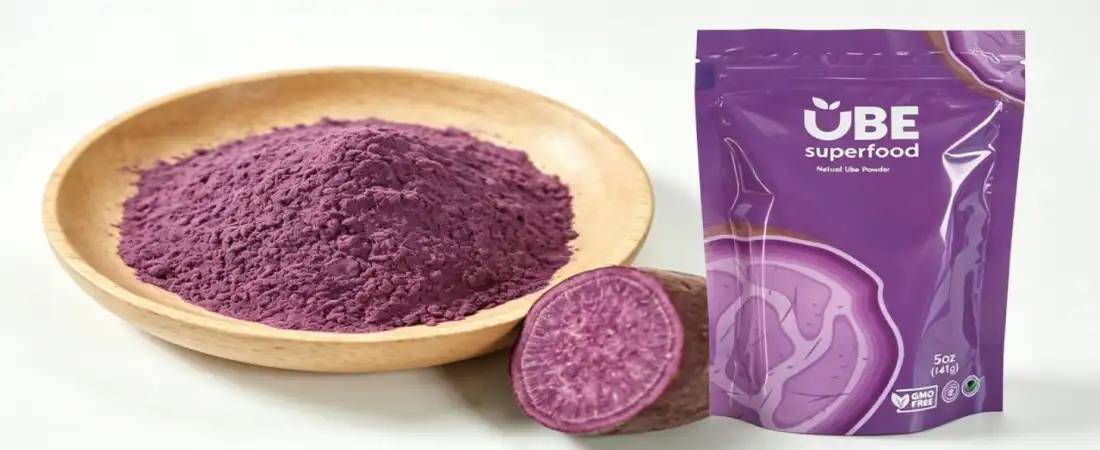
Procurement Logistics: Ordering, Shipping, and Storage Best Practices
Logistics excellence separates suppliers' theoretical abilities from their actual supply chain performance, which keeps production plans on track and keeps ingredient purity safe.
Order Placement and MOQ Negotiation
Minimum order numbers in ube powder bulk are a way for buyers and sellers to work together to make sure that both parties are happy with the production process. Ten-kilogram MOQs are fine for testing purposes at first, but suppliers can better assign capacity and possibly agree to graduated pricing that rewards volume promises if they are clear about expected volumes and growth paths. When suppliers are sure of their products, they usually offer free samples. This lets customers test them in the lab and in real life before placing bulk orders. This lowers the risk of buying while the suppliers are being qualified.
International Shipping and Customs Clearance
Global sourcing means figuring out how to choose the best shipping way, what paperwork is needed, and how to go through customs processes that are different for each destination country. Suppliers with a lot of experience have built ties with freight forwarders who handle both fast air packages for urgent orders and cheap sea freight for regular restocking. Direct shipping from factories using specialized carrier accounts (FedEx, UPS) makes tracking shipments clear and accountable, which lowers the chance of delivery problems. Make it clear who is responsible for the correct filing of customs documents, the correct labeling of tariffs, and the payment of import duties so that there are no delays at the port of entry that throw off production plans.
Storage Protocols and Shelf Life Management
The best way to keep purple yam powder fresh is to keep it in a cool, dry place away from direct sunshine and water. Keeping sealed packages in places with stable temperature controls (usually below 25°C) and humidity levels below 60% stops clumping, color loss, and the growth of microbes. First-in, first-out inventory movement should be used, and regular inspections should be used to keep an eye on how things are stored. Suppliers who give stability data and suggested storing rules help with good warehouse management that keeps ingredients working for as long as they're supposed to, which is usually 24 months in the right circumstances.
Conclusion
If you want to find a reliable ube powder bulk provider, you need to carefully look at their products, make sure they follow all the rules for approval, see how well they can handle your supply chain, and make sure they value partnerships that go beyond just doing business. When procurement professionals take the time to carefully check out potential suppliers, they lower downstream risks and build the basis for innovation relationships that use technical know-how along with providing raw materials. The market for purple yam powder keeps growing because companies are realizing that it can be used for both its natural color and its health-boosting ingredients. Your company can take advantage of this growth trend by making smart choices about strategic sourcing and building supply relationships based on openness, consistent quality, and a shared dedication to market success.
FAQ
1. What is the typical lead time for bulk purple yam powder orders?
Lead times depend on the size of the order and the amount of stock that the seller has. Once an order is confirmed, suppliers who keep stock can ship within one to three business days. Custom production orders usually take between 3 and 10 working days, which includes getting the raw materials, preparing them, testing for quality, and finally packing them. International shipping can take an extra 5 to 15 days, based on where it's going and which service method is chosen.
2. How can I verify purple yam powder quality before placing large orders?
Before you buy a lot of something, ask for free samples to test in the lab and try out in real life. Reliable sellers give samples with certificates of analysis that show the amount of active compounds, the state of microbes, and the heavy metal screening results. Do solubility tests, color stability tests, and taste evaluations to make sure that the specifications match your recipe needs.
3. Are there health considerations when using ube powder in food products?
Purple yam powder made from Dioscorea alata L. has a history of being safe when used as an ingredient in food. Its nutrients help keep your metabolism healthy, your digestive system working well, and your antioxidants working well. Manufacturers should check that the supplier's paperwork says there are no allergens, chemical leftovers, or heavy metals in the product, which can be done through thorough testing methods. When adding botanical ingredients to finished goods, you should always follow your local food safety rules and marking rules.
Partner with NT Biotech for Reliable Ube Powder Bulk Supply
If you need to buy plant ingredients, NT Biotech can help. They specialize in high-quality purple yam powder that meets strict international standards. Our hand-picked Dioscorea alata roots are used to make our 100% pure ube powder. It goes through advanced processing that keeps the natural color, taste, and bioactive substances that are important for modern food innovation. Our quality assurance procedures, which are backed by ISO 9001, Kosher, and Halal certifications, make sure that every batch meets the same standards and comes with full paperwork. We keep enough stock on hand to send orders quickly (within two to four days) as long as they meet our low 10-kilogram minimum order quantity. We also offer a variety of flexible packaging options that can be tailored to your needs. Our skilled research and development team helps with the creation of functional drinks, bakery goods, nutritional supplements, and cosmetics. As your ube powder bulk supplier, we promise to answer your first question within two hours and give you the option to pay in your own currency. Contact us today at info@newthingsbiotech.com to request free samples, discuss OEM solutions, and discover how our purple yam powder can elevate your product portfolio with natural nutrition and vibrant market appeal.
References
1. Chen, W., & Zhang, L. (2019). Anthocyanins and Resistant Starch in Purple Yam: Functional Properties and Health Benefits. Journal of Functional Foods, 52, 368-379.
2. Rodriguez, M. P., & Santos, K. A. (2021). Quality Assessment Frameworks for Botanical Ingredient Procurement in Food Manufacturing. International Journal of Food Science & Technology, 56(4), 1823-1835.
3. Thompson, R. J., & Park, S. H. (2020). Supply Chain Management Best Practices for Natural Colorants and Functional Powders. Supply Chain Management Review, 24(3), 42-51.
4. Williams, D. E., & Kumar, A. (2022). Certification Standards and Quality Assurance in Global Botanical Ingredient Trade. Food Quality and Safety, 6(1), 112-126.
5. Zhang, Y., & Mitchell, C. R. (2021). Comparative Analysis of Purple Yam, Maca, and Matcha: Market Positioning and Nutritional Differentiation. Journal of Agricultural and Food Chemistry, 69(28), 7891-7903.
6. Anderson, J. M., & Lee, H. K. (2023). Storage Stability and Logistics Optimization for Powdered Botanical Ingredients in B2B Procurement. Journal of Food Process Engineering, 46(2), e14221.