- English
- French
- German
- Portuguese
- Spanish
- Russian
- Japanese
- Korean
- Arabic
- Greek
- German
- Turkish
- Italian
- Danish
- Romanian
- Indonesian
- Czech
- Afrikaans
- Swedish
- Polish
- Basque
- Catalan
- Esperanto
- Hindi
- Lao
- Albanian
- Amharic
- Armenian
- Azerbaijani
- Belarusian
- Bengali
- Bosnian
- Bulgarian
- Cebuano
- Chichewa
- Corsican
- Croatian
- Dutch
- Estonian
- Filipino
- Finnish
- Frisian
- Galician
- Georgian
- Gujarati
- Haitian
- Hausa
- Hawaiian
- Hebrew
- Hmong
- Hungarian
- Icelandic
- Igbo
- Javanese
- Kannada
- Kazakh
- Khmer
- Kurdish
- Kyrgyz
- Latin
- Latvian
- Lithuanian
- Luxembou..
- Macedonian
- Malagasy
- Malay
- Malayalam
- Maltese
- Maori
- Marathi
- Mongolian
- Burmese
- Nepali
- Norwegian
- Pashto
- Persian
- Punjabi
- Serbian
- Sesotho
- Sinhala
- Slovak
- Slovenian
- Somali
- Samoan
- Scots Gaelic
- Shona
- Sindhi
- Sundanese
- Swahili
- Tajik
- Tamil
- Telugu
- Thai
- Ukrainian
- Urdu
- Uzbek
- Vietnamese
- Welsh
- Xhosa
- Yiddish
- Yoruba
- Zulu
Bulk ingredient purchasing decisions are rarely straightforward. When you are sourcing grape seed OPC in kilogram or tonnage quantities, the stakes extend well beyond unit price — batch-to-batch consistency, analytical documentation depth, lead time reliability, and the supplier's genuine technical capability all shape whether your procurement delivers a competitive product or creates avoidable problems at formulation or regulatory review. NT Biotech has built its grape seed extract program specifically for buyers who need both performance and procurement confidence at scale. With a Grape Seed Extract standardized to 95% OPC purity, verified by both UV assay and HPLC, and supported by a supply chain designed for transparent, predictable delivery, NT Biotech positions itself not as a commodity price quoter but as the kind of grape seed OPC supplier that becomes a genuine long-term production partner. This guide walks through the practical framework for evaluating bulk grape seed OPC options intelligently.
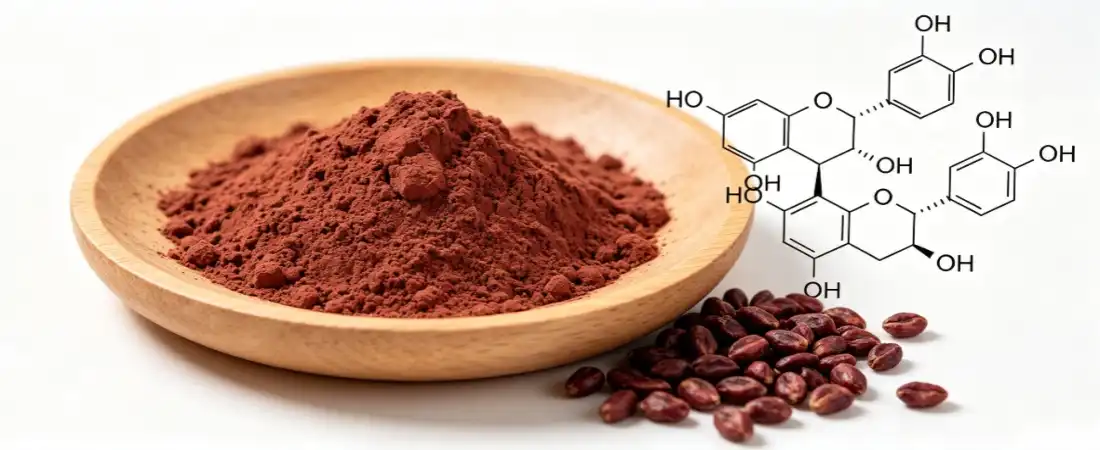
Starting With Purity: Why the Specification Sheet Is Only the Beginning
Understanding What 95% OPC Actually Means
The figure "95% OPC" appears on many supplier datasheets, but its actual meaning varies substantially depending on how the assay was conducted. The UV spectrophotometric method — the most common commercial testing approach — measures absorbance at a specific wavelength that correlates with proanthocyanidin content. However, UV assay is susceptible to interference from other polyphenolic compounds present in grape seed matrix, which can cause overestimation of true OPC content by five to fifteen percent in lower-quality extracts. NT Biotech's grape seed OPC specification addresses this by pairing UV assay with HPLC (high-performance liquid chromatography) confirmation, which separates individual proanthocyanidin species and quantifies them independently. This dual-method approach — uncommon among commodity grape seed suppliers — is the most reliable commercial verification of true OPC content available to bulk buyers evaluating specification sheets.
Batch-to-Batch Consistency as the Real Quality Indicator
A single Certificate of Analysis showing 95.3% OPC tells you what one batch tested. It tells you nothing about whether the next shipment will hit 94.1% or 96.8%. For formulation manufacturers whose label claims and finished product potency depend on consistent ingredient concentration, this variability has real consequences. Requesting CoAs from three to five consecutive production batches and examining the OPC variance across them gives a far more informative picture of a supplier's process control than any single document. NT Biotech's ISO 9001 certified quality management system requires documented process controls at each stage of extraction, concentration, and drying — the manufacturing disciplines that produce narrow lot-to-lot variance rather than hoping individual batches happen to fall within specification.
Beyond OPC: The Full Quality Picture
Sophisticated bulk buyers evaluate grape seed OPC against a broader quality matrix than purity alone. Heavy metal content — particularly lead, cadmium, arsenic, and mercury — is a mandatory consideration for supplement products sold in the EU, US, and other regulated markets where maximum residue limits are clearly defined. Microbial limits for total plate count, yeast and mold, Salmonella, and E. coli must comply with pharmacopeial standards applicable to the target market. Residual solvent testing confirms that the extraction process did not leave chemical contamination in the final powder. NT Biotech tests all of these parameters on every batch and provides the complete documentation package with each shipment — not as a premium add-on, but as the baseline expectation for any serious ingredient supplier.
If you are currently evaluating grape seed OPC suppliers for an upcoming product development or restocking decision, NT Biotech's technical team is available to discuss your specific purity, testing, and delivery requirements — and will respond to all inquiries within two hours. Send your specifications or questions directly to info@newthingsbiotech.com and one of our product specialists will be in contact promptly.
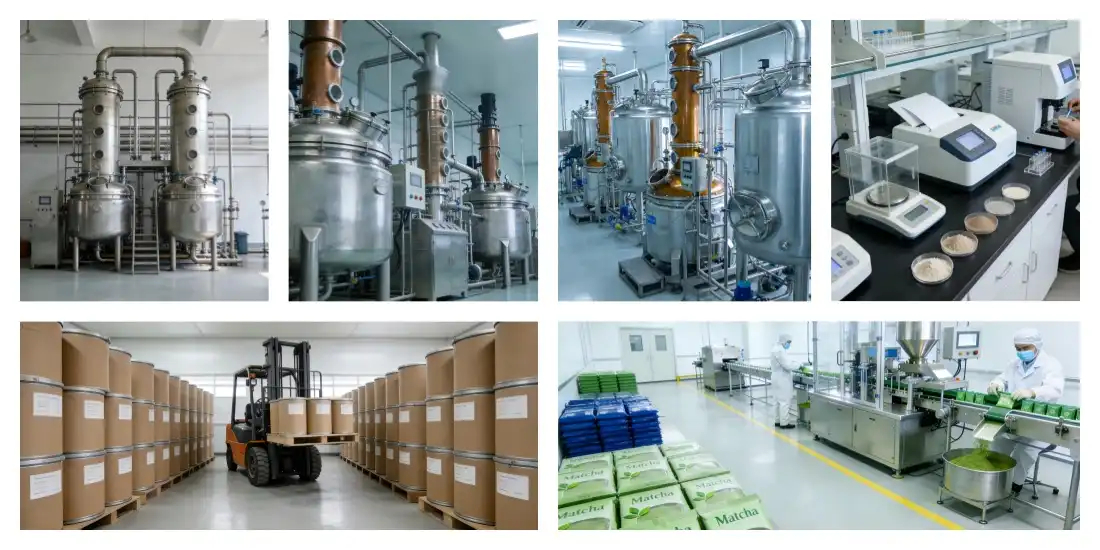
Evaluating Extraction Technology and Its Commercial Consequences
Why the Extraction Method Shapes Product Performance
The extraction process that converts raw grape seeds into a concentrated OPC powder is not neutral — it actively determines the structural integrity, bioavailability, and stability of the proanthocyanidin compounds in the finished ingredient. Conventional extraction methods using elevated temperatures and certain organic solvents can partially depolymerize oligomeric proanthocyanidins, converting effective OPC structures into less bioactive monomeric catechins that still register on UV assay but do not deliver the same functional outcomes in human physiology. NT Biotech's proprietary extraction methodology is specifically designed to preserve the oligomeric chain structure of proanthocyanidins throughout the concentration and drying steps, producing a grape seed OPC powder with superior bioactivity relative to purity-equivalent extracts processed through less controlled methods.
Solvent-Free Processing and Its Relevance to Regulatory Compliance
For supplement brands selling into the EU market, residual solvent limits in botanical ingredients are governed by Commission Regulation (EC) No 1881/2006 and related guidance documents that specify maximum permissible levels for common extraction solvents. Meeting these limits with solvent-based extraction requires additional purification steps that add cost and processing time — and introduce risk of incomplete solvent removal that may only become apparent during regulatory review of the finished product. NT Biotech's extraction technology eliminates this risk at the source. The company's processing approach produces grape seed OPC powder with non-detectable residual solvent levels, removing a compliance variable that buyers need not carry into their formulation and regulatory pathway.
Stability Under Real-World Storage Conditions
A grape seed extract that tests at 95% OPC at production but degrades to 88% after six months in a warehouse is delivering a 7% potency shortfall against the label claim at the time of manufacturing. This is not a theoretical concern — polyphenolic compounds are susceptible to oxidative degradation under conditions of elevated temperature, humidity, and light exposure, all of which occur during normal bulk ingredient storage. NT Biotech's grape seed OPC is processed and packaged to maximize stability across a 24-month shelf life under specified storage conditions (cool, dry, sealed packaging). The company's stability data — available to prospective customers on request — documents OPC content across the full claimed shelf life, providing the assurance that label claim compliance is realistic rather than nominal.
The following table summarizes the key evaluation criteria for bulk grape seed OPC purchasing and how NT Biotech addresses each one:
|
Evaluation Criterion |
What to Verify |
NT Biotech Standard |
|
OPC Purity |
UV assay + HPLC confirmation |
≥95% (dual-method verified) |
|
Batch Consistency |
CoA comparison across batches |
ISO 9001 process controls |
|
Heavy Metals |
ICP-MS testing ≤10 ppm |
Full heavy metal panel per batch |
|
Microbial Limits |
Total plate count, Salmonella, E. coli |
Compliant with USP/Ph. Eur. limits |
|
Solvent Residues |
GC headspace analysis |
Proprietary solvent-free extraction |
|
Certifications |
ISO, HALAL, KOSHER, Organic |
ISO 9001, HALAL, KOSHER |
|
Lead Time (Bulk) |
Production cycle transparency |
3–10 working days + CoA testing |
The Bulk Logistics Question: What Suppliers Rarely Discuss Openly
Lead Time Transparency and What It Actually Includes
Lead time figures quoted by ingredient suppliers often obscure as much as they reveal. A three-day lead time that begins only after raw material arrives at the extraction facility — rather than from order placement — adds procurement uncertainty that sophisticated buyers need to account for in their production planning. NT Biotech is explicit about what its lead times include: for standard-specification grape seed OPC with stock inventory, shipment is possible within one to three working days of order confirmation. For production orders — custom specifications, large volumes, or batches requiring specific CoA documentation beyond standard parameters — the typical cycle of three to ten working days encompasses raw material procurement, extraction, quality testing including HPLC analysis, and final packaging. This transparency allows buyers to plan production schedules with accuracy rather than building in buffer time to compensate for opaque supplier commitments.
Shipping Infrastructure for Bulk Ingredients
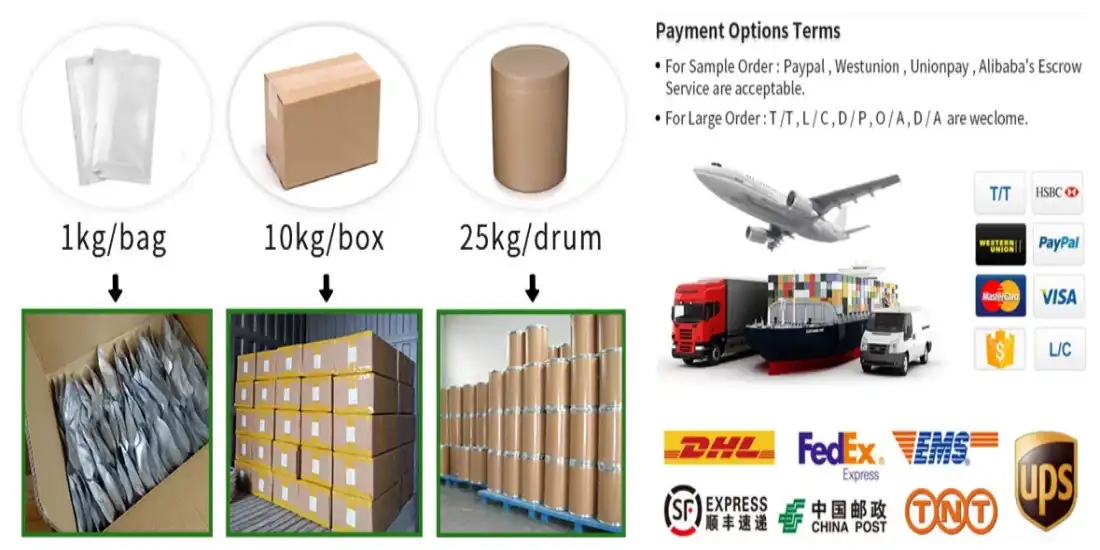
The logistics dimension of bulk ingredient procurement is frequently where suppliers reveal operational limitations they did not disclose during the sales process. NT Biotech operates its own FedEx and UPS shipping accounts for express and sample deliveries — an infrastructure investment that enables direct factory-to-customer shipment without routing through third-party handlers who add transit time and handling risk. For larger bulk volumes where express freight is economically impractical, NT Biotech works with a network of trusted freight forwarders experienced in pharmaceutical-grade botanical ingredient handling, ensuring that temperature-controlled or humidity-sensitive shipments arrive in the same condition they left the facility. The company's flexibility in matching shipping method to the buyer's specific requirements — volume, destination, timeline, and cost parameters — reflects a logistics approach oriented around the customer's supply chain rather than the supplier's operational convenience.
Minimum Order Quantities and Trial Purchase Access
Grape seed OPC suppliers with high minimum order quantities effectively exclude smaller brands and new product developers from accessing their materials — forcing buyers to commit to large volumes before they have validated the ingredient's performance in their specific formulation system. NT Biotech's low MOQ policy accommodates small-scale trial production orders at competitive pricing, allowing new customers to conduct formulation validation with commercially representative material before committing to production quantities. This approach reduces the financial risk of ingredient qualification and reflects NT Biotech's understanding that long-term supply relationships are built through demonstrated product performance rather than volume commitments made before product development is complete.
Market Applications and Formulation Versatility
Dietary Supplement Formats and Dose Considerations
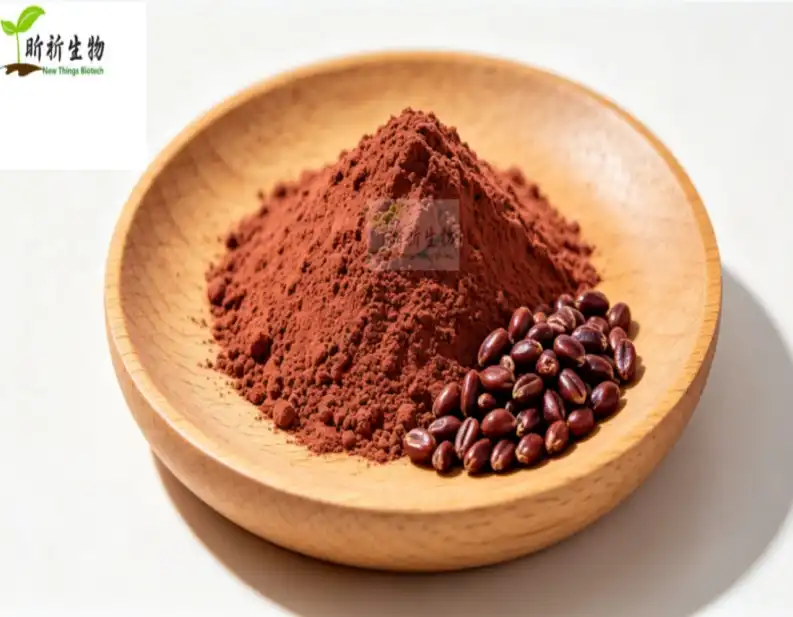
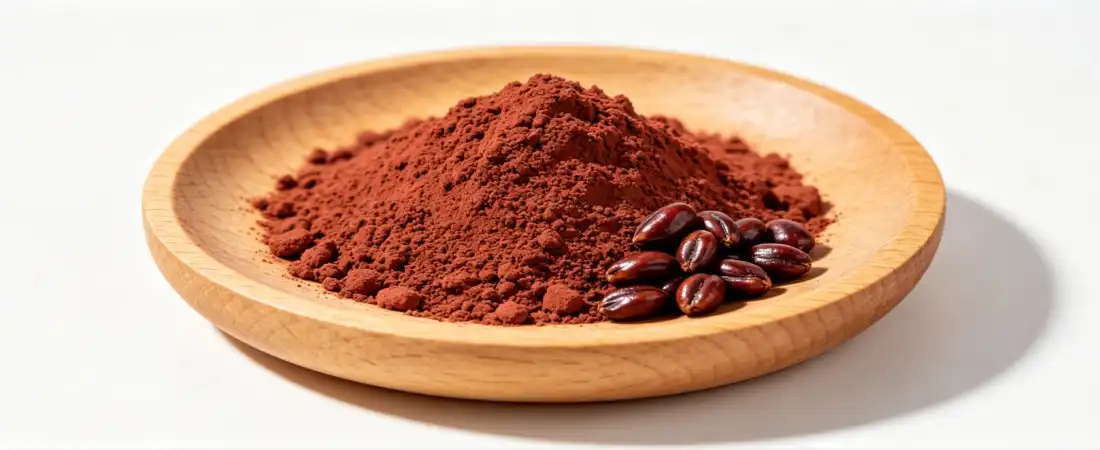
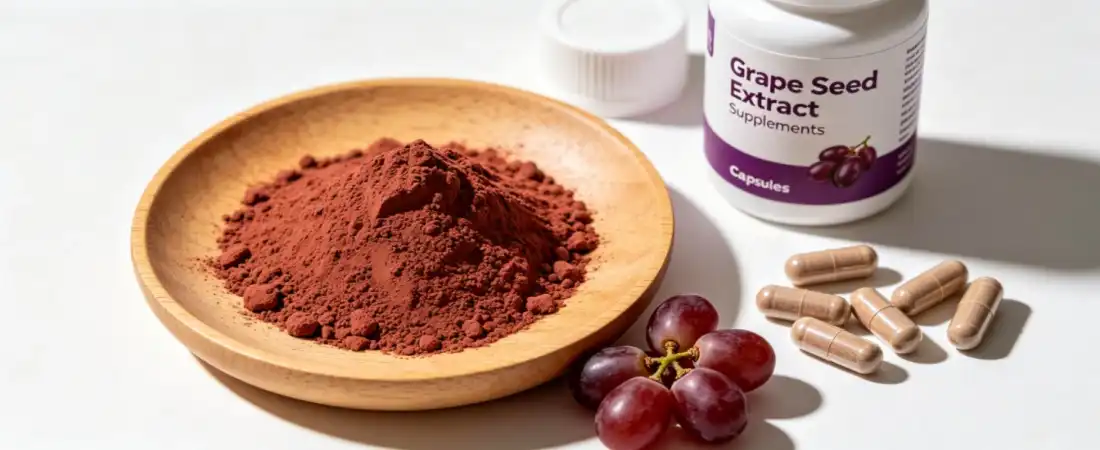
For supplement manufacturers, the practical formulation characteristics of grape seed OPC powder are as important as its specification data. NT Biotech's extract is a fine reddish-brown powder with good flow properties and water solubility — characteristics that support incorporation into hard-shell capsule fills, tablet compression systems, and powdered beverage formats without specialized processing equipment. The clinically studied dose range of 100 to 300 mg of standardized extract per day aligns with standard capsule fill weights, enabling single-capsule daily dosing that maximizes consumer convenience. For tablets, the powder's compressibility and binding behavior are compatible with standard tableting aids, though formulators targeting specific hardness profiles should conduct preliminary compression trials with production-representative material — which NT Biotech can facilitate through its sample program.
Functional Food, Beverage, and Cosmetic Integration
The water solubility of grape seed proanthocyanidins enables their use in aqueous beverage systems, liquid supplement formulations, and functional food applications without the solubility challenges that face fat-soluble actives in similar formats. The characteristic mild astringency of high-purity grape seed extract can be managed in beverage formulations through flavor system design, and can be an asset in products positioned toward health-aware consumers who associate polyphenol astringency with authentic botanical character. In cosmetic applications, grape seed OPC provides dual antioxidant and collagenase-inhibiting activity that supports anti-aging and barrier-support claims — properties that make it a multi-functional active for premium skincare formulations seeking natural-origin credential alongside clinically supported performance.
OEM/ODM Capability for Custom Product Development
For brands that want to move beyond raw ingredient purchasing into finished product development, NT Biotech's OEM/ODM capability extends the value proposition of the supplier relationship significantly. The company can develop custom formulations incorporating grape seed OPC alongside complementary actives — vitamin C for synergistic antioxidant activity, collagen peptides for skin health positioning, or resveratrol for cardiovascular focus — and produce them in capsule, tablet, softgel, or powder sachet format with packaging and labeling tailored to the regulatory requirements of the target market. This integrated product development service allows brands to move from ingredient concept to market-ready finished product without managing multiple specialist manufacturers simultaneously.
The full product specification for NT Biotech's Grape Seed Extract 95% OPC is summarized in the table below:
|
Specification Parameter |
NT Biotech Grape Seed Extract 95% OPC |
|
Botanical Source |
Vitis vinifera L. (Grape Seed) |
|
Active Marker |
Oligomeric Proanthocyanidins (OPCs) |
|
Purity Assay |
≥95% OPC (UV), confirmed by HPLC |
|
Appearance |
Brownish red fine powder |
|
Loss on Drying |
≤5.0% |
|
Heavy Metals |
≤10 ppm |
|
Residual Solvents |
Non-detect (proprietary extraction) |
|
Shelf Life |
24 months — sealed, cool, dry storage |
|
Available Pack Sizes |
1 kg sample | 5 kg | 25 kg | custom bulk |
Building a Supplier Relationship That Works at Scale
Technical Support as a Differentiator
Most ingredient commodity suppliers offer product — and not much else. For brands developing products in competitive categories where formulation differentiation matters, access to genuine technical expertise at the supplier level provides tangible value. NT Biotech's team includes extraction scientists and application specialists who can advise on optimal inclusion rates for specific formulation systems, discuss compatibility with common excipients and co-actives, interpret stability data in the context of finished product shelf life requirements, and provide regulatory-ready documentation packages for submission to market authorities in major geographies. This depth of technical support is particularly valuable for smaller brands without in-house formulation infrastructure — and remains available regardless of order volume, reflecting NT Biotech's understanding that technical partnership is what converts single purchases into long-term supply relationships.
Certification Portfolio and Market Access Implications
The certification status of a grape seed OPC supplier directly affects the market access options available to its customers. NT Biotech holds ISO 9001 quality management certification alongside HALAL and KOSHER certifications — the latter two representing access credentials for substantial and growing global market segments. The global halal food and supplement market was valued at over two trillion USD in recent estimates, with significant growth projected through 2030. KOSHER certification similarly opens access to a consumer segment that treats certification as a purchase prerequisite rather than a nice-to-have. For brands building products designed for international distribution, sourcing from a certified supplier removes a qualification step that would otherwise be required during market entry — a practical advantage that the certification investment by suppliers like NT Biotech transfers directly to their customers.
Payment Flexibility and Its Practical Importance
For international ingredient purchasing, currency conversion requirements and payment method constraints add friction to procurement decisions that might otherwise be straightforward on product merit. NT Biotech accepts payment in the buyer's local currency — a structural accommodation that eliminates exchange rate risk for the buyer and removes a common barrier to initiating a new supplier relationship. Combined with the company's rapid response commitment (all inquiries answered within two hours) and the flexibility of its shipping infrastructure, this payment approach reflects an operational model organized around the buyer's convenience rather than the supplier's administrative preference.
The logistics and supply chain framework for NT Biotech's grape seed OPC bulk orders is detailed below:
|
Logistics Parameter |
Detail |
|
Sample Shipment |
1–3 working days via FedEx/UPS |
|
Stock Order (Standard Spec) |
1–3 working days after payment confirmation |
|
Production Order (Custom/Large) |
3–10 working days full-cycle production |
|
Inquiry Response Time |
Within 2 hours |
|
Express Shipping |
Own FedEx/UPS accounts — direct factory shipment |
|
Bulk/Sea Freight |
Trusted freight forwarder network |
|
Payment Currency |
Accepted in buyer's local currency |
|
OEM/ODM |
Custom formulation, pack size, and labeling available |
Conclusion
Choosing the right grape seed OPC supplier for bulk purchasing requires moving past specification sheets and price lists to evaluate analytical methodology, extraction technology, supply chain transparency, and the quality of technical support available after the first order. NT Biotech addresses all of these dimensions: dual-method OPC verification, ISO 9001 process controls, proprietary extraction that eliminates residual solvents, stock-ready standard specifications, and a technical team available for genuine formulation support. For brands building products that need to perform consistently in market, these are the supplier qualities that matter over time.
FAQ
Q1: Why does NT Biotech provide both UV and HPLC assay results for grape seed OPC?
UV assay alone can overestimate OPC content due to interference from other phenolics in the matrix. HPLC provides independent, compound-specific quantification that confirms the accuracy of the UV result. This dual-method approach gives bulk buyers the highest commercially available confidence in the purity figure they are purchasing against.
Q2: What is the minimum order quantity for a bulk sample evaluation?
NT Biotech accommodates small-scale trial orders at competitive pricing specifically to enable formulation validation before production commitment. Contact info@newthingsbiotech.com to discuss the sample quantity appropriate for your formulation work — the team responds within two hours.
Q3: How does NT Biotech ensure lot-to-lot consistency for ongoing production supply?
NT Biotech's ISO 9001 certified manufacturing system requires documented process controls at each extraction, concentration, and drying stage. Every batch ships with a full CoA, and historical CoA data across consecutive batches is available on request — the most transparent demonstration of process consistency available from any supplier.
Q4: Is grape seed OPC compatible with HALAL and KOSHER product formulations?
Yes. NT Biotech holds both HALAL and KOSHER certification for its grape seed OPC extract, making it suitable for formulation into products targeting these certified markets. Certification documentation is available with each order upon request.
Q5: Can NT Biotech produce custom grape seed OPC specifications or finished product formats?
Yes. Through its OEM/ODM service, NT Biotech can develop custom extract specifications (different assay levels, particle sizes, or solubility profiles) and produce finished dietary supplement products in capsule, tablet, powder, or softgel format. Custom formulation capability extends to combinations of grape seed OPC with complementary actives for multi-ingredient product concepts.
Source Your Grape Seed OPC with NT Biotech — Reach Out Today
When bulk purchasing decisions for grape seed OPC carry real formulation, compliance, and schedule consequences, supplier choice matters far more than unit price. NT Biotech delivers Grape Seed Extract at 95% OPC purity with HPLC-verified documentation, ISO 9001 process discipline, solvent-free extraction, and a logistics infrastructure built for reliability — from one-kilogram samples to tonnage-scale production orders. HALAL and KOSHER certified, flexible on pack size, and genuinely responsive to technical questions, NT Biotech is structured to serve both emerging brands and established manufacturers. Send your specifications or request a sample today at info@newthingsbiotech.com — our team will respond within two hours.
References
1. Bagchi, D., Bagchi, M., Stohs, S. J., Das, D. K., Ray, S. D., Kuszynski, C. A., ... & Preuss, H. G. (2000). Free radicals and grape seed proanthocyanidin extract: Importance in human health and disease prevention. Toxicology, 148(2–3), 187–197.
2. Cos, P., De Bruyne, T., Hermans, N., Apers, S., Berghe, D. V., & Vlietinck, A. J. (2004). Proanthocyanidins in health care: Current and new trends. Current Medicinal Chemistry, 11(10), 1345–1359.
3. Feringa, H. H. K., Laskey, D. A., Dickson, J. E., & Coleman, C. I. (2011). The effect of grape seed extract on cardiovascular risk markers: A meta-analysis of randomized controlled trials. Journal of the American Dietetic Association, 111(8), 1173–1181.
4. Fine, A. M. (2000). Oligomeric proanthocyanidin complexes: History, structure, and phytopharmaceutical applications. Alternative Medicine Review, 5(2), 144–151.
5. Shi, J., Yu, J., Pohorly, J. E., & Kakuda, Y. (2003). Polyphenolics in grape seeds — biochemistry and functionality. Journal of Medicinal Food, 6(4), 291–299.
6. European Medicines Agency. (2016). Guideline on Specifications: Test Procedures and Acceptance Criteria for Herbal Substances, Herbal Preparations and Herbal Medicinal Products. EMA/HMPC/162241/2005.