- English
- French
- German
- Portuguese
- Spanish
- Russian
- Japanese
- Korean
- Arabic
- Greek
- German
- Turkish
- Italian
- Danish
- Romanian
- Indonesian
- Czech
- Afrikaans
- Swedish
- Polish
- Basque
- Catalan
- Esperanto
- Hindi
- Lao
- Albanian
- Amharic
- Armenian
- Azerbaijani
- Belarusian
- Bengali
- Bosnian
- Bulgarian
- Cebuano
- Chichewa
- Corsican
- Croatian
- Dutch
- Estonian
- Filipino
- Finnish
- Frisian
- Galician
- Georgian
- Gujarati
- Haitian
- Hausa
- Hawaiian
- Hebrew
- Hmong
- Hungarian
- Icelandic
- Igbo
- Javanese
- Kannada
- Kazakh
- Khmer
- Kurdish
- Kyrgyz
- Latin
- Latvian
- Lithuanian
- Luxembou..
- Macedonian
- Malagasy
- Malay
- Malayalam
- Maltese
- Maori
- Marathi
- Mongolian
- Burmese
- Nepali
- Norwegian
- Pashto
- Persian
- Punjabi
- Serbian
- Sesotho
- Sinhala
- Slovak
- Slovenian
- Somali
- Samoan
- Scots Gaelic
- Shona
- Sindhi
- Sundanese
- Swahili
- Tajik
- Tamil
- Telugu
- Thai
- Ukrainian
- Urdu
- Uzbek
- Vietnamese
- Welsh
- Xhosa
- Yiddish
- Yoruba
- Zulu
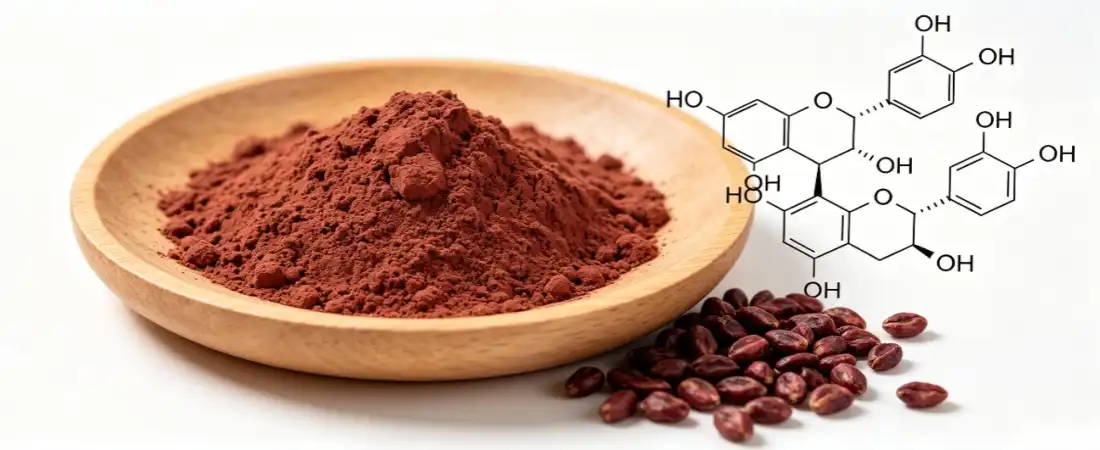
If you are looking for a high-performance antioxidant ingredient for dietary supplements or for functional meals, then grape seed OPC is a must have. The oligomeric proanthocyanidins are a class of polyphenolic compounds found in concentrates in grape seeds and are among the most biologically active antioxidants reported in the nutritional literature. Their free radical scavenging ability is estimated to be approximately twenty times that of Vitamin C and fifty times that of Vitamin E under similar conditions. NT Biotech specializes in such an ingredient: a standardized Grape Seed Extract at 95% OPC purity, created using innovative extraction techniques that provide the maximum production and stability of active proanthocyanidins for formulators that need performance and uniformity. This article examines what grape seed OPC has to offer, its significance for today’s health-conscious customer, how it performs in a range of application areas, and what to look for when choosing a grape seed OPC provider.
What Are OPCs and Why Does Their Source Matter?
The Chemistry Behind Proanthocyanidins
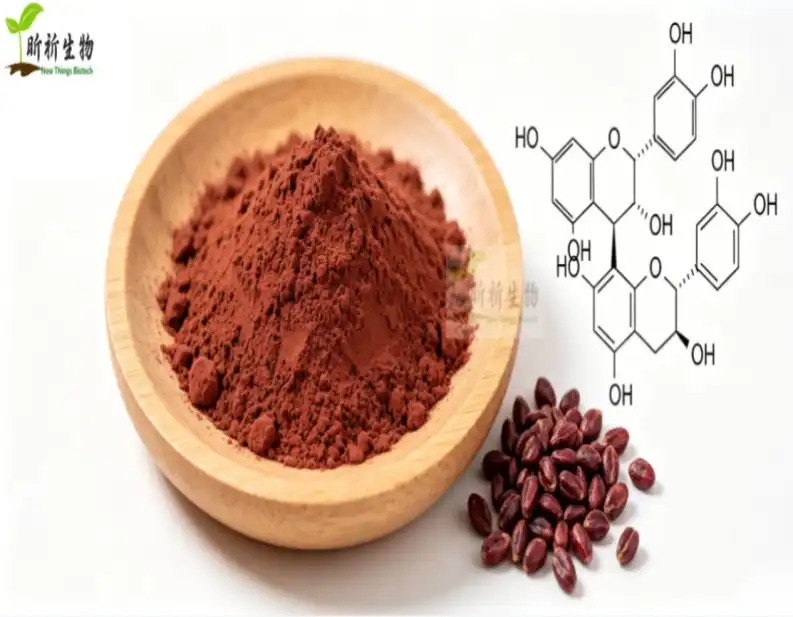
Oligomeric proanthocyanidins are flavonoid molecules built from connected units of catechin and epicatechin – the same building blocks in green tea, but organized in a different oligomeric form that provides them with unique biological capabilities. Grape seed OPC, isolated from grape seeds with high purity, has a dense concentration of these polyphenolic chains in both a water-soluble and bioavailable form. Research published in the Journal of Agricultural and Food Chemistry shows that grape seed proanthocyanidins are absorbed into the blood stream after oral treatment and are distributed to tissues where oxidative stress is highest, including the skin, vasculature and brain. This tissue distribution makes the element significant in a functional sense and not only in the sense of theoretical curiosity.
Why Grape Seeds Are the Preferred OPC Source
Not all sources of proanthocyanidins are equal in purity, stability or bioavailability. Pine bark, cranberry and green tea all contain proanthocyanidins, but grape seed extract has the greatest quantity of OPCs per weight of any commercially available plant source. Grape seeds are a by-product from the wine and juice business, and they provide a uniform and plentiful raw material that may be treated to a constant OPC content with repeatable quality between manufacturing batches. This constancy of supply is especially crucial to dietary supplement makers who must be able to meet label claims from one production run to the next. NT Biotech’s grape seed OPC is standardized to a minimum of 95% OPC by UV test and each batch is accompanied by a Certificate of Analysis incorporating HPLC verification – the analytical standard that differentiates the reliable suppliers from the ones relying on visual specification alone.
The Structural Distinction Between OPCs and Other Polyphenols
OPCs are distinct from monomeric flavonoids such as quercetin or rutin in their oligomeric nature, i.e. the presence of several flavanol units linked by C-C or C-O linkages. This structural intricacy has various advantages. The numerous hydroxyl groups along the oligomeric chain allow the simultaneous scavenging of various free radical species, which explains the greater antioxidant effectiveness compared to simpler polyphenols . The complex degree of polymerization in a grape seed OPC extract also allows for distinct molecular weight fractions to reach different tissues at varying rates after absorption, giving a longer-lasting antioxidant coverage than a single purified molecule can provide. The intricacy is a feature, not a formulation problem – it is a reflection of the multi-target action that is typical of potent plant derived bioactives.
At this point in your research, if you are evaluating a reliable grape seed Opc supplier for your next product development project, we encourage you to reach out directly. NT Biotech's technical team is available to discuss your specific purity requirements, application context, and formulation needs — and responds to all inquiries within two hours. Contact us at info@newthingsbiotech.com to request a sample, a Certificate of Analysis, or a detailed product specification sheet.
Documented Health Benefits Supported by Research
Cardiovascular Protection Through Multiple Mechanisms
Grape seed OPC cardiovascular benefits are perhaps the best investigated of the proanthocyanidin literature. OPCs have at least three known roles in supporting vascular health. First, they inhibit the oxidation of LDL (the process that converts ordinary cholesterol into the arterially damaging oxidized form). Second, they support endothelial nitric oxide production, which promotes healthy vascular tone and blood pressure regulation. Third, they reduce the propensity of platelets to aggregate under oxidative stress conditions. Supplementation with grape seed extract was associated with statistically significant reductions in systolic and diastolic blood pressure compared to placebo in a meta-analysis of randomized controlled trials published in Medicine, with larger effects in younger subjects and those with characteristics of metabolic syndrome. These are not theoretical discoveries – they are representations of the real pharmacological effect of the substance on vascular biology.
Skin Health: Collagen Preservation and UV Photoprotection
Grape seed OPCs’ skin-specific benefits provide an attractive differentiator for cosmetic formulators and beauty supplement producers. Proanthocyanidins block the action of collagenase and elastase, the enzymes responsible for breaking down collagen and elastin, respectively, therefore protecting the structural proteins that give skin its firmness and elasticity. This simultaneous action of enzymatic inhibition and free radical scavenging that protects skin cells from UV-induced oxidative damage is a dual photoprotective mechanism that no single synthetic antioxidant can emulate. Oral supplementation of grape seed extract (GSE) has been shown to improve skin smoothness, decrease hyperpigmentation, and improve barrier function when taken for 8–12 weeks in human clinical trials. The results position the substance as an intriguing option for ingestible beauty – a high-growth sector in both the functional food and luxury dietary supplement industries.
Anti-Inflammatory Action and Immune System Support
Much of what today’s health-conscious consumers are looking to solve – joint pain, metabolic disruption, brain aging and premature skin aging among them – is driven by chronic low-grade inflammation. Grape seed OPC modulates the inflammatory cascade via modifying the NF-κB signaling pathway, a master regulator of pro-inflammatory cytokine production, and by reducing the activity of cyclooxygenase enzymes involved in prostaglandin synthesis. The processes are not overlapping but rather complimentary, which gives the substance a wide anti-inflammatory profile, making it well suited to formulations addressing several areas of inflammatory health. OPCs further promote immunological health by shielding immune cells from oxidative stress and by contributing to the generation of immunomodulatory molecules, a synergy that is especially pertinent for supplement formulations targeting overall wellness and resilience.
Neuroprotective Effects and Cognitive Wellness Applications
Emerging research has identified grape seed proanthocyanidins as crucial to brain health with multiple preclinical studies demonstrating their potential to pass the blood-brain barrier and protect neuronal cells from oxidative damage . The specific relevance to cognitive wellness is that OPCs inhibit the formation and aggregation of beta-amyloid peptides—the protein fragments associated with cognitive decline in aging populations—and support cerebral blood flow through the vascular mechanisms described above. For supplement marketers looking to get into the fast-growing brain health sector, grape seed OPC offers a scientifically backed, consumer-friendly active that ties together cardiovascular, metabolic and neurological wellbeing in one ingredient.
Here is a summary of grape seed OPC's antioxidant potency compared to other commonly used antioxidant compounds:
|
Antioxidant Compound |
Free Radical Scavenging Potency vs Vitamin C |
Primary Benefit |
|
Grape Seed OPC |
~20× stronger |
Cardiovascular, skin, anti-aging |
|
Vitamin E |
Baseline (1×) |
Fat-soluble cell membrane protection |
|
Vitamin C |
Baseline (1×) |
Water-soluble immune support |
|
Resveratrol |
~10× stronger |
Cardiovascular, anti-inflammatory |
|
Quercetin |
~5× stronger |
Anti-inflammatory, allergy support |
Product Specifications and NT Biotech's Quality Framework
Standardization and Analytical Documentation
While the specification sheet reveals only half of the quality story when assessing a grape seed OPC ingredient for inclusion in a nutritional supplement or functional food product. Equally crucial is the analytical technology used to validate OPC content. UV testing alone is subject to interference by non-OPC phenolic chemicals and may exaggerate genuine OPC concentration. All batches of NT Biotech’s Grape Seed Extract 95% OPC are HPLC verified and UV assayed, offering formulators the most reliable active content confirmation possible via normal commercial testing. This two-pronged approach to documentation means the corporation is technically committed to the veracity of its quality claims, not just to reaching minimal criteria on the market.
Processing Technology and Its Impact on Product Quality
The method of extraction of grape seed OPC directly affects the purity and stability of the final product applications. Traditional solvent extraction techniques leave residual solvents in the final product and may destroy heat sensitive proanthocyanidin structures in concentration and drying. NT Biotech uses patented extraction techniques designed particularly to optimize the extraction of OPC from the high quality grape seed raw material while preserving the oligomeric structure of the active chemicals throughout the whole extraction process. That means the extract is far more stable under the temperature, humidity and light conditions that dietary supplement products see during storage and distribution – a real quality advantage that lab purity numbers alone don’t reflect.
Full Specifications at a Glance
The table below summarizes the key product specifications for NT Biotech's Grape Seed Extract (OPC 95%):
|
Parameter |
Specification |
|
Product Name |
Grape Seed Extract (OPC 95%) |
|
Active Component |
Oligomeric Proanthocyanidins (OPCs) |
|
Assay (OPC Content) |
≥95% (UV method) |
|
Appearance |
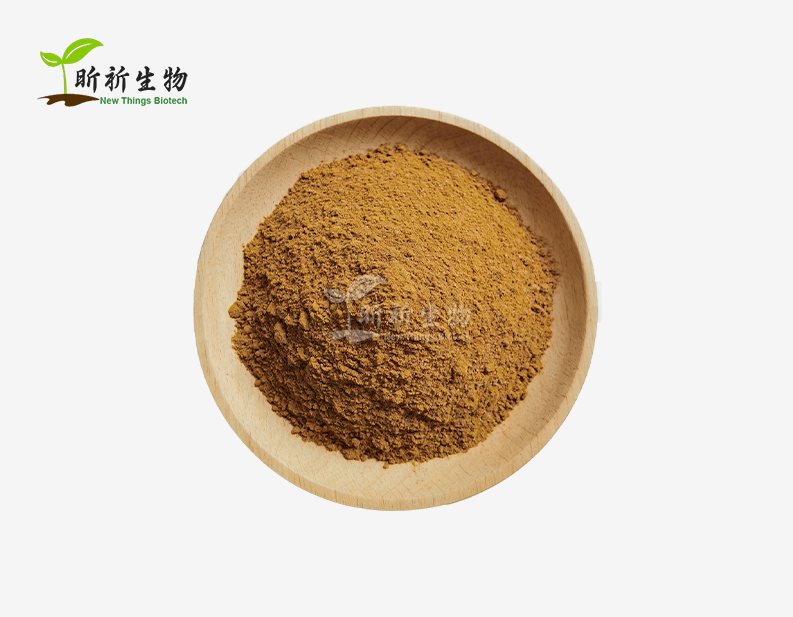
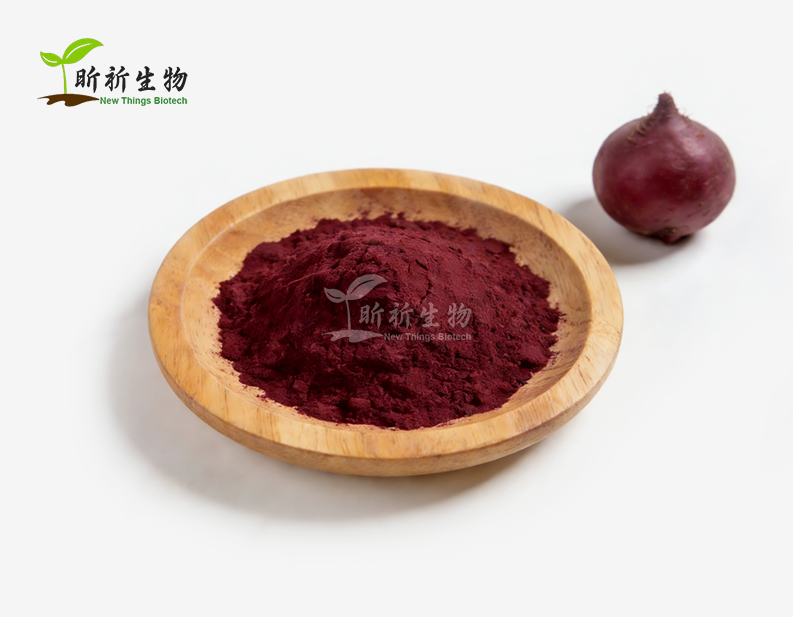
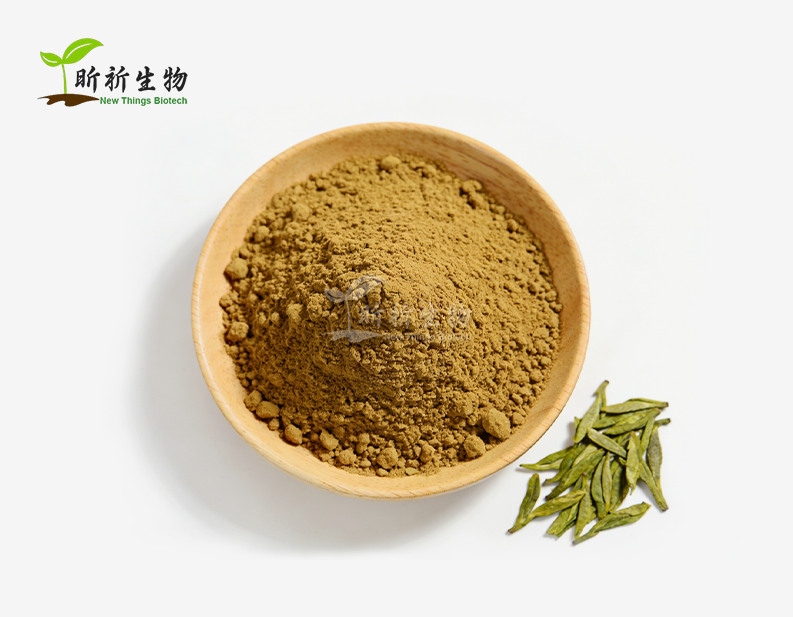
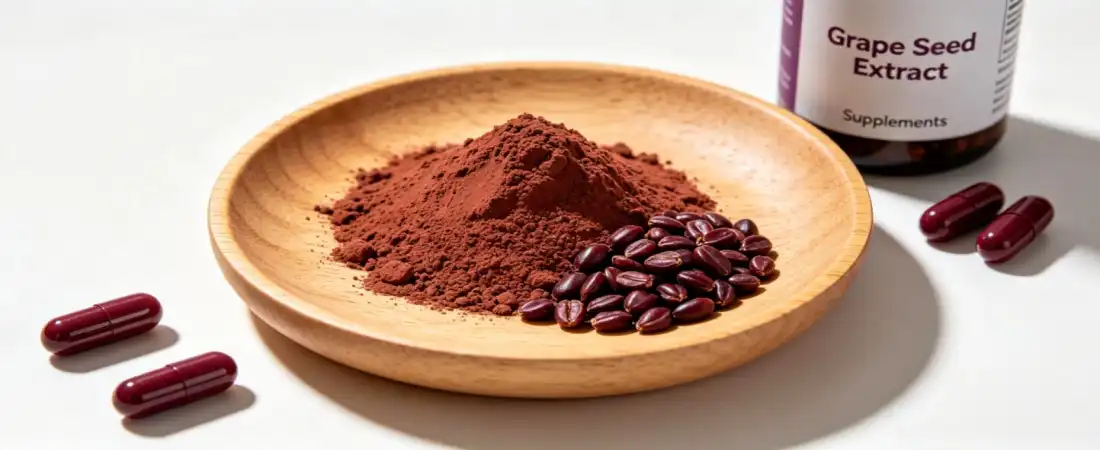
Brownish red powder |
|
Particle Size |
100% through 80 mesh |
|
Loss on Drying |
≤5.0% |
|
Heavy Metals |
≤10 ppm |
|
Shelf Life |
24 months in sealed packaging |
|
Storage |
Cool, dry, away from light and moisture |
Application Versatility and Formulation Considerations
Dietary Supplements: Capsules, Tablets, and Softgels
Grape seed OPC is one of the most formulation-friendly antioxidant actives available. Solubility in water allows for easy inclusion into aqueous systems and the powder form is suitable for conventional capsule filling and tableting operations. Where aesthetics are important, capsule opacity or tablet coating may mask the usual reddish brown colour of high purity grape seed extract. The daily dosage range defined in clinical research for supplement brands (usually 100-300 mg of standardized extract) is compatible with normal capsule fill weights, enabling single-capsule daily formulations without sacrificing product elegance or customer convenience.
Functional Foods and Beverages
In functional food and beverage applications, grape seed OPC has the combined advantage of authentic antioxidant functioning to support product health claims, as well as natural polyphenolic complexity to meet the “clean label” positioning that luxury food companies are increasingly looking for. The water solubility of OPCs makes them suitable for use in drinks, liquid supplements and hydrogel delivery methods without the stability penalty associated with fat-soluble actives in aqueous forms. The minor astringency typical of grape seed extract needs careful taste system design in beverage applications, but it may be exploited as a quality signal in goods targeted at discerning health consumers who link some astringency with real botanical character.
Cosmetic and Topical Applications
The same qualities of grape seed OPC that make it a potent oral antioxidant, free radical scavenger, collagenase inhibitor and UV photoprotector are immediately applicable to topical cosmetic uses. Grape seed extract is an antioxidant active and skin-conditioning ingredient that helps tell the story of the product’s effectiveness in terms of anti-aging and barrier support in skincare formulations. The extract of NT Biotech is suitable for cosmetic application when a natural antioxidant of certified origin is needed and the firm can assist OEM/ODM manufacture of bespoke extract specifications to meet the performance needs of unique cosmetic applications.
Animal Nutrition
Grape seed proanthocyanidins have shown functional significance in animal nutrition applications with antioxidant support for livestock and companion animals being a developing market area. OPC supplementation has been shown to help poultry (increased oxidative stability of meat), aquaculture (better immunological function and growth performance) and companion animal health (cardiovascular and joint support). Grape seed OPC offers feed additive and pet supplement makers with a natural antioxidant alternative, with a demonstrated effectiveness profile that sets premium product lines apart from commodity formulations that depend on synthetic antioxidants alone.
Sourcing with Confidence: Why Supplier Selection Determines Product Outcomes
What Distinguishes a Credible Grape Seed OPC Supplier
There are several grape seed OPC supplier alternatives in the dietary supplement ingredient market at various price and quality levels. The most important distinctions for product formulators are not obvious on pricing lists – they are hidden in extraction process, analytical documentation rigor, batch-to-batch consistency, and the supplier’s capacity to give actual technical help when formulation issues occur. As a technology-based company working with plant extracts, rather than a commodity trader, NT Biotech’s technical team can work with customers on their specific formulation needs and guide the most appropriate inclusion rates for the target applications, something generic ingredient brokers cannot do.
NT Biotech's Supply Chain and Logistics Advantages
For ingredient customers whose production schedules rely on the timely delivery of essential inputs, having a reliable supply is just as vital as having a quality product. NT Biotech stocks standard specification grape seed OPC so that most orders may be sent within 1-3 working days. If you want special specifications or bigger production quantities, the normal lead time of three to ten working days is for a full production cycle (procurement of raw materials, extraction, quality testing, packing) and not only picking and shipping from existing stock in the warehouse. This clarity of lead time composition enables procurement teams to plan appropriately, as opposed to obtaining exaggerated promises that delay production timelines.
Certifications, Compliance, and Global Market Access
For supplement brands sold globally, the certification status of the ingredient suppliers they work with has a direct impact on the brand’s regulatory compliance route. NT Biotech is quality management ISO 9001 certified and has obtained HALAL and KOSHER certifications to provide entry to the worldwide halal food industry (estimated at >2 trillion USD annually) and the premium kosher supplement sector. The company’s readiness to accept payment in the buyer’s local currency is a realistic recognition of the complexities of international commerce, and eliminates a potential hurdle in the sourcing of ingredients across borders. In addition to the flexibility of OEM/ODM for specific formulations and packaging, NT Biotech delivers the scope of services that brands at various stages of development expect from a long-term technical partner.
The table below summarizes NT Biotech's supply and compliance framework for grape seed OPC procurement:
|
Category |
Detail |
|
Certifications |
ISO 9001, HALAL, KOSHER |
|
Testing Documentation |
HPLC / UV Certificate of Analysis per batch |
|
Stock Lead Time |
1–3 working days for standard specifications |
|
Production Lead Time |
3–10 working days including QC testing |
|
Inquiry Response |
Within 2 hours |
|
Shipping Options |
FedEx/UPS (express), Air, Sea freight |
|
OEM/ODM |
Available — custom formulations and packaging |
|
Payment Currency |
Accepted in buyer's local currency |
Conclusion
Grape seed OPC is one of the most proven, flexible and commercially relevant antioxidant compounds accessible to supplement, functional food and cosmetic formulators today. It’s a cornerstone active for any company looking to develop science-backed health products, thanks to its proven efficacy on cardiovascular health, skin quality, inflammation, and cognitive well-being, as well as its formulation flexibility and clean regulatory status. Available from NT Biotech with a 95% OPC standardization, documented by HPLC, ISO 9001 certification and a supply system intended to deliver reliably and fast to the world. The best grape seed OPC supplier is defined by quality, consistency and technical relationship, not a commodity price quote.
FAQ
Q1: What does 95% OPC mean in grape seed extract, and why does it matter?
A 95% OPC figure indicates that at least 95% of the dry weight of the extract is comprised of oligomeric proanthocyanidins – the particular polyphenolic chemicals that are responsible for the antioxidant and bioactive actions of the substance. UV test confirms this standardization, with HPLC also provided by NT Biotech. More OPC content indicates a lower effective dosage and more confidence in the ingredient’s efficacy in final product formulations.
Q2: Is grape seed OPC safe for daily supplementation?
OPC concentrations in standardized grape seed extract are thoroughly researched in human clinical studies and have a well-established safety profile at dosages generally in the range of 100 to 300 mg per day. It is generally recognized as safe (GRAS) in many countries and is utilized in dietary supplements worldwide. OPCs have minimal antiplatelet action and those on blood-thinning drugs should see a healthcare provider before supplementing.
Q3: What application formats is NT Biotech's grape seed OPC compatible with?
NT Biotech's Grape Seed Extract 95% OPC is suitable for use in capsules, tablets, softgels, powdered beverage, functional food, topical cosmetic formulation and animal nutrition application. The water soluble fine powder is easily soluble in aqueous systems and is consistently blended in solid dosage forms. Custom specifications are also offered as part of the OEM/ODM service including variable particle sizes or co-processed versions for better flow.
Q4: Does NT Biotech offer OEM/ODM formulation services alongside the raw ingredient?
Yes. NT Biotech also provides raw grape seed OPC extract and full OEM/ODM manufacturing services including custom formulation, encapsulation, tableting and packaging, as per the regulatory requirements of your target market. The organization has expertise helping brands in North American, European and Asian markets and can advise on appropriate labeling and certification needs for each country.
Partner with NT Biotech — Your Trusted Grape Seed OPC Supplier
Building effective, trustworthy health products starts with ingredients you can rely on. NT Biotech, a grape seed opc supplier, supplies Grape Seed Extract at 95% OPC purity with full HPLC documentation, ISO 9001, HALAL, and KOSHER certifications, and a supply infrastructure designed for speed and flexibility. Whether you need a trial sample to validate your formulation, a production quantity for your next product launch, or a long-term supply agreement backed by technical partnership, our team is ready to engage. We accept payment in your local currency, ship globally via FedEx/UPS and freight forwarders, and respond to all inquiries within two hours. Contact us today at info@newthingsbiotech.com — let's build something substantive together.
References
1. Fine, A. M. (2000). Oligomeric proanthocyanidin complexes: History, structure, and phytopharmaceutical applications. Alternative Medicine Review, 5(2), 144–151.
2. Bagchi, D., Bagchi, M., Stohs, S. J., Das, D. K., Ray, S. D., Kuszynski, C. A., ... & Preuss, H. G. (2000). Free radicals and grape seed proanthocyanidin extract: Importance in human health and disease prevention. Toxicology, 148(2–3), 187–197.
3. Shi, J., Yu, J., Pohorly, J. E., & Kakuda, Y. (2003). Polyphenolics in grape seeds — biochemistry and functionality. Journal of Medicinal Food, 6(4), 291–299.
4. Feringa, H. H. K., Laskey, D. A., Dickson, J. E., & Coleman, C. I. (2011). The effect of grape seed extract on cardiovascular risk markers: A meta-analysis of randomized controlled trials. Journal of the American Dietetic Association, 111(8), 1173–1181.
5. Yamakoshi, J., Saito, M., Kataoka, S., & Kikuchi, M. (2002). Safety evaluation of proanthocyanidin-rich extract from grape seeds. Food and Chemical Toxicology, 40(5), 599–607.
6. Cos, P., De Bruyne, T., Hermans, N., Apers, S., Berghe, D. V., & Vlietinck, A. J. (2004). Proanthocyanidins in health care: Current and new trends. Current Medicinal Chemistry, 11(10), 1345–1359.