- English
- French
- German
- Portuguese
- Spanish
- Russian
- Japanese
- Korean
- Arabic
- Greek
- German
- Turkish
- Italian
- Danish
- Romanian
- Indonesian
- Czech
- Afrikaans
- Swedish
- Polish
- Basque
- Catalan
- Esperanto
- Hindi
- Lao
- Albanian
- Amharic
- Armenian
- Azerbaijani
- Belarusian
- Bengali
- Bosnian
- Bulgarian
- Cebuano
- Chichewa
- Corsican
- Croatian
- Dutch
- Estonian
- Filipino
- Finnish
- Frisian
- Galician
- Georgian
- Gujarati
- Haitian
- Hausa
- Hawaiian
- Hebrew
- Hmong
- Hungarian
- Icelandic
- Igbo
- Javanese
- Kannada
- Kazakh
- Khmer
- Kurdish
- Kyrgyz
- Latin
- Latvian
- Lithuanian
- Luxembou..
- Macedonian
- Malagasy
- Malay
- Malayalam
- Maltese
- Maori
- Marathi
- Mongolian
- Burmese
- Nepali
- Norwegian
- Pashto
- Persian
- Punjabi
- Serbian
- Sesotho
- Sinhala
- Slovak
- Slovenian
- Somali
- Samoan
- Scots Gaelic
- Shona
- Sindhi
- Sundanese
- Swahili
- Tajik
- Tamil
- Telugu
- Thai
- Ukrainian
- Urdu
- Uzbek
- Vietnamese
- Welsh
- Xhosa
- Yiddish
- Yoruba
- Zulu
A grape seed extract marked “95% OPC” seems to be a straightforward, standardized product, but that’s an illusion. The same labeling on two powders might be completely different things. One dissolves to a clear ruby brown solution, the other leaves sediment at the bottom of the beaker. One matches a real grape seed fingerprint on HPLC, the other is cheaper peanut skin or pine bark material. These variations have implications for product quality, label accuracy and consumer confidence for firms that produce capsules, beverages, gummies or serums. This buyer’s guide answers what “95%” truly means, how to test for solubility before you purchase, how to test for adulteration, and how to assess a source. Written by NT Biotech, a seasoned opc 95 powder provider to supplement, food and cosmetic firms throughout the globe. Our OPC 95 powder is derived from chosen seeds of Vitis vinifera (grape) using our patented water and ethanol extraction technique, and is standardized to a minimum of 95% OPC by UV testing, verified by HPLC fingerprinting. It is easily soluble in water and is sent with Certificate of Analysis with each batch. info@newthingsbiotech.com for samples or price.
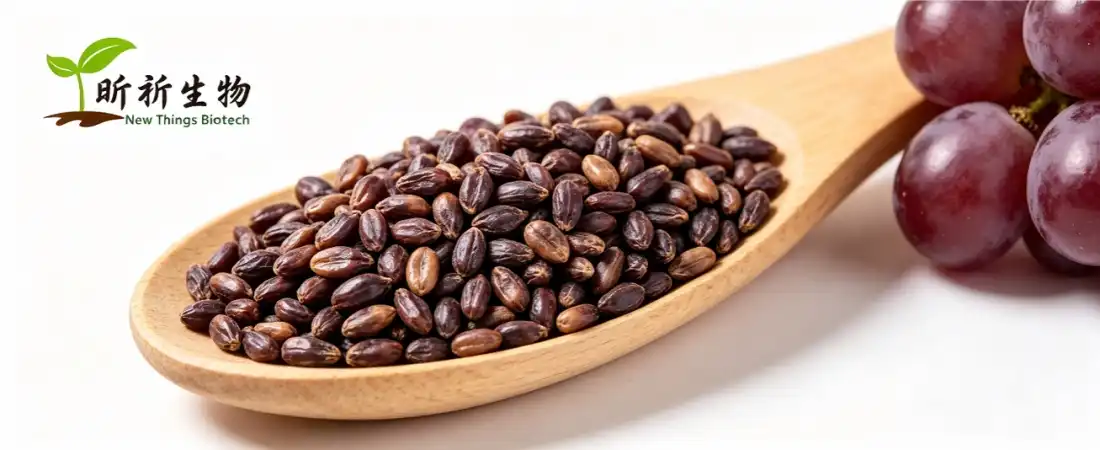
The Buyer's Shortlist: Five Signs of a Quality OPC 95 Powder
Verified Content on a Batch-Specific CoA
The first evidence of quality is the paperwork that is traceable to the lot you get. A generic spec sheet simply informs you what a provider plans to manufacture. The Certificate of Analysis for that particular batch will tell you what was really created. It should include the OPC result, test method, lot number, manufacturing and expiration dates. If they are reluctant to provide a CoA ahead of purchase, see it as a red flag. Reliable grape seed extract 95% opc powder manufacturers are happy to provide buyers their figures to evaluate.
Fast, Clean Dissolution
A genuine water soluble grape seed extract powder should moisten easily and dissolve to a clear reddish brown solution with little or no sediment. Good solubility is a valuable indirect quality marker since poorly processed extracts sometimes include insoluble plant residues, coarse particles or fillers added to the extract. It's of practical importance, too. In wet granulation, soluble powders mix uniformly; in drinks, they disperse cleanly; and in candies or toners, they leave no grit.
Clean Color, Aroma, and Taste
OPC from grape seeds is a high purity reddish brown powder with a unique, moderately astringent flavor. Dark, dull or brilliant red material is not common and should be looked at more closely, as should musty, burned or solvent-like scents. Sensory tests can not substitute laboratory data, but they may help experienced purchasers spot evident flaws early. The table below is a short screening checklist.
| What to Check | Good Sign | Red Flag |
|---|---|---|
| CoA | Batch-specific, method stated, recent date | Generic sheet only, no lot number |
| OPC test method | UV result supported by HPLC fingerprint | Method not disclosed |
| Solubility | Clear solution, minimal sediment | Cloudy liquid, heavy residue |
| Appearance | Fine, uniform reddish-brown powder | Clumps, specks, unusual color |
| Odor and taste | Characteristic, mildly astringent | Musty, burnt, or solvent notes |
| Botanical identity | Vitis vinifera seed confirmed | Vague "grape extract" wording |
| Purity tests | Heavy metals and microbiology reported | Missing safety data |
Decoding "95%": Test Methods and What They Measure
UV Spectrophotometry
UV spectrophotometry is used in most commercial OPC 95 standards. The approach is based on the measurement of the absorption of light by a solution of the sample at wavelengths typical of proanthocyanidins and related phenolics. UV testing is rapid, cheap and reproducible, which is why it is the industry’s go-to technology for grading opc 95 powder. Its shortcoming is that it does not identify molecules but measures a class of substances. Other phenolic compounds absorb in the same range. Hence a UV figure is most dependable when it is corroborated by a second approach like grape seed.
HPLC Fingerprinting
High-performance liquid chromatography (HPLC) separates an extract into its components, creating a distinctive “fingerprint.” For grape seed, that fingerprint contains catechin, epicatechin and a familiar pattern of B-type procyanidin dimers and trimers. Hümmer and Schreier , in their review on proanthocyanidin analysis, said that chromatographic techniques may provide far more structural information than colorimetric tests alone. Buyers need to ask for an HPLC chromatogram in addition to the UV result, since the fingerprint proves that the substance is a true grape seed extract and not a powder that only absorbs light at the proper wavelength.
Why Different Methods Give Different Numbers
It is not uncommon for buyers to be astonished when two labs report different OPC levels for the same sample. It is usually not fraud but approach that explains. Each assay measures something a little different.” Weber et al. evaluated commercial products of grape seed and pine bark and found large diversity in proanthocyanidin findings and composition, illustrating the need to always specify the process. The DMAC technique was confirmed in various labs by Prior and colleagues. In general, DMAC produces lower results than prior colorimetric methods. The primary approaches are summarized in the table below.
| Method | What It Measures | Strengths | Limitations |
|---|---|---|---|
| UV spectrophotometry | Total absorbance of proanthocyanidin-type phenolics | Fast, low cost, industry standard for OPC 95 | Not specific; needs confirmation |
| HPLC | Individual catechins and procyanidin oligomers | Confirms identity and fingerprint | More complex; does not capture all polymers |
| DMAC colorimetric | Flavan-3-ol units reacting with DMAC reagent | Validated, more specific than older assays | Values often lower than UV figures |
| Vanillin assay | Flavanol reaction with vanillin | Simple, widely published | Affected by reaction conditions |
| Acid-butanol (Bate-Smith) | Proanthocyanidins converted to colored anthocyanidins | Good for total condensed tannins | Results vary with conditions |
The practical guideline is simple: always compare providers using the same approach and always ask for supporting HPLC data.
Testing Water Solubility Before You Commit
A Simple Bench Test
You don’t need a high-tech lab to compare samples. Weigh 1 gram of each powder into 50 ml of room temperature water, mix for 1 minute and allow the solutions to stand for 30 minutes. A good grade water soluble grape seed extract powder should nearly totally dissolve to provide a translucent reddish brown liquid. Look at each beaker against a white backdrop for cloudiness, floating particles or residue on the bottom. Then strain the solutions and see how much is left on the paper. This test isolates refined extracts from crude material in under 10 minutes.
Solubility in Your Real Product
Plain water is only the beginning. Test the powder with the real base you wish to use, whether it is a gently acidic juice, a gummy mass, a tablet granulation or a toner. Proanthocyanidins are often better in moderate acidic environments. They may combine with proteins in protein-rich beverages and can cause haze. Usually, late addition during processing helps. Watch for color changes, flavor changes, and stability over a few days at room temperature. A decent grape seed extract 95% opc powder should look as it should and dissolve uniformly at your intended dosage.
Particle Size and Processing Matter
Solubility is also partially dependent on how the extract was prepared. It is purified to eliminate insoluble plant debris and spray dried to generate tiny particles that wet rapidly. Our powder is 80 mesh and spray dried for rapid dispersion. Particle size is also important for flow on capsule fillers and for blending homogeneity therefore ask for mesh specification from suppliers and ask for samples from more than one batch to verify for consistency.
Want to run the solubility test on our powder in your own base? Email info@newthingsbiotech.com with your application and target dose. Our technical team will reply within two hours and send a free sample with its batch CoA and HPLC data.
Authenticity and Purity: Protecting Your Brand from Adulteration
Peanut Skin, Pine Bark, and Other Substitutes
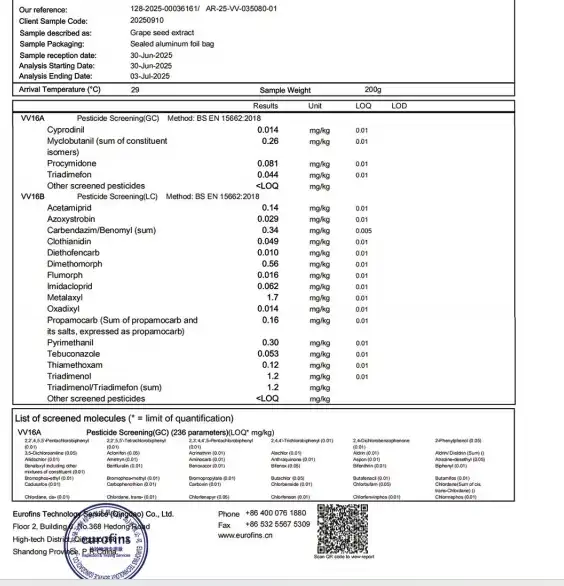
Grape seed extract is one of the most contaminated botanicals, partly because there are less expensive sources of proanthocyanidin. Commercial grape seed extract supplements were tested by Villani et al. [20] and some items were found to have characteristics inconsistent with real grape seed. In certain instances they were able to identify A-type procyanidins characteristic of peanut skins, which are not present in substantial quantities in grape seeds. Nakamura et al. also discovered a considerable range in the proanthocyanidin concentration of grape seed health foods in Japan. But one thing the studies do make obvious for purchasers is that a UV number alone can’t verify identification. HPLC fingerprinting is the best protection against replacement.
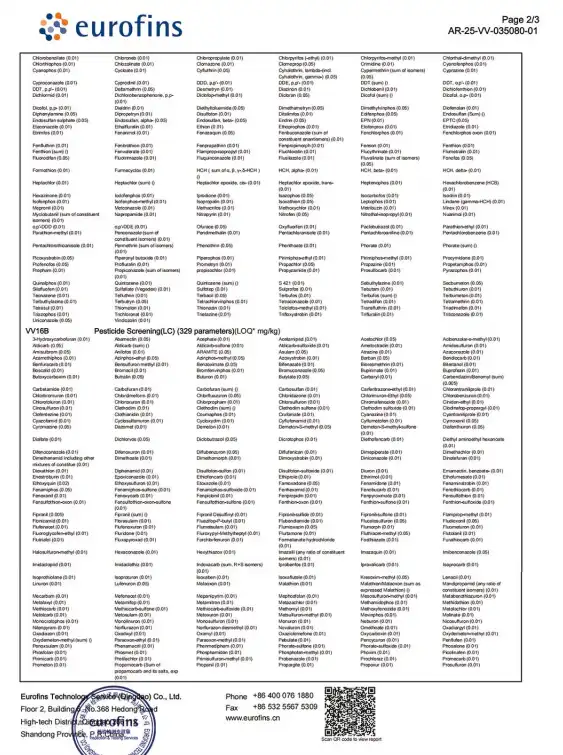
Heavy Metals, Microbes, and Residual Solvents
Purity is beyond identification. Each batch of material must be checked for heavy metals such as lead, arsenic, cadmium, mercury, total plate count, yeast and mold, E. coli and Salmonella. Ask about management of residual solvents, generally ethanol is used in extraction. Yamakoshi and co-workers have performed a detailed safety investigation to justify the use of proanthocyanidin-rich grape seed extract as a food additive. The conclusion depends on a well made, well-characterized substance, thus documentation counts.
NT Biotech Specification Profile
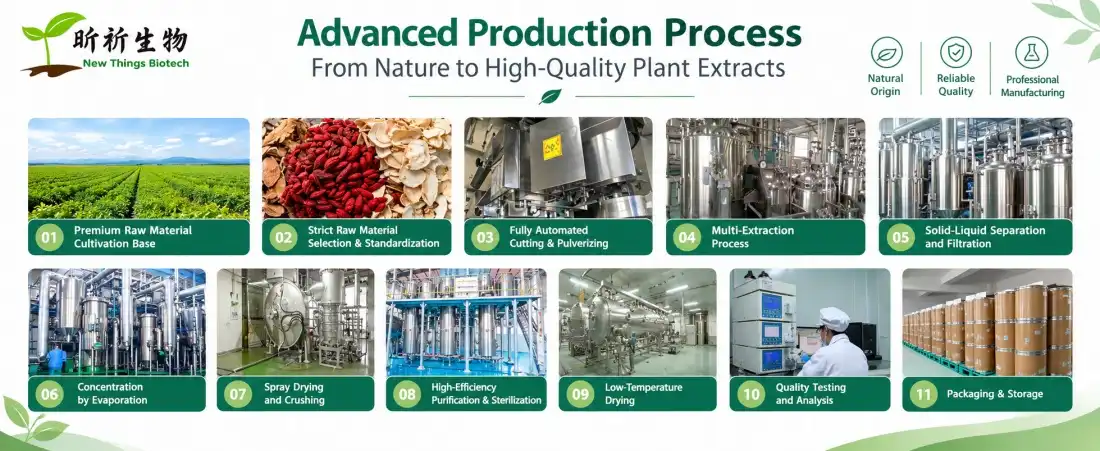
The usual profile of the opc 95 powder of NT Biotech is shown in the table below and it is validated on each batch of manufacture.
| Item | Specification | Test Method |
|---|---|---|
| Botanical Source | Vitis vinifera L. (seed) | TLC / HPLC fingerprint |
| Active Compound | Oligomeric proanthocyanidins (OPC) ≥ 95% | UV |
| CAS No. | 84929-27-1 | — |
| Appearance | Reddish-brown fine powder | Visual |
| Odor and Taste | Characteristic, mildly astringent | Organoleptic |
| Solubility | Water soluble | — |
| Particle Size | 100% pass 80 mesh | Sieve |
| Loss on Drying | ≤ 5.0% | USP |
| Ash | ≤ 5.0% | USP |
| Heavy Metals | ≤ 10 ppm | ICP-MS |
| Microbiology | TPC ≤ 1,000 cfu/g; yeast and mold ≤ 100 cfu/g; E. coli and Salmonella negative | USP |
| Storage and Shelf Life | Sealed, cool, dry, away from light; 24 months | — |
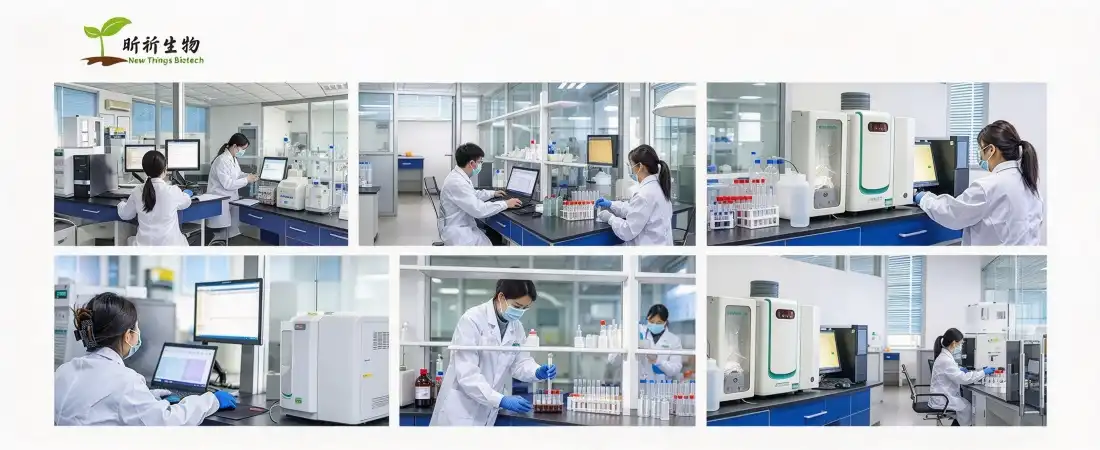
Evaluating the Supplier, Not Just the Powder
Documentation and Certifications
But a strong powder is just half a good buy. The other half is a provider that can document it, replicate it and deliver it. Look for a recognized quality management system, market relevant certifications and readiness to give CoAs, HPLC chromatograms and stability information. NT Biotech is ISO9001 quality management certified and is KOSHER and HALAL certified. With every shipment you will get UV and HPLC data which facilitates inbound inspection, retailer audits and regulatory evaluation in various regions.
Stock, Lead Times, and Logistics
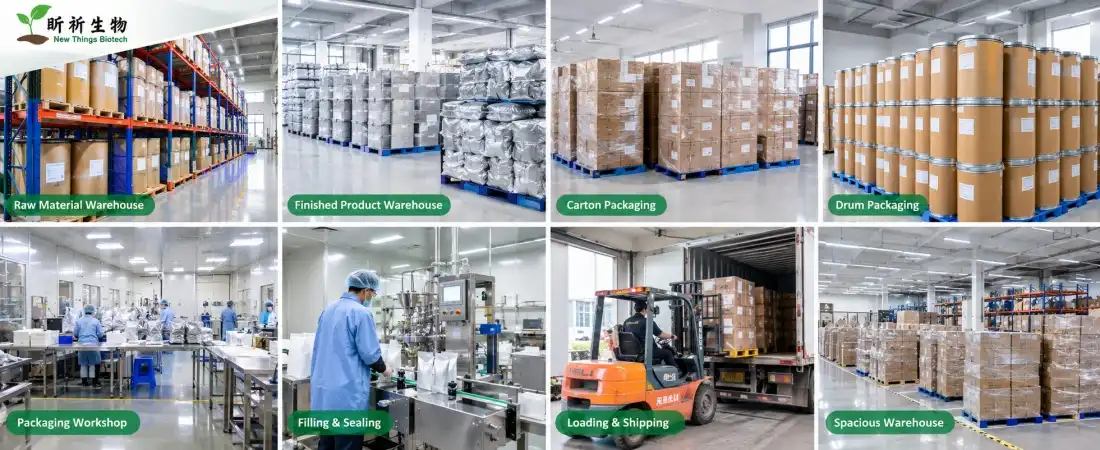
Supply reliability guaranties your launch dates. As opc 95 powder supplier, NT Biotech will be first to respond any question within two hours. Popular grades are stocked and sent within 1-3 business days after order confirmation. Production orders are usually between 3 to 10 business days. This includes the acquisition of premium raw materials, proprietary extraction, laboratory testing, and final packaging. Samples and small purchases ship straight from our factory on our own Fedex and UPS accounts. For bulk quantities, we ship by air or sea, using reliable freight forwarders. Tailored to your needs for speed, volume and cost.
Customization and Buyer-Friendly Payment
Different goods have different requirements. Our value chain integrates raw material sourcing, R&D, intelligent manufacturing and adaptive supply. This enables us to customize OPC level, particle size, packaging, finishing forms such as capsules, stick packs or gummies via OEM and ODM services. We also accept payment in the buyer’s home currency which makes international purchase straightforward and transparent.
Conclusion
When choosing a water soluble grape seed extract 95% opc 95 powder, check beyond the label. Verify the test procedure, request HPLC fingerprinting to confirm genuine grape seed, do a simple solubility test in your own base, and check heavy metals and microbiological data on a batch-specific CoA. Shaanxi New Things Biotech Grape Seed OPC Standardized to 95% Through Proprietary Extraction Reliable Plant Derivatives Supplier Supported by Full UV, HPLC and CoA documentation and ISO9001, KOSHER and HALAL certifications for each batch. Fast stock delivery & adaptable OEM solutions to assist supplement, food & cosmetic firms build their next product organically & reliably. Choose proven quality and start working with us immediately.
FAQ
Q1: How is the 95% OPC figure measured?
Usually by UV spectrophotometry. We support it with HPLC fingerprinting.
Q2: Why do labs report different OPC values?
UV, DMAC, vanillin, and HPLC methods measure different things, so always compare results from the same method.
Q3: How can I check water solubility?
Dissolve 1 g in 50 ml of water and look for a clear solution with minimal sediment.
Q4: How do I avoid adulterated grape seed extract?
Request an HPLC fingerprint confirming the B-type procyanidin profile of genuine grape seed.
Q5: How fast can NT Biotech ship?
Stock grades ship within 1–3 working days. Production orders take 3–10 working days.
Source Verified OPC 95 Powder from NT Biotech Today
The appropriate grape seed extract safeguards your recipe, your label and your reputation. NT Biotech sells opc 95 powder derived from real Vitis vinifera seeds. Standardized to at least 95% OPC by HPLC fingerprinting, completely water soluble and verified with CoA for each batch. We respond within 2 hours, send stock grades in days, take payment in your local currency and provide OEM and ODM assistance for capsules, drinks, gummies and skin care. Order samples, do your own solubility and authenticity tests and witness the difference! For a quote on a free sample, complete specs, HPLC data, contact us immediately at info@newthingsbiotech.com.
References
1. Villani TS, Reichert W, Ferruzzi MG, Pasinetti GM, Simon JE, Wu Q. Chemical investigation of commercial grape seed derived products to assess quality and detect adulteration. Food Chemistry. 2015;170:271–280.
2. Weber HA, Hodges AE, Guthrie JR, et al. Comparison of proanthocyanidins in commercial antioxidants: grape seed and pine bark extracts. Journal of Agricultural and Food Chemistry. 2007;55(1):148–156.
3. Hümmer W, Schreier P. Analysis of proanthocyanidins. Molecular Nutrition & Food Research. 2008;52(12):1381–1398.
4. Nakamura Y, Tsuji S, Tonogai Y. Analysis of proanthocyanidins in grape seed extracts, health foods and grape seed oils. Journal of Health Science. 2003;49(1):45–54.
5. Prior RL, Fan E, Ji H, et al. Multi-laboratory validation of a standard method for quantifying proanthocyanidins in cranberry powders. Journal of the Science of Food and Agriculture. 2010;90(9):1473–1478.
6. Yamakoshi J, Saito M, Kataoka S, Kikuchi M. Safety evaluation of proanthocyanidin-rich extract from grape seeds. Food and Chemical Toxicology. 2002;40(5):599–607.