- English
- French
- German
- Portuguese
- Spanish
- Russian
- Japanese
- Korean
- Arabic
- Greek
- German
- Turkish
- Italian
- Danish
- Romanian
- Indonesian
- Czech
- Afrikaans
- Swedish
- Polish
- Basque
- Catalan
- Esperanto
- Hindi
- Lao
- Albanian
- Amharic
- Armenian
- Azerbaijani
- Belarusian
- Bengali
- Bosnian
- Bulgarian
- Cebuano
- Chichewa
- Corsican
- Croatian
- Dutch
- Estonian
- Filipino
- Finnish
- Frisian
- Galician
- Georgian
- Gujarati
- Haitian
- Hausa
- Hawaiian
- Hebrew
- Hmong
- Hungarian
- Icelandic
- Igbo
- Javanese
- Kannada
- Kazakh
- Khmer
- Kurdish
- Kyrgyz
- Latin
- Latvian
- Lithuanian
- Luxembou..
- Macedonian
- Malagasy
- Malay
- Malayalam
- Maltese
- Maori
- Marathi
- Mongolian
- Burmese
- Nepali
- Norwegian
- Pashto
- Persian
- Punjabi
- Serbian
- Sesotho
- Sinhala
- Slovak
- Slovenian
- Somali
- Samoan
- Scots Gaelic
- Shona
- Sindhi
- Sundanese
- Swahili
- Tajik
- Tamil
- Telugu
- Thai
- Ukrainian
- Urdu
- Uzbek
- Vietnamese
- Welsh
- Xhosa
- Yiddish
- Yoruba
- Zulu
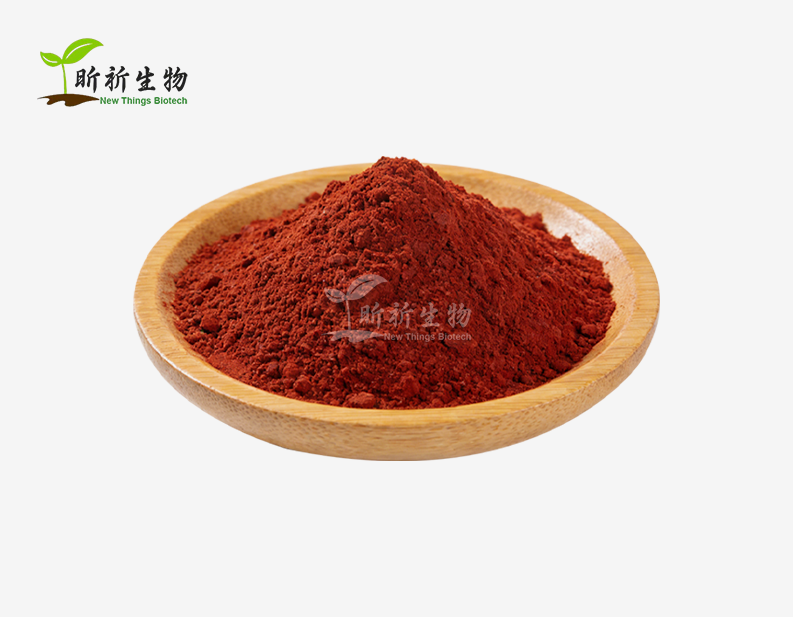
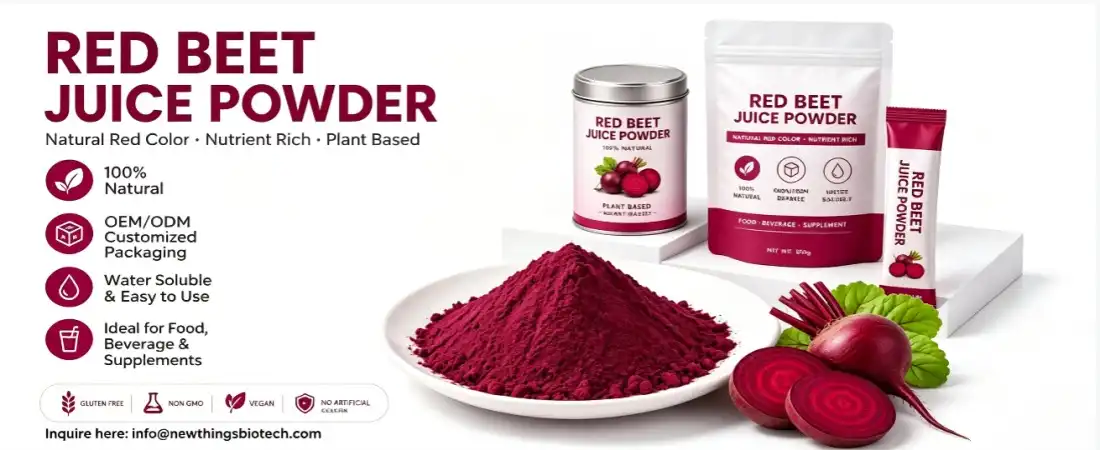
Consumer tastes are disrupting ingredient selection patterns across every single category from drinks to confectionery, from baked products to savoury snacks. The food sector is at a crossroads. One of the biggest changes that is happening today is the substitution of synthetic dyes with plant-based that are compliant with regulations and the high standards of shoppers who care about their health. One such transition has been the emergence of beetroot powder extract as a particularly attractive solution, providing food manufacturers and home cooks alike with a natural colourant derived from organically grown beetroots that creates the vivid ruby red and magenta hues that consumers associate with quality and authenticity. Beet powder extract, unlike artificial colourants, offers antioxidant benefits, dietary nitrates and the clean-label positioning that increasingly drives purchasing choices in competitive marketplaces, without any nutritional contribution. NT Biotech has been a leader in this natural colour revolution, generating a premium beetroot powder extract using unique extraction technique that maximises the concentration of betalain pigments while preserving the stability required for commercial food manufacturing. With a dedication to organic sourcing and strict quality verification, they are the beetroot powder extract supplier of choice for businesses establishing sustainable product lines, looking for their long-term creative partner.
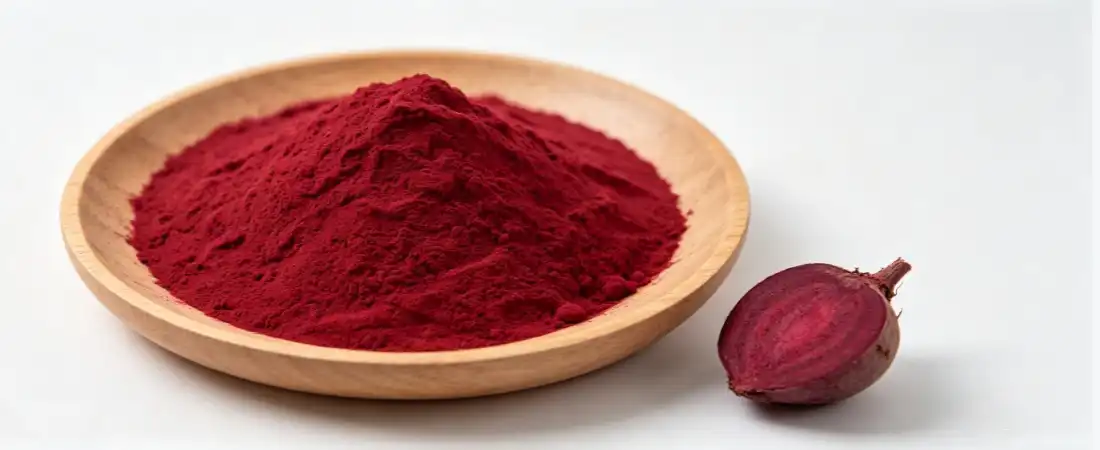
Understanding Beet Powder Extract as a Natural Colorant
Is beetroot powder extract a natural food colour ? To answer this issue one has to look at both the regulatory definitions and the practical uses in the food business . Understanding the science that underlies this ingredient helps explain why it has become crucial for firms adopting clean label policies.
Regulatory Classification and Legal Status
Beet-derived colourants are recognised as natural food colours by food regulatory bodies in key markets, unlike synthetic dyes obtained from petroleum compounds or other non-food sources. Beetroot powder extract is listed on ingredient lists as “beetroot color” or “beet juice concentrate” in the U.S. instead of the number designations like Red 40 or Allura Red used to designate artificial colours. Similarly, beetroot colourants are among the allowed natural sources under European Union rules and may be used in organic foods when synthetics are specifically forbidden. Such regulatory acceptance allows food makers to substitute artificial colours with beet-based equivalents and remain fully compliant with labelling regulations across global markets.
The Science Behind Betalain Pigments
The colourant in beetroot powder extract is from pigments called betalains, which are a special kind of chemical that grows only in plants from the order Caryophyllales. These pigments belong to two different chemical families with complimentary visual properties. Betacyanins are responsible for the intense magenta, violet and ruby-red colours that consumers associate with beetroots, whereas betaxanthins give rise to yellow, orange and golden colours, which are less often extracted for culinary purposes. The exact colour is determined by the ratio of these two pigment families, and most commercial beetroot powder extract standardisation targets betacyanin concentration of more than 0.8% for consistent colouring performance. NT Biotech’s beetroot powder extract is standardised to proven betacyanin levels using patented extraction processes designed to maximise pigment recovery from organic beetroots.
Natural Versus Artificial: The Consumer Preference Shift
Market research continues to demonstrate that a rising number of consumers are wary of artificial food colours, and a sizable segment of shoppers are actively searching for items free from synthetic dyes. This choice is based on a number of sources including academic research revealing behavioural effects in children, regulatory warning labels needed on some synthetic colours in other countries and the overall clean-label movements favouring substances identifiable from whole foods. Food makers reacting to these preferences find beetroot powder extract offers a drop-in alternative for artificial colours in most applications, so they may reformulate without compromising the visual appeal that drives purchase choices at point of sale. The natural nature of beetroot colours also helps premium positioning justifying higher price points in health food channels.
Applications of Beet Powder Extract in Food Products
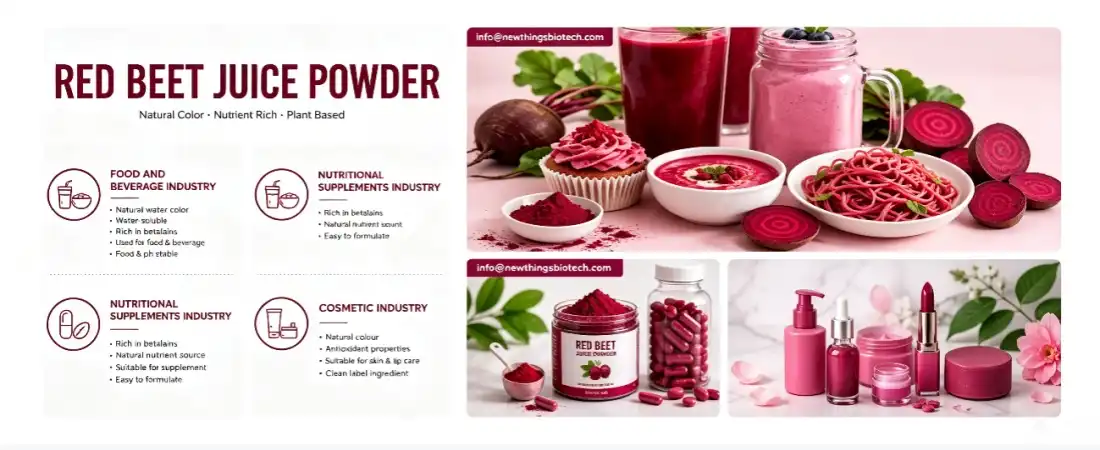
The versatility of beet powder extract spans numerous food categories where natural coloring addresses consumer demands without compromising production efficiency or finished product quality. Each application category presents unique considerations for successful implementation.
Beverage Applications and Formulation Strategies
Beetroot powder extract gives a great potential in the beverage business as producers are reformulating the goods to exclude artificial colours. Clear drinks may show stunning pink shades with only a little amount of the colourant, whereas opaque items such as protein shakes will include more of the colourant to make deeper ruby shades. The extract is water-soluble and may easily be added to hot and cold drinks, therefore overcoming the problems in the creation of oil-soluble colourants. Beetroot powder extract is easily dispersible for carbonated drinks and functional fluids without the floating problems of certain natural colourants. With the moderate flavour profile, adequate processing yields low flavour influence that may need further flavour masking.
Confectionery and Dessert Coloring
The natural origin and bright colour of beetroot powder extract are very advantageous for sugar-based confections, such as hard candies, gummies, marshmallows and chewy sweets. Its stability at temperatures typically used in candy manufacture maintains the colour vividness throughout processing and on the shelf. Beetroot powder extract is easily incorporated into current production processes for gelatin-based confections without the formulation problems that might arise with certain other colourants. Frostings, icings and dessert coatings may have beautiful pink to coral tones that customers want, while avoiding artificial colours and yet meeting the visual demands of celebratory baked items.
Savory Applications and Functional Foods
Beetroot powder extract is beneficial for sweet applications and also savory-based items that need natural colour difference. Beetroot based colours are used in pasta, rice meals and extruded snacks to provide attractive visual presentations that indicate excellent ingredients without synthetic additions. Beetroot powder extract is especially advantageous in the functional food sector, allowing producers to pitch goods as having familiar whole-food ingredients instead of strange chemical compounds. This clean-label branding connects very effectively with consumers of supplements, protein products and wellness-oriented meals where ingredient transparency generates confidence and repeat sales.
| Application Category | Recommended Inclusion Rate | Optimal pH Range | Color Result | Processing Considerations |
|---|---|---|---|---|
| Clear beverages | 0.3-1.5% | 3.5-6.5 | Light to medium pink | Excellent cold solubility |
| Protein drinks | 1.0-3.0% | 6.0-7.0 | Deep berry red | Mix thoroughly for even distribution |
| Hard candies | 2.0-5.0% | 5.5-7.0 | Ruby red | Stable through high-heat processing |
| Gummies and jellies | 1.5-4.0% | 5.0-6.5 | Magenta to pink | Compatible with gelatin systems |
| Frosting and icings | 1.0-3.0% | 6.5-7.5 | Rose to coral | Excellent fat-matrix compatibility |
| Pasta and noodles | 2.0-6.0% | 6.0-7.0 | Pink to light red | Stable through cooking extrusion |
Sourcing Premium Beet Powder Extract for Food Applications
The quality variation between beet powder extract products significantly affects coloring performance, making supplier selection a consequential decision for food manufacturers. Understanding what distinguishes genuine premium extracts enables informed purchasing that protects finished product quality.
Extraction Methodology and Pigment Concentration
The process of extraction of colour compounds from beetroots has a big impact on the quality and colouring strength of the finished product. Conventional extraction with water and heat destroys heat-sensitive betalain pigments, resulting in extracts of poor colour intensity and stability during storage. Premium manufacturers such as NT Biotech use patented extraction procedures to maximise the production of betacyanin, while maintaining pigment integrity throughout the processing. This technical distinction results in extracts that need to be included at lower rates to have the same colour effect, lowering both flavour contribution and formulation expense.
Organic Certification for Clean-Label Positioning
The demand for organic products is skyrocketing in almost all food categories and organic certified beetroot powder extract is becoming more and more important for brands that are looking to position themselves in the premium space. Organic certification means the beetroots were grown without synthetic pesticides and fertilisers used in traditional farming, relieving worries about chemical residues that might be a worry for the educated consumer. The benefits of organic agriculture go beyond commercial value. Organically cultivated raw materials have better phytochemical profiles since plants produced without chemical assistance develop more sophisticated natural defences.
Purity Verification and Specification Documentation
Quality suppliers also give detailed paperwork, so food makers may verify that what they are receiving meets the specified criteria. Betacyanin levels confirmed by HPLC analysis Premium extracts provide standardised betacyanin content of above 0.8% for consistent colouring performance. Heavy metals screening assures compliance with worldwide safety regulations, and microbiological testing confirms manufacturing cleanliness throughout extraction and packing. “NT Biotech offers complete Certificates of Analysis for all of the specification parameters so the customer can confirm that they received the quality beetroot powder extract that they need for their formulations.”
For technical specifications, certification documentation, or custom requirement discussions, reach out directly to info@newthingsbiotech.com where knowledgeable specialists provide detailed responses and personalized consultation.
Stability Considerations for Natural Food Colors
Unlike synthetic dyes that maintain consistent coloration regardless of environmental conditions, natural colorants exhibit varying degrees of sensitivity to factors including pH, temperature, light exposure, and storage duration. Understanding these stability characteristics enables formulation choices that preserve beet powder extract's visual impact throughout product shelf life.
pH Effects on Betalain Color Expression
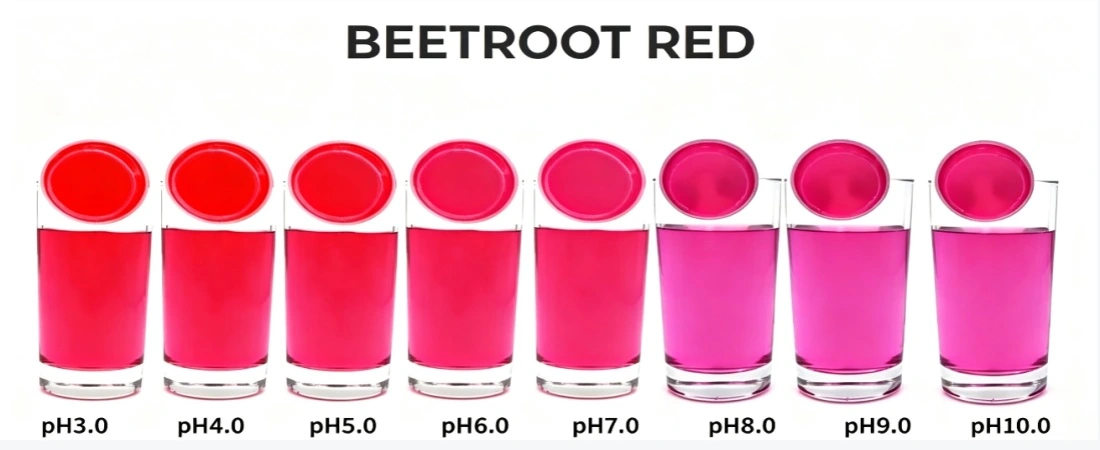
Betalain pigments are very sensitive to the amount of hydrogen ions in their surroundings since this greatly changes their appearance. Acidic settings normally enhance the red hues while alkaline situations tend to shift the colour to purple or brown. Most of the culinary applications are within the favourable pH range of 4.0 to 7.0 where betalains exhibit their most desirable features. Formulators should measure the pH of their product to ensure that it falls within this ideal range and change the formulas accordingly to attain the desired colour results. Products that demand a very alkaline or very acidic pH may need other natural colourants that are better adapted to that situation.
Temperature Sensitivity and Processing Optimization
Betalain degradation and color loss increase with high-temperature processing and prolonged warm storage. Beetroot powder extract remains fairly stable under normal conditions, but optimization can preserve color. Adding extract after thermal processing, using longer lower-temperature treatment, and rapidly cooling products can reduce heat exposure and improve color retention during storage.
Light Protection and Packaging Considerations
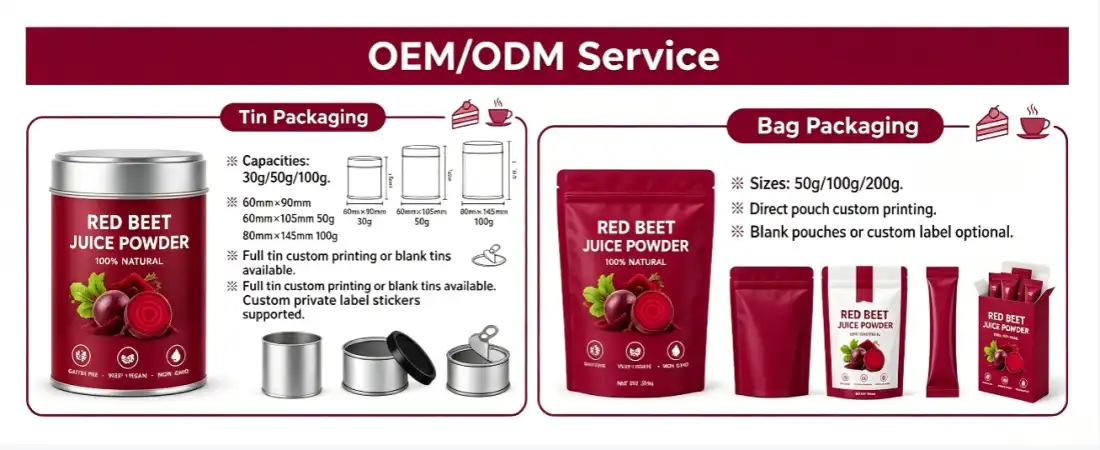
Photodegradation occurring with exposure to ultraviolet light leads to gradual bleaching of betalain colour during retail display and consumer storage. Opaque packaging is efficient in blocking light penetration while maintaining colour intensity over the targeted shelf life. Further measures such as light-blocking labels or extra packaging to protect contents from store illumination are relevant for clear packaging. Products to be displayed for long periods of time under high lighting should be formulated with special consideration to the light stability of the beetroot powder extract and packaging arrangements.
Regulatory Compliance and Global Market Access
Food manufacturers operating across multiple markets require ingredients meeting diverse regulatory frameworks that vary significantly by jurisdiction. Beet powder extract's natural status facilitates compliance in most regions, though specific documentation requirements demand attention.
United States Regulatory Framework
Beet-derived colourants are free from the certification standards for synthetic dyes and may be used without the batch-by-batch testing required for certified colours, according to the FDA. Products containing beetroot powder extract may be labelled "beetroot colour," "beetroot juice concentrate," or "beetroot powder extract" and do not use number designations designated for artificial hues. This legislative flexibility enables clean-label positioning, while yet being fully compliant with federal food safety laws. NT Biotech’s beetroot powder extract satisfies all FDA standards for food usage, and paperwork supporting regulatory filings is available upon request.
European Union and International Markets
Beetroot colourants are also included among approved natural sources in European food laws, however the particular permits differ depending on the application category. If you want to promote your brand as organic in EU markets, you will need to use colourants that are certified organic — thus make sure your suppliers are certified. Other overseas markets have separate criteria and producers with full documentation may quickly address them. NT Biotech is certified by ISO9001, KOSHER and HALAL, providing access to different markets without the need to reformulate for each jurisdiction.
Claim Substantiation and Marketing Compliance
Health and wellness claims for beet-containing goods need to be backed up by the natural origin of beetroot powder extract. The ingredient’s proven nutritional profile, including dietary nitrates and antioxidant substances, offers the substantiation basis for qualified health message. That’s why brands should partner with regulatory experts who can keep claim wording compliant, while still conveying product advantages that knowledgeable customers are looking for.
Comparing Natural Colorant Options
Food manufacturers evaluating natural color alternatives encounter numerous options beyond beet powder extract, each presenting distinct advantages and limitations. Understanding how beet-derived colors compare enables informed selection aligned with specific application requirements.
Anthocyanin-Based Colorants
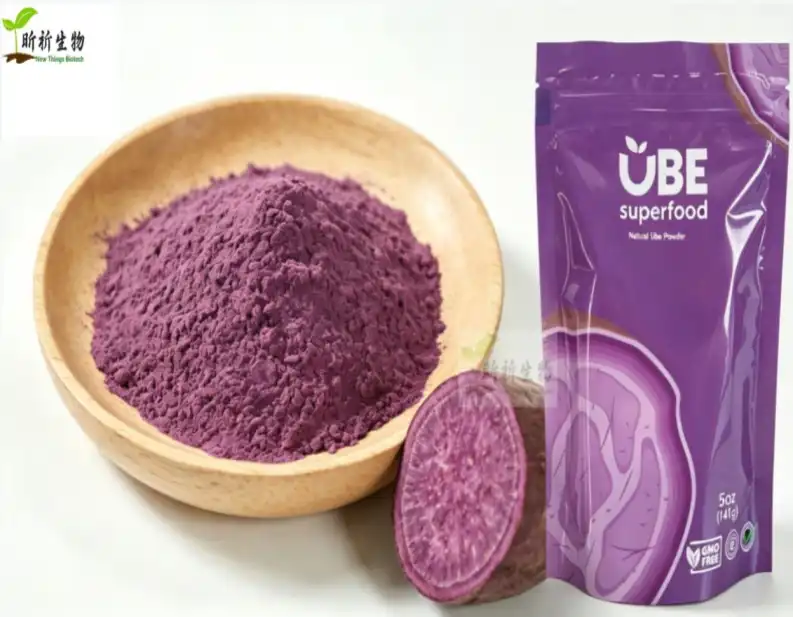
Red cabbage, purple sweet potato and anthocyanins generated from berries give alternate natural red and purple colours with distinct stability characteristics than beetroot pigments. Anthocyanins are often more effective in alkaline environments while betalains are less effective. Thus they are preferred in applications that need higher pH values. But anthocyanins tend to be less vivid red than beetroot powder extract, and have a more purple or blue hue depending on pH. Also, customers tend to favour colours obtained from beetroots than those derived from cabbages, making beetroot powder extract the better choice for consumer-facing goods.
Carminic Acid and Cochineal
Cochineal is a source of carminic acid, which gives a very stable red colour that is desirable in certain applications, notably in dairy products and drinks where heat stability is important . But cochineal comes from insect shells, thus, while it is natural, it is not ideal for vegetarian or vegan items, or for kosher or halal foods. In most applications, beetroot powder extract is visually equal or better and still widely accepted by consumers with dietary constraints and religious needs.
Synthetic Dye Replacements
Manufacturers that want to phase out artificial colours often turn to beetroot powder extract or other natural options that need minimum reformulation. Beetroot extract is a great alternative in many applications, however certain goods may need a mix of numerous natural colourants to match the visual effect. Paprika extract, turmeric and spirulina provide complementing natural colours to a broad spectrum of products that, together with beetroot powder extract, give full palette coverage.
| Colorant Source | Color Range | pH Sensitivity | Heat Stability | Consumer Acceptance |
|---|---|---|---|---|
| Beet powder extract | Pink to ruby red | Moderate | Good | Excellent, plant-based |
| Red cabbage anthocyanins | Purple to blue | High | Moderate | Good, vegetable-derived |
| Cochineal/carminic acid | Deep red | Low | Excellent | Limited, insect-derived |
| Paprika extract | Orange to red | Low | Excellent | Good, spice-derived |
| Spirulina/phycocyanin | Blue to green | Moderate | Good | Excellent, algae-derived |
Partner Selection: Finding Your Ideal Beet Powder Extract Supplier
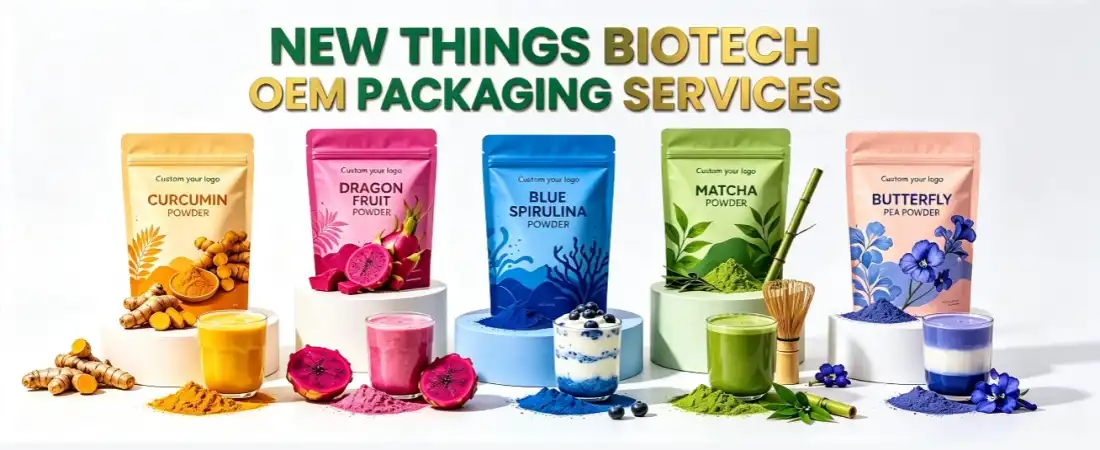
Implementing natural colour successfully depends on supplier collaborations that go beyond simple transactions to include technical assistance, quality consistency and long-term relationship commitment. Evaluating prospective partners on these parameters shows whether vendors are really aligned with brand success.
Quality Consistency and Batch-to-Batch Reliability
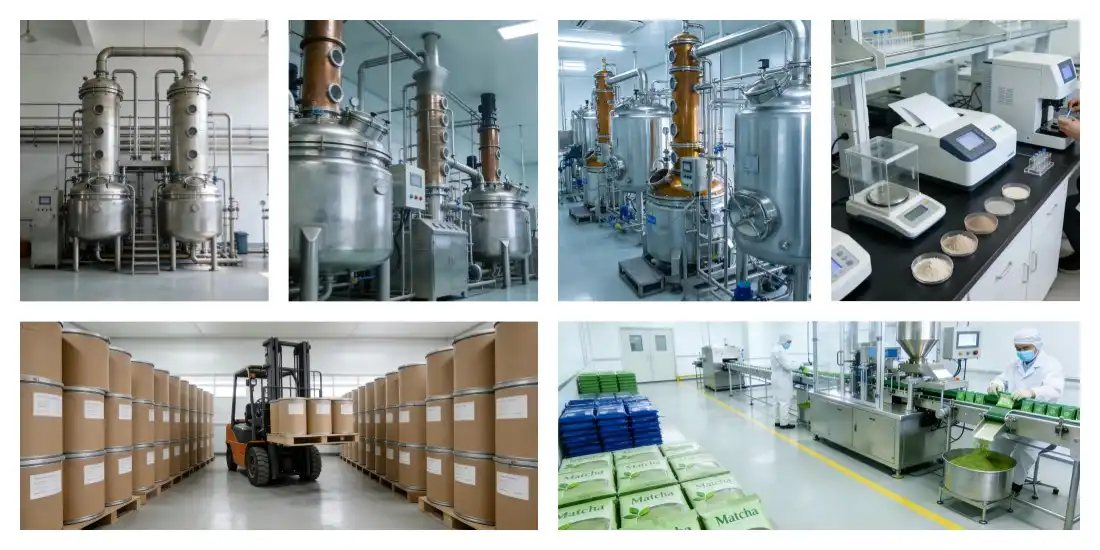
Food manufacturing needs ingredients that are consistent in specifications, no matter the time or amount, to ensure formulation stability throughout production runs and throughout the product lifetime. Premium beetroot powder extract provider operations follow strict quality control systems to ensure that each batch is tested to specified criteria. NT Biotech controls the whole process from organic cultivation to final extraction and packaging, giving them the control essential to provide the specification uniformity that cannot be consistently achieved via contract manufacturing arrangements.
Technical Support and Formulation Assistance
In most cases, implementing natural colour needs specialist advice which cannot be provided by transactional providers. Leading partners like NT Biotech provide technical consulting to assist producers in making the most of extracts, solving colour problems, and developing new applications. This is especially true in early product development when the right help from an experienced formulator may save you expensive errors and delays in getting to market.
Scalability and Long-Term Partnership Potential
Growing companies need suppliers that can expand with them and not be constrained by capacity and service degradation that comes with outgrowing partnerships. NT Biotech’s continual investment in infrastructure enables partners to scale quantities along with growing consumer demand, without the supplier changes that would otherwise be necessary with disruptive growth.
Conclusion
Beet powder extract unquestionably qualifies as a natural food color, recognized by regulatory authorities worldwide and embraced by manufacturers pursuing clean-label strategies that meet evolving consumer expectations. The betalain pigments providing beet-derived coloration deliver vivid ruby-red and magenta tones that effectively replace artificial dyes across virtually every food application category, from beverages and confectionery to baked goods and savory products. Beyond visual appeal, beet powder extract contributes genuine nutritional value through antioxidant compounds and dietary nitrates that artificial alternatives cannot match. NT Biotech's commitment to organic sourcing, proprietary extraction technology, and comprehensive quality verification positions their beet powder extract as the premium choice for food manufacturers building sustainable natural color strategies. The combination of functional excellence, regulatory compliance, and consumer acceptance makes beet powder extract an indispensable tool for brands navigating the fundamental transformation occurring in food ingredient selection.
FAQ
1. Is beet powder extract considered a natural food color by regulatory agencies?
Yes, beet-derived colorants are classified as natural food colors by FDA, EFSA, and regulatory bodies across major global markets, distinct from synthetic dyes requiring certification.
2. What concentration of beet powder extract produces vibrant coloring?
Inclusion rates between 0.5% and 5% typically achieve satisfactory coloration depending on application, with beverages requiring less and confectionery products demanding higher concentrations.
3. How does pH affect beet powder extract coloring?
Acidic environments enhance red tones while alkaline conditions shift colors toward purple or brown; most food applications fall within the favorable pH range of 4.0 to 7.0.
4. Can beet powder extract replace artificial dyes in existing formulations?
In most applications, yes, though inclusion rates and processing conditions may require adjustment to achieve equivalent color intensity and stability.
5. What certifications should quality beet powder extract suppliers maintain?
ISO9001, KOSHER, and HALAL certifications verified through regular audits provide documentation infrastructure supporting market access across diverse jurisdictions.
Partner with NT Biotech: Your Trusted Beet Powder Extract Supplier
Elevate your natural color strategy with beet powder extract that delivers genuine performance rather than mere ingredient presence. NT Biotech combines certified organic cultivation, proprietary extraction technology, and comprehensive third-party verification to produce natural colorants with standardized betacyanin content exceeding 0.8% and exceptional stability throughout food processing and storage. Our vertically integrated operations ensure specification consistency from initial development samples through commercial-scale production, protecting your formulations and brand reputation alike. With ISO9001, KOSHER, and HALAL certifications, we support your market access across global jurisdictions without reformulation complications. Our responsive technical team provides formulation guidance, troubleshooting assistance, and custom specification development that transforms ingredient supply into strategic partnership. Reach out today at info@newthingsbiotech.com to discuss your natural color requirements, request samples for evaluation, or explore how our expertise and infrastructure can accelerate your clean-label product development and market success.
References
1. Azeredo, H.M.C. (2009). Betalains: Properties, sources, applications, and stability. International Journal of Food Science and Technology, 44(12), 2365-2376.
2. Khan, M.I., Giridhar, P., & Bettadaiah, B.K. (2014). Chemistry and food applications of betalains. Food Chemistry, 162, 443-450.
3. Rodriguez, E.B., & Mendoza, D.B. (2019). Natural food pigments: Chemistry, sources, and applications in the food industry. Comprehensive Reviews in Food Science and Food Safety, 18(2), 312-326.
4. Naderi, M., Ghazali, H.M., & Manap, M.Y.A. (2015). Betalain: A bioactive compound and its applications. International Journal of Food Properties, 18(8), 1669-1678.
5. Kumar, S., & Kumar, R. (2018). Betalains: Natural colorants with pharmacological properties. Journal of Food Science and Technology, 55(4), 1201-1212.
6. Esquivel-Chavero, F., Wall-Medrano, A., Alvarez-Parrilla, E., et al. (2022). Stability of betalains in food matrices: Factors and processing effects. Food Chemistry, 374, 131754.