- English
- French
- German
- Portuguese
- Spanish
- Russian
- Japanese
- Korean
- Arabic
- Greek
- German
- Turkish
- Italian
- Danish
- Romanian
- Indonesian
- Czech
- Afrikaans
- Swedish
- Polish
- Basque
- Catalan
- Esperanto
- Hindi
- Lao
- Albanian
- Amharic
- Armenian
- Azerbaijani
- Belarusian
- Bengali
- Bosnian
- Bulgarian
- Cebuano
- Chichewa
- Corsican
- Croatian
- Dutch
- Estonian
- Filipino
- Finnish
- Frisian
- Galician
- Georgian
- Gujarati
- Haitian
- Hausa
- Hawaiian
- Hebrew
- Hmong
- Hungarian
- Icelandic
- Igbo
- Javanese
- Kannada
- Kazakh
- Khmer
- Kurdish
- Kyrgyz
- Latin
- Latvian
- Lithuanian
- Luxembou..
- Macedonian
- Malagasy
- Malay
- Malayalam
- Maltese
- Maori
- Marathi
- Mongolian
- Burmese
- Nepali
- Norwegian
- Pashto
- Persian
- Punjabi
- Serbian
- Sesotho
- Sinhala
- Slovak
- Slovenian
- Somali
- Samoan
- Scots Gaelic
- Shona
- Sindhi
- Sundanese
- Swahili
- Tajik
- Tamil
- Telugu
- Thai
- Ukrainian
- Urdu
- Uzbek
- Vietnamese
- Welsh
- Xhosa
- Yiddish
- Yoruba
- Zulu
The intersection of visual appeal and nutritional value represents one of the most compelling trends reshaping consumer expectations across the food, supplement, and functional beverage industries. Shoppers increasingly demand products that look as good as they taste while simultaneously contributing genuine health benefits rather than empty calories or artificial ingredients. Within this evolving landscape, beet powder extract has emerged as a remarkable dual-purpose ingredient delivering both stunning natural coloration and a concentrated source of bioactive compounds that support cardiovascular wellness, exercise performance, and antioxidant protection. The challenge for manufacturers and brands lies not in recognizing beet powder extract's potential but in identifying suppliers capable of consistently delivering the quality, concentration, and reliability that commercial applications require. NT Biotech has answered this challenge definitively, positioning themselves as the premier beet powder extract supplier through proprietary extraction technology, certified organic sourcing, and a commitment to comprehensive quality verification that sets the industry benchmark. Their extract provides standardized betalain content verified through independent laboratory analysis, ensuring every shipment delivers the coloring power and nutritional density that formulation success demands.
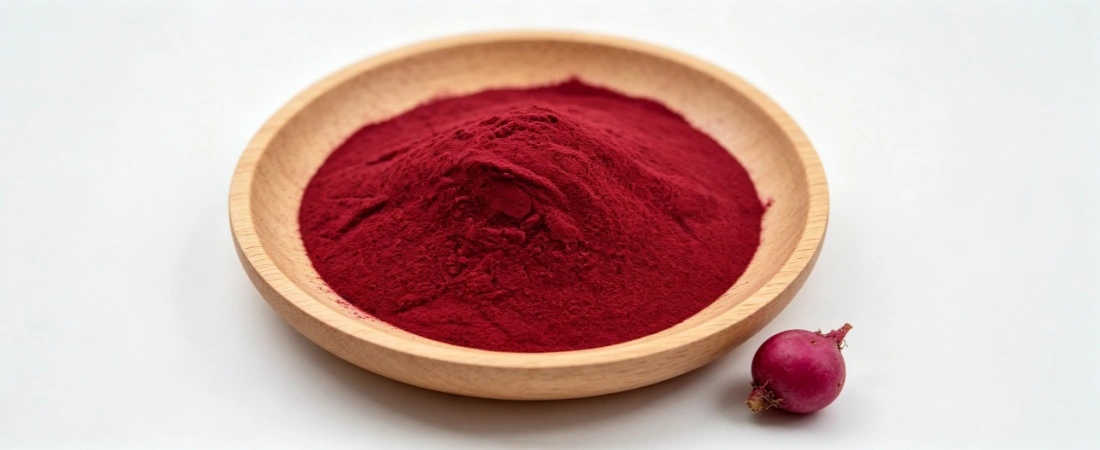
The Dual Promise: Natural Color Plus Functional Nutrition
Beetroot powder extract is the only ingredient bridging the gap between an aesthetic ingredient and a functional supplement, providing producers with two appealing value propositions in one ingredient. Realising how this double functioning works allows firms to capitalise on the possibilities that beet-derived goods provide.
Vivid Pigmentation from Betalain Compounds
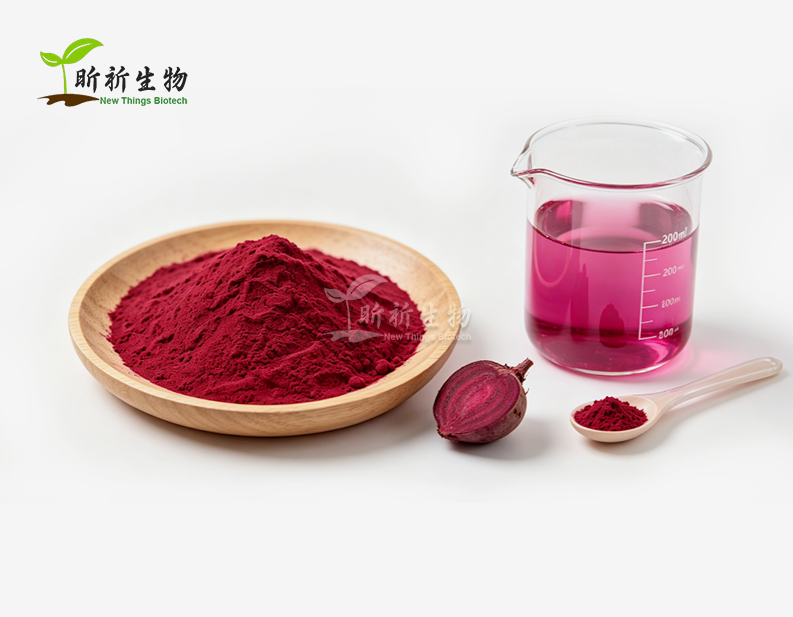
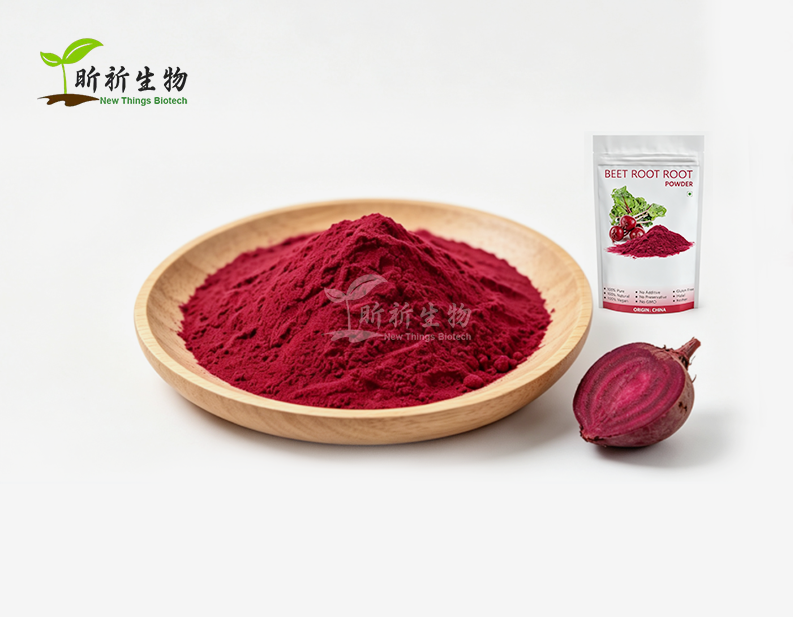
The characteristic vivid red and magenta colours of beetroot products result from the betalain pigments, a special family of chemicals found only in plants of the order Caryophyllales. Betacyanins provide the rich reds and purples that attract the shopper’s eye at the point of sale . Their complimentary betaxanthin cousins provide yellow-orange colours in certain species of beetroot. The premium beetroot powder extract has a concentration of these pigments several times higher than the fresh beetroot. The quantity of betacyanin in quality goods is more than 0.8% (HPLC analysis). This concentration allows for lower inclusion rates with same or better colour effect, minimising flavour contribution and maximising visual performance.
Bioactive Compounds Driving Health Benefits
In addition to its appealing appearance, beetroot powder extract also contains useful chemicals that have been studied extensively by scientists for their ability to enhance health. Dietary nitrates are converted to nitric oxide in the body, which aids vasodilation and enhances blood flow to promote cardiovascular fitness. Betalain pigments are powerful antioxidants that scavenge free radicals responsible for cellular damage and chronic inflammation. This combination of chemicals makes beetroot extract especially useful as an ingredient in sports nutrition solutions designed to improve exercise performance, recovery and endurance. Athletes and fitness enthusiasts are turning to products containing beetroot-derived compounds, since the advantages have been scientifically proven.
Consumer Appeal Across Demographics
The natural nature of beetroot powder extract appeals to customers of all ages and lifestyles. “Parents love to give their kids products with familiar whole-food ingredients, not synthetic dyes with unpronounceable chemical names. Health aware Millennials and Gen Z consumers link beetroot to a premium wellness stance to enable premium pricing methods. Active individuals seeking performance advantages are aware of beetroot’s scientific credentials but also appreciate that it is a full food. That cross-demographic appeal lets businesses create items that appeal to numerous customer categories without offending any one group.
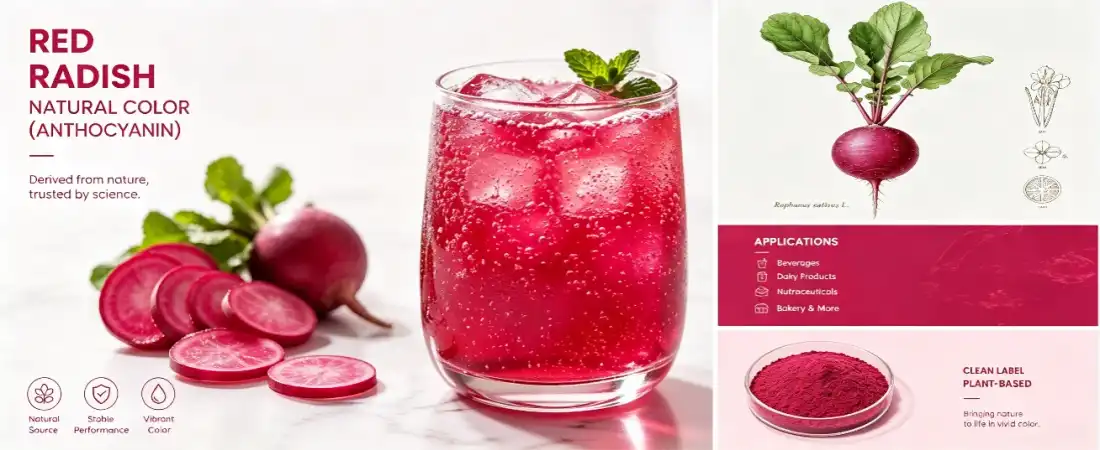
Application Versatility Across Product Categories
Quality beetroot powder extract is a versatile ingredient in many product categories where natural colouring and useful nutrients meet. Each application has its own potential for brands to shine in ingredient quality and authenticity of positioning.
Functional Beverage Development
The functional beverage industry continues to grow as consumers are looking more to beverages to provide health assistance, not only to hydrate. Beetroot powder extract fits well into this category, offering natural pink to ruby-red hue and the advantages of nitrate and antioxidants that fitness-minded customers are seeking. Beetroot extract may be used into ready-to-drink protein shakes, post-workout recovery drinks, and daily wellness tonics at a level of 1% to 5% depending on the level of colour intensity and nutrient contribution needed. The extract is water soluble and may be easily added to clear and opaque formulations and its mild flavour profile integrates well with the fruit, berry and tropical flavour systems typical in beverage production.
Supplement and Nutrition Product Formulations
Dietary supplements is another big application area where beetroot powder extract offers great benefit. “Nitrate-driven performance enhancement is a key pre-workout differentiator, while beetroot inclusion provides a visual appeal and functional differentiation for daily multivitamins. The concentrated form of the extract allows easy filling of capsules and the manufacture of tablets with standardised specifications providing an accurate dose for each manufacturing run. Beetroot extract is used in meal replacement shakes, protein supplements and other powdered supplements for colour and functional advantages that support a premium positioning.
Food Product Applications
Beetroot powder extract is also wonderful in a range of food categories that want natural colour beside beverages and supplements. Breakfast cereals, snack bars and other grain-based items are formulated to have appealing pink or red colours that suggest berry or fruit flavours without the use of any actual fruit. Visual appeal and nutritional authenticity that health aware customers value are highlighted by pasta, rice meals and extruded snacks. Beetroot extract is used in confectionery items like hard candies, gummies & marshmallows to provide celebration-themed colour that parents are comfortable giving to children.
| Application Sector | Primary Benefit Sought | Typical Inclusion Rate | Color Result | Formulation Considerations |
|---|---|---|---|---|
| Functional beverages | Color + performance | 1.0-4.0% | Pink to ruby | pH optimization important |
| Pre-workout supplements | Nitrate performance | 2.0-5.0% | Ruby red | Compatible with stimulants |
| Protein powders | Visual appeal | 1.0-3.0% | Rose to berry | Mix thoroughly for distribution |
| Breakfast cereals | Clean label color | 0.5-2.0% | Pink to coral | Stable through extrusion |
| Confectionery | Natural coloring | 1.5-4.0% | Magenta to pink | Heat stability adequate |
| Snacks and bars | Visual differentiation | 1.0-3.0% | Berry tones | Moisture management key |
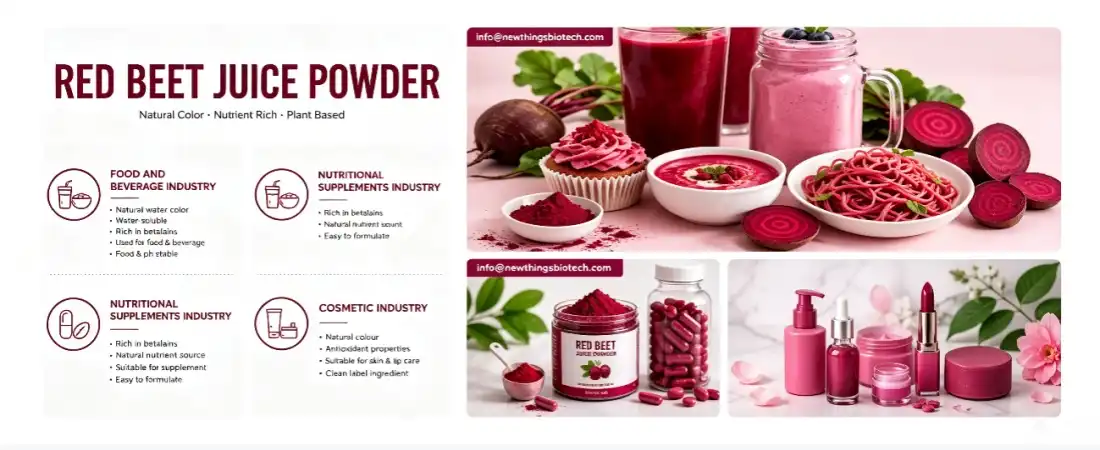
Quality Parameters Defining Premium Beet Powder Extract
Not all beet powder extract products deliver equivalent performance despite superficial similarities in appearance and marketing claims. Discerning manufacturers evaluate products based on measurable specifications that predict real-world formulation success.
Betalain Concentration and Standardization
The most important quality characteristic of beetroot extract is the concentration verification, since the colouring power and the nutritional density of beetroot extract are directly dependent on its betalain content. HPLC analysis enables an objective assessment of betacyanin and betaxanthin levels that may be used to compare goods independent of marketing claims. Premium extracts include standardised concentrations over 0.8% betacyanins and offer consistent colouring performance and functional advantages from batch to batch. HPLC unverified products may have much lower pigment levels than indicated on labels, which necessitates larger inclusion rates, hence increasing the cost and flavour effect of the formulation.
Extraction Methodology and Processing Integrity
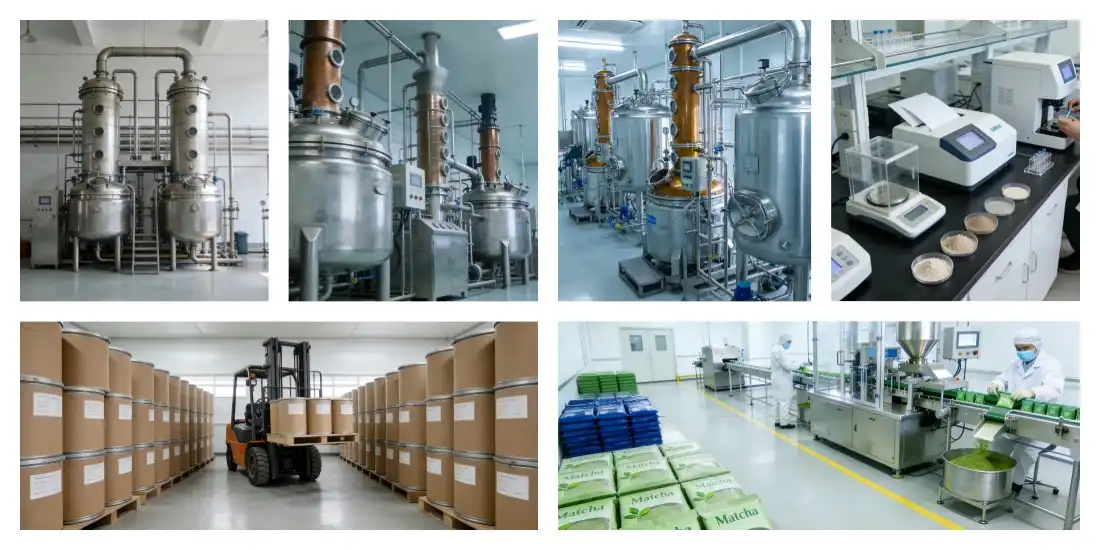
The impact of the extraction technique of chemicals from beetroots on the quality of the end product is different from the same as the concentration measurement. Extraction using water at extreme temperatures causes degradation of heat-sensitive pigments and chemicals, resulting in extracts with poor colour stability and diminished nutritional value. The best manufacturers use innovative extraction procedures to maximise the production of the compounds and preserve their bioactive integrity throughout the processing. This is best shown by NT Biotech’s state-of-the-art extraction process that produces extracts with better purity levels of over 98% for the principal components, while preserving the stability needed for commercial applications.
Organic Certification and Clean-Label Alignment
The demand for organic goods is expanding rapidly, making organic-certified beetroot powder extract more important for firms looking to take a premium position in health food channels. Certification ensures beetroots are grown without the synthetic pesticides and fertilisers common in traditional agriculture, addressing worries about chemical residues that health-conscious customers want to avoid. In addition to customer desire, the use of organic farming techniques results in raw materials with improved phytochemical profiles, since plants generate more complex natural defence molecules in the absence of chemical assistance.
Comprehensive Testing and Documentation
Manufacturers rely on detailed testing paperwork from quality suppliers to verify specifications and meet regulatory requirements for their goods. Critical tests include HPLC testing for betalain content, heavy metal testing by ICP-MS, microbiological safety testing and moisture content testing. NT Biotech offers full Certificates of Analysis for each batch, with all important parameters documented, so that clients may prove that received goods satisfy desired standards. This documentation infrastructure is critical to support marketing claims associated with completed goods and to support regulatory compliance in worldwide markets.
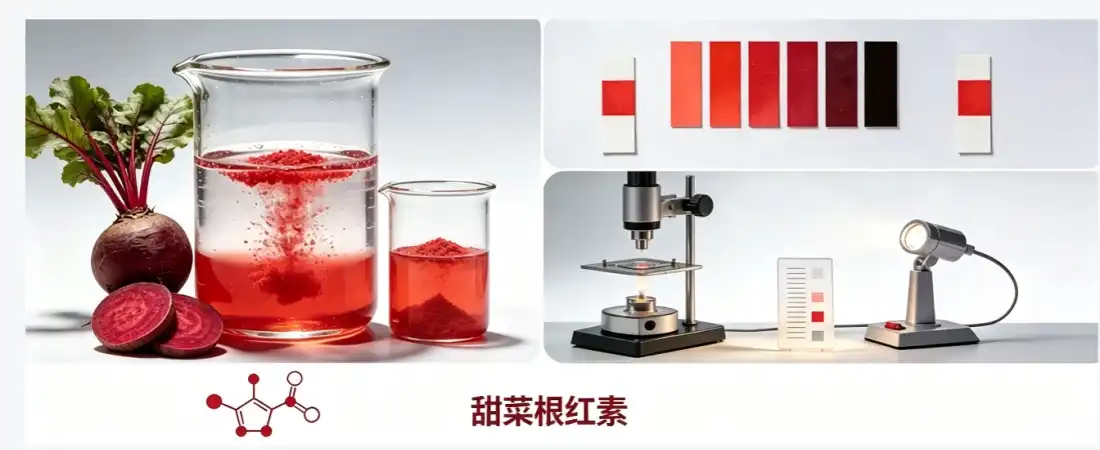
Stability Characteristics and Shelf Life Considerations
Understanding how beet powder extract behaves under various conditions enables formulation choices that preserve color intensity and nutritional potency throughout product shelf life.
pH Effects on Color Expression
The presentation of betalaine colour is quite sensitive to the hydrogen ion concentration of the surrounding matrix, with acidic settings often favouring red tones and alkaline situations tending to purple or brown colours. Betalains are most vividly expressed in a favourable pH range of 4.0 to 7.0, including most culinary applications. Formulators should make sure that product pH is within this optimum range, and change formulations as needed to get desired colour results. Products that demand very alkaline or very acid conditions may need other natural colourants more suited to certain pH situations.
Temperature Tolerance During Processing
Heat enhances betalain breakdown, however quality extracts may withstand normal food processing conditions rather well when properly managed. Methods for achieving highest colour intensity include adding extract at the end of thermal processing where possible, using longer, lower temperature treatments instead of short, high heat, and quick cooling after thermal processing. Quality beetroot powder extract will generally have adequate colour stability via most ordinary production procedures, but need special handling or other colour systems under severe circumstances.
Light Sensitivity and Packaging Selection
Exposure to UV radiation promotes photodegradation that slowly bleaches betalain colour during retail display and consumer storage. The packaging's opacity inhibits light from reaching the contents, maintaining the colour for the whole designated shelf life. Additional protection such as light-blocking labels, supplemental packaging, or formulations containing light-stable colourants is required for clear packaging. If the products are meant to be shown for long periods under illumination, special attention must be given to light stability for extracts and to container arrangements.
For technical consultation on stability optimization or custom specification discussions, reach out directly to info@newthingsbiotech.com where knowledgeable specialists provide detailed guidance tailored to your specific formulation requirements.
Regulatory Landscape and Global Market Access
Ingredients for multi-market manufacturers have to comply with a range of regulatory regimes which vary rather widely from one jurisdiction to another. With these standards known, you may enter the market in compliance without waiting for reformulations.
United States Regulatory Framework
Colourants generated from beetroots are considered natural colours by the FDA and are not need to undergo the certification process for synthetic dyes. Beetroot powder extract may be labelled “beetroot color,” “beet juice concentrate,” or the like, without the number designations used for artificial hues. This regulatory flexibility allows for clean-label positioning while fully complying with federal food safety laws. NT Biotech’s beetroot powder extract complies with all relevant FDA criteria for food usage, and supporting documentation is available for regulatory submissions upon request.
International Certification Requirements
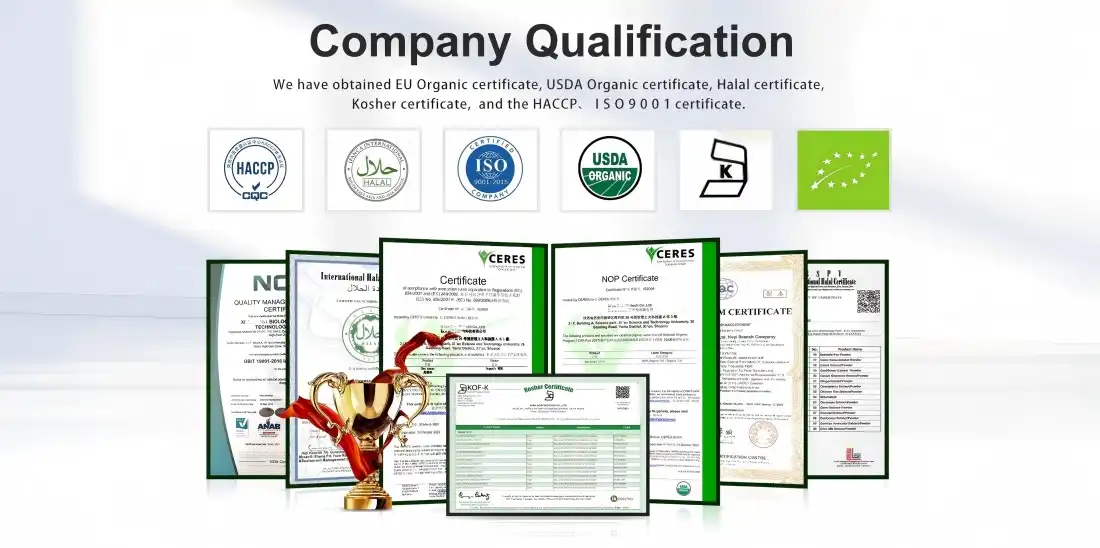
In the European Union, beetroot colourants are recognised as allowed sources under the various laws as natural sources, with some approvals depending on the application category and claims of organic status. KOSHER and HALAL certification provides access to markets where religious dietary needs impact consumer buying choices. NT Biotech is ISO9001, KOSHER and HALAL certified, with regular third-party audits that build the documentation framework for compliant market entrance in a wide variety of worldwide countries.
Claim Substantiation Considerations
Health and wellness claims made for goods containing beetroot powder extract must be substantiated by adequate scientific evidence for the known nutritional profile of beetroot powder extract. The nitrate content responsible for the cardiovascular and performance advantages has been confirmed in several peer-reviewed research, giving evidentiary basis for competent health message. Brands should consult regulatory experts to verify that claim wording is effective in conveying advantages and comply with relevant requirements.
Selecting Your Beet Powder Extract Supplier Partnership
The supplier connection is a major player in formulation success, manufacturing efficiency and long-term brand development. Partner Evaluation Across Multiple Dimensions Identify the Real Business Growth Supporters
Production Capability and Capacity Assurance
Sustainable supply means that providers have sufficient manufacturing capacity to fulfil present demand, but also to support future expansion without degrading service. NT Biotech’s vertically integrated processes from organic growing to final extraction and packing give the control and ability to reliably provide at any size. They’re continuing to invest in infrastructure, so when rising companies scale quantities, they do so easily without the supplier migrations that disruptive expansion requires.
Quality Consistency Across Production Runs
Stability of formulation is the capacity of the formulation ingredients to stay within their requirements irrespective of when they are added, the amount added or the manufacturing batch. Quality management methods that ensure each batch satisfies specified requirements safeguard producers from the issues of reformulation that specification drift generates. NT Biotech’s quality management system is ISO9001-certified, so rigorous verification keeps specifications intact during each production cycle. Formulation confidence scales to unbounded production numbers.
Technical Support and Formulation Partnership
Premium supplier partnerships go beyond transactions and include continuous technical assistance to help manufacturers optimise goods and fix difficulties. NT Biotech’s technical staff offers formulation advice, regulatory consulting and troubleshooting support to expedite product development and avoid expensive errors. With this partnership approach, the process of sourcing ingredients becomes more than just buying; it becomes a purposeful cooperation aimed at mutual success.
| Partnership Element | Standard Suppliers | NT Biotech Advantage |
|---|---|---|
| Technical consultation | Limited or unavailable | Dedicated team for formulation support |
| Specification consistency | Variable between batches | ISO9001 verified uniformity |
| Response time | 24-72 hours typical | Two-hour guarantee |
| Custom specifications | Often unavailable | Full OEM/ODM capabilities |
| Certification portfolio | Basic or absent | ISO9001, KOSHER, HALAL |
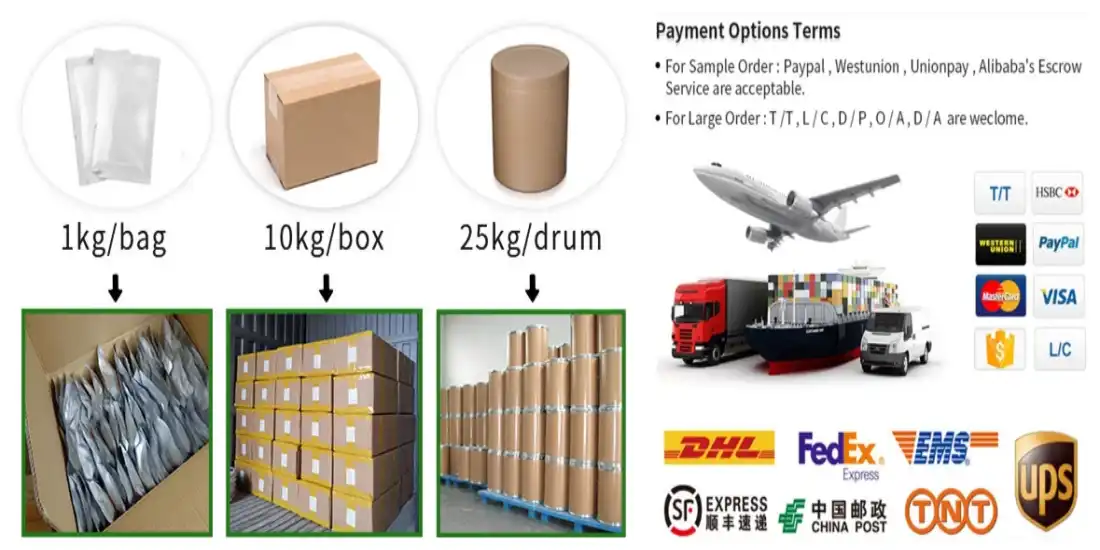
| Payment flexibility | USD only | Local currency accepted |
Maximizing Beet Powder Extract Value in Your Formulations
Armed with understanding of quality parameters and supplier selection criteria, manufacturers can optimize beet powder extract implementation for maximum commercial success.
Inclusion Rate Optimization
The ideal level of inclusion is a compromise between colour intensity, flavour effect, cost efficiency and nutritional contribution. Starting with formulas at suggested rates and changing them based on visual and sensory assessment will allow for accurate calibration for a given application. Increasing inclusion levels increases both colour intensity and nutritional richness, but may also lead to a more distinct beetroot flavour that may need to be masked by flavour. With premium extracts standardised for concentration, consistent formulation behaviour simplifies this optimisation procedure.
Flavor System Integration
Complementary flavours hide remaining earthiness and strategic flavour selection may improve acceptability of beetroot extract. The sweetness of beetroots goes well with berry flavours like strawberry, raspberry and cherry. Tropical fruits provide a sparkling brightness to brighten the darker notes of beetroot. Comfort elements that appeal to popular preferences are provided by vanilla and caramel. Citrus additives are a brightening addition to the formulations and may also increase the colour intensity with the acid interaction.
Combination with Complementary Ingredients
Beetroot powder extract has a good synergy with other useful substances, which improves the entire product positioning. Benefits of nitrates in beetroots combined with citrulline or arginine to provide complimentary nitric oxide assistance. Ingredients such as turmeric, green tea extract and acai are rich in antioxidants and combine to defend against free radicals. Sources of protein such as whey, plant proteins or collagen produce full nutritional profiles that warrant a premium placement.
Conclusion
Beet powder extract represents one of the most compelling ingredients available to manufacturers pursuing natural color and functional nutrition positioning simultaneously. The combination of vivid betalain pigmentation and scientifically validated health benefits addresses consumer demands that synthetic alternatives cannot satisfy, while organic certification and clean-label simplicity support premium market positioning across diverse product categories. NT Biotech's commitment to proprietary extraction technology, certified organic sourcing, and comprehensive quality verification ensures their beet powder extract delivers the standardized performance that commercial success requires. Their vertically integrated operations, responsive technical support, and flexible partnership capabilities position them as the ideal long-term supplier for brands building sustainable natural product lines. The versatility, functionality, and consumer appeal of quality beet extract make it an indispensable tool for manufacturers navigating the fundamental transformation occurring in food and supplement ingredient selection.
FAQ
1. What specification levels should I expect from quality beet powder extract?
Premium products should provide betacyanin content above 0.8% as verified through HPLC analysis, with complete Certificates of Analysis documenting purity, safety, and stability parameters.
2. How does beet powder extract compare to artificial colors for clean-label products?
Beet extract provides equivalent or superior color impact while delivering functional nutrition benefits and satisfying consumer preferences for recognizable whole-food ingredients.
3. What inclusion rates work best for beverage applications?
Typical inclusion rates range from 1% to 4% depending on desired color intensity, with lower rates producing light pink and higher concentrations achieving ruby red tones.
4. Can beet powder extract replace synthetic colors in existing formulations?
In most applications, yes, though minor adjustments to inclusion rates or processing parameters may optimize results for specific formulation requirements.
5. What certifications should beet extract suppliers maintain?
ISO9001, KOSHER, and HALAL certifications verified through regular audits provide documentation infrastructure supporting market access across global jurisdictions.
Partner with NT Biotech for Premium Beet Powder Extract Solutions
Transform your natural color and nutrition strategy with beet powder extract that delivers genuine dual functionality backed by comprehensive quality verification. NT Biotech combines certified organic farming partnerships, proprietary extraction technology, and rigorous third-party testing to produce extracts with standardized betacyanin content exceeding 0.8% and exceptional stability throughout food processing and storage. Our vertically integrated operations ensure specification consistency from initial samples through commercial-scale production, protecting your formulations and brand reputation alike. With ISO9001, KOSHER, and HALAL certifications, we support your market access across global jurisdictions without reformulation complications. Our dedicated technical team provides formulation guidance, regulatory consultation, and troubleshooting support that transforms ingredient procurement into strategic partnership. Two-hour response commitment, 1-3 business day fulfillment, and flexible payment options in your local currency make NT Biotech the supplier serious buyers choose. Reach out today at info@newthingsbiotech.com to discuss your beet powder extract requirements, request samples for formulation evaluation, or explore how our expertise and infrastructure can accelerate your natural product development and market success.
References
1. Azeredo, H.M.C. (2009). Betalains: Properties, sources, applications, and stability. International Journal of Food Science and Technology, 44(12), 2365-2376.
2. Khan, M.I., Giridhar, P., & Bettadaiah, B.K. (2014). Chemistry and food applications of betalains. Food Chemistry, 162, 443-450.
3. Hord, N.G., Tang, Y., & Bryan, N.S. (2009). Food sources of nitrates and nitrites: The physiologic context for potential health benefits. American Journal of Clinical Nutrition, 90(1), 1-10.
4. Bailey, S.J., Winyard, P., Vanhatalo, A., et al. (2009). Dietary nitrate supplementation reduces the O2 cost of low-intensity exercise and enhances tolerance to high-intensity exercise in humans. Journal of Applied Physiology, 107(4), 1144-1155.
5. Clifford, T., Howatson, G., West, D.J., & Stevenson, E.J. (2015). The potential benefits of red beetroot supplementation in health and disease. Nutrients, 7(4), 2801-2822.
6. Rodriguez, E.B., & Mendoza, D.B. (2019). Natural food pigments: Chemistry, sources, and applications in the food industry. Comprehensive Reviews in Food Science and Food Safety, 18(2), 312-326.