- English
- French
- German
- Portuguese
- Spanish
- Russian
- Japanese
- Korean
- Arabic
- Greek
- German
- Turkish
- Italian
- Danish
- Romanian
- Indonesian
- Czech
- Afrikaans
- Swedish
- Polish
- Basque
- Catalan
- Esperanto
- Hindi
- Lao
- Albanian
- Amharic
- Armenian
- Azerbaijani
- Belarusian
- Bengali
- Bosnian
- Bulgarian
- Cebuano
- Chichewa
- Corsican
- Croatian
- Dutch
- Estonian
- Filipino
- Finnish
- Frisian
- Galician
- Georgian
- Gujarati
- Haitian
- Hausa
- Hawaiian
- Hebrew
- Hmong
- Hungarian
- Icelandic
- Igbo
- Javanese
- Kannada
- Kazakh
- Khmer
- Kurdish
- Kyrgyz
- Latin
- Latvian
- Lithuanian
- Luxembou..
- Macedonian
- Malagasy
- Malay
- Malayalam
- Maltese
- Maori
- Marathi
- Mongolian
- Burmese
- Nepali
- Norwegian
- Pashto
- Persian
- Punjabi
- Serbian
- Sesotho
- Sinhala
- Slovak
- Slovenian
- Somali
- Samoan
- Scots Gaelic
- Shona
- Sindhi
- Sundanese
- Swahili
- Tajik
- Tamil
- Telugu
- Thai
- Ukrainian
- Urdu
- Uzbek
- Vietnamese
- Welsh
- Xhosa
- Yiddish
- Yoruba
- Zulu
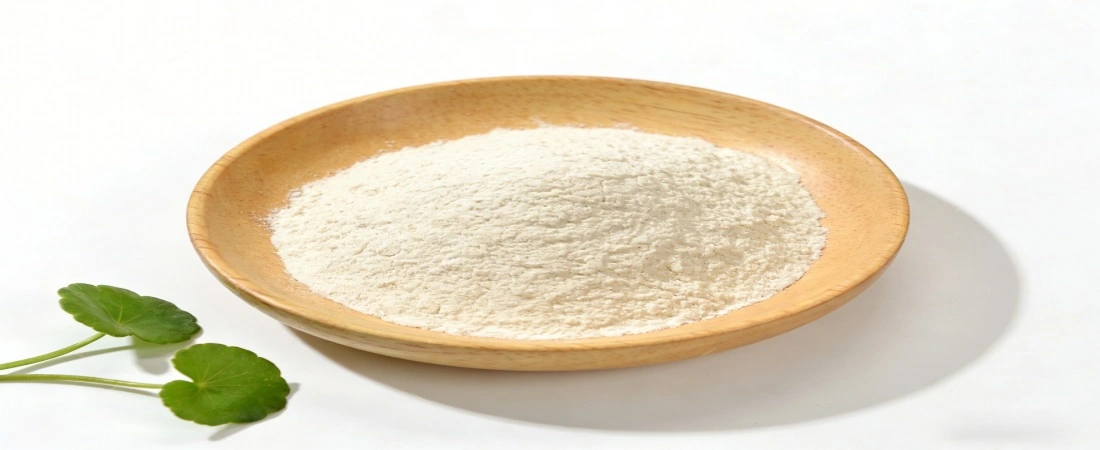
When looking for plant actives to use in cosmetics, gotu kola extract for skin stands out because it has been used for hundreds of years and has been shown to work in modern studies. This whole-herb extract comes from Centella asiatica and contains strong triterpenoid compounds (asiaticoside, madecassoside, asiatic acid, and madecassic acid) that help the body make collagen, lower inflammation, and heal wounds faster. To make sure that skincare goods sold in the U.S. are competitive and follow the rules, buying and research and development workers need to know about Gotu Kola's formulation science, provider standards, and customization options.
Understanding Gotu Kola Extract and Its Benefits for Skin
Centella asiatica, which is also known as "Gotu Kola," is a plant in the Apiaceae family that does well in warm swamp areas all over Asia. To collect beneficial triterpenoids, the stems, leaves, and roots of the whole plant are extracted. These chemicals work with skin cells to increase the number of fibroblasts, improve microcirculation, and control inflammatory factors. This makes the gotu kola extract for skin useful for many skin health purposes.
Key Active Compounds and Their Mechanisms
In controlled extracts, asiaticoside and madecassoside are the main compounds that tell how good they are. These glycosides get into the epidermis layer and start the transforming growth factor-beta (TGF-β) pathways. These pathways then increase the production of type I and type III collagen. The aglycone types of asiatic acid and madecassic acid are very good antioxidants because they get rid of free radicals and stop matrix metalloproteinase enzymes from breaking down collagen. Studies in dermatology journals have shown that applying standardized Centella extracts to the skin at amounts ranging from 0.5% to 3% made scars look better and improved the skin's flexibility and barrier function.
Skin Health Benefits Backed by Evidence
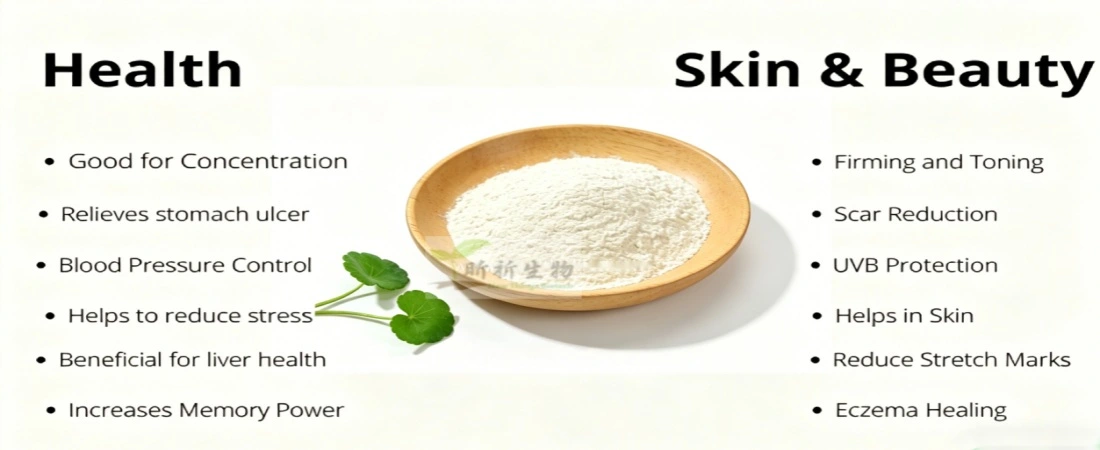
The product helps with a number of skin problems. Scars from acne and discoloration after inflammation get lighter because tissues rebuild faster and melanin production slows down. It works well on redness and discomfort from rosacea or eczema because it reduces inflammation. Long-term use can partly reverse the loss of collagen that comes with getting older, making skin firmer and reducing fine lines. Controlled studies with burn patients and surgery recovery methods have shown that wound healing rates go up. Because it works in so many ways, Gotu Kola is a versatile ingredient that can be used in anti-aging serums, barrier-repair creams, and sensitive skin formulas.
Comparing Gotu Kola Extract with Other Popular Skin Ingredients
Before deciding on a final product idea, formulators often look at more than one active ingredient for gotu kola extract for skin. Knowing how gotu kola extract for skin stacks up against other options helps you see its benefits and best uses.
Gotu Kola vs. Aloe Vera
Aloe vera's polysaccharide-rich gel is great for soothing and moisturizing skin right away, making it perfect for light soreness or after being in the sun. Gotu Kola, on the other hand, repairs structures more deeply by increasing collagen production and making skin design stronger. Aloe moisturizes the skin's surface, but Centella strengthens and regenerates skin over time, which makes it better for anti-aging and wound treatment products.
Gotu Kola vs. Hyaluronic Acid
Hyaluronic acid is a humectant, which means it binds water molecules together to make the stratum corneum fuller and the smoothness of the surface better. It only has short-term benefits, like keeping you hydrated. On the other hand, Gotu Kola changes the extracellular matrix over time, which improves skin health in ways other than keeping water in. When you mix the two ingredients together, they work better together. Hyaluronic acid instantly makes skin fuller, and Centella makes it firmer over time.
Gotu Kola vs. Tea Tree Oil
The antimicrobial qualities of tea tree oil kill germs that cause acne and stop the production of sebum. When you have acne, Gotu Kola helps your skin heal by reducing scars and redness without drying out your skin or irritating it as tea tree oil can. Combining tea tree oil for active breakouts with centella oil to avoid scars and repair the skin barrier is good for acne-prone skin.
Organic vs. Synthetic and Formulation Forms
Organic gotu kola extract for skin that has been approved by the USDA or a similar organization is popular with clean health brands that care about the environment and keeping things safe. Due to how hard it is to cheaply copy triterpenoid structures, synthetic options are still not very common. When it comes to formulation forms, emulsions and creams do a good job of stabilizing the extract for daily moisturizers, while serums let you use higher amounts in light vehicles for focused treatment. To add water-soluble triterpenoids to anhydrous products like oils or balms, solubilization methods are needed.
Custom Formulation Principles for OEM Gotu Kola Extract Skincare Products
When making custom OEM skincare lines, you need to think carefully about active amounts, how ingredients work together, and the rules that govern the industry. The flexibility of gotu kola extract for skin lets it make products for a wide range of market groups.
Assessing Client Needs and Target Skin Concerns
To figure out who the target audience is, procurement teams need to work closely with gotu kola extract for skin marketing and product development. Anti-aging treatments for older skin usually need asiaticoside amounts of 2% to 5%. Within 12 weeks, wrinkle depth and elasticity will have improved in a way that can be measured. Lower amounts (0.5 to 1.5%), along with ceramides and niacinamide, help strengthen the barrier without overpowering skin that is already sensitive or reacting. Asiaticoside (3% to 4%) and vitamin C are often used together in acne scar treatments to speed up cell turnover and stop melanogenesis.
Synergistic Active Combinations
Vitamin C increases Gotu Kola's effects on collagen production and adds to its antioxidant defense. Hyaluronic acid increases moisture, which makes the perfect setting for fibroblasts to work. Peptides, especially copper tripeptide-1, work with Centella's TGF-β activation to make extracellular matrix production happen more efficiently. If you're trying to even out your skin tone, niacinamide works well with Centella because it helps build barriers and control sebum production.
Stability, Potency, and Regulatory Compliance
When asiaticoside is exposed to UV light or very acidic conditions, it breaks down. Formulations should keep the pH between 5.0 and 7.0 and come in dark or amber glass containers with airless pumps to protect them from light. Antioxidants, such as tocopherol or ferulic acid, keep food fresh longer by stopping reactive breakdown. To follow the rules in the U.S., makeup ingredients must follow FDA standards, and INCI labels must be correct. Products that make claims like "reduces scars" or "anti-aging" must back up those statements with scientific data. When you buy from a reputable seller, ISO, Kosher, and Halal standards make it easier to sell your products around the world and appeal to a wide range of customers.
Sourcing Gotu Kola Extract for OEM Skincare: Procurement and Supplier Guidelines
Getting stable, high-quality raw materials is what determines how well a product works and how well a name is known. Procurement experts look at a lot of different factors to find the best sources for gotu kola extract for skin.
Purity, Specifications, and Testing Standards
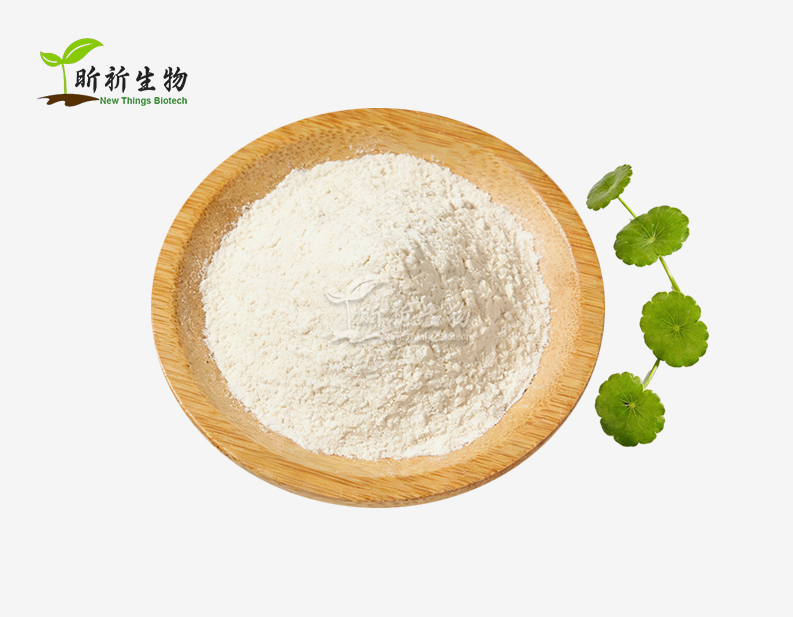
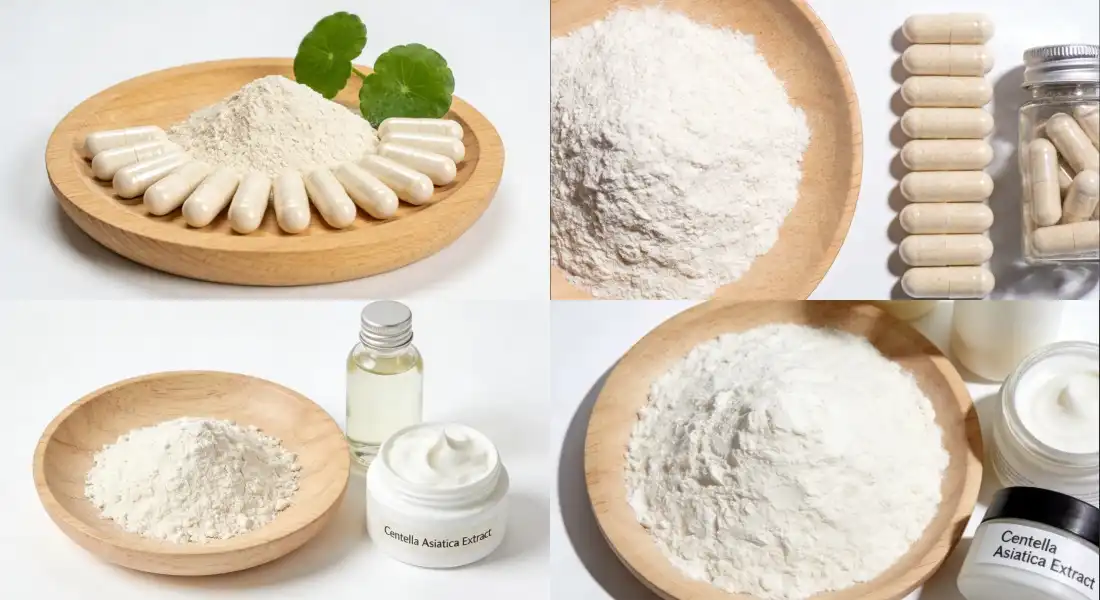
Asiaticoside levels in high-quality Gotu Kola leaf extract should be between 10% and 90%, as shown by HPLC measurement. For cosmetic uses, a normal goal is for 40% to 60% total triterpenoids, which strikes a balance between strength and stability with the formulation. The extract looks like a brownish-yellow to off-white powder with 80-mesh particles that make it easy to mix with water and emulsions. There needs to be a Certificate of Analysis (CoA) for each batch that lists the amount of active ingredients, the amount of heavy metals (lead, arsenic, and mercury that are below the legal limits), the number of microbes, and the amount of pesticide residues.
Certifications and Traceability
ISO9001 certification shows that a seller is dedicated to quality management systems. Kosher and Halal certifications help suppliers reach more religious customers. Traceability paperwork, from the farm where the product was grown to the facility where it was extracted, provides openness and lowers supply chain risks. Suppliers with organic licenses (USDA Organic, EU Organic) charge more, but they have an edge in the clean health and natural product markets.
Pricing, MOQ, and Sample Evaluation
The smallest amount you can buy is usually 25 kilograms, and it comes in fiber drums with polyethylene bags inside to keep dampness out. When you buy in bulk, you can often get discounts of 10% to 15% on orders that are over 100 kilos. By asking for free samples, companies can test the security and effectiveness of their products before making big purchases. Reliable sellers answer sample requests within two hours and ship within one to three business days, which shows that they have stock and can handle logistics well.
Supplier Verification and Due Diligence
Reviewing third-party audit records, visiting extraction sites when possible, and cross-checking industry references are all parts of verification. Suppliers who are certified by GMP (Good Manufacturing Practice) follow strict production standards for pharmaceuticals, which lowers the risk of contamination. Customized labeling and private label services, along with other flexible package choices, make it easier for brands to stand out. Shipping options, such as FedEx or UPS fast courier for small orders and freight transfer for large packages, allow for a range of project timelines and budgets.
Case Studies & Practical Examples of Successful OEM Gotu Kola Extract Skincare Formulas
Real-life examples show how planned formulation and sources lead to goods that gotu kola extract for skin is ready for the market. These cases show what works and what the best results are for gotu kola extract for skin.
Anti-Aging Serum with Gotu Kola and Peptides
A natural skincare brand from the U.S. made an anti-aging product with hyaluronic acid, 4% asiaticoside-standardized Gotu Kola extract, and acetyl hexapeptide-8. After eight weeks of twice-daily use, wrinkles got 27% less deep in people aged 45 to 65 who took part in clinical studies. Skin firmness also got 19% better. Customers liked how lightweight and quickly absorbing the formula was, which led to return buy rates above 40%. The brand used an extract that was certified as both ISO and Kosher, which fit with their clean beauty message and made sure that the supply chain was clear.
Barrier-Repair Cream for Sensitive Skin
An OEM project made a ceramide-rich cream with 1.5% Gotu Kola extract for people who tend to get acne. In a four-week study of how people felt about the product, it cut transepidermal water loss by 22% and perceived pain scores by 35%. Putting the extract in airless tanks kept it stable, and Halal approval made it possible to sell it in Middle Eastern markets. Samples were sent within 48 hours, and large orders were sent out in five business days. This helped meet tight launch dates for the product.
Acne Scar Treatment Gel
For people who have had acne, a new company made a gel with 3.5% asiaticoside, vitamin C, and licorice root extract. Within six weeks, the product made scars less noticeable and skin tone evened out, as shown by before-and-after photos in user reviews. The brand took advantage of the supplier's ability to be flexible by buying 50 kilograms at first and then increasing the amount to 200 kilos as demand rose. Having access to full COAs and HPLC chromatograms helped build trust with regulatory advisers and made it easier to follow FDA rules for cosmetic labels.
Conclusion
Gotu kola extract for skin is a flexible active ingredient that has been proven to help with aging, scarring, inflammation, and barrier failure. Its high triterpenoid content helps make collagen and fix tissues, which is why modern cosmetics can't do without it. For OEM development to go well, it's important to choose providers with strict quality standards, flexible production options, and clear supply lines. Procurement workers and R&D teams can make competitive skin care products that meet customer standards and build brand loyalty by understanding formulation principles, using synergistic actives, and handling regulatory settings.
FAQ
1. What concentration of Gotu Kola extract is recommended for anti-aging products?
2% to 5% asiaticoside-standardized extract is often found in anti-aging products. Within 8 to 12 weeks, concentrations above 3% lead to measurable improvements in the density and elasticity of collagen. Lower amounts (0.5% to 1.5%) are better for upkeep or use on skin that is sensitive.
2. Are there any side effects or contraindications?
Most people can handle gotu kola extract for skin well. People who are allergic to plants in the Apiaceae family sometimes get contact dermatitis. People who are pregnant or nursing should talk to their doctors before using, but direct treatment doesn't pose much of a risk for systemic absorption.
3. How can I verify supplier quality?
Ask for Certificates of Analysis that are specific to the batch and include HPLC chromatograms that prove the asiaticoside content. Check for ISO9001, Kosher, or Halal approvals and read through audit records from a third party. Before placing large orders, you can try free samples in your lab to make sure they are stable and work well.
4. Can Gotu Kola extract combine with other actives?
Vitamin C, hyaluronic acid, niacinamide, and peptides all work better with centella. Strong acids like glycolic and salicylic should not be mixed at high amounts without first testing for stability, since changes in pH can break down triterpenoids.
Partner with a Trusted Gotu Kola Extract for Skin Supplier
Shaanxi New Things Biotech sells pharmaceutical-grade gotu kola extract for skin that is standardized to 10% to 90% asiaticoside and has ISO, Kosher, and Halal approvals. Our special extraction method maximizes the bioactive yield while keeping purity levels above 98%. This makes sure that your formulations always give reliable, clinically useful results. We don't have to worry about supply delays that happen during product launches because our inventory is ready to ship right away. Samples are sent out within two hours, and big orders are shipped in two to four business days. Custom packaging choices and adjustable MOQs starting at 25 kilograms help both new names and well-known companies. To help you get your product to market faster, our scientific team offers free formulation advice, stability advice, and regulatory paperwork. Email us at info@newthingsbiotech.com to get your free sample and talk about OEM solutions that are made to fit the image and performance goals of your brand.
References
1. Bylka, W., Znajdek-Awiżeń, P., Studzińska-Sroka, E., & Brzezińska, M. (2013). Centella asiatica in cosmetology. Advances in Dermatology and Allergology, 30(1), 46-49.
2. Gohil, K. J., Patel, J. A., & Gajjar, A. K. (2010). Pharmacological review on Centella asiatica: A potential herbal cure-all. Indian Journal of Pharmaceutical Sciences, 72(5), 546-556.
3. Lee, J., Jung, E., Kim, Y., Park, J., Park, J., Hong, S., & Park, D. (2006). Asiaticoside induces human collagen I synthesis through TGFβ receptor I kinase (TβRI kinase)-independent Smad signaling. Planta Medica, 72(04), 324-328.
4. Maquart, F. X., Chastang, F., Simeon, A., Birembaut, P., Gillery, P., & Wegrowski, Y. (1999). Triterpenes from Centella asiatica stimulate extracellular matrix accumulation in rat experimental wounds. European Journal of Dermatology, 9(4), 289-296.
5. Shukla, A., Rasik, A. M., & Dhawan, B. N. (1999). Asiaticoside-induced elevation of antioxidant levels in healing wounds. Phytotherapy Research, 13(1), 50-54.
6. Paocharoen, V. (2010). The efficacy and side effects of oral Centella asiatica extract for wound healing promotion in diabetic wound patients. Journal of the Medical Association of Thailand, 93(Suppl. 7), S166-S170.