- English
- French
- German
- Portuguese
- Spanish
- Russian
- Japanese
- Korean
- Arabic
- Greek
- German
- Turkish
- Italian
- Danish
- Romanian
- Indonesian
- Czech
- Afrikaans
- Swedish
- Polish
- Basque
- Catalan
- Esperanto
- Hindi
- Lao
- Albanian
- Amharic
- Armenian
- Azerbaijani
- Belarusian
- Bengali
- Bosnian
- Bulgarian
- Cebuano
- Chichewa
- Corsican
- Croatian
- Dutch
- Estonian
- Filipino
- Finnish
- Frisian
- Galician
- Georgian
- Gujarati
- Haitian
- Hausa
- Hawaiian
- Hebrew
- Hmong
- Hungarian
- Icelandic
- Igbo
- Javanese
- Kannada
- Kazakh
- Khmer
- Kurdish
- Kyrgyz
- Latin
- Latvian
- Lithuanian
- Luxembou..
- Macedonian
- Malagasy
- Malay
- Malayalam
- Maltese
- Maori
- Marathi
- Mongolian
- Burmese
- Nepali
- Norwegian
- Pashto
- Persian
- Punjabi
- Serbian
- Sesotho
- Sinhala
- Slovak
- Slovenian
- Somali
- Samoan
- Scots Gaelic
- Shona
- Sindhi
- Sundanese
- Swahili
- Tajik
- Tamil
- Telugu
- Thai
- Ukrainian
- Urdu
- Uzbek
- Vietnamese
- Welsh
- Xhosa
- Yiddish
- Yoruba
- Zulu
The skincare industry is witnessing a remarkable shift toward plant-based active ingredients, and gotu kola extract for skin has emerged as a frontrunner in this transformation. Derived from Centella asiatica, a herb revered in traditional medicine across Asia for centuries, this botanical extract offers scientifically validated benefits that address modern skin concerns—from accelerated wound healing and collagen stimulation to robust antioxidant protection. Procurement professionals in cosmetics formulation now prioritize this ingredient not merely for its heritage but for its documented efficacy in treating acne scars, reducing inflammation, and enhancing overall skin resilience. As consumer demand for transparency and clean-label products intensifies, understanding the current trends and sourcing strategies around Gotu Kola extract becomes essential for maintaining competitive advantage in the global market.
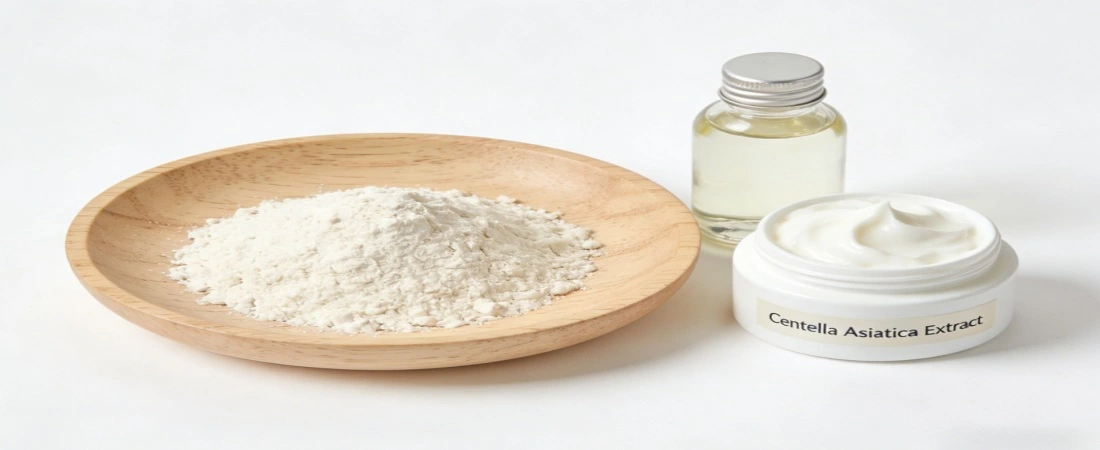
Understanding Gotu Kola Extract's Role in Modern Skincare
The Science Behind Skin Regeneration and Collagen Synthesis
Triterpenoids are the four main beneficial chemicals found in gotu kola extract for skin. They are asiatic acid, madecassic acid, asiaticoside, and madecassoside. These chemicals help fibroblasts grow. Fibroblasts are the cells in the skin layer that make collagen and elastin. Applying asiaticoside doses between 10% and 40% to the skin has been shown in clinical tests to boost collagen production by up to 50% after six weeks of regular use. Because of this molecular action, it works especially well in products that aim to reduce fine lines, wrinkles, and skin loss of strength. Synthetic peptides can make people sensitive, but the whole plant extract from Centella asiatica has a balanced mix of chemicals that work together to lower the risk of overstimulation of individual receptors.
Evidence-Based Applications Across Skin Conditions
Dermatological journals have released studies that prove gotu kola can help with a number of skin problems. Controlled studies with people who had atrophic acne scars showed that using 1% asiaticoside cream for 12 weeks made the scars much less deep and rough. The extract can reduce inflammation by blocking pro-inflammatory cytokines. This makes it useful for controlling eczema and psoriasis flare-ups. Stretch marks happen when the dermis tears during fast skin expansion. Products that contain 5% gotu kola extract and other hydrating ingredients work well to help get rid of these marks. Post-surgical care routines have shown that the plant can help wounds heal by speeding up epithelialization and reducing hypertrophic scarring.
Differentiating Botanical Profiles for Procurement Clarity
Botanically, gotu kola and Centella asiatica are the same plant, but the names used in the market often make things confusing. "Gotu Kola" usually refers to goods that focus on the whole herb's traditional health benefits, while "Centella asiatica extract" usually means pharmaceutical-grade isolates that have been standardized to certain triterpenoid percentages. When compared to aloe vera, which is mostly good for keeping things moist and cool, gotu kola helps fix deeper structure problems. Unlike neem, which is mostly an antimicrobial, this product has many uses, such as promoting regrowth, protecting against free radicals, and restoring barriers. When reviewing sources, procurement teams must be clear about the concentrations and ways of extraction of asiaticoside they want. This is to make sure that formulation goals are in line with raw material gotu kola extract for skin requirements.
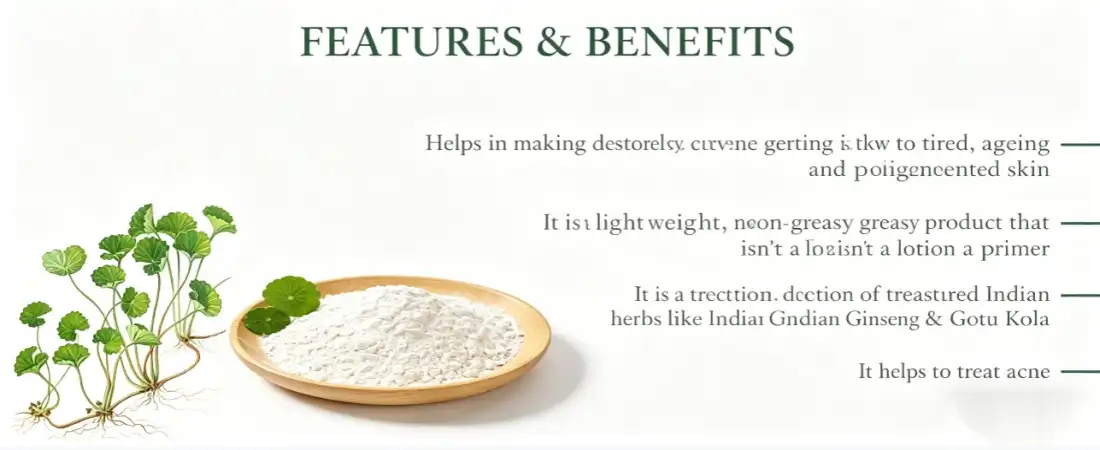
Current Industry Trends Driving Gotu Kola Extract Demand
The Natural and Organic Skincare Momentum
According to figures from the global market, natural skincare products will be worth $22 billion. A big part of this growth will come from plant extracts. 73% of millennials and Gen Z buyers actively choose goods with plant-based ingredients over synthetic ones, according to consumer studies. Because of this change, big cosmetic companies have had to change the way their old goods work by adding plants like gotu kola extract for skin instead of parabens and artificial scents. Because the ingredient can be grown without chemicals and extracted using water or ethanol, it meets the requirements for organic certification. This makes it a great addition to the clean beauty movement. Regulatory bodies in North America and Europe are favoring plant actives that have been shown to be safe and effective in peer-reviewed studies. This makes it easier for more people to use them.
Product Format Innovation and Delivery Systems
Gotu kola powder is now available on the market in a number of different forms, each designed to meet the needs of different manufacturers and end users. Asiaticoside powders with amounts ranging from 10% to 90% give formulators the most freedom to make their own mixes for serums, lotions, and masks. Although they cost more, lyophilized extracts keep more of their bioactivity than spray-dried options. New developments in packaging technology have made it possible to put triterpenoids inside liposomes or nanoemulsions to help them penetrate and stay stable in the skin. These new delivery methods get around problems with oxidative degradation and low bioavailability, which means that goods work better at lower amounts. When suppliers engage in their own extraction and stability technologies, they get a big edge over other suppliers in bidding processes and in building long-term relationships.
Regional Market Dynamics and Supply Chain Considerations
Asia-Pacific still buys the most gotu kola-based skin care products. This is because of cultural knowledge and the region's leadership in K-beauty and J-beauty innovations. Centella ingredients are used in everything from sheet masks to essence toners in South Korea. Products like "Cica Creams" have become cult favorites around the world. The North American market is adopting quickly, especially in the high-end and independent beauty segments, where educated customers like stories about traditional plants. Europe's strict beauty rules (REACH and CLP) reward sellers who give a lot of safety information and proof of where the products came from. People who work in procurement need to be aware of these regional differences. For example, buyers in Europe value organic and fair-trade certifications more highly than clinical proof and dermatologist recommendations. It's important for the supply chain to be resilient now that buyers are looking for sellers who can keep their inventory stable and increase output without lowering quality.
Comparing Gotu Kola Extract with Other Popular Skin Ingredients
Clarifying the Centella Asiatica Terminology
The main things that cause misunderstanding between gotu kola extract for skin and Centella asiatica are marketing and name-giving, not the plants themselves. They both mean the same plant, Centella asiatica (L.) Urban, which is in the family Apiaceae. The extraction focus and application goals are what set goods apart in the market. "Gotu Kola extract" is often found in natural health goods that focus on cognitive and adaptogenic benefits along with skin care benefits. This is because it comes from an Ayurvedic background. Labels that say "Centella asiatica extract" usually mean that the product is pharmaceutical-grade and has at least the minimum amount of the four main triterpenoids. This difference is important during buying because it affects gotu kola extract for skin how prices are set, what paperwork is needed by regulators, and how customers see the product.
Performance Benchmarking Against Established Actives
Compared to vitamin C, gotu kola has effects that work in addition to or instead of vitamin C. Gotu kola helps with pain management and structural repair, while vitamin C is great at lightening and controlling color by blocking tyrosinase. Hyaluronic acid is still the best at instantly hydrating the skin by binding water, but it doesn't have the collagen-boosting and wound-healing qualities that triterpenoids do. Retinol speeds up cell turnover very quickly, which can irritate the skin. On the other hand, gotu kola speeds up regeneration slowly, with a low risk of making the skin more sensitive. Niacinamide also reduces inflammation, but it does so through different biochemical processes. This is why combination products work so well. Smart manufacturing strategies stack these ingredients based on their molecular weight and pH compatibility. This makes products that fight multiple signs of aging at the same time, without affecting their stability or effectiveness.
Synergistic Formulation Opportunities
When you mix gotu kola with hyaluronic acid, you get moisture-retaining structures that help triterpenoid molecules penetrate better. When you mix it with peptides, the production of collagen goes up because the two signaling paths work together better. One is organic, and the other is biomimetic. Vitamin E, green tea flavonoids, and gotu kola all work together as antioxidant stacks to protect against oxidative stress better than any single ingredient. Formulators should know that asiaticoside is less stable in places with a pH below 4, so they need to be very careful when mixing it with L-ascorbic acid. It's important to test phase compatibility and do rapid stability studies when making a new product, especially for brands that make medical promises that need to be backed up.
Procurement Insights: How to Choose and Source Gotu Kola Extract
Evaluating Supplier Credentials and Quality Benchmarks
Before choosing a provider, make sure they have the right certifications that show they follow international quality standards. Kosher and Halal certifications make it easier for brands that serve a wide range of customers to get into new markets. ISO9001 certification shows that quality management methods are organized. Each batch should come with a Certificate of Analysis (CoA) that lists the asiaticoside content that was checked using HPLC (High-Performance Liquid Chromatography), as well as the heavy metal testing results, microbe pollution screens, and pesticide residue analysis. When suppliers use outside testing labs, it adds another layer of trustworthiness. Traceability includes more than just lab results; it also includes proof of the plant's source, the time of year it was harvested, and the method used for extraction. When you use stems, leaves, and roots from a herb for gotu kola extract for skin, you get a fuller phytochemical profile than when you only use leaves. However, it becomes a little harder to standardize.
Commercial Terms and Supply Chain Logistics
The prices are very different depending on the amount of approval and the concentration of asiaticoside. Standard 10% asiaticoside powder costs between $25 and $45 per kilogram, with 25 kilos being the minimum order amount. Higher amounts than 70% are more expensive, hitting $80 to $120 per kilogram because they need more refinement during extraction. Figuring out the total landing cost means taking into account the way of shipping, any customs taxes, and any storage needs for materials that are sensitive to moisture. Leading providers keep large stock inventories that allow fast delivery within two to four days of payment. This is very important for brands that need to manage low inventory levels or act quickly to sudden demand spikes. Customized package choices, such as 25-kilogram drums and smaller amounts for trial runs, show that the provider is adaptable. Payment terms that accept local currency lower the risk of foreign exchange and make it easier for international buying teams to reconcile their finances.
Private Label and OEM Capabilities
When suppliers offer private label services, brands can make their own gotu kola-based goods without having to spend money on extraction equipment. As part of these relationships, formulating advice, stability testing, making regulatory compliance paperwork, and custom package design are common tasks. OEM (Original Equipment Manufacturer) agreements let brands choose the exact amounts of asiaticosides they want, as well as the type of carrier base they want (powder, liquid extract, or oil-soluble fractions) and any other botanicals they want to add to their unique mixes. Requesting free samples before placing a production order lowers the risk of buying and lets labs test the product's solubility, color consistency, and taste qualities. When suppliers help with technical issues during the development of a product by answering questions about compatibility, suggesting the best rates of use, and fixing formulation problems, they go from being just vendors to strategic development partners. This builds long-lasting relationships with gotu kola extract for skin that support innovation over time.
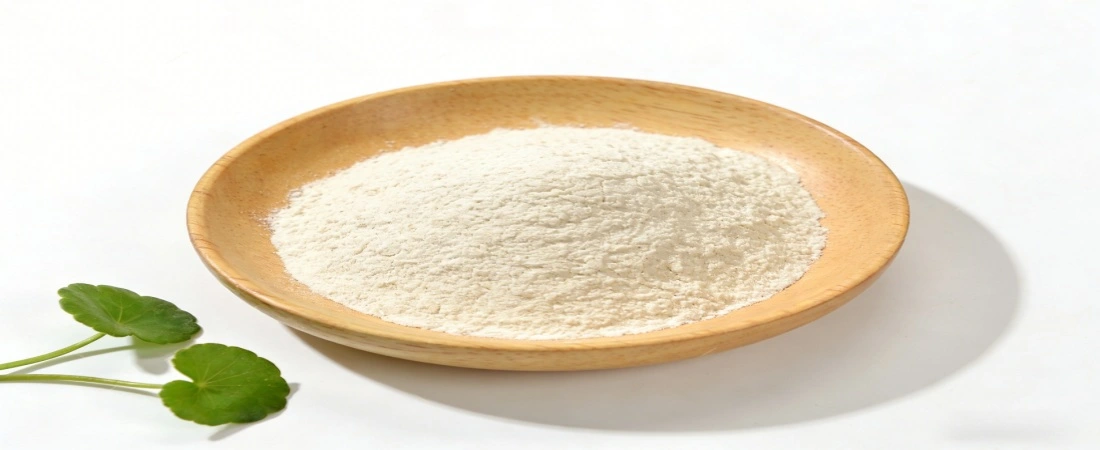
Future Trends and Strategic Opportunities in Gotu Kola Skincare
The Shift Toward Biotech-Enhanced Botanicals
New technologies are changing the way that traditional plants like gotu kola extract for skin are grown and shipped. Cell culture technology makes it possible to make triterpenoids without any farming variations. This means that each batch will be the same, which is something that herbs that are picked from the wild or grown in a garden can't promise. Using certain bacterial strains in fermentation processes can change asiaticoside molecules, which could make them more bioavailable or smaller so they can go deeper into the body. Using enzymes to extract materials keeps heat-sensitive chemicals from breaking down, which happens with traditional liquid extraction. This results in more powerful raw materials. These genetic advances are appealing to high-end skincare brands that want to stand out by telling unique stories about their ingredients while still keeping the "natural" image that customers want. When suppliers spend money on these technologies, they put themselves at the cutting edge of their fields. However, clear information about methods is still needed to keep customers from being skeptical of "synthetic biology" terms.
Digital Procurement Platforms and B2B Evolution
The supply line for skincare ingredients is becoming more digital. Platforms connect confirmed sources directly with formulators and brands around the world. These platforms let you see what's in stock in real time, compare prices right away, and make managing documents easier. This cuts down the time it takes to buy something from weeks to days. Blockchain integration gives brands unmatched traceability, letting them back up claims about botanical origin and social sources that appeal to consumers who care about these things. Virtual sampling programs that use virtual reality let buying teams look at the qualities of ingredients from afar before the real ones come. Chat-based customer service with promised two-hour response times, which was first used by forward-thinking suppliers, answers technical questions right away, which speeds up the decision-making process. As things change, it will help sellers who are open to combining technology with the kind of personalized service that complex botanical products need.
Regulatory Adaptation and Clean Label Compliance
Regulatory guidelines are getting stricter around the world, especially when it comes to backing up beauty claims and being clear about where ingredients come from. As a result of upcoming changes to European Union makeup rules, botanical extracts will likely have to go through more thorough safety checks. This will include finding possible allergens in complex plant structures. The US Food and Drug Administration (FDA) is still looking closely at "structure-function" promises, which means that strong clinical proof is needed, which many suppliers don't have right now. Active suppliers are spending money on human clinical trials, even small ones with 30 to 50 people, to get data that can be used to defend the effectiveness of their products. Clean label trends go beyond leaving out ingredients that aren't wanted and include things like where the ingredients came from ethically, how much water was used in production, and the carbon footprint. More and more, brands are asking sellers to give them Environmental Product Declarations (EPDs) and sustainability approvals from a third party. To keep up with these changing standards, sellers need to stop seeing compliance as a chore and start seeing it as a way to set themselves apart from competitors, justify their high prices, and secure partnerships with brands that care about quality.
Conclusion
The development of gotu kola extract for skin in the skin care business shows how consumers value openness, effectiveness, and environmental friendliness. This plant active goes from being a special ingredient to a common household item as more clinical evidence supports its many uses and new extraction methods make it more stable and effective. Those who work in procurement and know how to evaluate quality, how regional markets work, and what suppliers can do will be able to successfully add gotu kola to formulas that meet both performance and clean beauty standards. The ingredient can be used in a lot of different product forms and works well with other active ingredients. This makes it a great building block for next-generation skincare lines that target aging, damage repair, and overall skin health.
FAQ
1. What concentration of asiaticoside is most effective for anti-aging formulations?
Asiaticoside concentrations between 1% and 5% in finished goods have been shown in clinical tests to have the best anti-aging benefits. This means using raw materials that are defined to contain 10% to 40% asiaticoside at rates of 2.5% to 10% in recipes. Higher amounts don't always lead to better results, and they may raise the cost of raw materials for no reason.
2. How does Gotu Kola extract stability vary across different product formats?
When kept in cool, dry places with moisture levels below 5%, powder forms stay stable for a long time. When mixed with water, triterpenoids stay stable at pH levels between 5 and 7, but they break down in very acidic or basic conditions. Light-sensitive chemicals are most stable in anhydrous goods like oils and balms.
3. Can Gotu Kola extract cause skin sensitivities or contraindications?
Patch tests on Centella asiatica extract show that it is very safe, with sensitivity rates below 0.1%. There aren't many reasons not to, but people who are allergic to plants in the Apiaceae family should be careful. It doesn't make you more sensitive to sunlight like retinoids do, so gotu kola extract for skin can be used safely in daytime products.
Partner with a Trusted Gotu Kola Extract Supplier
NT Biotech stands as a leading gotu kola extract gotu kola extract for skin for skin manufacturer, specializing in premium Centella asiatica whole herb extracts with asiaticoside concentrations from 10% to 90%. Our proprietary extraction methods ensure exceptional purity exceeding 98% for key bioactive compounds, delivering raw materials that enhance formulation performance and brand differentiation. With ISO9001, Kosher, and Halal certifications, comprehensive third-party testing, and maintained stock inventory enabling delivery within two to four days, we provide the reliability and technical rigor that discerning B2B buyers require. Our flexible OEM solutions support customized specifications, from powder mesh size to targeted concentration levels, empowering your team to develop innovative skincare products that meet clean label standards and consumer efficacy expectations. We guarantee initial inquiry responses within two hours and offer free samples for laboratory evaluation. Contact NT Biotech at info@newthingsbiotech.com to discuss how our expertise in plant extraction and commitment to transparent quality documentation can support your next product development initiative, backed by our complete value-chain service from botanical source to application support.
References
1. Bylka, W., Znajdek-Awiżeń, P., Studzińska-Sroka, E., & Brzezińska, M. (2013). Centella asiatica in cosmetology. Postępy Dermatologii i Alergologii, 30(1), 46-49.
2. Gohil, K. J., Patel, J. A., & Gajjar, A. K. (2010). Pharmacological review on Centella asiatica: A potential herbal cure-all. Indian Journal of Pharmaceutical Sciences, 72(5), 546-556.
3. Hashim, P., Sidek, H., Helan, M. H., Sabery, A., Palanisamy, U. D., & Ilham, M. (2011). Triterpene composition and bioactivities of Centella asiatica. Molecules, 16(2), 1310-1322.
4. Orhan, I. E. (2012). Centella asiatica (L.) Urban: From traditional medicine to modern medicine with neuroprotective potential. Evidence-Based Complementary and Alternative Medicine, Article ID 946259.
5. Somboonwong, J., Kankaisre, M., Tantisira, B., & Tantisira, M. H. (2012). Wound healing activities of different extracts of Centella asiatica in incision and burn wound models: An experimental animal study. BMC Complementary and Alternative Medicine, 12, 103.
6. Sun, B., Wu, L., Wu, Y., Zhang, C., Qin, L., Hayashi, M., Kudo, M., Gao, M., & Liu, T. (2020). Therapeutic potential of Centella asiatica and its triterpenes: A review. Frontiers in Pharmacology, 11, 568032.