- English
- French
- German
- Portuguese
- Spanish
- Russian
- Japanese
- Korean
- Arabic
- Greek
- German
- Turkish
- Italian
- Danish
- Romanian
- Indonesian
- Czech
- Afrikaans
- Swedish
- Polish
- Basque
- Catalan
- Esperanto
- Hindi
- Lao
- Albanian
- Amharic
- Armenian
- Azerbaijani
- Belarusian
- Bengali
- Bosnian
- Bulgarian
- Cebuano
- Chichewa
- Corsican
- Croatian
- Dutch
- Estonian
- Filipino
- Finnish
- Frisian
- Galician
- Georgian
- Gujarati
- Haitian
- Hausa
- Hawaiian
- Hebrew
- Hmong
- Hungarian
- Icelandic
- Igbo
- Javanese
- Kannada
- Kazakh
- Khmer
- Kurdish
- Kyrgyz
- Latin
- Latvian
- Lithuanian
- Luxembou..
- Macedonian
- Malagasy
- Malay
- Malayalam
- Maltese
- Maori
- Marathi
- Mongolian
- Burmese
- Nepali
- Norwegian
- Pashto
- Persian
- Punjabi
- Serbian
- Sesotho
- Sinhala
- Slovak
- Slovenian
- Somali
- Samoan
- Scots Gaelic
- Shona
- Sindhi
- Sundanese
- Swahili
- Tajik
- Tamil
- Telugu
- Thai
- Ukrainian
- Urdu
- Uzbek
- Vietnamese
- Welsh
- Xhosa
- Yiddish
- Yoruba
- Zulu
The best grape seed extract for daily antioxidant support is a regulated product or vitamin made from Vitis vinifera seeds that has at least 95% oligomeric proanthocyanidins (OPCs). Higher-quality grape seed extract is better at getting rid of free radicals than cheaper ones. This saves cells and the heart in a controlled way. Premium products are different from the many fake or uneven ones that are on the market for nutrients because they have organic approval, clear testing records, and proven source references.
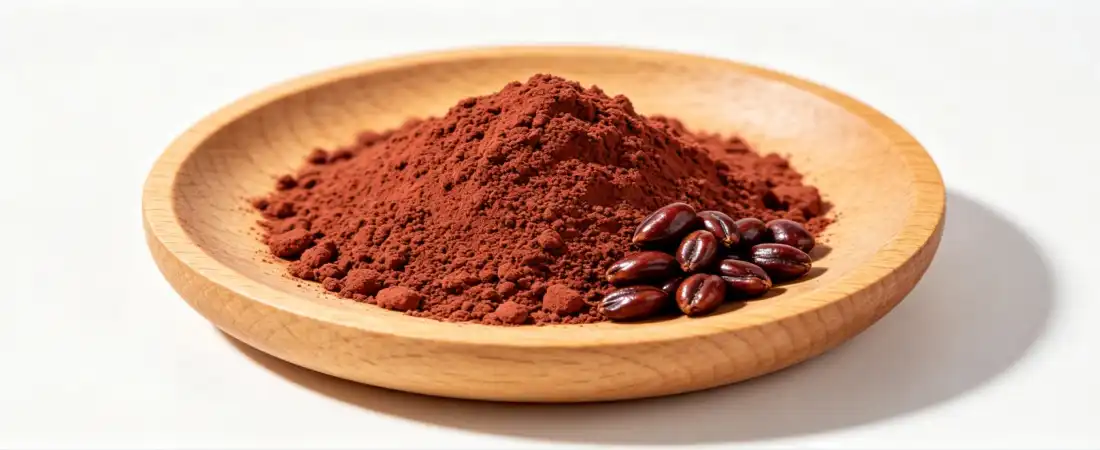
Introduction
Grape seed extract is used in numerous health products worldwide. This is because it fights free radicals effectively. Daily antioxidant intake is crucial for health. They combat oxidative stress and safeguard cell structures from metabolic and environmental damage. This guide was created for business-to-business buyers including sourcing directors, R&D managers, and technical specialists who require credible grape seed extract solutions. Knowing how a market operates, quality standards, and seller options may assist individuals choose antioxidant substances that fulfil law and consumer expectations in a competitive market.
Understanding Grape Seed Extract and Its Antioxidant Benefits
How Proanthocyanidins Neutralize Free Radicals
Unstable free radical molecules get electrons from proanthocyanidins. Chain reactions that harm DNA, proteins, and lipids are prevented. This biological activity makes grape seed extract the first line of defence against long-term oxidative stress, which causes metabolic issues and ageing. Human researchers discovered proanthocyanidins, notably dimers and trimers, accessible. The body can swiftly transport them to various parts. So, they may be utilised in daily vitamin programs.
Comparing Antioxidant Efficacy Across Botanicals
Grape seed proanthocyanidins absorb ORAC faster than vitamin E or green tea catechins, according to research. Each quantity of active substance performs better, improving safety. In addition to antioxidants, the best grape seed extract improves capillary function and controls blood pressure. These methods improve lipid levels and LDL cholesterol oxidation, according to the National Center for Complementary and Integrative Health. This makes them perfect for heart-health companies.
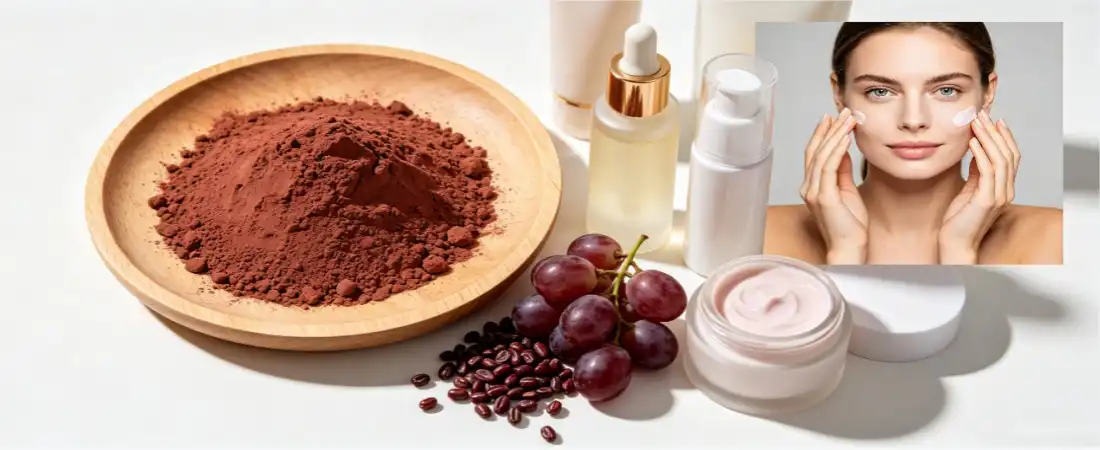
Criteria for Selecting the Best Grape Seed Extract for Daily Use
Standardization and Potency Levels
HPLC or UV-Vis spectroscopy are used to measure proanthocyanidin in excellent grape seed solutions. Standardised products with 95% OPCs provide the maximum antioxidant activity per dosage. This makes them easy to manufacture and reduces the risk of undergiving. Total flavonoid content is another important indicator. Not less than 90%. It shouldn't replace OPC-specific assays since they better predict biological activity.
Purity and Organic Certification Standards
The industry is plagued by low-quality enterprises using peanut skin extract or pine bark to save money. Fourier-transform infrared spectroscopy (FTIR) and high-performance thin-layer chromatography (HPTLC) can verify plant names and prevent fraud. The best grape seed extract is certified organic by the USDA or EU to avoid chemical residues and man-made processing aids. This meets consumer demand for clean labelling and regulatory requirements in major markets.
Product Form and Application Versatility
Grape seed extract powder gives you the most choices for making drink mixes, pill fillers, gummy bears, and other useful foods. Stability tests show that powders that are kept in a controlled environment and are treated correctly stay useful for the normal amount of time. As per USP standards, solvent residue profiles must be met. Water-ethanol extraction methods are favored because they don't use dangerous chemicals like methanol or acetone.
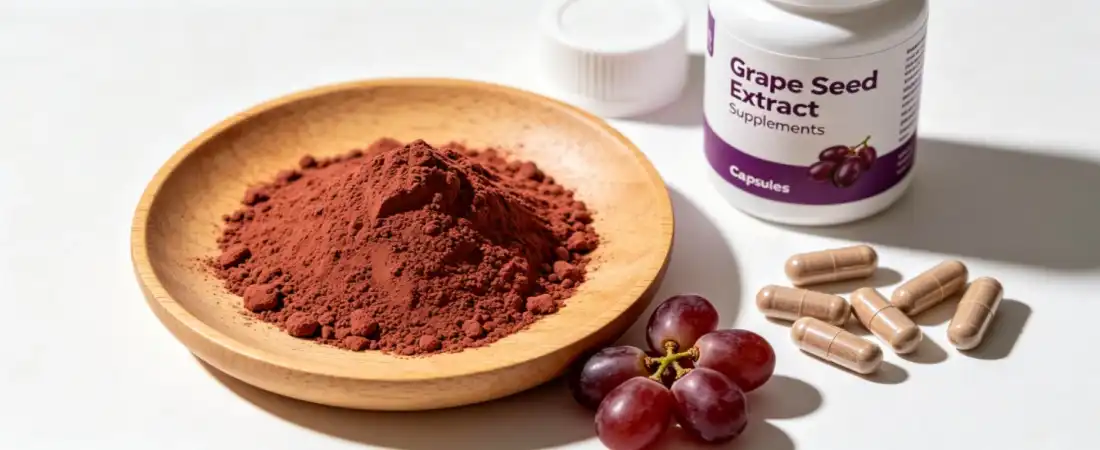
Comparing Top Grape Seed Extract Supplements in 2026
Organic Versus Conventional Extracts
Even though it costs more, organic grape seed extract meets more and more shop and customer needs for pesticide-free products. When cost is a factor, regular extracts might be less expensive as long as they meet the target markets' heavy metal limits and pesticide MRL standards. People who want to buy something need to weigh the pros and cons of license costs and market positioning when moving between these groups.
Extraction Technology and Quality Outcomes
Aqueous ethanol is often used for extraction in this industry. Safety and extraction speed are combined in this procedure. A secret approach to manage temperature, pressure, and solvent may improve proanthocyanidin production and reduce heat-sensitive chemical breakdown. Supercritical CO2 extraction costs more but removes all the liquid, making it ideal for manufacturing pricey recipes for choosy consumers, notably the best grape seed extract.
Form Factor Considerations for Product Development
Capsules are simpler to administer correct amounts but cost more and require more processes. Powder for ready-to-mix beverages or gifts may be purchased in bulk to save money. Some forms are unstable. Liquid concentrates may require refrigeration or stabilisers to stay safe. However, dried extracts preserve better. In stick packs, beauty-from-within bags, and plant-based health mixes, powders must mix effectively with water and not sink to the bottom.
Procurement Guide: Where and How to Buy the Best Grape Seed Extract
Identifying Qualified Bulk Suppliers
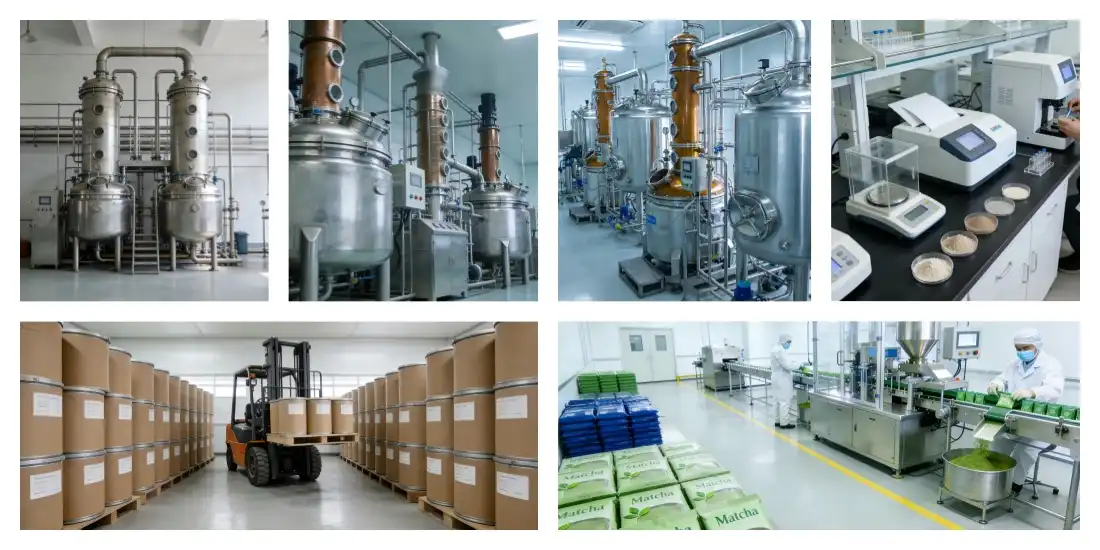
Working directly with vertically integrated manufacturers may improve pricing, provide professional advice, and maintain supply. Having raw materials on hand lets you complete urgent requests in 2–4 working days. This is crucial for meeting production goals and responding swiftly to demand changes. Consider where you live. Long-standing plant extraction hub suppliers have superior transportation infrastructure and export-market legal understanding.
Evaluating Certifications and Testing Protocols
Buyers should insist that suppliers test each batch for OPC, heavy metals (lead, cadmium, mercury, arsenic), bacteria, and pesticide residues. Verification by a third-party lab at an authorised facility improves reliability and reduces testing. Kosher and Halal certifications allow firms that serve stringent religious groups enter additional markets with the best grape seed extract.
Pricing Dynamics and Negotiation Strategies
There are different prices for 95% OPC grape seed extract on the market right now. The price range depends on whether the extract is organic, the size of the order, and the terms of the deal. When you sign a long-term supply deal, you usually get better prices and make sure that goods get to the right places at the right time. To get accurate figures of the total landed cost, buyers should get detailed prices that include the MOQ, payment terms, and who is responsible for shipping.
Embedding Grape Seed Extract Into Your Product Line: Practical Applications
Nutraceutical Supplement Formulations
Heart health products usually have 150 to 300 milligrams of 95% OPC extract per serve, which is the same amount that was used in clinical studies. When omega-3 fatty acids, CoQ10, or resveratrol are mixed with grape seed extract, the antioxidant profiles work better together. This makes the product appealing to people who care about their health. This group is mostly made up of pills and tablets, but young people especially are really liking chewable sweets right now.
Functional Beverage and Food Applications
Drinkmakers like the best grape seed extract since it doesn't alter when heated and performs well in acidic settings like sports drinks and fruit juices. The component adds a subtle sourness that complements berry and grape flavours. It also provides the vitamin content listed on the packaging. Grape seed extract helps clean-label marketing and distinguishes top SKUs in instant drink mixes, protein shakes, and nutrition bars.
Cosmeceutical and Beauty-From-Within Products
Because grape seed proanthocyanidins protect collagen, they work well with beauty items and skin care ideas that help fight aging. Brands that want to get into the growing beauty-from-within market use the fact that grape seed extract works as both an antioxidant inside the body and a collagen preserver on the outside to make their product stories more interesting. Some big markets let companies make structure-function claims about skin health as long as they have the right proof to back them up.
Conclusion
To choose the finest grape seed extract for daily antioxidant usage, consider its science and availability. Free radical protection is better with high-potency 95% OPC products. Clinical evidence supports heart and skin health advantages. Quality testing, an organic licence, and open communication with merchants reduce fraud and satisfy changing regulatory criteria. Many natural health companies employ grape seed extract to stand apart. Because of its application in nutraceuticals, functional foods, and cosmetics. Procurement teams must ensure vendors' reliability, competent assistance, and well-developed quality systems. This strengthens supply lines for new products and market expansion.
FAQ
1. What dosage of grape seed extract provides effective antioxidant support?
Most clinical investigations on circulation employ 150 to 300 mg of a 95% OPCs-standardized extract. Low doses of 100 mg may keep antioxidants active. Only your doctor may prescribe higher amounts to address specific health issues. Bioavailability depends on intestinal health and other nutrients taken together. However, many groups absorb controlled high-potency extracts similarly.
2. How can buyers verify grape seed extract authenticity and purity?
Asking for batch-specific Certificates of Analysis with HPLC or HPTLC fingerprints verifies the plants' identity and eliminates fillers like peanut skin extract. ICP-MS testing for heavy metals and chemical residue comparison to permissible limits are two further approaches to ensure quality. Accredited laboratories testing for a third party may prove anything impartially. Real suppliers are glad to supply much information. They will describe the extraction process, examine the liquid waste, and provide microorganism test findings.
3. Are there safety considerations for long-term grape seed extract use?
Clinical studies demonstrate grape seed extract is quite safe. Heavy users reported slight gastrointestinal issues. Elements don't get more hazardous with time. If you use anticoagulants, see your doctor since certain mixes might affect platelets. Grape allergies are rare, although sensitive individuals may have them. Labelling and cross-contamination laws apply to items created in toxic environments.
Partner With NT Biotech for Premium Grape Seed Extract Supply Solutions
With our unique extraction methods, we get the most proanthocyanidin out of the material while also getting rid of any liquid that is left over. This makes the product more stable and soluble, which helps it work better. The fact that each batch comes with all the necessary paperwork makes it easy to send to officials and pass customer checks. NT Biotech is your technical partner that cares about the success of your product, whether you need bulk powder for drinks, help with custom recipes, or OEM solutions that can be scaled up. Our team can be reached at info@newthingsbiotech.com to talk about your needs with trained experts who know how hard it is to find the best grape seed extract provider in the market today.
References
1. Bagchi, D., Bagchi, M., Stohs, S.J., et al. "Free radicals and grape seed proanthocyanidin extract: importance in human health and disease prevention." Toxicology, vol. 148, no. 2-3, 2000, pp. 187-197.
2. Feringa, H.H., Laskey, D.A., Dickson, J.E., Coleman, C.I. "The effect of grape seed extract on cardiovascular risk markers: a meta-analysis of randomized controlled trials." Journal of the American Dietetic Association, vol. 111, no. 8, 2011, pp. 1173-1181.
3. Yamakoshi, J., Saito, M., Kataoka, S., Kikuchi, M. "Safety evaluation of proanthocyanidin-rich extract from grape seeds." Food and Chemical Toxicology, vol. 40, no. 5, 2002, pp. 599-607.
4. Shi, J., Yu, J., Pohorly, J.E., Kakuda, Y. "Polyphenolics in grape seeds—biochemistry and functionality." Journal of Medicinal Food, vol. 6, no. 4, 2003, pp. 291-299.
5. Nassiri-Asl, M., Hosseinzadeh, H. "Review of the pharmacological effects of Vitis vinifera (grape) and its bioactive constituents: an update." Phytotherapy Research, vol. 30, no. 9, 2016, pp. 1392-1403.
6. Shenoy, S.F., Poston, W.S.C., Reeves, R.S., et al. "Weight loss in individuals with metabolic syndrome given DASH diet counseling when provided a low sodium vegetable juice: a randomized controlled trial." Nutrition Journal, vol. 9, no. 8, 2010.