- English
- French
- German
- Portuguese
- Spanish
- Russian
- Japanese
- Korean
- Arabic
- Greek
- German
- Turkish
- Italian
- Danish
- Romanian
- Indonesian
- Czech
- Afrikaans
- Swedish
- Polish
- Basque
- Catalan
- Esperanto
- Hindi
- Lao
- Albanian
- Amharic
- Armenian
- Azerbaijani
- Belarusian
- Bengali
- Bosnian
- Bulgarian
- Cebuano
- Chichewa
- Corsican
- Croatian
- Dutch
- Estonian
- Filipino
- Finnish
- Frisian
- Galician
- Georgian
- Gujarati
- Haitian
- Hausa
- Hawaiian
- Hebrew
- Hmong
- Hungarian
- Icelandic
- Igbo
- Javanese
- Kannada
- Kazakh
- Khmer
- Kurdish
- Kyrgyz
- Latin
- Latvian
- Lithuanian
- Luxembou..
- Macedonian
- Malagasy
- Malay
- Malayalam
- Maltese
- Maori
- Marathi
- Mongolian
- Burmese
- Nepali
- Norwegian
- Pashto
- Persian
- Punjabi
- Serbian
- Sesotho
- Sinhala
- Slovak
- Slovenian
- Somali
- Samoan
- Scots Gaelic
- Shona
- Sindhi
- Sundanese
- Swahili
- Tajik
- Tamil
- Telugu
- Thai
- Ukrainian
- Urdu
- Uzbek
- Vietnamese
- Welsh
- Xhosa
- Yiddish
- Yoruba
- Zulu
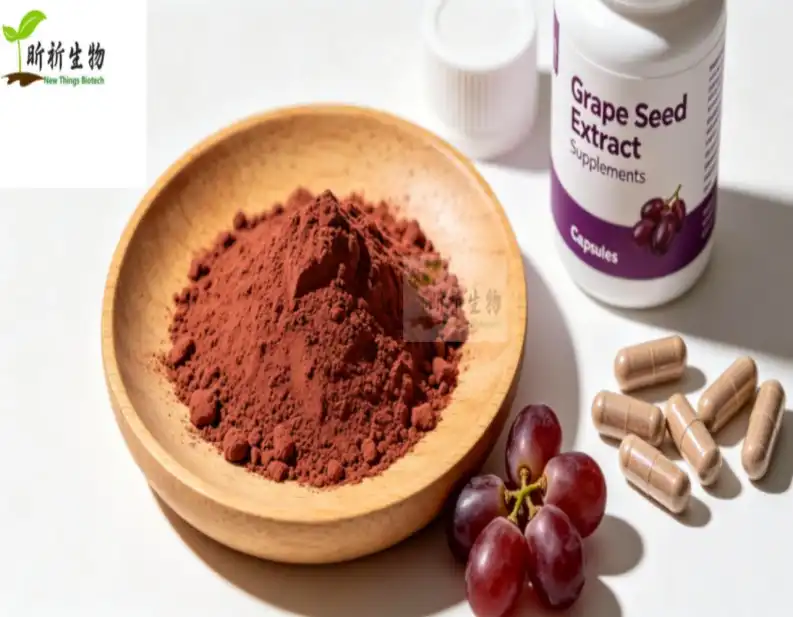
Grape seed OPC is a powerful antioxidant. Vitis vinifera seeds produce it. Free radicals are eliminated better by flavan-3-ol dimers, trimers, and tetramers than vitamins C and E. Uniquely, OPC is bioavailable and passes the blood-brain barrier. This antioxidant protects neurones and cells better than others. Vitamin, drink, and health product makers need standardised grape seed extract with 95% OPC.
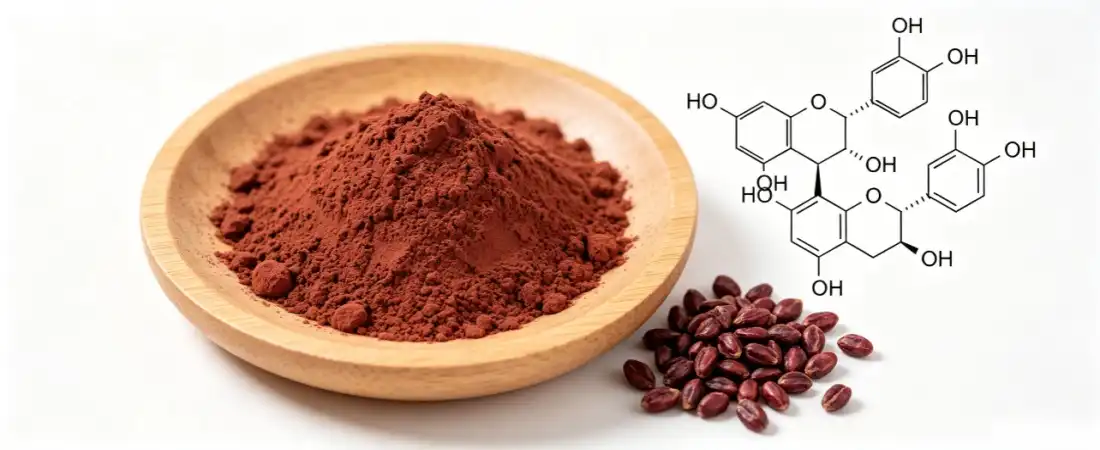
Understanding OPC: What Makes Grape Seed OPC a "Super Antioxidant"?
The Chemical Structure Behind the Power
Unique bioflavonoids called oligomeric proanthocyanidins are made up of joined catechin and epicatechin units. Generic grape seed preparations might have high-molecular-weight tannins that are hard to absorb, but real OPC is all about shorter oligomeric chains. These smaller molecules are easily broken down by water and quickly reach target areas by absorbing through the gut wall. Molecular nutrition studies research backs up the idea that OPC molecules with lower levels of polymerisation are more bioactive than bigger polyphenolic compounds.
Superior Antioxidant Mechanisms
The name "super antioxidant" comes from Grape seed OPC's amazing ability to fight off many types of free radicals at the same time. Vitamin C mostly works in watery places, and vitamin E protects fatty membranes. Proanthocyanidins, on the other hand, work well in both watery and oily places. Clinical tests using ORAC assays regularly show that standardised grape seed extract with 95% OPC has antioxidant levels that are much higher than those of most plant-based chemicals. Because it works well in two different environments, it is very helpful for formulators who are making goods that target oxidative stress in different cellular systems.
Cardiovascular and Skin Health Applications
The National Center for Complementary and Integrative Health has records of several human clinical studies that looked at how OPC affected heart signs. Studies show that it has good effects on triglyceride levels, diastolic blood pressure, and the oxidation of LDL cholesterol. However, the exact effects depend on the amount and the way the studies were set up. In addition to helping the heart, dermatologist study shows that OPC helps protect collagen and elastin from UV damage. This is why it is becoming more popular in beauty-from-within products. These two perks make product stories more appealing for companies that want to reach health-conscious customers.
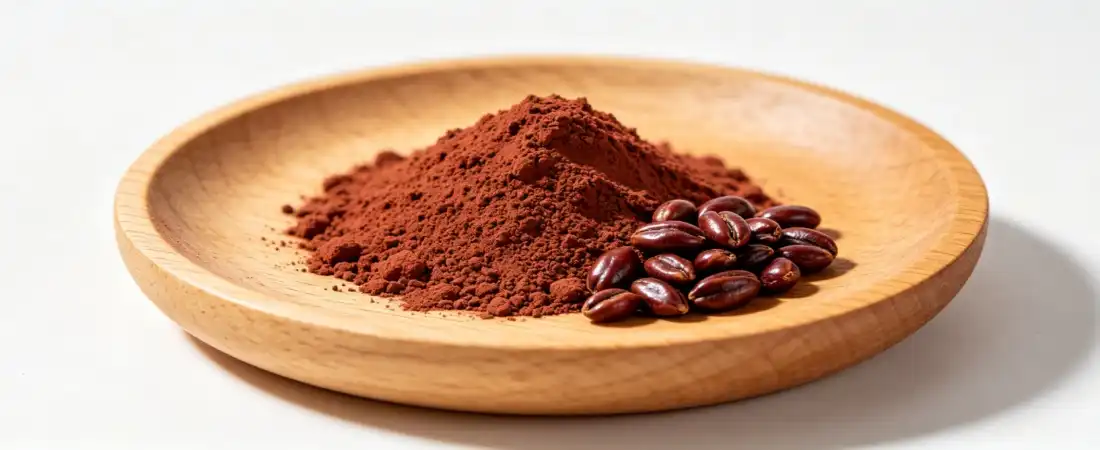
Key Factors in Choosing the Best Grape Seed OPC Supplements for B2B Procurement
Distinguishing Quality Specifications
Procurement experts must distinguish between "95% total polyphenols" and "95% OPC." while evaluating suppliers. The Folin-Ciocalteu colorimetric technique measures all phenolic compounds, including slower-bioavailable tannins, and many firms declare total polyphenol concentration. Check real 95% OPC standards using HPLC or gel permeation chromatography, which properly quantifies oligomeric components. Buyers should request certificates of analysis that indicate the product's polyphenol and oligomeric proanthocyanidin content to verify authenticity.
Product Form Considerations
Program formats must vary. Pills and tablets benefit from a fine red-brown powder under 80 mesh. Good beverage water-soluble granules. Organic certification helps clean-label goods, although the same formulas work with ordinary extracts that satisfy pesticide residue restrictions (USP 561 compliance). Cost and business position may collide when selecting organic or conventional grape seed opc. Organic standards are popular with luxury health companies. Functional food firms aiming to save costs may use proven typical farmed ingredients.
Purity and Adulteration Prevention
Market monitoring has discovered that cheaper pine bark extract or peanut skin polyphenols are used to tamper with goods. Reliable merchants utilise HPTLC fingerprinting and FTIR spectroscopy to identify real plants and avoid fakes. Vitis vinifera's unique flavonoid markers establish its authenticity. Business-to-business purchasers should favour those that employ sophisticated authentication techniques as quality control. Lack of testing facilities frequently indicates supply chain security issues.
Procurement Insights: How to Source High-Quality Grape Seed OPC for Your Business
Evaluating Manufacturer Credentials
Besides company permits, reliable grape seed extract suppliers need additional talents. ISO9001 certification indicates long-standing quality management systems, whereas KOSHER and HALAL standards let niche products reach new clients. Manufacturing facilities should retain complete batch records to monitor raw ingredients from source to packaging. Companies that immediately provide third-party testing data and communicate are more dependable during scale-up periods, when formula homogeneity is crucial.
Pricing Structures and MOQ Flexibility
The wholesale price of 95% OPC grape seed extract varies on its extraction method, organic status, and order size. Traditional extracts are mid-range, whereas organic ones are more expensive. The minimum purchase size is usually 25 kilos, however certain specialist suppliers may aid with grape seed opc product development with lower trial volumes. Buyers should include shipping, customs taxes, and storage fees when comparing kilogram prices. Brands with several SKUs benefit from suppliers offering large drums and smaller, split volumes.
Quality Assurance Protocols
Ensure bioavailability and potency throughout manufacturing runs is a major procurement concern. Manufacturers that employ established extraction settings, regulated fluid systems (ideally water- or ethanol-based instead of acetone-based), and documented quality checks throughout the process get more dependable outcomes. Request microbiological contamination requirements, heavy metal limitations (lead, arsenic, and mercury below 10 ppm total), and liquid residue testing. Suppliers may make reliable shelf-life claims and storage advice for manufactured items when they provide solid data on product effectiveness under diverse storage settings.
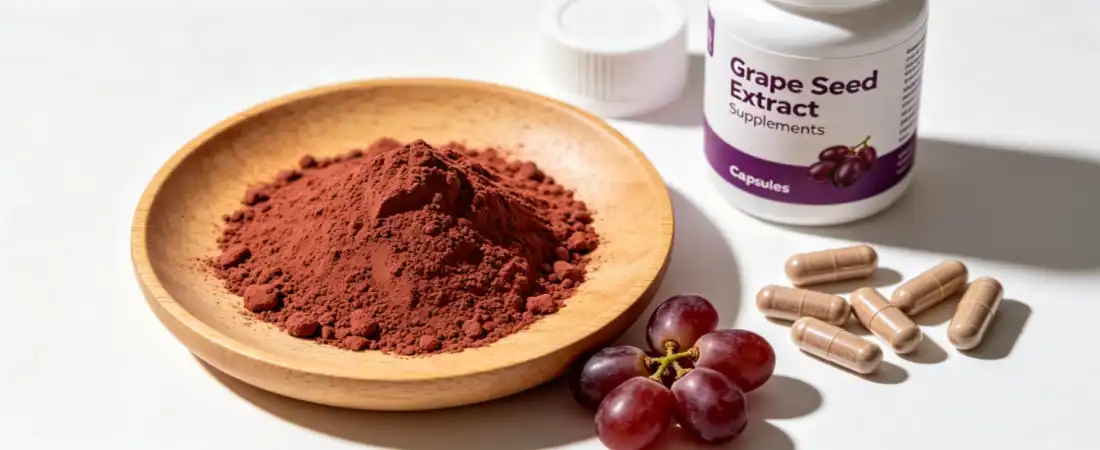
Scientific and Safety Considerations in Using Grape Seed OPC
Clinical Evidence and Efficacy Data
Recently thorough grape seed proanthocyanidin randomised controlled studies show their various health advantages. Meta-analyses in cardiovascular journals found that 300–600 mg daily helped high blood pressure individuals lower their systolic blood pressure. Different reactive medicine studies show lower lipid peroxidation and better capillary function. Researchers think results vary according to extract standardisation, dose, and study subjects. Evidence-based product claims should be expected by consumers.
Safety Profile and Contraindications
Grape seed extract is safe in humans, with only slight gastrointestinal issues at large doses. Medical literature doesn't identify significant negative effects with typical supplementation. Grape seed opc influences platelet function, hence it may interact with blood thinners. Responsible manufacturers encourage consumers to consult their physicians before using prescription medications. Markets have distinct standards for following. US dietary supplement laws vary from European food supplement laws. Business-to-business buyers may appropriately position items by understanding these jurisdictional shifts.
Stability and Formulation Compatibility
OPC compounds are stable at beverage industry pasteurisation temperatures, particularly below 4.0 pH. Long-term high heat exposure might break down oligomeric structures or cause undesired polymerisation. Makers of helpful beverages should assess their drinks' stability in processing environments. Grape seed extract powder absorbs water readily, therefore it must be kept and handled carefully. Desiccators inhibit moisture absorption that causes oxidation and product stiffness in fibre bins with double-lined plastic packing.
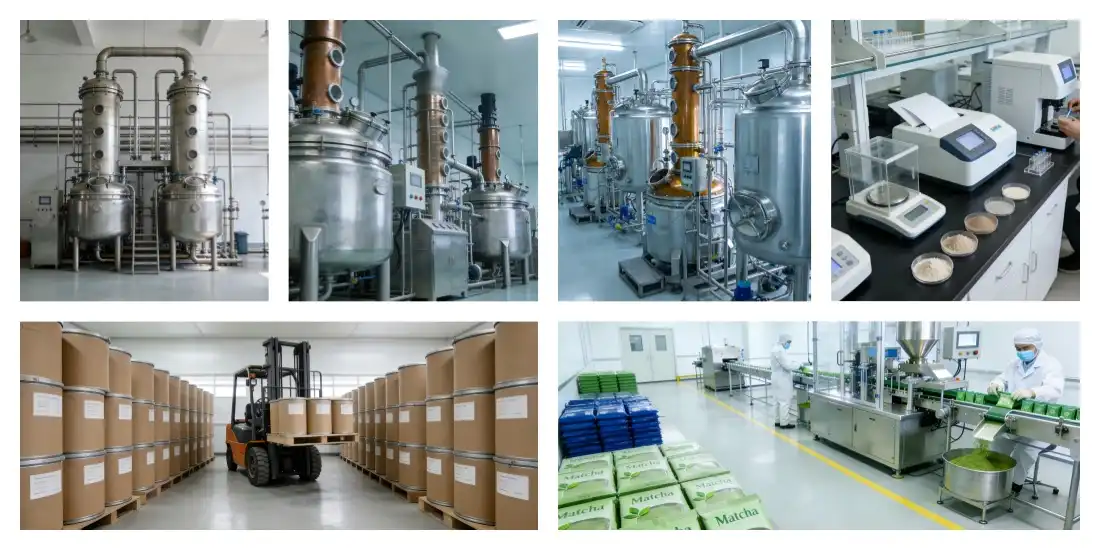
Practical Application Guide: Integrating Grape Seed OPC into Your Product Line
Nutraceutical and Supplement Formulations
Putting 95% OPC extract into pills, tablets, and powder mixes makes it easy to get the product to market. The usual amount is between 100 mg and 300 mg per serve, which gives good antioxidant support without being too expensive per dose. Coupled with other heart-healthy plants, like hawthorn berry or Coenzyme Q10, this ingredient makes complete recipes that appeal to people who care about their heart health. Brands that are making daily health blends can use OPC's dual cardiovascular and anti-aging messaging to make marketing statements that reach a wide range of consumers.
Functional Beverage Development
Grape seed opc extract that dissolves in water opens up new markets for ready-to-drink antioxidant drinks, drink mixes, and useful water boosters. It's easy to mix in because the flavour isn't too strong, but some formulators add berry or citrus flavours to balance out the faint grape notes. When creating the look of a beverage, the natural red-brown colour should be taken into account. This colour works well in drinks with fruity flavours or a health focus, but it might need to be covered up with something in clear or light-colored drinks. Stability testing over the predicted shelf life makes sure that the product's strength and look are kept.
Cosmetic and Topical Applications
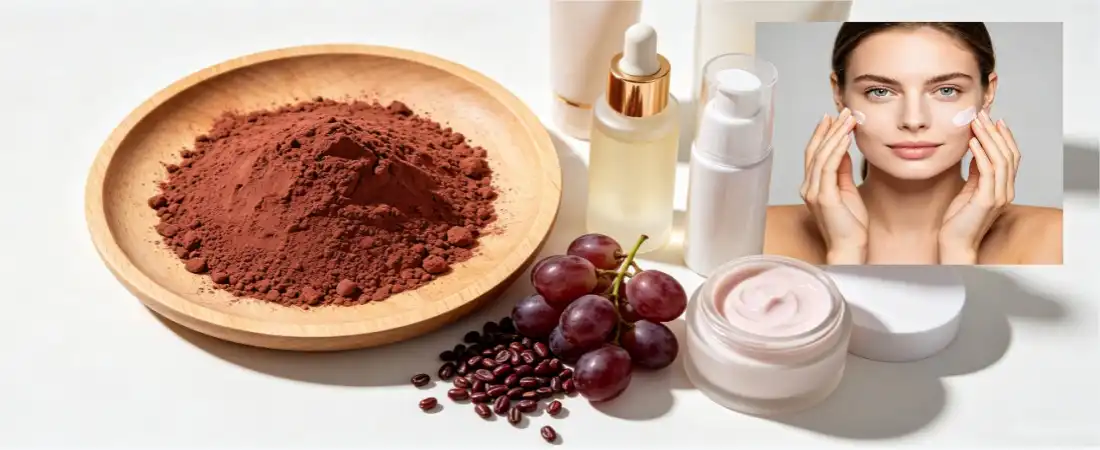
Beauty-from-within ideas that use grape seed OPC take advantage of the growing interest in makeup that you can eat. Proanthocyanidins have been shown to protect against UV light and help collagen stay intact, which makes them an appealing ingredient for skin health vitamins. Most versions mix OPC with hyaluronic acid, ceramides, or marine collagen to target more than one way that the skin ages. Marketing plans stress science support while using clear language that appeals to people who are interested in health rather than medical professionals. This sensible method builds trust without turning off buyers who aren't tech-savvy.
Conclusion
Grape seed OPC is one of the best plant antioxidants because it is very bioavailable, helps many systems, and has a strong science base. For business-to-business buyers in the vitamin, functional food, and cosmetics industries, getting high-quality 95% OPC extract means paying close attention to how it is standardised, how pure it is, and how reliable the seller is. Because the substance can be used in pills, drinks, and beauty products, and because it looks good on clean labels, it is a good choice for brands that want to attract health-conscious customers. Knowing the difference between total polyphenols and true oligomeric content, along with the right authentication methods, helps make sure that choices about what to buy have real medicinal value and set you apart in the market.
FAQ
1. What distinguishes 95% OPC from standard grape seed extract?
Standard grape seed products often have a mix of polyphenols, some of which are big molecules of tannin that are hard for the body to absorb. A 95% OPC standard means that the product mostly has low-molecular-weight oligomers, like dimers and pentamers, which are better absorbed by cells. To achieve this level of standardisation, more complex testing methods are needed than simple colorimetric tests. These include HPLC. The higher oligomeric content means that products are better at getting rid of free radicals and working as therapeutics.
2. How can buyers be sure that a product is real?
For authentic proof, HPTLC fingerprinting or FTIR spectroscopy must be used to prove that the plant is Vitis vinifera and not a replacement. Suppliers you can trust give you certificates of analysis that show both the Folin-Ciocalteu total polyphenol readings and the specific oligomeric proanthocyanidin measurement by gel permeation chromatography. The fact that there are no peanut skin marks and grape-specific flavonoid levels shows that the product is real. Ask for more than one batch analysis to check for accuracy.
3. What storage conditions maintain OPC potency?
Keep grape seed extract powder in cases that can't get wet and are covered tightly. Keep it below 25°C and in places with low humidity. Because the material is hygroscopic, it can absorb water, which can lead to rusting and clumps. Double-layered wrapping with desiccants keeps things from going bad while they're being shipped or stored. When kept properly, material stays active for 24 months, and regular ORAC testing shows that its antioxidant capacity stays the same.
Partner with NT Biotech for Premium Grape Seed OPC Supplier Solutions
Pharmaceutical-grade organic grape seed extract powder standardised to 95% OPC and 90% total polyphenols is NT Biotech's speciality. Our unique extraction techniques maximise oligomeric production while maintaining biological purity for supplement and functional food application. With over 10 years of plant extraction knowledge, we provide more than raw materials. We also provide comprehensive professional collaborations to construct your product. Our ISO9001, KOSHER, and HALAL standards ensure compliance in many global markets. While versatile, our OEM solutions can fit your particular formulation demands. Available stock enables you execute orders quickly—usually within two to four days after confirmation—with minimum 25 kilogram amounts and free samples. Each batch has detailed analysis proving its purity, potency, and safety. Whether you are making anti-aging cosmetics, antioxidant drinks, or supplements for the heart, our quick team can help you with technical paperwork and application advice to make sure your products start successfully. Get in touch with our buyers at info@newthingsbiotech.com to talk about how our grape seed OPC for sale can improve your next recipe with clean-label antioxidant power that has been proven by science.
References
1. Bagchi, D., et al. (2020). "Molecular mechanisms of cardioprotection by proanthocyanidins: Therapeutic applications in cardiovascular health." Journal of Cardiovascular Pharmacology and Therapeutics, 25(4), 293-310.
2. Cos, P., et al. (2019). "Proanthocyanidins in health and disease: Structure, bioavailability, and evidence-based therapeutic applications." Phytotherapy Research, 33(10), 2463-2481.
3. Ferreira, D. and Li, X. (2021). "Oligomeric proanthocyanidins: Chemistry, pharmacology, and clinical applications in dietary supplements." Natural Product Reports, 38(6), 1131-1167.
4. Pinent, M., et al. (2018). "Bioactivity of grape seed procyanidins in metabolic syndrome: Mechanisms and clinical implications." Molecular Nutrition & Food Research, 62(18), 1800460.
5. Sapwarobol, S. and Adisakwattana, S. (2019). "Grape seed extract as a therapeutic agent: A comprehensive review of clinical efficacy and safety profile." Complementary Therapies in Medicine, 43, 281-290.
6. Zhang, H., et al. (2022). "Standardization and quality control of grape seed proanthocyanidin extracts: Analytical challenges and regulatory considerations for botanical ingredients." Journal of AOAC International, 105(2), 412-428.