- English
- French
- German
- Portuguese
- Spanish
- Russian
- Japanese
- Korean
- Arabic
- Greek
- German
- Turkish
- Italian
- Danish
- Romanian
- Indonesian
- Czech
- Afrikaans
- Swedish
- Polish
- Basque
- Catalan
- Esperanto
- Hindi
- Lao
- Albanian
- Amharic
- Armenian
- Azerbaijani
- Belarusian
- Bengali
- Bosnian
- Bulgarian
- Cebuano
- Chichewa
- Corsican
- Croatian
- Dutch
- Estonian
- Filipino
- Finnish
- Frisian
- Galician
- Georgian
- Gujarati
- Haitian
- Hausa
- Hawaiian
- Hebrew
- Hmong
- Hungarian
- Icelandic
- Igbo
- Javanese
- Kannada
- Kazakh
- Khmer
- Kurdish
- Kyrgyz
- Latin
- Latvian
- Lithuanian
- Luxembou..
- Macedonian
- Malagasy
- Malay
- Malayalam
- Maltese
- Maori
- Marathi
- Mongolian
- Burmese
- Nepali
- Norwegian
- Pashto
- Persian
- Punjabi
- Serbian
- Sesotho
- Sinhala
- Slovak
- Slovenian
- Somali
- Samoan
- Scots Gaelic
- Shona
- Sindhi
- Sundanese
- Swahili
- Tajik
- Tamil
- Telugu
- Thai
- Ukrainian
- Urdu
- Uzbek
- Vietnamese
- Welsh
- Xhosa
- Yiddish
- Yoruba
- Zulu
When purchasing and research and development managers look for strong antioxidants found in plants, grape-seed OPC always comes out on top. This standardised extract, especially at a strength of 95% oligomeric proanthocyanidin, is much better at getting rid of free radicals than most other antioxidants. If B2B buyers who are making dietary supplements, functional drinks, or cosmetics understand the science behind grape seed OPC, they can make goods that make strong claims about their effectiveness and are backed up by clinical proof. This article talks about the technical benefits, quality standards, and real-world uses of this plant extract that make it so important in today's health and fitness market.
Understanding Grape Seed OPC – A Comprehensive Overview
The Molecular Advantage of Oligomeric Proanthocyanidins
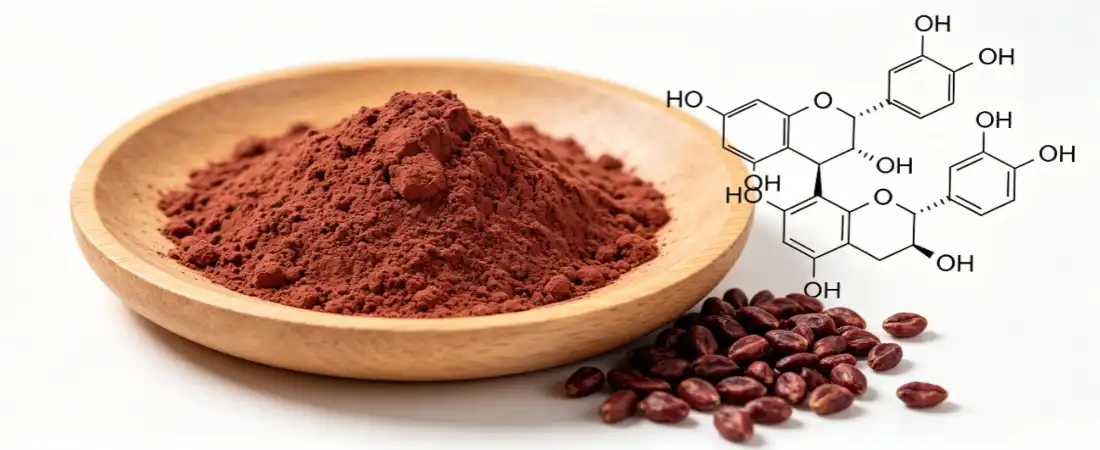
Oligomeric proanthocyanidins are made up of small chains (usually dimers to pentamers) of flavan-3-ol units that are connected by carbon bonds. This molecule shape lets it pass quickly through the walls of the intestines without needing to be broken down by enzymes. According to a study in the Journal of Agricultural and Food Chemistry, OPCs reach their highest level in the blood within 60 minutes of being taken by mouth, which is a lot faster than polymeric tannins.
Bioavailability is directly related to the degree of polymerisation. Total polyphenol extracts may say they have high percentages, but only the oligomeric part is beneficial. High-Performance Liquid Chromatography (HPLC) and Gel Permeation Chromatography (GPC) are advanced analytical methods that can tell the difference between measuring polyphenols and measuring real OPC content. This is an important thing for producers who care about quality.
Superior Bioavailability Compared to Alternative Antioxidants
Bioavailability affects how well a product works when it needs to have measurable antioxidant action. Grape seed OPC is better at absorption than a number of famous options. Since vitamin C is water-soluble, it needs to be taken more often because the body gets rid of it quickly through urine. Resveratrol is hard to absorb; in normal forms, bioavailability is often less than 1%. Lipid carriers are needed for CoQ10 to be taken in properly.
These problems can't happen with grape-seed OPC because of its special molecular size and ability to attract water. Clinical tests show bioavailability rates of 15 to 25 percent, which is a lot better than the bioavailability rates of many plant antioxidants. This benefit directly affects the efficiency of formulation—lower doses are needed to get the desired results, which lowers the cost-per-serving while keeping the product's performance.
Health and Cosmetic Benefits of Grape Seed OPC for B2B Clients
Cardiovascular Support and Metabolic Health
Human clinical studies have looked at how grape seed extract affects lipid levels and blood pressure control. Meta-analyses reported in Pharmacological Research show that systolic blood pressure drops by an average of 6 to 8 mmHg and LDL cholesterol oxidation resistance gets better. These benefits come from OPC's ability to boost the production of endothelial nitric oxide, which opens up blood vessels and improves circulation.
These results support formulation strategies that combine grape-seed OPC with additional ingredients such as magnesium or omega-3 fatty acids for B2B clients who are trying to reach people who are interested in metabolic health. The ingredient is great for multi-component cardiovascular solutions because it has a bland flavour and stays stable in capsule structures.
Skin Health and Cosmeceutical Applications
The cosmetics business rates ingredients with known biological function more and more. In vitro and clinical studies have shown that grape seed OPC stops the extracellular matrix from breaking down by blocking the collagenase and elastase enzymes. A study in the journal Skin Pharmacology and Physiology showed that taking oral OPC supplements for 12 weeks increased skin flexibility by 17% compared to a dummy.
These qualities are also helpful for topical formulas. Grape-seed OPC offers dual protection against UV-induced oxidative stress and obvious signs of ageing when added to anti-aging serums or protective creams. Because the extract is stable in emulsion systems (pH 4.0–6.5), formulators can keep it effective for the full 24-month shelf life.
Comparing Grape Seed OPC with Other Antioxidant Solutions
Antioxidant Capacity and Molecular Stability
Oxygen Radical Absorbance Capacity (ORAC) testing is a normal way to measure antioxidants. Depending on how it was extracted, grape-seed OPC has ORAC values ranging from 5,000 to 7,000 μmol TE/gram. This is better than vitamin E by a large amount and is similar to green tea catechins (about 1,500 μmol TE/gram).
Another important factor is molecular stability under normal production settings. When vitamin C is exposed to heat, light, or an alkaline pH, it breaks down quickly. Green tea polyphenols also break down quickly in water unless they are protected by chelating agents. Spray-drying, tableting pressures above 2,000 PSI, and heat pasteurisation cycles up to 85°C don't affect the structure of grape-seed OPC. This is a useful benefit that lowers the complexity of formulations and the cost of production.
Product Format Considerations
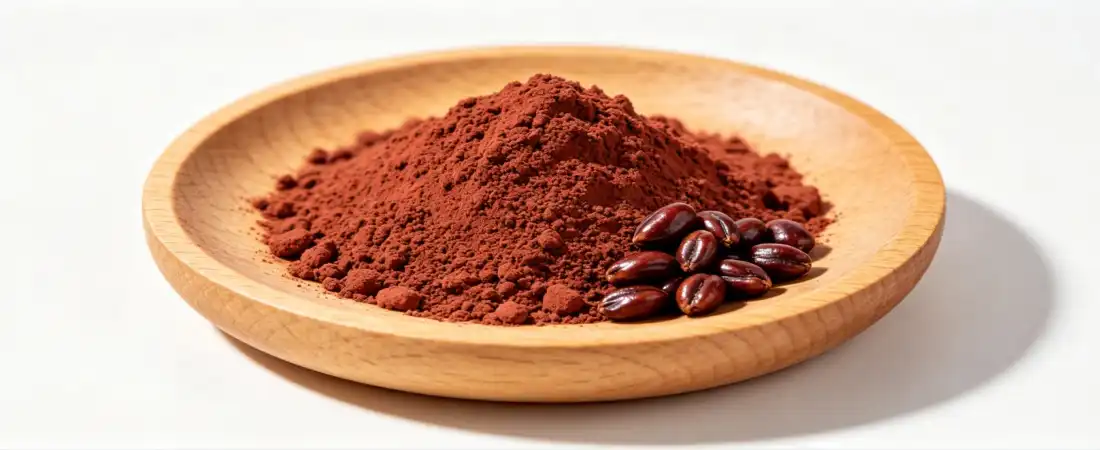
The shape of grape seed OPC affects how it is made and what the finished result is like. The typical colour of 95% OPC extracts is a reddish-brown powder that mixes easily in both water-based and dry blends. The way particles are distributed affects how quickly they dissolve. For example, D50 values below 80 microns are needed to make sure that substances dissolve completely in beverages after 60 seconds of shaking.
The extract has great flow qualities and works well with veggie capsule shells, which is helpful for encapsulation projects. People who make drinks like how high-quality OPC extracts dissolve totally without cloudiness or sedimentation, which can happen with lower-grade polyphenol mixes that have too many tannin fractions.
How to Source and Purchase High-Quality Grape Seed OPC 95% Extract
Critical Quality Verification Parameters
Suppliers you can trust give you detailed scientific reports that show the difference between the total polyphenol content (calculated using the Folin-Ciocalteu method) and the real OPC concentration (measured using HPLC). This difference stops the usual mistake in the market where 95% polyphenol extracts are sold as 95% grape-seed OPC, which is a big difference in terms of bioavailability and therapeutic value.
Authenticity testing keeps cheaper sources like peanut skin oils or pine bark from being used to make fake products. High-Performance Thin-Layer Chromatography (HPTLC) fingerprinting shows patterns that are only found in Vitis vinifera. The lack of certain flavonoid markers (which are present in adulterants) further proves the plant's identity. Buyers should ask for testing results that are special to the batch and show that it meets these accuracy standards.
Certifications and Supply Chain Transparency
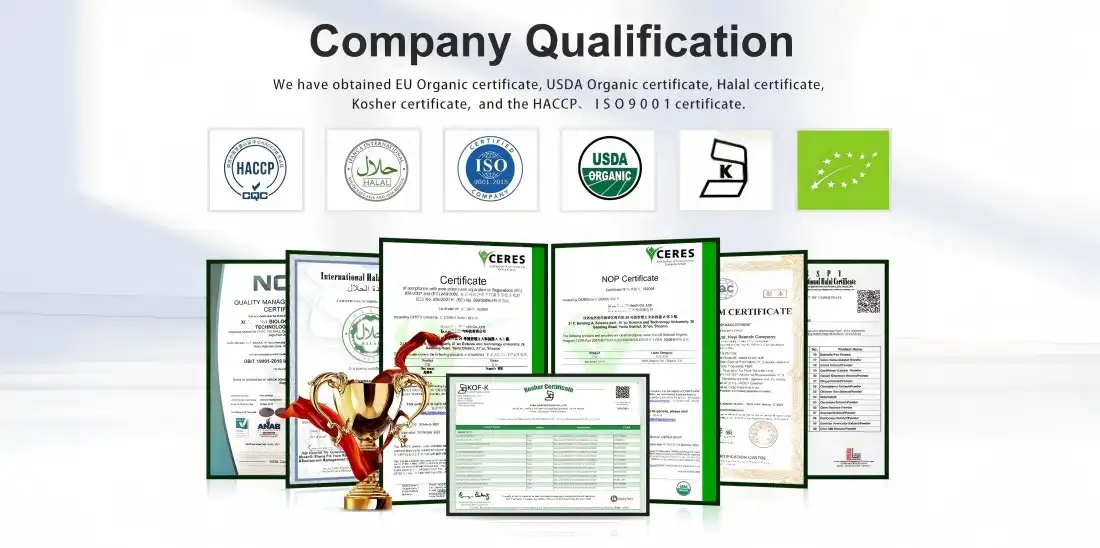
Global licenses make it easier to get into markets and guarantee quality processes. ISO9001 approval proves that manufacturing processes and quality control rules are followed consistently. The markets that goods aimed at specific groups of people can reach have grown thanks to KOSHER and HALAL approvals. Organic approval, which comes with a higher price tag, is appealing to companies that sell natural and clean-label goods.
Traceability paperwork that links finished extract to specific harvests of grape seed OPC shows that the supply chain is being managed. Leading providers keep records that show where the raw materials come from, the batch numbers used for extraction, and how they are stored. This level of openness helps with recall processes and regulatory checks.
Practical Guide to Using Grape Seed OPC Extract in Your B2B Products
Dietary Supplement Formulations
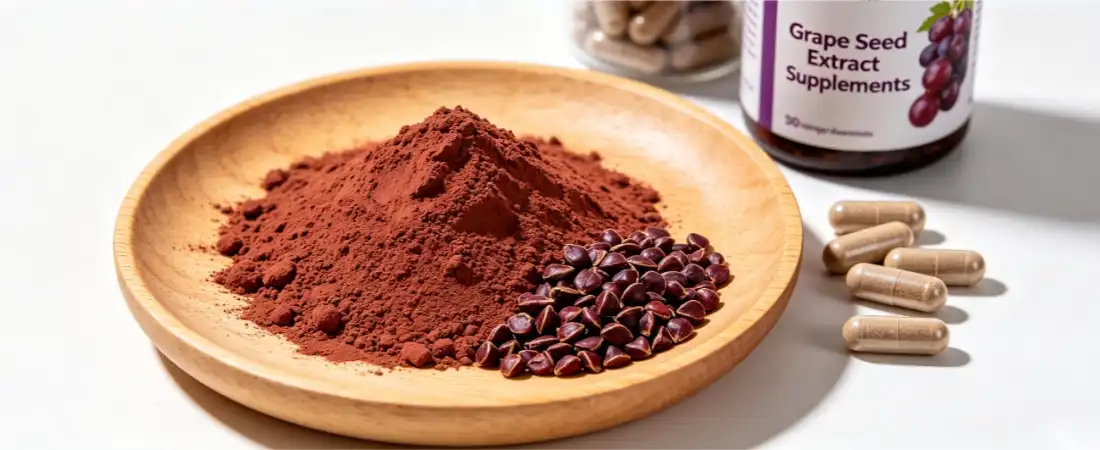
For circulatory support, the usual daily dose is between 100 mg and 300 mg, which is usually given in the form of two-piece hard pills or tablets. The extract works well with popular fillers like microcrystalline cellulose, magnesium stearate, and silicon dioxide, which makes it easier to make more of them. Stability tests show that grape-seed OPC that is properly encapsulated stays 95% effective for 24 months at 25°C/60% relative humidity, which is in line with the ICH stability standards for food supplements.
Functional beverage development requires attention to how they dissolve and how they taste. Grape-seed OPC doesn't add much colour (a small amber tint at normal doses) or astringency when it's made correctly. For beverage-grade standards, there should be full solubility without precipitation over a 12-month shelf life. This is usually achieved by using precision filtration when making the extract.
Cosmetic and Personal Care Applications
Topical formulations use grape seed OPC's anti-aging and antioxidant qualities by adding it at levels between 0.5 and 3% in finished goods. When the pH level is between 4.0 and 6.5, the extract works well and is compatible with most cream and serum recipes. When making leave-on goods, stability tests should make sure that the OPC content stays above 90% of the starting level after three months at 40°C, which is higher than normal storage conditions but still likes them.
Conclusion
Grape seed OPC 95% extract is a highly proven and useful ingredient for companies making health and wellness goods that need to be competitive. Its high solubility, known benefits for the heart and skin, and ability to be mixed in a variety of ways meet important needs in the dietary supplement, functional food, and cosmetics industries. To make a buying process go smoothly, you need to pay attention to quality checks, supplier certifications, and technical standards that are specific to the application. Procurement professionals get raw materials that turn scientific promise into marketable product benefits by working with honest sellers who provide full paperwork and quick technical support.
FAQ
1. What distinguishes 95% OPC from 95% polyphenol extracts?
Grape-seed OPC standards only measure oligomeric chains (dimers to pentamers) that may penetrate digestive barriers, unlike total polyphenol assays, which contain larger tannin molecules that aren't readily absorbed. This difference impacts bioavailability. Grape-seed OPC extracts have measurable plasma concentrations and therapeutic advantages, unlike generic polyphenol combinations that pass through the digestive system. B2B purchasers should insist on HPLC or GPC OPC testing instead of Folin-Ciocalteu polyphenol assays.
2. How can buyers detect adulteration with cheaper botanical sources?
Peanut skin and pine bark contain proanthocyanidins, although their chemical fingerprints vary. HPTLC shows Vitis vinifera has distinct band patterns, whereas adulterants have different flavonoid markers. Trustworthy suppliers provide batch-specific HPTLC chromatograms and FTIR spectra to establish plant identification. Asking for these identity documents during seller qualification prevents ingredient substitutions that reduce product efficacy or contravene the regulations.
3. What storage conditions prevent degradation and caking?
Grape-seed OPC is hygroscopic and must be dry. Double-lined plastic bags in fibre drums endure 24 months when stored below 25°C in low-humidity environments. Desiccant packets prevent powder from oxidising and hardening during shipment. Manufacturers should immediately store extract in a climate-controlled environment and carefully seal containers after usage.
Partner with NT Biotech for Premium Grape Seed OPC Supply
NT Biotech sells certified organic grape seed OPC extract powder that is standardised to 95% OPC and 90% polyphenols.It is extracted from Vitis vinifera seeds using particular methods to maximise oligomeric concentration and purity. ISO9001, KOSHER, and HALAL certification guarantees our red-brown powder satisfies global standards for nutritional supplements, functional foods, and cosmetics. We offer supply chain stability for tight deadlines with in-stock materials that may be delivered in two to four days, 25 kilogram minimum orders, and free samples for approved projects. Our experts answer queries within two hours and give formulation suggestions and batch Certificates of Analysis. Contact info@newthingsbiotech.com to discuss your requirements with an experienced grape-seed OPC provider that is dedicated to quality, openness, and service based on partnerships.
References
1. Bagchi, D., et al. "Molecular Mechanisms of Cardioprotection by Proanthocyanidins from Grape Seeds." Pharmacological Research, vol. 47, 2003, pp. 463-471.
2. Cos, P., et al. "Proanthocyanidins in Health Care: Current and New Trends." Current Medicinal Chemistry, vol. 11, 2004, pp. 1345-1359.
3. Pastrana-Bonilla, E., et al. "Phenolic Content and Antioxidant Capacity of Muscadine Grapes." Journal of Agricultural and Food Chemistry, vol. 51, 2003, pp. 5497-5503.
4. Sano, A., et al. "Beneficial Effects of Grape Seed Extract on Malondialdehyde-Modified LDL." Journal of Nutritional Science and Vitaminology, vol. 53, 2007, pp. 174-182.
5. Yamakoshi, J., et al. "Oral Intake of Proanthocyanidin-Rich Extract from Grape Seeds Improves Chloasma." Phytotherapy Research, vol. 18, 2004, pp. 895-899.
6. European Food Safety Authority. "Scientific Opinion on the Substantiation of Health Claims Related to Polyphenols in Olive and Protection of LDL Particles from Oxidative Damage." EFSA Journal, vol. 9, 2011, pp. 2033-2058.