- English
- French
- German
- Portuguese
- Spanish
- Russian
- Japanese
- Korean
- Arabic
- Greek
- German
- Turkish
- Italian
- Danish
- Romanian
- Indonesian
- Czech
- Afrikaans
- Swedish
- Polish
- Basque
- Catalan
- Esperanto
- Hindi
- Lao
- Albanian
- Amharic
- Armenian
- Azerbaijani
- Belarusian
- Bengali
- Bosnian
- Bulgarian
- Cebuano
- Chichewa
- Corsican
- Croatian
- Dutch
- Estonian
- Filipino
- Finnish
- Frisian
- Galician
- Georgian
- Gujarati
- Haitian
- Hausa
- Hawaiian
- Hebrew
- Hmong
- Hungarian
- Icelandic
- Igbo
- Javanese
- Kannada
- Kazakh
- Khmer
- Kurdish
- Kyrgyz
- Latin
- Latvian
- Lithuanian
- Luxembou..
- Macedonian
- Malagasy
- Malay
- Malayalam
- Maltese
- Maori
- Marathi
- Mongolian
- Burmese
- Nepali
- Norwegian
- Pashto
- Persian
- Punjabi
- Serbian
- Sesotho
- Sinhala
- Slovak
- Slovenian
- Somali
- Samoan
- Scots Gaelic
- Shona
- Sindhi
- Sundanese
- Swahili
- Tajik
- Tamil
- Telugu
- Thai
- Ukrainian
- Urdu
- Uzbek
- Vietnamese
- Welsh
- Xhosa
- Yiddish
- Yoruba
- Zulu
Procurement professionals know that plant extracts differ when looking for organic components for functional food and beverage compositions. The best grape seed extract is made from Vitis vinifera seeds and standardised to contain 95% or more OPC. Product quality is not defined by the specification sheet but by the extraction technique which preserves bioactive integrity and avoids solvent residues and allergen cross-contamination. Purity and potency provide the formulation stability, consistent health benefits and clean-label positioning that today’s health-conscious consumers demand.”
Understanding Grape Seed Extract and Its Functional Benefits
Antioxidant Mechanisms and Cardiovascular Support
Grape seed extract is prized in functional food and beverage applications for its high oligomeric proanthocyanidin concentration. These chemicals reduce oxidative stress and cell damage by neutralizing free radicals. LDL oxidation inhibition, associated to cardiovascular risk, is a crucial mechanism. Grape seed extract may improve blood flow and heart health by promoting better blood vessels and endothelial function. For clean-label, heart-focused products, the finest grape seed extract is chosen for its excellent bioavailability and sustained antioxidant effectiveness in daily formulations.
Dosage Considerations for Product Development
Bioavailability and therapeutic thresholds are essential for formulation. Clinical trials provide individuals 100–300 mg of the best grape seed extract daily. Higher OPC concentrations enable formulators to reduce inclusion rates, improving product economics and customer compliance with smaller serving amounts. The high polyphenol content—often 90% in premium grades—ensures that even minor inclusion has antioxidant action, as measured by ORAC assay.
Regulatory Compliance and Safety Profiles
Harmonisation of regulation is vital for international B2B purchasers. A good provider of grape seed extract should have Certificates of Analysis (CoA), heavy metal testing results (typically less than 10 ppm), USP-compliant pesticide residue screening and allergy statements. Market entry: GRAS certification under the US and EU food supplement regulations. Safety tests show that products of reputable companies with recognised extraction techniques are well tolerated and have few negative effects.
Comparing Types of Grape Seed Extract for Functional Uses
Organic Versus Conventional Sourcing
Organic grape seed extract is premium in natural product channels where certification validity impacts purchasing decisions. Organic certification requires documentation of the supply chain from vineyard to product to guarantee that no synthetic pesticides or fertilisers were used. This traceability is a plus for companies selling USDA Organic or EU Organic goods. While successful in delivering bioactive compounds, conventional extracts may face consumer mistrust in certain areas despite rigorous quality testing. The choice is driven by target retail channels and brand positioning.
Powder Formulations and Solubility Characteristics
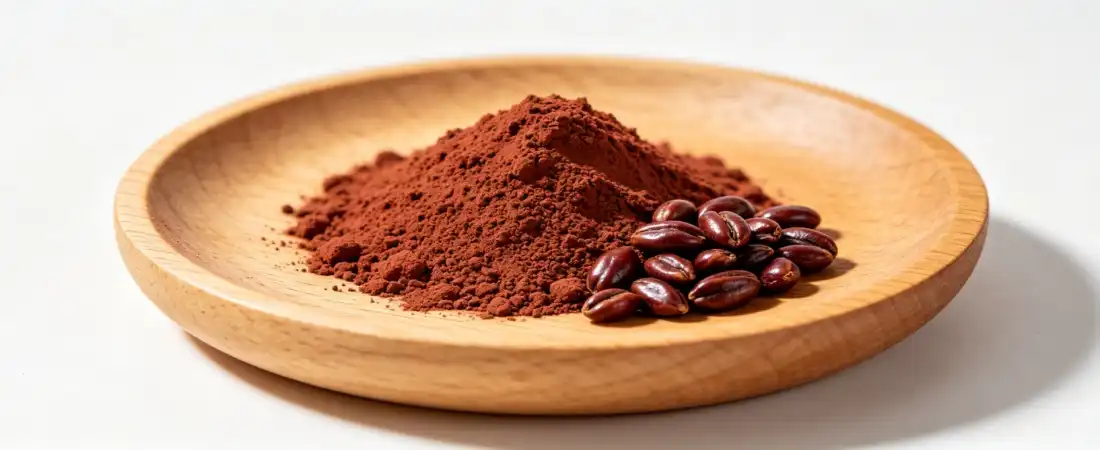
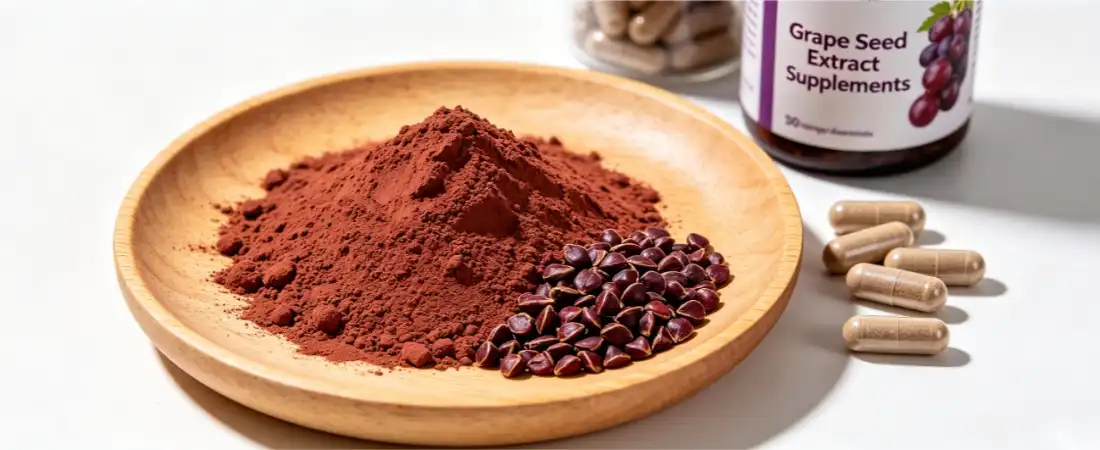
Grape seed extract powder, especially 95% OPC, is versatile in formulation. The best grape seed extract's red-brown colour blends into encapsulated supplements, pressed pills, and beverages when solubilised properly. Solubility in functional drinks depends on pH and carrier systems. Below pH 3.5, beverages are more stable and retain colour. Powder format facilitates inventory management and custom mix production, enabling producers to create many SKUs from one raw material lot.
High-Potency Standards Versus Regular Grades
Cost and health claim substantiation is different for 95% OPC standardisation vs 50-80% proanthocyanidins. Manufacturers may make more antioxidant claims with high-potency extracts based on the clinical-study dosage equivalence. Formulation mathematics sometimes plays into the hands of premium concentrations, yet regular grades are cheaper per kilogram. Procurement teams should be looking at the whole cost of formulation, not the price of raw materials.
Selecting Quality Suppliers for B2B Procurement
Certification Standards and Testing Protocols
Leading providers have comprehensive certification portfolios. ISO9001 quality management systems use of defined SOPs ensures batch to batch reproducibility. Diet-specific clients are attracted to Kosher and Halal certifications. Think about analytical testing capabilities beyond basic certifications, such as HPLC for OPC quantification, TLC for botanical identification and detection of common adulterants (e.g., peanut skin or pine bark extracts) and FTIR for molecular fingerprinting. Such analytical processes are free from economic adulteration, a common industrial issue where inferior goods are swapped to maximise revenues.
Supply Chain Transparency and Traceability
Traceability starts at vineyards. Leading suppliers directly communicate with grape processors on harvest dates, provenance, and treatment. Supply chain visibility is crucial for regulatory enquiries and consumer-facing marketing origin tales. Supplier qualification for the best grape seed extract should include batch genealogy that links final extract to raw material lots. Transparency shows operational sophistication and decreases quality incident supply chain risk.
Bulk Purchasing Flexibility and Minimum Orders
The order flexibility usually determines the business viability. Premium suppliers have imposed a MOQ (minimum order quantity) of 25 kg which aims to maintain production efficiency while yet being accessible for emerging businesses. Volume discounting should be tied to well-defined price breaks at key levels. Suppliers may quickly produce prototypes and test the market with stock for common standards without having to do full production runs. Check the inventory and replenishment cycles of your suppliers and make sure they align with your product development schedule.
Procurement Strategies and Pricing Insights for Bulk Grape Seed Extract
Direct Manufacturer Relationships Versus Trading Platforms
Help is to directly connect to extraction plants Direct sourcing allows for specification and packaging changes, eliminates middleman markups, and offers technical assistance with production expertise. The manufacturers give specific mesh diameters for encapsulation, moisture content for stability and packaging designs for improving the manufacturing. Platforms and distributors are helpful for little experiments or purchasing material from centralised sources, but direct interaction with manufacturers is best for long-term co-operation.
Understanding Price Drivers and Market Dynamics
Raw material availability, wine industry production cycles, seed quality, and organic or speciality testing certification premiums affect grape seed extract cost. Premium 95% OPC standardised organic powder of the best grape seed extract costs $45 to $85 per kilogram at bulk quantities, whereas traditional high-potency versions cost $30 to $60 per kilogram depending on order size and supplier placement. Volume commitments above 500 kg frequently unlock priority pricing. Understanding market dynamics improves budget forecasts and negotiating.
Documentation Requirements for International Compliance
Crossborder shopping might mean a lot of paperwork. With every delivery, order Certificates of Analysis (OPC, total polyphenols, microbiological, heavy metals and pesticide residue test results). Get allergy declarations to deal with cross contamination, particularly since some lesser grade extracts include adulterants from nuts. Check suppliers for the ability to provide country-of-origin certificates and USDA-equivalent organic certification for US importing. This package of documents satisfies the due diligence and customs clearance requirements of downstream customers.
Integrating Grape Seed Extract into Functional Food and Beverage Products
Formulation Compatibility and Stability Considerations
Grape seed extract tablets, capsules, and powder mixtures endure 24 months if stored dry and out of the sun. Beverage applications need more thinking. Astringency and slight bitterness in the extract must be disguised with berry tastes that fit the grape origin story. Acidity improves colour stability and antioxidant preservation. Heat stability during pasteurisation is excellent, although UHT may damage sensitive polyphenols. Increase shelf-life testing early in development to ensure OPC levels endure the projected distribution length.
Dosage Standardization and Label Claims
Clinical study on cardiovascular and antioxidant effects uses 100 to 300 mg daily of the best grape seed extract standardised to 95% OPC. A 150-mg functional beverage needs 0.15 grams of 95% standardised powder per bottle. In the US, structure-function statements avoid illness claims while conveying wellness advantages, whereas EU laws demand proof using authorised health claims databases. To guarantee target market compliance, work with regulatory experts on claim creation.
Real-World Application Examples
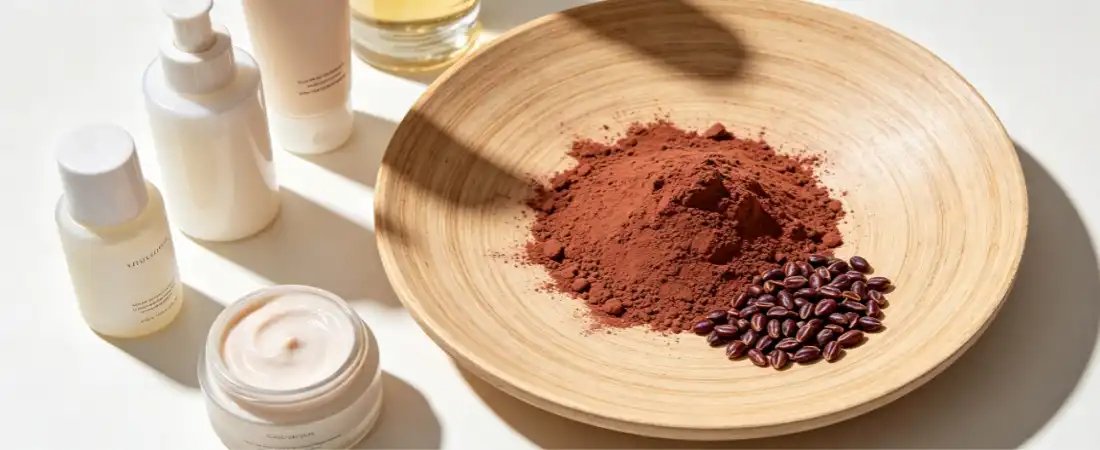
Grape seed extract in wellness shots, athletic recovery drinks, beauty-from-within collagen blends. The powder’s compatibility with pectin and gelatin matrices makes gummy supplements attractive to supplement-averse customers. Daily health powder mixes of grape seed extract, green tea extract and turmeric have synergistic antioxidant profiles. These applications showcase the versatility of the ingredient across culinary categories, while still telling its unique botanical story that resonates with today’s consumers seeking honest, plant-based nourishment.
Conclusion
The best grape seed extract in functional food and beverage applications requires scientific effectiveness, regulatory and supplier dependability. Premium branding is supported by organic certification and extensive testing and high-potency standardisation to 95% OPC delivers concentrated antioxidant capabilities at effective doses. Good procurement also needs the technical competence of the supplier, the consistency of the quality system and the commercial flexibility. The functional food sector is trending towards clean-label and plant-based ingredients with health advantages, and grape seed extract is being used to generate new products. Commodity sourcing cannot replace formulation support, regulatory advice and supply chain stability offered by technical providers.
FAQ
1. What quality standards should I verify when sourcing grape seed extract for food applications?
Check that providers give Certificates of Analysis showing OPC content by validated HPLC techniques, heavy metal levels below 10 ppm, pesticide residue screening passing USP criteria, and microbiological testing. Check botanical identification using HPTLC or FTIR to find adulterants like peanut skin extract. ISO quality management systems and organic certifications recognised in your target markets should be included. These verification processes prevent economic fraud and assure food-grade ingredient safety.
2. How does grape seed extract differ from resveratrol supplements?
Grape seed extract concentrates proanthocyanidins from seeds, whereas resveratrol extracts originate from grape skins. Resveratrol targets cellular lifespan, whereas proanthocyanidins are broad-spectrum antioxidants with cardiovascular effects. Grape seed extract is cheaper and has greater polyphenol contents, making it ideal for functional food fortification. Some premium formulations mix the ingredients for synergy.
3. What is the typical shelf life for organic grape seed extract powder?
When stored properly in sealed containers protected from moisture, light, and heat, organic grape seed extract powder maintains potency for 24 months or longer. The high polyphenol concentration acts as a natural preservative, inhibiting oxidative degradation. Verify that suppliers package material in moisture-barrier containers with inert gas flushing to maximize stability during storage and transportation.
Partner with NT Biotech for Premium Grape Seed Extract Supply
Sourcing the best grape seed extract supplier requires more than comparing price lists—it demands a manufacturing partner who understands the technical complexities of botanical ingredient supply chains. NT Biotech delivers pharmaceutical-grade organic grape seed extract powder standardized to 95% OPC and 90% total polyphenols, backed by ISO9001, Kosher, and Halal certifications that facilitate global market access. Our proprietary extraction methods preserve bioactive integrity while maintaining exceptional batch-to-batch consistency, supported by comprehensive analytical documentation with every shipment. We maintain ready stock for immediate dispatch within two to four days, with flexible packaging options starting at 25-kilogram minimums and complimentary samples available for formulation trials. Contact our technical team at info@newthingsbiotech.com to discuss your specific application requirements, request detailed product specifications, or arrange sample shipments that demonstrate our commitment to quality and service excellence.
References
1. Bagchi, D., et al. "Molecular Mechanisms of Cardioprotection by Proanthocyanidins from Grape Seeds." Journal of Cardiovascular Pharmacology and Therapeutics, 2018.
2. National Center for Complementary and Integrative Health. "Grape Seed Extract: Clinical Evidence and Safety Profile." NCCIH Publication Series on Botanical Dietary Supplements, 2021.
3. Yamakoshi, J., et al. "Safety Evaluation of Proanthocyanidin-Rich Extract from Grape Seeds." Food and Chemical Toxicology, 2019.
4. Rodriguez-Mateos, A., et al. "Bioavailability and Cardiovascular Effects of Grape Polyphenols." Nutrition Reviews, 2020.
5. European Food Safety Authority. "Scientific Opinion on the Substantiation of Health Claims Related to Proanthocyanidins from Grape Seeds." EFSA Journal, 2017.
6. Shi, J., et al. "Polyphenolic Profiles and Antioxidant Activities of Grape Seed Extracts: Processing and Quality Control Considerations." Food Chemistry, 2022.