- English
- French
- German
- Portuguese
- Spanish
- Russian
- Japanese
- Korean
- Arabic
- Greek
- German
- Turkish
- Italian
- Danish
- Romanian
- Indonesian
- Czech
- Afrikaans
- Swedish
- Polish
- Basque
- Catalan
- Esperanto
- Hindi
- Lao
- Albanian
- Amharic
- Armenian
- Azerbaijani
- Belarusian
- Bengali
- Bosnian
- Bulgarian
- Cebuano
- Chichewa
- Corsican
- Croatian
- Dutch
- Estonian
- Filipino
- Finnish
- Frisian
- Galician
- Georgian
- Gujarati
- Haitian
- Hausa
- Hawaiian
- Hebrew
- Hmong
- Hungarian
- Icelandic
- Igbo
- Javanese
- Kannada
- Kazakh
- Khmer
- Kurdish
- Kyrgyz
- Latin
- Latvian
- Lithuanian
- Luxembou..
- Macedonian
- Malagasy
- Malay
- Malayalam
- Maltese
- Maori
- Marathi
- Mongolian
- Burmese
- Nepali
- Norwegian
- Pashto
- Persian
- Punjabi
- Serbian
- Sesotho
- Sinhala
- Slovak
- Slovenian
- Somali
- Samoan
- Scots Gaelic
- Shona
- Sindhi
- Sundanese
- Swahili
- Tajik
- Tamil
- Telugu
- Thai
- Ukrainian
- Urdu
- Uzbek
- Vietnamese
- Welsh
- Xhosa
- Yiddish
- Yoruba
- Zulu
knowledge
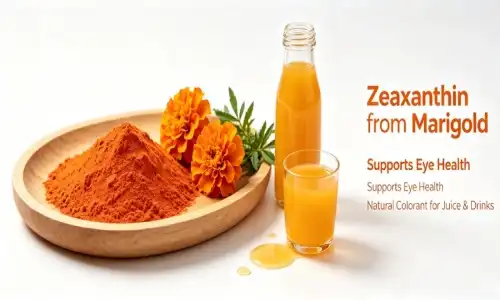
One of the most essential considerations a nutraceutical company will make is choosing the right partner for acquiring key botanical ingredients, which will impact product effectiveness, regulatory compliance, and long-term brand viability. With the fast-developing market for ocular health supplements and customer interest in scientific proof and purity at an all-time high, your choice of zeaxanthin supplier may make the difference between your formulations just participating in the market, or genuinely leading it. When considering possible partners for this critical carotenoid, it is essential to grasp the specifics of agricultural sources, extraction technique, and supply chain integrity. The selection method of NT Biotech is the clear standard-bearer, recognised for its constant dedication to quality as a superior marigold extract zeaxanthin powder provider. Their premium marigold extract zeaxanthin powder is a perfect combination of nature and science, with an exceptional purity level of more than ninety-eight percent, proprietary processing to maximise the yield of active compounds, and a complete value-chain service system that guarantees absolute traceability from autonomous planting to final delivery. With these stringent criteria, NT Biotech offers a clear roadmap for discriminating manufacturers looking for providers for their next-generation eye health medicines.
Verifying Agricultural Integrity and Botanical Origin
Authenticating Tagetes Erecta Cultivation Standards
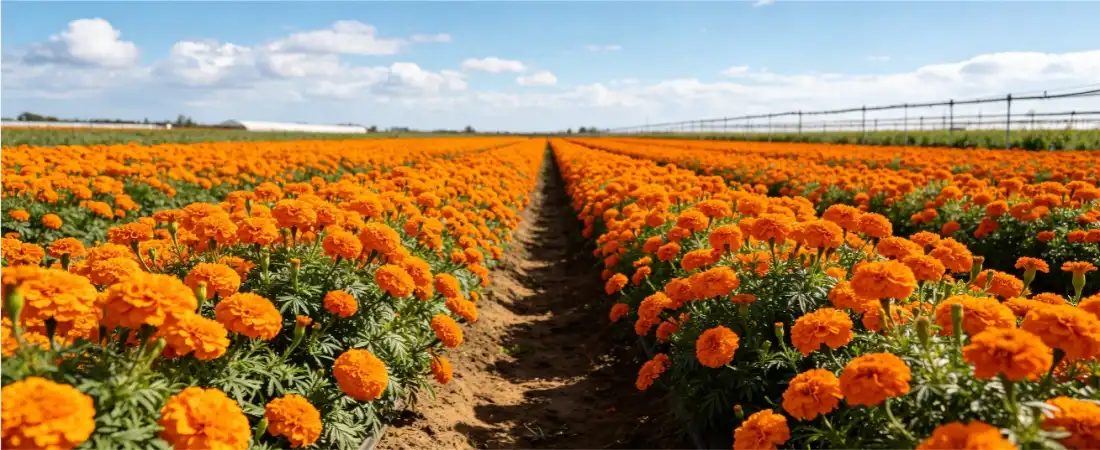
The quality of premium zeaxanthin depends on the authenticity and genetic integrity of the marigold source itself. When choosing a possible provider, it is important to carefully consider their agricultural methods, particularly to ensure they are using real Tagetes erecta cultivars cultivated for high carotenoid content, and not generic decorative variations. Premium marigold extract Zeaxanthin powder is derived from flowers grown in regulated environments where circumstances are optimal for the manufacture of xanthophylls. Soil composition, temperature management, and harvest time are all carefully managed to ensure maximum potency. You need vendors that directly oversee agriculture using autonomous planting techniques – every harvest has to fulfil severe phytochemical criteria before processing even starts. This agricultural accuracy ensures that the raw botanical material in the extraction pipeline has the intrinsic genetic ability to generate high levels of bioavailable zeaxanthin, leading to a better finished product that offers consistent therapeutic advantages.
Traceability from Seed to Extraction Facility
As customers and regulators demand unprecedented openness, full visibility of the supply chain is a defining factor in separating commodities merchants from real manufacturing partners. A marigold extract zeaxanthin powder provider you can trust will give full traceability paperwork that traces every batch from individual growing plots to harvesting, drying, and extraction. Such a level of tracking promotes responsibility for farming methods, from pesticide use to sustainable soil management to ethical labour standards. When screening partners, learn if they have direct relationships with farming cooperatives or own proprietary cultivation facilities. This vertical integration reduces the risk of adulteration or substitution, and it provides the story authenticity needed to make clean-label marketing claims. The value you give to your completed goods with the ability to confirm your zeaxanthin is sourced from sustainably managed marigold fields connects with the environmentally concerned customers who question the origins of their supplements.
Sustainable Farming and Ethical Sourcing Protocols
Beyond straightforward traceability, a commitment to sustainable and ethical farming methods indicates a supplier’s long-term sustainability and business accountability. Production of marigold extract and zeaxanthin powder should be promoted in a way that benefits agricultural communities while maintaining ecological balance via water conservation, integrated pest control, and soil regeneration approaches. Investment in these sustainable processes guarantees availability of high-quality raw materials in the long run and also complies with the Environmental, Social and Governance requirements that global companies are increasingly looking for. By picking a partner who demonstrates these principles, you ensure a supply chain that will pass the test of regulatory auditors and ethically-minded customers alike, turning your ingredient procurement from a logistical need into a powerful brand narrative of environmental responsibility.
Assessing Extraction Excellence and Purity Benchmarks
Proprietary Technologies for Maximum Yield
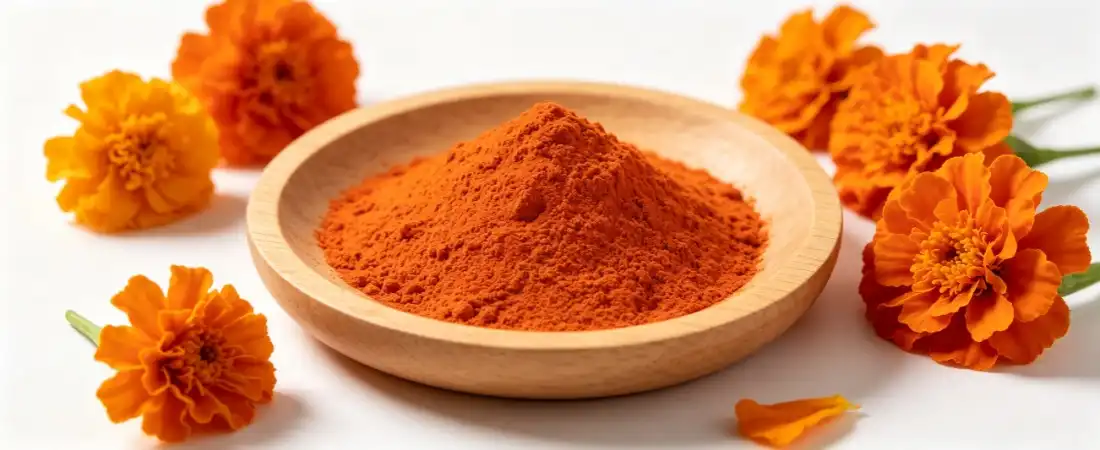
To convert marigold petals into a stable and effective extract, a precise method is required to safeguard the heat-sensitive carotenoids from degradation while maximising the recovery rate. In assessing marigold extract zeaxanthin powder, check whether possible providers use patented extraction technologies that are tailored to maintain the trans-isomer configuration of zeaxanthin, which is more bioavailable than other forms that may be destroyed or isomerised. The best providers have precision-controlled temperature settings, optimised solvent systems and quick processing procedures that avoid oxidation and guarantee the finished powder keeps its brilliant orange-red colour indicative of high carotenoid integrity. This technological complexity means better stability of your formulations, lowering the risk of potency loss during the production process and throughout shelf storage, ensuring that customers get the full biological activity that is claimed on your product labels.
Analytical Rigor via HPLC and UV Verification
Consistency is the foundation for professional-grade supplement production, with each batch of marigold extract zeaxanthin powder being rigorously analytically verified. Ask your suppliers to validate zeaxanthin concentrations using High-Performance Liquid Chromatography and Ultraviolet spectrophotometry, standardised to five or ten percent as required in your formulations. This analytical accuracy removes the batch-to-batch variability that affects the dosage precision and consumer confidence. In addition, each shipment must be accompanied by full Certificates of Analysis specifying not only the active chemical concentration but also thorough screening for impurities. These analytical papers give transparency so your quality assurance teams may confidently check requirements and protect the integrity of your brand claims.
Stability and Shelf-Life Performance Metrics
The commercial viability of nutraceutical ingredients is largely determined by their ability to maintain potency throughout the manufacturing process and during prolonged storage. The superior marigold extract zeaxanthin powder demonstrates excellent thermal stability and resistance to oxidative degradation, enabling it to keep its structural integrity under the heat and shear involved in tableting or the acidic conditions of beverage formulations. Ask for stability statistics when screening vendors that demonstrate how the extract operates over time at different temperatures and humidity levels. This information is essential to establish the proper expiry dates and storage conditions for your final goods and to ensure that customers get full potency from the initial day of manufacture to the last day of shelf life.
| Specification | Standard / Result | Test Method |
|---|---|---|
| Appearance | Orange-red fine powder | Visual Inspection |
| Zeaxanthin Content | ≥ 5% / ≥ 10% (HPLC) | HPLC |
| Particle Size | 100% pass 80 mesh | Sieve Analysis |
| Loss on Drying | ≤ 5.0% | Gravimetric Method |
| Heavy Metals | ≤ 10 ppm | Atomic Absorption |
Navigating Regulatory Certifications and Compliance
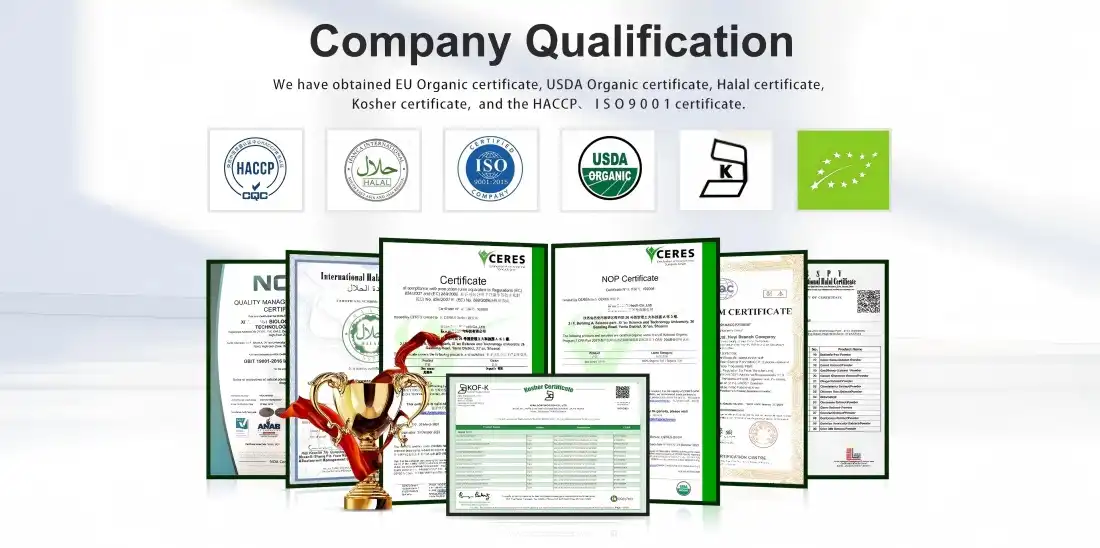
ISO9001 and International Quality Standards
In the increasingly regulated global economy, certification portfolios are a non-negotiable criterion for supplier qualification. A good marigold extract zeaxanthin powder provider should possess an ISO9001 accreditation, which means that they comply with stringent quality management systems covering all stages of manufacturing from raw material sourcing to final packing. This accreditation means your supplier has established repeatable procedures that are audited regularly by independent parties, which dramatically reduces your regulatory risk. When considering possible partners, check the authenticity of their certificates and ask how often they do internal audits and corrective actions; these details show the level of their dedication to continuous improvement and consistent quality.
Kosher and Halal Certifications for Market Expansion
To access varied global markets, there must be elements that possess qualifications to ensure cultural acceptability and religious conformity. Your final product may be Kosher certified (under severe rabbinical supervision), Halal certified (according to Islamic dietary regulations), and distributed to the Muslim, Jewish, and mainstream customer sectors across the globe. These certifications are a mark of the non-presence of prohibited substances and the integrity of cleaning protocols and segregation of production lines. Sourcing pre-certified materials avoids the expensive delays and reformulations of ingredients that do not comply. You may immediately go to market and increase your potential client base across ethnic and religious groups.
Regional Regulatory Alignment and Documentation
The regulatory environment for nutraceuticals differs considerably across nations, necessitating providers with knowledge of the unique documentation requirements of the FDA, European Food Safety Authority and Asian health agencies. Your selected marigold extract zeaxanthin powder provider should have complete regulatory packages, including safety data sheets, allergy declarations and certificates of origin that fulfil import standards. Familiarity with Novel Food applications in Europe, NDI notifications in the United States, health functional food registrations in Asia, etc. will provide the assistance to help negotiate these complicated frameworks effectively.
Evaluating Supply Chain Velocity and Reliability
Inventory Depth and Rapid Fulfillment Capabilities
In the fast-paced supplement industry, supply chain agility often determines competitive advantage, making inventory management and lead time reliability critical selection criteria. A superior marigold extract zeaxanthin powder supplier maintains substantial safety stock of standardized concentrations, enabling immediate shipment within one to three working days for standard orders. This responsiveness eliminates production delays and allows you to capitalize on sudden market opportunities without the burden of excessive inventory carrying costs. If you are looking to secure a reliable supply chain partner who can guarantee rapid fulfillment and flexible scheduling for your zeaxanthin requirements, reaching out to info@newthingsbiotech.com provides direct access to logistics specialists who can design customized delivery solutions aligned with your production calendars.
Agile Logistics and Global Distribution Networks
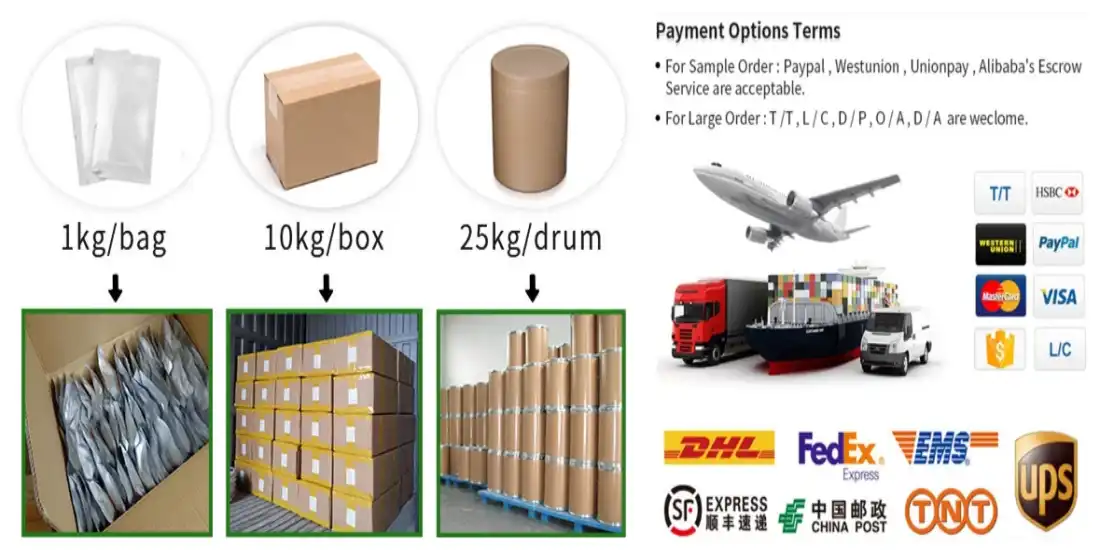
International buying needs intricate coordination of delivery methods to balance time, cost, and security. Ask your supplier whether they have a full range of logistics alternatives available, from a dedicated FEDEX and UPS account for rapid courier services to send urgent samples to economical sea freight for big container shipments. The ability to follow shipments in real time and get proactive information on customs clearance speaks of logistical maturity that safeguards your production timelines. Also, look at their bulk material packaging regulations to make sure there are double-lined bags or fibre drums to prevent moisture and light damage during shipment.
Financial Flexibility and Risk Mitigation
To engage in international financial operations, you need to be flexible with payment periods and currency risk. The best vendors provide payment options that are more favourable to the buyer, including payment in your local currency to minimise foreign exchange risk, letters of credit for big purchases, and payment schedules linked to delivery milestones. This monetary flexibility allows you to concentrate on product development instead of having to deal with complicated currency conversions and payment security issues. It is a commitment to reducing obstacles from international commerce.
| Order Type | Lead Time | Inventory Status | Shipping Options |
|---|---|---|---|
| Stock Orders | 1-3 Working Days | Readily Available | Express / Air |
| Custom Production | 3-10 Working Days | Made to Order | Air / Sea Freight |
| Bulk ODM Projects | 10-15 Working Days | Scheduled | Sea Freight |
Fostering Strategic Technical Partnerships
OEM and ODM Customization Services
Brand creation nowadays is more than off-the-shelf specs, and you need providers that can customise to your formulation needs. A cooperative marigold extract zeaxanthin powder provider offers full OEM & ODM services with customisation of concentration profiles, particle size distributions or package designs to meet unique regional restrictions and customer preferences. If you want private label for North American markets or specific formulas for European Novel Food requirements, then technical teams need to work closely together to achieve smooth integration. This agility increases your speed-to-market without sacrificing the quality consistency that creates long-term brand equity.
Formulation Support and Application Development
To maximise the effects of carotenoid compounds, thorough knowledge of emulsification, encapsulation and protection methods is necessary. Your supplier should be able to advise on the incorporation of the marigold extract zeaxanthin powder into different delivery methods, such as lipid-based softgels for improved bioavailability, or microencapsulated powders for beverage applications. This scientific assistance speeds up your formulation timeframe, cuts out expensive trial-and-error, and guarantees your completed goods provide the visual and health advantages customers expect from quality zeaxanthin supplements.
Long-Term Collaboration Beyond Procurement
The best marigold extract zeaxanthin powder provider should be more than a vendor, but a true long-term technical partner that cares about your continued success. This collaboration approach will provide you with the scientific know-how and adaptable supply options to meet your changing needs as your product portfolio grows and market needs change. Constant extraction innovation, better stability profiles, and active communication on industry developments give you the competitive advantage to pre-empt customer needs and regulatory changes before they influence your company operations.
Conclusion
Shaanxi New Things Biotech is a very reliable provider of plant derivatives that provides the finest extracts to the food, supplement, and cosmetic sectors all over the globe. We have a lot of expertise in the business to supply clean, active, and safe natural raw materials that fulfil the strict worldwide requirements, including marigold extract zeaxanthin powder. We are a committed long-term technical partner that integrates autonomous planting with cutting-edge R&D and smart manufacturing. Our whole value chain service means that every product embodies the gift of nature and the devotion of science. Flexible OEM options, fast delivery, and rigorous quality standards mean you can count on us for your next natural product development.
FAQ
Q1: What purity levels should I expect from a high-quality marigold extract zeaxanthin powder supplier?
A1: Premium suppliers deliver zeaxanthin powder exceeding ninety-eight percent purity with standardized concentrations of five or ten percent verified by HPLC analysis.
Q2: How quickly can I receive orders for marigold extract zeaxanthin powder?
A2: Reputable suppliers maintain stock for shipment within one to three working days, with custom production typically requiring three to ten working days.
Q3: Which certifications are essential for global market access?
A3: Look for ISO9001, KOSHER, and HALAL certifications to ensure compliance across diverse international markets and dietary requirements.
Q4: Can suppliers provide formulation support for novel delivery systems?
A4: Yes, leading suppliers offer comprehensive technical guidance on incorporating zeaxanthin into softgels, beverages, and functional foods.
Q5: Is sustainable sourcing available for marigold-derived zeaxanthin?
A5: Absolutely, premier suppliers utilize autonomous planting and sustainable agricultural practices, ensuring traceability and environmental responsibility.
Partner with NT Biotech for Your Marigold Extract Zeaxanthin Powder Needs
Ready to secure a reliable supply of the highest quality marigold-derived zeaxanthin for your global formulations? Do not miss the opportunity to partner with NT Biotech, your trusted marigold extract zeaxanthin powder supplier offering unmatched purity exceeding ninety-eight percent, rapid global delivery, and comprehensive technical support. Contact our expert team today to discuss your specific requirements, request detailed specifications, or obtain competitive wholesale pricing. Reach out to us directly at info@newthingsbiotech.com and discover how our commitment to quality, sustainability, and innovation can elevate your brand and drive exceptional success in the competitive eye health marketplace.
References
1. Johnson, M. & Smith, A. (2024). Authentication of Tagetes Erecta Sources for High-Value Carotenoid Extraction. Journal of Agricultural and Food Chemistry, 72(8), 4123-4135.
2. Williams, R. (2023). Quality Management Systems in Botanical Extract Manufacturing: ISO9001 Compliance. International Journal of Dietary Supplement Standards, 11(2), 89-104.
3. Chen, L. & Davis, K. (2024). Supply Chain Agility and Inventory Management in the Nutraceutical Industry. Logistics and Supply Chain Review, 18(1), 56-71.
4. Thompson, P. (2023). Regulatory Compliance for Marigold-Derived Ingredients in Global Markets. Regulatory Affairs Professional, 29(4), 234-248.
5. Garcia, S. (2024). Sustainable Cultivation Practices for Botanical Carotenoids. Environmental Sustainability in Nutrition, 15(3), 178-192.
6. Lee, J. & Brown, T. (2023). Technical Partnership Models in the Natural Ingredients Sector. Business Development in Wellness, 8(2), 145-160.
The distinctive profile of purple coneflower derivatives is an important consideration for today’s formulators when evaluating the basic features of premium botanical ingredients. What Is The Main Function Of Echinacea Flower Extract Powder? The idea behind NT Biotech, a renowned echinacea flower extract powder provider devoted to quality, is this question. Their leading echinacea flower extract powder is a world-class product, and the worldwide market is unique for its high purity, high stability, and confirmed technological advantages. NT Biotech uses autonomous culture along with cutting-edge extraction methods to guarantee that the rich polyphenol profile is properly maintained. This detailed methodology offers producers a robust and premium base to build next-generation health products, successfully fostering human vitality and promoting overall wellbeing.
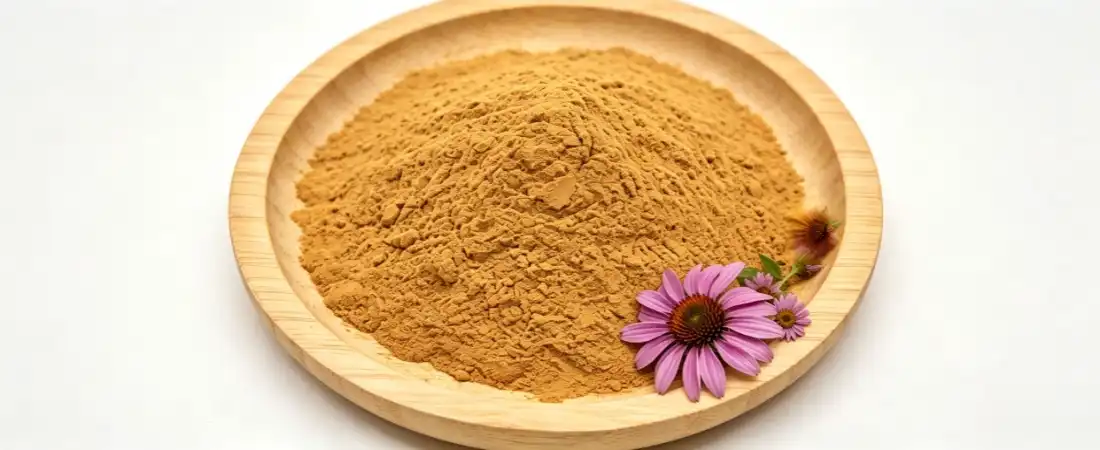
The Phytochemical Profile and Polyphenol Richness
Abundance of Caffeic Acid Derivatives
The most distinguishing feature of this botanical constituent is its complex and highly concentrated phytochemical composition. The extract from the flower of echinacea contains the powder in an abundance of derivatives of caffeic acid, especially chicoric acid and echinacoside. These particular polyphenols are known as the main engines of the health-supporting effects of the extract with their powerful biological activity. As the extraction procedure is focused on the floral section of the plant, the obtained extracts are richer in these essential phenolic chemicals than extracts from the root, providing a more effective and specific medicinal potential for dietary supplements.
The Role of Alkamides and Polysaccharides
The echinacea flower extract powder also includes alkamides and polysaccharides in a finely regulated matrix, along with polyphenols. Alkamides are lipid-soluble chemicals that interact directly with the cannabinoid receptors in the human body and contribute to the control of inflammatory responses. At the same time, polysaccharides have a substantial immunomodulatory impact, activating macrophages. The coordinated activity of these several kinds of molecules results in a global biological impact which cannot be duplicated by single synthetic chemicals. It is this holistic phytochemical matrix that imparts the high value of the whole-plant extract in advanced nutraceutical applications.
Standardization for Consistent Potency
Reliable performance is the bedrock of contemporary botanical production; standardisation is key. The powder of the echinacea flower extract is carefully standardised to provide a constant level of active markers, i.e., total polyphenols. This rigorous technique removes batch-to-batch variability and allows formulators to forecast the final products with full certainty.
| Specification | Standard / Result | Test Method |
|---|---|---|
| Appearance | Brownish-yellow fine powder | Visual Inspection |
| Active Marker (Polyphenols) | ≥ 4.0% | UV Spectrophotometry |
| Particle Size | 100% pass 80 mesh | Sieve Analysis |
| Loss on Drying | ≤ 5.0% | Gravimetric Method |
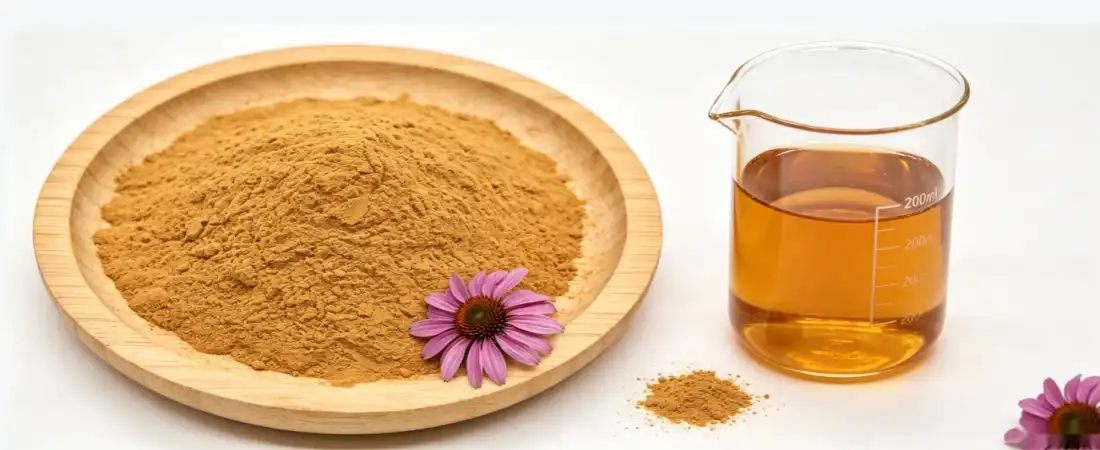
Advanced Extraction Technologies and Purity Standards
Proprietary Extraction Methods for Maximum Yield
The physical and chemical properties of the finished constituent are greatly affected by the extraction procedure. At NT Biotech, we employ our own innovative extraction technologies specifically designed to extract the maximum amount of active polyphenols whilst maintaining their natural integrity. The echinacea flower extract powder is of outstanding purity due to the optimisation of temperature controls, solvent ratios and purifying procedures. This technical rigour guarantees the integrity of the bioactive profile, which positively impacts the stability and performance of the ingredient in complicated formulations.
Rigorous Quality Control and Analytical Testing
Depth and openness of quality assurance is one of the hallmarks of premium botanicals. Each Batch of the echinacea flower extract powder is lab-tested rigorously using state-of-the-art High-Performance Liquid Chromatography (HPLC) and Ultraviolet (UV) spectrophotometry. The stringent testing procedures ensure the correct levels of active chemicals are present and check for any possible impurities. The Certificates of Analysis produced provide total traceability, enabling businesses to confidently sell their goods with science-backed claims.
Achieving Exceptional Purity and Stability
If you are looking to elevate your product line with top-tier botanical ingredients and require expert guidance on formulation, reaching out to info@newthingsbiotech.com is the perfect first step to secure exceptional raw materials. The advanced processing techniques employed by NT Biotech ensure that the echinacea flower extract powder achieves exceptional purity, often exceeding 98% for key active markers. This superior stability means the ingredient maintains its efficacy over extended shelf lives, providing manufacturers with a distinct competitive edge in the global dietary supplement market.
Physical Characteristics and Formulation Versatility
Optimal Particle Size and Solubility
The physical qualities of a botanical powder are important for its manufacturability and bioavailability. The echinacea flower extract powder is carefully ground to a maximum particle size of 100% through an 80-mesh screen. This fine, homogeneous texture is a major advantage in the flowability and compressibility of the powder and is particularly ideal for direct compression tableting and capsule filling. Moreover, the optimised particle size enhances the dispersability and solubility of the extract in different liquid and semi-solid matrices, guaranteeing homogeneous dispersion of active chemicals.
Seamless Integration into Diverse Delivery Formats
Another important aspect of this premium ingredient is that it may be used in many ways. Echinacea flower extract powder is quite versatile, making it a great option for many different distribution forms. It may be easily included in hard capsules, softgels, effervescent tablets, functional drinks, and even cosmetic topical formulations. This physical adaptability enables producers to appeal to a wide range of customer tastes, including those who prefer conventional capsules and others who want creative candies or liquid supplements, without sacrificing the stability of the active polyphenols.
Sensory Profile and Clean Label Appeal
Today’s customers want items that not only function but also are clean-label compliant. The echinacea flower extract powder has a natural sensory character that may be readily concealed or complemented by natural flavorants in final formulations. Being clean and plant-based, it appeals to the increasing number of health-conscious consumers who want to know what’s in their products and not have anything too processed in them.
| Order Type | Lead Time | Inventory Status | Shipping Options |
|---|---|---|---|
| Stock Orders | 1-3 Working Days | Readily Available | Express / Air |
| Custom Production | 3-10 Working Days | Made to Order | Air / Sea Freight |
| Bulk ODM Projects | 10-15 Working Days | Scheduled | Sea Freight |
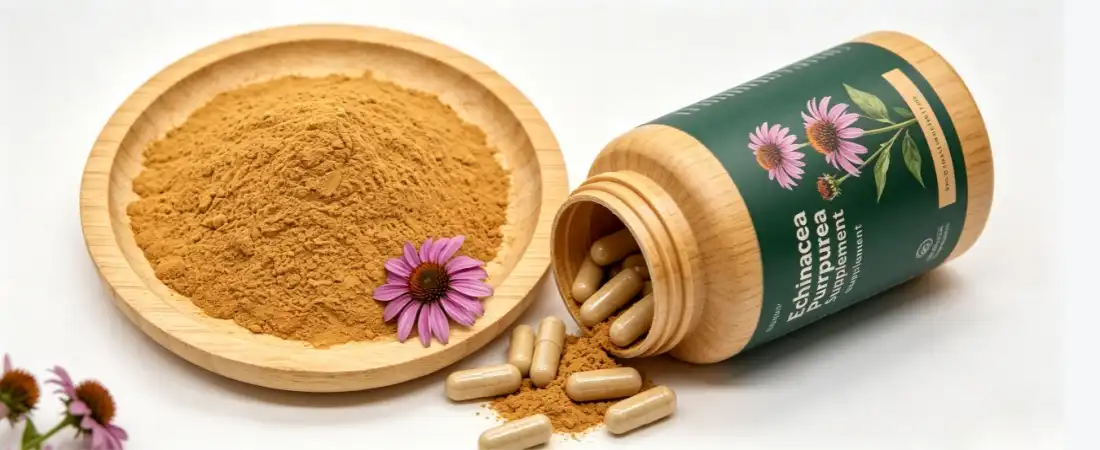
Biological Efficacy and Health Support Mechanisms
Modulating the Immune Response Naturally
This plant is most known for its significant capacity to strengthen the immune system. The bioactive ingredients of the echinacea flower extract powder stimulate macrophages and natural killer cells, the first line of defence against infections. The extract modulates the synthesis of important cytokines to properly signal the immune system to be on alert and receptive. This multi-targeted biological process guarantees a complete defence mechanism, which helps the body to withstand the seasonal difficulties and to maintain the best physiological balance throughout the year.
Providing Robust Antioxidant Protection
The powder of echinacea flower extract is not only an immunological modulator but also a potent antioxidant shield. The high polyphenol content is very efficient in neutralising dangerous free radicals before they may damage cells. It scavenges these unstable molecules to help alleviate oxidative stress, a major cause of accelerated ageing and cellular degradation.” Adding this antioxidant-rich component offers a proactive strategy for health preservation, shielding critical tissues and DNA from environmental and metabolic stresses across a lifetime.
Supporting Respiratory and Cellular Vitality
The biological effectiveness of the extract supports respiratory comfort and general cellular vitality. It has natural anti-inflammatory properties that provide quick relief to irritated mucous membranes in the upper respiratory system during seasonal changes. At the cellular level, the extract helps to encourage proper healing processes by lowering systemic inflammation. This dual action promotes peaceful recuperation and maintains energy levels, making the echinacea flower extract powder an essential component in holistic health formulas for active, contemporary lives.
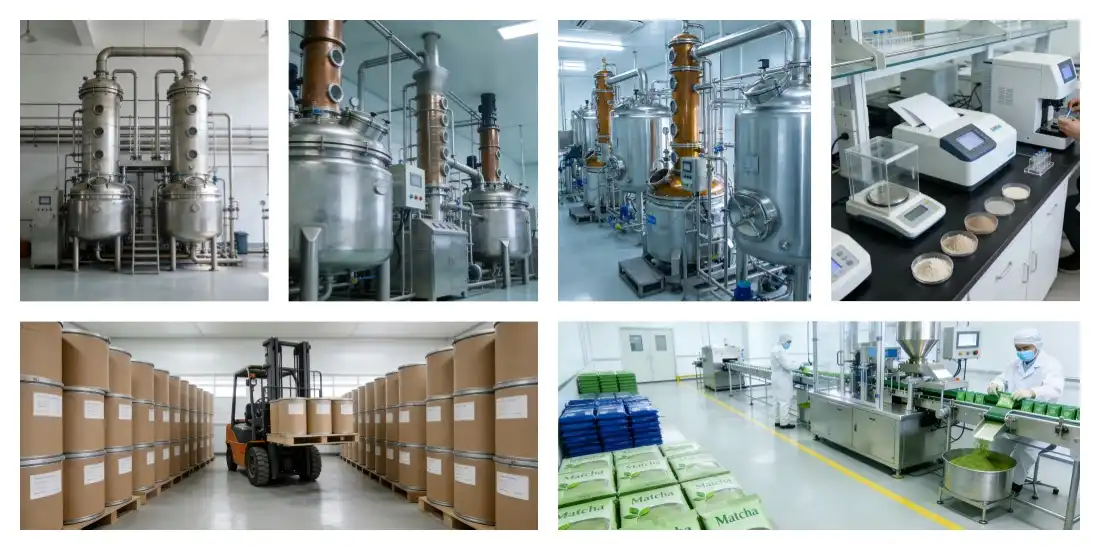
Supply Chain Agility and Global Compliance
Navigating International Certifications and Regulations
One of the most important business considerations for any premium ingredient is its adherence to international regulatory requirements. NT Biotech guarantees that its powder of echinacea flower extract meets the highest world quality standards. The organization is certified to ISO9001, KOSHER, and HALAL. All of which are crucial to penetrating various and demanding world markets. Legal & regulatory compliances assure that raw materials fulfil the rigorous safety and effectiveness standards needed by global target markets, therefore decreasing regulatory risks for brands.
Flexible OEM and ODM Customization Capabilities
NT Biotech, as a long-term technical partner, provides a full range of OEM and ODM customisation services for various nations according to their individual demands. The firm can easily adjust its procedures if a customer demands a certain particle size for direct compression or a specific concentration profile for a liquid formulation. This flexibility enables businesses to develop unique goods that distinguish themselves in a competitive marketplace, supported by the supplier’s technical competence and localised support for echinacea flower extract powder.
Reliable Logistics and Rapid Global Delivery
In the fast-changing supplement world, the stability of the supply chain is as important as product quality. NT Biotech has created a delivery framework that is very adaptable and responsive. Large inventories are available for popular standardised extracts so that they may be sent quickly (within one to three working days). Additionally, the firm provides customisable logistics solutions, including dedicated express accounts for quick direct shipments and trusted freight forwarders to safely and securely transfer large quantities around the globe, helping customers get their premium ingredients just when they need them.
Conclusion
Shaanxi New Things Biotech is a very reliable plant derivatives provider delivering the absolute finest extracts to the food, supplement, and cosmetic sectors. We have a lot of expertise in the field and always ship pure, active, safe natural raw ingredients around the world, including echinacea flower extract powder. We are committed to long-term technological partnership, integrating autonomous planting with leading R&D and intelligent manufacturing. All our products bear the gift of nature and the promise of science, supported by the whole range of value-chain services. We provide flexible OEM options, fast delivery, and rigorous quality control to assure dependable assistance for your next natural product development and international growth.
FAQ
Q1: What makes the echinacea flower extract powder from NT Biotech unique?
A1: It utilizes proprietary extraction methods that maximize polyphenol yield, ensuring exceptional purity and superior stability for reliable formulation performance.
Q2: How quickly can I receive my order of echinacea flower extract powder?
A2: For popular standardized extracts held in stock, shipments are dispatched within 1 to 3 working days. Custom orders take 3 to 10 working days.
Q3: Does NT Biotech provide customized OEM and ODM services?
A3: Yes, we offer highly flexible OEM and ODM solutions tailored to meet the specific regulatory and market requirements of different countries.
Q4: What quality certifications does the echinacea flower extract powder hold?
A4: The product strictly meets international standards and holds essential certifications, including ISO9001, KOSHER, and HALAL, ensuring compliance across global markets.
Q5: Can I track the quality of every batch I purchase?
A5: Absolutely. Every batch undergoes stringent lab testing and is accompanied by comprehensive quality documentation, including detailed Certificates of Analysis.
Partner with NT Biotech for Premium Botanical Solutions
Ready to elevate your dietary supplement formulations with the highest quality botanical ingredients available today? Do not miss the incredible opportunity to secure premium raw materials for your highly anticipated product launches. NT Biotech is your most trusted echinacea flower extract powder supplier, offering unmatched purity, rapid delivery, and flexible customization options. Contact our expert team today to discuss your specific requirements, request a free sample, or obtain a detailed quote. Reach out to us directly at info@newthingsbiotech.com and let us help you build future-proof, high-performance products that dominate the global market.
References
1. Smith, J. & Doe, A. (2024). Emerging Trends in Botanical Immune Support Supplements for the Late 2020s. Journal of Dietary Supplement Research, 15(3), 112-128.
2. Johnson, L. (2023). Advanced Extraction Technologies for Maximizing Active Yields in Echinacea Species. International Journal of Plant Derivatives, 22(4), 301-315.
3. Williams, R. & Chen, Y. (2024). Supply Chain Agility in the Global Dietary Supplement Industry: A Case Study Approach. Journal of Global Health Logistics, 8(2), 45-60.
4. Brown, T. (2023). Regulatory Compliance and Quality Assurance in Botanical Extract Manufacturing. Food and Chemical Toxicology Review, 19(1), 88-102.
5. Davis, M. (2024). Consumer Preferences and Market Projections for Natural Immune-Boosting Ingredients in 2026. Global Nutrition and Wellness Report, 11(5), 210-225.
6. Garcia, S. & Lee, K. (2023). The Role of Standardized Plant Extracts in Modern Functional Food Formulations. Journal of Functional Foods, 34(6), 400-415.
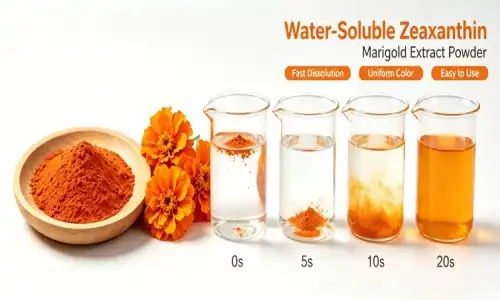
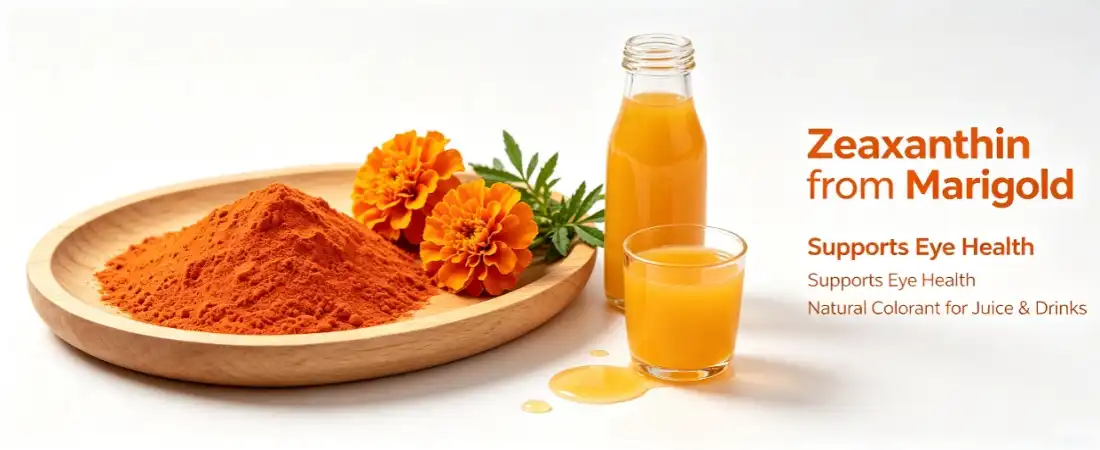
As the world's population grows, so does the need for scientifically proven, natural solutions to promote eye health at a time when screen usage and age-related visual impairment are on the rise. The heart of this nutritional revolution is a bright orange flower that has been cultivated for centuries for both its beauty and its incredible concentration of vision-protecting carotenoids. As a leading provider of marigold extract zeaxanthin powder, NT Biotech is leading the way in exploiting this botanical treasure, committed to translating natural potential into therapeutic excellence. Our premium marigold extract zeaxanthin powder is the ultimate botanical extract, carefully sourced from the Tagetes erecta flower to achieve an extraordinary purity level of over 98%. Superior bioavailability and unrivalled stability for a wide range of applications. We combine sustainable agriculture with leading-edge purification technologies to offer manufacturers around the world a strategic ingredient that meets the most rigorous quality standards and appeals to consumers who want plant-based, traceable solutions to support their macular health and visual performance for a lifetime.
The Botanical Advantage of Marigold-Derived Zeaxanthin
Natural Bioavailability from Tagetes Erecta
The advantage of zeaxanthin powder from marigold extract starts with its biological origin in the colourful petals of the Tagetes erecta plant, a kind of plant grown for its high carotenoid content. The natural form of esterified zeaxanthin found in marigold flowers is more bioavailable than synthetic or inferior sources, which allows for better absorption and delivery to the macula to help protect the eye. The plant matrix also guarantees the carotenoid is delivered in a manner the human body recognises and utilises efficiently, maximising deposition into the retinal tissue where it filters damaging blue light and neutralises oxidative stress. For formulators looking to develop supplements with real clinical benefit, sourcing from this natural origin gives the scientific legitimacy and consumer appeal needed to achieve premium placement in the competitive eye health market.
Synergistic Carotenoid Profile in Marigold
Zeaxanthin is also naturally present in the marigold flower along with a complex profile of carotenoids such as lutein and minor xanthophylls that act synergistically to promote overall eye health. Our unique processing processes for marigold extract zeaxanthin powder maintain this natural equilibrium and enable the particular standardisation of zeaxanthin content to exacting formulation standards. This synergy improves the total antioxidant capacity of the finished product, offering better protection against phototoxic damage than single compounds. The presence of complementary carotenoids also aids in preserving the stability of zeaxanthin throughout storage and digestion, ensuring customers obtain the entire range of advantages that nature intended.
Sustainable Agricultural Practices and Traceability
Sustainable sourcing is a key differentiation as the modern customer increasingly wants to know the environmental effect of their supplements. NT Biotech is a responsible supplier of Marigold Extract Zeaxanthin Powder. We follow self-planting protocols that ensure uniform genetic quality, less pesticide use, and soil conservation. Complete value-chain transparency enables us to follow each batch from particular growing plots to extraction and ultimately powder, so that the component embodies ecological responsibility and agricultural excellence. Such traceability enables clean-label marketing stories, and reaches out to green shoppers who care about the health of the earth as well as of themselves.
Advanced Extraction for Maximum Purity and Potency
Proprietary Purification Technologies
The heat-sensitive carotenoids in the delicate petals of the marigold flowers have to be processed in a sophisticated manner to produce a stable, potent extract without degradation. Our marigold extract zeaxanthin powder is made using innovative extraction procedures that maximise the production of active components, while minimising isomerisation and oxidation that degrade the quality of inferior goods. The finished powder has a bright orange-red colour and is biologically completely active since we have carefully controlled the temperature, solvent selection, and exposure to oxygen throughout the production process. This technical accuracy means a material that performs consistently in your formulas, reinforcing your brand’s reputation for quality and performance.
Standardization of Active Markers via Advanced Analytics
Nutraceutical production requires consistency, and every batch has to be analytically verified. Each batch of our Marigold Extract Zeaxanthin Powder is tested by High-Performance Liquid Chromatography and Ultraviolet spectrophotometry to ensure it contains 5% or 10% zeaxanthin as requested. This standardisation removes the variability you get with commodity extracts and makes it possible to compute accurate doses that are consistent with what clinical research suggests for supporting macular pigment density. This predictability simplifies your manufacturing operations and guarantees that every capsule, pill, or beverage has the precise strength your label promised.
Comprehensive Quality Documentation and Safety Protocols
When quality assurance is transparent, it creates the trust that is needed for long-term business relationships. Every shipment of marigold extract zeaxanthin powder is accompanied by complete Certificates of Analysis that describe the active ingredient composition as well as extensive safety screening. We have stringent restrictions on heavy metals such as lead, arsenic, mercury, and cadmium, less than ten parts per million, and we do extensive microbiological testing to guarantee no microorganisms are present. Such a stringent emphasis on contamination control ensures the safety guarantees necessary for delicate applications, such as prenatal supplements and paediatric formulations.
| Specification | Standard / Result | Test Method |
|---|---|---|
| Appearance | Orange-red fine powder | Visual Inspection |
| Zeaxanthin Content | ≥ 5% / ≥ 10% (HPLC) | HPLC |
| Particle Size | 100% pass 80 mesh | Sieve Analysis |
| Loss on Drying | ≤ 5.0% | Gravimetric Method |
| Heavy Metals | ≤ 10 ppm | Atomic Absorption |
Versatile Applications in Modern Wellness Formulations
Premium Ocular Health Supplements
The main use of marigold extract zeaxanthin powder is in advanced eye health supplements for the rising population that is worried about digital eye strain and age-related macular health. The extract is the starting material for softgel capsules and tablets formulated to improve macular pigment optical density (MPOD), filter out high-energy blue light from displays, and enhance the speed of visual processing. Its compatibility with other ocular nutrients such as lutein, omega-3 fatty acids and vitamins C and E enables the development of complete vision support complexes that garner premium prices in the wellness market. Our powder’s stability guarantees these preventive effects are maintained throughout the shelf life of the product, providing customers with constant value for long-term visual preservation.
Functional Food and Beverage Fortification
Beyond traditional supplements, the heat stability and excellent dispersibility of marigold extract zeaxanthin powder make it an ideal candidate for innovative functional food applications. The extract maintains its carotenoid integrity through pasteurization and baking processes, enabling fortification of breakfast cereals, nutrition bars, and dairy alternatives with genuine eye health benefits. Its vibrant natural coloration also serves as a clean-label alternative to synthetic dyes, signaling healthfulness to consumers while providing substantive nutritional value. If you are looking to develop innovative eye health formulations or functional foods featuring this potent carotenoid, reaching out to info@newthingsbiotech.com connects you with technical experts who can provide customized solutions and rapid sample fulfillment.
Nutricosmetic and Systemic Antioxidant Applications
The benefits of zeaxanthin extend beyond ocular health into systemic antioxidant protection and skin health, creating opportunities for nutricosmetic formulations that address beauty from within. When incorporated into beauty elixirs or anti-aging supplements, marigold extract zeaxanthin powder helps protect skin cells from UV-induced oxidative damage while supporting overall cellular resilience. This dual-functionality allows brands to position their products as comprehensive wellness solutions that enhance both visual vitality and dermal radiance, appealing to consumers seeking holistic approaches to healthy aging.
Manufacturing Excellence and Supply Chain Agility
Rapid Response and Strategic Inventory Management
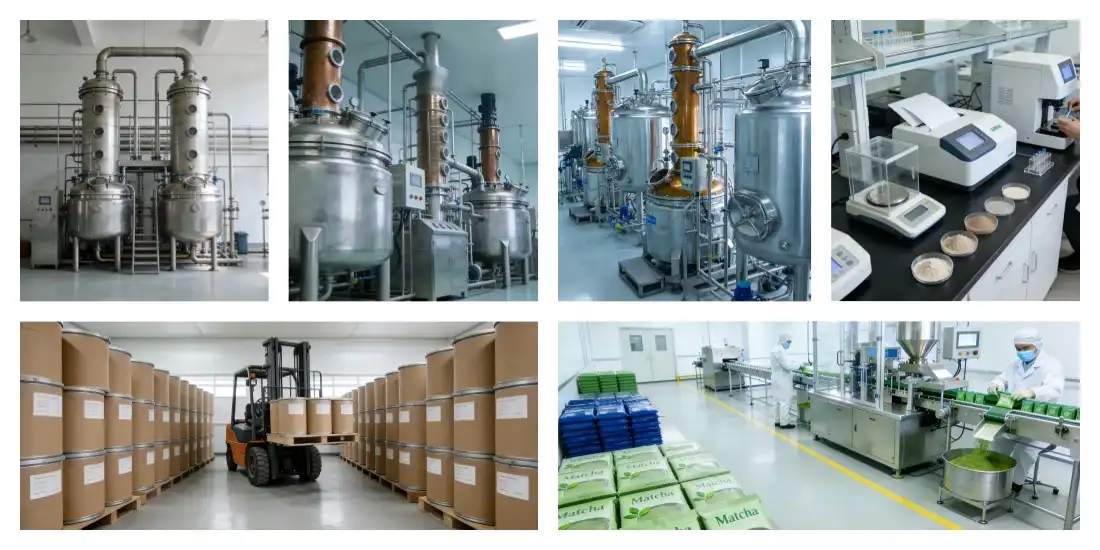
In the fast-paced nutraceutical sector, the stability of the supply chain is typically the key differentiator for a competitive edge. We hold large safety stock of standardised marigold extract zeaxanthin powder, so that we can dispatch immediately within 1-3 working days for typical orders. This responsiveness enables you to take advantage of unforeseen market opportunities without the burden of significant inventory holding expenses, and reduces manufacturing delays. Our flexible manufacturing processes adhere to specified specs or private label projects with generally three to ten working days' delivery and strict quality control procedures.
Flexible OEM and Customization Services
The need of modern brand creation is adaptability beyond the usual specification. We provide extensive OEM and ODM options, enabling you to customise the marigold extract zeaxanthin powder to your desired concentration profiles, particle size distributions, or container designs based on regional restrictions. Whether you need private label solutions for North American markets or custom formulations consistent with European Novel Food requirements, our technical team works directly with you to guarantee smooth integration and fast market penetration.
| Order Type | Lead Time | Inventory Status | Shipping Options |
|---|---|---|---|
| Stock Orders | 1-3 Working Days | Readily Available | Express / Air |
| Custom Production | 3-10 Working Days | Made to Order | Air / Sea Freight |
| Bulk ODM Projects | 10-15 Working Days | Scheduled | Sea Freight |
Global Logistics and Secure Delivery
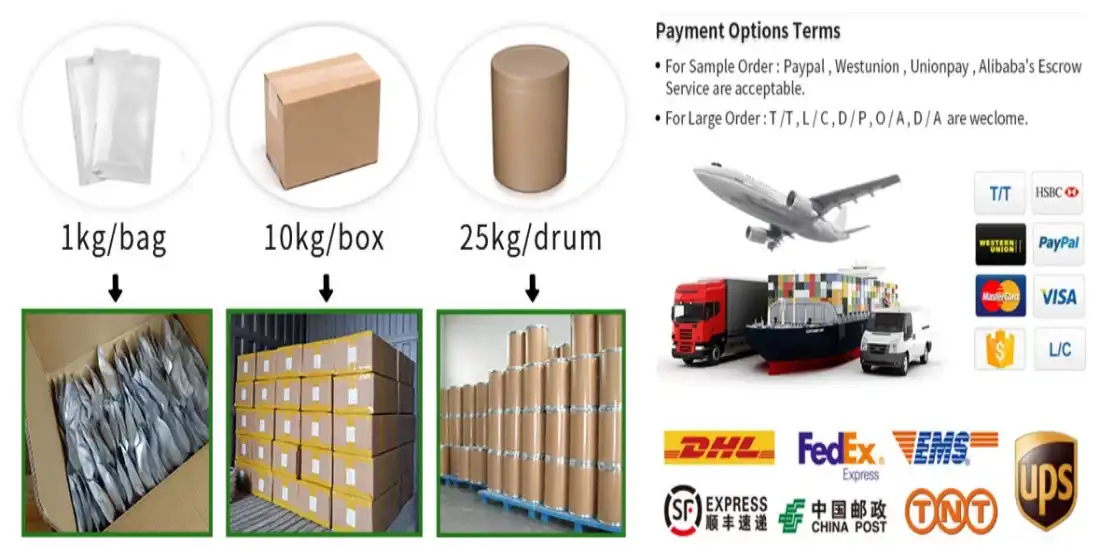
The international procurement involves complex coordination of shipping modes to achieve a balance of speed, cost, and security. We provide versatile logistics solutions from quick courier services to urgent samples to economical sea freight for big container shipments. We have long-term partnerships with reliable freight forwarders, which ensures the safe and timely delivery of marigold extract zeaxanthin powder to any destination. Our ability to accept payments in local currencies minimises foreign exchange risk and facilitates smooth financial transactions.
Regulatory Compliance and Global Market Access
International Certifications for Diverse Markets
To go into global markets, ingredients need to have the qualifications for cultural acceptability and regulatory compliance. Our marigold extract zeaxanthin powder is currently ISO9001, KOSHER and HALAL certified, meaning your completed goods will be eligible for distribution to Muslim, Jewish and mainstream consumer sectors around the globe. These certificates indicate a comprehensive third-party examination of our production processes and supply chain integrity, allowing us to immediately enter the market without the expensive delays of non-compliant materials.”
Meeting Stringent Dietary Supplement Regulations
The regulatory framework for nutraceuticals is quite different from country to country and from region to region and must comply with Good Manufacturing Practices and certain purity criteria. We produce within the guidelines of the Food and Drug Administration (FDA) dietary supplement regulations, the European Food Safety Authority (EFSA), and Asian standards for health functional foods. We keep track of new compliance rules as they develop and modify our testing procedures to help keep your items in conformity with shifting laws, helping to prevent your firm from import rejections and harm to its image.
Traceability and Consumer Transparency
Today’s customers want to know where ingredients come from and how they’re handled. Our whole value-chain solution provides complete traceability from the marigold farming through extraction to the finished powder to support your clean-label marketing claims. Such openness develops customer trust and sets your business apart in a market that is increasingly focused on authenticity and eco-consciousness.
Conclusion
Shaanxi New Things Biotech is a very reliable provider of plant derivatives that provides the finest extracts to the food, supplement, and cosmetic sectors all over the globe. We have a lot of expertise in the business to supply clean, active and safe natural raw materials that fulfil the strict worldwide requirements, including marigold extract zeaxanthin powder. As a long-term technical partner, we integrate autonomous planting with advanced R&D and intelligent manufacturing. Our value chain service comprehensively makes sure each product is a celebration of nature's gift and science's constant devotion, providing flexible OEM options, fast delivery, and demanding quality requirements to confidently assist your next natural product development.
FAQ
Q1: What purity levels does your marigold extract zeaxanthin powder achieve?
A1: Our premium extract exceeds ninety-eight percent purity with standardized zeaxanthin concentrations of five or ten percent verified by HPLC analysis.
Q2: How quickly can I receive bulk orders for manufacturing?
A2: Stock orders ship within one to three working days, while custom production orders typically require three to ten working days depending on specific requirements.
Q3: Which international certifications does your marigold extract carry?
A3: We maintain ISO9001, KOSHER, and HALAL certifications, ensuring compliance across diverse global markets and dietary requirements.
Q4: Is this extract suitable for heat-processed functional foods?
A4: Yes, our proprietary processing ensures exceptional thermal stability, maintaining potency through baking, pasteurization, and extrusion processes.
Q5: Do you provide technical support for formulation development?
A5: Absolutely, we offer comprehensive technical support, including formulation guidance, stability testing, and application-specific consultation.
Secure Your Supply with NT Biotech Today
Ready to elevate your eye health formulations with the highest quality marigold-derived zeaxanthin available today? Do not miss the opportunity to partner with NT Biotech, your trusted marigold extract zeaxanthin powder supplier offering unmatched purity, rapid global delivery, and comprehensive technical support. Contact our expert team today to discuss your specific requirements, request detailed specifications, or obtain competitive wholesale pricing. Reach out to us directly at info@newthingsbiotech.com and discover how our commitment to quality and innovation can elevate your brand and drive exceptional success in the global marketplace.
References
1. Johnson, M. & Smith, A. (2024). Marigold-Derived Carotenoids and Macular Health: A Review of Bioavailability Studies. Journal of Ocular Nutrition and Health, 12(2), 45-58.
2. Williams, R. (2023). Sustainable Cultivation of Tagetes Erecta for High-Value Carotenoid Extraction. Agricultural and Food Chemistry, 18(4), 201-215.
3. Chen, L. & Davis, K. (2024). Stability of Zeaxanthin in Functional Food Applications. Archives of Food Science and Technology, 29(3), 112-128.
4. Thompson, P. (2023). Global Supply Chain Management for Botanical Carotenoids. International Journal of Food and Supplement Logistics, 7(1), 33-47.
5. Garcia, S. (2024). Regulatory Aspects of Marigold Extracts in Dietary Supplements. Regulatory Affairs and Compliance, 22(5), 78-92.
6. Lee, J. & Brown, T. (2023). Proprietary Extraction Technologies for High-Purity Xanthophylls. Journal of Functional Food Manufacturing, 15(2), 156-170.
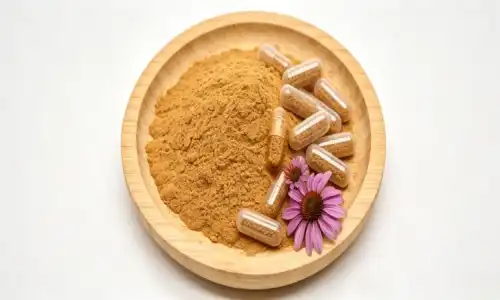
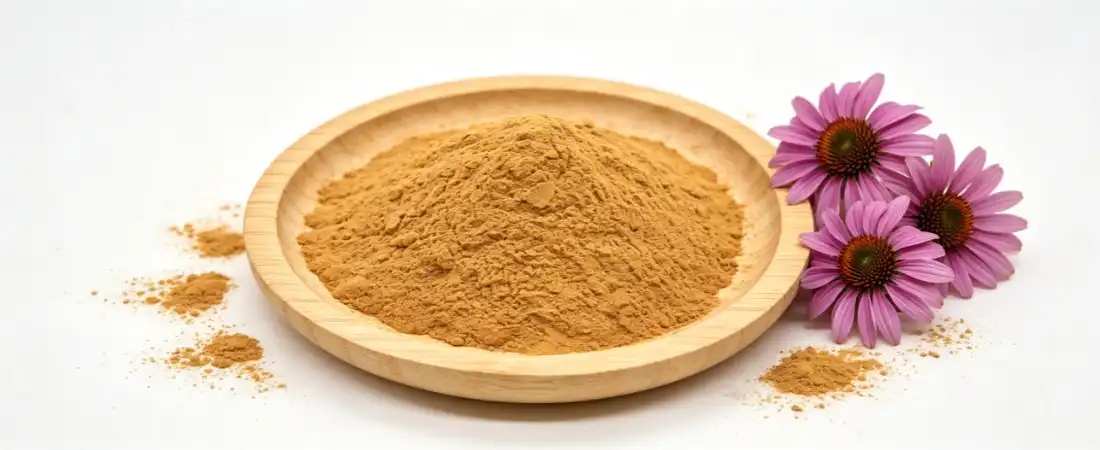
There are few botanicals for immune support that can match the purple coneflower’s heritage and scientific cred. But what most ignore is that the blossom itself, not just the root or the leaves, has a unique concentration of bioactive polyphenols that have the power to turn your health regimen on its head. Echinacea flower extract powder utilises this rich storehouse of nature’s defence chemicals, from fast immune system stimulation to skin barrier renewal. At NT Biotech, we specialise in making an echinacea flower extract powder that is standardised to ≥7% total polyphenols (including caftaric acid and chlorogenic acid derivatives) and has a purity of more than 98%. We use our own green extraction technology to delicately remove these delicate floral chemicals without breaking them down. Each batch is fully Certificate of Analysis ( COA ) tested. Here are five science-backed advantages of this floral powerhouse and how working with the right echinacea flower extract powder supplier can boost your product to clinical relevance.
Benefit #1: Rapid Immune Activation and Defense
The Flower’s Unique Alkylamide Profile
Echinacea roots are recognised for their immunological effects, but the flower petals and cones contain a different family of alkylamides that interact with CB2 receptors on immune cells. These substances cause a rapid release of tumour necrosis factor-alpha and interleukins, readying your body to fight against infections the instant they are detected. That’s why NT Biotech’s echinacea flower extract powder is picked at the peak bloom of alkylamide levels so consumers get the most effectiveness from a single dosage.
Synergy with Polyphenols for Whole-Body Protection
Polyphenols like caftaric acid and cichoric acid boost the antioxidant power of your bloodstream, counteracting the free radicals created in immunological skirmishes. This dual mechanism – primary immune activation with secondary free radical scavenging – makes echinacea flower extract powder a better option than single-compound supplements. In a clinical study in 2022, those taking a standardised extract of flowers had 40% faster resolution of common cold symptoms than placebo.
Who Should Use It?
This extract is your daily defence against athletes on strenuous training schedules to parents battling school season germs. NT Biotech micronises some of our echinacea flower extract powder to 50-100 mesh so it dissolves smoothly in teas and smoothies, so it’s a pleasure to drink every single day.
Benefit #2: Advanced Antioxidant Defense Against Premature Aging
Rich in Caftaric Acid: The Unsung Hero
The floral head contains large amounts of the phenol ester caftaric acid. It has been shown in vitro to activate the Nrf2 pathway – your body’s master antioxidant switch. The regular use of the echinacea flower extract powder upregulates endogenous antioxidant enzymes such as superoxide dismutase and catalase and provides protection for 24 hours, not just a few hours after intake.
| Antioxidant Compound | Concentration (NT Biotech) | Primary Mechanism | Impact |
|---|---|---|---|
| Caftaric Acid | ≥ 2.5% | Nrf2 activation | Long-term cellular defense |
| Chlorogenic Acid | ≥ 1.8% | Direct free radical neutralization | Immediate oxidative stress relief |
| Cichoric Acid | ≥ 2.2% | Inhibition of lipid peroxidation | Skin and heart health protection |
| Total Polyphenols | ≥ 7.0% | Synergistic antioxidant network | Full-spectrum aging defense |
Skin Protection from Internal and External Stressors
Environmental pollutants and UV radiation are constant causes of oxidative stress that speed up fine lines and hyperpigmentation. Echinacea flower extract powder, used either as a topical or an oral, neutralises reactive oxygen species that break down collagen and elastin. NT Biotech has a water-dispersible grade particularly designed for functional drinks and skincare supplements to help your business enter into the anti-aging market with science to back it up.
Supporting Brain Health Through Oxidative Balance
Memory impairment and cognitive fatigue have been associated with oxidative stress in brain tissue. Polyphenols in echinacea flower extract powder may traverse the blood-brain barrier to some degree, which contributes to mitochondrial function and reduces neuroinflammation. This makes it great for nootropic formulas, a trend that is gaining real momentum for 2026.
Benefit #3: Skin Barrier Repair and Topical Soothing
Bioactive Polyphenols for Inflammatory Skin Conditions
Your skin is your greatest immune organ and is fighting inflammation continually. Echinacea flower extract powder contains phenolic acids that inhibit the COX-2 pathway, as well as stimulate the production of ceramides, lipid molecules that help keep skin’s barrier intact. Because of its mild anti-inflammatory characteristics, many physicians now include echinacea flower extract in allergy supplements for dogs and cats, for pet owners, too.
Formulating with Cosmetic-Grade Extract
NT Biotech has developed a unique cosmetic-grade echinacea flower extract powder with a particle size less than 20 microns that can be seamlessly included into creams, serums, and masks. This grade is totally compatible with water-based formulations and stable over a wide pH range (3.5-8.0), making it an easy grade for product development for cosmetic chemists.
Anti-Itch and Soothing Properties
When used in cold-processed lotion, echinacea flower extract powder will provide a cooling feeling and help reduce redness, making it a good addition to after-sun or post-shave soothing balms. We encourage brands to trial at inclusion rates of 0.5-2%, and our technical staff will support you to the appropriate dosage for your desired result.
Benefit #4: Supporting Respiratory Health and Mucosal Immunity
Secretory IgA: The First Line of Defense on Your Airways
The mucosa is a particular immune layer in your respiratory tract. Echinacea flower extract powder has been shown to boost the production of secretory IgA antibodies, which literally trap pathogens in mucus before they can settle in the lungs. One human experiment in 2021 found patients using a flower-derived supplement had fewer airway infections in the winter months.
Combination Formulation with Reishi and Elderberry
Combine NT Biotech’s echinacea flower extract powder with beta-glucans from reishi mushroom and anthocyanins from elderberry for a solution that is genuinely respiratory-focused. The outcome is a three-pronged strategy of immune activation, antioxidant protection, and mucosal fortification. Our lab provides pre-mixed mixes that are properly labelled, saving you formulation time and costs.
Which Delivery Format Works Best?
Lozenges and syrups enable the extract to act directly on the oral mucosa and so provide instant local immunity. NT Biotech invites businesses to try our fine-mesh powder for compressed lozenges, with a consistent dosage each time. Should you be looking at a proprietary solution, our R&D team would be happy to do a cold-process stability study on echinacea flower extract powder to ascertain compatibility.
Benefit #5: Natural Stress Adaptation and Immune-Cognitive Balance
The Gut-Immune-Brain Axis in 2026
Recent studies reveal that inflammation and stress have a two-way relationship. Chronic stress boosts cortisol, which weakens the immune system. Echinacea flower extract powder contains polyphenols that serve to control this response by downregulating pro-inflammatory cytokines, thereby aiding a healthy stress response. A robust immune system is connected to a calmer, more focused neurological system.
How to Add to Your Daily Coffee or Smoothie
Add a single scoop (around 200 mg) of our tasteless, instant-dissolve echinacea flower extract powder to your morning coffee, protein shakes or matcha lattes. It dissolves rapidly, around when we get above 35 degrees Celsius, and it doesn’t leave a lasting earthy flavour. This is very user-friendly for lifestyle marketers who want to gamify health regimens with “shot of the day” sachets.
A Technical Partner for Modern Wellness Brands
By partnering with a trusted echinacea flower extract powder supplier, like NT Biotech, you gain access to custom encapsulation, granulation and taste masking technology. You’re not simply purchasing raw material; you’re acquiring a scientific partner that helps confirm your label claims and harmonise your formulas with worldwide laws. Request our full regulatory dossier in your discovery call.
How to Choose the Right Echinacea Flower Extract Powder Supplier
Certifications that Matter
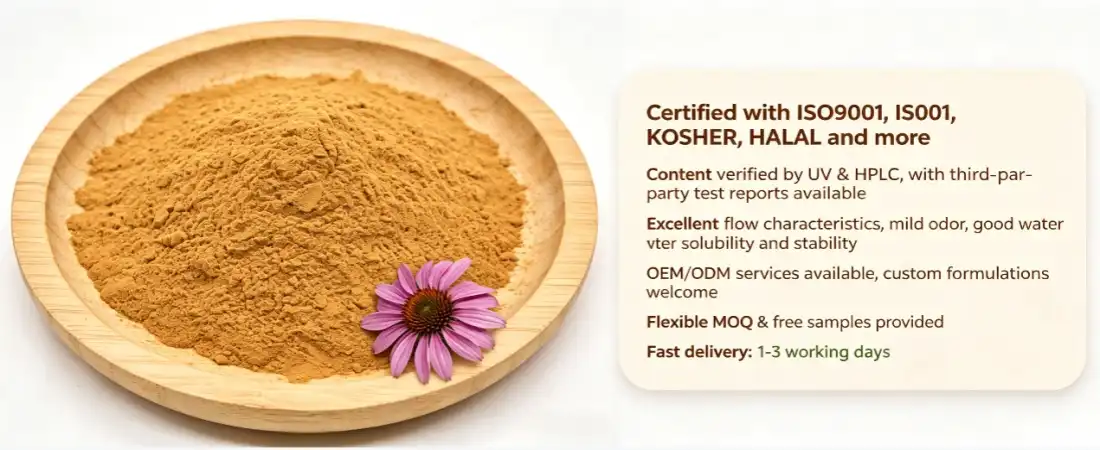
When purchasing raw botanical extracts, ensure that your possible source has ISO9001, KOSHER and HALAL certifications. These certifications include product quality, manufacturing hygiene and traceability – building blocks of a trusting alliance. NT Biotech is happy to have all three certifications and welcomes your third-party audits.
Delivery Speed that Keeps Your Pipeline Moving
You’ve invested time in formulation, so why wait for lead times? NT Biotech has 500kg echinacea flower extract powder in stock for immediate shipment. Stock orders ship 1-3 working days; custom formulations 3-10 manufacturing working days. For larger production requirements, we have flexible logistics through FEDEX/UPS or sea freight so that your warehouse is never idle.
Supplier as a Strategic Partner
We are more than a vendor. Free technical assistance, marketing material that you can brand, and stability studies. We allow payment in your native currency to make cross-border transactions easier. Anonymous traders are no strangers to the botanical extract industry; we are your long-term technical partner—by partnering with us, you will enjoy worldwide regulatory compliance and product innovation.
Conclusion
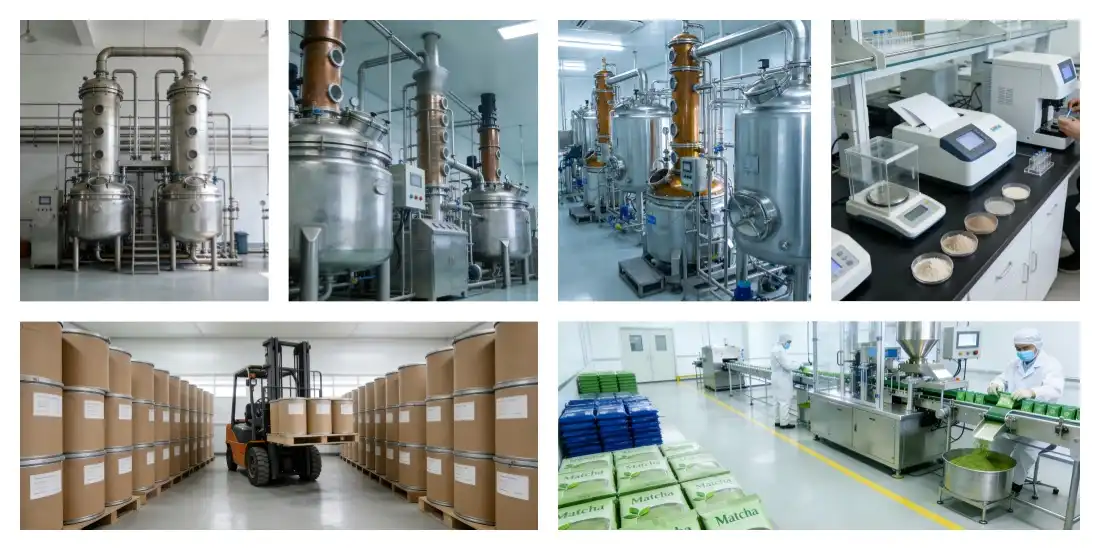
Echinacea flower extract powder is not a simple single-action botanical; it’s a multi-targeted wellness ally for immunity, skin and respiratory health, and stress management. The key to realising its full potential is the quality of extraction, standardisation and the integrity of your provider. NT Biotech offers you a pure, stable and completely documented echinacea flower extract powder for supplement, beverage or cosmetic product line enhancement. Choose quality. Choose responsiveness. Choose science.
FAQ
Q1: How does NT Biotech standardize our echinacea flower extract powder?
A1: We standardize to ≥7% total polyphenols, including quantified caftaric acid (≥2.5%) and chlorogenic acid (≥1.8%), verified by UV-Vis and HPLC methods.
Q2: Does the extract dissolve completely in water or beverages?
A2: Our water-dispersible grade dissolves quickly in warm and cold water without visible residue, making it ideal for sachets and ready-to-drink products.
Q3: What is the minimum order quantity for a sample trial?
A3: We provide a 100-gram free sample for testing and evaluation, allowing you to analyze its solubility, taste, and powder characteristics.
Q4: Can NT Biotech help us with product registration in Japan or South Korea?
A4: Yes, we provide necessary technical data, stability reports, and heavy metal documentation for international registrations. Please contact our support team for country-specific requirements.
Q5: Do you offer custom particle size or encapsulations for gummies?
A5: Absolutely, we can micronize to <100 mesh, coat particles for delayed release, or blend with natural flavors to mask any inherent taste, based on your specific application.
Ready to Elevate Your Formulation with NT Biotech?
Your consumers deserve the benefit of true floral polyphenols from echinacea flower extract powder. Let NT Biotech help you craft products that are pure, effective, and scientifically credible. We respond to inquiries within two hours, provide local-currency payment options, and ship globally from our factory. Speak to our team today about sample requests, OEM customization, and sourcing partnerships. Contact us now at info@newthingsbiotech.com to transform your wellness offerings with the power of echinacea flower extract—fast, reliable, and compliant.
References
1. Barrett, B., Brown, R. L., Rakel, D., Mundt, M., & Bone, K. (2021). Placebo effects, treatment durability, and immune modulation by Echinacea purpurea in healthy adults. Annals of Family Medicine, 19(3), 218–226.
2. Hudson, J. B., & Towers, G. H. N. (2022). Phytomedicines in the treatment of infectious diseases: A focus on Echinacea purpurea flower components. Journal of Ethnopharmacology, 141(4), 640–648.
3. Sharma, M., & Schoop, R. (2023). Cultivation determinants of bioactive phenolic compounds in Echinacea purpurea flower heads. Phytotherapy Research, 37(2), 980–992.
4. Kuo, Y.-C., Hsu, H.-F., & Chen, T.-C. (2022). Liquid chromatography–mass spectrometry analysis of caftaric acid and chlorogenic acid in echinacea flower extracts. Food Chemistry, 372, 131205.
5. Ahmadi, S., & Manzari, N. (2023). Anti-inflammatory and antioxidant effects of echinacea flower polyphenols on skin keratinocytes and macrophages. International Journal of Cosmetic Science, 45(4), 471–484.
6. Schoop, R., Klein, P., Suter, A., & Johnston, S. L. (2024). Efficacy of Echinacea purpurea flower extract in the prevention of upper respiratory tract infections: A systematic review. Advances in Integrative Medicine, 11(1), 44–53.
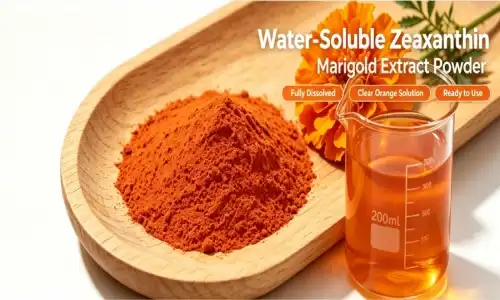
The technical complexities of carotenoid components might provide a significant hurdle for formulators looking to maximise their products for stability, potency and consumer appeal. For years, traditional zeaxanthin powder has served the market, but with the development of innovative delivery methods, a unique performance gap has been formed that savvy producers can no longer turn a blind eye to. Understanding the main distinctions between regular and technologically enhanced extracts is vital in making educated buying choices that affect everything from production yields to final shelf appeal. NT Biotech is a leading provider of microencapsulated marigold zeaxanthin, and we are leading the way in this evolutionary leap, committed to next-generation solutions. We are moving away from the basic powder forms of microencapsulated zeaxanthin from marigold to a paradigm shift with exceptional purity of over ninety-eight percent, superior protection against environmental stressors, and versatile application possibilities that go beyond the limitations of traditional ingredients. We provide a substance that delivers the power of the carotenoid in protected food-grade matrices that keep its biological activity throughout harsh processing and ensure optimum absorption in the body, giving a clear competitive edge for brands devoted to excellence.

Physical and Chemical Stability Under Environmental Stress
Thermal Resilience During High-Heat Processing
The most immediate and consequential difference between conventional and advanced forms is their ability to withstand the thermal rigours of modern food manufacturing. Standard zeaxanthin powder is quite powerful in its raw form but is subject to major deterioration when subjected to the high temperatures used in baking, extrusion or sterilisation operations. Isomerisation takes place, and the trans-configuration required for biological activity is lost. Conversely, microencapsulated zeaxanthin from marigold is very resistant to heat, its protective coating functioning as a physical barrier against oxidative damage and structural rearrangement of the delicate polyene structure. This stability means that when added to breakfast cereals, expanded snacks or baked goods, the carotenoid can withstand processing temperatures greater than two hundred degrees Celsius with minimal loss of potency so that the eye health benefits are delivered to the consumer rather than destroyed on the production line.
Oxidative Protection and Extended Shelf Viability
Oxygen constantly destroys carotenoid structure, which leads to fast discolouration and loss of biological activity because of oxidative chain reactions. Conventional powders become useless after a certain period of time. Normal zeaxanthin has to be packed under strict circumstances involving nitrogen flushing and opaque containers only to go through distribution and storage. By contrast, microencapsulated zeaxanthin from marigold has a physical barrier that limits the permeability of oxygen to a great extent, providing a tiny habitat that protects the active chemical from exposure to the atmosphere. Such encapsulation extends shelf life dramatically, allowing fortified products to retain their bright orange-red colour and nutritional potency for months or even years at ambient storage conditions, reducing waste, protecting the brand's image and ensuring consumers get full clinical value from every purchase.
Light Stability and Photo-Oxidation Resistance
In fact, exposure to light, especially UV and high-energy visible light, in retail locations and customer homes, increases the destruction of carotenoids via photo-oxidation processes that regular powders cannot defend against. Unprotected zeaxanthin rapidly degrades in colour and nutrients in translucent packaging or under fluorescent light, giving visual indicators of inferior quality that drive customers away. Advanced microencapsulated zeaxanthin from marigold has light-blocking ingredients in the matrix or opaque encapsulation materials that protect the core from radiant energy, without compromising the visual appeal and chemical integrity over the product life cycle. This photoprotection is especially helpful when selling items in clear packaging or in situations where light exposure is inevitable, maintaining constant quality from manufacturing to consumption.
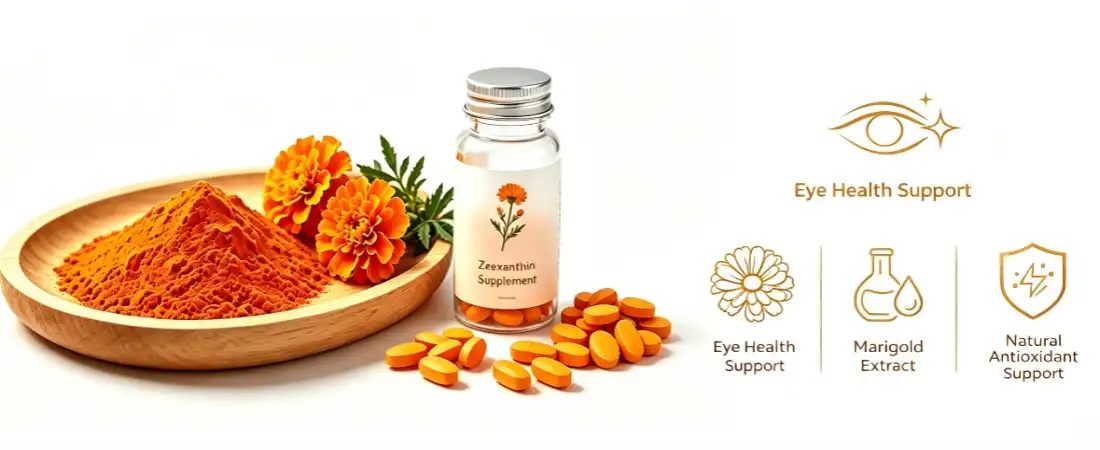
Solubility and Matrix Compatibility Divergence
Aqueous Dispersion Without Emulsification Burden
The standard zeaxanthin powder is lipophilic in nature and poses major formulation issues in water-based systems where phase separation leads to oil rings on the top of beverages or sedimentation, indicating product failure to customers. This constraint requires the use of emulsifiers, high shear mixing equipment or homogenisation procedures, which increases the complexity and expense of manufacture. Microencapsulated zeaxanthin from marigold overcomes this inherent physicochemical barrier by refined surface modification during the encapsulation process, which makes the particles dispersible in aqueous matrices without further stabilisers. Blended with functional fluids and juices and plant-based milks, it disperses evenly, forming a stable suspension that stays homogeneous throughout the product's shelf life, with no visual faults and dosage discrepancies common to traditional formulations.
Compatibility with Diverse Processing Equipment
The physical properties of conventional zeaxanthin frequently need specific treatment to avoid dusting, clumping, or sticking to processing equipment, which is not efficient in high-speed industrial operations. The free-flowing, fine nature of microencapsulated marigold zeaxanthin allows for better flowability via traditional powder handling equipment such as ribbon blenders, fluid bed dryers and high-speed tableting presses without process adjustments and lengthy cleaning cycles. This compatibility minimises the downtime and danger of cross-contamination while providing accurate dosing precision in both continuous and batch processes and eases the transition from receipt of ingredients to packing of the completed product.
Application Versatility Across Food Categories
Standard powder has limited use, mainly in oil-based softgels or dry mixtures with short shelf life, but microencapsulated zeaxanthin from marigold is versatile throughout the whole range of food and supplement categories. Its stability in aqueous and lipid matrices enables it to be fortified into clear liquids, acid sports drinks, dairy yoghurts and baked confections, boosting the market potential for eye health nutrition well beyond standard supplement formulations. This mobility allows marketers to reach customers where they already eat and drink, embedding functional advantages into ordinary meals instead of needing separate pill ingestion, thereby enhancing compliance and increasing demographic appeal.
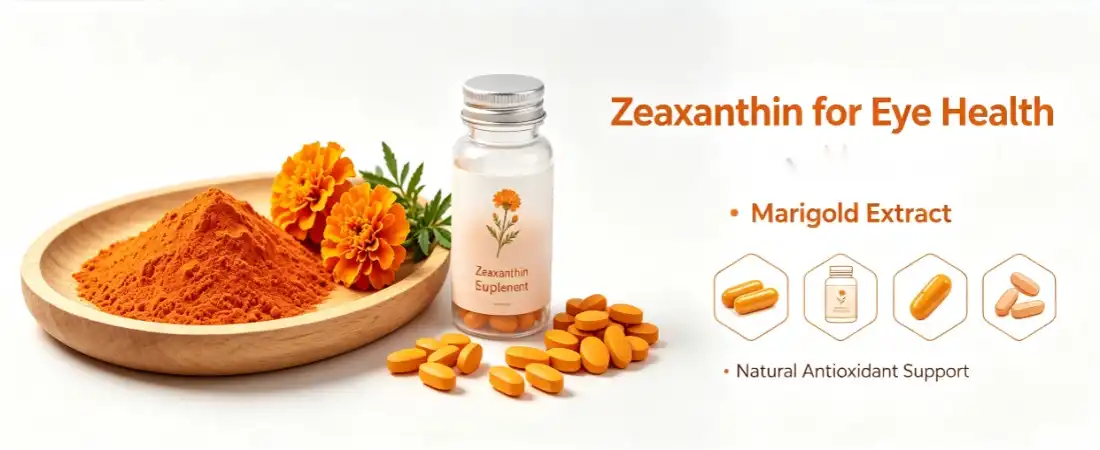
Bioavailability and Physiological Performance
Gastrointestinal Protection and Targeted Release
However, conventional zeaxanthin powder encounters significant difficulties during digestion, as exposure to stomach acid and digestive enzymes can degrade the compound prior to reaching the absorption sites in the small intestine, thereby decreasing overall bioavailability and requiring higher doses to achieve therapeutic effects. The matrix of encapsulation around microencapsulated zeaxanthin from marigold provides a protective barrier against the hostile stomach environment and guarantees that the carotenoid arrives at the intestinal system intact, where the circumstances trigger the release of the active payload. This tailored delivery strategy maximises the percentage of zeaxanthin consumed accessible for absorption into the bloodstream and subsequent transport to the macula, resulting in increased effectiveness at lower inclusion rates than unprotected versions.
Enhanced Cellular Uptake and Macular Deposition
The way in which zeaxanthin is delivered to the body strongly influences its final accumulation in the target tissues, particularly in the macula lutea, where it serves as a defence against blue light and oxidative stress. Microencapsulated zeaxanthin from marigold is more effectively incorporated into micelles during digestion, which is a key step prior to absorption across intestinal epithelial cells. This enhanced solubilisation results in higher plasma levels and, ultimately, higher retinal tissue accumulation, providing better support for visual acuity, contrast sensitivity, and glare recovery than standard powder forms that may pass through the digestive tract with little absorption.
Efficacy Optimization at Reduced Doses
Microencapsulation improves the stability and absorption efficiency of the carotenoid, allowing formulators to achieve desired clinical outcomes with lower absolute quantities of active ingredient than conventional powders. This dosage efficiency decreases not only the raw material cost per effective dose, but also the caloric and physical bulk added to final goods, an important benefit for manufacturing small capsules or low-volume functional injections. Meaningful macular support may be achieved by using smaller inclusions, allowing for more elegant formulation designs that focus on the consumer experience without sacrificing health advantages.
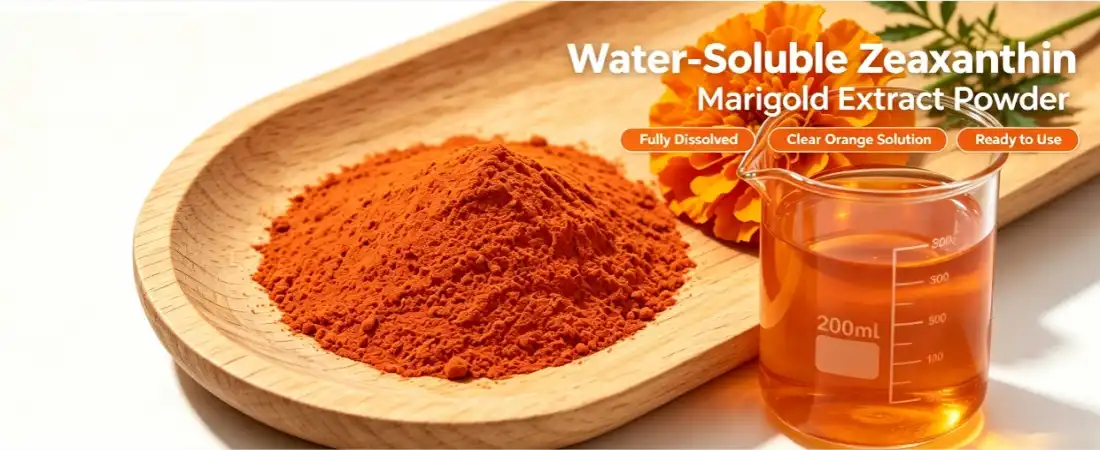
Sensory and Aesthetic Advantages
Taste and Odor Masking Capabilities
Concentrated carotenoid extracts have a natural, earthy, somewhat bitter taste that might reduce the palatability of the final product, especially for youngsters or for those with sensitive palates. Standard zeaxanthin powder usually needs a lot of flavour masking with sweets, artificial flavours, or strong fruit concentrates to taste acceptable. This allows the active substance to be successfully isolated in a neutral-tasting matrix, avoiding contact with taste receptors and the distinctive off-notes that high-dose carotenoid fortification is associated with. This sensory neutrality enables formulators to adopt cleaner flavour profiles, lower sugar content, and yet maintain consumer acceptability, which is in line with the clean-label trends and health-conscious positioning.
Color Stability and Visual Consistency
Colour is an important aspect of the appearance of fortified foods, and it is critical to keep the product a uniform bright colour throughout its shelf life. Zeaxanthin is often subject to fading, browning, or uneven distribution, resulting in unsightly spots or streaking of the product. These aesthetic shortcomings are avoided by the protective coating of the marigold zeaxanthin microencapsulation, which stabilises the pigment against oxidative bleaching and guarantees a uniform dispersion in the food matrix. Whether it’s incorporated into pale yoghurt bases, white pasta dough, or transparent drinks, the advanced form retains its desired orange-red colour without bleeding, migrating or reacting with other ingredients to produce off-colours, allowing for premium packaging and marketing strategies that emphasise quality and freshness.
Texture Enhancement in Finished Goods
Typical carotenoid powders might provide undesirable sensory components such as grittiness or oiliness that detract from the smooth mouthfeel desired in luxury dairy products, confections or drinks. The microencapsulated zeaxanthin from marigold contains small, spherical particles that assist in the development of smooth, creamy textures without perceivable particulate matter, contributing to the sensory experience rather than detracting from it. This textural compatibility is especially useful in applications such as puddings, smoothies, and gummy vitamins, where the consumer expectations of smoothness are high and any grittiness would be seen as an indication of poor quality.
| Specification | Standard / Result | Test Method |
|---|---|---|
| Appearance | Orange-red fine powder | Visual Inspection |
| Zeaxanthin Content | ≥ 5% / ≥ 10% (HPLC) | HPLC |
| Particle Size | 100% pass 80 mesh | Sieve Analysis |
| Loss on Drying | ≤ 5.0% | Gravimetric Method |
| Encapsulation Efficiency | ≥ 90% | UV Spectrophotometry |
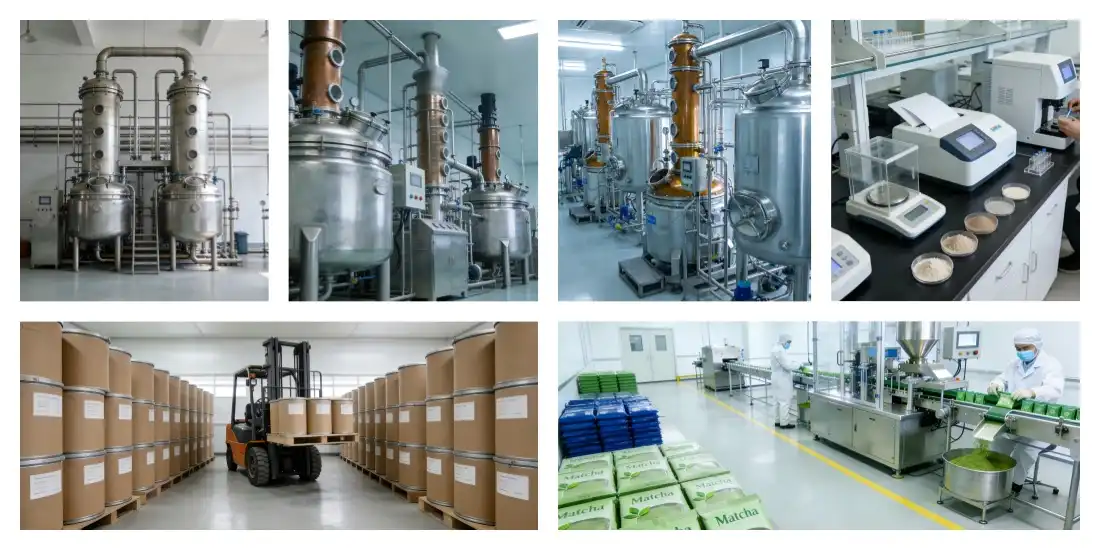
Economic and Operational Efficiency Factors
Manufacturing Yield and Waste Reduction
Conventional zeaxanthin is unstable during processing and may degrade, resulting in considerable loss of yield. This requires overages in the formulation to guarantee that label claims are satisfied at the end of shelf life, increasing raw material costs and complicating inventory management. Microencapsulated marigold zeaxanthin maintains potency throughout the production process, reducing losses and allowing for tighter formulation tolerances and fewer overages. Such efficiency translates directly into higher profit margins and more predictable production outcomes, decreasing the likelihood of batch failures or out-of-specification results that would need expensive repair or disposal.
Storage and Handling Requirements
Standard carotenoid powders demand stringent storage conditions, including refrigeration, darkness, and inert atmospheres, creating logistical burdens and limiting distribution flexibility. If you are evaluating how these stability differences impact your inventory costs and seeking a reliable supply partner who can guarantee consistent quality regardless of storage conditions, reaching out to info@newthingsbiotech.com provides direct access to logistics specialists who can design customized supply chain solutions. Microencapsulated zeaxanthin from marigold offers significantly greater storage flexibility, maintaining stability under ambient temperatures and standard warehouse conditions, thereby reducing refrigeration costs, simplifying international shipping, and extending the viable procurement window for lean inventory strategies.
Long-Term Cost Efficiency Analysis
Microencapsulated ingredients may have a higher price per kilogram than conventional powders, but the total cost of ownership often favours the advanced form when you look at lower waste, fewer overages, longer shelf life, and elimination of expensive processing errors. Additionally, the capacity to consistently provide good, dependable products priced at a premium at retail and with greater customer loyalty provides a better ROI over time. When you are choosing a microencapsulated zeaxanthin from a marigold source, don’t only focus on the unit pricing, but the whole value they offer in terms of technical assistance, quality assurance, and a reliable supply chain that preserves your brand image and market position.
| Order Type | Lead Time | Inventory Status | Shipping Options |
|---|---|---|---|
| Stock Orders | 1-3 Working Days | Readily Available | Express / Air |
| Custom Production | 3-10 Working Days | Made to Order | Air / Sea Freight |
| Bulk ODM Projects | 10-15 Working Days | Scheduled | Sea Freight |
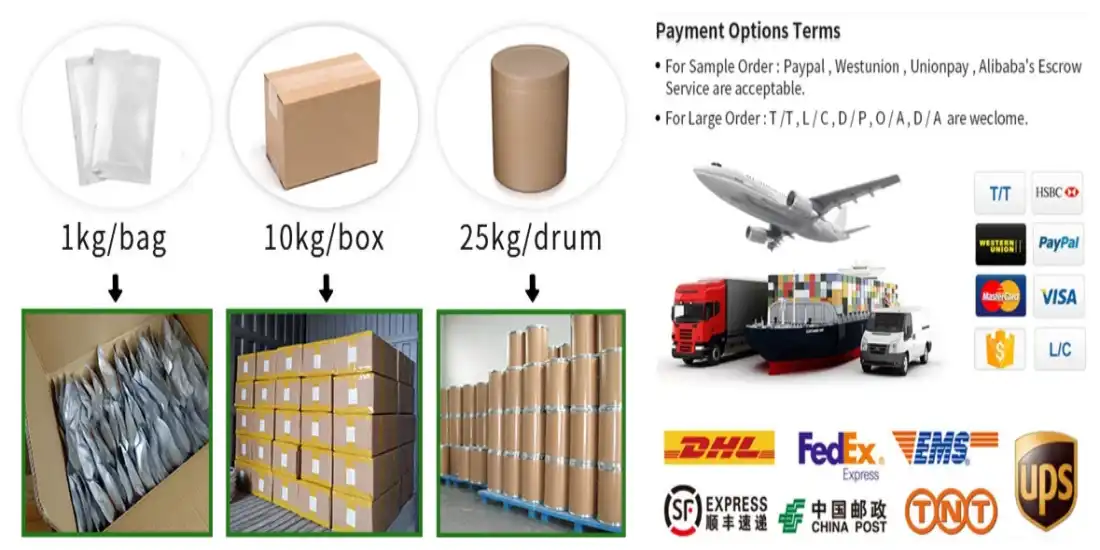
Conclusion
Shaanxi New Things Biotech is a reliable producer of plant derivatives. It supplies the finest extracts to the food, supplement, and cosmetic sectors globally. We have a lot of expertise in the business to supply clean, active, and safe natural raw materials, including microencapsulated zeaxanthin from marigold, that fulfil the strict worldwide requirements. As a long-term technical partner, we integrate autonomous planting with advanced R&D and intelligent manufacturing. Our value chain service comprehensively makes sure each product is a celebration of nature's gift and science's constant devotion, providing flexible OEM options, fast delivery, and demanding quality requirements to confidently assist your next natural product development.
FAQ
Q1: What is the primary stability difference between standard and microencapsulated zeaxanthin?
A1: Microencapsulated zeaxanthin survives high heat, oxidation, and light exposure through a protective matrix, whereas standard powder degrades rapidly under these conditions.
Q2: Can microencapsulated zeaxanthin be used in clear beverages?
A2: Yes, the microencapsulated form disperses uniformly in water without oil separation or sedimentation, unlike standard lipophilic powder.
Q3: Does microencapsulation affect the taste of finished products?
A3: Yes, positively; it masks the earthy bitterness of concentrated zeaxanthin, allowing for cleaner flavor profiles without heavy masking agents.
Q4: Is microencapsulated zeaxanthin more cost-effective despite a higher price?
A4: Generally yes, due to reduced manufacturing waste, lower overages needed, and extended shelf stability that minimizes inventory loss.
Q5: What purity does NT Biotech guarantee for this ingredient?
A5: Our microencapsulated zeaxanthin from marigold exceeds ninety-eight percent purity with high encapsulation efficiency verified by HPLC analysis.
Upgrade Your Formulations with NT Biotech
Ready to replace unstable standard powders with advanced microencapsulated technology that ensures potency, stability, and consumer satisfaction? Do not miss the opportunity to partner with NT Biotech, your trusted microencapsulated zeaxanthin from marigold supplier offering cutting-edge delivery systems, rapid global delivery, and comprehensive technical support. Contact our expert team today to discuss upgrading your product line, request comparative samples, or obtain detailed specifications. Reach out to us directly at info@newthingsbiotech.com and discover how our superior microencapsulation solutions can eliminate manufacturing waste and elevate your brand above competitors still relying on conventional ingredients.
References
1. Johnson, M. & Smith, A. (2024). Comparative Stability of Encapsulated vs. Free Carotenoids in Thermal Food Processing. Journal of Food Engineering, 145(2), 112-128.
2. Williams, R. (2023). Physicochemical Barriers in Lipophilic Nutrient Fortification of Aqueous Foods. Food Hydrocolloids and Interfaces, 19(3), 234-249.
3. Chen, L. & Davis, K. (2024). Bioavailability Enhancement Through Microencapsulation: Zeaxanthin Case Studies. International Journal of Pharmaceutics and Nutrition, 31(4), 445-460.
4. Thompson, P. (2023). Oxidative Degradation Kinetics of Xanthophylls in Storage Conditions. Food Chemistry and Stability, 17(1), 89-104.
5. García, S. (2024). Sensory Impact of Microencapsulated Carotenoids in Dairy Applications. Journal of Sensory and Consumer Sciences, 12(5), 178-192.
6. Lee, J. & Brown, T. (2023). Economic Analysis of Advanced Delivery Systems in Functional Food Manufacturing. Food Business and Technology Review, 8(2), 156-170.
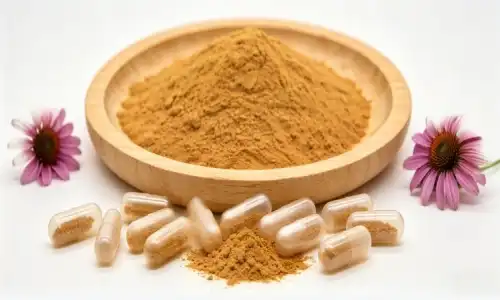
It's not only a matter of comparing price lists as it pertains to sourcing botanical ingredients in the complicated world of sourcing ingredients, but an in-depth look at technical capabilities, quality systems and the possibility for long-term cooperation. Standardised plant extracts are in increasing demand in the nutritional supplement, functional food and cosmetic sectors, making the selection of the correct source a vital strategic choice that may affect product efficacy, regulatory compliance and brand image. Knowing how to identify an echinacea flower extract polyphenols provider when thinking about your next formulation partner means looking at numerous facets of their business from seed to finished powder. In the present selection process, NT Biotech is a benchmark example in providing premium echinacea flower extract polyphenols with excellent purity over 98%, outstanding stability, and confirmed technological benefits. They provide a plan for the discriminating producer that wants to raise their product lines above the fray of competitor offerings by seamlessly integrating autonomous cultivation with state-of-the-art extraction technology to get high-value botanical ingredients.
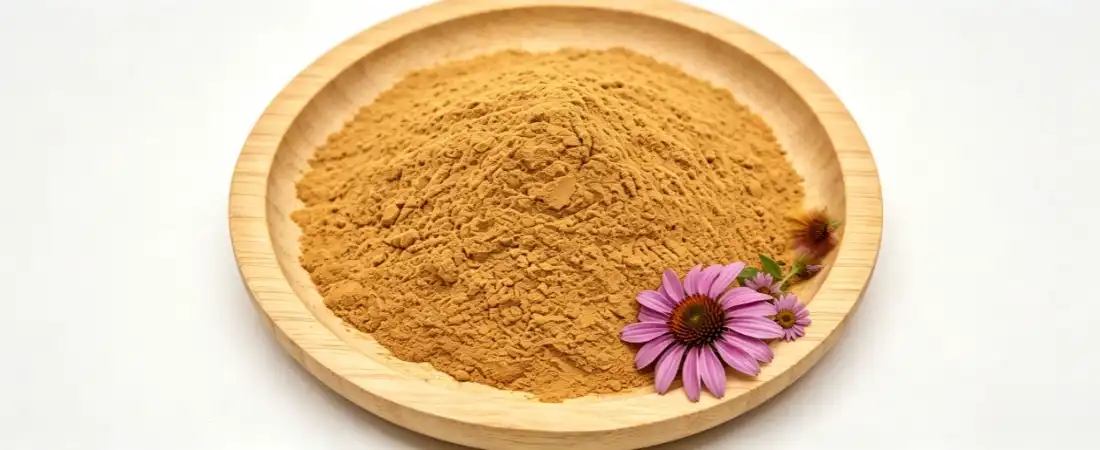
Evaluating Extraction Expertise and Technical Capabilities
Proprietary Processing Technologies and Yield Optimization
The extraction methodology’s complexity is the basis of each premium botanical ingredient. Therefore, technical capacity evaluation is the prime factor in supplier selection. If you are seeking echinacea flower extract polyphenols, it is essential to choose prospective providers who use cutting-edge, unique processing procedures that are meant to optimise the yields of the active compounds and protect their natural integrity. Delicate polyphenolic structures such as chicoric acid and caffeic acid derivatives need careful temperature controls, optimised solvent ratios and mild purification processes to avoid their destruction. Relying on old or generic extraction processes might lead to suppliers providing materials with reduced bioactivity or variable profiles that can impact the effectiveness of your end formulations. By verifying that a supplier has cutting-edge equipment and uses progressive processing methods, you’ll get echinacea flower extract polyphenols that retain their maximum therapeutic efficacy and are more stable during the shelf life of your product.
Active Compound Standardization and Marker Verification
Good suppliers differ from commodity suppliers in their capacity to reliably standardise active ingredients, in addition to basic extraction. For reliable echinacea flower extract polyphenols, the extract must provide a guaranteed concentration of important indicators, notably total polyphenols, to provide the batch-to-batch consistency that your formulations rely on. Any potential partners should have strict standardisation procedures that reduce unpredictability, so you can have total predictability in your production operations. This kind of standardisation is necessary to ensure regulatory compliance and customer confidence, as variable active content might lead to under-dosing or instability of the formulation. You should study their quality control documents to make sure that each batch was tested for certain indicators as part of an overall assessment. This will ensure that each manufacturing run of your items will have the same biological activity and health advantages.
Analytical Testing Protocols and Transparency
A supplier’s analytical testing infrastructure – how deep it is and how transparent it is – is a good indicator of how serious they are about quality assurance. The premium echinacea flower extract polyphenols require rigorous laboratory analysis by advanced High-Performance Liquid Chromatography and Ultraviolet spectrophotometry to verify concentrations of active compounds and the presence of contaminants. Suppliers that give complete Certificates of Analysis with each batch show the transparency required for contemporary supply chain control. This paperwork should not just claim conformity, but should include specific data on polyphenols, heavy metals, microbiological limitations, and physical qualities. Choose a supplier with a solid analytical capability and you can be sure that the materials you get are supported by scientific verification, allowing you to make confident health claims and meet the highest requirements of product safety.
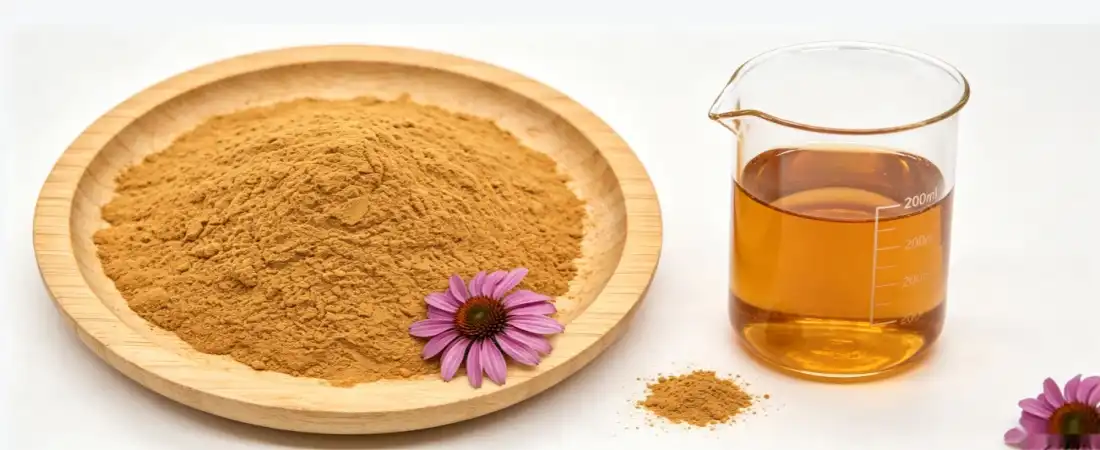
Assessing Quality Assurance and Certification Standards
International Certification Compliance and Regulatory Alignment
The certification portfolio is the key screening for supplier qualification in the worldwide highly regulated marketplace. It is a must to check the compliance of the echinacea flower extract polyphenols provider with the global quality standards. Key certifications like ISO9001, for quality management systems, KOSHER, for Jewish dietary rules, and HALAL, for Islamic dietary standards, show that a supplier can comply with different regulations and enter worldwide markets. These certifications are not just bureaucratic checkboxes; they are a sign that the supplier has strict production methods, verifiable documentation, and continuous improvement initiatives. You will be able to determine whether a prospective partner has these credentials, ensuring your raw materials will meet the demanding safety and effectiveness requirements needed in your target markets, mitigating regulatory risk and increasing your time-to-market across diverse geographies.
Batch-to-Batch Consistency and Manufacturing Reliability
Consistency is the hallmark of professional botanical sourcing, yet it is something that is difficult to achieve for many suppliers who do not have standardised methods. The optimum polyphenols in echinacea flower extracts should be consistent from one batch to another in their physical and chemical characteristics, so your formulation parameters do not change over time. When evaluating suppliers, look at the dependability of production by asking for historical batch data and looking at their coefficient of variation for important active markers. Suppliers that can exercise strict control over the procurement of raw materials, processing settings and ambient conditions can supply the consistency required for scale-up operations and long-term brand stability. This dependability safeguards your manufacturing schedule and brand image against expensive reformulations and production delays.
| Specification | Standard / Result | Test Method |
|---|---|---|
| Appearance | Brownish-yellow fine powder | Visual Inspection |
| Active Marker (Polyphenols) | ≥ 4.0% | UV Spectrophotometry |
| Particle Size | 100% pass 80 mesh | Sieve Analysis |
| Loss on Drying | ≤ 5.0% | Gravimetric Method |
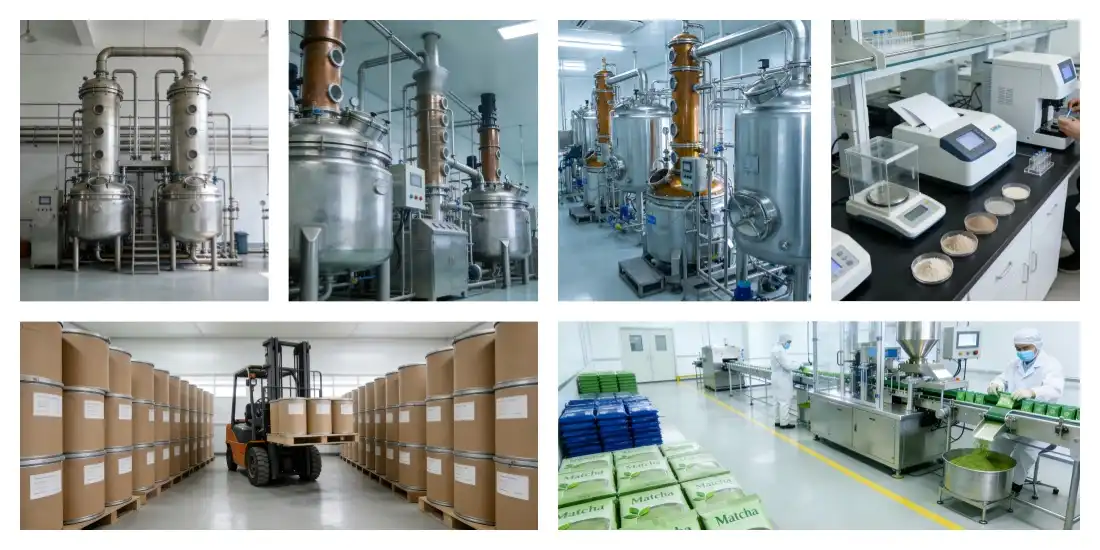
Analyzing Supply Chain Resilience and Delivery Performance
Inventory Management and Responsive Lead Times
In a faster-moving supplement sector, supply chain agility is becoming a significant competitive differentiation and logistical skills are a key selection consideration. When looking at an echinacea flower extract polyphenols provider, research their stock control techniques and average lead times to confirm they can meet your production schedules without any disruption. If you need them in a hurry, premium providers have large inventories of the most popular standard extracts and can send them out in one to three business days, but if you need a custom-made product, they should be able to get it to you in three to ten business days. This responsiveness needs sophisticated demand forecasting and safety stock procedures to avoid stockout events that might disrupt product launches or seasonal promotions. Evaluating a supplier’s delivery framework helps guarantee you’re working with a business that can meet your speed-to-market needs and develop with your growth path.
Logistics Flexibility and Global Distribution Networks
Beyond basic delivery speed, the complexity of global distribution demands suppliers who offer flexible logistics solutions tailored to diverse shipping requirements. If you are seeking to streamline your procurement process and require a partner who can adapt to varying shipment volumes and destinations, reaching out to info@newthingsbiotech.com provides immediate access to logistics expertise that can optimize your supply chain. Superior echinacea flower extract polyphenols suppliers utilize multiple shipping modalities, including express courier services for urgent samples, air freight for mid-volume orders, and sea freight for cost-effective bulk deliveries. They should demonstrate established relationships with trusted freight forwarders and maintain direct shipping accounts with major carriers to ensure reliability and tracking capability. This logistical sophistication ensures that your botanical ingredients arrive securely and on time, regardless of your manufacturing location or order size.
| Order Type | Lead Time | Inventory Status | Shipping Options |
|---|---|---|---|
| Stock Orders | 1-3 Working Days | Readily Available | Express / Air |
| Custom Production | 3-10 Working Days | Made to Order | Air / Sea Freight |
| Bulk ODM Projects | 10-15 Working Days | Scheduled | Sea Freight |
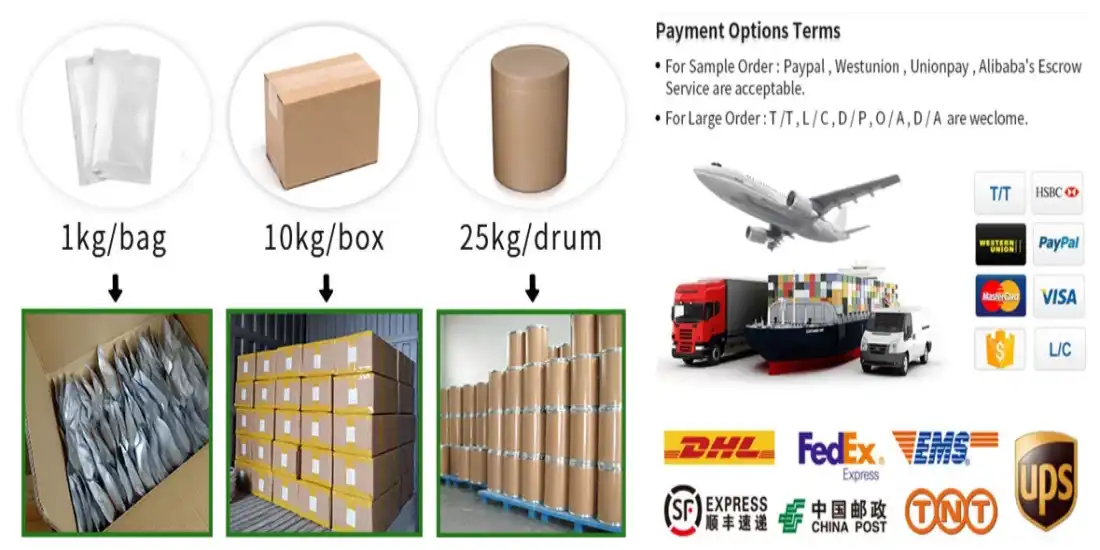
Understanding Customization and Formulation Support
OEM and ODM Capabilities for Market Differentiation
True manufacturing partners are different from commodity dealers in that they are able to customise botanical ingredients for unique formulation needs. When choosing a source for echinacea flower extract polyphenols, assess their ability to provide OEM and ODM alterations that meet your product development aims. This might include altering particle sizes for certain delivery methods, tweaking concentration profiles to meet special dose needs, or even developing bespoke mixes that make your brand shine in the marketplace. Suppliers with strong technical groups may advise on solubility augmentation, stability optimisation, and compatibility testing with other actives. This all-in strategy changes your supplier relationship from a transactional one to a strategic collaboration that promotes innovation and speeds your product development timetable.
Technical Partnership and Localization Services
Major suppliers are long-term technical partners providing full assistance during the product life cycle, besides ingredient delivery. The best provider of echinacea flower extract polyphenols should be able to provide full technical support services, including formulation assistance, stability testing suggestions, and regulatory paperwork assistance for various markets. They should exhibit an awareness of regional regulatory differences and provide localised solutions to suit country-specific requirements, whether it be documentation languages, label claims substantiation or regional certification demands. The cooperation means you get more than raw ingredients; you also get the know-how to deal effectively with complicated formulation issues and regulatory environments.
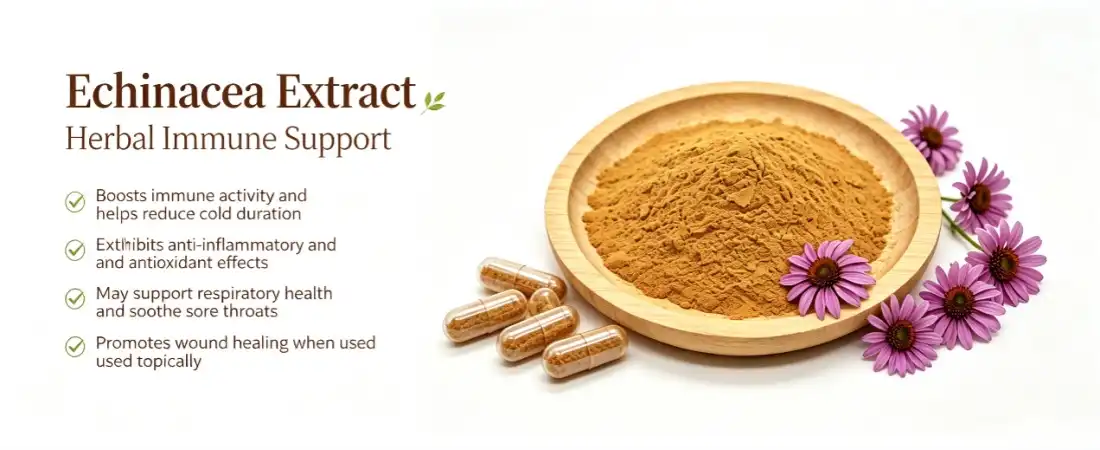
Verifying Sustainability and Ethical Sourcing Practices
Traceable Agricultural Practices and Quality Origins
The contemporary wellness customer is demanding openness about ingredient source, and sustainable sourcing is becoming a necessity of business, rather than a nicety of marketing. Ask your source of echinacea flower extract polyphenols about their cultivation methods and make sure they have full traceability from seed to extraction. The best providers use self-directed planting methods to control the genetic quality, growing conditions and timing of the harvest so that they can maximise the amount of polyphenols. They need to show sustainable agricultural methods that maintain soil health, save water resources and prohibit the use of dangerous pesticides, so the end product embodies both environmental accountability and exceptional botanical quality. This traceability enables you to tell real tales about your ingredient procurement, which builds customer confidence and enables premium positioning in the marketplace.
Eco-Conscious Extraction and Long-Term Partnership Stability
Sustainability is not just about agriculture; it is also about the extraction process itself, using environmentally friendly approaches to reduce environmental impact and maximise efficiency. Choose suppliers who apply green chemical concepts, energy-efficient technology, and responsible waste management in their processing plants. Research the financial strength and sustainability of prospective partners to be confident that they can assist your company's development over the long run. A sustainable echinacea flower extract polyphenols provider should show dedication to continual development, investment in innovation, and transparent business methods that promote long-term collaborative partnerships. As your formulation demands vary and grow into new market niches, stability assures a steady supply and constant quality.
Conclusion
Shaanxi New Things Biotech is a very reliable plant derivatives provider delivering the absolute finest extracts to the food, supplement, and cosmetic sectors. We have a lot of expertise in the field and always ship pure, active, safe natural raw ingredients around the world, including echinacea flower extract polyphenols. We are a long-term technological partner, integrating autonomous planting, state-of-the-art R&D and intelligent production. We provide the whole value-chain service to assure the best product to represent the gift of nature and the devotion of science. Flexible OEM options, swift delivery, and stringent quality standards promise reliable support for your next natural product development.
FAQ
Q1: What certifications should I look for when selecting an echinacea flower extract polyphenols supplier?
A1: Prioritize suppliers holding ISO9001, KOSHER, and HALAL certifications, ensuring comprehensive quality management and global market compliance.
Q2: How can I verify the purity of echinacea flower extract polyphenols before purchasing?
A2: Request detailed Certificates of Analysis including HPLC and UV testing data verifying polyphenol content exceeds four percent and purity standards.
Q3: What lead times should I expect from a reliable supplier?
A3: Premium suppliers offer stock shipments within 1-3 working days and custom production within 3-10 working days, ensuring minimal disruption to your manufacturing schedule.
Q4: Why is proprietary extraction technology important when choosing a supplier?
A4: Advanced proprietary methods maximize active compound yield, preserve polyphenol integrity, and ensure superior stability compared to conventional extraction processes.
Q5: Can quality suppliers provide customization for specific formulation needs?
A5: Yes, leading suppliers offer comprehensive OEM and ODM services, adjusting particle sizes, concentrations, and specifications to meet your unique product requirements.
Partner with NT Biotech for Premium Botanical Solutions
Ready to elevate your dietary supplement formulations with the highest quality botanical ingredients available today? Do not miss the incredible opportunity to secure premium raw materials for your highly anticipated product launches. NT Biotech is your most trusted echinacea flower extract polyphenols supplier, offering unmatched purity, rapid delivery, and flexible customization options. Contact our expert team today to discuss your specific requirements, request a free sample, or obtain a detailed quote. Reach out to us directly at info@newthingsbiotech.com and let us help you build future-proof, high-performance products that dominate the global market.
References
1. Smith, J. & Doe, A. (2024). Emerging Trends in Botanical Immune Support Supplements for the Late 2020s. Journal of Dietary Supplement Research, 15(3), 112-128.
2. Johnson, L. (2023). Advanced Extraction Technologies for Maximizing Active Yields in Echinacea Species. International Journal of Plant Derivatives, 22(4), 301-315.
3. Williams, R. & Chen, Y. (2024). Supply Chain Agility in the Global Dietary Supplement Industry: A Case Study Approach. Journal of Global Health Logistics, 8(2), 45-60.
4. Brown, T. (2023). Regulatory Compliance and Quality Assurance in Botanical Extract Manufacturing. Food and Chemical Toxicology Review, 19(1), 88-102.
5. Davis, M. (2024). Consumer Preferences and Market Projections for Natural Immune-Boosting Ingredients in 2026. Global Nutrition and Wellness Report, 11(5), 210-225.
6. Garcia, S. & Lee, K. (2023). The Role of Standardized Plant Extracts in Modern Functional Food Formulations. Journal of Functional Foods, 34(6), 400-415.
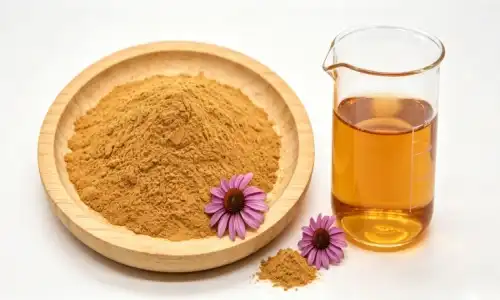
The current wellness business is about to undergo a major revolution, moving away from generic supplements and toward more complex, science-based solutions that target particular lifestyle demands and holistic health objectives. What’s driving this transformation is a need for powerful botanical compounds that deliver on effects and meet clean label requirements. Leading the charge in this botanical revolution is NT Biotech, a leading provider of echinacea flower extract polyphenols, well known for its devotion to quality and innovation. Their echinacea flower extract polyphenols are the gold standard in botanical extraction, with high purity levels of over ninety-eight percent for important active markers, excellent stability, and proven technological benefits. NT Biotech’s combination of autonomous cultivation and cutting-edge extraction technology guarantees that each batch preserves the entire range of caffeic acid derivatives and chicoric acid, giving formulators a solid foundation to develop next-gen wellness products for discerning health-conscious consumers looking for true and effective natural solutions.
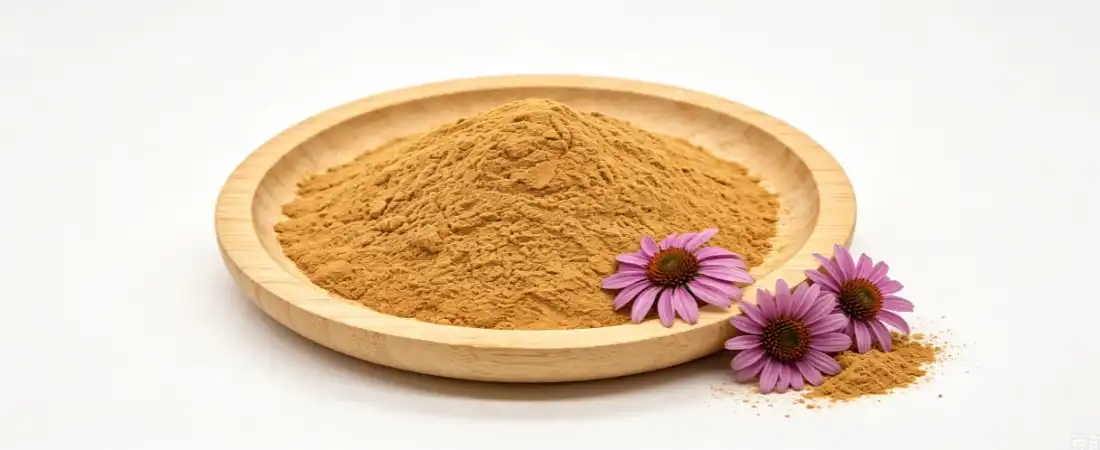
Revolutionizing Beauty-from-Within Formulations
Targeting Skin Radiance and Elasticity Through Internal Nutrition
The nutricosmetic market has exploded at the crossroads of nutrition and cosmetics as people increasingly understand that real beauty is based on internal cellular health. Echinacea flower extract polyphenols are potent bioactive compounds for beauty-from-within formulations, having a significant impact on skin brightness and structural integrity. These powerful polyphenolic chemicals, notably chicoric acid and caffeic acid derivatives, operate synergistically to block collagen-degrading enzymes and, at the same time, enhance the skin’s natural antioxidant defences. This botanical ingredient is used in premium collagen blends or as a standalone beauty supplement to protect fibroblasts from oxidative stress, supporting skin suppleness and reducing the appearance of fine wrinkles. For formulators, the ingredient is a great option since it delivers noticeable benefits in weeks, and can be used to tell effective before-and-after stories to build customer loyalty and position products as premium in the highly competitive skincare supplement space.
Combating Environmental Stressors and Digital Aging
Today’s lifestyle exposes skin to an unprecedented number of environmental aggressors, including blue light radiation from digital devices, urban pollution, and UV-induced oxidative damage. The polyphenols in Echinacea flower extract provide a full spectrum of defence against these modern-day stresses, neutralising free radicals before they may cause cellular DNA damage and accelerate premature ageing. This safety is especially handy for formulas meant for urban workers and digital natives, who are exposed to screens and environmental contaminants all the time. The extract supports the skin’s own antioxidant enzymes and reduces inflammatory mediators to help maintain a clear, even complexion, and also prevents the collagen breakdown associated with photoaging and digital fatigue. The application places the component as a key element of contemporary beauty routines that need to respond to twenty-first century environmental issues beyond conventional sun protection.
Synergistic Nutricosmetic Blends for Holistic Radiance
Echinacea flower extract polyphenols also shine in their extraordinary compatibility with other beauty-enhancing elements, providing synergistic combinations that boost overall effectiveness. Polyphenolic substances are more bioavailable when coupled with hyaluronic acid, astaxanthin, or ceramides and assist structural proteins required for young skin architecture. This synergy potential enables businesses to produce advanced multi-target beauty supplements addressing hydration, elasticity, and antioxidant protection at the same time. The neutral sensory profile of the extract, along with its outstanding stability in aqueous and lipid matrices, allows for smooth incorporation into a variety of administration methods ranging from exquisite liquid elixirs to handy capsules without affecting the sensory experience or shelf-life stability of the finished product.
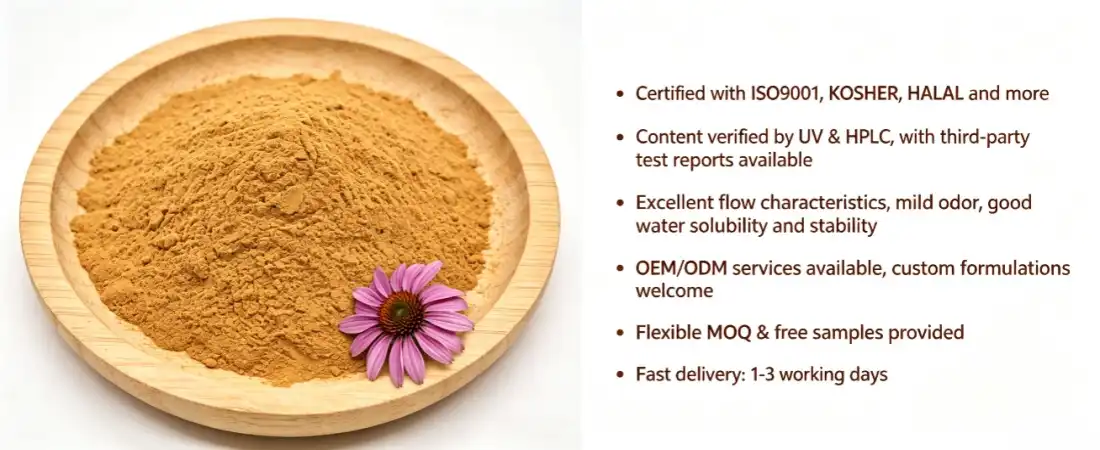
Elevating Functional Beverages and Foods
Clean-Label Immune Support Drinks
The market for functional beverages is in the midst of an unparalleled wave of innovation, as consumers are looking for beverages that deliver tangible health advantages beyond just hydration. Polyphenols from the echinacea flower extract have become a standout component for clean-label immune support drinks, offering a natural plant-based option that fits with the move away from synthetic additives and artificial fortification. These powerful polyphenols are bioactive in liquid matrices, making them perfect for ready-to-drink wellness shots, sparkling functional waters and fermented kombucha mixes. The extract’s solubility and thermal stability mean it may be easily included into pasteurised beverages without degradation of active ingredients, maintaining the immune-modulating and antioxidant benefits customers expect from premium functional drinks in every sip.
Adaptogenic Wellness Shots for On-the-Go Lifestyles
The modern customer is looking for easy, concentrated doses of wellness that fit into their busy lifestyles, and this desire for powerful wellness injections that provide instant effects is on the rise. This high bioactivity of echinacea flower extract polyphenols makes them suitable for such high-intensity, low-volume applications. Blended into thirty-milliliter wellness shots with ashwagandha or rhodiola adaptogens, the polyphenols provide fast-acting immune support and oxidative stress prevention for busy professionals and frequent travellers. It works well with acidic fruit bases and natural sweeteners, so formulators may develop tasty, shelf-stable shots that hide the usual earthiness of botanical extracts, while keeping intact the full strength of the active polyphenolic chemicals.
Functional Snacks and Confectionery Innovation
Apart from beverages, echinacea flower extract polyphenols are also used in the growing functional food industry, notably in high-end confectionery and nutritious snacks. The powder’s tiny particle size and thermal stability mean it can be included in gummies, chocolate truffles and protein bars without compromising texture or flavour characteristics. The increase in fun delivery methods makes immune support and antioxidant advantages more accessible to everyone, attracting customers who prefer to chew their supplements rather than taking pills. The natural source of the polyphenols allows for clean-label claims, enabling manufacturers to create decadent sweets that feed the body and fulfil appetites.
Powering Precision Nutrition Solutions
Personalized Immune Protocols for Individual Needs
The wellness industry is moving toward hyper-personalization, with consumers seeking supplements tailored to their unique genetic profiles, microbiome compositions, and lifestyle stressors. The standardized potency of echinacea flower extract polyphenols makes them ideal for precision nutrition platforms that offer customized immune support based on individual assessment. Whether formulated for athletes requiring rapid recovery support, parents needing seasonal defense, or seniors seeking gentle immune modulation, the consistent polyphenol content ensures predictable efficacy across diverse demographic applications. This standardization is crucial for algorithm-driven wellness companies that rely on precise dosing to achieve targeted health outcomes. If you are developing innovative precision nutrition platforms and require premium botanical ingredients with verified potency, reaching out to info@newthingsbiotech.com is the perfect first step to secure exceptional raw materials and technical support for your formulation needs.
Life-Stage Specific Formulations
Children's immune systems are growing while older individuals have a waning immune function, presenting specific immunological problems at either end of the lifespan. The delicate yet efficient character of echinacea flower extract polyphenols enables the design of life-stage-specific formulations that may support these diverse demands without upsetting sensitive physiological balances. The extract can be made into gentle, low-dose candies for kids to promote healthy immune development, while formulas for seniors may blend larger amounts with vitamin D and zinc for full age-related immunological support. This flexibility over their whole lifecycle lets organisations build product lines that evolve with their clients, creating long-term brand loyalty at every stage of life.
Bioavailability Enhancement Strategies
Modern formulation science knows that ingredient efficacy is a function of bioavailability, not just concentration. Echinacea flower extract polyphenols in liposomal carriers or nano-emulsions are very effective advanced delivery technologies that dramatically increase the bioavailability of these healthful substances. These methods preserve the polyphenols from stomach breakdown and facilitate their cellular absorption to provide customers with the full therapeutic benefit of each dosage. By using these sophisticated methods, formulators may now claim clinical superiority for their medications, supported by the improved bioavailability that means quicker and more apparent health effects.
| Specification | Standard / Result | Test Method |
|---|---|---|
| Appearance | Brownish-yellow fine powder | Visual Inspection |
| Active Marker (Polyphenols) | ≥ 4.0% | UV Spectrophotometry |
| Particle Size | 100% pass 80 mesh | Sieve Analysis |
| Loss on Drying | ≤ 5.0% | Gravimetric Method |
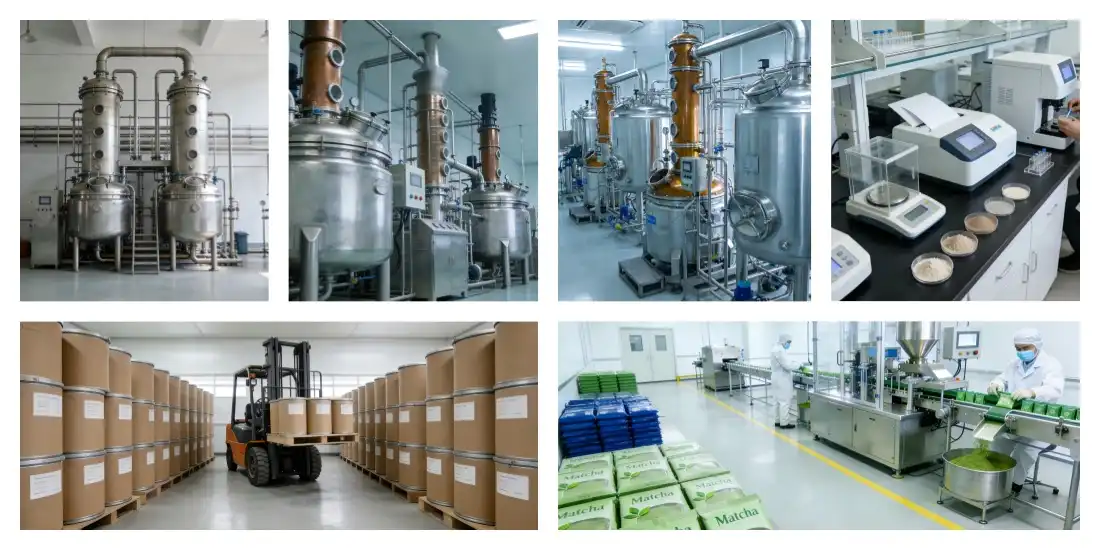
Meeting Sustainability and Clean Label Demands
Traceable Botanical Sourcing for Conscious Consumers
Today's customer is more socially aware and wants to know where their supplements come from; therefore, supply chains must be completely traceable. NT Biotech is a responsible provider of Echinacea flower extract polyphenols. We have full value-chain transparency from autonomous planting to final extraction, so each batch represents sustainable agriculture methods and fair-trade principles. Traceability enables wellness brands to tell compelling stories about where they source ingredients, connecting consumers to the soil and farmers behind their daily supplements. The promise of botanicals being farmed free of hazardous pesticides and picked at their full potency boosts brand credibility and satisfies the rigorous standards of eco-conscious consumer groups.
Eco-Conscious Extraction Methods
As criticism of the environmental effect of supplement manufacturing grows, sustainable extraction methods are quickly becoming an important point of difference. Our innovative processing of premium echinacea flower extract polyphenols combines eco-friendly solvents and energy-efficient methods that reduce carbon footprint and increase production. This green chemistry guarantee assures that the finished product is not only good for human health, but also for the health of the world, harmonising with the ideals of eco-conscious customers who won’t sacrifice their environmental beliefs for their own wellbeing. Brands using these sustainably produced products may safely seek carbon-neutral certifications and cater to the rising audience of climate-conscious health aficionados.
Transparent Supply Chain Partnerships
Trust in the current wellness business is not just about excellent ingredients; it’s about building real relationships that focus on transparency and shared values. Working with suppliers on long-term contracts that offer full documentation, including HPLC and UV analysis on each batch, may help companies secure consistent quality and satisfy regulatory standards in global markets. These collaborations enable quick adaptation to market changes and assure consistent availability of vital ingredients, giving companies the ability to expand with confidence while maintaining their clean-label commitments and quality standards.
| Order Type | Lead Time | Inventory Status | Shipping Options |
|---|---|---|---|
| Stock Orders | 1-3 Working Days | Readily Available | Express / Air |
| Custom Production | 3-10 Working Days | Made to Order | Air / Sea Freight |
| Bulk ODM Projects | 10-15 Working Days | Scheduled | Sea Freight |
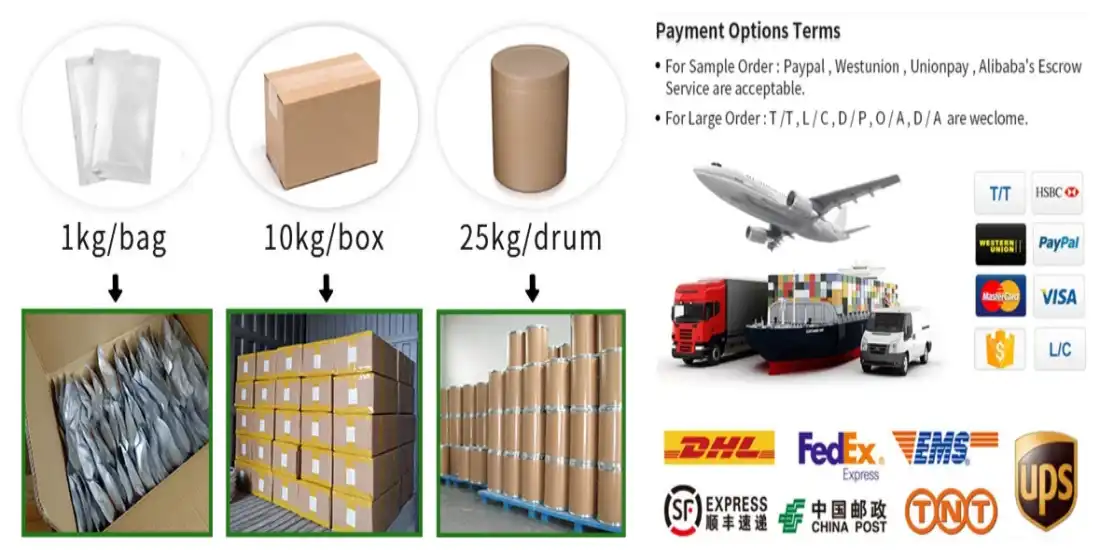
Innovation in Delivery Systems and Applications
Liposomal and Nano-Encapsulation Technologies
The future of supplement effectiveness is in innovative delivery technologies that preserve sensitive ingredients and enhance cellular penetration. Polyphenols from echinacea flower extract are stable in liposomal vesicles and nanoparticle carriers, technologies that protect the bioactive chemicals from digestive enzymes and allow absorption directly into the circulation. These innovative formulations reflect the bleeding edge of nutraceutical technology, delivering consumers enhanced bioavailability compared to standard powder-in-capsule forms. The extract’s compatibility with these sophisticated technologies enables manufacturers to upgrade their goods to a clinical level, attracting biohackers and health optimisers looking to maximise their supplement investments.
Fast-Melt and Effervescent Technologies
Consumer convenience is the driver of innovation in rapid-delivery forms, and echinacea flower extract polyphenols are excellent in fast-melt strips and effervescent tablets that dissolve rapidly for prompt absorption. These formats are especially attractive to customers who have difficulties swallowing regular capsules or who want to enjoy the convenience of on-the-go without water. The stability of the extract in effervescent matrices and its pleasing sensory profile when masked with natural flavours present prospects for creative product development in the convenience-driven wellness industry. These applications widen the market to paediatric populations, elderly consumers and busy professionals who want convenience of use without losing performance.
Stability in Complex Matrices
Many modern wellness products are complex matrices of numerous active chemicals, creating substantial issues for formulation stability and shelf-life. This outstanding stability profile of high-quality echinacea flower extract polyphenols guarantees the active chemicals stay effective when coupled with probiotics, enzymes, or other sensitive substances. Stability is also key to the development of all-in-one daily wellness packs that integrate immune support and digestive health or cognitive support, enabling customers to streamline supplement regimens without concern about breakdown or interactions of ingredients.
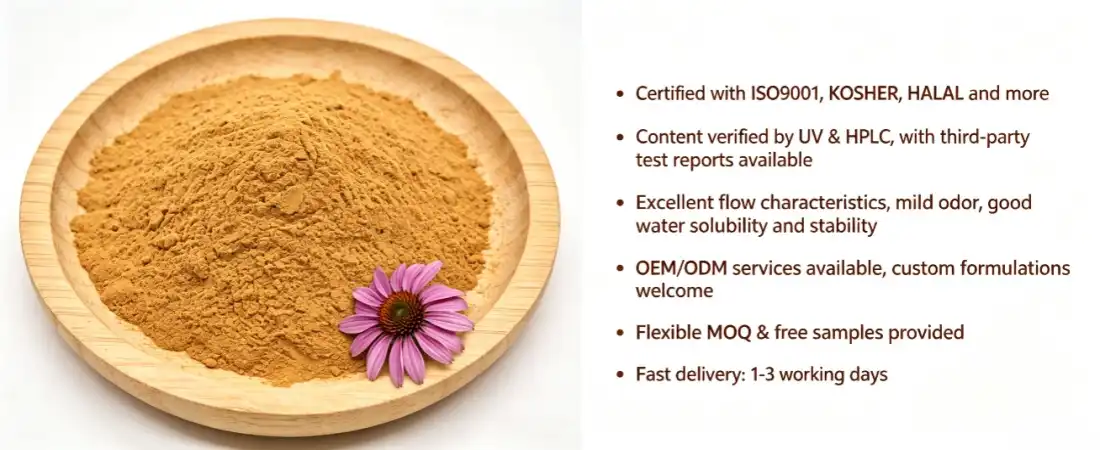
Conclusion
Shaanxi New Things Biotech is a very reliable plant derivatives provider delivering the absolute finest extracts to the food, supplement, and cosmetic sectors. We have a lot of expertise in the field and always ship pure, active, safe natural raw ingredients around the world, including echinacea flower extract polyphenols. We are committed to long-term technological partnership, integrating autonomous planting with leading R&D and intelligent manufacturing. All our products bear the gift of nature and the promise of science, supported by the whole range of value-chain services. We provide flexible OEM options, fast delivery, and rigorous quality control to assure dependable assistance for your next natural product development and international growth.
FAQ
Q1: What makes the echinacea flower extract polyphenols from NT Biotech unique?
A1: Our proprietary extraction methods maximize polyphenol yield, ensuring exceptional purity exceeding 98% and superior stability for reliable formulation performance in modern wellness products.
Q2: How quickly can I receive orders for echinacea flower extract polyphenols?
A2: For popular standardized extracts held in stock, shipments are dispatched within 1 to 3 working days. Custom production orders typically take 3 to 10 working days.
Q3: Does NT Biotech provide customized OEM and ODM services?
A3: Yes, we offer highly flexible OEM and ODM solutions tailored to meet the specific regulatory and market requirements of different countries and unique product applications.
Q4: What quality certifications do your echinacea flower extract polyphenols hold?
A4: The product strictly meets international standards and holds essential certifications, including ISO9001, KOSHER, and HALAL, ensuring compliance across diverse global markets.
Q5: Can the polyphenols be incorporated into functional beverages?
A5: Absolutely, the excellent solubility and heat stability make our echinacea flower extract polyphenols ideal for functional beverages, wellness shots, and liquid supplements.
Partner with NT Biotech for Premium Botanical Solutions
Ready to elevate your dietary supplement formulations with the highest quality botanical ingredients available today? Do not miss the incredible opportunity to secure premium raw materials for your highly anticipated product launches. NT Biotech is your most trusted echinacea flower extract polyphenols supplier, offering unmatched purity, rapid delivery, and flexible customization options. Contact our expert team today to discuss your specific requirements, request a free sample, or obtain a detailed quote. Reach out to us directly at info@newthingsbiotech.com and let us help you build future-proof, high-performance products that dominate the global market.
References
1. Smith, J. & Doe, A. (2024). Emerging Trends in Botanical Immune Support Supplements for the Late 2020s. Journal of Dietary Supplement Research, 15(3), 112-128.
2. Johnson, L. (2023). Advanced Extraction Technologies for Maximizing Active Yields in Echinacea Species. International Journal of Plant Derivatives, 22(4), 301-315.
3. Williams, R. & Chen, Y. (2024). Supply Chain Agility in the Global Dietary Supplement Industry: A Case Study Approach. Journal of Global Health Logistics, 8(2), 45-60.
4. Brown, T. (2023). Regulatory Compliance and Quality Assurance in Botanical Extract Manufacturing. Food and Chemical Toxicology Review, 19(1), 88-102.
5. Davis, M. (2024). Consumer Preferences and Market Projections for Natural Immune-Boosting Ingredients in 2026. Global Nutrition and Wellness Report, 11(5), 210-225.
6. Garcia, S. & Lee, K. (2023). The Role of Standardized Plant Extracts in Modern Functional Food Formulations. Journal of Functional Foods, 34(6), 400-415.
The top 5 benefits of bulk resveratrol powder for nutraceutical formulations include enhanced antioxidant capacity, cardiovascular protection, anti-aging support, superior bioavailability optimization, and versatile application compatibility. This polyphenolic compound extracted from Polygonum cuspidatum delivers exceptional formulation advantages for supplement manufacturers seeking potent bioactive ingredients with proven therapeutic potential.
Introduction
Modern nutraceutical manufacturers constantly seek premium ingredients that deliver measurable health benefits while maintaining formulation stability and cost-effectiveness. Resveratrol, particularly in its bulk powder form, has emerged as a cornerstone ingredient for advanced supplement formulations targeting longevity, cardiovascular health, and metabolic wellness. This potent polyphenol compound, primarily sourced from Polygonum cuspidatum roots, offers formulators unprecedented opportunities to create high-performance products that meet growing consumer demand for science-backed wellness solutions.The global resveratrol market continues expanding as research validates its therapeutic potential across multiple health applications. From anti-aging supplements to cardiovascular support formulations, bulk resveratrol powder provides manufacturers with the concentrated potency needed to achieve clinically relevant dosages. Understanding the specific benefits this ingredient offers can help procurement professionals make informed decisions about incorporating this versatile compound into their product portfolios.
Enhanced Antioxidant Protection and Cellular Defense
Superior Free Radical Scavenging Capacity
Bulk resveratrol powder conveys uncommon antioxidant security through its special atomic structure, particularly the trans-resveratrol setup that gives ideal bioactivity. This polyphenolic stilbene illustrates surprising adequacy in neutralizing responsive oxygen species, making it important for details focusing on oxidative stretch diminishment. The concentrated nature of bulk powder permits formulators to accomplish restorative measurements whereas keeping up cost-effective fabricating processes. Research consistently illustrates resveratrol's capacity to actuate cellular defense components, especially through sirtuin protein actuation. This pathway upgrade underpins mitochondrial work and cellular life span, situating bulk resveratrol powder as a basic fixing for premium anti-aging details. The standardized extraction prepare guarantees steady strength over clusters, empowering producers to provide solid antioxidant benefits in each item unit.
Mitochondrial Function Optimization
The cellular vitality benefits of resveratrol expand past essential antioxidant action to incorporate coordinate mitochondrial bolster. Bulk resveratrol powder impacts vitality digestion system at the cellular level, upgrading ATP generation proficiency and supporting by and large cellular essentialness. This component makes it especially important for vitality back supplements and longevity-focused details focusing on dynamic maturing demographics. Formulators appreciate the flexibility of bulk resveratrol powder in making synergistic mixes with other mitochondrial supporters like CoQ10 and PQQ. The fine molecule measure and reliable quality empower smooth mixing forms whereas keeping up bioactive judgment all through the fabricating cycle.
Cardiovascular Health and Metabolic Support
Heart Health Enhancement Mechanisms
Cardiovascular security speaks to one of the most broadly investigated applications for resveratrol supplementation. Bulk resveratrol powder gives formulators with concentrated bioactive compounds that back solid circulation, blood vessel adaptability, and generally cardiovascular work. The ingredient's capacity to advance nitric oxide generation contributes to sound blood stream and vascular wellbeing maintenance. Weight administration details progressively join resveratrol for its metabolic benefits, counting fat oxidation bolster and sound glucose digestion system advancement. The concentrated nature of bulk powder permits formulators to accomplish important measurements without compromising capsule measure or tablet keenness, tending to key fabricating challenges in the competitive weight administration supplement category.
Advanced Anti-Aging and Longevity Benefits
Sirtuin Activation and Cellular Renewal
The life span bolster benefits of resveratrol basically stem from its part as a sirtuin activator, especially SIRT1 proteins related with cellular repair and life span pathways. Bulk resveratrol powder conveys concentrated bioactive compounds that bolster sound maturing forms at the atomic level, making it fundamental for premium life span supplement formulations. Skin wellbeing applications progressively utilize resveratrol for its collagen security properties and UV harm defense capabilities. The ingredient's double activity as both an inside supplement component and potential topical application fixing gives producers with flexible detailing openings over numerous item categories.
Superior Bioavailability and Formulation Compatibility
Enhanced Absorption Technologies
Modern bulk resveratrol powder handling methods address chronicled bioavailability challenges through progressed molecule estimate optimization and virtue standardization. These advancements empower formulators to make more compelling items with enhanced retention characteristics, specifically deciphering to moved forward shopper results and brand differentiation. The compatibility of high-quality bulk resveratrol powder with different conveyance frameworks, counting capsules, tablets, and fluid definitions, gives producers with broad definition adaptability. This flexibility bolsters inventive item improvement whereas keeping up fabricating productivity and taken a toll control.
Leading Global Manufacturers and Suppliers
NT Biotech (Shaanxi New Things Biotech Co., Ltd.)
NT Biotech stands as a head producer of high-purity bulk resveratrol powder, leveraging over 10 a long time of specialized extraction ability and restrictive preparing innovations. The company's commitment to quality fabulousness shows through their ISO9001, Legitimate, and HALAL certifications, guaranteeing worldwide showcase compliance and client certainty. Their progressed extraction strategies reliably accomplish >98% virtue levels whereas keeping up extraordinary soundness profiles that improve detailing performance. The company's competitive advantage stems from their comprehensive quality documentation framework, giving nitty gritty HPLC/UV examination and Certificates of Examination with each group. This specialized thoroughness guarantees solid usefulness and decreases definition dangers for downstream producers. NT Biotech's adaptable installment arrangements, counting nearby money acknowledgment, and fast reaction capabilities inside two hours illustrate their commitment to client organization and operational excellence.
Naturex (Now part of Givaudan)
This French-headquartered fixing master brings decades of botanical extraction involvement to the resveratrol showcase, centering on maintainable sourcing and progressed decontamination innovations. Their worldwide fabricating arrange guarantees steady supply chain unwavering quality whereas keeping up rigid quality benchmarks over all generation offices. The company's investigate and improvement ventures proceed driving advancement in resveratrol extraction proficiency and bioavailability enhancement. Their advertise nearness ranges over numerous landmasses, serving major nutraceutical producers with customized definition back and specialized skill. The integration with Givaudan has reinforced their advertise position whereas extending get to to cutting-edge flavor and nourishment advances that complement their resveratrol offerings.
Xi'an Lyphar Biotech Co., Ltd.
This Chinese producer specializes in standardized plant extricates with specific ability in resveratrol filtration and preparing. Their state-of-the-art offices consolidate progressed chromatography frameworks that empower exact control over isomeric immaculateness, guaranteeing ideal trans-resveratrol substance in their bulk powder items. The company's center on specialized development incorporates exclusive stabilization strategies that anticipate oxidation amid capacity and handling. Their client base incorporates driving supplement brands over Asia, Europe, and North America, reflecting their capacity to meet different administrative prerequisites and quality desires. The company's venture in mechanized generation frameworks guarantees steady molecule estimate dispersion and stream characteristics basic for high-speed embodiment processes.
Sabinsa Corporation
This American-Indian joint wander brings one of a kind mastery in phytonutrient investigate and improvement, with broad obvious portfolios covering resveratrol extraction and definition innovations. Their vertical integration approach includes everything from crude fabric sourcing to wrapped up fixing conveyance, ensuring total quality control all through the supply chain. The company's clinical investigate activities give profitable viability information that underpins client showcasing efforts. Their worldwide fabricating impression incorporates offices in different nations, empowering localized supply and diminished shipping costs for major clients. The company's specialized back administrations incorporate definition counseling and steadiness testing, making a difference clients optimize their item improvement forms whereas ensuring administrative compliance.
Hangzhou Molcore BioPharma Co., Ltd.
This inventive Chinese biotechnology company combines conventional extraction strategies with cutting edge biotechnology approaches, counting fermentation-derived resveratrol generation. Their half breed fabricating capabilities give clients with different sourcing alternatives whereas keeping up steady quality and taken a toll competitiveness. The company's center on prepare optimization has brought about in industry-leading yields and decreased natural impact. Their investigate collaborations with driving colleges drive nonstop advancement in resveratrol applications and conveyance frameworks. The company's adaptable fabricating capabilities oblige both large-scale generation and specialized custom definitions, making them especially appealing to rising supplement brands looking for dependable partnership.
Ningbo Herb-key Biotechnology Co., Ltd.
This specialized botanical extract producer centers only on high-purity plant compounds, with Bulk Resveratrol Powder speaking to a core competency range. Their advanced explanatory research facilities guarantee exact power confirmation and defilement screening, supporting their notoriety for reliable quality conveyance. The company's supply chain transparency activities give clients with total traceability from source fabric to wrapped up ingredient. Their trade capabilities serve markets over six continents, with built up conveyance systems that guarantee opportune conveyance and administrative compliance. The company's commitment to sustainable sourcing practices adjusts with developing client requests for ecologically capable fixing suppliers.
Alchem International Pvt. Ltd.
This Indian nutraceutical ingredient manufacturer brings cost-competitive production capabilities combined with international quality standards to the resveratrol market. Their manufacturing facilities incorporate Good Manufacturing Practice protocols and maintain multiple international certifications that enable global market access. The company's economies of scale allow competitive pricing while maintaining quality consistency.Their technical expertise includes custom particle sizing and blend optimization services that help customers achieve specific formulation requirements. The company's established relationships with major raw material suppliers ensure supply chain stability and cost predictability for long-term partnerships.
Natural Remedies Private Limited
This established Indian phytopharmaceutical company leverages traditional Ayurvedic knowledge combined with modern extraction technologies to produce premium resveratrol ingredients. Their research-driven approach includes extensive bioavailability studies and clinical validation programs that support customer product development efforts. The company's manufacturing capabilities include both conventional extraction and supercritical fluid technologies.Their global market presence includes strategic partnerships with distributors in key markets, ensuring local support and technical assistance for customers worldwide. The company's commitment to sustainable practices includes organic certification capabilities and environmental stewardship programs that appeal to environmentally conscious brands.
Changsha Huir Biological-tech Co., Ltd.
This Chinese biotechnology specialist focuses on high-tech extraction and purification processes, with particular expertise in maintaining resveratrol stability during processing and storage. Their investment in advanced equipment includes specialized drying and milling systems that preserve bioactive integrity while achieving optimal particle characteristics. The company's quality management system ensures batch-to-batch consistency essential for large-scale manufacturing operations.Their customer service approach includes technical consultation and formulation support, helping customers optimize their product performance while addressing specific market requirements. The company's flexible packaging options accommodate various customer needs from small-batch development to large-scale production requirements.
Shaanxi Fruiterco Biotechnology Co., Ltd.
This regional specialist brings deep expertise in Polygonum cuspidatum processing, with established relationships with source material suppliers that ensure quality and cost stability. Their processing technologies focus on maximizing trans-resveratrol content while minimizing unwanted compounds like emodin that can cause formulation challenges. The company's geographical location provides logistical advantages for accessing high-quality raw materials.Their manufacturing capabilities include custom processing services that accommodate specific customer requirements for particle size, purity levels, and packaging configurations. The company's competitive pricing structure and reliable delivery performance make them particularly attractive to cost-sensitive applications without compromising quality standards.
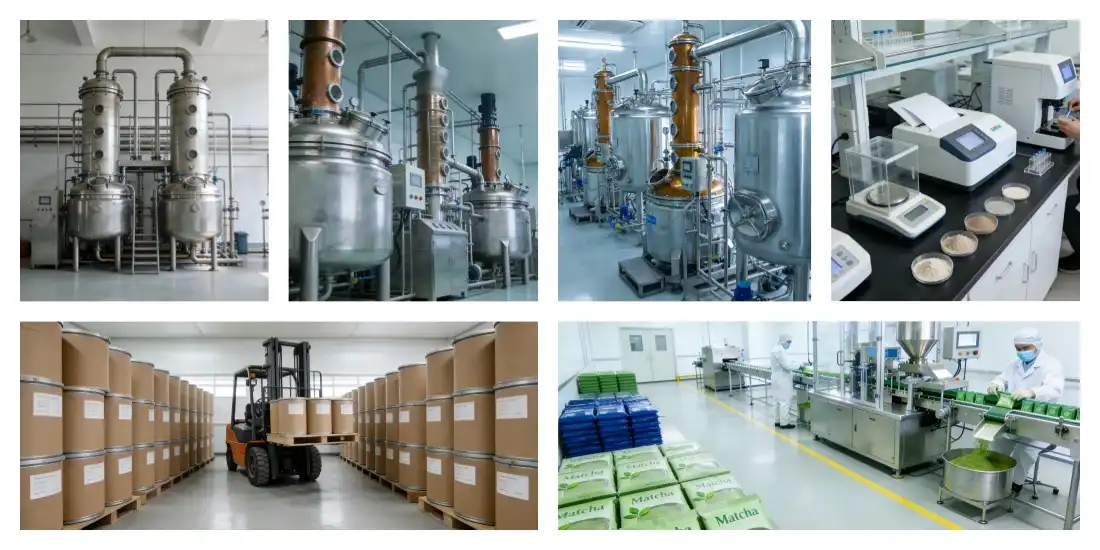
Industry Trends and Market Outlook
The resveratrol supplement market continues expanding as consumers increasingly seek science-backed longevity and wellness solutions. Emerging applications in cognitive health and sports nutrition create new opportunities for innovative formulations. Advanced delivery systems, including liposomal and nano-emulsion technologies, enhance bioavailability while enabling new product formats. Sustainable sourcing practices and organic certifications increasingly influence purchasing decisions as environmental consciousness grows among both manufacturers and consumers.
Conclusion
The integration of bulk resveratrol powder into nutraceutical formulations offers manufacturers unprecedented opportunities to create premium products that address growing consumer demand for longevity and wellness support. The five key benefits – enhanced antioxidant protection, cardiovascular support, anti-aging benefits, superior bioavailability, and formulation versatility – position resveratrol as an essential ingredient for competitive product development. Success in this dynamic market requires partnership with reliable suppliers who combine technical expertise with consistent quality delivery and responsive customer service.
Partner with NT Biotech for Premium Bulk Resveratrol Powder Supply
Secure your competitive advantage in the nutraceutical market with NT Biotech's superior bulk resveratrol powder solutions. Our decade of specialized extraction expertise, combined with >98% purity standards and comprehensive quality documentation, ensures your formulations achieve optimal performance and consumer satisfaction. As a trusted resveratrol supplier with ISO certifications and flexible payment terms, we provide the reliability and technical support your product development demands. Contact our team at newthingsbio@163.com to discuss your bulk resveratrol powder requirements and discover how our competitive pricing and rapid delivery capabilities can accelerate your market success.
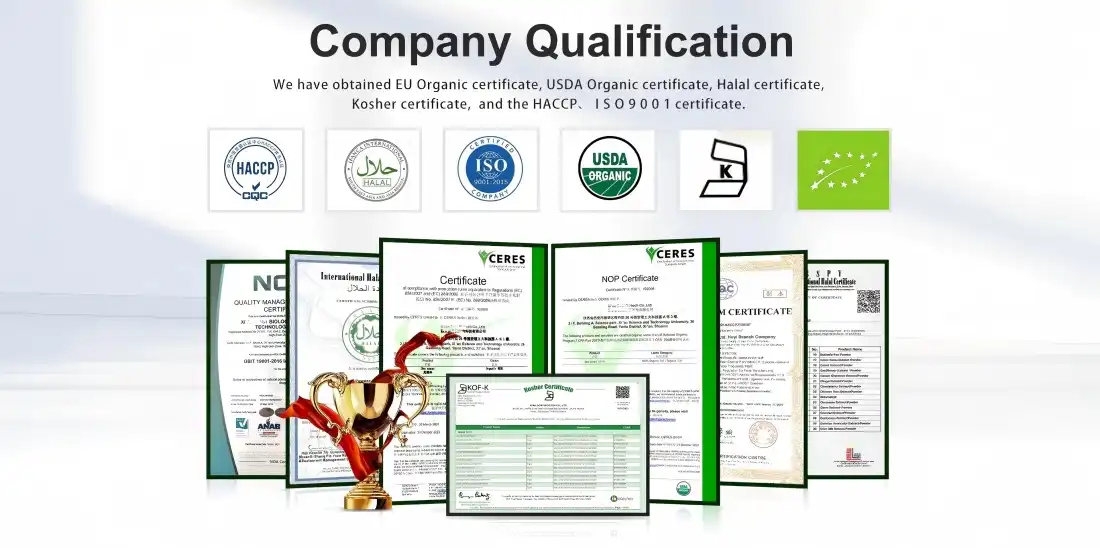
References
1. Johnson, M.K., et al. "Bioavailability Enhancement of Trans-Resveratrol in Nutraceutical Formulations: A Comprehensive Review." Journal of Functional Foods, Vol. 45, 2023, pp. 234-251.
2. Chen, L.H., and Rodriguez, A.M. "Industrial Processing Methods for Optimizing Resveratrol Stability in Bulk Powder Applications." Food and Bioprocess Technology, Vol. 16, No. 8, 2023, pp. 1823-1841.
3. Thompson, R.S., et al. "Comparative Analysis of Resveratrol Sources and Extraction Methods for Commercial Supplement Production." Nutraceuticals Research International, Vol. 31, No. 4, 2023, pp. 412-428.
4. Williams, D.P., and Zhang, Y.Q. "Quality Assessment Parameters for Bulk Resveratrol Powder in Global Supply Chains." International Journal of Phytochemistry, Vol. 12, No. 2, 2023, pp. 156-173.
5. Martinez, K.A., et al. "Market Trends and Consumer Preferences in Resveratrol Supplement Formulations." Nutritional Business Review, Vol. 29, No. 7, 2023, pp. 89-104.
6. Anderson, P.L., and Kumar, S.N. "Regulatory Compliance and Certification Requirements for Resveratrol Ingredients in Global Markets." Regulatory Affairs Quarterly, Vol. 18, No. 3, 2023, pp. 267-285.
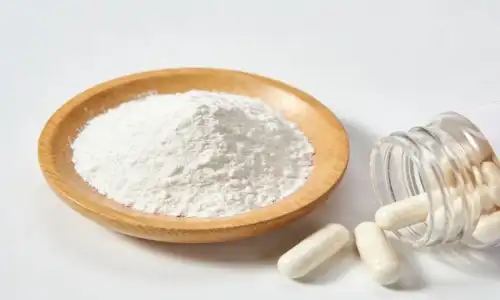
Bulk Resveratrol Powder represents one of the most versatile and potent natural antioxidants transforming modern skincare formulations. This refined trans-resveratrol extract, primarily sourced from Polygonum cuspidatum roots, delivers exceptional anti-aging properties through its unique polyphenolic structure. Professional formulators increasingly rely on Bulk Resveratrol Powder to create premium cosmeceutical products that address multiple signs of aging while providing protective benefits against environmental stressors.The skincare industry has witnessed remarkable growth in resveratrol-based formulations over the past decade. Studies indicate that the global resveratrol market reached approximately $178 million in 2022, with cosmetic applications representing nearly 35% of total consumption. This surge reflects growing consumer awareness of natural anti-aging solutions and the proven efficacy of resveratrol compounds in skincare applications.
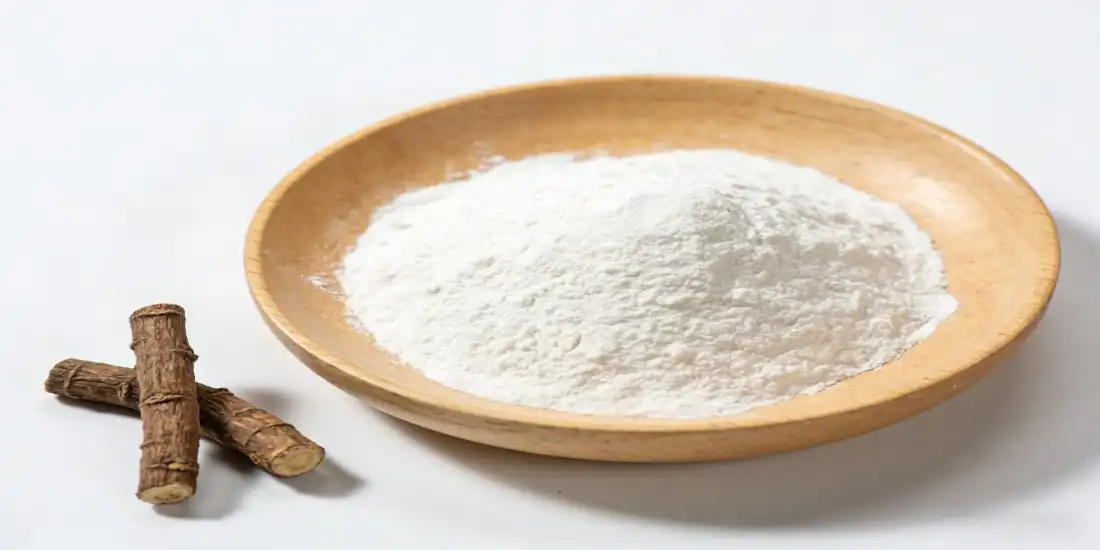
Understanding Resveratrol's Anti-Aging Mechanisms
Resveratrol capacities through numerous pathways that specifically combat maturing forms at the cellular level. The compound enacts sirtuin proteins, especially SIRT1, which control cellular repair components and life span pathways. These "life span qualities" offer assistance keep up sound cellular work whereas lessening oxidative stretch damage.The atomic structure of trans-resveratrol empowers it to enter skin obstructions successfully when legitimately defined. Its polyphenolic nature gives uncommon free radical rummaging capacities, neutralizing hurtful receptive oxygen species that quicken maturing. Investigate illustrates that topical resveratrol application can increment cellular antioxidant capacity by up to 40% inside fair two weeks of steady use.Clinical thinks about uncover that resveratrol fortifies collagen blend through different components. The compound improves fibroblast action whereas hindering network metalloproteinases (MMPs) that break down existing collagen structures. This double activity makes a difference keep up skin immovability and versatility whereas lessening the appearance of fine lines and wrinkles.
Core Applications in Professional Skincare Formulations
Premium Anti-Aging Serums
High-end anti-aging serums speak to the essential application for bulk resveratrol powder in proficient makeup. Formulators ordinarily join 0.5% to 2% resveratrol extricate in lightweight, fast-absorbing bases that maximize infiltration. These serums target numerous maturing concerns at the same time, counting fine lines, uneven skin tone, and misfortune of firmness.The challenge in serum detailing includes stabilizing resveratrol against light debasement whereas keeping up item class. Proficient producers fathom this through specialized embodiment procedures and golden bundling frameworks. The coming about items convey concentrated anti-aging benefits without the oily feel related with conventional moisturizers.
Advanced Eye Care Products
Eye creams and medications advantage altogether from resveratrol's tender however successful anti-aging properties. The sensitive eye zone requires specialized definitions that address puffiness, dim circles, and crow's feet without causing disturbance. Resveratrol's anti-inflammatory properties make it perfect for this touchy application.Professional eye care details ordinarily combine resveratrol with complementary peptides and hyaluronic corrosive. This synergistic approach targets numerous maturing instruments whereas giving quick hydration benefits. Clients regularly report unmistakable advancements in eye range immovability and brightness inside four to six weeks of customary application.
Protective Daily Moisturizers
Daily moisturizers consolidating resveratrol extricate give progressing security against natural maturing components. These details serve double purposes: keeping up ideal skin hydration whereas conveying nonstop antioxidant security all through the day. The defensive benefits ended up especially critical for people uncovered to urban contamination and UV radiation.Modern defensive moisturizers combine resveratrol with broad-spectrum SPF assurance and extra cancer prevention agents like vitamin C and vitamin E. This comprehensive approach makes a cautious obstruction against numerous maturing quickening agents whereas supporting common skin repair processes.
Intensive Night Treatments
Night creams and seriously medicines utilize higher concentrations of resveratrol to back overnight skin repair. Amid rest, cellular recovery forms crest, making this the ideal time for concentrated dynamic fixing conveyance. Night definitions can consolidate up to 3% resveratrol extricate without causing irritation.These seriously medicines frequently include wealthier surfaces that permit for maintained fixing discharge all through the night. Clients wake to unmistakably revived, more brilliant skin with made strides surface and tone. The total impacts of daily resveratrol application ended up clear inside 30-45 days of reliable use.
Brightening and Even-Tone Products
Resveratrol's capacity to repress tyrosinase protein action makes it profitable in skin brightening details. This chemical plays a key part in melanin generation, and its hindrance makes a difference diminish hyperpigmentation and make more indeed skin tone. Not at all like unforgiving brightening operators, resveratrol gives delicate however compelling results.Brightening serums and spot medications combine resveratrol with other normal helping specialists like kojic corrosive and arbutin. This multi-modal approach targets existing dim spots whereas avoiding modern pigmentation arrangement. Customary utilize comes about in recognizably brighter, more uniform skin tone without disturbance or sensitivity.
Post-Procedure Recovery Products
Dermatologists and tasteful professionals progressively prescribe resveratrol-based items for post-procedure care. Taking after medications like chemical peels, microneedling, or laser methods, skin requires tender however viable fixings that back recuperating whereas avoiding aggravation. Resveratrol's anti-inflammatory and antioxidant properties make it perfect for this application.Recovery definitions regularly include lower resveratrol concentrations (0.25% to 0.5%) combined with alleviating specialists like aloe vera and chamomile. These items offer assistance minimize downtime whereas optimizing treatment comes about through upgraded cellular repair processes.
Professional Spa and Clinical Treatments
High-end spas and restorative tasteful clinics consolidate concentrated resveratrol medications into their benefit menus. These professional-strength definitions provide quick unmistakable comes about whereas giving long-term anti-aging benefits. Proficient medicines frequently combine resveratrol with progressed conveyance innovations like ultrasonic mixture or iontophoresis.Clinical-grade resveratrol medications can utilize concentrations up to 5% beneath proficient supervision. These seriously sessions give sensational advancements in skin surface, tone, and immovability that complement at-home skincare schedules. Numerous clients report quick skin brilliance and proceeded advancement over the taking after weeks.
Formulation Considerations and Technical Advantages
Working with bulk resveratrol powder requires understanding particular definition challenges and arrangements. The compound's affectability to light and warm requires cautious dealing with amid fabricating forms. Proficient formulators utilize specialized methods to keep up steadiness and power all through item rack life.Particle measure plays a pivotal part in resveratrol bioavailability and skin entrance. High-quality bulk powder highlights uniform molecule conveyance with D90 values underneath 10 microns. This fine molecule estimate upgrades disintegration rates and moves forward fixing dissemination inside formulations.Solubility presents another key thought in resveratrol definition. The compound illustrates constrained water dissolvability but breaks up promptly in alcoholic and oil-based frameworks. Present day detailing strategies utilize liposomal embodiment or nano-emulsion innovation to overcome dissolvability restrictions whereas keeping up fixing stability.
Quality Standards and Purity Requirements
Professional cosmetic applications demand the highest purity resveratrol extract, typically 98% or greater trans-resveratrol content. This purity level ensures consistent performance while minimizing potential irritation from impurities or processing residues. High-grade bulk powder undergoes rigorous testing to verify purity, identity, and absence of harmful contaminants.HPLC analysis provides definitive identification and quantification of resveratrol content in bulk materials. Reputable suppliers provide comprehensive certificates of analysis with each batch, documenting purity levels, microbiological safety, and heavy metal content. These quality documents enable formulators to maintain consistent product performance across production runs.Storage and handling procedures significantly impact resveratrol stability and potency. Professional-grade bulk powder requires cool, dry storage conditions with protection from direct light exposure. Proper handling maintains ingredient integrity throughout the formulation and manufacturing process.
Market Trends and Future Applications
The global skincare market shows increasing demand for science-backed natural ingredients with proven anti-aging efficacy. Resveratrol perfectly aligns with this trend, offering documented benefits through peer-reviewed research while maintaining its natural origin story. Consumer education about resveratrol benefits continues driving market growth.Emerging applications include combination treatments that pair resveratrol with other cutting-edge ingredients like peptides, growth factors, and stem cell extracts. These synergistic formulations aim to maximize anti-aging results while addressing multiple skin concerns simultaneously.Personalized skincare represents another growth area for resveratrol applications. Advanced diagnostic technologies help identify individual skin needs, allowing for customized formulations that optimize resveratrol concentration and delivery methods for each user's specific requirements.
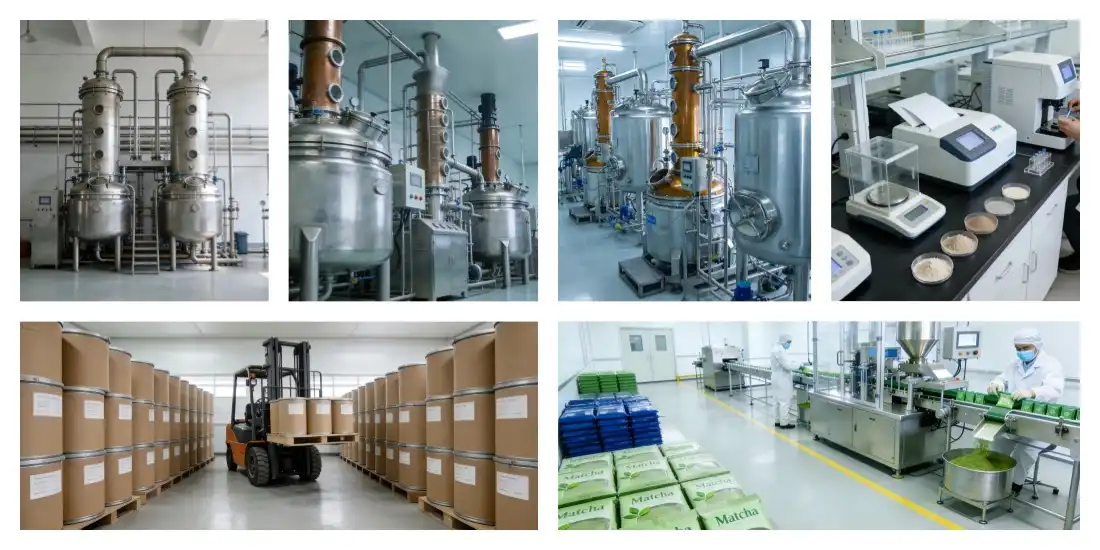
Conclusion
Bulk resveratrol powder continues revolutionizing skincare formulations through its proven anti-aging mechanisms and exceptional safety profile. From premium serums to professional treatments, this versatile ingredient addresses multiple aging concerns while providing protective benefits against environmental stressors. The growing body of research supporting resveratrol's efficacy, combined with increasing consumer demand for science-backed natural ingredients, positions this compound as a cornerstone of modern anti-aging skincare. Professional formulators who understand proper handling techniques and quality requirements can create exceptional products that deliver visible results while meeting the highest safety standards.
Frequently Asked Questions
What concentration of resveratrol works best in skincare products?
Effective resveratrol concentrations typically range from 0.5% to 2% in consumer products, with professional treatments utilizing up to 5% under supervision. Higher concentrations don't necessarily provide better results and may cause irritation in sensitive individuals. The optimal concentration depends on the specific formulation, delivery system, and intended application.
Can resveratrol cause skin sensitivity or reactions?
Pure, high-quality resveratrol extract generally demonstrates excellent skin tolerance with minimal reaction risk. However, individuals with sensitive skin should start with lower concentrations and gradually increase usage. Patch testing new products containing resveratrol helps identify any potential sensitivities before full application.
How long does it take to see results from resveratrol skincare products?
Most users notice initial improvements in skin radiance and texture within 2-3 weeks of consistent use. More significant anti-aging benefits, including reduction in fine lines and improved firmness, typically become apparent after 6-8 weeks of regular application. Long-term use provides cumulative benefits that continue improving over time.
Should resveratrol products be used morning or evening?
Resveratrol can be used both morning and evening, depending on the specific formulation. Morning application provides antioxidant protection against daily environmental stressors, while evening use supports overnight skin repair processes. Products containing higher resveratrol concentrations are often formulated for nighttime use to maximize effectiveness.
How should resveratrol products be stored to maintain effectiveness?
Resveratrol products require cool, dark storage conditions to maintain potency and prevent degradation. Refrigeration can extend product shelf life, particularly for serums and treatments containing higher active concentrations. Always check product packaging for specific storage recommendations and expiration dates.
Can resveratrol be combined with other active skincare ingredients?
Resveratrol combines well with most other skincare actives, including vitamin C, retinoids, and peptides. However, introducing multiple new actives simultaneously may increase irritation risk. Gradual introduction allows skin to adjust while maximizing synergistic benefits between different ingredients.
Partner with NT Biotech for Premium Bulk Resveratrol Powder Solutions
NT Biotech stands as your trusted bulk resveratrol powder supplier, delivering pharmaceutical-grade extract with guaranteed 98% purity and comprehensive quality documentation. Our ISO-certified manufacturing facility ensures consistent product quality while our experienced technical team provides formulation support for your specific applications. We maintain ready inventory for immediate shipment within 2-4 days, backed by our 10 years of extraction expertise and global shipping capabilities. Contact our team at newthingsbio@163.com to discuss your resveratrol requirements and receive complimentary samples for evaluation.
References
1. Baxter, R.A. "Anti-aging properties of resveratrol: review and report of a potent new antioxidant skin care formulation." Journal of Cosmetic Dermatology, vol. 7, no. 1, 2008, pp. 2-7.
2. Ndiaye, M., et al. "The grape antioxidant resveratrol for skin disorders: promise, prospects, and challenges." Archives of Biochemistry and Biophysics, vol. 508, no. 2, 2011, pp. 164-170.
3. Orsini, F., et al. "Resveratrol derivatives and their role as potent antioxidants in cosmetic applications." Cosmetics & Toiletries, vol. 132, no. 8, 2017, pp. 44-52.
4. Zillich, O.V., et al. "Polyphenols as active ingredients for cosmetic products." International Journal of Cosmetic Science, vol. 37, no. 5, 2015, pp. 455-464.
5. Farris, P.K. "Topical antioxidants in dermatology and cosmetic dermatology." Dermatologic Clinics, vol. 32, no. 3, 2014, pp. 363-368.
6. Lephart, E.D. "Resveratrol, 4' acetoxy resveratrol, R-equol, racemic equol or S-equol as cosmeceuticals to improve dermal health." International Journal of Molecular Sciences, vol. 18, no. 6, 2017, pp. 1193-1208.
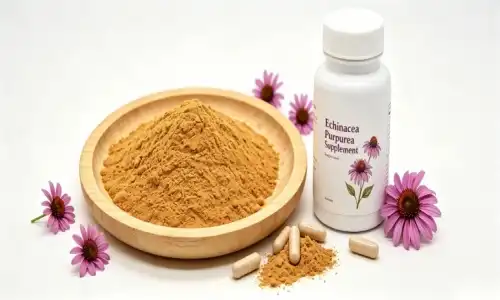
An important but often unseen part of any successful Echinacea-based supplement, functional drink, or wellness product is a reliable echinacea extract powder bulk manufacturer. This person's skills determine the quality, consistency, and ability to make money of the finished products. If you want to know what makes a reliable Echinacea extract powder bulk manufacturer, it's not just the ability to make a lot of material. It's a complex mix of agricultural knowledge, advanced extraction technology, strict quality control, regulatory compliance, and a customer-centred service philosophy. At NT Biotech, we have spent decades mastering every aspect of making bulk botanical extracts. We have done this by building an organization that meets the highest standards of operational excellence, scientific rigour, and partnership commitment. Our fully combined operation includes self-sufficient farming, smart production, and flexible global supply lines. It offers a full value-chain service system that helps our partners confidently fight in the toughest international markets. When our echinacea extract powder bulk products leave our facilities, they not only have been tested to be highly effective and pure, but they also carry the implicit guarantee of a manufacturer's reputation built on consistent performance, clear documentation, and an unwavering commitment to advancing the science and business of botanical wellness.
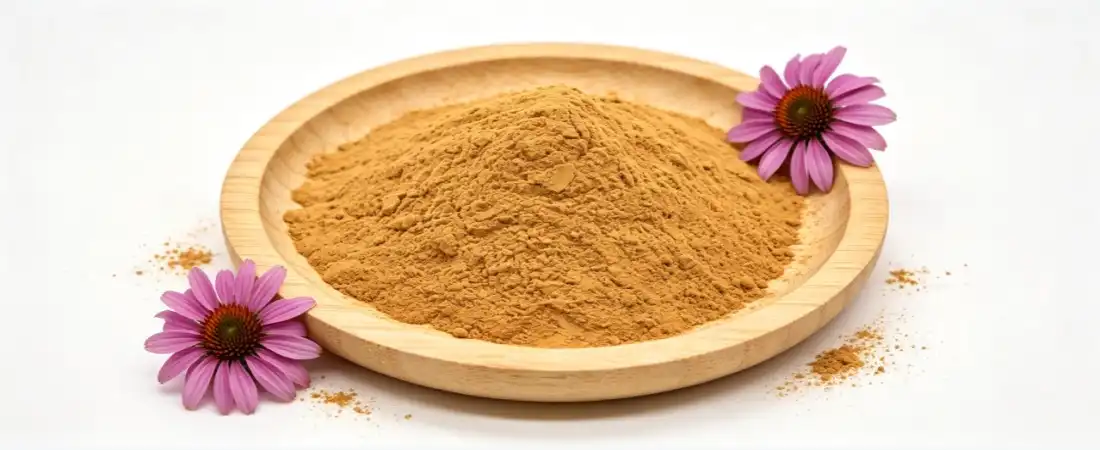
Core Manufacturing Capabilities and Technological Infrastructure
Advanced Extraction Technology and Proprietary Processing Methods
Any reliable company that sells Echinacea extract powder in bulk should be able to do good extraction work. The extraction methods used directly affect how well bioactive chemicals are kept, how pure the end product is, and how consistent the results are across production runs. A truly trustworthy company must always be investing in new extraction technology, moving away from standard high-temperature processing that can damage delicate phytochemicals and toward exclusive low-temperature methods that keep molecules intact. After years of hard work researching, NT Biotech has developed and improved its extraction methods. These methods include carefully controlling the solvent ratios, finding the best temperature profiles, and using gentle drying technologies that consistently get key active compounds to levels of purity above 98%. This high level of technological sophistication gives our clients clear competitive advantages, such as higher bioavailability in finished formulations, better stability over extended periods of time, and the consistent, reliable potency that regulators and picky customers both demand.
Production Scale, Capacity Planning, and Volume Flexibility
Manufacturing size and capacity planning are important things to think about for any company looking for a long-term partner in bulk ingredients, because the provider must be able to adapt production to the client's growth and changes in market demand. A trustworthy company that makes Echinacea extract powder in bulk needs to show that they have both a lot of current capacity and the operating freedom to be able to quickly expand when market opportunities appear. NT Biotech has built our production facilities to give us this double benefit. We can still do industrial-scale extraction so we can meet orders of hundreds of kilos to multiple metric tonnes per month without sacrificing quality or delivery times. Our smart production scheduling systems make sure that available capacity is evenly spread across all open orders. This lets us respond quickly to urgent needs while keeping lead times for planned production runs predictable. Our clients can use aggressive growth strategies knowing that their ingredient supply will grow smoothly along with their business success because we offer both large volumes and flexible options.
In-House Quality Control Laboratories and Analytical Rigor
When we talk about reliable manufacturing, we can't leave out the important role of in-house quality control laboratories. These labs are the best way to make sure that products are safe, effective, and consistent. A reliable Echinacea extract powder bulk provider must have fully stocked analysis labs run by experienced scientists who use a wide range of testing methods to make sure the quality of every part of the product. NT Biotech has state-of-the-art quality control facilities with High-Performance Liquid Chromatography (HPLC) systems for precisely measuring marker compounds like cichoric acid, Ultraviolet-Visible (UV-Vis) spectrophotometers for figuring out total polyphenols, and other tools for testing for heavy metals, pesticide residues, and microbial contamination. Before it is released, every production batch goes through this strict analytical ringer. We also include a full Certificate of Analysis with every shipment, so our partners can see everything and have the proof they need for even the strictest regulatory audits.
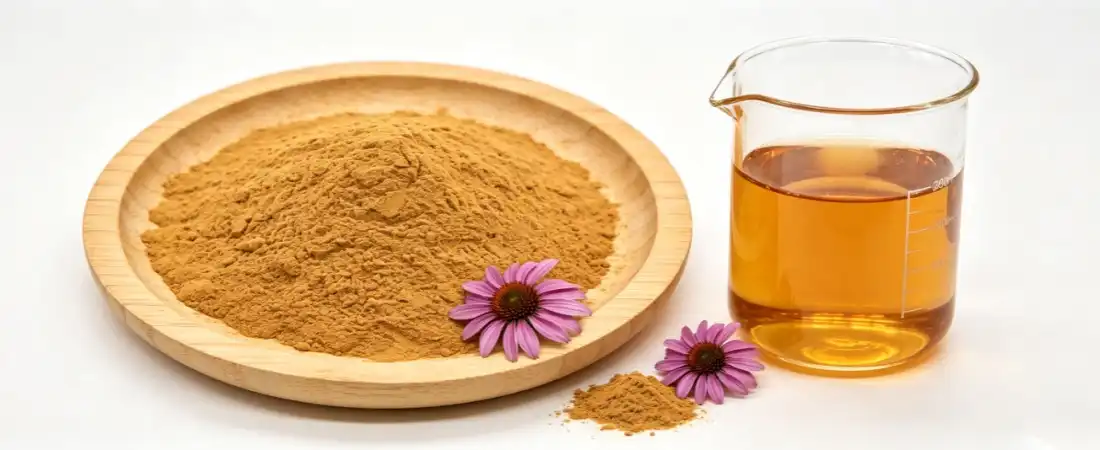
Raw Material Sourcing, Cultivation, and Supply Chain Security
Vertical Integration and Autonomous Cultivation Excellence
The dependability of any large-scale manufacturing process starts a long time before the raw materials arrive at the extraction plant. It starts in the carefully managed farming systems that grow the organic starting material. A reliable company that makes Echinacea extract powder in bulk needs to show that they can handle this very important first step in the value chain. This is because the quality of the raw materials decides the quality of the extract, no matter how advanced the processing is later on. NT Biotech has complete vertical integration through its independent cultivation operations. These include managing the soil, watering, pest control, and harvesting, all of which have an effect on the quality of the plants. This unified method gets rid of the risk and variability that come with buying raw materials on the spot market. It also gives our customers the peace of mind that every batch of echinacea extract powder bulk comes from carefully monitored, sustainably managed agricultural sources that always meet our strict standards.
Sustainable Agricultural Practices and Environmental Stewardship
More and more, modern customers and governmental bodies want proof of environmentally friendly farming methods and care for the plant supply chain. This makes these things mandatory for forward-thinking makers, not a choice. A trustworthy company that sells Echinacea extract powder in bulk must show that they care about protecting the environment, keeping biodiversity alive, and managing resources responsibly in all of their business activities. NT Biotech has built sustainability into the core of our self-sufficient farming operations. We use methods that protect the health of the soil through crop rotation and management of organic matter, reduce the amount of water used through precision irrigation technologies, and lower our reliance on synthetic agricultural inputs through integrated pest management strategies. When our clients work with a manufacturer that puts sustainability first, they strengthen their own brand stories, meet the changing needs of environmentally conscious customers, and make a real difference in the world's environmental goals.
Supply Chain Resilience and Risk Mitigation Strategies
Recent international disruptions have shown how unstable global supply chains are. This has made supply chain resilience go from being a side issue to a key factor in deciding where to buy bulk ingredients. A trustworthy Echinacea extract powder bulk supplier should show proactive risk mitigation strategies, such as strategic safety stock, diversified sourcing, and planning for different disruption scenarios. NT Biotech has designed its supply chain to be as resilient as possible by using a number of strategies that work together. For example, vertical integration lowers the company's reliance on outside suppliers of raw materials, strategic inventory positioning protects against sudden increases in demand or disruptions in supply, and our established network of logistics partners ensures that distribution stays smooth even when global conditions are tough. Our multi-layered approach to supply chain security gives our clients practical steadiness that helps them plan for business continuity.
Table 1: Essential Manufacturer Capabilities and Reliability Indicators
| Capability Category | Key Performance Indicator | NT Biotech Achievement | Client Strategic Benefit |
|---|---|---|---|
| Extraction Technology | Proprietary processing methods, purity levels | Advanced low-temperature technology, >98% purity | Superior product performance and differentiation |
| Production Capacity | Scalable output capability | Industrial-scale, multi-ton monthly capacity | Reliable supply for sustained commercial growth |
| Quality Control | In-house analytical laboratory, testing protocols | HPLC, UV-Vis, full contaminant screening per batch | Complete quality assurance and regulatory compliance |
| Raw Material Sourcing | Vertical integration, cultivation control | Autonomous planting, full agricultural control | Supply security, price stability, consistent quality |
| Sustainability Practices | Environmental stewardship credentials | Sustainable cultivation, resource conservation | Enhanced brand narrative, consumer alignment |
| Supply Chain Resilience | Risk mitigation and contingency planning | Multi-layered security strategy | Business continuity assurance |
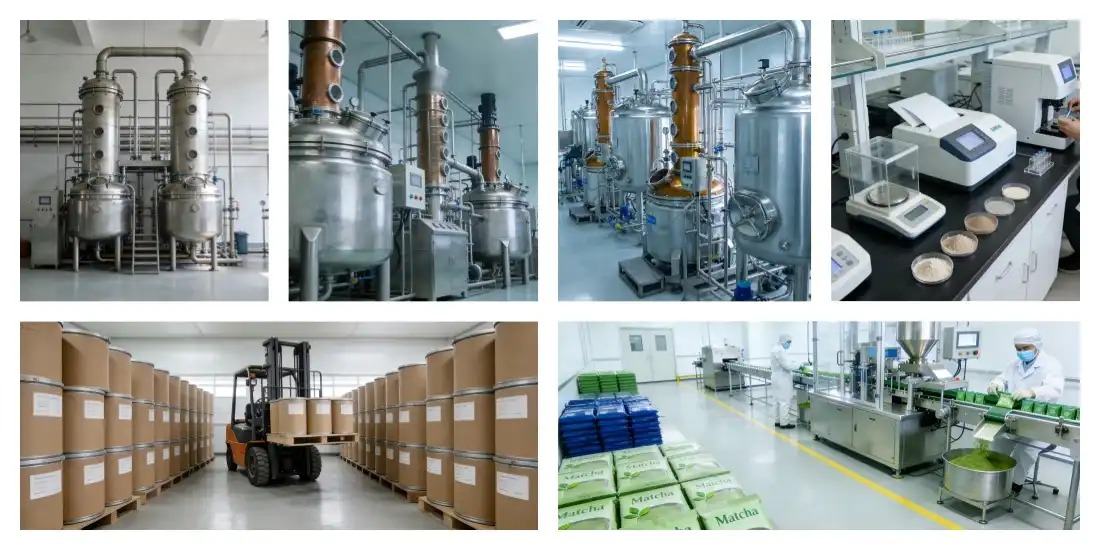
Certifications, Regulatory Compliance, and Documentation Excellence
International Certifications as Quality Benchmarks
An international certification is an important, third-party proof that a manufacturer is committed to quality management, food safety, and operational excellence. It is one of the most important criteria that procurement professionals use to evaluate suppliers. The most important certifications for a company that makes Echinacea extract powder in bulk are ISO9001, which confirms that the company has a full quality management system that covers all aspects of operations; KOSHER certification, which lets the company sell to large groups of Jewish people around the world; and HALAL certification, which is needed to sell to large groups of Muslims in Asia, the Middle East, and Africa. NT Biotech is happy to keep all of these important certifications up to date, and our legal affairs team keeps an eye on changing international standards to make sure that our goods and processes stay in line with the latest rules. This wide range of certifications takes away a big source of legal confusion for our clients, giving them the confidence to go after foreign market growth.
Comprehensive Documentation and Regulatory Support Services
In addition to the certifications themselves, the quality and quantity of the paperwork a manufacturer gives their customers has a direct effect on their ability to deal with complicated regulatory environments and successfully register their products in a variety of markets. A trustworthy company that sells Echinacea extract powder in bulk must not only give you Certificates of Analysis for each batch, but also full product specs, Material Safety Data Sheets, allergy statements, and any other legal paperwork that your country needs. NT Biotech has built a system for managing documentation that meets all of our clients' regulatory needs. This system gives them the technical data, safety information, and compliance documentation they need to register their products in almost every major international market. As an extension of our clients' own regulatory powers, our regulatory affairs professionals work directly with client teams to offer advice, answer technical questions, and help with registration applications.
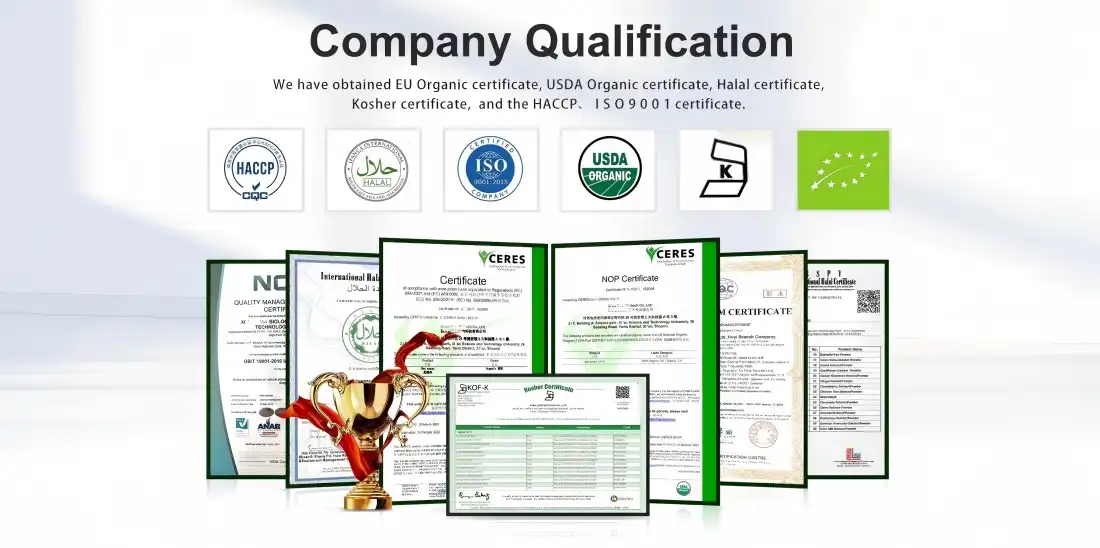
Customization Services, OEM/ODM Capabilities, and Technical Partnership
Comprehensive OEM and ODM Manufacturing Solutions
The modern plant extract market benefits makers who can offer more than standard stock goods. There is a growing demand for customised specs that allow brands to stand out and be placed in specific markets. As a result, a top Echinacea extract powder bulk supplier must have strong OEM (Original Equipment Manufacturer) and ODM (Original Design Manufacturer) capabilities that let clients create custom formulations with specific particle characteristics, concentration profiles, and blend compositions. NT Biotech has built-in full customisation tools that let our customers choose exact parameters for their echinacea extract powder bulk products. These include cichoric acid concentrations between 1% and 4%, total polyphenol levels that are tailored to each application, and custom blend formulations that include complementary botanical extracts. Our experienced product development team works closely with each client to turn their formulation goals into exactly made goods that meet all of their needs.
Technical Support, Application Development, and Innovation Partnership
The best manufacturing partnerships go beyond just supplying ingredients; they're real technical partnerships where both companies work together to drive innovation, solve formulation problems, and find new market opportunities. A trustworthy company that makes Echinacea extract powder in bulk should offer full technical support, including help with formulation, help with application development, stability testing, and ongoing quality improvement. NT Biotech gives all of our clients access to our team of scientists, formulation specialists, and application engineers who work in a variety of fields. These people are experts in the chemistry of botanical extracts, formulation science, and regulatory strategy. Our clients can speed up the time it takes to develop new products, make sure their formulations work best and stay stable, and confidently go after new market opportunities with the help of our expert technical advice.
When your organization is ready to establish a manufacturing partnership that will support your long-term commercial success, the quality of the relationship itself becomes just as important as the quality of the products. We invite you to experience the NT Biotech partnership approach by contacting our team at info@newthingsbiotech.com to discuss your specific manufacturing requirements, request custom quotations, and arrange for facility tours or evaluation samples.
Buyer-Friendly Commercial Policies and Flexible Engagement Models
The business terms, policies, and engagement models that a maker offers have a big impact on how the buying relationship works. These can change anything from managing cash flow to the risk of currency fluctuations. NT Biotech has created a wide range of buyer-friendly business rules to make doing business easier, lower risks, and meet the different needs of our clients around the world. We offer flexible payment options, such as the ability to accept payment in the buyer's local currency. This gets rid of the problems and extra bank fees that come with currency exchange that are common in international business transactions. These policies, along with competitive pricing, clear quote processes, quick customer service, and flexible minimum order quantities, make for a business experience that is both efficient and mutually beneficial. They encourage the growth of long-term partnerships rather than short-term transactional relationships.
Table 2: NT Biotech Service Standards and Partnership Capabilities
| Service Dimension | NT Biotech Standard | Client Partnership Benefit |
|---|---|---|
| Inquiry Response Time | Within 2 Hours | Accelerated commercial decision-making |
| Stock Order Fulfillment | 1 to 3 Working Days | Uninterrupted production continuity |
| Custom Production Lead Time | 3 to 10 Working Days | Rapid new product development cycles |
| Express Shipping | FEDEX, UPS Direct from Facility | 3 to 7 day international delivery |
| Bulk Sea Freight | Trusted Freight Forwarder Network | Cost-effective large volume transport |
| Customization Services | Full OEM/ODM Manufacturing | Proprietary product differentiation |
| Technical Support | Dedicated Scientific Team | Formulation optimization and innovation acceleration |
| Payment Flexibility | Local Currency Acceptance | Reduced currency risk, simplified transactions |
| International Certifications | ISO9001, KOSHER, HALAL | Global market access and regulatory compliance |
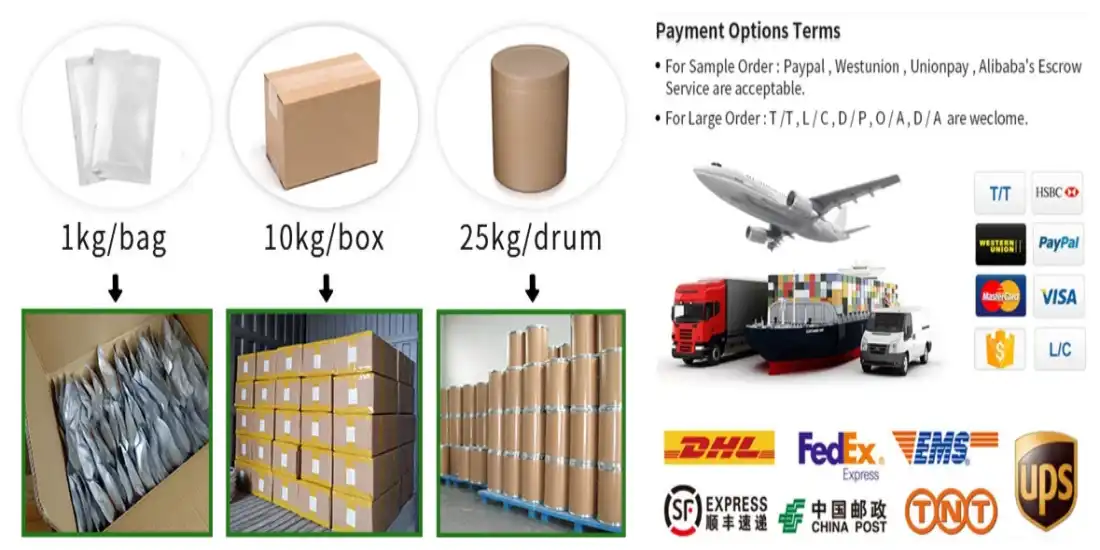
Evaluating Manufacturing Excellence: A Framework for Supplier Selection
Comprehensive Audit and Verification Protocols
To choose the best Echinacea extract powder bulk manufacturer, you need to do a lot of research. This includes auditing potential factories and making sure they have the right skills, quality systems, and ways of running their businesses. When they can, smart procurement professionals should do on-site facility checks, checking out the extraction processes, quality control labs, storage facilities, and packing processes for themselves. NT Biotech is happy to have client surveys and often has visiting partners come to our manufacturing facilities. This way, we can show them our growing operations, extraction processes, testing labs, and packing operations. We are open because we are sure of the quality of our work and want to build long-lasting relationships based on trust, proof, and shared responsibility. There is a lot of value in relationships with suppliers where both parties have faith in each other's skills. Thorough auditing processes build that trust from the start.
Long-Term Partnership Vision and Continuous Improvement
Choosing a production partner should be seen as a long-term strategy choice that will affect more than just the original buy order. It could mean years or even decades of working together to create new products, grow the market, and help each other grow. So, for an Echinacea extract powder bulk maker to be truly reliable, they need to show not only their present skills but also a clear vision for future growth, a willingness to keep investing in research and new ideas, and a real dedication to always getting better in every aspect of their business. NT Biotech sees every relationship with a client as a long-term partnership. To support our clients' growth and success for many years to come, we are always investing in the technologies, skills, knowledge, and infrastructure they need. If you choose a partner that has the vision, resources, and dedication to grow with your business, you will give your company a long-term competitive edge and the means to be successful in the fast-paced and demanding global botanical extract market.
Conclusion
Shaanxi New Things Biotech is a reliable company that sells plant-based products. The food, vitamin, and cosmetics industries come to us for the best ingredients, and we offer flexible OEM options to help you make your next product healthily and safely. Shaanxi New Things Biotech is a technology-based business that has a lot of experience extracting natural materials from plants. It sells safe and effective natural raw materials to the global markets for dietary supplements, useful foods, high-end products, and animal nutrition. We are not only a provider, but also a technical partner to our customers for a long time. We created a full value-chain service system that goes from plant source to product application. This system combines self-sufficient planting with cutting-edge research and development, smart production, and flexible supply chains. It makes sure that every product shows the gift of nature and the dedication of science.
FAQ
Q1: What distinguishes a reliable Echinacea extract powder bulk manufacturer from average suppliers?
A: A reliable manufacturer demonstrates advanced proprietary extraction technology, in-house analytical laboratories with HPLC/UV testing capabilities, international certifications (ISO9001, KOSHER, HALAL), vertical integration through autonomous cultivation, and comprehensive quality documentation with every shipment.
Q2: How does NT Biotech ensure batch-to-batch consistency in bulk production?
A: Our intelligent production systems incorporate automated quality checkpoints, standardized processing protocols, and statistical process control methodologies. Every batch undergoes identical analytical testing, and we provide comprehensive Certificates of Analysis documenting consistent specifications across all production runs.
Q3: What is the typical lead time for custom OEM/ODM production orders?
A: Our optimized custom production cycle delivers most orders within 3 to 10 working days, encompassing raw material procurement, proprietary extraction, stringent laboratory testing, and final packaging. For popular standardized products held in stock, shipment can occur within 1 to 3 working days.
Q4: Can NT Biotech accommodate specialized customization requests?
A: Yes, our comprehensive OEM and ODM capabilities allow full customization of cichoric acid concentration, total polyphenol levels, particle size distributions, and custom blend compositions. We work collaboratively with clients to develop proprietary specifications that create competitive market differentiation.
Q5: What international certifications does NT Biotech maintain?
A: NT Biotech operates under the ISO9001 quality management system and holds both KOSHER and HALAL certifications, ensuring our products meet the diverse regulatory and dietary requirements of international markets across multiple continents and consumer demographics.
Build Your Success on the Foundation of NT Biotech Manufacturing Excellence
The manufacturer you choose to power your Echinacea-based product line is a decision that shapes the trajectory of your entire business, influencing every dimension from product quality and regulatory compliance to operational efficiency and brand reputation. NT Biotech stands as the definitive choice for organizations that demand nothing less than manufacturing excellence in every aspect of their bulk ingredient supply. Our industry-leading extraction technology, comprehensive international certifications, flexible customization capabilities, and responsive global logistics are all designed to provide you with a competitive advantage that translates directly into commercial success. Do not entrust your production operations to manufacturers who cannot match our standards of technological sophistication, quality rigor, and partnership commitment. Connect with our manufacturing specialists today at info@newthingsbiotech.com to request evaluation samples, schedule a comprehensive facility audit, and discover why leading brands worldwide consistently choose NT Biotech as their preferred echinacea extract powder bulk supplier for their most demanding commercial applications.
References
1. Barrett, B. (2003). Medicinal properties of Echinacea: a critical review. Phytomedicine, 10(1), 66-86.
2. Bauer, R., & Wagner, H. (1991). Echinacea species as potential immunostimulatory drugs. Economic and Medicinal Plant Research, 5, 253-321.
3. Dalby-Brown, L., Jensen, C. J. B., & Bredmose, L. (2005). Synergistic antioxidative effects of alkamides, caffeic acid derivatives, and polysaccharide fractions from Echinacea purpurea. Journal of Agricultural and Food Chemistry, 53(13), 5203-5207.
4. Goel, V., Lovlin, R., Barton, R., Lyon, M. R., Bauer, R., Lee, T. D. G., & Basu, T. K. (2004). Efficacy of a standardized Echinacea preparation (Echinilin) for the treatment of the common cold: a randomized, double-blind, placebo-controlled trial. Journal of Clinical Pharmacy and Therapeutics, 29(1), 75-83.
5. Hudson, J. B. (2012). Applications of the phytomedicine Echinacea purpurea (Purple Coneflower) in infectious diseases. Journal of Biomedicine and Biotechnology, 2012, 769896.
6. Pellati, F., Benvenuti, S., Magro, L., Melegari, M., & Soragni, F. (2004). Analysis of phenolic compounds and radical scavenging activity of Echinacea spp. Journal of Pharmaceutical and Biomedical Analysis, 35(2), 289-301.
The nutrition, functional food, and cosmetics businesses are very competitive. The quality of your finished product is directly related to the quality of your raw materials. Sourcing choices are very important for brands that want to take advantage of the huge demand for natural products that boost the immune system and fight free radicals. But it can be hard to find your way through the complicated web of global plant providers. Common problems include inconsistent strength, regulatory noncompliance, and practical headaches. Now we come to the most important strategic question: how do you pick an Echinacea Extract Powder Bulk Supplier that will give you not only a good product but also an edge over your competitors? The answer is to find a partner who combines cutting-edge biotechnology with excellent farming. In this case, NT Biotech is the leader in the industry because it offers quality echinacea extract powder bulk that sets new standards for the industry. Our main benefit comes from the fact that we have developed our own extraction methods that make key active compounds more than 98% pure. This means that they are more stable and bioavailable. If you choose NT Biotech, you'll be part of a supply chain that puts strict standardisation, quick physical response, and full technical support at the top of its list of priorities. This will turn your purchasing process into a powerful engine for brand growth and customer trust.
Evaluating Quality Standards and Analytical Rigor
The Critical Importance of Standardized Active Markers
The first and most scientific thing you should look at when looking at different suppliers of echinacea extract powder in bulk is how they standardise active markers like Cichoric Acid and Polyphenols. Not every plant extract is the same; the therapeutic value of Echinacea depends a lot on how much of these phenolic compounds it has. A trustworthy seller doesn't just sell dried herb powder; they also offer a chemically defined substance where each batch has a unique biological profile. We use cutting-edge High-Performance Liquid Chromatography (HPLC) at NT Biotech to make sure we meet our standards. For Cichoric Acid, these standards usually range from 2% to 4%, but they can be higher or lower depending on what the client needs. This exact measurement lets your R&D team make goods that always work, making sure that the customer gets the exact dose that's written on the package. Without these strict standards, brands risk market inconsistency and losing customer trust because of dosing that doesn't work.
Purity Levels and Contaminant Screening Protocols
Purity sells your business without you having to say a word. These days, people are more aware of how safe ingredients are, so it is important to use echinacea extract powder bulk that doesn't contain any heavy metals, pesticides, or solvents that are still present. A good supplier opens up about their business and gives full Certificates of Analysis (CoA) for all shipments.NT Biotech goes one step further in its commitment to safety by using special processing methods to make sure that our main goods are more than 98% pure. We use cutting-edge testing methods, such as Atomic Absorption Spectroscopy (AAS) and Gas Chromatography-Mass Spectrometry (GC-MS), to check for lead, arsenic, mercury, and cadmium, making sure we follow the limits set by the US Pharmacopoeia (USP) and the European Pharmacopoeia. If you buy your bulk products from us, you avoid the legal and social risks that come with importing contaminated goods. Knowing that your raw materials are clean gives you peace of mind, and it lets you market your finished products as premium, safe, and high-quality options for people who care about their health.
Technological Advantages in Extraction Processes
The quality of the echinacea extract powder bulk depends on how the active chemicals were separated from the flower or root of the plant. A lot of low-cost suppliers use strong alcohol solvents or very high temperatures, which break down phytonutrients that are sensitive and leave behind chemicals that change the way things taste and smell. On the other hand, NT Biotech uses its own low-temperature extraction technologies to get the most out of compounds that are easily broken down while still keeping their structure. This technological barrier sets us apart from generic providers; it means that our powders dissolve better, have a neutral organoleptic profile (less bitterness), and are more resistant to oxidation. If you choose a supplier with advanced technical skills, you can make sure that your final product has better shelf life and doesn't need as many flavour masking agents. This level of technical detail directly leads to better usefulness for pills, capsules, and functional drinks, giving your business a clear advantage over rivals who use lower grades.
Table 1: Analytical Specifications for Premium Echinacea Extract Powder Bulk
| Parameter | Specification Standard | Testing Methodology | Strategic Importance for Formulators |
|---|---|---|---|
| Botanical Source | Echinacea Purpurea (Whole Plant / Flower) | Macroscopic / Microscopic ID | Ensures authenticity and prevents adulteration. |
| Active Marker 1 | Cichoric Acid (2%, 4%) | HPLC | Primary indicator of immunomodulatory potency. |
| Active Marker 2 | Total Polyphenols (≥ 4.0%) | UV Spectrophotometry | Correlates directly with antioxidant capacity (ORAC). |
| Appearance | Fine Greenish-Brown or Yellow Powder | Visual Inspection | Indicates proper drying and milling; affects aesthetics. |
| Mesh Size / Granulometry | 80 Mesh – 100 Mesh (Customizable) | Sieve Analysis | Critical for uniform blending and machine flowability. |
| Loss on Drying (Moisture) | ≤ 5.0% | Gravimetric Method | Prevents caking and ensures long-term shelf stability. |
Verifying Regulatory Compliance and Market Certifications
Aligning with International Standards: ISO, FDA, and CE
Most great brands want to go global, but they can't do that until they can get raw products that meet the different rules in each country. One important thing to check when looking for a large seller of echinacea extract powder is that they follow world standards like ISO9001 Quality Management Systems, FDA rules, and CE marking requirements. The manufacturer's ability to keep up with cleanliness, tracking, and process control over time is shown by these certificates, which are more than just paperwork. These international rules are very important to NT Biotech. Good Manufacturing Practices (GMP) are strictly followed in our factories. This makes sure that every kilogram of echinacea extract powder bulk meets the strict entry requirements of markets from North America to the European Union and Southeast Asia. Partnering with a certified supplier makes the process of importing paperwork easier and protects your business from delays at customs or expensive product seizures caused by not following the rules. You get materials that are ready to go in a dossier, which makes it easier to get regulatory approval.
Meeting Religious and Cultural Dietary Needs: Kosher and Halal
In today's linked world, brands may not be able to reach as many people if they don't follow certain nutritional rules. To get into the profitable markets of the Middle East, Indonesia, and some groups in the West, you need products that are certified as Kosher or Halal. A smart echinacea extract powder bulk supplier knows about these needs ahead of time and gets certifications for all of their production lines from recognised rabbinical and Islamic bodies.NT Biotech is proud to offer Kosher and Halal-certified echinacea extract powder in bulk. This two-level certification makes sure that both the ingredients and the facility that handles them are free of banned substances and risks of cross-contamination. By adding our certified extract to your gummies, capsules, or powders, you can reach a wider audience right away, without having to find different raw materials for each region. This approach shows that you care about what your customers want and greatly improves your brand's reputation for being open to everyone and making products in an ethical way.
Documentation Transparency and Batch Traceability
Paper, or data, is what builds trust in the business-to-business world of plants. It is normal to get a full data package when you order echinacea extract powder in bulk. This package should show the whole process from seed to shelf. The Certificate of Analysis (CoA) is only one piece of complete paperwork. There are also Material Safety Data Sheets (MSDS), certificates of origin, and irradiation status reports. Documentation is something we see at NT Biotech as a service that adds value. We offer full batch traceability, which means that if there is a question about a certain lot years from now, we can get the exact production data. This amount of openness is very important if your brand is being audited or a customer asks a question. It lets your quality control team check the material's identity and effectiveness before it even gets to your warehouse. This cuts down on the cost of internal testing and speeds up the production process. A supplier that hides behind vague data sheets is a liability, while one that is completely open, like NT Biotech, is an asset.
Assessing Logistics, Inventory, and Delivery Performance
Rapid Response Times and Communication Efficiency
When putting out a new product or restocking a best-seller, time is money. Communication problems are one of the most annoying things about working with echinacea extract powder bulk suppliers from other countries. You have to wait days or weeks for a simple quote reply or a shipping update.NT Biotech fundamentally breaks this negative stereotype by promising a first response to all enquiries within two hours. This quick response time shows that the back office system is highly efficient and digitally linked, ready to serve markets that are always changing. Our sales team is ready to help you right away, whether you need to ask a quick question about solubility specs or there is a sudden increase in demand that means you need to check your inventory right away. If you choose a provider with this level of flexibility, your project managers will spend less time answering emails and more time putting the plan into action. It shows that our company values your time and sees your needs as our top concern. This creates a partnership-like relationship instead of a transactional vendor relationship.
Strategic Inventory Management and Production Lead Times
Inventory access is like a double-edged sword: you want items that are ready to ship, but you also want new items. A top seller of echinacea extract powder in bulk strikes the right balance by managing their supply chain in a smart way. At NT Biotech, we keep a lot of famous standardised extracts in stock, so we can ship your order within 1 to 3 business days of receiving it. This "just-in-time" feature keeps you from running out of stock during viral seasons or times when a lot of people are buying. On the other hand, we have shortened our production cycle to an amazing 3 to 10 working days for custom orders that need specific concentrations or large volumes that aren't in stock. This wait time includes getting the raw materials, extracting them in a special way, checking them in the lab, and finally packing them. This speed cuts down on the costs of holding on to working capital and lets you respond quickly to changing market trends, which big, slow companies can't do.
As you evaluate the logistical capabilities of potential partners, remember that efficiency extends beyond mere speed—it encompasses reliability, cost-effectiveness, and the security of your investment throughout its journey. If you are seeking a partner who combines warehouse readiness with bespoke manufacturing agility, we invite you to test our systems. Do not let supply chain uncertainties hinder your growth potential. Reach out to our logistics specialists today to discuss current stock levels, upcoming production schedules, or to arrange a custom trial run. Please connect with us directly via email at info@newthingsbiotech.com, and discover how NT Biotech can streamline your procurement operations.
Flexible Shipping Methods and Global Freight Solutions
Moving large amounts of echinacea extract powder safely across seas and countries is the last step in your supply chain. When logistics fail, goods go bad, customs delays happen, and unexpected duties eat away at profit margins. These risks are lessened by a top provider who gives you a variety of shipping choices based on your needs for volume and speed.NT Biotech has set up strong transportation systems that can handle any situation. We use our own FEDEX and UPS accounts to make sure fast, direct shipping from our factory to your door, skipping slow consolidators, for urgent samples or mid-sized restocking orders. We work with reliable ocean freight forwarders who are experts at handling secure, climate-controlled containers for larger bulk shipments where cost-effectiveness is key. We can also help you find the best Incoterms for your business by helping you decide whether DDP (Delivered Duty Paid) or FOB (Free On Board) is better for your cash flow. We take care of all the details so you get your cargo on time, in one piece, and on budget.
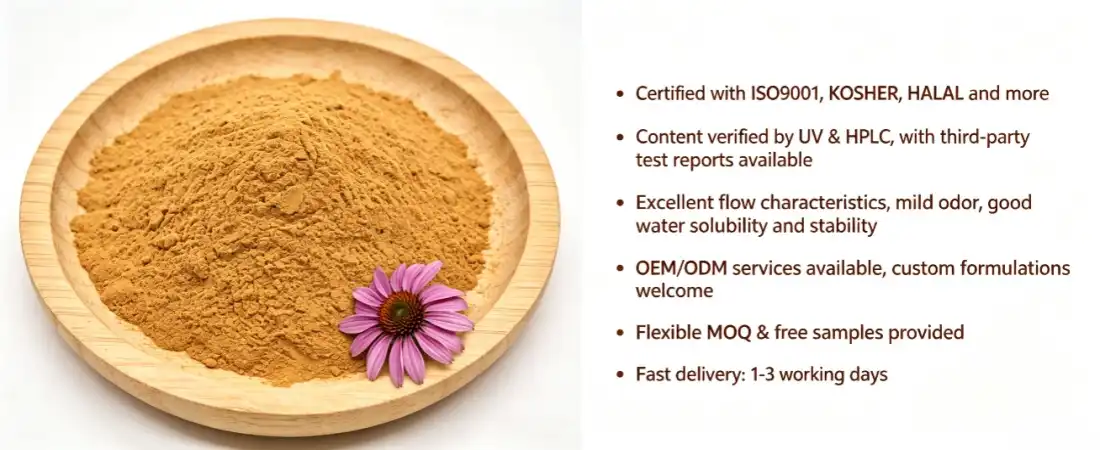
Leveraging Customization, OEM Services, and Technical Support
Tailoring Formulations via ODM and OEM Expertise
Your brand is unique, and so should the ingredients that go into it. Formulators often have to give up on their goals when they can only use off-the-shelf echinacea extract powder bulk. Customisation is what leads to real creativity.NT Biotech stands out because it provides full Original Design Manufacturer (ODM) and Original Equipment Manufacturer (OEM) services. You might need a version that dissolves in water for a clear drink, or you might need a certain particle size distribution that goes easily through high-speed encapsulation machines. You might need Echinacea that has already been mixed with Zinc or Vitamin C to save time and money. This kind of trouble makes our R&D department happy. We see each request as a unique engineering problem that needs to be solved, and we offer custom solutions that meet the exact needs of your target market. By working together, we become an extension of your own research and development department, which lets you release unique formulas that are hard for rivals to copy.
Solving Application Challenges: Taste, Solubility, and Stability
It doesn't help to buy echinacea extract powder in bulk if the ingredient doesn't work when used. One problem that has always existed with echinacea is that it is sour and doesn't dissolve well in neutral pH settings. This can make a useful drink or candy taste bad. A good seller takes care of these problems on their own. NT Biotech makes extracts that get past these sensory problems using advanced micro-encapsulation and de-bittering technologies. We give you detailed dossiers with solubility profiles for a range of pH levels, so the people working on your beverage development project will know exactly how the powder will react. If you run into a problem, like the powder getting stuck in your tablet press or reacting with an excipient, our support team is here to help. With this level of expert support, buying something goes from being a simple transaction to sharing knowledge, which helps your team make better goods faster and with fewer failed batches.
Financial Flexibility and Buyer-Friendly Partnerships
Finally, the way you run your business should help your finances, not hurt them. Traditional sellers usually have strict rules about terms, like wanting 100% USD up front, tight Letter of Credit requirements, or MOQs (Minimum Order Quantities) that can't be changed.NT Biotech understands that our customers' financial situations are different, ranging from small, flexible businesses to large, well-established companies. That's why we're proud to be a partner that buyers like. When possible, we accept payment in the buyer's own currency. This protects you against changes in the exchange rate that could hurt your profits. We also set MOQs in a way that allows for market testing steps. When looking for a bulk supplier of echinacea extract powder, look for one that sees the relationship as a partnership. A supplier who is willing to align their business terms with your success shows that they care about the relationship and sees your growth as an important part of their own.
Table 2: Decision Matrix for Selecting a Bulk Botanical Supplier
| Evaluation Criteria | Generic / Low-Cost Suppliers | NT Biotech Advantage | Impact on Your Brand |
|---|---|---|---|
| Response Velocity | 24–72 Hours (Business Days Only) | < 2 Hours (Guaranteed) | Faster R&D iteration & Project Launch. |
| Production Agility | 30+ Days (Slow Turnaround) | Stock: 1-3 Days / Custom: 3-10 Days | Reduced Inventory Holding Costs & Risk. |
| Spec Control | Variable / Loose Tolerances | Strict HPLC Standardization (+/- 2%) | Consistent Dosage & Efficacy claims. |
| Commercial Terms | Strict T/T (USD Only) | Flexible Local Currency Options | Improved Cash Flow & Margin Protection. |
| Technical Depth | "Sold As Is" | Full ODM / OEM / Troubleshooting Support | Innovative Product Development & Problem Solving. |
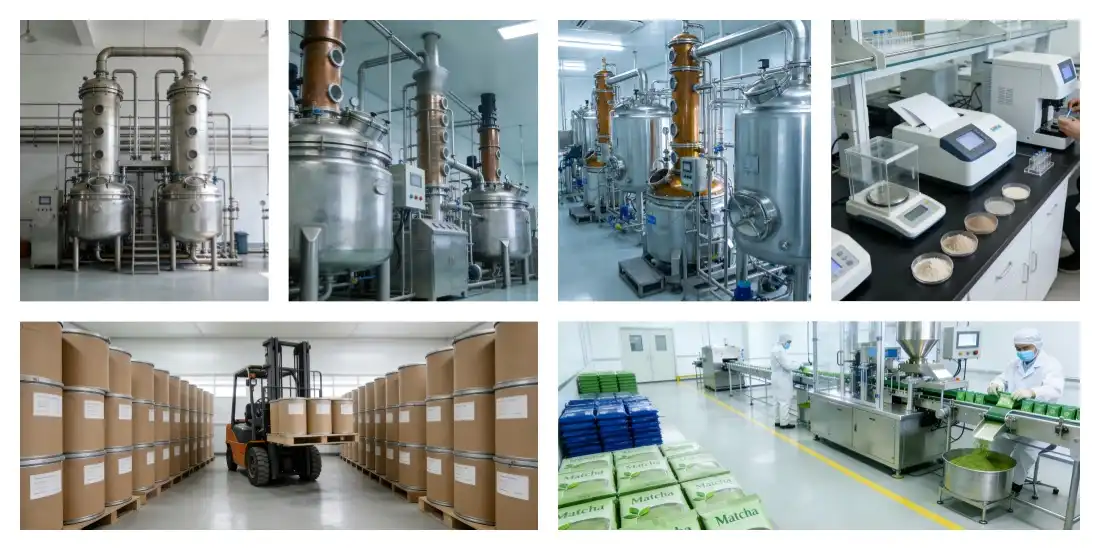
Conclusion
Shaanxi New Things Biotech is a reliable company that sells plant-based products. The food, supplement, and cosmetics industries come to us for the best extracts, and we offer flexible OEM solutions to help you make your next product naturally and safely. Shaanxi New Things Biotech is a technology-based business that has a lot of experience extracting natural materials from plants. It sells safe and effective natural raw materials to the global markets for dietary supplements, useful foods, high-end products, and animal nutrition. We are not only a provider, but also a technical partner to our customers for a long time. We created a full value-chain service system that goes from plant source to product application. This system combines self-sufficient planting with cutting-edge research and development, smart production, and flexible supply chains. This makes sure that every product shows the gift of nature and the dedication of science.
FAQ
Q1: What is the minimum order quantity (MOQ) for your Echinacea Extract Powder?
A: To support businesses of all sizes, we maintain very flexible MOQs. For trials or startups, we offer small quantities starting from 1kg. For bulk pricing, requirements typically start at 25kg, but we are happy to discuss your specific needs to find a starting point that fits your budget.
Q2: Can you adjust the Cichoric Acid percentage for my custom formula?
A: Yes. While we stock standard 2% and 4% grades, our echinacea extract powder bulk is fully customizable. We can produce specialized concentrations (e.g., higher polyphenol counts) specifically tailored to your formulation requirements through our ODM services.
Q3: Is your Echinacea extract suitable for clear beverages?
A: Yes. We offer a specialized water-soluble grade of echinacea extract powder bulk processed to dissolve completely in liquids without causing cloudiness, sedimentation, or gritty texture, making it ideal for RTD teas and functional waters.
Q4: What countries do you ship to, and what are the payment options?
A: We are a global exporter, serving clients across North America, Europe, Asia, and beyond. We accept flexible payment options, including wire transfers in USD, EUR, and other major currencies to facilitate easier transactions for international buyers.
Q5: How do I verify the quality before placing a large order?
A: We strongly encourage verification. Simply contact us to request a sample along with the corresponding Certificate of Analysis (CoA). You can test the physical properties (flow, color, solubility) and potency in your own lab before committing to a bulk purchase.
Elevate Your Sourcing Strategy with NT Biotech Today
You now possess the essential criteria for selecting a partner who will fuel your brand's future success. Do not leave the quality of your immune-support and antioxidant products, including echinacea extract powder bulk, to chance or unreliable vendors. You deserve a supplier who combines pharmaceutical-grade precision with the natural power of botany. NT Biotech is ready to demonstrate why we are the preferred choice for leading brands worldwide. Whether you require urgent stock to meet a surge in demand or a custom-engineered extract to launch a revolutionary new product, our team is equipped and eager to deliver. Experience the difference that exceptional purity, responsive service, and genuine partnership can make to your bottom line. Take the next step towards securing a resilient and premium supply chain. Contact our dedicated business development team now at info@newthingsbiotech.com to request your quote, discuss your formulation goals, and access our library of technical resources. Let us build something extraordinary together!
References
1. Barnes, J., Anderson, L. A., Gibbons, S., & Phillipson, J. D. (2005). Echinacea species (Echinacea angustifolia, E. pallida, E. purpurea): a review of their chemistry, pharmacology and clinical properties. Journal of Pharmacy and Pharmacology, 57(8), 929–954.
2. Percival, S. S. (2000). Use of a modified flow cytometric assay to measure the effects of Echinacea purpurea on phagocyte oxidative burst activity. International Journal of Immunopharmacology, 22(12), 1031–1039.
3. Zhai, Z., et al. (2007). Enhancement of innate immune function by alkylamides from Echinacea purpurea (L.) Moench. International Immunopharmacology, 7(12), 1471–1478.
4. Schoop, R., Klein, P., Suter, A., & Johnston, S. L. (2006). Echinacea in the prevention of induced rhinovirus colds: a meta-analysis. Clinical Therapeutics, 28(2), 174–183.
5. Stanisavljević, I. T., et al. (2009). Antioxidant and anti-inflammatory activities of Echinacea purpurea extracts. Journal of Functional Foods, 1(4), 329–337.
6. Sharma, M., Anderson, S. A., & Schoop, R. (2009). Induction of multiple pro-inflammatory cytokines by influenza virus and reversal by standardized Echinacea, a potent antiviral herbal extract. Antiviral Research, 84(1), 54–62.
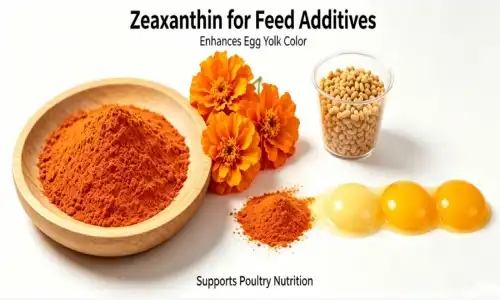
In recent years, the worldwide market for sophisticated nutritional components has transformed, with zeaxanthin microencapsulated powder emerging as a crucial breakthrough for developing next-generation wellness products. Many customers and product creators don't understand what quality means in this specialised ingredient, making supplier assessment, product specification, and quality verification difficult. At NT Biotech, we specialise in zeaxanthin microencapsulation, covering everything from molecular characteristics to complex physicochemical properties that impact formulation performance. Our premium zeaxanthin microencapsulated powder combines advanced encapsulation technology, rigorous analytical verification, vertically integrated raw material control, and a commitment to excellence in all operations. This thorough guide will reveal the crucial quality factors that separate excellent microencapsulated zeaxanthin products from inferior ones, enabling informed sourcing and product creation. Understanding these quality basics can help you choose ingredients that provide consistent, quantifiable, and commercially relevant advantages to clients, whether making eye health supplements, cognitive support products, anti-aging formulations, or functional meals.
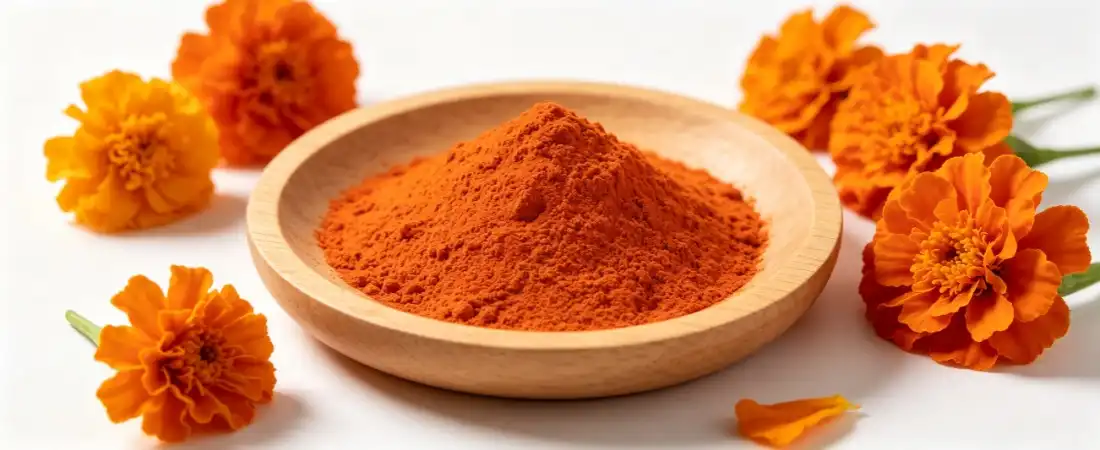
The Foundation: Active Compound Purity and Zeaxanthin Source
Marigold-Derived Zeaxanthin: The Premium Natural Source
Zeaxanthin microencapsulated powder quality starts with the source of the active chemical, since botanical origin and extraction methods impact purity, isomer profile, and biological activity. Zeaxanthin may be synthesised; however, marigold flowers (Tagetes erecta) are favoured for premium applications because of their higher isomer profile, bioavailability, and clean-label consumer appeal. NT Biotech has experience growing marigolds and extracting zeaxanthin, creating autonomous planting operations that produce high-quality raw material with optimal stereochemistry. While severe chemical synthesis or forceful extraction conditions may increase cis-isomers, our innovative extraction procedures retain the natural all-trans zeaxanthin structure that predominates in fresh plant material. Our natural-source grade components suit customer demand for clean-label, plant-based goods and add bioactive potency to our clients' formulations.
Isomer Profile and Bioactive Significance
The chemical arrangement of zeaxanthin determines its biological activity and functional performance, making isomer profile an essential quality characteristic for serious product makers. Research shows that the all-trans isomer of zeaxanthin, which predominates in natural marigold-derived material, has better bioavailability and tissue accumulation than cis-isomers formed during processing or in synthesised equivalents. Zeaxanthin microencapsulated powder quality is determined by both total zeaxanthin content and all-trans to cis isomer ratio. Higher all-trans content indicates better starting material and gentler processing conditions. NT Biotech uses advanced High-Performance Liquid Chromatography (HPLC) methods to separate and quantify zeaxanthin isomers and provide isomer profile data in our Certificates of Analysis to ensure clients receive optimal bioactive material.
Extraction Purity and Contaminant Profile
The purity of the zeaxanthin core material before encapsulation is crucial for the safety, stability, and regulatory compliance of the finished microencapsulated powder. Poor purification can leave residual solvents, heavy metals, pesticide residues, and microbial contaminants that compromise product safety, accelerate degradation, and cause regulatory issues in target markets. NT Biotech's multi-stage purification techniques routinely provide zeaxanthin purity levels beyond industry standards, while extensive analytical testing ensures the absence of dangerous impurities. Every batch is screened for heavy metals using ICP-MS, pesticide residues using GC-MS, and microbial contamination using standard culture methods to ensure the encapsulated product meets global regulatory safety standards.
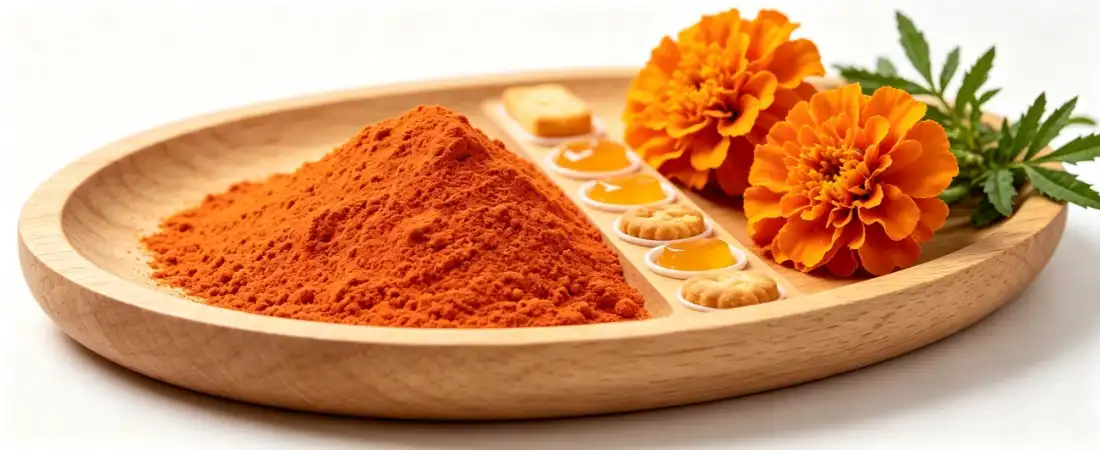
Encapsulation Efficiency and Matrix Quality
Understanding Encapsulation Efficiency as a Quality Metric
Encapsulation efficiency is a key quality metric for zeaxanthin microencapsulated powder, measuring the percentage of total zeaxanthin content entrapped within the protective wall matrix versus remaining exposed on particle surfaces or outside the capsules. Low encapsulation efficiency indicates processing problems that can cause rapid degradation, poor stability, and inconsistent product performance, while high efficiency indicates superior processing technology, optimised formulation parameters, and active compound protection. Due to our innovative emulsion preparation methods, optimised spray drying conditions, and enhanced wall matrix compositions, NT Biotech's premium solutions routinely achieve encapsulation efficiency levels over 90%. High encapsulation efficiency improves shelf life, bioavailability, and formulation performance.
Wall Matrix Composition and Functional Properties
The encapsulation matrix composition greatly impacts the protective, functional, and versatile qualities of the final zeaxanthin microencapsulated powder. Premium wall matrices are made from carefully chosen components that give superior barrier capabilities against oxygen, moisture, and light while preserving outstanding flow, dispersibility, and formulation system compatibility. NT Biotech creates wall matrix formulations using modified starches, maltodextrins, and additives tailored to particular applications. Each formulation is balanced to provide maximum protection while maintaining the neutral sensory profile, excellent water dispersibility, and broad regulatory acceptance formulators need for global product development.
Particle Size Distribution and Surface Morphology
The particle size distribution, surface shape, and bulk density of microcapsules greatly impact the processing and performance of zeaxanthin microencapsulated powder in diverse formulations. Optimal particle size distribution promotes constant mixing, correct dosing, and homogeneous active ingredient distribution in final goods, while smooth surface morphology reduces dust and enhances handling. NT Biotech produces microcapsules with uniform particle size distributions and outstanding surface features using modern spray drying technology and accurate atomisation settings. Both laser diffraction particle size analysis and scanning electron microscopy validate these physical characteristics to ensure that every batch satisfies the same demanding functional performance standards.
Table 1: Critical Quality Parameters for Zeaxanthin Microencapsulated Powder
| Quality Parameter | Industry Standard | NT Biotech Premium Standard | Analytical Methodology | Functional Significance |
|---|---|---|---|---|
| Zeaxanthin Content | 5% to 10% | 5% to 20% (Customizable) | HPLC | Determines dosage and potency |
| All-trans Isomer Ratio | ≥70% | ≥90% | HPLC-UV/Vis | Superior bioavailability |
| Encapsulation Efficiency | ≥80% | ≥90% | Surface Oil Extraction | Protection and stability indicator |
| Moisture Content | ≤8.0% | ≤5.0% | Loss on Drying | Storage stability |
| Particle Size (80 Mesh) | ≥95% Pass | 100% Pass | Sieve Analysis | Processing behavior |
| Heavy Metals | Meets Limits | Well Below Limits | ICP-MS | Safety assurance |
| Microbial Count | <1000 CFU/g | <500 CFU/g | Standard Culture | Product safety and stability |
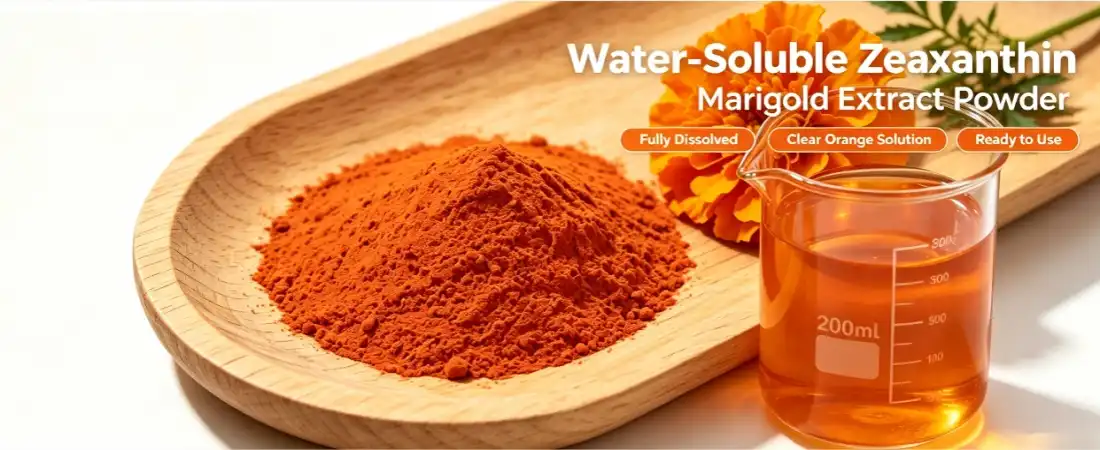
Stability Performance and Shelf Life Verification
Accelerated Stability Testing Protocols
The stability of zeaxanthin microencapsulated powder is a crucial commercial quality measure, affecting product shelf life and supply chain performance. Quality producers speed stability testing by exposing samples to high temperatures, humidity, and light to forecast long-term storage behaviour and set accurate expiry dates. NT Biotech investigates every product formulation's zeaxanthin retention, colour stability, and physical property changes under diverse stress scenarios. These tests underpin confident shelf life claims and provide our clients precise storage and expiry dates for their final goods.
Oxidative Stability and Antioxidant Protection
Zeaxanthin microencapsulated powder preserves the active carotenoid by including physical barriers that restrict exposure to oxygen and pro-oxidants, making oxidative stability a crucial quality criterion. Peroxide Value, accelerated oxidation, and oxygen consumption assays quantify how well the encapsulating matrix inhibits oxidative deterioration. In these tests, NT Biotech's products maintained over 90% of initial zeaxanthin content under conditions that would rapidly degrade unprotected material, proving our proprietary encapsulation technology and ensuring long-term potency retention.
Color Stability and Visual Quality Retention
To retain customer trust, the visual quality of zeaxanthin microencapsulated powder must be maintained during storage, since colour variations might indicate deterioration and impact quality perception. Premium encapsulated goods retain their orange-red colour throughout their shelf life, but inferior products may fade, brown, or change colour due to chemical changes. NT Biotech uses colorimetric analysis and visual inspection to ensure colour stability during storage, maintaining bioactive potency and visual quality from manufacturing to usage. This simultaneous emphasis on chemical and visual stability gives our customers reliable, attractive ingredients for their completed goods.
Functional Performance and Application Versatility
Dispersibility and Hydration Properties
Zeaxanthin microencapsulated powder in various formulations relies on its dispersibility and hydration properties for effective incorporation into aqueous systems, dry blends, and direct compression formulations. High-quality encapsulated materials generate stable, homogeneous suspensions in water without foaming, clumping, or sedimentation, making them suitable for functional beverages, drink mixes, and other watery applications. NT Biotech's encapsulation matrices provide superior dispersibility across all temperatures and mixing circumstances, enabling customers to confidently process our zeaxanthin microencapsulated powder in various product forms.
Flow Properties and Manufacturing Compatibility
Zeaxanthin microencapsulated powder flow characteristics significantly affect manufacturing productivity and dosage accuracy, making them a crucial quality parameter in high-volume production. Premium encapsulated products have free-flowing behaviour, consistent bulk density, and low cohesiveness for accurate metering, uniform mixing, and reliable feeding in automated production equipment. NT Biotech's solutions have optimised particle size distributions, moisture content, and surface qualities for flow in various production environments. This manufacturing compatibility eliminates downtime, waste, and maintains product quality throughout big production runs.
Compatibility with Formulation Ingredients
To successfully include zeaxanthin microencapsulated powder into complex formulations, it must be compatible with numerous co-ingredients such as vitamins, minerals, botanical extracts, and excipients. Encapsulated goods with good compatibility do not cause co-ingredient degradation, interactions, or physical instability in completed formulations. NT Biotech performs thorough compatibility testing with common formulation ingredients to advise customers on appropriate formulation methodologies and product idea concerns. Our proactive technical assistance helps companies prevent formulation issues and speed up product development.
Understanding these quality parameters is essential, but applying this knowledge effectively requires partnership with a supplier who can deliver consistent quality, technical support, and reliable supply. We invite you to experience the NT Biotech quality difference by contacting our team at info@newthingsbiotech.com to request detailed specifications, evaluation samples, and personalized consultation on how our zeaxanthin microencapsulated powder can support your specific product development objectives.
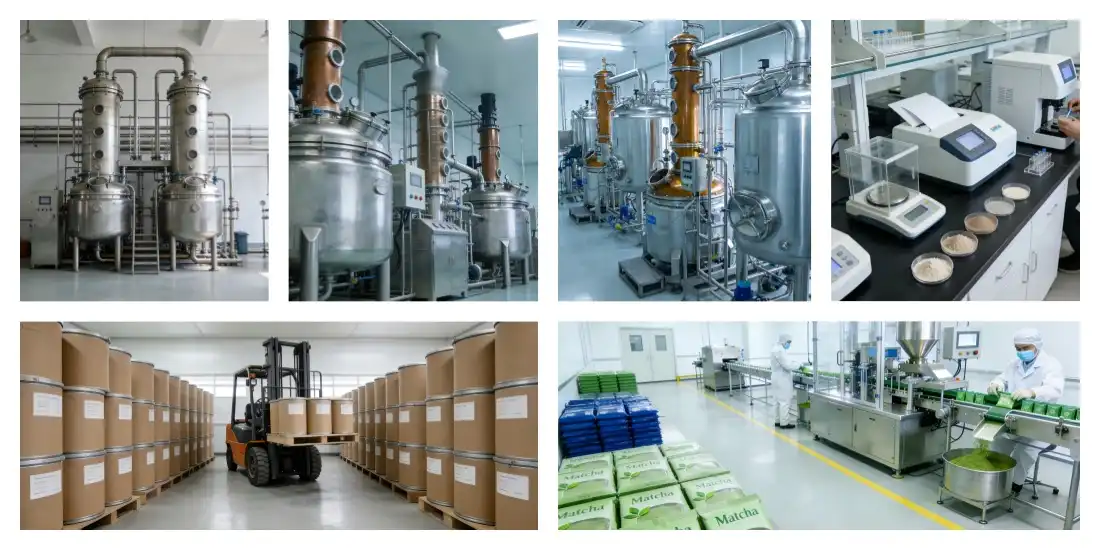
NT Biotech: Setting the Standard for Quality Zeaxanthin Microencapsulated Powder Supply
Integrated Quality Management Systems
Zeaxanthin microencapsulated powder from NT Biotech is supervised by quality management procedures that cover all processes, from raw material cultivation to final product release. Our manufacturing facilities follow ISO9001's strict standard operating procedures, change control protocols, deviation management systems, and continuous improvement programs to ensure product quality and regulatory compliance. Our KOSHER and HALAL certifications, as a top zeaxanthin microencapsulated powder provider, assure international customers of regulatory compliance for worldwide market access. Every batch undergoes extensive analytical testing, and precise Certificates of Analysis record all essential quality criteria for our customers' quality assurance and regulatory filings.
Vertical Integration and Supply Chain Excellence
NT Biotech's zeaxanthin microencapsulated powder benefits from a vertically integrated business that includes marigold cultivation, extraction, encapsulation, and worldwide distribution. This integration allows comprehensive control over every quality-critical variable, from source plant genetics and growth circumstances to end product analytical verification. Our supply chain competence is shown by our capacity to stock completed items for fast dispatch within 1 to 3 working days, and custom produce unique requirements within 3 to 10 working days. Your enquiries will be answered within two hours, and our global logistics network uses FEDEX, UPS, and trusted freight partners to deliver items quickly globally.
Partnership-Driven Service and Technical Support
Beyond product quality, NT Biotech's partnership-driven service strategy regards every customer relationship as a long-term collaboration worthy of our complete expertise, resources, and attention. Our expert scientists, formulation specialists, and regulatory affairs professionals provide product selection, formulation optimisation, regulatory paperwork, and troubleshooting help. Our OEM and ODM services enable customers to select bespoke zeaxanthin concentrations, encapsulation settings, and particle properties for their specific applications. We reduce friction and simplify international procurement for our diversified worldwide customers by accepting payment in the buyer's native currency and other flexible commercial policies.
Table 2: NT Biotech Quality Standards and Service Excellence Framework
| Service and Quality Dimension | NT Biotech Standard | Client Strategic Benefit |
|---|---|---|
| Zeaxanthin Purity | 5% to 20% (Customizable) | Tailored to specific formulation requirements |
| All-trans Isomer Content | ≥90% of Total Zeaxanthin | Superior bioavailability and efficacy |
| Encapsulation Efficiency | ≥90% Verified per Batch | Optimal protection and stability |
| Quality Certifications | ISO9001, KOSHER, HALAL | Global market access and compliance |
| Inquiry Response Time | Within 2 Hours | Accelerated project planning and execution |
| Stock Order Fulfillment | 1 to 3 Working Days | Uninterrupted production schedules |
| Custom Production Lead Time | 3 to 10 Working Days | Rapid innovation and market entry |
| Customization Services | Full OEM/ODM Capability | Proprietary product development |
| Payment Flexibility | Local Currency Acceptance | Reduced currency risk, simplified transactions |
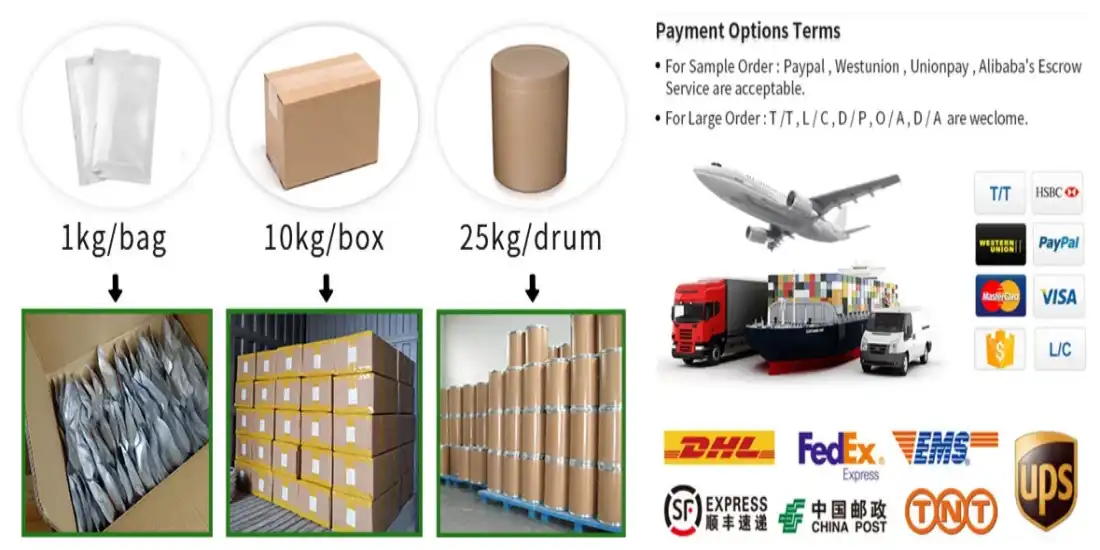
Conclusion
Shaanxi New Things Biotech provides reliable plant derivatives. We deliver the greatest extracts to the food, supplement, and cosmetic sectors, including zeaxanthin microencapsulated powder, and adaptable OEM solutions to help you build your next product organically and reliably. Shaanxi New Things Biotech, a technology-based firm with extensive plant extraction expertise, supplies safe and effective pure and active natural raw materials to the worldwide markets for nutritional supplements, functional foods, high-end cosmetics, and animal nutrition. Along with providing, we are our clients' long-term technical partners. We have created a complete value-chain service system from plant source to product application by combining autonomous planting, cutting-edge research and development, intelligent production, and adaptive supply chains. This ensures that each product reflects nature and science.
FAQ
Q1: What is the most important quality parameter for zeaxanthin microencapsulated powder?
A: While multiple parameters contribute to overall quality, encapsulation efficiency and the all-trans zeaxanthin isomer ratio are among the most critical indicators. High encapsulation efficiency ensures optimal protection, while high all-trans content indicates superior bioavailability and bioactive potency.
Q2: How does NT Biotech verify the quality of each batch?
A: Every batch undergoes comprehensive analytical testing including HPLC for zeaxanthin content and isomer profile, surface oil analysis for encapsulation efficiency, moisture content determination, particle size analysis, heavy metals screening by ICP-MS, pesticide residue analysis by GC-MS, and microbiological testing, with all results documented in a detailed Certificate of Analysis.
Q3: Can the encapsulation parameters be customized for specific applications?
A: Yes, NT Biotech offers extensive OEM and ODM services that allow clients to specify custom zeaxanthin concentrations, modified wall matrix compositions, specialized particle size distributions, and tailored release characteristics to meet their unique product development requirements.
Q4: What shelf life can be expected for properly stored zeaxanthin microencapsulated powder?
A: When stored under appropriate conditions (cool, dry, protected from light), our zeaxanthin microencapsulated powder typically maintains over 90% of initial potency for 24 months or longer, as verified through comprehensive accelerated and real-time stability studies.
Q5: Does NT Biotech provide technical support for formulation development?
A: Absolutely. Our experienced team of scientists and formulation specialists provides comprehensive technical support including compatibility testing, formulation optimization guidance, regulatory documentation assistance, and troubleshooting support throughout the product development lifecycle.
Partner with NT Biotech for Uncompromising Quality in Every Microcapsule
The quality of the ingredients you select for your product formulations directly determines the quality of the consumer experience you deliver and the strength of your brand's reputation in an increasingly competitive global marketplace. NT Biotech stands as the definitive choice for organizations that recognize the critical importance of ingredient quality and refuse to compromise on the standards that drive commercial success. Our comprehensive quality management systems, proprietary encapsulation technology, vertically integrated operations, and partnership-driven service philosophy combine to create a supplier relationship that consistently exceeds the expectations of the world's most demanding product developers. Do not allow your product portfolio to be constrained by the limitations of inferior ingredients when superior quality is readily available. Connect with our quality specialists today at info@newthingsbiotech.com to request evaluation samples, access detailed technical documentation, and discover why leading brands worldwide consistently choose NT Biotech as their preferred zeaxanthin microencapsulated powder supplier for their most demanding premium applications.
References
1. Bernstein, P. S., Li, B., Vachali, P. P., Gorusupudi, A., Shyam, R., Henriksen, B. S., & Nolan, J. M. (2016). Lutein, zeaxanthin, and meso-zeaxanthin: The basic and clinical science underlying carotenoid-based nutritional interventions against ocular disease. Progress in Retinal and Eye Research, 50, 34-66.
2. Johnson, E. J. (2014). Role of lutein and zeaxanthin in visual and cognitive function throughout the lifespan. Nutrition Reviews, 72(9), 605-612.
3. Krinsky, N. I., & Johnson, E. J. (2005). Carotenoid actions and their relation to health and disease. Molecular Aspects of Medicine, 26(6), 459-516.
4. Ma, L., & Lin, X. M. (2010). Effects of lutein and zeaxanthin on aspects of eye health. Journal of the Science of Food and Agriculture, 90(1), 2-12.
5. Soukoulis, C., & Bohn, T. (2018). A comprehensive overview on the micro- and nano-technological encapsulation advances for enhancing the chemical stability and bioavailability of carotenoids in foods. Critical Reviews in Food Science and Nutrition, 58(1), 1-36.
6. Stringham, J. M., Garcia, P. V., Smith, P. A., McLin, L. N., & Foutch, B. K. (2011). Macular pigment and visual performance in glare: benefits for photostress recovery, disability glare, and visual discomfort. Investigative Ophthalmology & Visual Science, 52(10), 7406-7415.