- English
- French
- German
- Portuguese
- Spanish
- Russian
- Japanese
- Korean
- Arabic
- Greek
- German
- Turkish
- Italian
- Danish
- Romanian
- Indonesian
- Czech
- Afrikaans
- Swedish
- Polish
- Basque
- Catalan
- Esperanto
- Hindi
- Lao
- Albanian
- Amharic
- Armenian
- Azerbaijani
- Belarusian
- Bengali
- Bosnian
- Bulgarian
- Cebuano
- Chichewa
- Corsican
- Croatian
- Dutch
- Estonian
- Filipino
- Finnish
- Frisian
- Galician
- Georgian
- Gujarati
- Haitian
- Hausa
- Hawaiian
- Hebrew
- Hmong
- Hungarian
- Icelandic
- Igbo
- Javanese
- Kannada
- Kazakh
- Khmer
- Kurdish
- Kyrgyz
- Latin
- Latvian
- Lithuanian
- Luxembou..
- Macedonian
- Malagasy
- Malay
- Malayalam
- Maltese
- Maori
- Marathi
- Mongolian
- Burmese
- Nepali
- Norwegian
- Pashto
- Persian
- Punjabi
- Serbian
- Sesotho
- Sinhala
- Slovak
- Slovenian
- Somali
- Samoan
- Scots Gaelic
- Shona
- Sindhi
- Sundanese
- Swahili
- Tajik
- Tamil
- Telugu
- Thai
- Ukrainian
- Urdu
- Uzbek
- Vietnamese
- Welsh
- Xhosa
- Yiddish
- Yoruba
- Zulu
The natural colorants market presents food and beverage manufacturers with a consequential choice that extends far beyond simple pigmentation: selecting between plant-derived beetroot colorants and the insect-based alternative carmine. This decision carries implications for consumer acceptance, regulatory compliance, market accessibility, and formulation compatibility that can determine product success or failure in competitive retail environments. As clean-label trends accelerate and consumer scrutiny of ingredient lists intensifies, understanding the fundamental differences between these natural red color options becomes essential for manufacturers seeking to create products that resonate with modern shoppers. Red beet extract powder colorant offers compelling advantages that position it as the preferred choice for most applications, particularly for brands pursuing vegetarian, vegan, or religious dietary certifications that carmine cannot accommodate. NT Biotech has established itself as the premier red beet extract powder colorant supplier through proprietary extraction technology that maximizes betalain pigment concentration while ensuring the stability and consistency that commercial applications demand. Their commitment to organic sourcing and comprehensive quality verification provides manufacturers with the confidence that their colorant choice will support rather than compromise their brand positioning.
Understanding Carmine: Origins, Chemistry, and Characteristics
Carmine or cochineal extract ( E120 ) is one of the earliest natural colourants known to man. It is prized for its deep reds and exceptional stability. Before comparing it to beetroot alternatives, formulators need to fully grasp what carmine is, and how it functions in a variety of applications.
Biological Origin and Traditional Use
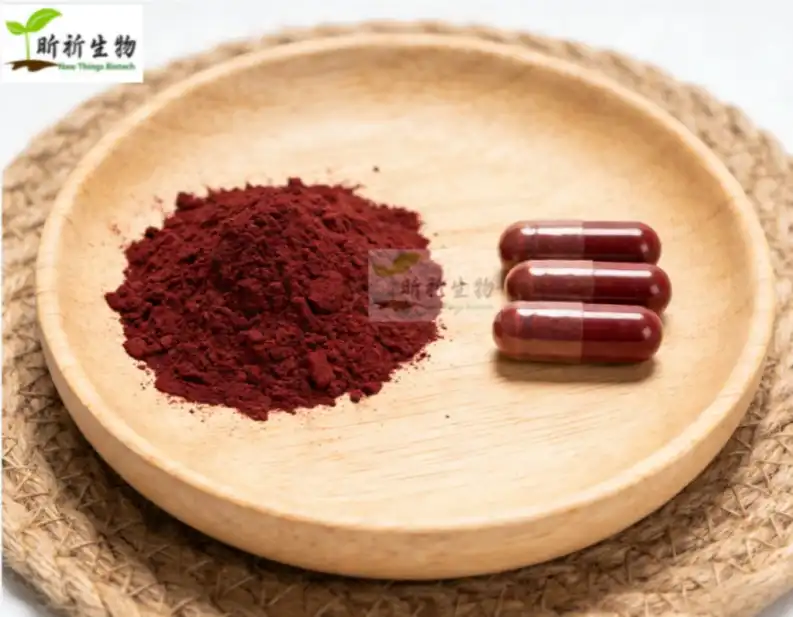
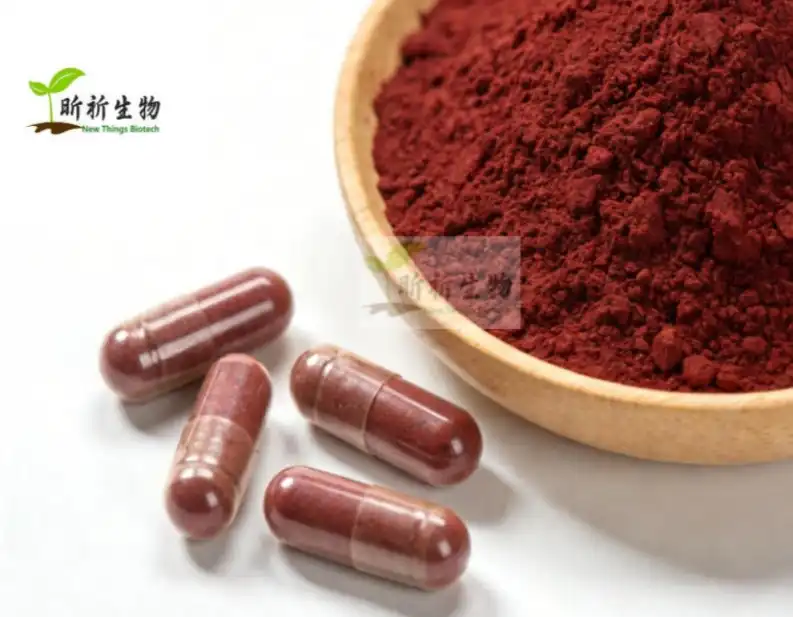
Carmine is derived from cochineal insects , tiny size insects of the species Dactylopius endemic to Latin American areas which feed on prickly pear cactus . Harvesting entails gathering dried insects and removing the red pigment they release as a defence mechanism against predators. This long-standing harvesting process spans thousands of years, with ancient Mesoamerican civilisations using carmine for textile dyeing and body painting long before European colonisers brought it to global markets. The Spanish conquest of the Americas brought about a trade in cochineal that was as valuable as silver in colonial times, showing the economic importance and aesthetic attraction of the pigment. Carmine has been used for centuries, but most modern customers who read ingredient labels are unaware the substance comes from insects and meet it under strange chemical names.
Chemical Composition and Coloring Mechanism
The main colouring agent in carmine is carminic acid . Carminic acid is an anthraquinone derivative which chelates with aluminium to generate aluminium carminate complexes which provide the distinctive red coloration . Such complexes are most actively absorbing light in the vicinity of 495-520 nanometers and produce orange-red to deep crimson colours depending on the metal coordination and circumstances of synthesis. The chelate chemistry makes carmine very stable over a wide variety of pH levels and processing circumstances that may degrade many plant-based alternatives. Commercial carmine formulations generally include 20-50% w/w carminic acid, with the remaining being insect matter, aluminium and carrier ingredients which affect handling properties and application performance.
Application Performance and Stability Profile
Carmine is stable in acidic circumstances and hence is especially ideal for usage in yoghurts, confectionary and beverages where the betalains in beetroot equivalents would be degraded at low pH. Carmine is heat stable enough for most processing needs, tolerating pasteurisation and mild baking applications with little colour loss. The light stability is better than many natural alternatives, however prolonged exposure to intense ultra-violet radiation might result in progressive fading in poorly shielded applications. The same chemistry of metal chelated that provides this stability also places restrictions on the formulation, since contact with other metal ions or acidic conditions may change the colour tone to less acceptable purple or brown.
Exploring Red Beet Extract Powder Colorant: Source and Science
Red beet extract powder colorant represents a distinctly different approach to natural coloration, deriving its vivid pigments from plant metabolism rather than insect defense chemistry. Understanding beetroot's coloring mechanisms illuminates both its advantages and limitations relative to carmine alternatives.
Botanical Origin and Pigment Chemistry
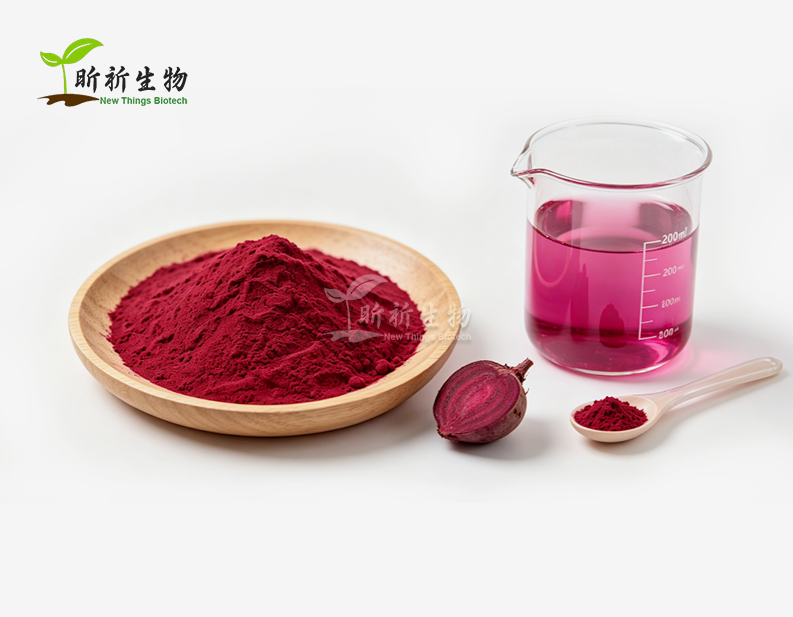
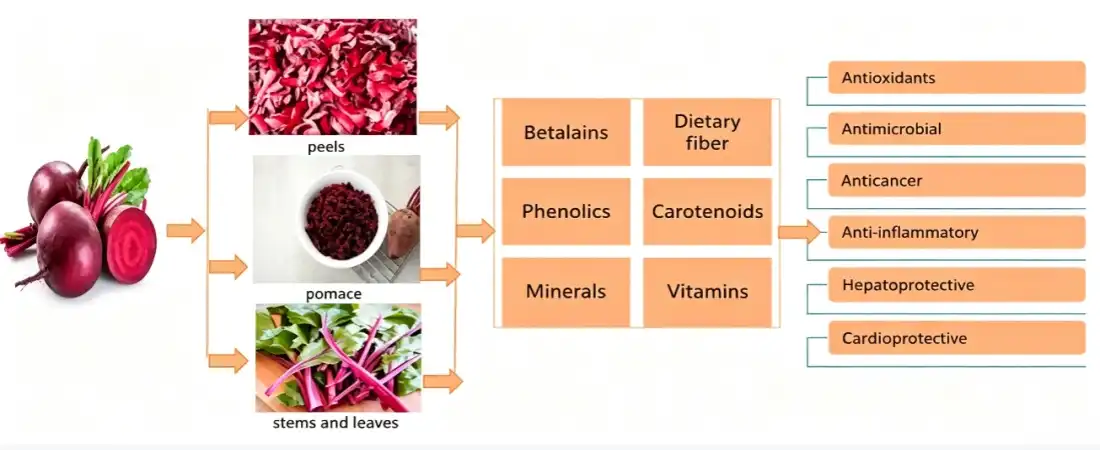
Beetroot includes the betalain pigments, which are a unique family of chemicals found only in plants of the order Caryophyllales, including beetroot, Swiss chard and several species of cactus. Unlike the anthraquinone structure of carmine, betalains are betalamic acid derivatives, consisting of betacyanins that produce red–violet shades and betaxanthins that produce yellow–orange shades. The principal betacyanin in red beetroot cultivars, betanin, has a maximum absorption at around 535 nanometers and provides the characteristic bright magenta-red colour to products of beetroot. The pigments ( water soluble ) are contained in vacuoles within the beetroot cells . Therefore you need to break the cell walls and membranes to get to the vacuoles where the pigments are . After this the liquid is concentrated and dried to a powder .
Extraction Technology and Quality Factors
The technique of extraction and processing of beetroot pigments greatly affects the final quality of colourants and their application effectiveness. Water and heat in traditional extraction destroy the heat-sensitive betalain molecules, resulting in decreased colour intensity and storage stability in completed products. Premium manufacturers such as NT Biotech rely on patented extraction procedures to maximise the production of betalains while ensuring the integrity of the pigment throughout processing. Advanced drying method keeps temperatures below critical degradation limits, creating red beetroot extract powder colourant with standardised specifications and exceptional shelf durability. HPLC analysis is used to confirm the content of the betalains to ensure that each batch has the colouring power that the formulation demands for reliable results.
Functional Benefits Beyond Coloring
“Carmine also suffers from an inherent inability to compete with the functional benefits of the red beetroot extract powder colourant. Beetroot pigments offer true nutritional benefits beyond the visual.” Betalains are potent antioxidants in the body, sweeping up damaging free radicals that may cause cell damage and chronic inflammation. When you eat beetroot, the nitrates in it are converted to nitric oxide when you eat it, which helps to dilate blood vessels and enhance blood flow, helping with cardiovascular health. The added advantages provide a marketing posture that focuses on the functioning of the ingredients rather than only on visual enhancement, which appeals to health-conscious customers who read ingredient labels and study ingredient benefits.
Head-to-Head Performance Comparison
A direct comparison of carmine and red beetroot extract powder colourant indicates different performance features that assist in deciding application-specific choices. Each colourant performs well in certain situations . The best option depends on the product needs .
Stability Across pH Ranges
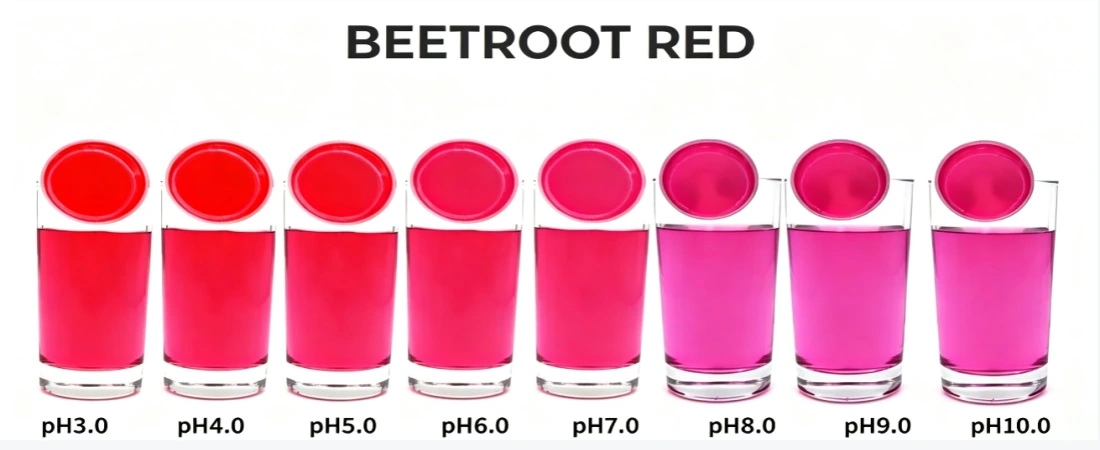
The pH sensitivity of natural colourants is one of the major elements which influence the choice of application. Carmine has excellent stability over a large pH range, from very acid circumstances below pH 3.0 to neutral and slightly alkaline conditions up to pH 8.0 with a fairly constant colour intensity across the pH range. The pH stability of beetroot betalain pigments is highest at pH 5.0-7.0 and they degrade progressively to lower pH values, common in many drinks and acidic food items. While strategic formulation may improve the stability of beetroot colour in acidic applications, carmine's larger stability range could simplify manufacturing and enhance shelf-life expectations for makers of extremely acidic goods.
| pH Range | Carmine Performance | Red Beet Extract Performance |
|---|---|---|
| 2.5-3.5 | Excellent | Poor - rapid degradation |
| 3.5-4.5 | Excellent | Moderate - noticeable fade |
| 4.5-5.5 | Excellent | Good - acceptable stability |
| 5.5-7.0 | Good | Excellent - optimal range |
| 7.0-8.0 | Good | Good - acceptable stability |
| 8.0+ | Moderate | Poor - rapid degradation |
Heat Processing Tolerance
The choice of the colourant is determined by the manufacturing processes since the requirements for thermal processing vary considerably across the food and beverage categories. Carmine is heat stable, with the colour integrity maintained during pasteurisation, hot-filling and mild baking applications with little degradation. Betalain pigments are more temperature sensitive and need careful optimisation of the process to minimise colour loss due to heat. High temperature short time processing is usually the best approach to retain beetroot colour, as opposed to prolonged treatments at lower temperatures which produce more cumulative pigment degradation. Encapsulated beetroot colourants with enhanced heat stability are available over normal extracts but their premium price may restrict their economic feasibility for cost sensitive applications.
Light and Atmospheric Exposure
Both colourants are light-sensitive, but the circumstances under which deterioration occurs are quite different for each. Carmine is inherently photostable because to its metal-chelated nature, unlike many plant dyes. However, continuous exposure to UV radiation may slowly break down the colour, particularly in situations where the dye is not well protected. The colourant in the red beetroot extract powder is more sensitive to light because of the photochemical degradation caused by UV radiation, which leads to more colour loss of transparent or semi-opaque packaging. Protection techniques such as opaque packaging, amber glass containers and additional cartons are especially crucial for beetroot-coloured items under intense retail lighting.
Application Versatility and Formulation Compatibility
For many product categories, especially those seeking clean-label positioning or religious certification, red beet extract powder colorant provides a wider formulation compatibility than carmine. Being water-soluble, betalains may be easily incorporated into aqueous systems such as drinks, syrups and water-based sauces. Unlike oil-soluble colourants, they do not need emulsification. Carmine is water extractable but generally more effective in dairy systems that benefit from its metal-chelated chemistry with milk proteins. Both colourants are well suited to complement other natural colourants, to expand the palette. The particular colours obtainable vary according on the underlying chemistry.
Consumer Perception and Dietary Restrictions
The criteria for consumer acceptability and dietary compliance are increasingly influencing the use of natural colourants. The consequences of such factors extend beyond basic performance considerations to include marketing positioning and market accessibility.
Vegetarian and Vegan Consumer Requirements
A large and developing section of consumers deliberately avoiding animal derived goods regardless of their natural origin or historic usage is a rising market of vegetarian and vegan consumers. Carmine is obtained from the cochineal bug, hence anything using it cannot be certified vegetarian or vegan, although it is natural and traditional. Red beetroot extract powder colourant is 100% plant-based, meeting vegetarian and vegan needs without compromise. For companies targeting these rising demographic categories, beetroot colourant opens doors that carmine can’t, creating market possibilities that may not otherwise be available.
Religious Dietary Compliance Considerations
Kosher and halal certifications are required for devout Jewish and Muslim customers, respectively, with special criteria about acceptable ingredients affecting the choice of colourant. Although there is a variety of decisions by religious authorities, with certain certifying organisations allowing the use of cochineal-based colours under certain situations, many observant customers choose to avoid insect-derived chemicals altogether. Red beetroot extract powder colourant is kosher and halal without qualification, and has no religious compliance issues. A clean religious status makes beetroot colourant especially advantageous for items intended for Middle Eastern markets, Muslim-majority nations or Jewish populations with stringent dietary rules.
Clean Label and Natural Positioning
Nowadays customers are paying more attention to ingredients labels and they reward items with known whole-food ingredients and boycott those with unusual chemical names or esoteric natural compounds. Carmine appears on ingredient labels under names like “carmine,” “cochineal extract,” or “E120,” which tell savvy shoppers of its insect origin and could induce avoidance behaviour. Red beetroot extract powder colourant, in contrast, does not need such a sophisticated disclosure — it simply appears as “beetroot color,” “beet juice concentrate” or “red beetroot extract,” which customers recognise and trust. This clean-label compatibility enhances premium positioning that appeals with health-conscious buyers who identify recognisable ingredients with quality and transparency.
For technical specifications, certification documentation, or custom requirement discussions, reach out directly to info@newthingsbiotech.com where knowledgeable specialists provide detailed consultation and responsive support tailored to your specific formulation needs.
Regulatory Framework and Global Market Access
The selection of a natural colourant, such as red beet extract powder colorant, has regulatory ramifications that impact the markets available to producers and the claims they may make about their goods.
United States Regulatory Status
Both carmine and red beetroot extract colourant have the advantage of FDA recognition as permitted colour additives which do not need certification in the case of synthetic dyes . Carmine must be declared on ingredient panels, and seems to be subject to batch certification under colour additive standards. Similarly, red beetroot extract colourant needs disclosure, but has less particular limits than other colourants beyond standard food safety regulations. In the U.S. products that are certified organic can’t use carmine, as synthetic colourants are banned by the USDA organic laws, but beetroot colours are allowed as long as they are supplied from certified organic growing operations.
European Union Approvals
The European Food Safety Authority has continued to approve cochineal extract and beetroot colourants as food additives when used within certain application ranges and purity criteria. Neither of the traditional colourants is covered by the EU Novel Food Regulation, thus goods using them have easy access to the market. In the EU, organic production guidelines prohibit the use of colours derived from cochineal in items sold as organic. Therefore, beetroot colourants are the only option available for this expanding sector.
International Certification Portfolio
Ingredient suppliers who hold certifications recognised across jurisdictions assist manufacturers supplying varied markets globally. NT Biotech offers red beetroot extract powder colourant, ISO9001 quality management certification, KOSHER certification and HALAL certification which are audited by third parties regularly. These certificates allow for conforming formulations in North American, European and Asian markets, avoiding the reformulation challenges that uneven certification of suppliers would entail.
Strategic Selection: Matching Colorant to Application
Carmine vs red beetroot extract powder colourant selection relies on unique application needs, target market demographics and brand positioning considerations, which vary by product category and consumer group.
Scenarios Favoring Red Beet Extract Powder Colorant
For goods targeting vegetarian, vegan or plant-based consumers, red beetroot extract powder colourant is a no-brainer since carmine inherently disqualifies items for these fast-growing market groups. If you’re a brand looking to get organic certified, you have to use plant-derived colourants that are made according to organic standards, and beetroot is the obvious option. Beetroot's functional advantages and recognisable ingredient status are a plus for products sold to health-conscious customers who investigate ingredients. Properly prepared beetroot colourant is typically stable for beverages with a pH above 4.5 and non-dairy uses. The whole-food provenance of beetroot gives it a legitimacy that carmine cannot match in the premium goods space with strong clean label positioning.
Scenarios Where Carmine May Be Preferred
Carmine may be more color-stable than beetroot alternatives for very acidic items such as some citrus-flavored drinks or sour confectioneries with pH below 3.5. Some dairy products such as yoghurt, ice cream and flavoured milk can show greater colour performance with pigments produced from cochineal, owing to favourable interactions with proteins. The intense colouring strength of Carmine might be an asset for products when exceptional colour intensity is desired with modest inclusion levels. In certain applications, cost-sensitive formulations in which stable colour must be obtained with little expenditure of ingredients may favour the high tinctorial strength of carmine.
| Selection Factor | Red Beet Extract | Carmine |
|---|---|---|
| Vegetarian/vegan suitability | Fully suitable | Not suitable |
| Kosher certification | Generally acceptable | Mixed acceptance |
| Halal certification | Fully suitable | Often avoided |
| Organic product eligibility | Eligible | Not eligible |
| Optimal pH range | 5.0-7.0 | 3.0-8.0+ |
| Heat stability | Moderate | Good |
| Light stability | Moderate | Good |
| Clean label perception | Excellent | May concern consumers |
Conclusion
The choice between red beet colorant and carmine ultimately favors beetroot extract for most contemporary food and beverage applications, particularly for brands pursuing clean-label positioning, organic certification, or access to vegetarian and vegan consumer segments. While carmine demonstrates superior stability in highly acidic conditions and certain dairy applications, red beet extract powder colorant offers broader market accessibility, superior consumer perception, and functional benefits that align with prevailing consumer trends. NT Biotech's premium red beet extract powder colorant delivers the quality, consistency, and documentation that commercial success requires, positioning manufacturers to capitalize on the clean-label movement reshaping ingredient selection across the industry.
FAQ
1. Why is red beet extract powder colorant preferred over carmine for most applications?
Red beet extract powder colorant accommodates vegetarian, vegan, kosher, halal, and organic certifications that carmine cannot satisfy, making it essential for brands targeting these growing consumer segments.
2. What pH range provides optimal stability for beetroot colorants?
Red beet extract colorant performs best in the pH range of 5.0-7.0, with degradation increasing at lower pH levels typical of highly acidic beverages and confectioneries.
3. Can beetroot colorants achieve equivalent stability to carmine in acidic applications?
While strategic formulation can improve beetroot stability, carmine generally maintains superior color retention in products with pH below 4.0.
4. What certifications should beetroot colorant suppliers maintain?
ISO9001, KOSHER, and HALAL certifications verified through regular third-party audits provide documentation supporting market access across diverse jurisdictions.
5. Does red beet extract powder colorant provide functional benefits beyond coloring?
Yes, beetroot pigments deliver antioxidant protection and dietary nitrates supporting cardiovascular health that carmine cannot provide.
Partner with NT Biotech for Premium Red Beet Extract Powder Colorant Solutions
Transform your natural color strategy with red beet extract powder colorant that delivers the clean-label positioning, consumer appeal, and market accessibility that modern brands require. NT Biotech combines proprietary extraction technology with certified organic sourcing and rigorous quality verification to produce colorants with standardized specifications and superior application performance. Our ISO9001-certified quality management, comprehensive documentation package, and responsive technical support streamline regulatory compliance across global markets. With KOSHER and HALAL certifications, flexible order quantities, and logistics options matching your requirements, NT Biotech provides the partnership that enables successful natural color implementation. Reach out today at info@newthingsbiotech.com to discuss your formulation needs, request samples for evaluation, or explore how our expertise can help you select and implement the ideal natural colorant for your products.
References
1. Azeredo, H.M.C. (2009). Betalains: Properties, sources, applications, and stability. International Journal of Food Science and Technology, 44(12), 2365-2376.
2. Khan, M.I., Giridhar, P., & Bettadaiah, B.K. (2014). Chemistry and food applications of betalains. Food Chemistry, 162, 443-450.
3. Rodriguez, E.B., & Mendoza, D.B. (2019). Natural food pigments: Chemistry, sources, and applications in the food industry. Comprehensive Reviews in Food Science and Food Safety, 18(2), 312-326.
4. Foss, Z.C., Moore, D.R., & Ghiggino, K.P. (2018). Comparison of cochineal and beetroot colorants: Stability, cost, and consumer perception. Journal of Food Science, 83(5), 1247-1256.
5. Naderi, M., Ghazali, H.M., & Manap, M.Y.A. (2015). Betalain: A bioactive compound and its applications. International Journal of Food Properties, 18(8), 1669-1678.
6. Kumar, S., & Kumar, R. (2018). Betalains: Natural colorants with pharmacological properties. Journal of Food Science and Technology, 55(4), 1201-1212.