- English
- French
- German
- Portuguese
- Spanish
- Russian
- Japanese
- Korean
- Arabic
- Greek
- German
- Turkish
- Italian
- Danish
- Romanian
- Indonesian
- Czech
- Afrikaans
- Swedish
- Polish
- Basque
- Catalan
- Esperanto
- Hindi
- Lao
- Albanian
- Amharic
- Armenian
- Azerbaijani
- Belarusian
- Bengali
- Bosnian
- Bulgarian
- Cebuano
- Chichewa
- Corsican
- Croatian
- Dutch
- Estonian
- Filipino
- Finnish
- Frisian
- Galician
- Georgian
- Gujarati
- Haitian
- Hausa
- Hawaiian
- Hebrew
- Hmong
- Hungarian
- Icelandic
- Igbo
- Javanese
- Kannada
- Kazakh
- Khmer
- Kurdish
- Kyrgyz
- Latin
- Latvian
- Lithuanian
- Luxembou..
- Macedonian
- Malagasy
- Malay
- Malayalam
- Maltese
- Maori
- Marathi
- Mongolian
- Burmese
- Nepali
- Norwegian
- Pashto
- Persian
- Punjabi
- Serbian
- Sesotho
- Sinhala
- Slovak
- Slovenian
- Somali
- Samoan
- Scots Gaelic
- Shona
- Sindhi
- Sundanese
- Swahili
- Tajik
- Tamil
- Telugu
- Thai
- Ukrainian
- Urdu
- Uzbek
- Vietnamese
- Welsh
- Xhosa
- Yiddish
- Yoruba
- Zulu
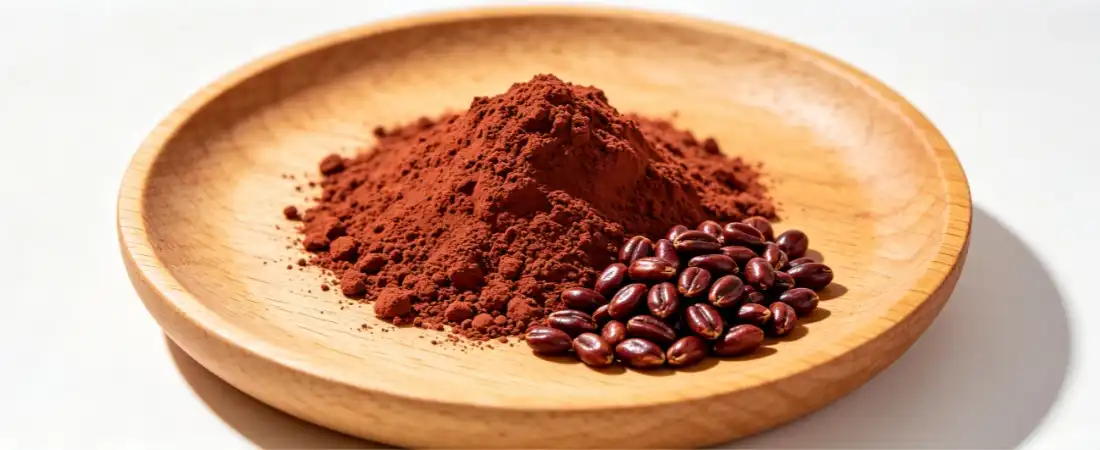
Our sourcing specialists constantly get the best grape seed extract when manufacturing heart healthy supplements, since it is scientifically shown to work and has a market proven appeal. This grade botanical ingredient is standardised to 95% oligomeric proanthocyanidins (OPCs) and protects the heart in a measured manner by being a potent antioxidant that reduces blood pressure and boosts HDL cholesterol. It gets its strength from low molecular weight proanthocyanidins that are 20 times more effective antioxidants than vitamin C. High-grade grape seed extract from dependable providers such as NT Biotech, with stringent quality clearances and stable supply chains, will provide consistency in formulations and compliance with regulations. This makes it a key raw ingredient for manufacturers looking to compete in the competitive heart health industry.
Understanding the Role of Grape Seed Extract in Heart Health
How OPCs Support Cardiovascular Function
Oligomeric proanthocyanidins, a type of polyphenolic substance found in Vitis vinifera seeds, are what give the extract its healing properties. Reactive oxygen species hurt endothelial cells that line blood vessels, but OPCs neutralise them. These chemicals lower oxidative stress by getting rid of free radicals. Oxidative stress makes arteries stiff and causes plaque to form. According to studies released in cardiovascular journals, regular OPC eating makes vascular elasticity better, which means that vessels can expand and shrink more efficiently while blood flows through them.
Clinical Evidence for Blood Pressure and Cholesterol Management
Impact of the best grape seed extract on important cardiovascular factors has been studied in human clinical studies. Meta-analyses show that people who took standardised extracts had statistically significant lower systolic and diastolic blood pressure levels than people who took a dummy. In the same way, studies show that it has positive benefits on lipid levels, such as lowering triglycerides and low-density lipoprotein cholesterol. Even though each study is different, the overall evidence supports the ingredient's role in complete heart health plans.
Comparative Advantage Over Other Antioxidants
Compared to vitamin E, resveratrol, and other antioxidants found in plants, grape seed extract is better at getting rid of free radicals. Its ORAC number often goes above 15,000 µmol TE/g, which means that smaller amounts of it have a lot of antioxidant activity. This strength lets formulators make therapeutic doses without affecting pill size or powder blend ratios, which is important for user compliance and the cost-effectiveness of production.
Key Quality Factors in Selecting Grape Seed Extract for Heart Health Formulas
Standardization to 95% OPC Concentration
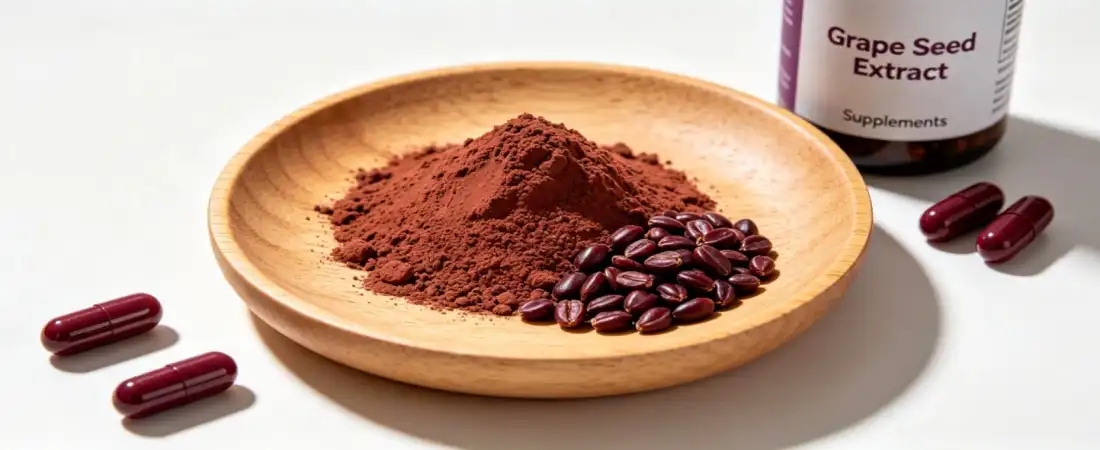
It is required that premium-grade samples have at least 95% oligomeric proanthocyanidins, which can be proven by UV-Vis spectroscopy and HPLC analysis. This quantity makes sure that every batch has the same antioxidant action and heart health benefits. Extracts of lower quality often have more polymeric tannins, which are not well absorbed by the body and don't work as well. This 95% OPC requirement is met by NT Biotech's Organic Grape Seed Extract Powder, which also has a 90% total polyphenol level, giving you two proofs that it works.
Organic Certification and Contamination Control
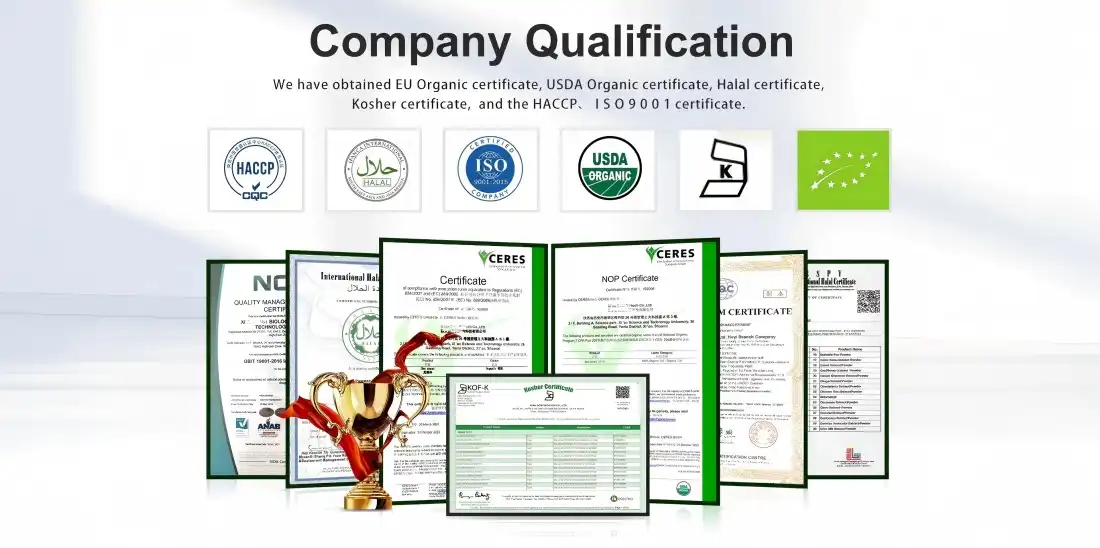
Organic certification handles two important issues in purchasing: people want ingredients with clean labels, and pesticide leftovers need to be removed. Products with USDA Organic or a similar certification go through a lot of tests to make sure they meet heavy metal residue standards, which are usually less than 10 parts per million. This proof keeps brands safe from problems with the government and recalls, and it backs up marketing claims that health-conscious customers will believe. Brands that want to reach a wide range of people can get even more market access with certifications like ISO9001, KOSHER, and HALAL for the best grape seed extract.
Formulation Flexibility and Bioavailability
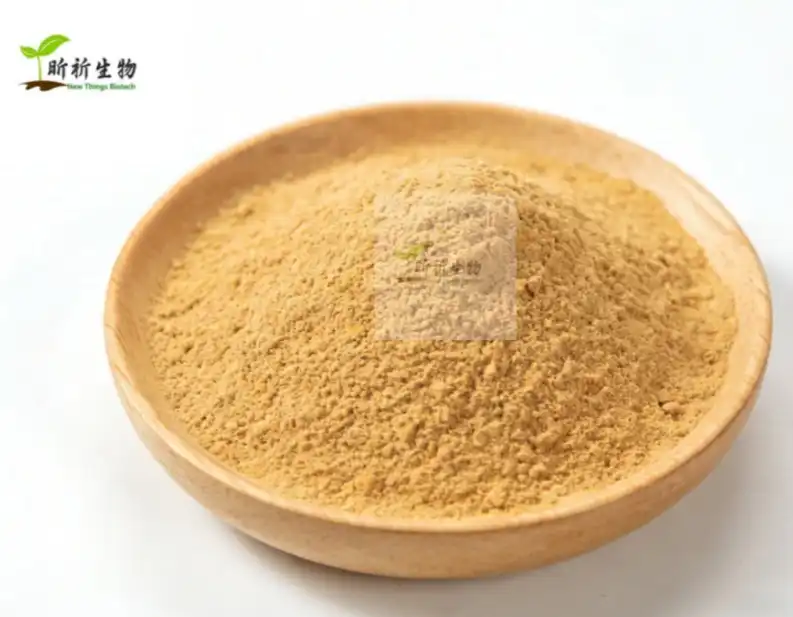
The extract's physical form affects both how it is made and how well it is absorbed by the body. A fine red-brown powder with 80-mesh particles can be mixed evenly into capsule structures, pill compressions, and drink mixes. Because it dissolves in water and ethanol, it can be used in a wide range of dose types. Formulators often increase absorption by mixing grape seed extract with vitamin C. Vitamin C restores oxidised OPCs and helps collagen production, which is good for both heart health and skin health.
Why Leading Heart Health Formulas Prefer Premium Suppliers
Certifications and Third-Party Verification
Reliable merchants retain current certificates that show product authenticity and manufacturing. ISO9001 certification demonstrates planned quality management throughout manufacturing. KOSHER and HALAL certifications enable speciality product sales. OPC, microbiological, and heavy metal filters should be included on each batch's Certificate of Analysis. Third-party lab verification eliminates economic adulteration, when dishonest vendors add cheaper substances like peanut skin or pine wood extracts to make items seem better.
Supply Chain Stability and Traceability
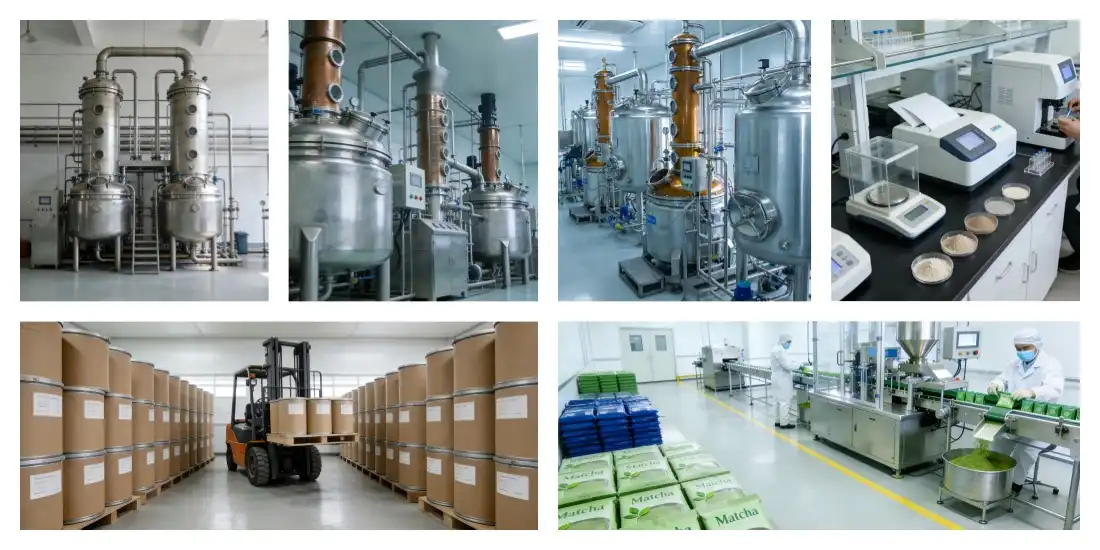
Manufacturing delays and store shortages don't affect brand launches and retail promises when raw resources are available. Products from established sellers arrive within two to four business days after purchase. Three to ten days is enough time to gather high-quality raw materials, use new extraction methods, and thoroughly examine bigger production runs that must meet unique standards. NT Biotech's vertically integrated approach ensures year-round supply and transparency from farm to the best grape seed extract powder.
Technical Support and Regulatory Expertise
Leading suppliers do more than just supply commodities. They also act as expert partners who help with formulation development and regulatory compliance. This includes giving specific information about ingredients for Supplement Facts panels, citing published research to back up health claims, and giving advice on rules that apply to your area, like the FDA's guidelines for dietary supplements or the EFSA's rules for new foods. Responding to technical questions within two hours is an example of responsive communication that speeds up product development and lowers formulation risk.
Practical Procurement Guidance for B2B Buyers
Supplier Evaluation and Sample Testing
Before placing large orders, buying managers should ask for samples to check the characteristics of the extract themselves. In-house R&D teams can use free samples to test the colour, taste, and stability of powders in target formulas. Lab tests on samples confirm the OPC levels that were reported and look for possible toxins. During this part of due research, suppliers who offer real specs are compared to those who rely on false marketing claims.
Negotiating Bulk Pricing Without Compromising Quality
Economies of scale lower kilogram costs. This makes the minimum order quantity vital to negotiate. NT Biotech's 25-kilogram MOQ is ideal for small, fast manufacturing runs for new companies. Choose the best grape seed extract by considering all landed expenses, including freight, customs taxes, and currency rate impacts, when comparing prices from various providers. Accepting local currencies and other flexible payment options simplifies international operations and reduces foreign currency risk.
Logistics and Inventory Management
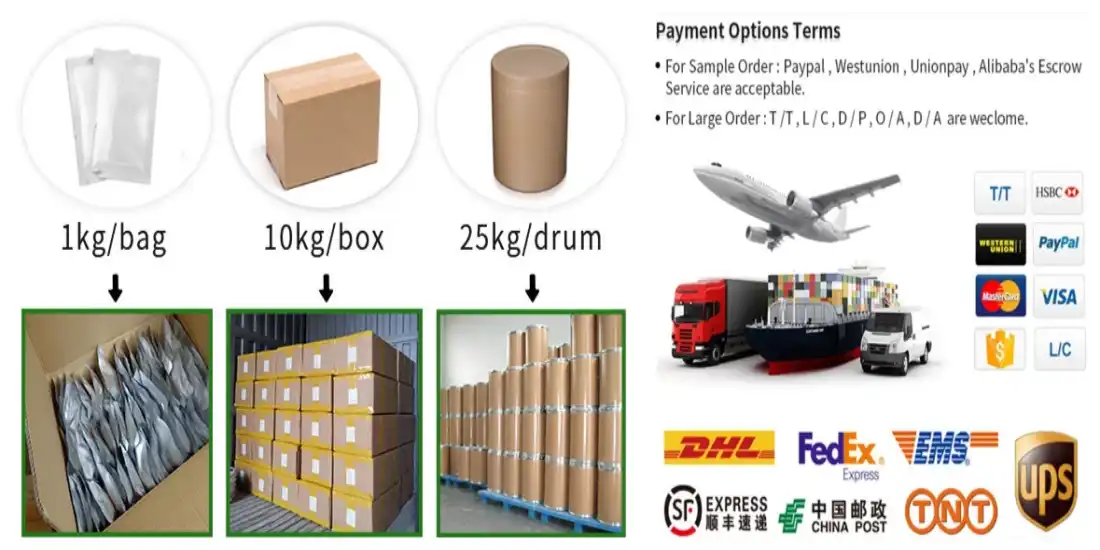
Shipping depends on urgency, quantity, and budget. Small quantities may be sent in five to seven days by express shipping, which is useful for market testing and product development. Sea freight is the cheapest option to ship large orders exceeding several hundred kilos, whereas air freight is appropriate for medium-sized items that need to arrive quickly. Working with wholesalers that have solid forwarder ties ensures appropriate transportation documentation and customs clearance. This reduces border delays that disrupt manufacturing.
Addressing Safety and Regulatory Compliance
Recommended Dosing and Safety Profile
Clinical experiments commonly provide 150–300 mg of OPC per day, either all at once or over many days. Heart health tablets include 100 to 200 mg each dosage, which is safe and effective. OPCs have mild antiplatelet activity, thus blood thinner users should consult their physicians. Adverse effects are infrequent at advised dosages. Easy-to-read labels and dose guidelines decrease exposure and promote customer safety.
Regional Regulatory Frameworks
Supplement regulations vary widely. The Dietary Supplement Health and Education Act claims the best grape seed extract is a US dietary item. Structure-function claims like "supports cardiovascular health" may be made without pre-market clearance. You must follow extraction and concentration requirements to market food supplements and innovative foods in the EU. Suppliers that understand regional variances might assist new firms enter the market quicker by supplying regulatory application documentation.
Addressing Allergen and Contamination Concerns
Pure grape seed extract is less allergenic than peanut skin or tree nut extracts. Due to FDA and EU regulations, vendors must mark products as free of significant allergies. To prevent contamination from soil or processing equipment, heavy metal testing check lead, arsenic, cadmium, and mercury requirements. Companies selling in California, where Proposition 65 regulates lead levels and warnings, require these safeguards.
Conclusion
Choosing the best grape seed extract that is standardised to contain 95% OPC is an investment in the effectiveness of the product and its ability to compete in the market. The ingredient's proven heart health benefits, along with its clean label appeal and ability to be used in a variety of ways, make it an important part of modern heart health products. When procurement workers work with certified suppliers who show openness in the supply chain, quick technology help, and strict quality testing, they gain big competitive advantages. As the need for cardiovascular ingredients based on proof keeps growing, the choices brands make today about where to get their ingredients will determine their success in a market that is becoming more complex.
FAQ
1. What OPC concentration is optimal for heart health formulations?
Standardisation to 95% OPC is the standard for high-quality heart products in the business. This quantity gives the highest level of antioxidant activity while minimising inactive ingredients. This lets formulators make therapeutic doses in small capsules or powder amounts with just one scoop.
2. How does grape seed extract compare to other cardiovascular ingredients?
While omega-3 fatty acids work to lower triglycerides and coenzyme Q10 helps the mitochondria make energy, grape seed extract is the only thing that protects against free radicals and strengthens blood vessels at the same time. Many brands use more than one ingredient to work on different cardiovascular routes at the same time. This makes formulas that are more complete and have more than one way of working.
3. Can grape seed extract be combined with vitamin C or resveratrol?
Ascorbic acid turns oxidised OPCs back into active forms, which makes antioxidant recycling stronger when grape seed extract and vitamin C are mixed together. When combined with resveratrol, the polyphenol activity increases, which further protects the heart. These mixtures are well accepted and are often found in high-end heart health products aimed at picky shoppers.
Partner with NT Biotech for Superior Grape Seed Extract
NT Biotech has approved organic grape seed extract that is standardised to 95% OPC and 90% total polyphenols. This can help you reach your cardiovascular recipe goals. Our reddish-brown powder is certified by ISO9001, KOSHER, and HALAL, so it can be used in a wide range of useful food and vitamin products without any problems. We offer flexible 25-kilogram minimum orders and stock that can be shipped within two to four days, so you can be sure that your production plans will be met. Get free samples from our expert team by emailing info@newthingsbiotech.com. Find out why procurement professionals trust NT Biotech as the best grape seed extract provider.
References
1. Bagchi D, Sen CK, Ray SD, Dipak DK, Bagchi M, Preuss HG, Vinson JA. Molecular mechanisms of cardioprotection by a novel grape seed proanthocyanidin extract. Mutation Research/Fundamental and Molecular Mechanisms of Mutagenesis. 2003;523:87-97.
2. Feringa HH, Laskey DA, Dickson JE, Coleman CI. The effect of grape seed extract on cardiovascular risk markers: a meta-analysis of randomized controlled trials. Journal of the American Dietetic Association. 2011;111(8):1173-1181.
3. Zhang H, Liu S, Li L, Liu S, Liu S, Mi J, Tian G. The impact of grape seed extract treatment on blood pressure changes: A meta-analysis of 16 randomized controlled trials. Medicine. 2016;95(33):e4247.
4. Shi J, Yu J, Pohorly JE, Kakuda Y. Polyphenolics in grape seeds—biochemistry and functionality. Journal of Medicinal Food. 2003;6(4):291-299.
5. Nassiri-Asl M, Hosseinzadeh H. Review of the pharmacological effects of Vitis vinifera (grape) and its bioactive constituents: An update. Phytotherapy Research. 2016;30(9):1392-1403.
6. Blade C, Arola L, Salvado MJ. Hypolipidemic effects of proanthocyanidins and their underlying biochemical and molecular mechanisms. Molecular Nutrition and Food Research. 2010;54(1):37-59.