- English
- French
- German
- Portuguese
- Spanish
- Russian
- Japanese
- Korean
- Arabic
- Greek
- German
- Turkish
- Italian
- Danish
- Romanian
- Indonesian
- Czech
- Afrikaans
- Swedish
- Polish
- Basque
- Catalan
- Esperanto
- Hindi
- Lao
- Albanian
- Amharic
- Armenian
- Azerbaijani
- Belarusian
- Bengali
- Bosnian
- Bulgarian
- Cebuano
- Chichewa
- Corsican
- Croatian
- Dutch
- Estonian
- Filipino
- Finnish
- Frisian
- Galician
- Georgian
- Gujarati
- Haitian
- Hausa
- Hawaiian
- Hebrew
- Hmong
- Hungarian
- Icelandic
- Igbo
- Javanese
- Kannada
- Kazakh
- Khmer
- Kurdish
- Kyrgyz
- Latin
- Latvian
- Lithuanian
- Luxembou..
- Macedonian
- Malagasy
- Malay
- Malayalam
- Maltese
- Maori
- Marathi
- Mongolian
- Burmese
- Nepali
- Norwegian
- Pashto
- Persian
- Punjabi
- Serbian
- Sesotho
- Sinhala
- Slovak
- Slovenian
- Somali
- Samoan
- Scots Gaelic
- Shona
- Sindhi
- Sundanese
- Swahili
- Tajik
- Tamil
- Telugu
- Thai
- Ukrainian
- Urdu
- Uzbek
- Vietnamese
- Welsh
- Xhosa
- Yiddish
- Yoruba
- Zulu
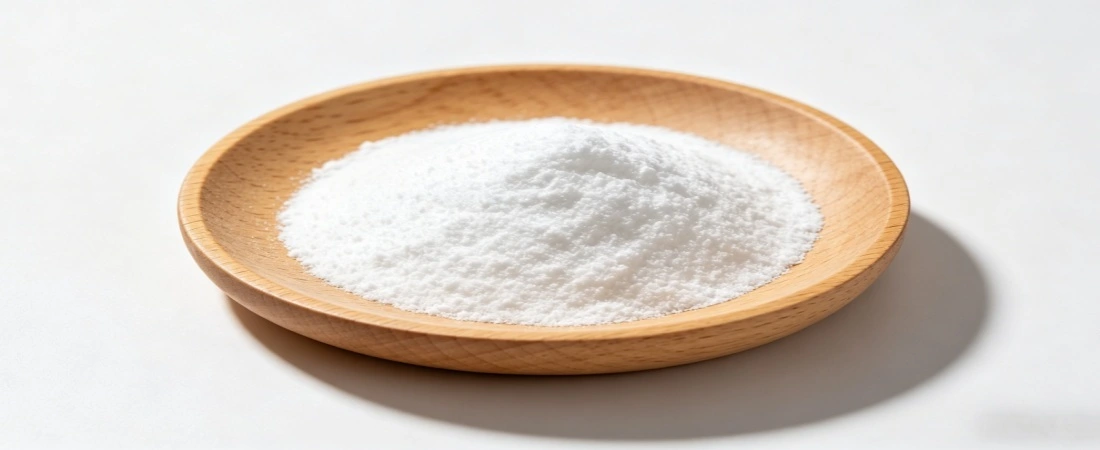
Sodium hyaluronate is important in many fields because it can hold a lot of water and be used in many ways. To get the best sodium hyaluronate for your preparation, you need to know all the great things it can do for you. This is hyaluronic acid in the form of a sodium salt, and it comes from plants. A humectant is something that can hold up to 1,000 times its own weight in water. This makes it useful for making medicines, cosmetics, and food supplements. Regular hyaluronic acid doesn't mix as well in water as this one does. This means that formulators can get solid results while still meeting strict regulatory standards in all global markets.
Understanding Sodium Hyaluronate and Its Key Benefits
Find out what sodium hyaluronate is and what its main benefits are. There is a type of molecule called sodium hyaluronate in skin, joints, and eyes. It is called glycosaminoglycan. It is made up of repeating disaccharide units that are made up of N-acetyl-D-glucosamine and D-glucuronic acid. This makes a polymer chain that works well with living things and is safe to use.
Why Molecular Weight Matters for Performance?
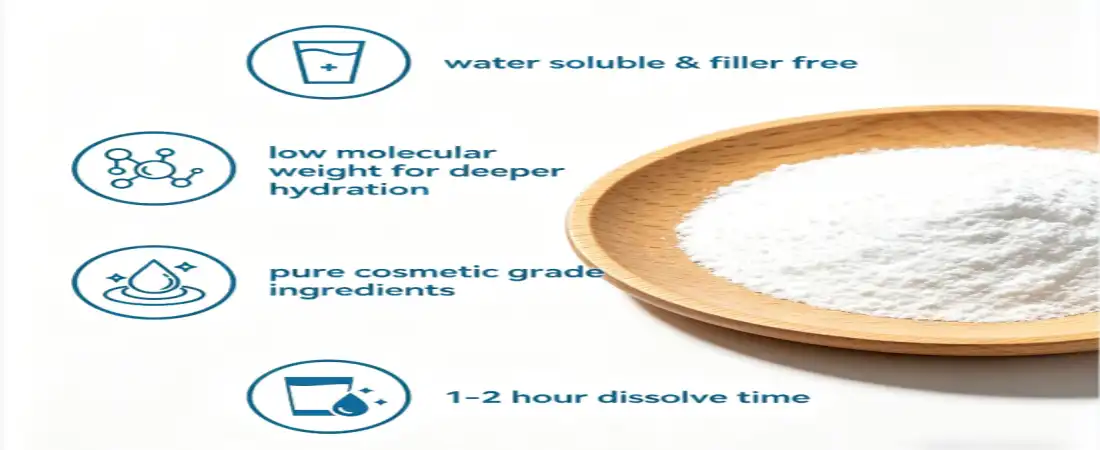
The molecular weight (MW) of sodium hyaluronate determines how well it works and how deeply it goes into the skin. Different types with a molecular weight of more than 1.5 million Daltons make safe film layers on the surface that hydrate and smooth right away. Because of this, they work great for barrier-repair and anti-aging creams. Forms with a molecular weight of less than 500,000 Daltons can get deeper into the skin and help make collagen. They also get rid of redness, which helps skin problems at their source. Procurement workers often ask for multi-weight mixes when they need to buy a lot of different items. This way, they can get the most out of both the surface and deep tissue benefits.
Hydration Beyond Surface-Level Moisture
The best sodium hyaluronate does more than just join water molecules together to make them more water-soluble. When eaten or put on the skin, it creates a moisture reserve in the tissues that keeps them just the right amount of wet all day. Researchers have found that after four weeks of regular use of the best sodium hyaluronate, this smooth flow of water makes skin 20–40% more flexible. Because this ingredient has been shown to work, it is an important part of beauty-from-within vitamins and professional skin care products for dry skin.
Anti-Aging and Skin Barrier Protection
Scientists have proven that sodium hyaluronate actively fights visible signs of aging by keeping the skin's moisture level stable and supporting its natural repair systems. The body's own production of hyaluronic acid drops a lot with age. By age 50, it has dropped by almost half. As a supplement, high-purity sodium hyaluronate can help make up for this loss. This can help get rid of fine lines and make the skin better against damage from the outside world. It can be used on all skin types, even sensitive or acne-prone skin, because it doesn't contain any comedogenic ingredients.
Joint Health and Ophthalmic Applications
Sodium hyaluronate is good for your face and is also used in medicine and diet. An important part of synovial fluid is that it supports and smooths out joints. This is why it's found in many sports and older people's health pills. There are gelatinous properties in eye drops and surgery that are used to protect the corneal tissues during treatments and make dry eye conditions better. Different B2B market groups have found many different ways to use the ingredient, which shows how versatile it is and how useful it is as a medicine.
Sodium Hyaluronate vs Related Ingredients: Making Informed Choices
How does sodium hyaluronate compare to other active ingredients? This information helps the buying teams choose recipes that are in line with how the product is positioned and what buyers want.
Sodium Hyaluronate Versus Hyaluronic Acid
Sodium hyaluronate offers advantages over conventional hyaluronic acid despite chemical similarity. The salt form shows greater stability across pH range (ideally 6.0-7.5) and superior water solubility, reducing "fish-eye" clumping. Sodium hyaluronate resists reactive degradation better than hyaluronic acid, extending finished product shelf life. Powder format enables easier inventory management and precise dosage control during manufacturing, saving costs while ensuring batch-to-batch consistency for premium formulations.
Comparing Performance with Collagen and Peptides
Collagen fibers and sodium hyaluronate work synergistically rather than competing. Collagen provides skin structure and strength; sodium hyaluronate supplies the water matrix collagen needs for health and maintenance. Both ingredients frequently appear together in multi-action anti-aging formulas. However, sodium hyaluronate's smaller molecular size enables faster absorption and quicker visible results, making it ideal for products claiming rapid skin hydration improvement and immediate plumping effects.
Positioning Against Glycerin and Plant Extracts
Glycerin and plant-based options like aloe vera provide moisture at lower cost, but sodium hyaluronate offers scientifically validated efficacy and superior water binding. It holds 1,000 times its weight in water versus glycerin's 10 times. Premium formulations justify higher pricing because their marketing claims require robust ingredient support. Natural-oriented consumers may prefer plant alternatives, but these lack sodium hyaluronate's purity and extensive scientific backing for efficacy claims.
Selecting the Best Sodium Hyaluronate Products for Specific Needs
Any changes in the quality of the industrial sodium hyaluronate can make a recipe not work as well or not meet the legal standards as well. People who work in buying have to think about a lot of important things when they get this item.
Purity Standards and Grade Classifications
The sodium hyaluronate used in medicine is more than 95% pure (dry base), with less than 0.1% protein and less than 10 parts per million of heavy metals. It meets the strict standards set by the EP, USP, and JP. These guidelines are for cosmetics, so they allow a little more freedom while still making sure the product is safe for skin. Food-grade forms that can be used in dietary supplements need extra paperwork to show they don't have any harmful chemicals and follow the rules for food safety in your area. Full Certificates of Analysis (CoA) that list all of these things are given by the best sodium hyaluronate sources for every batch that is made. This lets you keep track of and guarantee quality all along your supply line.
Molecular Weight Selection for Target Applications
Ultra-low MW forms (10,000-50,000 Da) penetrate serums for deep wrinkle treatment. Medium MW ranges (500,000-1,000,000 Da) balance surface hydration with mild penetration for daily moisturizers. High MW options (above 1,800,000 Da) deliver rich textures and immediate barrier effects for creams. Leading suppliers offer various molecular weights with detailed viscosity data. Formulators can optimize selections without extensive trial and error, accelerating product development timelines.
Certifications That Matter for Global Markets
International certifications ensure consistent ingredient quality and manufacturing standards across markets. ISO 9001 certification demonstrates systematic quality management throughout production. KOSHER and HALAL certifications enable brands to reach consumers with specific dietary requirements. For US market entry, GRAS (Generally Recognized as Safe) status documentation for food applications proves essential. These credentials reduce regulatory compliance risk and accelerate multi-country product launches simultaneously.
Strategic Procurement of Sodium Hyaluronate for Business
You should know how the market works, what your sellers can do, and how to check the quality in a way that doesn't hurt your production plans or brand image when you buy sodium hyaluronate.
Evaluating Supplier Reliability and Capacity
Supplier relationship strength requires understanding production capacity and inventory management practices. Popular grades remain in stock at NT Biotech, enabling shipment 2-4 days after order confirmation. Minimum 25 kg order quantity accommodates both small-scale product launches and large production runs. Over ten years export experience demonstrates robust supply chain management, including proper documentation handling and temperature-controlled shipping for moisture-sensitive materials, ensuring consistent international delivery.
Price-Quality Balance in Bulk Purchasing
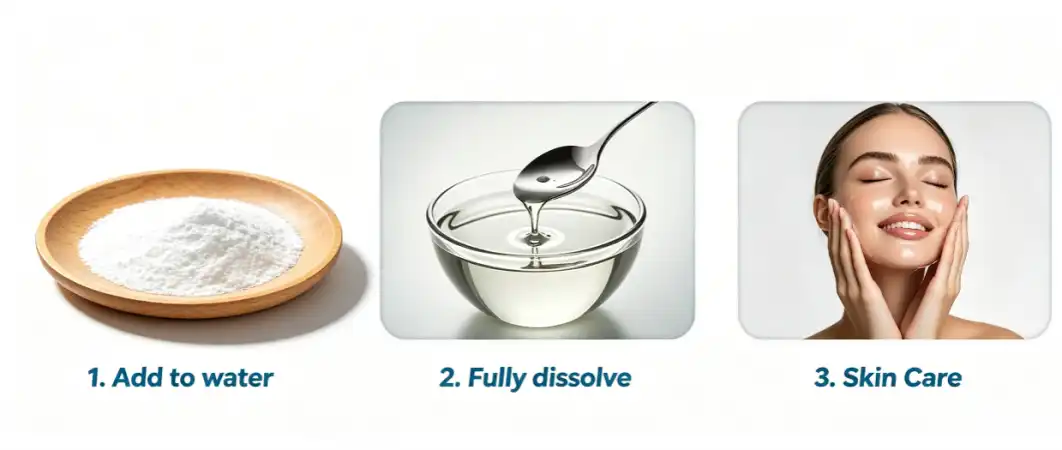
The price of sodium hyaluronate changes a lot based on its molecular weight, how pure it is, and how it was fermented. The most pure types used in medicine are very expensive, but materials for cosmetics from well-known companies like NT Biotech are very cheap without losing safety or value. Before making big orders, formulators can ask for samples to make sure that the dissolution qualities, viscosity profiles, and compatibility with current ingredient systems are all satisfactory. Not having good raw materials can cause production delays and costly re-formulations. This step lowers the risk and stops those things from happening.
Building Long-Term Technical Partnerships
Having good relationships with providers means more than just getting things from them. It also means working together to solve tech problems. That's why NT Biotech has a specialized research and development team that helps with formulation problems. They tell you what concentrations to use (usually 0.1 to 2% for cosmetics and 80 to 200 mg for oral supplements) and what other ingredients work well with sodium hyaluronate to get even better results. People who work for procurement teams know that they will get back to them quickly (first comments within two hours). This helps them make quick choices when they need information. Technical data with a lot of details, like stability studies and interface grids, helps make product development go faster while still following the rules.
Future Trends and Innovations in Sodium Hyaluronate Use and Procurement
As new technologies come out and people's tastes shift, so does the market for sodium hyaluronate. This makes both opportunities and problems for successful buying.
Nano-Formulation and Cross-Linked Technologies
New ways of processing the best sodium hyaluronate make particles so small they can reach the basal layer of skin where cells renew themselves, achieving deeper penetration than previously possible. Cross-linked forms create three-dimensional networks with extended residence time, enabling single-treatment hydration lasting up to 72 hours. These advanced technologies command higher costs but enable product claims impossible with conventional grades. When procurement teams evaluate these premium versions of the best sodium hyaluronate, they should demand scientific evidence demonstrating superior efficacy over standard alternatives.
Sustainability and Green Chemistry in Production
As more people want healthy foods, concerns about the environment are becoming more important in B2B buying choices. A microbe called Streptococcus zooepidemicus is used to make sodium hyaluronate these days. This means it's not made from animals, which brings up moral questions. Leading manufacturers follow rules for minimizing trash and using energy-efficient extraction methods that keep the quality of their products high while having the least amount of damage to the environment. NT Biotech has environmental management methods as part of its ISO licenses. This lets people who buy the company's goods know that they will help it reach its sustainable goals and meet the standards for ESG reporting.
Market Growth and Strategic Supply Planning
The world market for sodium hyaluronate is projected to hit more than $15 billion by 2028. This is because it is being used more and more in regenerative medicine and nutricosmetics. This rise in demand can make it hard to get goods when things are busy. This is why smart source ties and forward contracts are even more important. People who work in buying should keep an eye on how rules change, especially when it comes to new food approvals in growing markets. These can lead to new uses, but they can also temporarily cause shortages while production rises to meet demand.
Conclusion
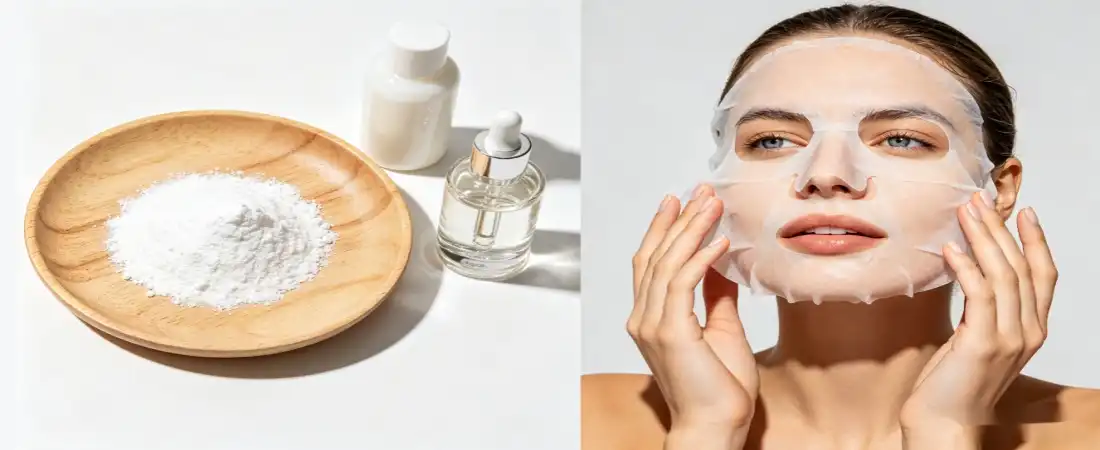
In many different types of beauty, health, and medicine goods, the best sodium hyaluronate has been shown to work both scientifically and cost-effectively. If you want to be good at buying, you need to understand molecular weight, quality factors, and supplier capability to ensure consistent products meeting strict requirements. Strategic relationships with established manufacturers like NT Biotech provide access to technical expertise, regulatory guidance, and reliable logistics giving competitive advantage in raw material sourcing for the best sodium hyaluronate. This enables faster development of superior products with premium ingredients that satisfy discerning customers worldwide.
FAQ
Questions that lots of people ask. Sodium hyaluronate is safe for all skin types, even those that are sensitive, oily, or a mix of the two. The light texture absorbs quickly without leaving a sticky film, and the fact that it doesn't clog pores is good for customers. Different types of formulations are possible, from water-based serums to colloid systems. It is important to keep the pH level between 6.0 and 7.5, though, so the mixture stays fixed and doesn't break down. Formulas with very high or very low pH or reacting agents that don't work well with polymers and break their chains should be avoided.
1. Is sodium hyaluronate suitable for all skin types and formulations?
Sodium hyaluronate is safe for all skin types, even those that are sensitive, oily, or a mix of the two. The light texture absorbs quickly without leaving a sticky film, and the fact that it doesn't clog pores is good for customers. Different types of formulations are possible, from water-based serums to colloid systems. It is important to keep the pH level between 6.0 and 7.5, though, so the mixture stays fixed and doesn't break down. Formulas with very high or very low pH or reacting agents that don't work well with polymers and break their chains should be avoided.
2. What distinguishes sodium hyaluronate from regular hyaluronic acid in practical applications?
Hyaluronic acid base is less solid than sodium salt form. Sodium salt form dissolves faster in water without sticking together. This trait makes it easy to make things and makes sure that the right doses are always used. Microbes are less likely to get into sodium hyaluronate while it is being kept. However, finished goods still need to be stored correctly. For most commercial uses, sodium hyaluronate is better because it has the same effects on living things after being used.
3. How can procurement teams verify sodium hyaluronate quality before bulk ordering?
Ask for a lot of scientific details, like a Certificate of Analysis that lists tests for purity, molecular weight distribution, endotoxin levels (helpful for medicine), and microbe limits. You can get free samples from reputable sellers like NT Biotech and try them in the lab to see how they dissolve, how thick they are, and how well they mix with other materials. Instead of relying only on what a website says, make sure that seller licenses are real by checking them directly with the groups that gave them out.
Partner with NT Biotech for Premium Sodium Hyaluronate Supply
Most companies around the world trust NT Biotech to make the best sodium hyaluronate because they always provide high-quality products and fast service. We sell 99% pure sodium hyaluronate powder (CAS 9004-61-9, 80 mesh) that meets ISO, KOSHER, and HALAL standards. This makes it easy to use in all foreign markets. To speed up the product starts process, we offer ready-to-ship goods that can be sent out in two to four days, a 25 kg minimum order size that can be used for a range of project sizes, and free trials. The formulation help from our expert team comes from ten years of work in the field. Getting supplies is now a strategic relationship instead of just something that the business needs to do. Get in touch with us at info@newthingsbiotech.com to talk about your sodium hyaluronate needs and find out how we can help you reach your innovation goals.
References
1. Papakonstantinou, E., Roth, M., & Karakiulakis, G. (2012). Hyaluronic acid: A key molecule in skin aging. Dermato-Endocrinology, 4(3), 253-258.
2. Fallacara, A., Baldini, E., Manfredini, S., & Vertuani, S. (2018). Hyaluronic acid in the third millennium. Polymers, 10(7), 701-724.
3. Keen, M. A. (2016). Hyaluronic acid in dermatology. Skinmed, 14(5), 347-352.
4. Bukhari, S. N., Roswandi, N. L., Waqas, M., Habib, H., Hussain, F., Khan, S., & Sohail, M. (2018). Hyaluronic acid, a promising skin rejuvenating biomedicine: A review of recent updates and pre-clinical studies. International Journal of Biological Macromolecules, 120, 1682-1695.
5. Marinho, A., Nunes, C., & Reis, S. (2021). Hyaluronic acid: A key ingredient in the therapy of inflammation. Biomolecules, 11(10), 1518-1537.
6. Sahiner, N., Godbey, W. T., McPherson, G. L., & John, V. T. (2006). Microgel, nanogel and hydrogel-hydrogel semi-IPN composites for biomedical applications. Colloid and Polymer Science, 284(10), 1121-1129.