- English
- French
- German
- Portuguese
- Spanish
- Russian
- Japanese
- Korean
- Arabic
- Greek
- German
- Turkish
- Italian
- Danish
- Romanian
- Indonesian
- Czech
- Afrikaans
- Swedish
- Polish
- Basque
- Catalan
- Esperanto
- Hindi
- Lao
- Albanian
- Amharic
- Armenian
- Azerbaijani
- Belarusian
- Bengali
- Bosnian
- Bulgarian
- Cebuano
- Chichewa
- Corsican
- Croatian
- Dutch
- Estonian
- Filipino
- Finnish
- Frisian
- Galician
- Georgian
- Gujarati
- Haitian
- Hausa
- Hawaiian
- Hebrew
- Hmong
- Hungarian
- Icelandic
- Igbo
- Javanese
- Kannada
- Kazakh
- Khmer
- Kurdish
- Kyrgyz
- Latin
- Latvian
- Lithuanian
- Luxembou..
- Macedonian
- Malagasy
- Malay
- Malayalam
- Maltese
- Maori
- Marathi
- Mongolian
- Burmese
- Nepali
- Norwegian
- Pashto
- Persian
- Punjabi
- Serbian
- Sesotho
- Sinhala
- Slovak
- Slovenian
- Somali
- Samoan
- Scots Gaelic
- Shona
- Sindhi
- Sundanese
- Swahili
- Tajik
- Tamil
- Telugu
- Thai
- Ukrainian
- Urdu
- Uzbek
- Vietnamese
- Welsh
- Xhosa
- Yiddish
- Yoruba
- Zulu
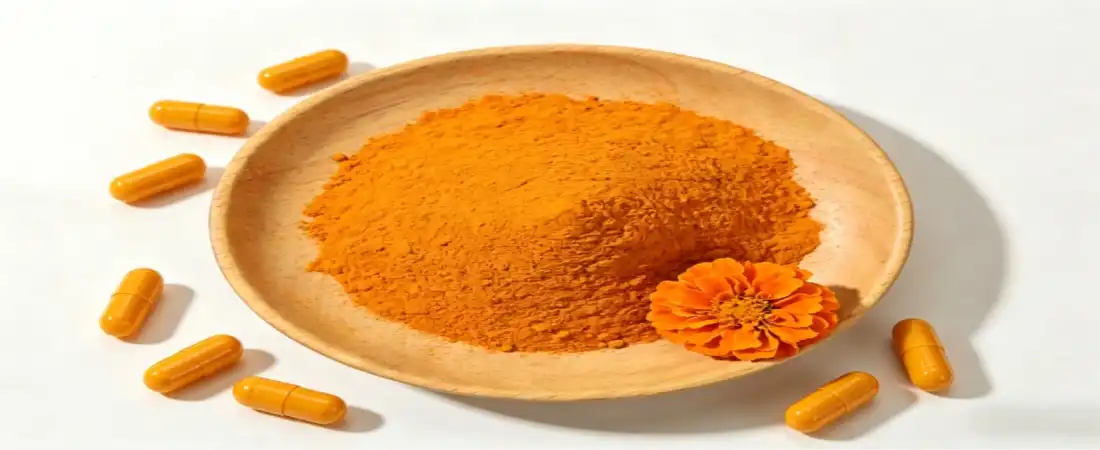
Lutein and zeaxanthin powder is a concentrated botanical extract derived from marigold flowers (Tagetes erecta L.), delivering two critical xanthophyll carotenoids that serve as the foundation of macular pigment in human eyes. These lipophilic, di-hydroxy compounds—sharing the molecular formula C₄₀H₆₆O₂ with CAS number 144-68-3—function as potent antioxidants that filter harmful blue light and neutralize oxidative stress within retinal tissues. Unlike whole-food sources, powder formulations offer standardized potency levels ranging from 5% to 98%, enabling precise dosing and superior stability for dietary supplements, functional foods, cosmetics, and animal nutrition applications across global markets.
Understanding Lutein and Zeaxanthin Powder
The Chemistry Behind Eye-Protective Carotenoids
Lutein and zeaxanthin are xanthophyll carotenoids recognized by hydroxyl gather situation on their atomic structures. Lutein is conveyed over fringe retinal locales, whereas zeaxanthin concentrates in the fovea, supporting high-acuity vision. People must get both through eat less or supplementation. These compounds gather in the macula, shaping a defensive shade that assimilates destructive blue light (400–500 nm). Investigate appears higher dietary admissions increments macular shade thickness, making a difference decrease photochemical harm chance, particularly in cutting edge screen-heavy lifestyles.
Why Powder Formulations Outperform Natural Food Sources?
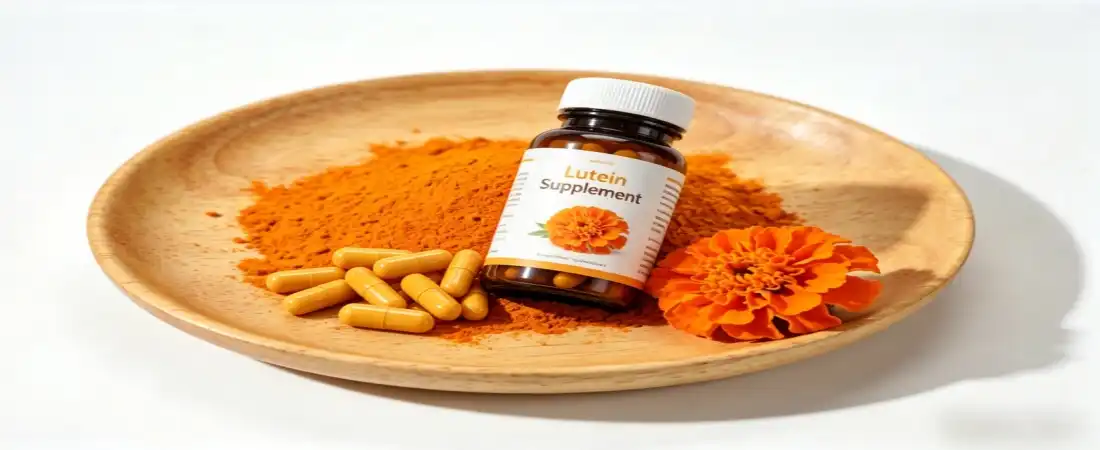
Dietary sources like spinach provide lutein and zeaxanthin powder, but achieving therapeutic intake levels through food alone is impractical. Powder extracts derived from marigolds concentrate these carotenoids efficiently through controlled processing. High-quality powders preserve bioactive trans-isomers, maintain stability during storage, and disperse well in formulations. Fine particle sizes improve mixing, while microencapsulation protects against degradation. These properties enable consistent dosing, reliable bioavailability, and scalable production, making powder formats ideal for manufacturers seeking uniformity and performance in nutraceutical and functional product development.
Addressing Industry Pain Points Through Quality Standards
A major challenge in carotenoid generation is anticipating cis-isomerization, which decreases natural adequacy. Premium producers utilize delicate extraction and decontamination strategies to keep up dynamic trans shapes. Third-party testing, counting HPLC examination, confirms virtue and composition whereas identifying corruption dangers. Comprehensive documentation such as Certificates of Examination guarantees compliance with security and administrative benchmarks. These quality measures specifically affect detailing unwavering quality, item consistency, and worldwide advertise acknowledgment, making provider straightforwardness and approved testing basic for producers working in controlled wellbeing and nourishment industries.
Key Benefits of Lutein and Zeaxanthin Powder for Eye Health
Antioxidant Defense Against Oxidative Stress
The retina is highly susceptible to oxidative damage due to constant light exposure and metabolic activity. Lutein and zeaxanthin neutralize reactive oxygen species, preventing lipid peroxidation and protecting photoreceptor membranes. They also enhance endogenous antioxidant enzyme activity, including superoxide dismutase and glutathione peroxidase. Beyond direct antioxidant effects, they modulate inflammatory pathways by inhibiting NF-κB activation, reducing cytokine production. This combined protective mechanism supports long-term retinal health, particularly for aging populations and individuals exposed to prolonged digital screen usage.
Prevention of Age-Related Macular Degeneration
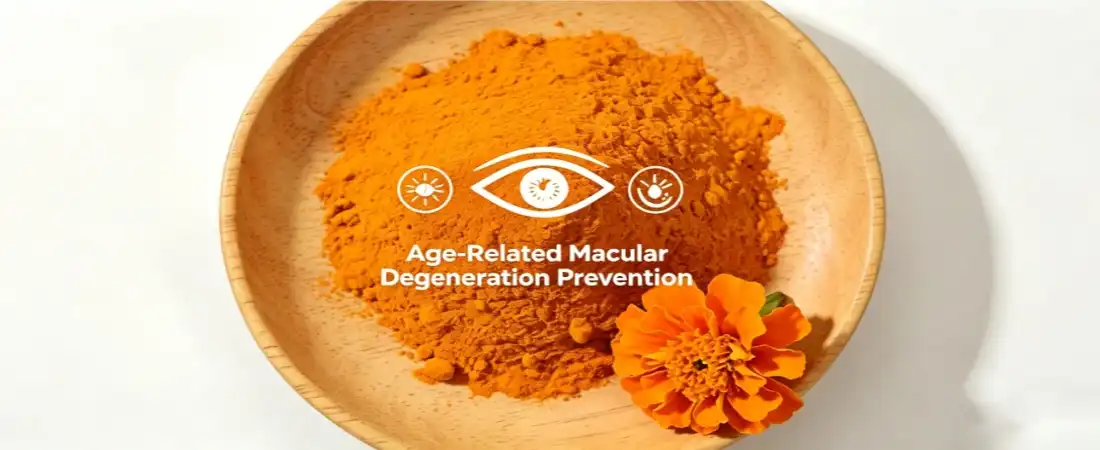
Clinical considers, counting AREDS2, appear that every day supplementation with lutein and zeaxanthin decreases movement hazard of age-related macular degeneration by up to 25%. These carotenoids increment macular shade thickness, sifting blue light and bringing down oxidative stretch. They too bolster mitochondrial work in retinal cells, keeping up cellular vitality adjust. This multi-pathway security moderates degenerative changes related with AMD, particularly in people with moo dietary admissions. Their part in preventive eye wellbeing makes them key components in evidence-based dietary interventions.
Visual Performance Enhancement
Supplementation makes strides quantifiable perspectives of visual execution past malady avoidance. Thinks about appear improved differentiate affectability, decreased glare inconvenience, and speedier visual recuperation beneath shinning light conditions. These benefits are especially pertinent for experts uncovered to requesting visual situations. Expanded macular color thickness contributes to progressed optical sifting and visual clarity. Clinical trials illustrate critical changes after steady admissions, connecting carotenoid supplementation to way better useful vision results and generally quality of life, particularly in maturing populaces encountering progressive visual decline.
Dosage, Safety, and Side Effects: What B2B Buyers Must Know?
Industry-Standard Dosage Recommendations
Clinical rules prescribe every day admissions of 6–20 mg lutein and 2–4 mg zeaxanthin, regularly in a 5:1 proportion reflecting common retinal dispersion. Standard details regularly take after AREDS2 proposals of 10 mg lutein and 2 mg zeaxanthin. Bioavailability depends on definition plan, as carotenoids require lipids for ideal retention. Micronized powders improve disintegration and take-up. Producers must consider conveyance strategies, such as softgels or lipid-based frameworks, to maximize adequacy in last items aiming for customer wellbeing applications.
Safety Profile and Contraindications
Extensive research confirms that lutein and zeaxanthin powder are safe when consumed within recommended limits. No significant adverse effects have been reported in large clinical studies. Excessive intake may cause mild, reversible skin yellowing (carotenodermia). Contraindications are minimal, though individuals with rare metabolic disorders should exercise caution. Potential interactions with lipid-lowering medications remain inconclusive. Safety data for pregnancy and breastfeeding show no major risks, but conservative dosing is advised. Overall, these carotenoids demonstrate strong safety profiles for long-term supplementation.
Quality Control Requirements for Regulatory Compliance
Manufacturers must guarantee strict adherence to quality benchmarks, counting GMP compliance and certifications like ISO, Legitimate, and Halal. Expository testing strategies such as HPLC and GC-MS confirm composition and distinguish contaminants. Overwhelming metal screening and microbial testing guarantee item security. Administrative compliance is fundamental for showcase passage in districts like the US, EU, and Japan. Solid providers give batch-specific documentation, empowering traceability and lessening lawful dangers. These controls are basic for keeping up item astuteness and customer trust.
Comparing Lutein and Zeaxanthin Powder to Other Supplement Forms
Manufacturing Flexibility and Formulation Advantages
Powder shapes give unmatched adaptability in item improvement. They permit exact dosing, simple mixing with other supplements, and compatibility with different conveyance designs counting capsules, tablets, and refreshments. This flexibility underpins definition of synergistic combinations with vitamins, minerals, and omega-3 greasy acids. Bulk obtaining diminishes costs through economies of scale, making powders alluring for large-scale generation. Their flexibility empowers producers to tailor items to particular advertise requests whereas keeping up effectiveness and reliable quality.
Natural Versus Synthetic Sourcing Considerations
Natural lutein and zeaxanthin determined from marigolds are favored due to buyer request for plant-based fixings. These extricates experience saponification to progress bioavailability, closely mirroring common dietary shapes. Manufactured options, whereas chemically comparable, may be less engaging in clean-label markets. Certifications such as non-GMO and natural upgrade item esteem and separation. Straightforward sourcing and traceability impact obtaining choices, making normal extricates a premium choice for brands focusing on health-conscious buyers and competitive positioning.
Synergistic Formulation Strategies
Combining lutein and zeaxanthin powder with complementary nutrients enhances effectiveness. Meso-zeaxanthin supports macular pigment distribution, while omega-3 fatty acids improve retinal structure and carotenoid absorption. Vitamins C and E provide additional antioxidant protection, and zinc supports enzymatic functions in retinal cells. Evidence-based formulations leveraging these synergies deliver comprehensive eye health benefits. Manufacturers must balance ingredient costs with clinical efficacy to create competitive products that meet consumer expectations and scientific validation.
Procuring Lutein and Zeaxanthin Powder: A Guide for Global B2B Buyers
Evaluating Supplier Credibility and Technical Skills
Reliable providers illustrate solid specialized capabilities, counting vertically coordinates supply chains and progressed testing research facilities. Gear such as HPLC and spectrophotometry guarantees steady quality control. Point by point documentation covering extraction strategies, soundness information, and definition compatibility reflects specialized ability. Providers advertising detailing back and administrative direction include key esteem. Demonstrated generation capacity and confirmed quality certifications offer assistance guarantee steady supply, making provider assessment a basic figure in fruitful long-term obtainment partnerships.
Understanding Pricing Structures and Negotiation Dynamics
Pricing depends on immaculateness levels, arrange volume, and conveyance terms. High-purity extricates command premium estimating due to complex preparing necessities. Lower-concentration items serve cost-sensitive applications. Volume commitments empower way better estimating through economies of scale. Adaptable installment alternatives and localized exchanges diminish monetary dangers for universal buyers. Understanding these flow permits acquirement groups to adjust fetched and execution, guaranteeing effective sourcing procedures adjusted with generation necessities and advertise positioning.
Procedures for Verification for Quality Assurance
Effective supplier verification requires independent testing and documentation review. Third-party reports confirm carotenoid content, purity, and safety parameters. Certification validity should be cross-checked through official databases. Pilot orders enable real-world testing of product performance, including stability and compatibility. While references and case studies provide insights, direct evaluation through sampling remains essential. Structured verification processes reduce procurement risks and ensure consistent product quality before committing to long-term supply agreements.
Conclusion
Lutein and zeaxanthin powder are important ingredients for B2B formulators who are making eye health goods that are backed by strong scientific evidence. The concentrated extracts from marigolds meet important consumer needs, like protecting against age-related macular degeneration, improving visual performance, and protecting against free radicals. They also help manufacturers by providing consistent potency, formulation flexibility, and supply chain reliability. Professionals in procurement can benefit from learning about the quality standards, legal requirements, and supplier evaluation factors that set premium natural extracts apart from cheaper options. As global awareness of preventive eye care intensifies, brands can take advantage of growing market possibilities by strategically finding high-quality carotenoid powders.
FAQ
1. What makes lutein from marigolds better than lutein made in a lab?
Marigold extracts (Tagetes erecta L.) have naturally occurring carotenoid profiles that are similar to what people eat, which makes clean-label labeling more acceptable to consumers. Natural sources are gently saponified, which keeps the beneficial trans-isomer configurations. Synthetic production, on the other hand, involves chemical synthesis, which some regulatory frameworks look at more closely. Botanical origin, non-GMO approvals, and organic labels are becoming more and more important for brands to stand out. This is why natural extracts can be used to explain higher prices.
2. How can B2B buyers be sure that the amount of carotenoids is correct?
Ask for Certificates of Analysis that are special to each batch and show that the amounts of lutein and zeaxanthin were checked using HPLC. Reliable providers offer heavy metal screening, microbial testing, and pesticide residue analysis, as well as trans-isomer ratios that prove structural integrity. Third-party laboratory validation through independent testing facilities adds trustworthiness beyond self-certification by the seller. This is especially important when vetting new supply sources or doing regular quality checks on partners that are already working with you.
3. What preparation factors improve bioavailability?
To absorb carotenoids, you need to take them with a lipid. Adding good fats or making softgel delivery methods can help the body absorb them better. Powders that are less than 100 mesh are micronized and dissolve better than materials that are bigger. Think about combining fat-soluble vitamins with omega-3 fatty acids to make them work better together and help the body's natural processes. Stability testing under working settings that are specific to your uses makes sure that the product's effectiveness stays the same over time.
Partner with a Trusted Lutein and Zeaxanthin Powder Supplier
NT Biotech is an expert in providing high-quality marigold extracts with standardized carotene levels ranging from 5% to 98%. These extracts are approved through ISO9001, Kosher, and Halal programs and meet global legal standards. Our special extraction methods keep the bioactive trans-isomer configurations while keeping the highest level of purity, which has been confirmed by thorough testing by a third party. Our prompt service model gives procurement specialists a competitive edge by guaranteeing two-hour answers to inquiries, keeping a large inventory that lets shipments happen within one to three days, and offering flexible OEM solutions that support custom formulation development. Our technical team gives recipe advice based on a lot of experience extracting plants. Email us at info@newthingsbiotech.com to get free samples and learn how working with a reputable lutein and zeaxanthin powder maker can help you come up with new products.
References
1. Age-Related Eye Disease Study 2 Research Group. "Lutein + Zeaxanthin and Omega-3 Fatty Acids for Age-Related Macular Degeneration: The Age-Related Eye Disease Study 2 (AREDS2) Randomized Clinical Trial." Journal of the American Medical Association, 2013.
2. Bernstein, Paul S., et al. "Identification and Quantitation of Carotenoids and Their Metabolites in the Tissues of the Human Eye." Experimental Eye Research, 2001.
3. Hammond, Billy R., and Lisa M. Renzi. "Carotenoids." Advances in Nutrition, 2013.
4. Krinsky, Norman I., et al. "Biologic Mechanisms of the Protective Role of Lutein and Zeaxanthin in the Eye." Annual Review of Nutrition, 2003.
5. Obana, Akira, et al. "Macular Carotenoid Levels of Normal Subjects and Age-Related Maculopathy Patients in a Japanese Population." Ophthalmology, 2008.
6. Stringham, James M., et al. "Macular Pigment and Visual Performance Under Glare Conditions." Optometry and Vision Science, 2008.