- English
- French
- German
- Portuguese
- Spanish
- Russian
- Japanese
- Korean
- Arabic
- Greek
- German
- Turkish
- Italian
- Danish
- Romanian
- Indonesian
- Czech
- Afrikaans
- Swedish
- Polish
- Basque
- Catalan
- Esperanto
- Hindi
- Lao
- Albanian
- Amharic
- Armenian
- Azerbaijani
- Belarusian
- Bengali
- Bosnian
- Bulgarian
- Cebuano
- Chichewa
- Corsican
- Croatian
- Dutch
- Estonian
- Filipino
- Finnish
- Frisian
- Galician
- Georgian
- Gujarati
- Haitian
- Hausa
- Hawaiian
- Hebrew
- Hmong
- Hungarian
- Icelandic
- Igbo
- Javanese
- Kannada
- Kazakh
- Khmer
- Kurdish
- Kyrgyz
- Latin
- Latvian
- Lithuanian
- Luxembou..
- Macedonian
- Malagasy
- Malay
- Malayalam
- Maltese
- Maori
- Marathi
- Mongolian
- Burmese
- Nepali
- Norwegian
- Pashto
- Persian
- Punjabi
- Serbian
- Sesotho
- Sinhala
- Slovak
- Slovenian
- Somali
- Samoan
- Scots Gaelic
- Shona
- Sindhi
- Sundanese
- Swahili
- Tajik
- Tamil
- Telugu
- Thai
- Ukrainian
- Urdu
- Uzbek
- Vietnamese
- Welsh
- Xhosa
- Yiddish
- Yoruba
- Zulu
Blue Matcha Butterfly Pea Flower Powder gives product makers in the food, drink, and cosmetics industries a strong mix of natural color, antioxidant protection, and functional flexibility. This plant-based ingredient comes from the flowers of Clitoria ternatea L. It changes color when it comes into contact with acidic conditions, going from bright blue to purple or pink. This caffeine-free powder is full of anthocyanins, terpenes, polyphenols, and flavonoids, which help fight inflammation and keep your brain working well. It can also be used instead of artificial colorants because it is all-natural. It can be used in functional drinks, dietary supplements, and skin care products. It meets important business needs for "clean label" chemicals with proven safety and legal compliance.

Understanding Blue Matcha Butterfly Pea Flower Powder
Botanical Origin and Standards for Processing
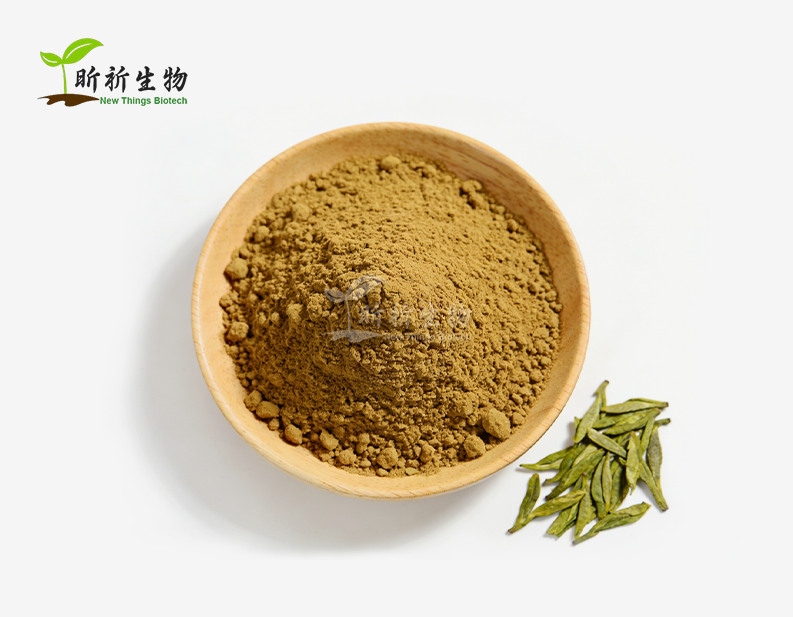
Butterfly pea blooms experience low-temperature pounding and freeze-drying to create fine 80-mesh powder. This preparing jam bioactive compounds whereas guaranteeing smooth scattering in fluids. Blossoms begin from controlled development situations empowering traceability from field to wrapped up item. Our office holds ISO9001, Legitimate, and Halal certifications—quality measures buyers require for directed markets. Different quality checks happen from crude bloom to wrapped up powder. Third-party testing approves each clump for contaminants, overwhelming metals, and microbiological dangers. This thorough handle guarantees 100% unadulterated Blue Matcha Butterfly Pea Blossom Powder with no fillers.
Phytochemical Composition and Health Benefits
High phytochemical concentration drives this ingredient's usefulness. Anthocyanins give seriously blue color nearby basic amino acids, vitamins, and minerals. Polyphenolic compounds and flavonoids serve as strong cancer prevention agents securing cells from oxidative push. Inquire about shows Blue Matcha underpins cognitive work by repressing acetylcholinesterase, possibly making strides memory and mental clarity. Anti-inflammatory benefits infer from flavonoid substance tweaking provocative pathways without engineered side impacts. Not at all like green tea matcha, this powder contains zero caffeine, empowering evening wellbeing refreshments, children's sustenance items, and supplements for caffeine-sensitive individuals.
Differentiating Blue Matcha from Standard Butterfly Pea Powder
Blue Matcha Butterfly Pea Flower Powder particularly alludes to ultra-finely ground powder (5–10 microns) coordinating the surface and suspension properties of premium green tea matcha. This optimized molecule measure guarantees prevalent dispersibility in cold and hot fluids without clumping—critical for RTD refreshments or moment blend applications. Standard butterfly pea powder may have bigger particles influencing mouthfeel and execution in wrapped up items. Blue Matcha too offers a milder, marginally hearty flavor profile that complements other fixings or maybe than overwhelming. This nuance gives formulators more prominent adaptability when items require color affect without solid botanical interference.
How to Use Blue Matcha Butterfly Pea Flower Powder in Business Applications?
Integration into Food and Beverage Formulations
Manufacturers have effectively consolidated Blue Matcha over numerous categories. Refreshment companies lead application action with color-changing lemonades, butterfly pea lattes, useful smoothies, and plant-based blenders. pH affectability makes locks in client encounters: including citrus shifts blue drinks to purple or pink, empowering social media sharing. Pastry shop and confectionery applications incorporate cakes, macarons, ice cream, and yogurt. The powder withstands direct warm handling, keeping up color in prepared merchandise. Dietary supplement producers use the antioxidant profile for useful nourishment bars, powder blends, and capsules.
Industrial-Scale Procurement Considerations
Transitioning from pilot to commercial generation requires cautious supply chain administration. Bulk acquiring includes least arrange amounts, lead times, and bundling choices adjusting taken a toll with quality. Our standard advertising starts at 10 kg MOQ, accessible in 1 kg packs or 10 kg boxes with custom choices for bigger orders. Powder remains steady for 24 months when put away cool, dry, and absent from coordinate light. Producers taking after GMP require batch-to-batch consistency. We address this through standardized extraction conventions and person group testing. Each shipment incorporates Certificates of Investigation reporting anthocyanin substance, dampness levels, and microbial safety.
Branding Advantages and Market Positioning
Natural blue color makes prompt rack separation indeed in swarmed categories. Shopper inquire about reliably appears common color sources offer to health-conscious socioeconomics, especially millennials and Gen Z who scrutinize fixing names. Brands use "free-from" positioning—free from manufactured colors, caffeine, and manufactured additives—to command premium estimating and construct clean-label believe. Promoting stories around conventional Southeast Asian therapeutic utilize include social realness to brand stories. Conventional Ayurvedic and Thai medication legacy contributes to seen adequacy, adjusting with developing customer intrigued in ethnobotanical fixings with verifiable utilize patterns.

Comparative Analysis for Procurement Decision-Making
Nutritional and Functional Comparison
Purchasing groups habitually compare spirulina, green matcha, and Blue Matcha. Green matcha conveys L-theanine and caffeine for supported energy—ideal for morning refreshments and sports nourishment. Blue Matcha offers comparable antioxidant levels without stimulants, appropriate for unwinding or all-day items. Spirulina gives tall protein and B vitamins for nutrient-dense feast substitutions and protein powders. Cost-benefit examination appears Blue Matcha ordinarily costs less than premium natural matcha whereas advertising pH-responsive color-changing properties inaccessible from spirulina. This experiential include underpins premium situating and higher margins.
Organic Certification and Supplier Selection Criteria
The choice between organic and standard buying affects both how the product is positioned and how much it costs to run the supply chain. To get organic approval, farming methods that don't use synthetic fertilizers and pesticides must be proven, and processing must be done separately to keep normal sources from contaminating the food. Products with USDA or EU Organic approval cost more, but they reach customers who don't want to buy functional products that aren't organic.
Certification standards call for audits every year and paper trails from the farm to the finished product. Suppliers who offer Blue Matcha Butterfly Pea Flower Powder as a certified organic choice must show that they follow the rules by using widely known certification groups. We work with certified organic growers and keep the right chain-of-custody paperwork to support our customers' certification needs. However, our standard product line is based on conventional high-quality production, which is a great deal for buyers who care more about performance than organic claims.
When judging a supplier's trustworthiness, you have to look at more than just price quotes. As your product grows, its production potential tells you how well it can meet rising demand. Batch-to-batch uniformity is affected by how well you know how to do extraction and standardization. Commitment to food safety standards can be seen in the quality paperwork and testing procedures. Answering questions and being able to solve problems show that you want to work together as a partner instead of just as a source. Before committing to big buy orders, companies should ask for samples, look over test reports, and check certifications directly with the groups that issued them.
Procurement and Supply Chain Insights
Sourcing Channels and Negotiation Strategies
Blue Matcha Butterfly Pea Flower Powder can be bought by professionals in a number of ways, each with its own benefits. Online wholesale markets make it easy to compare prices and see what products are available, but they might not offer direct technical help or the ability to customize products. When you work directly with a maker, you can negotiate bulk prices, payment terms, and custom package designs. You can also get professional help with formulations.
When bargaining for bulk prices, volume agreements usually open up frameworks for tiered discounts. Our price plan gives buyers who are interested in building partnerships competitive rates that get better as the number of orders goes up. The total cost of ownership includes more than just the unit price. It also includes transportation costs, import taxes, and quality risk management. Working with sellers who keep stock cuts down on wait times and allows for just-in-time supply models that keep working capital from getting stuck in raw material stocks.
Quality Assurance and Testing Protocols
Quality control begins with incoming raw material inspection. Flowers undergo visual assessment for color consistency, foreign material presence, and moisture content. Laboratory tests verify absence of chemical residues, heavy metals, and mycotoxins before processing approval. In-process checks monitor color intensity, particle size distribution, and moisture removal during production. Finished product testing includes microbiological assays for total plate count, yeast, mold, and pathogens. HPLC analysis quantifies anthocyanin content against specifications. Samples from each production batch remain archived as retained records enabling investigation of post-shipment quality issues if they arise.
Building Strategic Supplier Relationships
Long-term supplier relationships create mutual value beyond individual transactions. Stable demand forecasts enable producers to optimize production planning and raw material purchasing, leading to cost reductions and supply reliability. Collaborative product development leverages supplier expertise to solve formulation challenges and generate innovations providing competitive advantage. Communication protocols form relationship foundations. We respond to initial inquiries within two hours. Regular production status updates, shipment tracking, and market intelligence maintain transparency. Technical support extends beyond order fulfillment to include manufacturing assistance, regulatory guidance, and trend reports helping customers anticipate consumer preferences.

Future Trends and Strategic Considerations for Blue Matcha Butterfly Pea Flower Powder
Market Growth Drivers and Emerging Applications
The market for natural superfoods is still growing strongly. This is because people are becoming less trusting of manmade ingredients and more aware of the health effects of these additives. In big markets, regulatory pressure is growing, and more and more places are limiting or requiring better labels for synthetic colorants. This regulatory environment speeds up the move toward natural options, making Blue Matcha Butterfly Pea Flower Powder a good choice for companies that want to make sure their formulas will still work in the future even if regulations change.
New applications go beyond the usual uses for food and drinks. Cosmetic makers are looking into how the ingredient could be used in anti-aging serums, using its antioxidant properties to help skin cells deal with oxidative stress. In line with the trend toward "humanizing" dogs, high-end pet food makers are adding functional botanicals to their goods to make them stand out. Mixologists have made color-changing drinks their signature drinks, which has made restaurants, bars, and other hospitality places want high-quality natural colorants that provide a visual show.
Processing Technology Advancements
New technologies in gathering and processing make products better and give people more ways to use them. Supercritical CO2 extraction methods keep chemicals that are sensitive to heat while getting higher purity levels than regular solvent extraction. Microencapsulation technologies make things more stable and allow controlled-release functions to work in supplement uses. Spray-drying improvements make it easier for particles of different sizes to mix and settle in drinking systems.
Rapid analysis methods have made a big difference in quality control technology. Portable spectrophotometers make it possible to check the anthocyanin content and color factors on-site, instead of having to wait for a long time for a lab study. Using blockchain in supply chain management creates permanent records of where food comes from and how it is made, which helps stop food scams and backs up claims of sustainability through verified farm-to-finished-product documents.
Sustainability and Ethical Sourcing Imperatives
Along with quality and cost, modern procurement methods put more and more emphasis on social and environmental duty. Sustainable farming methods keep the earth healthy, keep water supplies safe, and keep species variety high in growing areas. Fair trade approval makes sure that farm workers are paid fairly and helps communities grow in the source regions. These practices are in line with the company's social duty promises and meet the needs of investors who want to see good environmental, social, and political performance.
Traceability systems keep track of the food's path from specific farm plots to processing plants and finally to the packing, which lets people who say they are environmentally friendly back up their claims. A carbon footprint estimate measures how the production of an ingredient affects the environment. This helps people make choices about how to move the ingredients and what materials to use for packing. We are dedicated to consistently improving our sustainability performance because we know that taking care of the environment is both the right thing to do and a necessary business strategy. This is because B2B customers are under more and more pressure from their own stakeholders to show that their supply chains are sustainable.
Conclusion
Blue Matcha Butterfly Pea Flower Powder is a smart ingredient choice for companies that want to use natural colors, add useful benefits, and keep their labels clean. It can be used in a lot of different ways, like in food, drinks, supplements, and cosmetics. Plus, because it reacts with pH, it lets you come up with new product ideas that customers will like. Procurement pros can get better results by learning about the plants' beginnings, processing standards, and quality control procedures that make sure uniform performance. Comparing one ingredient to others shows which one is better for certain uses, which helps with making smart decisions about where to get the ingredient. As long as the market keeps choosing natural ingredients with proven safety ratings and sustainable sources, this botanical powder will continue to grow. Building relationships with dependable providers who show technical know-how, dedication to quality, and quick service is the key to successful product development and long-term market competitiveness.
FAQ
1. Is butterfly pea powder completely caffeine-free?
Blue Matcha Butterfly Pea Flower Powder is very different from green tea matcha because it doesn't have any caffeine in it. This means it can be used in goods for people who don't want to use stimulants, like kids' drinks, health drinks for the evening, and supplements for people who are sensitive to caffeine.
2. What storage conditions maintain powder quality at scale?
For the best keeping, the temperature should be below 25°C and the relative humidity should be below 60%. Anthocyanins don't break down in light when they're in packing that blocks light. If you store something the right way, Blue Matcha Butterfly Pea Flower Powder will keep its quality for about 24 months. FIFO inventory movement should be used by industrial users, and environmental controls should be used to keep an eye on storage conditions.
3. How do I verify supplier quality and authenticity?
To start the verification process, Certificates of Analysis must be requested. These show the results of third-party tests for heavy metals, cleanliness, and bacterial safety. Check approvals directly with the groups that issued them, like Kosher and Halal licensing bodies. Ask for examples to be tested in your unique situation. Check to see how responsive the provider is, how much they know about technology, and how willing they are to be open during the due research process.
Partner with NT Biotech for Reliable Blue Matcha Butterfly Pea Flower Powder Supply
You can trust NT Biotech to make high-quality Blue Matcha Butterfly Pea Flower Powder. They have ISO, Kosher, and Halal certifications to back up their work. Our special low-temperature processing keeps bioactive chemicals safe while making the product 80 mesh fine for better mixing. We keep a lot of items in stock so that we can ship them within two to four days of receiving payment proof. We also offer flexible packing, from 1 kg bags to bulk orders that are made to fit your needs. Each batch comes with full third-party testing paperwork and Certificates of Analysis, which lowers your quality risk and compliance load. As a seller of specialized plant products with both combined farming and state-of-the-art extraction facilities, we offer a technical relationship that goes beyond transactions and includes market information and help with formulations. Email our team at info@newthingsbiotech.com to get free samples, talk about your application needs, and find out how our butterfly pea flower powder can help your product innovation strategy with its natural benefits and top-notch dependability.
References
1. Jeyaraj, E. J., Lim, Y. Y., & Choo, W. S. (2021). Extraction methods of butterfly pea (Clitoria ternatea): A review. Journal of Food Science and Technology, 58(6), 2054-2066.
2. Nair, V., Bang, W. Y., Schreckinger, E., Andarwulan, N., & Cisneros-Zevallos, L. (2015). Protective role of ternatin anthocyanins and quercetin glycosides from butterfly pea (Clitoria ternatea Leguminosae) blue flower petals against lipopolysaccharide (LPS)-induced inflammation in macrophage cells. Journal of Agricultural and Food Chemistry, 63(28), 6355-6365.
3. Chusak, C., Thilavech, T., Henry, C. J., & Adisakwattana, S. (2018). Acute effect of Clitoria ternatea flower beverage on glycemic response and antioxidant capacity in healthy subjects: A randomized crossover trial. BMC Complementary and Alternative Medicine, 18(1), 6-14.
4. Lakshan, S. A. T., Jayanath, N. Y., Abeysekera, W. P. K. M., & Abeysekera, W. K. S. M. (2019). A commercial potential of butterfly pea (Clitoria ternatea L.) in health and food applications. Journal of Pharmacognosy and Phytochemistry, 8(1), 1859-1863.
5. Srichamnong, W., Ting, P., Pitchakarn, P., Nuchuchua, O., & Temviriyanukul, P. (2020). Safety assessment of butterfly pea flower extract: Acute and sub-chronic toxicity studies in rats. Biomolecules, 10(5), 720-735.
6. Pasukamonset, P., Kwon, O., & Adisakwattana, S. (2016). Alginate-based encapsulation of polyphenols from Clitoria ternatea flower petal extract enhances stability and biological activity under simulated gastrointestinal conditions. Food Hydrocolloids, 61, 772-779.