- English
- French
- German
- Portuguese
- Spanish
- Russian
- Japanese
- Korean
- Arabic
- Greek
- German
- Turkish
- Italian
- Danish
- Romanian
- Indonesian
- Czech
- Afrikaans
- Swedish
- Polish
- Basque
- Catalan
- Esperanto
- Hindi
- Lao
- Albanian
- Amharic
- Armenian
- Azerbaijani
- Belarusian
- Bengali
- Bosnian
- Bulgarian
- Cebuano
- Chichewa
- Corsican
- Croatian
- Dutch
- Estonian
- Filipino
- Finnish
- Frisian
- Galician
- Georgian
- Gujarati
- Haitian
- Hausa
- Hawaiian
- Hebrew
- Hmong
- Hungarian
- Icelandic
- Igbo
- Javanese
- Kannada
- Kazakh
- Khmer
- Kurdish
- Kyrgyz
- Latin
- Latvian
- Lithuanian
- Luxembou..
- Macedonian
- Malagasy
- Malay
- Malayalam
- Maltese
- Maori
- Marathi
- Mongolian
- Burmese
- Nepali
- Norwegian
- Pashto
- Persian
- Punjabi
- Serbian
- Sesotho
- Sinhala
- Slovak
- Slovenian
- Somali
- Samoan
- Scots Gaelic
- Shona
- Sindhi
- Sundanese
- Swahili
- Tajik
- Tamil
- Telugu
- Thai
- Ukrainian
- Urdu
- Uzbek
- Vietnamese
- Welsh
- Xhosa
- Yiddish
- Yoruba
- Zulu
If you are looking for purple yam goods for use in food and drinks, you should know the difference between ube extract and natural ube powder. Ube extract concentrates some taste chemicals and dyes using solvents or water. This makes food have more color and flavor with less of them. But whole purple yam roots (Dioscorea alata) are washed, dried, and ground up to make natural ube powder. This keeps the whole food complex, which has anthocyanins, vitamins, fiber, and resistant starch. They both make things, but they do different things. In terms of how they make you feel, extracts are stronger, while powder gives your whole body energy and color. To get the best formulation performance and supply chain efficiency, procurement workers need to pick products that meet the needs of the target customers, the goals of the manufacturing process, and the law.
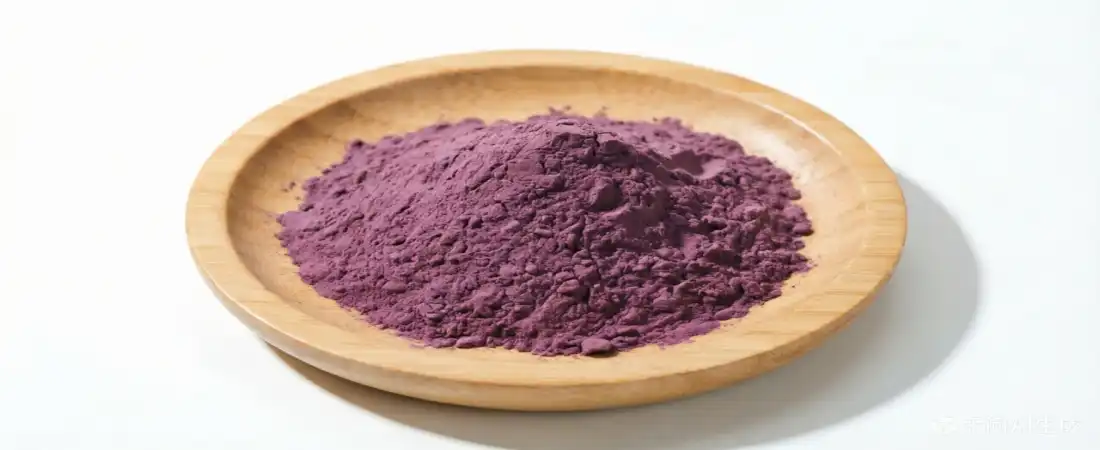
Understanding Ube Extract and Natural Ube Powder
Ube, whose formal name is Dioscorea alata, is used to make a lot of different foods around the world because it is healthy and looks beautiful. It is important for sourcing managers and R&D teams to know what the products are made of and how they will be handled before they choose which ones to use.
What is Ube Extract?
Different chemicals in purple yam have to be sorted and concentrated in order to make ube extract. These methods use ethanol or water as a solvent to get rid of color molecules, flavor chemicals that don't last long, and some functional parts. This method of concentration turns a liquid or almost solid material into one with greater color and taste. Most of the time, manufacturers standardize extract recipes to a certain amount of color. You can be very sure of the doses in conditions where room, weight, or moisture levels are limited. Fiber and bulk carbs are taken out during the separation process. This makes a food item that cares more about taste than nutrition.
Defining Natural Ube Powder
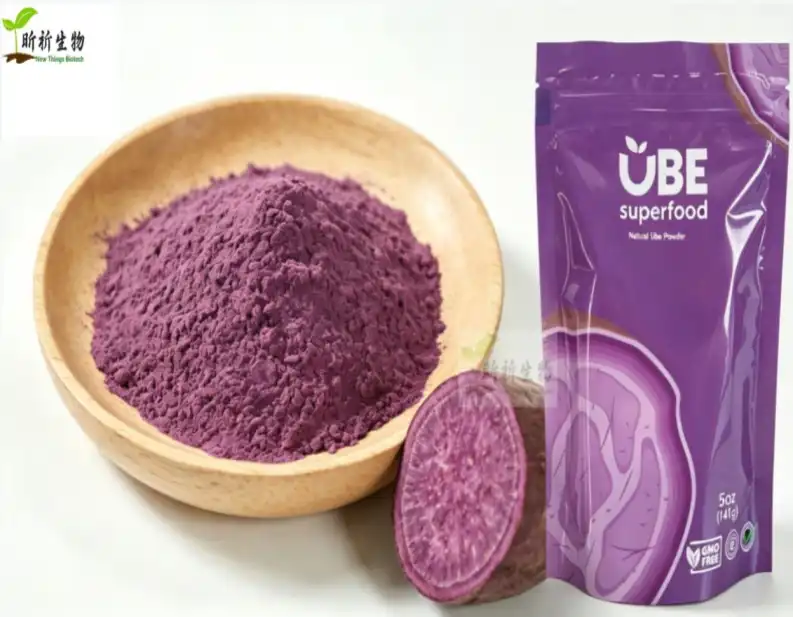
Natural ube powder is made by physically processing good purple yams. It is a whole food product. Our natural ube powder comes from Dioscorea alata roots that are picked with care, washed, dried at low temperatures, and then ground into 80-mesh pieces at NT Biotech. This way of processing keeps all of the nutrients in the raw material, like the vitamins, minerals, fiber, resistant starch, anthocyanins, and carbs. As long as the standard is 100% pure, there are no fillers, carriers, or fake additives. This gives you the health benefits of purple yam in a form that can be stored for a long time. While making purple powder, the mild sweetness and earthy notes of fresh purple yam are kept. The powder is also easier to work with in bulk production and lasts longer.
Compositional Distinctions
The amounts of nutrients in these types are not at all the same. Purple yam products have a lot of chemicals that give them flavor and color, but they don't have as much fiber, complex carbs, or vitamins as whole purple yam. Dietary fiber and resistant starch are still in natural ube powder. These are good for your stomach and help keep your blood sugar in check. Natural ube powder can now make claims like "good source of fiber" or "whole food ingredient" because its make-up has changed. This is in line with consumer trends toward clean labels. If buying teams know about these differences, they can pick ingredients that meet both technology needs and marketing placement plans.
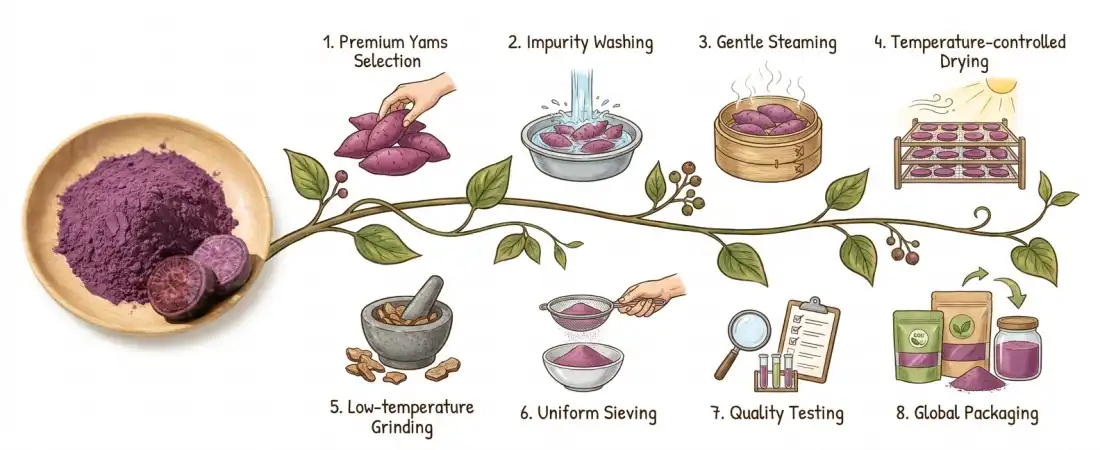
Key Differences Between Ube Extract and Natural Ube Powder
These types of materials not only have different chemical make-ups, but they also act in production settings in different ways that change how products are made, how quality is checked, and what the end products are like.
Sensory Profile and Color Performance
The ube extract makes the colors more vivid while still being simple to mix. This means it can be used for anything that needs a bright purple color without changing the structure or balance of moisture. Use rates are usually between 0.1% and 0.5% by weight, but they depend on the color depth you want. It can taste sharp or fake if you use too much of an extract flavor, though. When mixed with colors, natural ube powder makes the wash softer, and the earthy-sweet flavors add to the tastes of the products instead of taking over them. Most of the time, they are used at rates between 2% and 10%. They give food color, some flavor depth, and body to the texture. The steady purple color of good natural ube powder comes from anthocyanins, which are mostly made up of cyanidin and peonidin glycosides. These anthocyanins can handle light processing conditions. But in sour foods, pH sensitivity should still be considered.
Functional Behavior in Processing
Natural ube powder is great for baking because it helps keep the wetness in cakes and doughs because it is made of hygroscopic fibers. Being able to keep water in makes baked things last longer and keeps them from going bad. The natural ube powder is easy to mix with hot or cold liquids, so you don't need any special tools to make quick drink mixes, protein shakes, or meal replacements. Ube extract, on the other hand, often needs to be emulsified or melted so that it doesn't separate or spread out widely, especially in systems that have fat in them. How solid an extract is can change if you use heat on it. On the other hand, some volatile taste molecules break down above 85°C after being heated for a long time.
Shelf Life and Storage Considerations
If you store natural ube powder in sealed, light-protected cases the right way, it will stay good for 24 months as long as it stays cool and dry. It doesn't break down naturally due to bacteria or oxidation because it has a low moisture content (usually less than 5%) and natural antioxidants. Ube extract may need to be kept in the fridge and has a shorter shelf life (12–18 months) because it reacts more with water and chemicals. This is because of the dose and carrier system. Natural ube powder is more stable than temperature-sensitive liquid extracts. This lowers the risk of waste and makes warehouse work easier for buying teams that are in charge of big stockpiles.
Making the Right Choice: Ube Extract or Natural Ube Powder?
When you choose items strategically, you need to think about more than just how well they work. To give you an idea, you should think about how much they'll cost, how stable the supply chain is, and how well they work with QS systems.
Cost Structure Analysis
Most of the time, ube extract seems more expensive than natural ube powder when priced per kilogram. Cost-in-use forecasts, on the other hand, paint a different picture. Extracts are very concentrated, so dose rates of 0.1% to 0.5% work well. Natural ube powder, on the other hand, usually needs to be mixed at 2 to 10%. When you figure out the cost per batch of finished goods, the economic edge changes based on the type of use. If you need to make a lot of drinks and color is the most important thing, extract might be a less expensive option. This is true even though natural ube powder is more expensive: it can add color, nutrition, texture, and taste to foods. This makes it a valuable addition for "clean label" recipes, nutritional products, or baked goods.
Supplier Reliability and Quality Assurance
People who work in procurement need to ask sellers about their skills to make sure they always provide good things. Paperwork that shows the plants' identities, methods for checking for heavy metals and pesticide residues, and microbiological control standards are some of the most important things that are looked at when judging. Our NT Biotech production plant is ISO 9001-certified, and to check the anthocyanin content, we use batch-specific HPLC testing. Along with a full Certificate of Analysis, which lists limits on bacteria, toxins, and nutritional content, this is done. When our clients get our Kosher and Halal licenses, they can sell their goods in more places. When you look at providers, you should also check to see if they can keep up with rising demand by seeing how much they can make. Like, our plant keeps a collection on hand so that standard orders can be sent out within one to three days and large orders with specific requirements can be made within three to ten working days.
Sustainability and Clean Label Compliance
More and more, customers want clear sources and little processing, which changes how businesses choose to buy things. The chemical list for natural ube powder doesn't have any words that sound like drugs on them; it just says "ube powder" or "purple yam powder." This clear statement backs up what the ads say about the plant-based recipe and whole-food ingredients. The "no artificial ingredients" message might be harmed by the need to list the processing solvents or carriers on the label of extracts. Natural ube powder is good for brands that care about the environment because it needs less processing and fewer chemicals than other methods of extraction.
Practical Usage and Recipe Applications
For ube ingredients to work in commercial recipes, you need to know the right amount, how to refresh the ingredients, and the best way to do things for each use.
Recommended Inclusion Rates
Most of the time, a quantity of 3 to 8 percent of natural ube powder works best in drinks. This keeps the drink from being too thick and gives it a good color and taste. Adding 5–10% natural ube powder to shake recipes is helpful because the naturally sweet powder cuts down on the need for extra sugar and the resistant starch gives you energy that lasts longer. To make cakes, cookies, and bread, use 2 to 5 percent less total flour weight. This makes the food purple and keeps it moist without changing how it's put together. When making ice cream and other frozen treats, adding 4 to 7 percent of natural ube powder works best. Because the natural ube powder has fibers in it, the appearance is smooth, and ice crystals don't form.
Rehydration and Blending Techniques
Add natural ube powder to dry mixes slowly so it doesn't stick. Mix the natural ube powder well with the dry ingredients before adding the liquid. Putting natural ube powder and sugar or other liquids together ahead of time makes it easier to mix them together for quick drinks. If you are working with hot materials, it is better for the color to develop if you add the natural ube powder after mixing the liquid instead of cooking it first. This also keeps spots from getting too hot. The fine 80-mesh particle size makes it easy for the mixture to soak up water quickly. However, it's best to let it sit for two to five minutes after mixing so that it can fully soak up the water and become sticky.
Storage Best Practices Through Supply Chain
To keep the ingredients pure from the storeroom to the production line, the weather needs to be controlled. Do not put natural ube powder in direct sunlight. Keep it in its original, sealed container in a cool (below 25°C) and dry place. When you open it, put the food inside covered containers and use it within 6 months to keep the color and taste fresh. Since natural ube powder can take in smells, don't store it near things that smell strong. FIFO (first-in, first-out) rotation should be used by factories that use the same products for more than one run to get the most out of their quality. It's not necessary to store food at a certain temperature, but in warm places, it does help the food last longer and keep its taste.
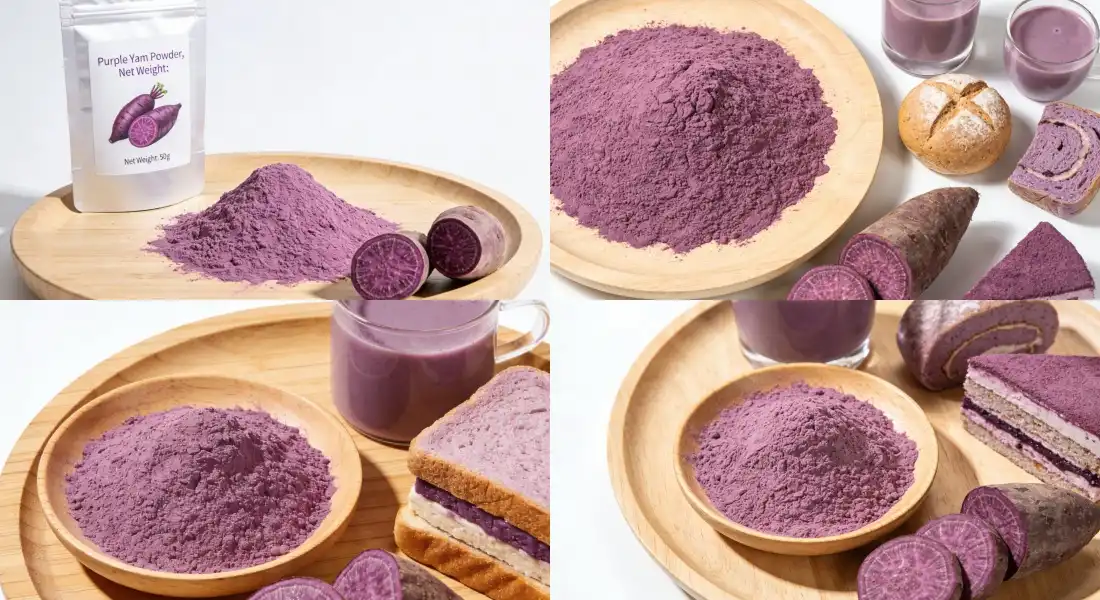
Supplier Spotlight & Buying Guide for Natural Ube Powder and Extract
This is very important for production because it keeps the supply chain open and the quality of the materials stable. To do this, set rules for getting things and find good natural ube powder sources.
Evaluating Supplier Credentials
The first step in quality-focused buying is to look into a supplier's credentials and production skills. That you have ISO 9001 quality management certification is a big deal. It shows that the whole process of output is checked for quality. To get a product to people who follow certain religious food rules, it helps to get it certified as Kosher or Halal. Ask the business for proof that they follow Good Manufacturing Practices (GMPs) and find out if they have systems that can track materials from where they are grown to how they are handled and packed. Suppliers you can trust give you Certificates of Analysis for every batch that include bacterial testing, heavy metal screening, pesticide residue analysis, and proof of the natural ube powder's nutritional make-up.
Quality Assessment Framework
When getting something big, teams should ask for samples to test on their own first. Make sure the natural ube powder is the same color, has the same grain size, and doesn't smell bad, which could mean it's breaking down or getting dirty. Do small-scale tests on a bench in real-life situations to make sure the practical performance, like how the color develops, how well it mixes, how much flavor it adds, and how stable it is under processing conditions. By following standard steps, you can properly compare samples from different sources to see how the quality is different. Find out where the raw materials come from, like whether the sellers work directly with the farms or go through commodity ways. This changes how consistent each batch is and how safe the supply is.
Negotiation Strategies and Logistics
You need to know how the market works and how much sellers charge in order to get good business terms. People who commit to buying in bulk can often get better deals, but they need to think about how much it will cost to store the goods and how long the natural ube powder will last. Make it clear how to pay. It's easier to do business with people in other countries because many sellers are open and will take payment in the buyer's own currency. Talk about the specifics and make sure you know if the price includes shipping or if it's "ex-works." Suppliers who have worked with freight forwarders for a long time can usually offer better rates and more reliable arrival times for shipments going abroad. Make sure you have samples for the first sales. Free samples are often given by trustworthy sellers to help you choose if a product is right for you. There are several minimum order amounts. The 10 kg MOQ from NT Biotech can be used for both test runs and normal production.
Conclusion
Because of their different prices, health benefits, and how they are made, you should compare ube extract and natural ube powder before making your choice. Extract is used when color and taste need to be very strong with low inclusion rates. Natural ube powder, on the other hand, has many benefits because it has nutrition, real taste, bright color, and useful properties. If a company wants to use natural ube powder from sources that have been checked out and have good quality systems, they should use products that can do more than one thing, and the labels should say that the food is healthy and whole. You need to build partnerships with your suppliers based on openness, consistent quality delivery, and quick technical help. These partnerships should go beyond business ties and include working together to make new goods.
FAQ
1. Is Natural Ube Powder Gluten-Free and Allergen-Safe?
Dioscorea alata is used to make real, natural ube powder. It doesn't contain gluten and isn't on the FDA's list of major food issues. But people who buy things need to make sure that sellers follow their rules for keeping allergens out. This is very important for common production tools that could be used to make things that contain wheat, soy, dairy, or other allergens. When you say something is safe, make sure that there are specific ways of making things or cleaning that have been tried and tested to keep people from getting sick. The facility where NT Biotech works has strict rules about how to separate things, and every package comes with specific papers about allergens. This helps make sure that names are right for touchy groups of people.
2. Can I Substitute Ube Extract for Powder in My Formulation?
Since replacement changes how things work and what they are made of, they need to be carefully expressed again. We can only use a very small amount of extract (0.1-0.5% vs. 2–10%) because it is so concentrated. This means that the recipe needs to be rebalanced to keep the right dry matter ratios and texture. It is only the natural ube powder that adds fiber, tough starch, and structural bulk. This could change how stable the finished product is on the shelf, how it feels in your mouth, and how much wetness it has. Bench-scale tests should be done before moving between forms to make sure that the tastes and functions are the same. These tests should change not only the amounts of ingredients but also the levels of wetness, the ratios of sweeteners, and the processing conditions.
3. What Certifications Should I Verify When Sourcing?
The ISO 9001 quality management license is one of the most important because it proves that organized controls and recording methods are used in production. Approvals for Kosher and Halal make the business easier for more people to get into. You should ask for up-to-date Certificates of Analysis that show tests for chemical residues, heavy metals (like lead, arsenic, mercury, and cadmium), and microbes (like yeast/mold, total plate count, and disease screening). Look for USDA Organic or a similar seal of approval on items that say they are organic. It should be easy for suppliers to give third-party testing papers, and there should be clear discussion about quality standards and test results for each lot.
Partner with NT Biotech for Premium Natural Ube Powder Supply
Many people trust NT Biotech to make natural ube powder and other plant-based goods that are safe for science and 100% natural for the food, drink, and nutrition businesses all over the world. From the fields that grow the Dioscorea alata to our ISO 9001-certified production center, you can follow our purple yam powder all the way to the end product. This makes sure that the quality is always the same and is backed up by full testing papers. We have been extracting plants for more than ten years, so we can quickly help you make changes to your recipe and make sure that the ingredients work well in a lot of different situations. We can adapt our business to meet the needs of both small-scale tests and large-scale output. Things that are in stock can be sent out in one to three days, and making something unique can take three to ten days. If you are a business and want to buy a lot of natural ube powder, please get in touch with us. For orders as little as 10 kg, we offer free samples, different ways to pack your order, and Kosher and Halal licenses. Contact our foreign sales team at info@newthingsbiotech.com to talk about your needs and find out how our purple yam options can help your business by giving your goods real color, nutrition, and a clean-label look.
References
1. Champagne, A., & Boutry, M. (2019). Anthocyanin biosynthesis in Dioscorea alata: molecular and biochemical characterization. Journal of Agricultural and Food Chemistry, 67(8), 2234-2245.
2. Moorthy, S. N. (2018). Tropical root and tuber crops: processing technologies for value addition. Food Science and Technology International, 24(5), 371-390.
3. Rodriguez-Amaya, D. B. (2019). Natural food pigments and colorants. Current Opinion in Food Science, 26, 94-101.
4. Tetchi, F. A., Rolland-Sabaté, A., & Amani, N. G. (2020). Molecular and structural characterization of starches from tropical tubers. Carbohydrate Polymers, 235, 115951.
5. Waqas, M., Akhtar, N., & Iqbal, M. (2021). Functional properties and industrial applications of purple yam (Dioscorea alata). Critical Reviews in Food Science and Nutrition, 61(12), 2045-2062.
6. Zhang, Y., Venkitasamy, C., & Pan, Z. (2017). Recent developments in spray drying of fruit and vegetable powders: quality retention and process optimization. Drying Technology, 35(9), 1059-1077.