- English
- French
- German
- Portuguese
- Spanish
- Russian
- Japanese
- Korean
- Arabic
- Greek
- German
- Turkish
- Italian
- Danish
- Romanian
- Indonesian
- Czech
- Afrikaans
- Swedish
- Polish
- Basque
- Catalan
- Esperanto
- Hindi
- Lao
- Albanian
- Amharic
- Armenian
- Azerbaijani
- Belarusian
- Bengali
- Bosnian
- Bulgarian
- Cebuano
- Chichewa
- Corsican
- Croatian
- Dutch
- Estonian
- Filipino
- Finnish
- Frisian
- Galician
- Georgian
- Gujarati
- Haitian
- Hausa
- Hawaiian
- Hebrew
- Hmong
- Hungarian
- Icelandic
- Igbo
- Javanese
- Kannada
- Kazakh
- Khmer
- Kurdish
- Kyrgyz
- Latin
- Latvian
- Lithuanian
- Luxembou..
- Macedonian
- Malagasy
- Malay
- Malayalam
- Maltese
- Maori
- Marathi
- Mongolian
- Burmese
- Nepali
- Norwegian
- Pashto
- Persian
- Punjabi
- Serbian
- Sesotho
- Sinhala
- Slovak
- Slovenian
- Somali
- Samoan
- Scots Gaelic
- Shona
- Sindhi
- Sundanese
- Swahili
- Tajik
- Tamil
- Telugu
- Thai
- Ukrainian
- Urdu
- Uzbek
- Vietnamese
- Welsh
- Xhosa
- Yiddish
- Yoruba
- Zulu
In the food, beverage, nutraceutical, and cosmetic businesses, pure purple yam powder, which is made from the colorful root tubers of Dioscorea alata, has surprising adaptability. This finely ground ingredient meets three important needs in the industry: it can be used as a clean-label natural colorant instead of synthetic dyes, it can be used as a nutrient-dense fortifier because it is high in anthocyanins and resistant starch, and it provides consistent quality all year, so there are no problems with seasonal sourcing or enzymatic browning like there are with fresh yams. This powder is both a useful tool for R&D managers and buying specialists when it comes to coming up with new products.
Understanding Pure Purple Yam Powder
What Defines This Botanical Ingredient
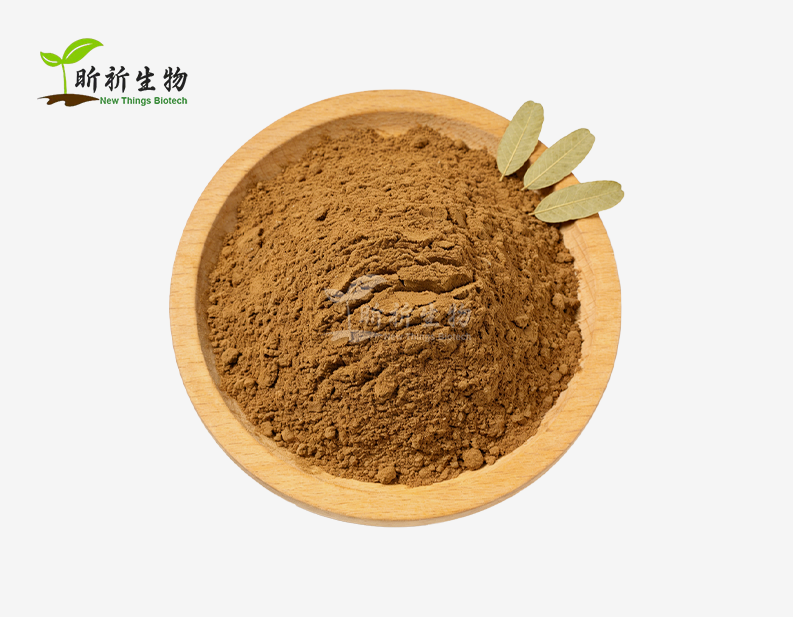
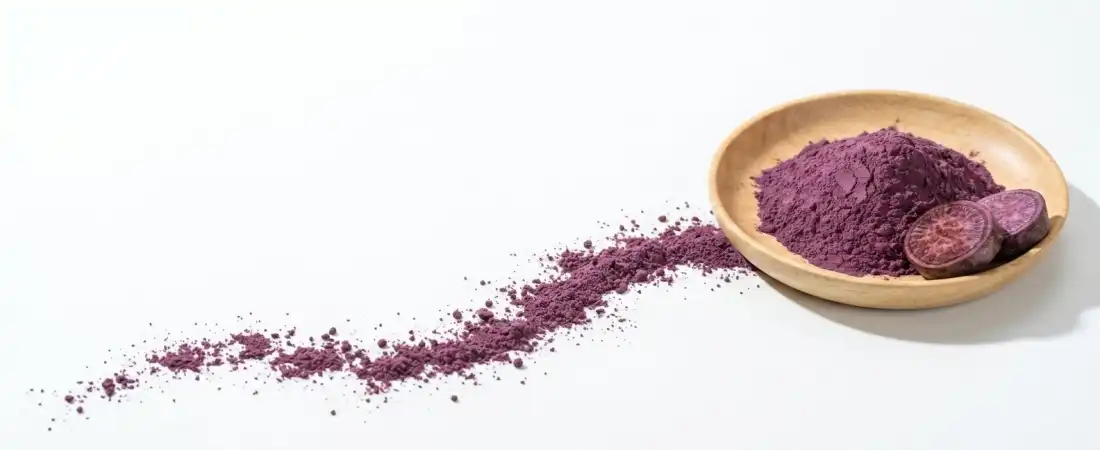
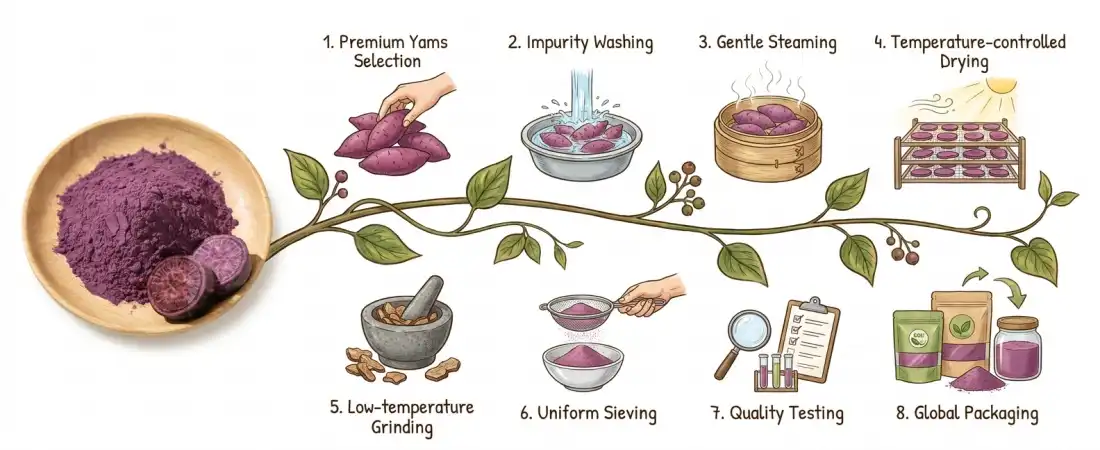
Natural ube powder comes from pure purple yam powder (Dioscorea alata L.), which is an old Asian food that is sometimes called "Purple Ginseng" because of its historical health and nutrition benefits. There are several steps in the production process: careful cleaning, controlled drying, low-temperature crushing to 80 mesh particle size, and strict quality control. This careful processing keeps the tuber's natural violet color, mild sweetness, and beneficial chemicals while turning roots that go bad quickly into a powder that can be stored for a long time and meets certain standards.
Unlike fresh yam purees, which have different amounts of water and sugar, premium powder has the same taste and smell across all production runs. The formula made by NT Biotech is 100% pure and doesn't have any fillers, carriers, or man-made additives. It meets the standards for ISO 9001, Kosher, and Halal certification, which are the same as foreign legal requirements.
Production Methods and Quality Differentiation
Advanced extraction methods have a big effect on the quality of the end product. Freeze-drying and spray-drying at controlled temperatures can keep up to 95% of the bioactive chemicals in the raw root. This includes heat-sensitive anthocyanins that are antioxidants. Even though traditional air-drying methods are cheaper, they speed up oxidation and taste loss, which lowers both nutritional value and color stability.
The process of micronization is just as important. The best solubility in beverage systems is achieved by particle sizes ranging from 60 to 120 mesh. This prevents the "gritty" taste that makes people not like ready-to-drink formulas. Moisture control below 6% stops hygroscopic caking during storage and keeps the ability to flow in the high-speed packaging equipment that nutraceutical makers use.
Nutritional Profile and Bioactive Components
The powder contains a lot of anthocyanins, especially cyanidin and peonidin glycosides, which give the flower its purple color and strong protective effects. As a key useful carbohydrate, resistant starch breaks down more slowly than other starches. This helps glucose release more slowly, which is good for metabolic health recipes. Fiber in food is good for your gut health, and vitamin C and anthocyanins work together to protect against oxidative stress.
The polysaccharide content is rounded out by essential minerals like manganese and potassium. Research shows that chemicals based on diosgenin may help the immune system work better. Because of these health benefits, the powder is a good ingredient for companies making clean-label items for health-conscious people who want plant-based nutrients.
Key Applications and Benefits in Food and Beverage Industry
Functional Beverage Innovation
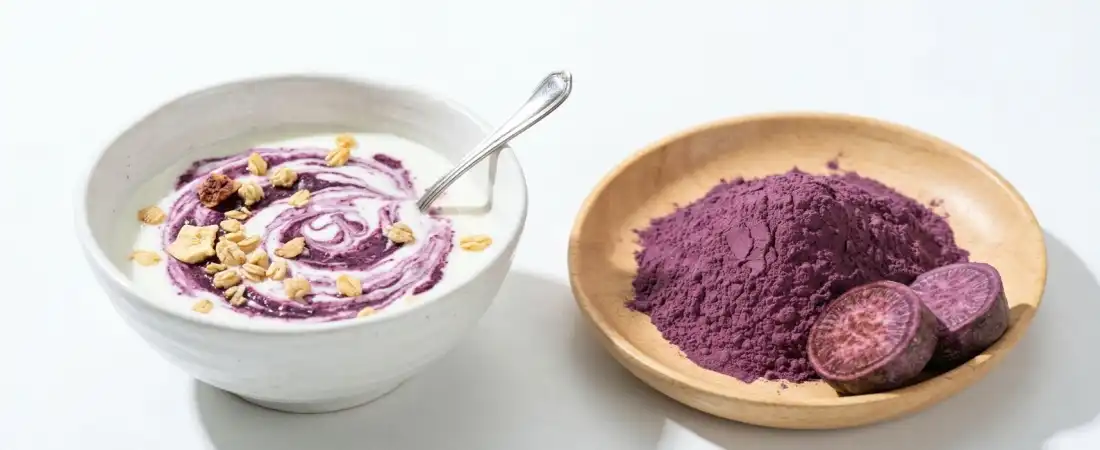
Because of the huge popularity of wellness drinks, there is a big need for naturally colored products that also have health benefits. You can easily add pure purple yam powder to plant-based protein shakes, smoothie blends, and quick wellness drinks to make them healthier. Its mild flavor goes well with a lot of different formulas without affecting the main taste notes.
Stable suspension and consistent color are two of the most difficult technical issues in making new drinks. Micronizing high-quality powders keeps them from settling in liquids, so you don't need as many gums or fake binders. The powder naturally thickens the liquid while keeping its clarity in clear packaging, which is important for "Instagrammable" goods that are used in social media marketing. But formulators have to think about how sensitive the pigments are to pH. In alkaline settings, the violet pigments turn blue, so they need to be carefully buffered in some uses.
Bakery and Confectionery Applications
There are special technical needs in industrial baking settings. During constant tunnel baking, the powder keeps the color fixed even at high temperatures, blocking Maillard browning that dulls synthetic colors. This temperature stability is very important for making a lot of cakes, cookies, breads, and desserts, because a constant look is what makes a brand stand out.
Besides looking good, the ingredient also has practical uses. In gluten-free recipes, it can be used as a partial flour replacement to help keep the wetness in and increase the shelf life by lowering the rate of staling. Companies that make ice cream and frozen desserts like how it can link free water, which keeps ice crystals from forming when temperatures change during cold-chain distribution. This improved creamy substance, along with its photogenic appearance, responds to customer trends that want new taste experiences.
Meal Replacement and Sports Nutrition
Because it is nutritionally dense, this powder works well in breakfast shakes, meal replacement powders, and sports nutrition recipes. The resistant starch helps release energy slowly over time, which meets the needs of a fitness diet. The flow and bulk density of the powder help manufacturing operations because they make sure that high-speed filling machines can do regular doses without getting clogged, which is a common problem with hygroscopic ingredients.
To make full nutrient profiles, product makers often mix the powder with protein isolates, fruit extracts, collagen peptides, and adaptogenic botanicals. This blending flexibility lets you make it fit a wide range of market groups, from those trying to lose weight to those promoting an active lifestyle.
Procurement Insights and Market Comparisons
Evaluating Supplier Quality Parameters
When making sourcing choices, you need to carefully look at a lot of different factors. Production capacity is very important. Suppliers who keep popular extracts in stock can fill orders within one to three business days, but special formulations usually take three to ten business days, which includes verifying the raw materials, extracting them, testing them in the lab, and packing them up. Each batch should come with a Certificate of Analysis that shows the HPLC/UV readings for microbial safety and anthocyanin content.
Portfolios of certifications show that a business is mature. ISO 9001 certification proves that quality management systems work, and Kosher and Halal certifications help brands reach more customers, especially those who follow certain diets. Organic approval comes with higher prices, but it helps natural product outlets stand out from the competition. The mesh size requirements, moisture content limits, and heavy metal test results should all match the application. For example, finer particle sizes are needed for beverage recipes than for bakery applications.
Cost Structures and Value Analysis
Wholesale prices depend on a lot of things, like whether the goods are organic or conventionally sourced, how complicated the handling method is, how much it costs to get certified, and the size of the order. Bulk buying systems usually start with a 10-kilogram minimum order, and as the number goes up to 100 kilograms, the cost per unit goes down a lot. Customized packing choices, such as 1-kilogram bags or 10-kilogram boxes, change landed costs by changing the amount of work needed and the cost of materials.
There are more things to think about when it comes to transportation planning. Express shipping through specialized courier accounts speeds up trial orders, and combined sea freight lowers the cost per kilogram for container amounts. International buyers are less likely to lose money on foreign exchange when they buy from suppliers who offer open payment terms, such as accepting payments in local currency. Procurement workers should think about lead time reliability when figuring out the total cost of ownership because it has a direct effect on production schedules and the cost of keeping inventory.
OEM and Private Label Opportunities
More people are interested in OEM partnerships because the market for branded supplement lines and gourmet foods is growing. Suppliers who are good at what they do help clients make recipes and figure out the best way to mix pure purple yam powder for health claims or taste profiles. Custom package design, label printing, and legal paperwork help entrepreneurs and well-known brands that are adding new products get them to market faster.
With private label programs, providers handle sourcing, mixing, quality testing, and packing while the client's name is used. When compared to making in-house, this approach requires less capital. Quality control is kept up through supplier checks and specification agreements. For brands that want to set their products apart, unique extraction methods that improve clarity or bioavailability help them build strong market positions.
Real-World Success in B2B Integration
Brand Innovation Case Examples
Leading businesses that make healthy drinks have added this ingredient to their products to make them stand out in crowded markets. One company that makes organic protein shakes switched from using fake coloring to using pure purple yam powder instead. This helped them reposition their brand around "whole food nutrition" and get their products sold in health food stores. The reaction from customers proved the plan worked—engagement on social media and sales both went up, showing that natural ingredients appeal to the target demographics that value honesty.
A European baking company changed the recipe for their famous purple bread and used the powder to add color and make the bread healthier. Clean-label claims were made possible by the change, which also improved moisture retention, increased shelf life by 20%, and cut down on waste in transportation networks. The procurement teams said that their supplier relationship gave them stable prices and reliable service, which let them plan production with confidence during times of high seasonal demand.
Technical Partnership Benefits
Product development managers stress how important it is for sellers to offer to work with R&D. One review from a sports nutrition brand talked about how formulation advice helped their ready-to-drink protein line dissolve better. The supplier's technical team offered specific particle sizes and buffers that would work with them. This got rid of sedimentation problems that had caused the product launch to be delayed.
These partnerships go beyond just supplying ingredients; they also become strategic benefits. Suppliers with application labs can test for stability, shelf life, and taste, all of which lower the risk of making a new product. This help is very helpful for new brands that don't have their own R&D facilities because it helps them deal with complicated formulations and government rules.
Storage, Shelf Life, and Quality Maintenance
Optimal Storage Conditions
Strict environmental controls are needed to keep ingredient purity throughout supply lines. To keep the powder from sticking and losing its color, it should be kept in a cool, dry place—ideally below 25°C with a relative humidity of less than 60%. Anthocyanin breaks down faster in light, so opaque, food-grade packing materials are very important for safety. Nitrogen-flushed packing, which gets rid of air and makes the product last longer on the shelf, is helpful for manufacturers who use a lot of it.
Typical shelf life for pure purple yam powder can reach up to 24 months if stored properly, but this depends on how it was processed. Colors that fade to gray-brown, smells that suggest lipid oxidation, and changes in texture from fine powder to hardened clusters are all signs that the quality is getting worse. Ingredients that have been tampered with can't get into production batches because they are found early through eye inspection and regular testing.
Supplier Quality Assurance Protocols
Managers of procurement should make sure that sellers test their products thoroughly at many steps of production. The screening of raw materials makes sure that the plants are what they say they are and checks for heavy metals and pesticide leftovers. In-process tracking keeps an eye on the amount of moisture, the spread of particle sizes, and the number of microbes. The Certificate of Analysis, which lists specs like the amount of anthocyanin, how well it dissolves, and the lack of pathogens, is made after the final product is tested.
Traceability tools that connect finished powder to source fields make it possible to act quickly if quality problems arise in pure purple yam powder. If suppliers keep thorough records on each batch, they can narrow down problems to specific production runs instead of starting large-scale recalls. This openness makes people trust brands whose names depend on using high-quality ingredients all the time. Regular supplier checks, either by third-party certification groups or by clients themselves, make sure that written processes match what is actually done.
Building Reliable Supply Relationships
For companies that use just-in-time production methods, having consistent access to ingredients is very important. Suppliers who build direct ties with purple yam farmers get first access during harvest times, which protects them against changes in the farming sector. People who keep a safety stock inventory can fill urgent orders without having to wait for production to start. This is especially useful when a new product comes out, or a sale causes demand to rise quickly.
Professional sellers are different from transactional vendors because they are more sensitive to communication. Guaranteed response times—NT Biotech promises to answer questions within two hours—show that the company is committed to business excellence and putting customer service first. Communication ahead of time about possible supply problems, price changes, or legal changes lets procurement teams make plans instead of reacting to crises.
Conclusion
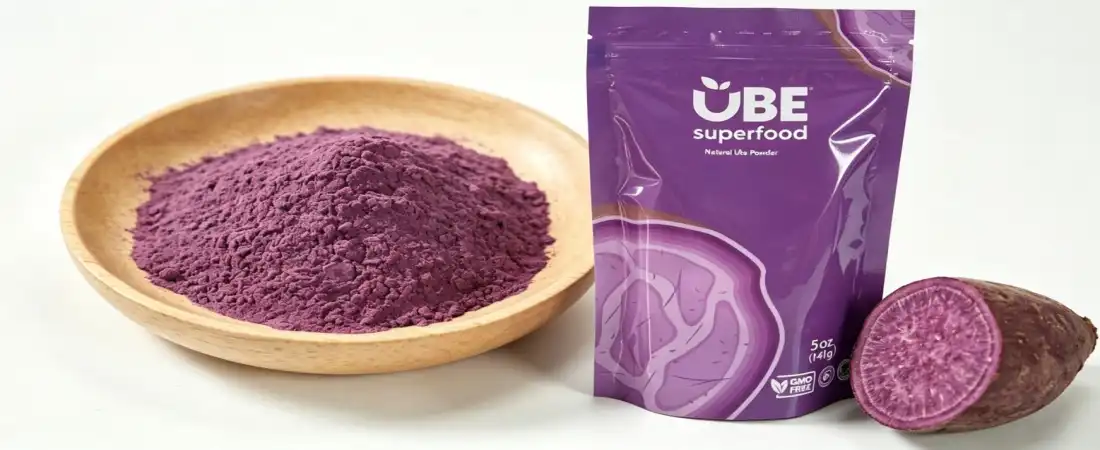
You can use pure purple yam powder in many ways, such as in food, drinks, supplements, and beauty products. Its technical benefits—natural coloring instead of synthetic dyes, concentrated bioactive substances that support health positioning, and manufacturing-friendly physical properties—address major industry problems and meet customer demands for clear, clean labels. When procurement professionals work with providers who have quality standards, output capacity, technical know-how, and dependable transportation, they can gain a competitive edge. Because the ingredient is so flexible, it can be used to make new functional drinks, artisanal baked goods, performance nutrition products, and plant-based dairy replacements. This makes it an important part of unique product portfolios.
FAQ
1. Is purple yam powder gluten-free and suitable for allergen-sensitive formulations?
Pure purple yam powder doesn't have any gluten in it naturally, so it can be used in goods that are safe for celiacs. Besides that, it stays away from typical foods like nuts, soy, and dairy. Cross-contamination risks, on the other hand, depend on where the suppliers make their products. If they are buying for people who are very sensitive, procurement managers should ask for allergen control paperwork and make sure that there are specific handling lines.
2. How does purple yam powder differ from ube powder or sweet potato powder?
Even though these terms are sometimes used equally, they mean different things in the plant world. The purple yam (Dioscorea alata) and the ube are both the same species, though the word "ube" is usually used to refer to Filipino types. The purple sweet potato, Ipomoea batatas, comes from a different plant family and has a different taste and set of nutrients. Checking Latin names makes sure that the right ingredients are used for each recipe.
3. Where can we source certified organic bulk quantities?
For certified organic pure purple yam powder, sellers must keep their organic certification up to date while the yams are being grown and processed. NT Biotech has organic choices with full paperwork that shows how they were grown. The smallest amount you can buy is usually 10 kilograms, and the price breaks get bigger as you order more. Free samples let you test the formula before you buy a lot of it.
Partner with a Trusted Purple Yam Powder Supplier
If you want to make a new product, NT Biotech can help you with their high-quality pure purple yam powder and more than ten years of experience working with plant ingredients. Our ISO 9001-certified factory makes sure that the quality is always the same, and our Kosher and Halal certifications help you reach more customers. We keep a lot of products in stock, so normal orders can be delivered in two to four days. We can also adjust the packaging and offer OEM solutions that meet the needs of your brand. Our R&D team can help with creation, and we promise to answer your questions within two hours. Email us at info@newthingsbiotech.com right now to get a free sample and talk about how our pure purple yam powder can make your next product launch stand out. We are a trustworthy purple yam powder maker, and we want to build long-term relationships with you that help you succeed.
References
1. Johnson, M.L., & Chen, R. (2021). Anthocyanin Stability in Food Processing: Mechanisms and Applications. Journal of Food Science and Technology, 58(4), 1203-1215.
2. Rodriguez, K.P., & Singh, A. (2022). Resistant Starch: Functional Properties and Health Benefits in Food Formulations. Nutrition Reviews, 80(7), 1876-1891.
3. Thompson, D.W. (2020). Natural Food Colorants: Market Trends and Regulatory Considerations. Food Technology International, 34(2), 45-62.
4. Lee, S.H., Park, J.Y., & Kim, H.J. (2023). Bioactive Compounds in Purple Yam (Dioscorea alata): Extraction, Analysis, and Industrial Applications. Comprehensive Reviews in Food Science and Food Safety, 22(3), 2134-2158.
5. Williams, E.T., & Martinez, C. (2021). Quality Assurance in Botanical Ingredient Supply Chains: Best Practices for B2B Procurement. International Journal of Food Manufacturing, 15(6), 789-804.
6. Anderson, B.R., & Foster, L.M. (2022). Clean Label Food Innovation: Consumer Preferences and Ingredient Strategies. Food Marketing Quarterly, 29(1), 112-130.