- English
- French
- German
- Portuguese
- Spanish
- Russian
- Japanese
- Korean
- Arabic
- Greek
- German
- Turkish
- Italian
- Danish
- Romanian
- Indonesian
- Czech
- Afrikaans
- Swedish
- Polish
- Basque
- Catalan
- Esperanto
- Hindi
- Lao
- Albanian
- Amharic
- Armenian
- Azerbaijani
- Belarusian
- Bengali
- Bosnian
- Bulgarian
- Cebuano
- Chichewa
- Corsican
- Croatian
- Dutch
- Estonian
- Filipino
- Finnish
- Frisian
- Galician
- Georgian
- Gujarati
- Haitian
- Hausa
- Hawaiian
- Hebrew
- Hmong
- Hungarian
- Icelandic
- Igbo
- Javanese
- Kannada
- Kazakh
- Khmer
- Kurdish
- Kyrgyz
- Latin
- Latvian
- Lithuanian
- Luxembou..
- Macedonian
- Malagasy
- Malay
- Malayalam
- Maltese
- Maori
- Marathi
- Mongolian
- Burmese
- Nepali
- Norwegian
- Pashto
- Persian
- Punjabi
- Serbian
- Sesotho
- Sinhala
- Slovak
- Slovenian
- Somali
- Samoan
- Scots Gaelic
- Shona
- Sindhi
- Sundanese
- Swahili
- Tajik
- Tamil
- Telugu
- Thai
- Ukrainian
- Urdu
- Uzbek
- Vietnamese
- Welsh
- Xhosa
- Yiddish
- Yoruba
- Zulu
Purple yam extract has emerged as a transformative ingredient in functional food formulation, offering a compelling blend of nutritional density, natural antioxidant protection, and gut microbiome support. Derived from ube yam powder Dioscorea alata L., this vibrant botanical powder delivers resistant starch, dietary fiber, anthocyanins, and bioactive polysaccharides that address critical health concerns for today's consumers. Beyond aesthetic appeal, this ingredient enhances formula functionality, enabling brands to meet clean-label demands while supporting immune health, metabolic balance, and digestive wellness in diverse product applications.
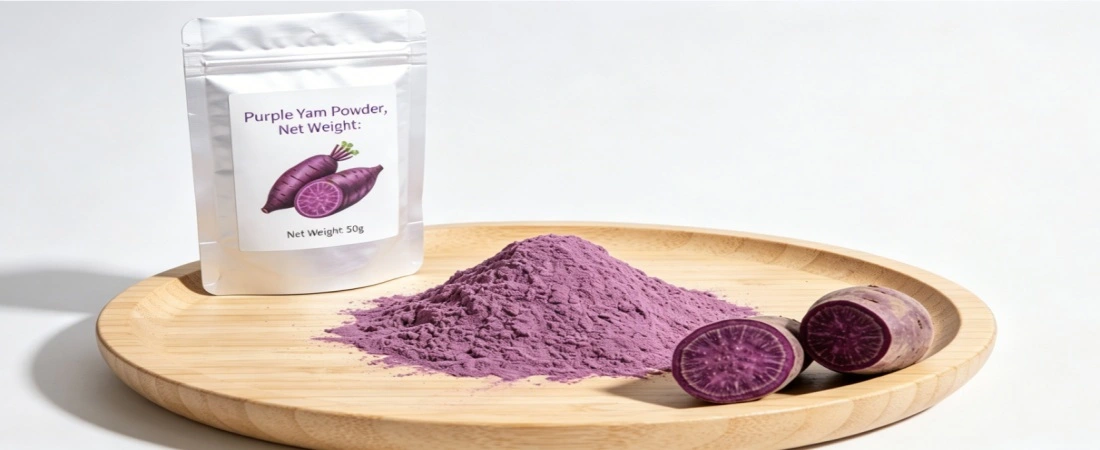
Understanding Ube Yam Powder: Origins, Composition, and Nutritional Profile
The Botanical Foundation of Purple Yam Ingredients
Ube yam powder has been grown in Southeast Asia for a very long time. It's good for you and can be used in cooking. It's sometimes called "Purple Ginseng," and it grows best where it's warm. The roots are full of complex carbs, mucilage, and colored anthocyanins. When we buy ube yam powders at NT Biotech, they only come from farms that are well-run. That way, we can keep track of them from the field to the powder. This ingredient comes from plants and is ISO9001, Kosher, and Halal-approved. This means it follows strict rules for places all over the world, like the US and EU.
Production Integrity and Quality Assurance
Picking the right raw materials is the first step to quality. For example, NT Biotech picks high-quality mature tubers, cleans them well, steam cooks them to make them easier to digest, dehydrates them at low temperatures to keep the bioactive compounds, fine-grinds them to 80-mesh particles, and checks them carefully for metals before putting them in a clean room to package them. For high-end formulas, this process keeps the natural purple color, light earthy-sweet taste, and nutritional purity. Every run includes HPLC tests and microbe screens to make sure the results are correct and safe.
Nutritional Composition and Functional Components
There are many good things for you in the ube yam powder. A lot of the dry weight is made up of carbs, mostly resistant starch, which doesn't break down the same way simple sugars do. Fiber-rich foods (between 6 and 10%) make you feel full and keep your gut system healthy. Anthocyanin pigments are what give the flower its unique purple color. They also fight free radicals very well. Polysaccharides and chemicals that are similar to diosgenin help keep the defense system in check. Trace elements like potassium and vitamin C round out the description. This ingredient is a good addition to health-focused product lines because it is good for you.
Key Health Benefits: Nutrition, Antioxidants, and Gut Health
Supporting Metabolic Balance and Blood Sugar Regulation
The resistant starch in ube yam powder doesn't break down as much in the upper digestive system as other starches do. This means that it has a smaller insulin response. If you eat this along with soluble fiber, it can help keep your blood sugar levels steady after a meal. Research shows that resistant starch may also help keep your fat metabolism in good shape. This makes it a good thing to put in foods that are good for you and keep your body healthy. These are some things that formulation teams can use to make their products stand out in the very competitive market for functional nutrition.
Antioxidant Defense Through Natural Anthocyanins
Flavonoids, such as anthocyanins, get rid of free radicals and lower oxidative stress in cells. Acid-Base Absorbance Capacity (ORAC) tests on purple roots show that they are very good at fighting free radicals. This defense is even better because of the vitamin C in the ube yam powder. The two effects work together to help. Without using artificial ingredients, this natural antioxidant power helps companies that make health drinks, sports nutrition products, or anti-aging formulas.
Promoting Gut Microbiome Health and Digestive Function
The fiber and resistant starch in ube yam powder feed the good bacteria in your gut and help keep the microbiome healthy. What's inside, mucilage, makes the walls of the intestinal system feel better, which helps digestion. There is scientific proof that taking products with resistant starch makes the body make more short-chain fatty acids (SCFAs), such as butyrate. These SCFAs are very important for keeping your gut healthy and lowering inflammation all over your body. Because it is good for gut health in these ways, the vegetable is a good choice for functional foods that aim to improve gut health, especially those that add probiotics.
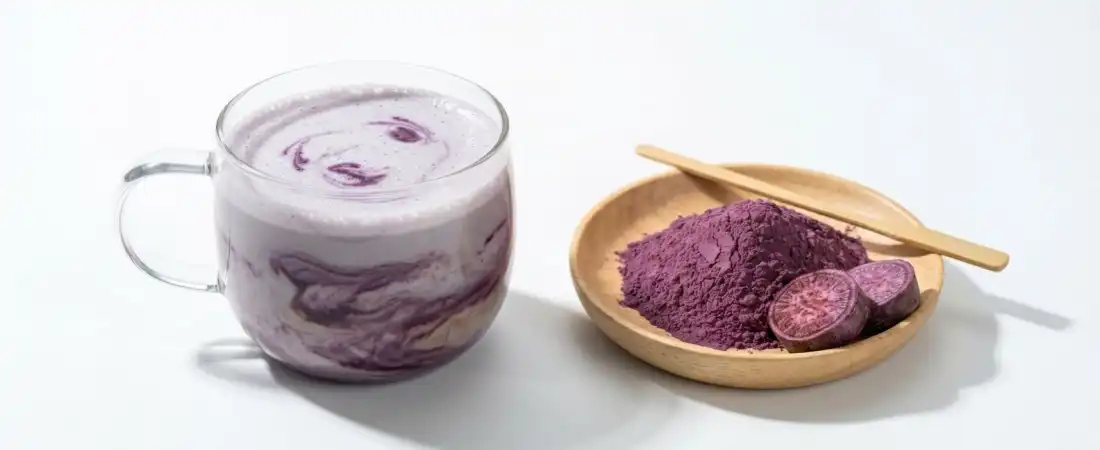
Practical Applications and Usage of Ube Yam Powder in B2B Settings
Handling, Storage, and Shelf-Life Management
You need to follow the right rules for keeping things to keep them safe. Fiber drums with double-layer LDPE covers are one way that NT Biotech packs ube yam powder. Other ways are chosen by each client. While being stored, the things should be kept in dry places out of direct sunlight and at temperatures below 25°C. This is where the product will stay stable for 24 to 36 months, keeping its color, taste, and beneficial ingredient list. Teams in charge of buying things should use first-in, first-out inventory control to get the latest goods.
Integration into Commercial Food Production Lines
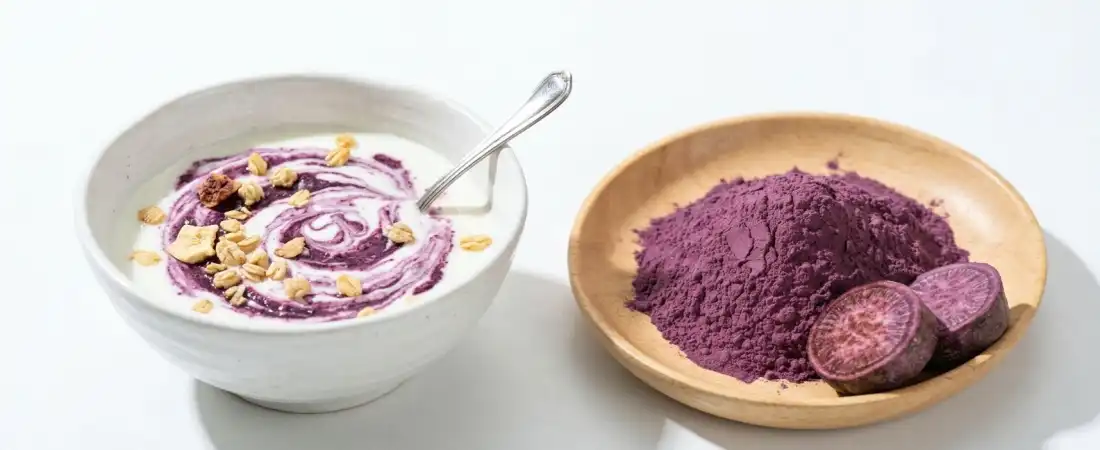
Ube yam powder doesn't naturally mix well with cold water, but it's easy to spread in systems that use both water and fat. So that the ingredients don't settle to the bottom of the bottle, companies that make healthy drinks can use nano-emulsion technology or inclusion complexing with cyclodextrin. You can use the ube yam powder instead of 10 to 30 percent of wheat flour when you bake. It changes the structure but adds color, fiber, and moisture retention. It adds more nutrition to dairy-free foods, smoothie bowls, ready-to-drink nutrition shakes, and breakfast in the morning. Due to the level of color and the useful goals that are being sought, the suggested participation rates are between 3 and 10 percent.
Real-World Case Studies in Product Development
A lot of different goods in both North America and Europe have been made better by adding this element. A Midwest-based company that makes energy bars moved from using artificial colors to ube yam powder. This gave the product a "clean label" and raised customer acceptance scores by 20%. A business that makes functional drinks put out a line of gut-health products that included the ube yam powder mixed with bacteria and prebiotic fibers. They said that shops had good sales and that a lot of people returned items. These results show that meals that use this natural ingredient can make money and appeal to customers.
Comparing NT Biotech Ube Yam Powder to Market Alternatives
Quality Control and Certification Advantages
Each ube yam powder does something different. A lot of care goes into testing NT Biotech's products, which makes them stand out. The HPLC fingerprinting shows that the plant is who it says it is and tells Dioscorea alata apart from cheaper choices. Following the rules set by the FDA and EU 396/2005 is important for the ICP-MS heavy metal study. Pathogens, like Salmonella, Staphylococcus aureus, and E. coli, are checked for during microbe screens. When you're selling your business around the world, certifications like ISO9001, Kosher, and Halal give you extra peace of mind. This amount of good paperwork lowers the risk for officials and speeds up the process of giving a product the green light.
Performance Metrics and Flavor Profiles
When things go wrong, ube yam powder is better than purple sweet potato powder (Ipomoea batatas). It's good for your gut health because it has resistant starch and mucilage in it, and the taste is balanced, so it can be used in both sweet and savory foods. It keeps colors brighter during processing and is more stable than many natural colorants when it comes to heat and pH changes. It got high marks on taste acceptance tests for how natural it tastes and how it feels in the mouth, which is important for keeping customers happy and having them stick with your brand.
Pricing Structure and Procurement Flexibility
NT Biotech has fair prices that are made for buying in bulk. The least you can order is 10 kg, and people who buy often can save money by buying in bulk. You can pick from 1 kg bags, 10 kg boxes, or unique forms that are made to meet the wants of each client. It's easier for people from other countries to do business when local currencies can be used as payment. You can try out formulas before making a promise with free samples, which lowers the risk of growth. You can get stock items quickly because they are sent out within two to four business days. Production orders are sent out three to ten days after they are placed. They are sent all over the world smoothly with the help of reliable shipping partners.
How to Source and Purchase Ube Yam Powder with Confidence
Identifying Authorized Distribution Channels
Procurement workers should look at a supplier's past work before agreeing to work with them for a long time. You can get in touch with NT Biotech at any time, and questions are handled during business hours. People who want to buy something can email info@newthingsbiotech.com and talk to scientists who can answer questions about composition, give Certificates of Analysis, and change specs. The company's website, xinqishengwu.aixdb.cn, has full product paperwork and approval downloads that can help with the research process.
Streamlining International Procurement and Logistics
NT Biotech uses its own FedEx and UPS accounts for rush packages, which makes sure they get there quickly and lets the company keep track of them all the way. When you need to send a lot of things, you can trust freight forwarders to handle both sea and air cargo with the right temperature controls and paperwork help. Firm Incoterms can meet the needs of any buyer, whether they want FOB, CIF, or DAP. They have sent goods to North America, Europe, and Asia before, so they know how to deal with borders and follow the rules. People who buy in bulk can talk about framework contracts or membership models that lock in costs and assure a steady supply, which is useful for planning production.
Quality Assurance and Technical Support Throughout the Supply Chain
Each package comes with an allergy sticker, a safety data sheet, and a Certificate of Analysis for that batch. Technical support is more than just getting the product; R&D experts can help with things like tweaking recipes, figuring out the right amount, and checking for stability. This way of working together turns one-way deals into joint creation. This helps clients get their products to market faster and make them work better. Because NT Biotech says it will be open and quick, the supply chain is less risky, and trust is built.
Conclusion
Businesses that want to make new, healthy goods with clean labels should use ube yam powder as an ingredient. It is good for you because it has resistant starch, dietary fiber, natural antioxidants, and chemicals that help the gut. These benefits can be tested and are backed up by both old and new scientific evidence. NT Biotech can use this ingredient to make its goods stand out in a crowded market without risk, thanks to its strict quality controls, international licenses, and adaptable supply chain. Procurement teams can easily add this versatile botanical ingredient to drinks, baked goods, nutritional supplements, or wellness foods to meet customer demand for natural, useful, and visually pleasing products that are good for the body as a whole.
FAQ
1. Does the powder contain artificial colorants or additives?
NT Biotech's ube yam powder (Latin name: Dioscorea alata L.) is 100% pure and doesn't have any chemicals, flavors, or colors added to it. Anthocyanins, which are found in nature, give the bright purple color. This means that it can be used in clean cosmetics.
2. How does this ingredient support gut health specifically?
As prebiotics, dietary fiber and resistant starch feed the good bacteria in your gut and help them make short-chain fatty acids like butyrate. The mucilage also soothes the walls of the digestive tract, which makes the whole system work better and feel better.
3. How long does the average shelf life last when kept in the right way?
If you keep the ube yam powder below 25°C, dry, and out of the light, it will stay stable for 24 to 36 months. If you pack things right in double-layer LDPE bags, humidity and rust can't hurt them.
Partner with NT Biotech as Your Trusted Ube Yam Powder Supplier
We at NT Biotech have been harvesting plants for more than ten years and can help you reach your recipe goals with our high-quality ube yam powder products. For the best ube yam powder, we use eco-friendly ways to find the ingredients, the most up-to-date processing technology, and strict quality control to make sure the goods we use always work the same way. The guidelines for our ISO9001, Kosher, and Halal certificates are the same around the world. You can also get samples for free, set your own minimum order size, and get your items quickly (two to four days for in-stock items). Whether you're making useful drinks, nutritional supplements, new bakery goods, or health foods, our expert team can help you come up with new ideas. They will do this in a way that fits with how you put your business in the market. Send us an email at info@newthingsbiotech.com right now to get samples, talk about how you can make things your own, or get a full quote for big sales. Let's work together to make sure that the natural nutrition in your next offering has scientific support.
References
1. Choo, W.S., & Yong, W.K. (2018). Anthocyanins in purple-fleshed sweet potatoes and their stability during thermal processing. Food Science and Biotechnology, 27(3), 617-629.
2. Higgins, J.A., & Brown, I.L. (2013). Resistant starch: a promising dietary agent for the prevention/treatment of inflammatory bowel disease and bowel cancer. Current Opinion in Gastroenterology, 29(2), 190-194.
3. Huang, Y.C., Chang, Y.H., & Shao, Y.Y. (2006). Effects of genotype and treatment on the antioxidant activity of sweet potato in Taiwan. Food Chemistry, 98(3), 529-538.
4. Koh, A., De Vadder, F., Kovatcheva-Datchary, P., & Bäckhed, F. (2016). From dietary fiber to host physiology: short-chain fatty acids as key bacterial metabolites. Cell, 165(6), 1332-1345.
5. Mishra, S., & Monro, J. (2012). Wholeness and primary and secondary food structure effects on in vitro digestion patterns determine nutritionally distinct carbohydrate fractions in cereal foods. Food Chemistry, 135(3), 1906-1913.
6. Teow, C.C., Truong, V.D., McFeeters, R.F., Thompson, R.L., Pecota, K.V., & Yencho, G.C. (2007). Antioxidant activities, phenolic and β-carotene contents of sweet potato genotypes with varying flesh colours. Food Chemistry, 103(3), 829-838.