- English
- French
- German
- Portuguese
- Spanish
- Russian
- Japanese
- Korean
- Arabic
- Greek
- German
- Turkish
- Italian
- Danish
- Romanian
- Indonesian
- Czech
- Afrikaans
- Swedish
- Polish
- Basque
- Catalan
- Esperanto
- Hindi
- Lao
- Albanian
- Amharic
- Armenian
- Azerbaijani
- Belarusian
- Bengali
- Bosnian
- Bulgarian
- Cebuano
- Chichewa
- Corsican
- Croatian
- Dutch
- Estonian
- Filipino
- Finnish
- Frisian
- Galician
- Georgian
- Gujarati
- Haitian
- Hausa
- Hawaiian
- Hebrew
- Hmong
- Hungarian
- Icelandic
- Igbo
- Javanese
- Kannada
- Kazakh
- Khmer
- Kurdish
- Kyrgyz
- Latin
- Latvian
- Lithuanian
- Luxembou..
- Macedonian
- Malagasy
- Malay
- Malayalam
- Maltese
- Maori
- Marathi
- Mongolian
- Burmese
- Nepali
- Norwegian
- Pashto
- Persian
- Punjabi
- Serbian
- Sesotho
- Sinhala
- Slovak
- Slovenian
- Somali
- Samoan
- Scots Gaelic
- Shona
- Sindhi
- Sundanese
- Swahili
- Tajik
- Tamil
- Telugu
- Thai
- Ukrainian
- Urdu
- Uzbek
- Vietnamese
- Welsh
- Xhosa
- Yiddish
- Yoruba
- Zulu
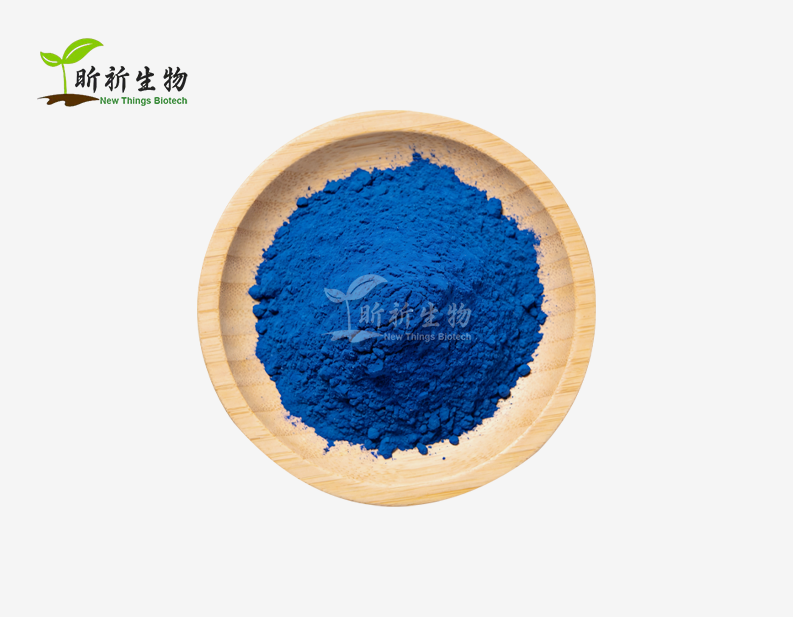
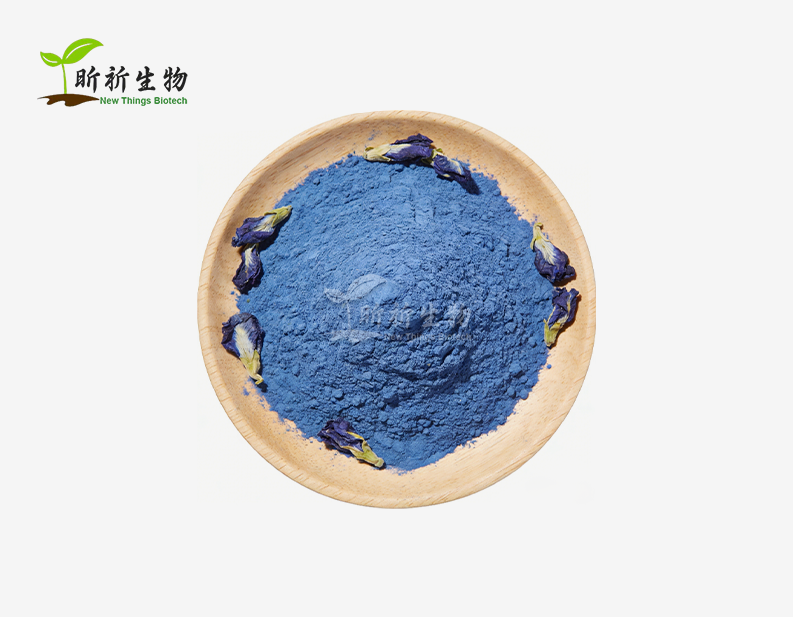
Blue Phycocyanin delivers powerful antioxidant and anti-inflammatory properties that support immune health, protect cells from oxidative stress, and promote skin hydration. This naturally derived pigment-protein complex from Spirulina offers food manufacturers, nutraceutical producers, and cosmetic formulators a clean-label solution that replaces synthetic colorants while providing functional health benefits. Its versatility extends from enhancing cognitive function and liver protection to metabolic regulation, making it an invaluable multifunctional ingredient for product innovation across diverse industries.
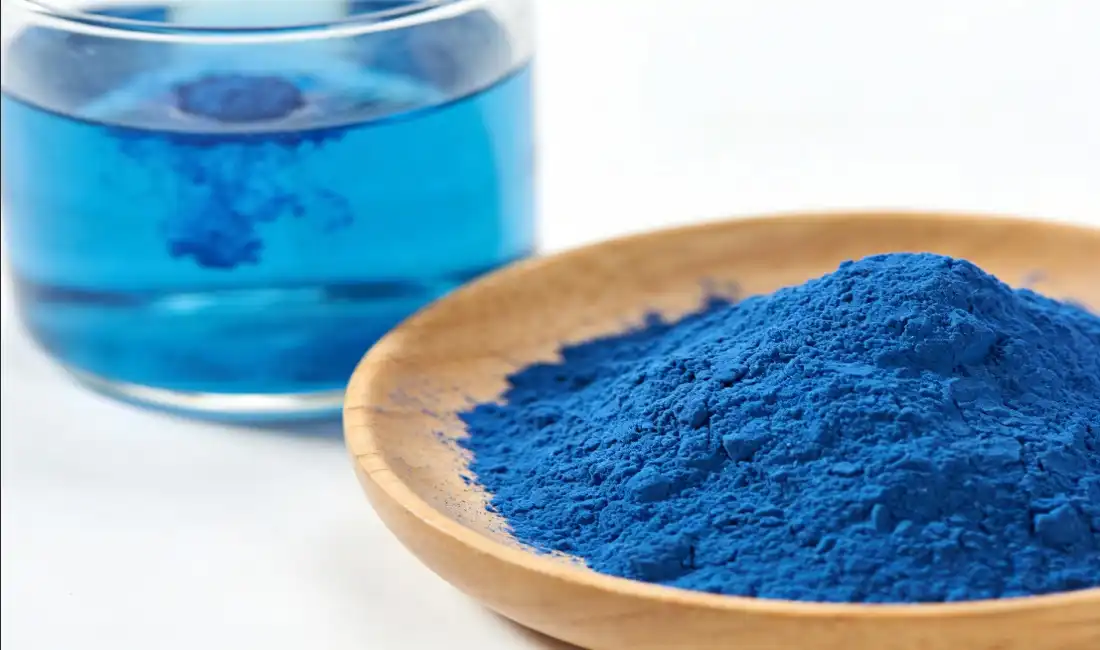
Introduction
Spirulina algae pigment Blue Phycocyanin is vivid blue. The health, nutraceutical, and cosmetics industries have focused on its bioactivity. Worldwide, labeled natural compounds are growing in popularity. This extraordinary chemical is the only FDA-approved natural blue pigment that can replace Brilliant Blue FCF. Know this ingredient's function, extraction method, and source to make product development and supply chain choices. Nutrition, food ingredients, cosmetics, and animal feed buyers increasingly seek providers with scientific extraction, demand management, and quality control. This guidance helps purchasing teams organize data to evaluate this natural pigment. The chemical features, health advantages, distinctions from other substances, and simplicity of usage are addressed. You'll learn how trusted suppliers that observe strict international rules may help you customize and stand out.
Understanding Blue Phycocyanin: What It Is and How It Works?
The Molecular Structure Behind the Benefits
Blue Phycocyanin is the pigment-protein complex derived from Spirulina algae, composed of alpha and beta proteins linked to phycocyanobilin chromophores. Its structure gives it strong antioxidant properties, neutralizing peroxyl, hydroxyl, and alkoxyl radicals, while remaining water-soluble and stable with a vivid cyan color, making it ideal for natural coloring applications.
Industrial Extraction Methods and Quality Considerations
Extraction methods, including aqueous and enzymatic processes, impact purity and bioactivity. Grades like E18 (~30% pure) and E25 (~40–50% pure) let formulators achieve desired color intensity at lower doses, minimizing textural changes. NT Biotech ensures >98% purity, which enhances stability and formulation performance.
Regulatory Status and Clean Label Appeal
Spirulina Extract is the name of this natural extract that has been given the all-clear by food safety authorities such as the FDA and EFSA. It's not a man-made ingredient. People don't like artificial ingredients, which is a big problem in the industry that this classification fixes. Because the label is clean-label, companies can put "Coloring Food" or "Spirulina Concentrate" on the ingredient panels instead of chemical names. This makes the product a lot more appealing to people who care about their health.
Health and Functional Benefits of Blue Phycocyanin
Antioxidant and Anti-Inflammatory Properties
Blue Phycocyanin lowers inflammation and enhances immune function by inhibiting COX-2, an enzyme in the inflammatory process. It works like some drugs without side effects and supports overall cellular protection through antioxidant activity, activating enzymes like superoxide dismutase and catalase to defend multiple organ systems.
Skin Health and Anti-Aging Applications
The pigment improves skin elasticity, hydration, and reduces photoaging. It’s used in serums, creams, and ingestible beauty supplements. Clinical trials show increased dermal water content and reduced epidermal water loss. Its natural blue color also signals active botanical ingredients in high-end skincare products, appealing to health-conscious consumers.
Cognitive Support and Neuroprotection
Blue Phycocyanin crosses the blood-brain barrier, reducing oxidative stress in neurons. Animal studies suggest it enhances learning and memory, and early human trials indicate potential for supporting brain health in aging populations. Its plant-based origin allows clean-label inclusion in cognitive and brain health supplements.
Liver Protection and Metabolic Regulation
This compound supports liver function by lowering elevated liver enzymes and protecting tissue. It helps regulate blood sugar and lipid profiles, potentially aiding metabolic syndrome management. Its multifunctional benefits allow inclusion in wellness formulas targeting detoxification and overall metabolic support.
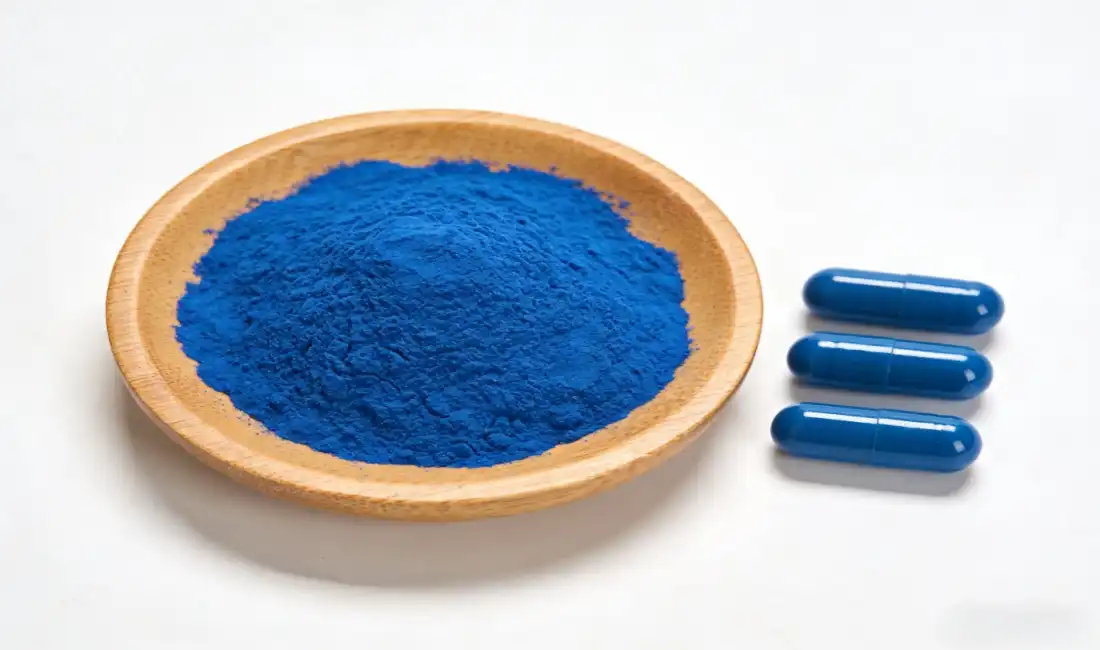
Comparing Blue Phycocyanin with Alternative Nutraceutical Ingredients
Blue Phycocyanin Versus Spirulina Powder
Spirulina powder contains 10–15% pigment plus proteins, vitamins, and minerals, but isolated Blue Phycocyanin has concentrated bioactive content. It delivers precise functional doses, eliminates algae taste and odor, and allows stronger color intensity. Procurement teams should weigh cost, functionality, and formulation needs when choosing between the two.
Comparing with Astaxanthin and Other Natural Antioxidants
It works similarly to algae-derived antioxidant Astaxanthin, although not completely. Astaxanthin inhibits lipid peroxidation better than both. This improves cell membrane protection. Astaxanthin can't match the blue pigment's coloration when mixed with water. Many things cost. Astaxanthin costs more since it's tougher to grow. This supplement is premium. Cyan is the cheapest option for natural-looking, useful applications. Formulators are combining these compounds more to maximize antioxidant advantages for less money.
Natural Versus Synthetic Alternatives
Use natural pigments or man-made blue colorants depending on the product, customer perception, and government restrictions. Synthetic Brilliant Blue FCF resists heat and pH changes better, keeping it colorful under harsh conditions. Natural alternatives are becoming more popular while being harder to make. Organic pigments may make clear labels if prepared. Proteins spoil at 60°C, thus they're only used below that. Lower than pH 4.5, proteins precipitate. The formulation must change due to these limits. After heating, add anything, lower the pH, or choose acid-stabilized variants. Top firms increasingly design formulas for certain difficulties and situations. Pasteurized drinks and acidic gummy bears may use high-temperature liquid concentrates.
Procurement Insights: Sourcing Blue Phycocyanin for Your Business
Essential Supplier Certifications and Quality Standards
Strategic procurement entails examining suppliers' Blue Phycocyanin permits, batch consistency, and logistics. GMP, ISO, and strict purity requirements should be checked while purchasing. The ISO9001, KOSHER, and HALAL certifications of NT Biotech are always current. This guarantees our ingredients satisfy international standards and market laws. Buyers must need batch-specific HPLC or UV spectroscopy purity CoAs from vendors. Technical investigations confirm active substances, microbiological safety, and heavy metal absence. Our quality documentation simplifies batch tracking. This eliminates procurement risk and guarantees compliance. See whether vendors disclose their raw material sources. Growing, harvesting, and extracting crops impact quality. Vertically integrated producers grow, extract, and package oils. These suppliers produce more consistent batches than brokers who obtain oils from various sources.
Pricing Trends and Supply Chain Dynamics
Knowing the supply chain, price trends, and bulk purchasing limits helps you find bargains and manage supplies. Standardized extract prices vary globally by purity, concentration, and order size. Food E18 is cheaper than E25 or ultra-pure research-grade versions (A620/A280 > 4.0) used in biological investigations if it is safe. The growing season influences Spirulina prices and availability. This applies especially to outdoor food producers. Controlled indoor growing produces year-round but costs more. Suppliers should be known and have enough stock for seasonal changes by buying departments. Lot-buying deals may save you money. Flexible pricing and two-hour response times are available for large commitments. After our inventory management system validates your purchase, most common standard extracts ship within one to three business days. A unique manufacturing order takes 3-10 business days from raw materials to packing.
Application Versatility Across Industries
Natural colorant used in food, cosmetics, and pharmaceuticals. This shows customization of OEM partnerships and B2B solutions. Curcumin turns candies and gummies blue and green. To prevent breaking down while cooling, add it after the boil, below 60°C. Avoid precipitation in acidic solutions using encapsulated goods. Alkaline waters, cocktail syrups, and smoothies use it. This group is unstable by light, hence products must be wrapped in opaque coverings or protected with ascorbic acid or polyphenols. OEMs fix formulation issues by checking ingredient specifications. Serums, creams, and color cosmetics with natural blue hues improve skin. The healthy chemical is used in "clean label" pharmaceutical and nutraceutical capsules, tablets, and powders. Medical researchers use ultra-pure grades for flow cytometry and immunofluorescence. They're safe and have excellent quantum yield. Our technical support team helps clients find the best formulation for their purposes.
Logistics and Transportation Advantages
Logistics impacts product speed and landing costs. We ship express, air, or maritime freight depending on timeliness, cost, and client demands. Our FedEx and UPS accounts let us deliver products quickly to customers. This cuts shipping and handling time. Trusted freight forwarders can ship bulk shipments safely and on time. Local currency payments simplify operations and remove currency exchange concerns. With this comprehensive logistical support, procurement teams may plan inventory and production schedules without supply concerns.
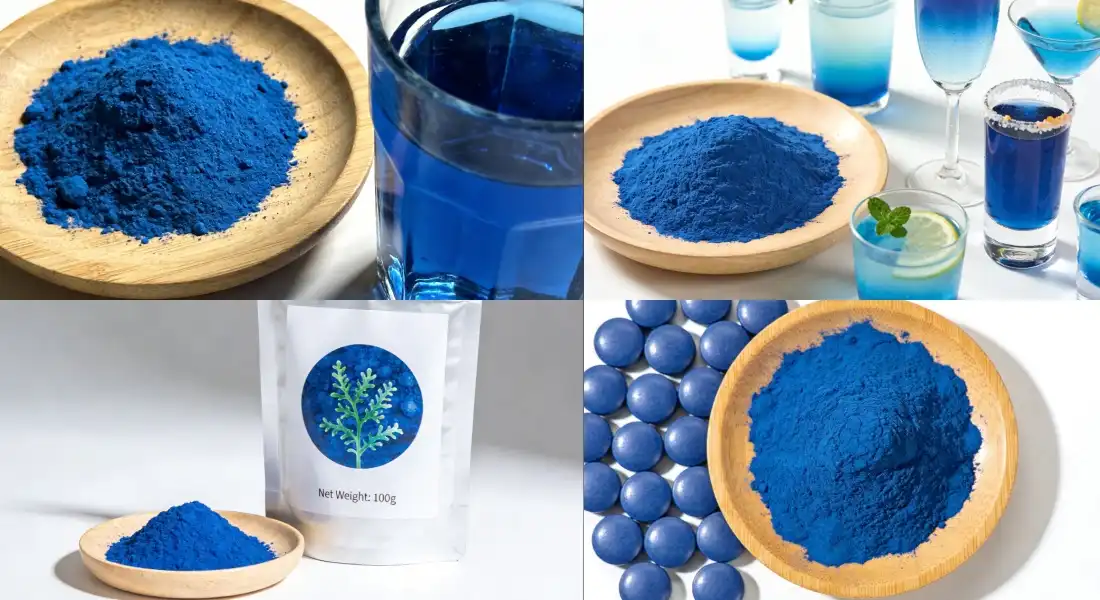
Maximizing Value from Blue Phycocyanin: Guidelines and Best Practices
Scientifically Validated Dosage Recommendations
First, use scientifically confirmed Blue Phycocyanin dosages to make a product safe and effective. Clinical research suggests daily dosage of 100 mg to 500 mg may help numerous health issues. Anti-inflammatory use may benefit from 300–500 mg daily, although 100–200 mg is usually enough. Doses vary by hue for therapeutic purposes. E18 powder at 0.01% to 0.05% by weight tints drinks and desserts "baby blue". Add 0.1–0.2% for deeper "navy blue" tones. Indigo is made by mixing cyan with small amounts of natural red pigments such black carrot or beet extract. To maintain color consistency, colorimeters compute dosage using Lab* values instead of weight. Our technical staff assesses the solution's effectiveness and cost to help clients determine dosages. This makes supplier relationships technical partnerships that help you create great products.
Quality Assurance Protocols and Certifications
Organic certifications and comprehensive testing by suppliers enhance product safety and reduce supply chain hazards. It should be tested for identity, strength, microbes, heavy metals, and pesticide residues. Each parameter increases safety and legality. Certified organic products are worth more. Certified organic extracts are limited since they're hard to grow. Clean-label guarantees like non-GMO certification are simple to get. We test every batch before shipping and keep records for worldwide regulatory purposes. Blending items in batches makes quality assessment more complicated since basic materials vary. Mix batches to get consistent E-values by standardizing data using spectrophotometric analysis instead of seasonal color intensity shifts. This guarantees the same service independent of raw material collection.
Future Trends and Sustainable Sourcing
New trends stress sustainable extraction, long-term sources, and innovative uses to stimulate new ideas. Renewable energy, water recycling, and closed-loop farming save money and the environment. Green certifications and sustainability reports affect companies' eco-friendly purchases. Improved extraction technology allows enzyme-assisted processes to boost yield and purity without solvents. These new methods reduce manufacturing costs and improve quality. Consumers benefit from decreased prices. Scientists use bioactive properties as they learn more. Food, pet health, and sports nutrition firms that plan forward may succeed. Procurement strategies may meet compliance requirements by tracking market rule changes. We follow worldwide legislation and help our clients meet North American, European, Asian, and emerging market expectations.
Conclusion
This Blue Phycocyanin can be used as more than just a colorant. It is a versatile ingredient that meets the demand for clean-label products that have been scientifically proven to be good for you. You can give your company a competitive edge in the natural products market, which is changing quickly, if procurement professionals know about the molecular properties, health uses, comparative advantages, and sourcing challenges. To make sure the implementation goes well, pick suppliers that can show they have the technical know-how, quality control, and flexible supply chain skills. This guide gives you the information you need to make smart decisions that will turn buying ingredients from a one-time event into a long-term partnership. This will help you create new products and stand out in the market.
Frequently Asked Questions
1. What is the difference between Blue Phycocyanin and Spirulina powder?
Spirulina powder is dried algae with proteins, vitamins, minerals, and colors like the blue compound, which makes about 10–15% of the powder. The clean extract colour improves the bioactive protein-chromophore complex by 30–50% or more, depending on grade. Because it is concentrated, it eliminates algae smell and taste while allowing you pick color and quantity. Buyers should consider if mixes require a broad variety of nutrients (powder) or bioactivity and color (separated extract).
2. Can this ingredient withstand standard food processing temperatures?
Standard heat processing is difficult because proteins break down over 60°C, fading colors and losing bioactivity. Unless specific mixtures are employed, the compound breaks down when heated to 72°C for 15 seconds. Best practices include adding color aseptically after heat treatment or in the last cooling steps. For baked foods, add them to frosting or icing after baking, not the dough. Heat-processed applications that require technical suppliers may use encapsulated versions and thermal shock liquid formulations.
3. How do I verify ingredient purity when evaluating suppliers?
Check Certificates of Analysis using spectrophotometric ratios to determine purity. Food-safe and research-safe materials have ratios above 0.7 and 4.0, respectively. The A620/A280 ratio shows how pure the color is compared to protein. Another approach to identify someone is HPLC chromatography. Real vendors have detailed batch records, including pesticide, microbial, and heavy metal testing. When seeking new suppliers or doing a lot of work, ask independent laboratories to examine samples.
Partner with NT Biotech: Your Trusted Blue Phycocyanin Supplier
Certified, high-purity Blue Phycocyanin extracts that meet the strict quality standards of the food, cosmetics, and nutraceutical industries are what NT Biotech does best. Because of the way we extract the ingredients, they are very pure—above 98% for high-end needs—so the formulations will be more stable and work better. We offer high-quality paperwork to help with global regulatory compliance, and our company is certified by ISO9001, KOSHER, and HALAL. We promise that we will answer your first question within two hours, and most standard extracts will be sent out within one to three business days. You can email our helpful staff at info@newthingsbiotech.com to get samples, technical information, or custom OEM solutions. It is important to work with a Blue Phycocyanin manufacturer that is committed to technical excellence, open quality control, and a steady supply chain. This will help you make new products.
References
1. Benedetti, S., Benvenuti, F., Pagliarani, S., Francogli, S., Scoglio, S., & Canestrari, F. (2004). Antioxidant properties of a novel phycocyanin extract from the blue-green alga Aphanizomenon flos-aquae. Life Sciences, 75(19), 2353-2362.
2. Romay, C., González, R., Ledón, N., Remirez, D., & Rimbau, V. (2003). C-phycocyanin: a biliprotein with antioxidant, anti-inflammatory and neuroprotective effects. Current Protein and Peptide Science, 4(3), 207-216.
3. Wu, L. C., Lin, Y. C., Yang, S. Y., Weng, Y. T., & Tsai, Y. T. (2016). Antioxidative and anti-inflammatory properties of Spirulina-derived phycocyanin in diabetic rats. International Journal of Medical Sciences, 13(7), 546-556.
4. Remirez, D., González, A., Merino, N., González, R., Ancheta, O., Romay, C., & Rodríguez, S. (2002). Inhibitory effects of Spirulina in zymosan-induced arthritis in mice. Mediators of Inflammation, 11(2), 75-79.
5. Pentón-Rol, G., Marín-Prida, J., & McCarty, M. F. (2011). C-Phycocyanin-derived phycocyanobilin as a potential nutraceutical approach for major neurodegenerative disorders and COVID-19-induced damage to the nervous system. Current Neuropharmacology, 19(12), 2250-2275.
6. Kuddus, M., Singh, P., Thomas, G., & Al-Hazimi, A. (2013). Recent developments in production and biotechnological applications of C-phycocyanin. BioMed Research International, 2013, Article ID 742859.