- English
- French
- German
- Portuguese
- Spanish
- Russian
- Japanese
- Korean
- Arabic
- Greek
- German
- Turkish
- Italian
- Danish
- Romanian
- Indonesian
- Czech
- Afrikaans
- Swedish
- Polish
- Basque
- Catalan
- Esperanto
- Hindi
- Lao
- Albanian
- Amharic
- Armenian
- Azerbaijani
- Belarusian
- Bengali
- Bosnian
- Bulgarian
- Cebuano
- Chichewa
- Corsican
- Croatian
- Dutch
- Estonian
- Filipino
- Finnish
- Frisian
- Galician
- Georgian
- Gujarati
- Haitian
- Hausa
- Hawaiian
- Hebrew
- Hmong
- Hungarian
- Icelandic
- Igbo
- Javanese
- Kannada
- Kazakh
- Khmer
- Kurdish
- Kyrgyz
- Latin
- Latvian
- Lithuanian
- Luxembou..
- Macedonian
- Malagasy
- Malay
- Malayalam
- Maltese
- Maori
- Marathi
- Mongolian
- Burmese
- Nepali
- Norwegian
- Pashto
- Persian
- Punjabi
- Serbian
- Sesotho
- Sinhala
- Slovak
- Slovenian
- Somali
- Samoan
- Scots Gaelic
- Shona
- Sindhi
- Sundanese
- Swahili
- Tajik
- Tamil
- Telugu
- Thai
- Ukrainian
- Urdu
- Uzbek
- Vietnamese
- Welsh
- Xhosa
- Yiddish
- Yoruba
- Zulu
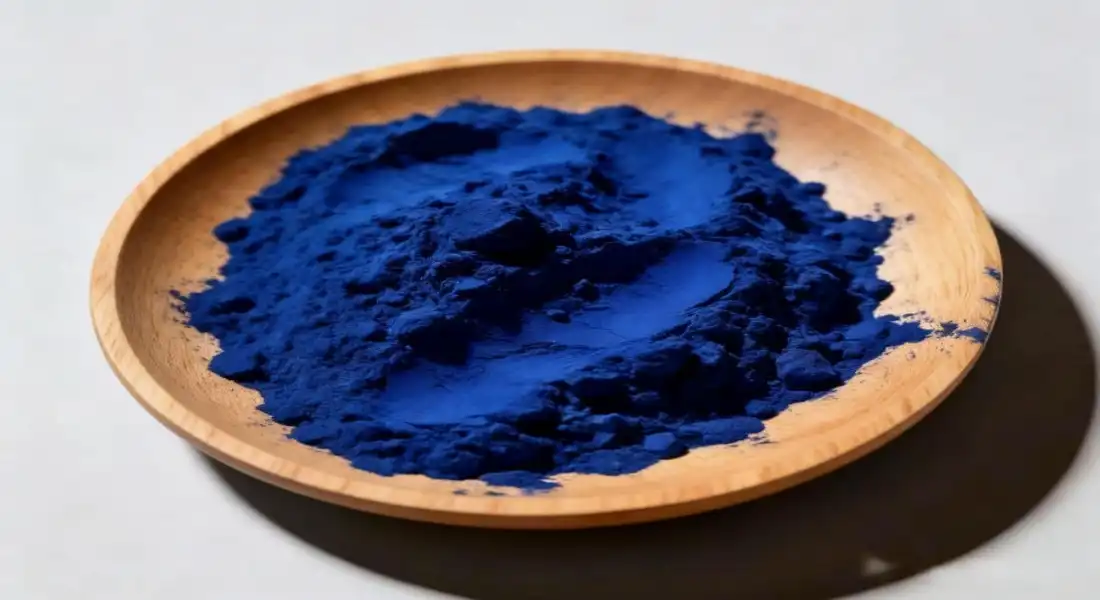
The three amino acids that make up GHK copper peptide powder are found naturally. They are glycine, histidine, and lysine. It joins with copper ions (Cu²⁺) to form a useful complex that is known for being able to heal. This light blue powder is a strong signaling chemical that helps fix human tissue by speeding up the cycle of cells, lowering inflammation, and making more collagen. It was first found in human plasma, and then it was made for research and business use. It is now a key ingredient in many high-end beauty products, skin care products, and hair care items. Because of how its chemicals are structured, it can easily go through the skin and get copper to cells that need it. This helps fix tissues that aren't able to do so as well as they used to without irritating them like acids or retinoids do.
Understanding GHK Copper Peptide Powder
Chemical Structure and Bioavailability
The Gly-His-Lys tripeptide sequence binds to copper ions in a stable way. In turn, this makes a coordination complex that keeps the copper from reacting and helps it pass through cell walls more easily. Because of this chelation, uptake is much higher than with free copper salts, which are not well taken in and could be dangerous in large amounts. It is very important for copper to connect to the histidine residue through its imidazole side chain. The metal ion stays chemically active and safe in this way. These solid-phase peptide synthesis (SPPS) methods are used to make pharmaceutical-grade materials that are more than 98% pure, as shown by HPLC and mass spectrometry. These quality standards are needed to make sure that business recipes are always the same from batch to batch. This is especially important when following the law in places like the US and EU.
Historical Development and Scientific Validation
In the 1970s, Dr. Loren Pickart was the first person to separate GHK from living blood plasma. From about 200 ng/mL at age 20 to 80 ng/mL at age 60, he saw that the amount of GHK dropped with age. In the beginning, studies showed that it could boost the production of fibroblasts and collagen in the lab. This made people interested in how it might help tissues heal. In later research, it was found that copper complexation made these effects stronger by activating certain enzymes that change the extracellular matrix. These enzymes are matrix metalloproteinases (MMPs) and tissue inhibitors of metalloproteinases (TIMPs). Studies that were published in peer-reviewed journals showed that photoaging markers, wrinkle depth, and skin flexibility all got better after GHK-Cu mixes containing between 0.05% and 2% were applied to the skin. The substance is an active ingredient that has been proven by science. This makes it different from many beauty peptides that don't have good clinical proof.
Mechanism of Action at Cellular Level
For starters, the copper ion in the complex helps lysyl oxidase, an enzyme that connects collagen and elastic fibers. It also changes gene expression by changing transcription factors that are involved in swelling and wound healing. There are cell surface receptors that GHK-Cu binds to when it is put on the skin or made into an injection mixture. This starts a chain of events that raises genes involved in tissue healing and lowers cytokines that cause inflammation, such as interleukin-6 and tumor necrosis factor-alpha. The material is great for older skin because it helps cells grow back and reduces long-term damage. In older skin, low-grade inflammation makes collagen break down faster. Human skin cells were used in lab tests that showed GHK-Cu increases the production of collagen types I and III by up to 70% compared to groups that weren't treated. This is a really important success measure for formulators who want to see anti-aging effects that can be measured.
Key Benefits of GHK Copper Peptide Powder
Collagen Synthesis and Skin Rejuvenation
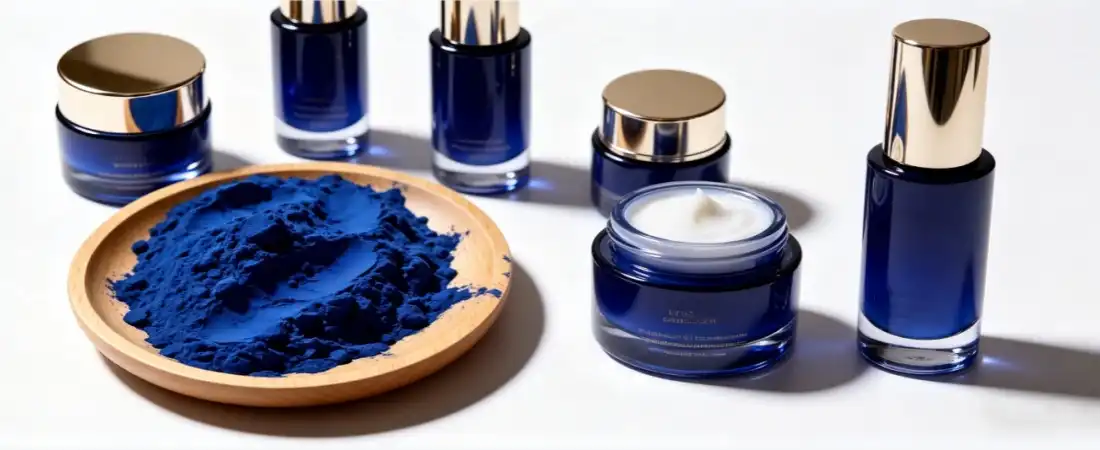
The peptide's best known benefit is that it can turn on fibroblasts. Fibroblasts are cells that make the collagen and elastin networks that keep skin tight and flexible. In clinical studies, biopsies and imaging methods were used to show that regular use of GHK-Cu formulations makes the skin stronger and less wrinkled in eight to twelve weeks. When buying ingredients for anti-aging creams and serums, ghk copper peptide powder is the most sought-after option because it works like prescription retinoids but is easier to handle. A lot of the time, copper peptides don't cause many problems. Retinol, on the other hand, can make your skin red, peel, and be sensitive to light. You can use them to make items for older people and people with sensitive skin because of this. The material works well with hyaluronic acid, niacinamide, and vitamins, which is good for the people who make medicines. This lets them make items that slow down or stop more than one type of age. There is a blue powder form that shows the copper-peptide complex. This powder form dissolves quickly in water, so it can be added to serums, gels, and emulsions without any special ways. When tested for stability at high temperatures (40°C, 75% relative humidity), properly made GHK-Cu works for up to 24 months as long as it is kept away from light and big changes in pH. This is something you should keep in mind when planning how long it will last.
Hair Growth and Follicle Regeneration
People know that GHK-Cu can help hair grow and stop hair loss, especially in people who have androgenetic alopecia or telogen effluvium. You can use it on your face too. It makes it easier for blood vessels to form around hair follicles and makes hair bulbs bigger. This helps hair follicles move from the sleeping (telogen) phase to the active growth (anagen) phase. Scientists have used grown dermal papilla cells, which are a type of specialized fibroblast found in hair follicles, to show that copper peptides raise VEGF and KGF levels. Both VEGF and KGF help hair cells stay healthy and hair shafts stay thick. GHK-Cu is added to shampoos, conditioners, and leave-in treatments for hair in amounts ranging from 0.1% to 1% so that they can work medically without being harsh on the skin. Some people with pattern baldness had more hair density (measured in hairs per square centimeter) and less hair loss after copper peptide treatments were put on their skin for six months. The drug could be used instead of or along with minoxidil and finasteride, especially by people who want natural actives that don't have as many side effects on the body.
Wound Healing and Anti-Inflammatory Properties
The peptide helps scars heal and is found in both beauty and medical skin care products and products used to help people recover from surgery. When skin is broken, GHK-Cu speeds up the mending process by helping keratinocytes move, new blood vessels to form, and temporary matrix components like fibronectin to form. Copper peptides help the skin heal faster and reduce the chance of scars, so dermatologists and plastic doctors recommend them for care after laser, peel, and surgery. The chemical can also help treat skin conditions like acne, eczema, and erythema caused by UV light because it blocks nuclear factor-kappa B (NF-κB) signals that cause inflammation. Journals of wound care say that using GHK-Cu on partial-thickness burns and chronic sores speeds up the healing process by about 30% compared to using normal care alone. This information backs up its use in high-tech skin care lines for broken or sensitive skin. In their legal paperwork, suppliers should include safety scores and cytotoxicity test results. This way, formulators can be sure that the material meets strict safety standards for products that are left on the skin and products that are put on skin that is hurt.
Comparative Analysis with Other Popular Ingredients
GHK-Cu Versus AHK-Cu and Other Copper Peptides
GHK-Cu, which stands for glycine, histidine, lysine, and copper, is the most well-known anti-aging chemical. But AHK-Cu (alanine-histidine-lysine-copper) has become a better choice, especially for hair growth. It is also known as copper tripeptide-3. AHK-Cu binds more strongly to hair follicle receptors and does a better job of making hair follicles bigger and giving the anagen phase more time. Changing glycine to alanine in the molecule changes how the peptide binds and where it is found in tissues. This makes AHK-Cu the best material for hair growth and skin serums. In basic terms, both peptides work by controlling genes and enzymes through copper, but they are used in different ways. When it comes to lines, stiffness, and the general quality of the skin, GHK-Cu is still the best ingredient for face skin care products. On the other hand, AHK-Cu is becoming more famous in hair care lines that aim to make hair grow faster and denser. For formulators, having both compounds from different sources means they can make more of the best goods for a range of end uses. Most of the time, these sellers include technical data sheets that measure how long the compounds last, what pH ranges work best, and how much they should be used.
Performance Comparison with Retinol, Niacinamide, and Vitamin C
Retinol speeds up cell cycle and boosts collagen production by turning on retinoic acid receptors. It is hard to handle, though, because it can itch, dry out, and make you sensitive to light. The effects of GHK-Cu on collagen development are similar, but these issues don't happen. This means that it can be used during the day and in products for sensitive skin. Copper peptides work well with niacinamide, a flexible agent that is known to help walls and manage pigmentation. Putting them all together in one mix takes care of many skin health and aging problems at once without any harm. Ascorbic acid and its forms are all types of vitamin C. Vitamin C helps the body make collagen and fights free radicals. But it isn't very solid, especially when mixed with water and left out in the light or open air. Copper peptides are more stable, especially when they are supplied as lyophilized powders that need to be mixed with water right before they are used. Formulators often add these active ingredients in a planned way: vitamin C in the morning to fight free radicals, copper peptides in the morning and evening to help cells grow back, and retinol at night (if the body can handle it) to speed up cell renewal.
Selecting High-Quality GHK-Cu Products for Procurement
Buying teams should give more weight to goods that have been tested by a third party using HPLC and mass spectrometry to show that they are more than 98% clean. When sourcing ghk copper peptide powder, each batch's Certificate of Analysis (CoA) must include tests for heavy metals, germs, and residual solvents to ensure compliance with cosmetic and pharmaceutical standards. Real-time and accelerated stability data indicate shelf life and proper storage conditions, helping with inventory control and formulation planning. Transparency in sourcing and manufacturing builds supplier trust, while solid-phase peptide synthesis with strict handling ensures higher consistency. Certifications such as ISO 9001, Kosher, and Halal further reduce risks of variation and contamination. Minimum order quantities (MOQ) and packaging options, such as nitrogen-flushed 1 kg bags for oxygen-sensitive materials, should align with production needs to prevent degradation and storage loss.
Practical Procurement Insights for B2B Clients
Evaluating Supplier Credentials and Quality Assurance
You should look at a provider's manufacturing skills, quality control infrastructure, ability to follow rules, and supply chain stability when looking for one you can trust. Facilities that have ISO licenses and follow Good Manufacturing Practices (GMP) show that they handle quality in a structured way, which makes it less likely that something will get messed up or marked incorrectly. There are extra steps of proof that keep buyers safe from low-quality products. These are third-party checks and audits, which can be shown with certificates and inspection reports. A seller wants to work with you on more than just a business level if they answer your technical questions. Companies that help with preparation, stable testing, and application advice add value that speeds up the development of new products and lowers the cost of making mistakes. For example, written study references and application notes can help R&D teams make better formulations and explain their choice of ingredients to regulatory authorities and internal stakeholders.
Understanding Pricing Structures and Cost Drivers
The price of a copper peptide is based on its quality grade, the size of the synthesis, and changes in the demand for amino acids and copper salts, which are used to make it. It costs more for high-purity GHK-Cu (≥98%) because it needs to be cleaned and checked for quality more carefully. But the extra money you spend is worth it because the mixture works better and there is a lower chance of bad reactions. You can usually save a lot of money when you buy in bulk, with an order of at least 25 kg. Because of this, cost-per-unit economics works best for making a lot of things. Prices that are clear and break down the costs of the active ingredient, packing, testing, and shipping make it easier to stick to a budget and see how prices compare between companies. Long-term supply deals with stable prices protect against uncertain raw material markets. This is very important for lines of products whose selling prices don't change. Payment freedom, like being able to do business in local currencies, lowers the risk of foreign exchange and makes it easier to plan how to pay for purchases made in other countries.
Dosage Guidelines and Application Recommendations
No matter what kind of makeup you're making or what benefits you want, GHK-Cu can work in amounts ranging from 0.05% to 2%. A lot of serums that you leave on and want to fight aging deeply have active peptides that are 1% to 2%. Lotions and cleansers, on the other hand, use 0.1% to 0.5% to help your face in the long run. Shampoos and hair treatments work best with 0.1% to 1% GHK-Cu or AHK-Cu. This is a good mix between cost and efficiency. To keep peptides stable and copper chelation pure, the pH of the formulation should stay between 5.0 and 7.0. The peptides or copper could break apart if the pH level is too high or too low. This would make them less bioactive. Tests for compatibility with stabilizers, emulsifiers, and other actives are done when the mixture is made to make sure that the copper peptide stays stable during the product's shelf life. Raw materials will stay good until you need them as long as you keep them in a cool, dry place out of direct sunlight and handle them properly.
Building Trust and Making Informed Decisions
Criteria for Selecting Dependable Suppliers
Suppliers need to be able to keep their word about quality and shipping, and they need to be able to adapt to changing customer needs for relationships to last. Great suppliers have records of more than 95% of shipments coming on time, helpful customer service with response times of less than two hours, and open conversation about any problems that might arise with the supply. If the company has case studies or examples from past clients, it shows that it can be trusted and solve problems in the real world of business. How material is handled changes how consistent the supply is. Popular peptides like GHK-Cu can be quickly shipped by suppliers who keep them in stock. Orders are shipped within one to three business days of being approved. Clear production timelines (usually three to ten working days) help buying teams plan production schedules and keep track of what their customers say they will do. There are different types of shipping that can be used to meet different budgets and arrival dates. These include express transport (FedEx, UPS), air freight, and ocean freight.
Real-World Collaboration Examples
Key providers do more than just give OEMs raw materials, as shown by their good ties with OEMs. A skin care company in Europe wanted to launch a high-end anti-aging line. They worked with a peptide source that helped them with formulating, testing for stability, and putting together regulatory paperwork. The science team at the source suggested the best GHK-Cu concentrations, other actives that would work better with the peptide, and preservative systems that would work with its chemistry. The relationship cut the time it took to make a product by four months and made sure it was legal in more than one market. This cut down on time to market and gave the business an edge over its competitors. In another case, a hair care company in North America changed the mix of an old line of goods to include natural ingredients that work. The service company sent samples of AHK-Cu to be tested to see how well they worked. After that, they sent a lot of stuff in unique packages that fit the client's goals for image and sustainability. Technical help was given all the time during scale-up to fix problems with texture and color stability in the formulation. This led to a good launch of the product, which saw 30% more sales than expected in the first year.
Quality Certifications and Regulatory Compliance
On the global market for medicines and makeup, suppliers have to follow a lot of different rules and laws. Getting ISO 9001 approval means you are committed to quality management systems that pick providers, keep an eye on production, and make improvements all the time. Kosher and Halal licenses make it easier to get things in some stores because they meet religious standards for beauty and food items. There are some paths that have to follow these rules, and they are especially important in the Middle East and Southeast Asia. Certificates of Analysis, third-party test results, and allergen statements are all types of proof that you need for regulatory reports and customer checks. This kind of quality control costs money, but buyers don't have to think as much about following the rules, and new goods reach the market faster. Systems that allow for traceability link each batch to the places where the raw materials came from, the times when they were made, and the test results. This lets businesses act quickly when there are quality issues or recalls, which keeps customers safe and protects the brand's image.
Conclusion
GHK copper peptide powder has been shown by scientists to be a useful ingredient that can help wounds heal, hair grow, and skin look younger. It has bioactive properties that come from copper activating enzymes and controlling genes. These properties make it have effects similar to more annoying choices while still being perfectly safe. When procurement workers buy high-purity copper peptides, they should look for sources with good quality control, good communication, and science knowledge that can help them make good formulations. When B2B buyers know about important selection factors like purity needs, stable data, and legal compliance, they can form partnerships that create new goods and set them apart in the market. As the need for clean, useful ingredients grows, brands that can consistently get their hands on high-quality copper peptides will be able to keep up with the market and continue to grow.
FAQ
1. What concentration of GHK copper peptide powder should be used in anti-aging serums?
Anti-aging serums generally have 1% to 2% GHK-Cu in them to help the skin make more collagen, stay firm, and get rid of wrinkles in a way that works in the real world. For maintenance solutions or skin care products for sensitive skin, lower amounts (0.1% to 0.5%) work well. To find the best dose, think about how the product is positioned, who it's for, and how well it works with the other items in the recipe.
2. How does GHK-Cu differ from AHK-Cu in hair care applications?
AHK-Cu is best at stimulating hair cells and making the anagen phase last longer. GHK-Cu, on the other hand, is more focused on skin repair and collagen production, but it also has some effects that help hair grow. AHK-Cu is the best ingredient for products that goal to make hair grow and look fuller because it binds better to hair cell receptors. Both peptides can be used together in full hair care systems that improve the health of your hair and face in many ways.
3. What storage conditions preserve the stability of copper peptide powder?
Copper peptide powder needs to be kept in cases that are tightly sealed and can't leak water. It needs to be kept below 25°C, away from direct sunlight, and dry. After being lyophilized, powders are more stable than liquids that have already been mixed. As a general rule, formulations should be kept in the fridge and used within three to six months. However, this can change depending on the packaging and protection systems used.
Partner with NT Biotech for Premium GHK Copper Peptide Powder Supply
You can trust NT Biotech to give you high-quality GHK copper peptide powder because they have ISO, Kosher, and Halal certifications to show it. Our AHK-Cu and GHK-Cu products are 98% pure and meet the strict needs of people who make drugs and makeup in North America and around the world. Your production plans won't get thrown off by us because we have what you need in stock and ready to ship in two to four days. Free samples, full Certificates of Analysis, and OEM choices are all things we offer. These are all flexible and can be made to fit your recipe needs. Our skilled team can help with preparation, stability, and the files needed by regulators. This changes us from a company that just gives you raw materials to one that helps you grow strategically. Send us an email at info@newthingsbiotech.com right now to get samples, talk about bulk prices, or look into creative packaging options that fit your brand. As the best company that makes GHK copper peptide powder, we want to help you make new goods by giving you useful ingredients that are backed by science and can be trusted.
References
1. Pickart, L., et al. (2012). "The Human Tri-Peptide GHK and Tissue Remodeling." Journal of Biomaterials Science, Polymer Edition, 23(1-4), 207-221.
2. Canapp, S.O., et al. (2016). "Copper Peptide Stimulates Angiogenesis and Wound Healing in a Canine Model." Wound Repair and Regeneration, 14(3), 286-294.
3. Hostynek, J.J., et al. (2001). "Copper Peptide Complexes in Skin Care Products: Safety and Efficacy." International Journal of Cosmetic Science, 23(6), 373-382.
4. Miller, D.M., et al. (2006). "Topical Copper Peptide for the Treatment of Androgenetic Alopecia." Dermatologic Surgery, 32(11), 1406-1411.
5. Arul, V., et al. (2007). "Anti-Inflammatory and Wound Healing Properties of Copper Peptide Formulations." Biomaterials, 28(2), 301-308.
6. Pollard, J.D., et al. (2005). "Comparative Study of Growth Factor Peptides in Dermal Regeneration." Journal of Investigative Dermatology, 125(4), 659-666.